Reviewed · MULTI-DAY TOURS THAT VISIT OKAYAMA
Timeless Japan by Cosmos – 10-Day Tokyo to Osaka Tour – Reviews & Prices
Cosmos’s 10-day route links Japan’s big contrasts: Tokyo’s shrine-and-shopping streets, Mount Fuji’s lakeside views, Kyoto’s temples, Hiroshima’s memorials, and Osaka’s food scene. I like that the trip pairs major landmarks with places such as Kurashiki’s old canal quarter and a Bizen pottery workshop. It gives you more than a string of famous photo stops.
I also like the practical mix of transport: a private coach handles most transfers, while the shinkansen carries you from the Mount Fuji area to Kyoto. The main trade-off is the pace. You get only one full sightseeing day in Tokyo, and the long drives to and from Hiroshima take time away from exploring.
In This Review
- The trip at a glance
- Japan in ten days, with the big sights in reach
- Tokyo: a shrine, a garden, and a busy temple street
- Mount Fuji: beautiful views, weather permitting
- Kyoto: torii gates, temples, and Gion
- Okayama and Kurashiki: a garden and an old canal quarter
- Hiroshima and Miyajima: remembrance and a shrine over water
- Osaka: castles, farmhouses, and okonomiyaki
- What the group format and hotels mean for you
- Meals, free time, and overall value
- Should you book Timeless Japan?
- FAQ
- How long is the Timeless Japan tour?
- Which places are included on the route?
- Is the bullet train included?
- How many meals are included?
- What is the group size?
- Is the tour physically demanding?
- Are airport transfers included?
- Is Timeless Japan currently operating?
The trip at a glance
- Tokyo to Osaka in 10 days: Stay in Tokyo, the Mount Fuji area, Kyoto, Hiroshima, and Osaka.
- Mount Fuji views depend on weather: A cable-car ride near Lake Kawaguchi is planned, along with a stop at Chureito Pagoda.
- Kyoto gets two nights: See Fushimi Inari, Kinkakuji, Nishiki Market, Sanjusanjendo, and Gion.
- Hiroshima brings reflection and scenery: Visit the Peace Memorial Park and Miyajima’s Itsukushima Shrine.
- Meals are partly covered: The package includes nine breakfasts and three lunches, including an okonomiyaki meal in Osaka.
- Check availability before planning around it: Cosmos says it will not operate this tour for the 2026 season, and no current departure months are listed.
Japan in ten days, with the big sights in reach
Timeless Japan is designed for a first visit that needs structure. You move from Tokyo to Osaka with a tour director, coach transfers, hotel stays, and a planned run of cultural and historical sites. That makes the trip easier to manage than arranging every train, hotel, and day trip yourself.
The route also has a useful rhythm. Tokyo introduces modern Japan and Shinto tradition; Kyoto offers Buddhist temples, shrines, and old districts; Hiroshima brings the country’s recent past into focus. Gardens, a castle, pottery, a bullet train, and regional food add variety between those major chapters.
The value is in having the major logistics bundled, not in having every hour paid for. Nine breakfasts and three lunches are included, while several afternoons and evenings are left open for your own plans. The current information does not give a tour price, so you’ll need a live quote to judge the cost against booking hotels, transport, and guided visits independently.
One important planning note: Cosmos says Timeless Japan will not operate for the 2026 travel season. No departure months are currently listed. Treat this as a review of the tour’s route and format, not confirmation that a departure can be booked now.
A few more options to weigh up in Tokyo
- Tokyo Disney Resort – Tokyo Disneyland & Tokyo DisneySea Park Tickets
★ 4.8 · 99,488 reviews - SHIBUYA SKY Ticket
★ 4.7 · 46,509 reviews - JR Whole Japan Rail Pass
★ 4.8 · 29,150 reviews
Tokyo: a shrine, a garden, and a busy temple street
Your first day is mainly for arrival and hotel check-in. Rooms are available from mid-afternoon, leaving time to rest or take a short walk near the hotel if you arrive with energy to spare. International flights are not included, and airport transfers are not part of the tour price; the company has offered them as an extra-cost service.
On the second day, Meiji Shrine gives you a quiet start. Set in a man-made forest, this Shinto site feels far removed from the traffic and crowds of central Tokyo. It’s a good introduction to the way a major city can protect pockets of calm within its daily rush.
Shinjuku Gyoen follows, with Japanese and modern garden styles in the same park. The garden dates to the early 1600s as a feudal lord’s property, was destroyed in World War II, and reopened to the public in 1949. It gives you space to slow down before the afternoon at Asakusa Kannon Temple and Nakamise shopping arcade.
Asakusa is the more animated stop. The temple and its approach bring together religious practice, shops, and street food, so you can look around at your own pace and sample something if you wish. The afternoon is free, a useful chance to add another Tokyo neighborhood or simply recover from jet lag.
The limitation is clear: Tokyo gets one full sightseeing day. If you want time for several districts, museums, or a slower look at the city, consider arriving early or extending your stay independently.
Mount Fuji: beautiful views, weather permitting
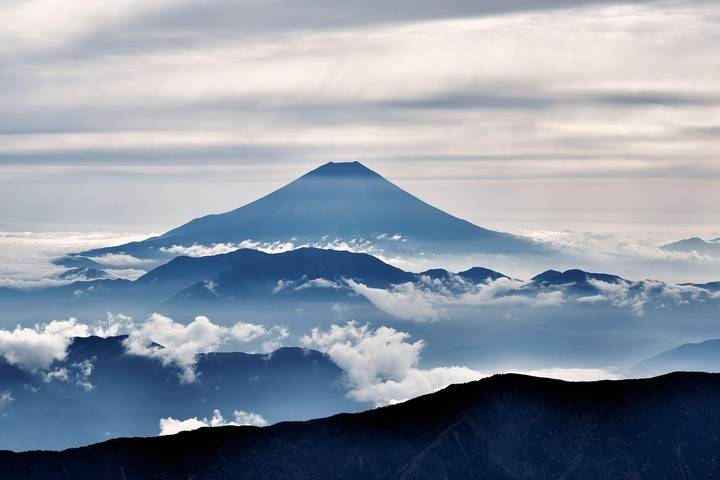
Day three heads south from Tokyo to the Five Lakes region. The planned cable-car ride offers views over Lake Kawaguchi and Mount Fuji, while Chureito Pagoda gives you a chance to see the classic pagoda-and-mountain composition.
The phrase weather permitting matters. Fuji can be hidden by cloud, so treat the cable-car view as a possibility rather than a promise. Even with the mountain out of sight, the itinerary still takes you to the lake area and pagoda, but the day’s headline view depends on conditions.
This is one of the tour’s stronger changes of scene. After Tokyo’s urban scale, the lakes and mountain country offer a different pace and a chance to see why Fuji has long held sacred meaning in Japan. Keep your camera ready, but don’t let one view become the only measure of the day.
Kyoto: torii gates, temples, and Gion
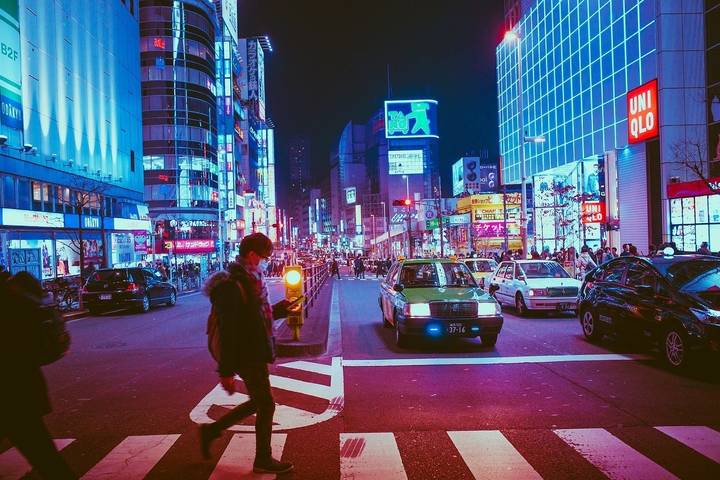
On day four, you board the shinkansen for Kyoto. The bullet train is a highlight in its own right: fast, comfortable, and a practical way to connect the Mount Fuji area with the Kansai region. This is the tour’s included bullet-train journey.
Kyoto sightseeing begins at Sanjusanjendo, where 1,001 statues of Kannon line the temple hall. It is a striking encounter with Buddhist art and devotion, and a good reminder that the city’s appeal goes well beyond postcard scenery.
Fushimi Inari Shrine is next, known for its rows of bright torii gates. The gates form tunnel-like paths up the hillside, and the site can involve more walking than a quick photo stop suggests. The scheduled visit gives you an introduction; the amount you explore on foot will depend on the time allowed.
Later, a guided walk through Gion introduces Kyoto’s historic geisha district, with a local treat included. The day covers a lot, so expect to keep moving. A traditional ryokan stay is offered as an optional extra, not part of the standard accommodation package.
Day five opens at Kinkakuji, the Temple of the Gold Pavilion. Gold leaf catches the light above the pond, making this one of Kyoto’s most instantly recognizable sights. Its popularity means you’ll share the view with other visitors, but the setting is still worth seeing in person.
At Nishiki Market, you can browse a narrow, five-block shopping street lined with more than 100 shops and restaurants. It’s a useful place to see ingredients and local food culture up close, though the market is also a working shopping street, not a quiet museum.
The Samurai and Ninja Museum adds a more hands-on stop, with a guided tour, displays of weapons and armor, and a chance to pose in samurai armor and a helmet. It’s a lighter counterpoint to the temples. The afternoon is free, giving you room to choose another shrine or simply enjoy Kyoto without a fixed schedule.
A completely different kind of day out:
- Mt Fuji and Hakone 1-Day Bus Tour Return by Bullet Train
★ 5.0 · 26,383 reviews - TOKYO SKYTREE® Ticket
★ 4.7 · 25,136 reviews - teamLab Borderless Tickets: MORI Building DIGITAL ART MUSEUM
★ 4.7 · 24,126 reviews - teamLab Planets TOKYO Ticket
★ 4.7 · 21,663 reviews
Okayama and Kurashiki: a garden and an old canal quarter
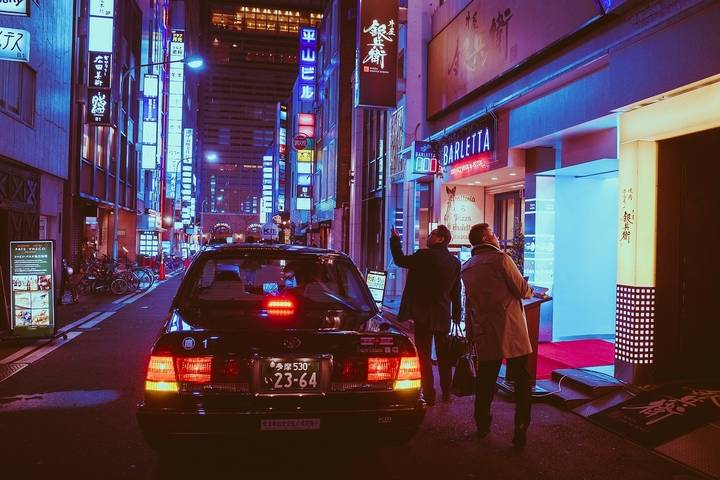
Day six is a travel day with two worthwhile stops. Koraku-en in Okayama is one of Japan’s three great gardens. Its ponds, plum groves, tea fields, and broad lawns create a different feel from the more enclosed garden spaces many people associate with Japan.
The lawn areas are a notable feature. They open the view and give the garden a spacious, almost pastoral character. You’ll have time to walk through part of the grounds, though the stop is one element of a longer transfer south.
In Kurashiki, free time in the Bikan Historical Quarter lets you wander among white-washed buildings, stone streets, and canals. The area preserves the look of an Edo-period commercial center, offering a gentler interlude before continuing to Hiroshima.
The trade-off is the coach time. This day links Kyoto, Okayama, Kurashiki, and Hiroshima, so the stops break up the journey but don’t turn it into a leisurely regional stay.
Hiroshima and Miyajima: remembrance and a shrine over water
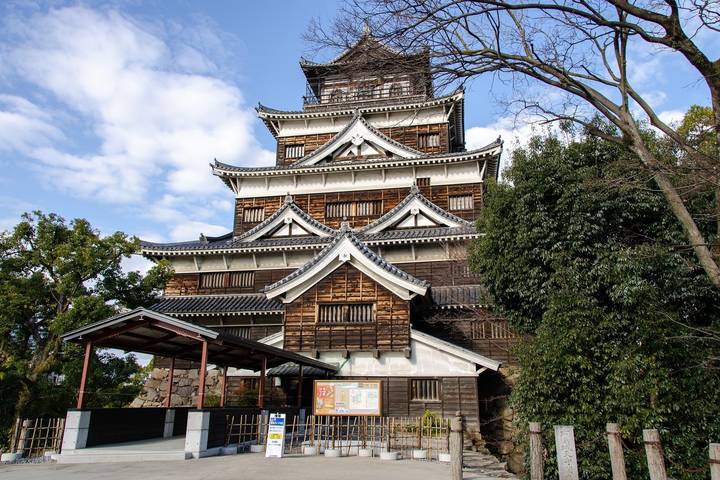
Hiroshima gets a full sightseeing day. At Peace Memorial Park, the Atomic Bomb Dome remains as a stark reminder of the destruction of August 6, 1945. The visit continues to the Memorial Museum and Memorial Hall, giving you space to understand the human cost as well as the historical event.
This part of the tour is serious and deserves time and attention. It’s not simply another landmark on a checklist. The preserved structure, park, and memorial sites make a powerful setting for reflection.
Later, you travel to Miyajima Island to visit Itsukushima Shrine, famous for its torii gate that appears to float over the water. The exact appearance of the gate depends on the conditions when you visit, but the shrine’s setting is the point: architecture, shoreline, and sacred space come together in an unusually memorable way.
The next day includes another long coach route, north toward Bizen and Himeji, then on to Osaka. A traditional pottery workshop introduces Bizen-yaki, a ceramic style with more than 1,000 years of history. At Himeji Castle, you’ll see one of Japan’s finest surviving examples of early 17th-century castle architecture. These stops add craft and military history to a trip otherwise weighted toward temples and memorials.
Osaka: castles, farmhouses, and okonomiyaki
Osaka’s sightseeing begins at the Open-Air Museum of Old Japanese Farm Houses. Restored thatched-roof homes from the Edo period let you see domestic architecture on a human scale, a welcome contrast to the grand temples and castles.
Osaka Castle follows, then lunch brings the city’s famous okonomiyaki, a savory Japanese-style pancake. With one lunch included here, you get a taste of a local specialty without having to plan the meal yourself.
The walking tour through Minami connects Shinsaibashi, Namba, and Dotonbori, a central district of shops, restaurants, and entertainment. The tour wraps up by late afternoon, leaving the evening free. Returning to Dotonbori for dinner and its neon signs is an easy choice, especially since the organized walk gives you a first look at the area.
The tour ends after breakfast on day ten. If you want to explore Osaka more fully or need an unhurried departure, add a night on your own.
What the group format and hotels mean for you
The trip is fully guided in English, with a professional tour director and private, air-conditioned coach for touring. The stated group size is 42 to 50. Some past departures were smaller, including one group of 22, but it’s sensible to plan for a larger group unless your specific departure confirms otherwise.
Past tour directors included K Ono and Noriko, but guide assignments can change. The practical advantage is having one person coordinate the day, explain sites, and keep transfers moving. The app was also useful to some participants, but the tour’s key support comes from the director and on-the-ground schedule.
The named hotels are Shibuya Tokyu REI Hotel in Tokyo, Daiwa Roynet Numazu in the Mount Fuji area, Kyoto Tokyu Hotel, Hiroshima Tokyu REI Hotel, and Shin-Osaka Esaka Tokyu REI Hotel. Accommodation ratings have been a little lower than the itinerary, transport, guide, and food scores, though many past participants were pleased with the hotels. Some found that hotel locations were not close to evening dining, so check the location and plan accordingly when choosing where to eat.
The tour is described as low intensity, but that doesn’t mean no effort. Temple grounds, markets, gardens, and castle visits involve walking, and stairs may be part of the day. If you have mobility or health concerns, ask Cosmos for details about the specific departure and daily walking before committing.
Meals, free time, and overall value
The package includes nine breakfasts and three lunches. The included lunches fall on the Mount Fuji day, the first Kyoto day, and the Osaka day with okonomiyaki. You’ll arrange most other lunches and dinners yourself, which lets you choose what to eat but adds costs beyond the tour price.
That balance suits people who want some meals handled without being tied to a group table every night. It also means you should budget for food, international flights, insurance, airport transfers if needed, optional activities, and other services not included.
The best value comes from the coverage: Tokyo, Mount Fuji, Kyoto, Okayama, Kurashiki, Hiroshima, Miyajima, Bizen, Himeji, and Osaka in ten days, with hotels, a tour director, coach transfers, and one shinkansen ride arranged. The compromise is limited time in several places and two substantial coach-transfer days. You’re paying for breadth and ease, not an unhurried stay in each city.
Should you book Timeless Japan?
This route is a strong fit if you want a guided first overview of Japan, appreciate history and architecture, and prefer having transport and hotels organized. The mix of Fuji scenery, Kyoto’s religious sites, Hiroshima’s memorials, Himeji Castle, gardens, and regional food gives the trip real range.
It’s less suited to anyone who wants several days in Tokyo, slow mornings, or extensive time in each destination. And at present, the bigger issue is availability: Cosmos says the tour will not operate for the 2026 season, with no current departure months listed. If the route appeals, check directly with Cosmos for any future return or ask about its other Japan tours, including options offered by its sister company, Globus.
FAQ
How long is the Timeless Japan tour?
The tour lasts 10 days. It starts in Tokyo and ends in Osaka.
Which places are included on the route?
The itinerary visits Tokyo, the Mount Fuji area, Kyoto, Okayama, Kurashiki, Hiroshima, Miyajima Island, Bizen, Himeji, and Osaka.
Is the bullet train included?
Yes. The tour includes a bullet train from the Mount Fuji area to Kyoto on day four.
How many meals are included?
Nine breakfasts and three lunches are included. Other meals are not listed as included.
What is the group size?
The stated group size is 42 to 50 people. Some past departures were smaller, but you should plan around the stated range unless your departure confirms otherwise.
Is the tour physically demanding?
It is rated low intensity. However, sightseeing includes walking, and some stops may involve stairs.
Are airport transfers included?
No. Airport transfers are not included in the tour price. Cosmos has offered transfers for an additional cost.
Is Timeless Japan currently operating?
Cosmos says it will not operate this tour for the 2026 season, and no departure months are currently listed. Check directly with the operator for any later schedule changes.
Just added in Tokyo
- Mt. Fuji & Hakone Cherry Blossom private One Day Tour★ 4.5 · 35 reviews
- Fish Market & Tokyo Skyline Private Walking Tour★ 5.0 · 14 reviews
- Tokyo: 3-Hour Bike/E-Bike Tour of the City’s Highlights★ 5.0 · 209 reviews
- 25-Min Downtown Helicopter Tour : Tokyo Skytree and Tokyo Tower★ 5.0 · 19 reviews
- Private Tour with a Local Guide – Learn about daily life in Japan★ 5.0 · 22 reviews
- Official Japan Go-Kart Through Tokyo Bay / Ginza (IDP Required)★ 4.5 · 71 reviews
- 30-Min Tokyo Central Private Heli Tour– Asakusa, Skytree, Shibuya★ 5.0 · 13 reviews
- Tokyo 2-Hour Genuine Samurai Experience: Kendo in Japan★ 5.0 · 112 reviews
Multi-Day Tours That Visit Okayama, compared.
13-Day Japan Tour: Tokyo, Mount Fuji, Kyoto, Nara, Osaka & Beyond by The Dragon Trip
Read our review →
14 Days Japan Panoramic (Private 3 Star Hotels) by Stunning Tours
Read our review →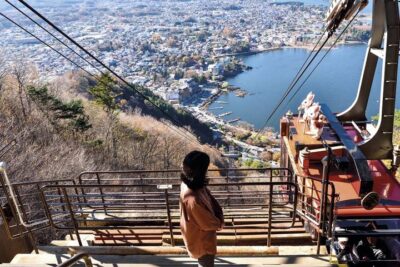
Wonders of Japan End Osaka GO by Europamundo – 12-Day Tour
Read our review →
Wonders of Japan End Osaka (including Fukuyama) 12-Day Tour by Europamundo
Read our review →
Wonders of Japan End Osaka by Europamundo – 12-Day Tour
Read our review →
15 Days Discover Japan with Hiroshima by Tomato Travel
Read our review →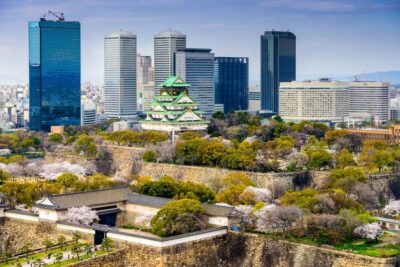
Tokyo, Kyoto and Hiroshima end Tokyo by Europamundo – 7-Day Tour
Read our review →