
Reviewed · MULTI-DAY TOURS THAT VISIT TAKAYAMA
15 Days Discover Japan with Hiroshima by Tomato Travel Review
Osaka’s food lanes, Hiroshima’s Peace Memorial Park, Kyoto’s temples and Mount Fuji all fit into one 15-day journey. That range is the draw: you get major city sights alongside smaller historic towns, mountain scenery and time to absorb Japan’s wartime past.
I like that the tour includes many entrance fees and uses a guide and dedicated coach to link places that can take time to reach on your own. I also like the free days in Kyoto and Tokyo, which give you room to follow your own interests. The trade-off is a quick pace, with long coach journeys and a number of one-night stays.
- A broad route: Osaka to Tokyo, with Hiroshima, Kyoto, Kanazawa, Takayama and Mount Fuji along the way.
- History with context: Visit the Peace Memorial Park and Atomic Bomb Museum, Himeji Castle, Todaiji Temple and Matsumoto Castle.
- A mix of guided and independent time: Most sightseeing is organized, but Kyoto and Tokyo each have a free day.
- Straightforward transport: A dedicated air-conditioned coach handles much of the route. The listed transport details differ on the Mount Fuji to Tokyo leg, so check what applies to your departure.
- Comfortable, compact hotels: The tour uses standard three-star hotels, usually with twin or double rooms. Japanese rooms can be small.
- A good fit for: First-time visitors who want a guided overview and are happy with busy days, group travel and some time on their own.
In This Review
- Osaka to Tokyo, with Japan in between
- Osaka’s street food, then Kobe’s earthquake story
- Kurashiki and Hiroshima’s memorial sites
- Himeji Castle, Nara’s deer and a free day in Kyoto
- Kanazawa’s samurai quarter and garden
- Shirakawa-go, Takayama and a preserved castle
- Mount Fuji, Lake Ashi and Tokyo’s big sights
- What the price includes, and what it does not
- Who should book this Japan tour?
- FAQ
- Where does the tour start and finish?
- How long is the tour?
- What type of accommodation is included?
- Are flights included?
- Which meals are included?
- Is the tour guided in English?
- How large can the group be?
- Are there free days?
- Are airport transfers included?
- Is a triple room available?
Osaka to Tokyo, with Japan in between
This is an overview tour, not a slow stay in any one city. Over 15 days, you move from Osaka’s food-and-shopping district to Hiroshima, Kyoto, Kanazawa, mountain towns and the Mount Fuji area, finishing in Tokyo. For a first visit, that variety can be valuable: you see different sides of Japan without planning each transfer yourself.
The group size can range from 10 to 40, though departures are often around 20. That difference matters. A smaller group can move more easily, while a large one takes longer to gather at stops and board the coach. The guide rating is strong at 4.5 out of 5, and past guide names include Calvin, Osman, Yumi and Keiko. Guides change by departure, so those names are examples, not a promise.
Expect a guided sightseeing trip with light physical activity, not a hands-off coach holiday. The daily pace can include substantial walking, stairs and uneven or steep areas. The tour is described as low intensity, but that does not mean every stop is effortless. In summer, heat and humidity can make walking harder, so bring water, take breaks when you need them and tell the guide if you need help keeping up.
Osaka’s street food, then Kobe’s earthquake story
Day one is a self-arrival day. You make your own way to the hotel, listed as near Kansai International Airport, and have time to settle in. The trip starts in Osaka, but the first night is not in the city center, so plan your arrival around the hotel location and confirm the exact hotel in your travel documents.
The next day brings Osaka Castle and Dotonbori before the group travels to Kobe. The castle’s five-story tower is a striking introduction to Japan’s castle architecture, though you should expect the visit to focus on a major landmark rather than an unhurried exploration of Osaka. Dotonbori is a lively place to sample local food, shop and spot the Glico running-man sign. It is a good chance to try a few snacks, but the tour does not include lunch.
In Kobe, the Earthquake Memorial Museum offers a sobering counterpoint to Osaka’s bright entertainment district. It is dedicated to the 1995 Great Hanshin Earthquake and gives the day a modern historical dimension. The welcome dinner is a practical way to meet the group. Meals beyond the listed breakfasts and two group dinners are generally your own responsibility.
A few more options to weigh up in Osaka
- Universal Studios Japan Studio Pass
★ 4.8 · 89,883 reviews - Universal Studios Japan Express Pass
★ 4.7 · 53,138 reviews - Osaka Amazing Pass
★ 4.7 · 21,697 reviews
Kurashiki and Hiroshima’s memorial sites
On day three, the coach heads toward Hiroshima with a stop in Kurashiki. Its Edo-period merchant quarter has canals, cobbled streets and white-walled warehouses. The stop breaks up the drive and gives you a change of scale after Osaka, though time is limited in a schedule that continues to Hiroshima.
The following day starts on Miyajima Island at Itsukushima Shrine. Its torii gate appears to float at high tide, an image that makes the setting memorable. The effect depends on the tide and conditions, so do not expect the same view at every hour. The tour then visits Hiroshima’s Peace Memorial Park and Atomic Bomb Museum, places that call for time and attention. The museum and memorials commemorate the victims of the August 6, 1945 atomic bombing. This is among the most emotionally demanding parts of the trip, and it is worth allowing yourself a quiet moment afterward.
The group continues to Okayama for the night. That overnight stop keeps the route moving, but it also means Hiroshima is not a multi-night stay. If the city’s history is a central reason for your visit, note how much time the schedule allows before you book.
Himeji Castle, Nara’s deer and a free day in Kyoto
Day five strings together two major stops. Himeji Castle, a UNESCO World Heritage Site, is celebrated for its white exterior and samurai-era design. Then the group travels to Nara for Todaiji Temple and its Great Hall, home to a huge bronze Buddha, before walking through Nara Deer Park. The deer are part of the city’s identity and have religious associations. They are memorable, but they are still animals, so give them space and follow local guidance.
The day ends in Kyoto, after a series of visits and transfers. It is a lot to pack in, and you may arrive ready for dinner and bed rather than an evening of extra sightseeing. The next day is free, which is welcome after the previous day’s moving parts. Kyoto has temples, gardens and cultural attractions to suit different interests, but the tour leaves the choices and local transport to you. Past participants have appreciated this independent time, while some wished for longer in Kyoto overall.
On day seven, the group visits Kinkakuji, the Golden Pavilion, then heads to Arashiyama for Togetsu Bridge and the Bamboo Grove. The pavilion’s gilded exterior is an iconic sight; the bamboo path is atmospheric, though it can be busy. These are popular locations, and the visit is a sampler rather than a long, quiet walk. Afterward, the coach travels to Kanazawa.
Kanazawa’s samurai quarter and garden
Kanazawa gets a full day, a useful pause after several consecutive transfers. At Buke Yashiki, you see a samurai residence and get a sense of how high-ranking samurai lived during the Edo period. Higashi Chaya’s old teahouse buildings offer another view of the city’s past, while Kenrokuen is one of Japan’s best-known landscape gardens.
The day ends at Omicho Market, where you can browse local food and crafts. This is a good place to decide what you want to eat, since most lunches and dinners are not included. The planned sequence balances historic streets, a garden and a food market, though your time at each stop will be shaped by the group schedule.
A completely different kind of day out:
- Osaka Aquarium Kaiyukan Ticket
★ 4.8 · 14,894 reviews - Osaka Castle Ticket
★ 4.7 · 12,450 reviews - Umeda Sky Building & Kuchu Teien Observatory Ticket in Osaka
★ 4.7 · 10,062 reviews - HARUKAS 300 Observatory Ticket
★ 4.8 · 9,924 reviews
Shirakawa-go, Takayama and a preserved castle
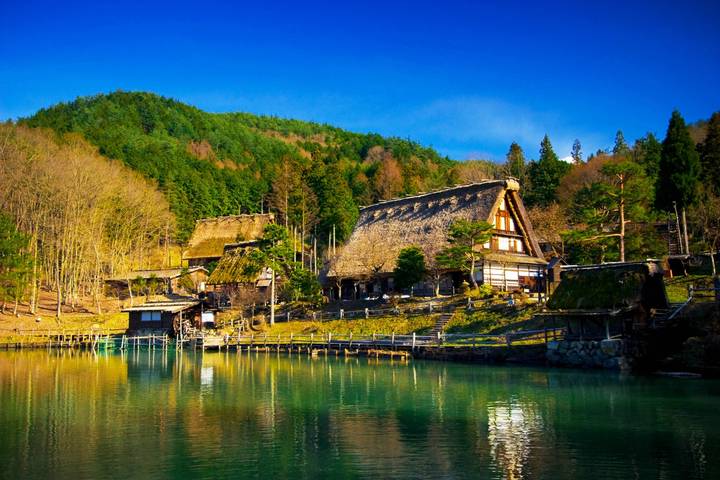
A half-day guided visit to Shirakawa-go brings a change from city streets. The village is known for its steep-roofed gassho-style houses, built to shed heavy snow. An English-speaking guide explains the village’s history, and the stop at an observation point gives you a view across the settlement. It is a compact visit, so do not expect a long rural stay. The group continues to Takayama that evening.
The next day is devoted to Takayama’s Old Town, Takayama Jinya, the former local government office, and Matsuri no Mori museum. Together, these stops give you a taste of the town’s older streets and local festival culture. Then the coach heads to Matsumoto for the night. That means a full day of sightseeing followed by another transfer, a pattern worth keeping in mind if you prefer slow mornings.
Matsumoto Castle is the main stop the following day. It is one of Japan’s most complete original castles, and its dark exterior makes a striking contrast with Himeji’s white walls. The visit involves stairs, and castle interiors can be demanding for anyone with limited mobility. The group then travels toward Mount Fuji, stopping at Oshino Hakkai, a set of eight ponds fed by snowmelt filtered through porous lava. The clear water and mountain setting make this more than a quick photo stop, though conditions and visibility vary.
The route includes a visit to Mount Fuji’s fifth station, weather permitting. If the summit is hidden by cloud, the view can be limited. That uncertainty is part of mountain travel, not a guarantee that every visit will deliver a clear peak. The day ends with a farewell dinner at the Mount Fuji area hotel.
Mount Fuji, Lake Ashi and Tokyo’s big sights
Before Tokyo, the group visits Gotemba Peace Park for another view of Mount Fuji and takes a cruise on Lake Ashi. These stops add scenery after the mountain-area visit, but the day also includes the transfer into Tokyo. Confirm the transport details for your departure: the tour information lists a bullet train from Mount Fuji to Tokyo, while the day-by-day schedule describes coach transport. Do not assume which applies without checking.
Tokyo’s guided day covers a wide sweep: Tokyo Tower, Shibuya Crossing, Tsukiji Fish Market, Sensoji Temple, Nakamise-dori and the Imperial Palace. It is a useful orientation, especially if you are new to the city, but it is not a deep visit to each place. The market stop is described as a quick lunch, so you may want to return later if food is a priority. The Imperial Palace visit offers a look at Japan’s imperial history, while Sensoji and Nakamise-dori bring together a major temple and its shopping street.
Day 14 is free for your own Tokyo plans. You could use it to revisit a favorite area or choose a museum, shop or neighborhood that was not part of the guided route. You will need to manage your own transport around the city. The tour ends on day 15, and you make your own way to either Narita or Haneda airport. Airport transfers are not included from 2025 onward.
What the price includes, and what it does not
The starting price is from $3,107, based on the cheapest room option. Prices vary by departure date and season. For example, quoted 2027 dates were listed from AU$4,449 per person on a twin-share basis, with additional seasonal surcharges for some March and April departures. Treat the starting price as a guide, then check the exact cost for your dates and room arrangement.
The package includes 14 nights in standard three-star twin-share hotels, daily breakfast, a welcome dinner, a farewell dinner, a professional English-speaking guide, the listed sightseeing and monument entrance fees, and dedicated air-conditioned coach transport. The transport notes also list a bullet train between the Mount Fuji area and Tokyo, but the day-by-day details conflict, so verify this before booking. International and domestic flights, insurance, personal spending, optional activities and airport transfers are not included.
For the price, the value comes from the number of destinations, organized transport and included sightseeing. You are not paying only for hotel nights: the route covers a lot of ground, and arranging each coach transfer and entry independently would take effort. The limits are the standard hotel category, a busy timetable and meals beyond breakfast and two dinners being your responsibility.
The hotels are generally described as clean and comfortable, with some particularly good stays. Still, room size and quality can vary. Standard Japanese hotel rooms are often around 20 square meters, and triple rooms are limited and small. If three adults are sharing, the operator has suggested a twin room plus a single room for comfort; a triple room may carry an added charge and cannot be guaranteed. A few past stays drew complaints about worn rooms or hard beds, so keep expectations realistic for a three-star itinerary.
Who should book this Japan tour?
I would choose this trip if you want a guided first look at Japan, value having transport and many entries arranged, and are comfortable changing hotels often. It suits curious visitors who want both famous sights and smaller towns, and who can manage a full day on their feet. The group format can also make the long route easier than planning every connection yourself.
I would think twice if you want several unstructured days in Kyoto or Tokyo, prefer boutique or upscale hotels, or dislike long coach rides. The trip makes a strong case for breadth, not depth. If that trade suits you, it is a practical way to connect Osaka, Hiroshima, central Honshu and Tokyo in one journey. If you book, pack light, keep a little cash for meals and personal purchases, and save your free days for the places you most want to explore on your own.
FAQ
Where does the tour start and finish?
The tour starts in Osaka and ends in Tokyo. You make your own way to the first hotel and to the airport at the end.
How long is the tour?
It lasts 15 days and includes 14 nights of accommodation.
What type of accommodation is included?
The tour uses standard three-star hotels, with twin or double rooms. Standard Japanese hotel rooms are often about 20 square meters.
Are flights included?
No. International and domestic flights are not included.
Which meals are included?
Breakfast is included daily, along with a welcome dinner and a farewell dinner. Other meals are not listed as included.
Is the tour guided in English?
Yes. It is fully guided by a professional English-speaking tour guide.
How large can the group be?
The stated group size is 10 to 40 people. The operator has indicated that groups are often around 20, but group size can vary.
Are there free days?
Yes. Day six in Kyoto and day 14 in Tokyo are free for you to explore independently.
Are airport transfers included?
Airport transfers are listed as not included from 2025 onward. You arrange your own transfer to the Osaka hotel and from Tokyo to your departure airport.
Is a triple room available?
Triple rooms are limited and cannot be guaranteed. An additional surcharge may apply. For three adults, the operator recommends a twin room plus a single room for greater comfort.
Just added in Osaka
- Tour – Japan Bonsai (12 Days) by Bavaria Fernreisen★ 4.0 · 4 reviews
- Stunning Japan with Shirakawa-go by Stunning Tours – 8-Day Osaka to Tokyo Tour★ 4.4 · 105 reviews
- South Japan Express 6-Day Tour by Europamundo★ 4.6 · 28 reviews
- Southern Japan Experience by Intrepid Travel – 12 Days from Osaka★ 4.0 · 10 reviews
- Osaka Hiroshima Snapshot 6 Day – One Life Adventures★ 4.9 · 15 reviews
- Osaka Discovery 4 Days – Universal Fun & Kyoto Heritage by Vio Travel★ 5.0 · 1 review
- On Trails through Ancient Japan 16-Day Tour by DIAMIR Erlebnisreisen★ 5.0 · 1 review
- Japan to the World Expo (incl. flight) 10-Day Tour by MEIERS WELTREISEN★ 3.0 · 1 review
Multi-Day Tours That Visit Takayama, compared.



Tokyo to Osaka by Rail – Private Tour (14 Days) with Explore!
Read our review →
Japan: Land of the Rising Sun 12-Day Tour by Intrepid Travel
Read our review →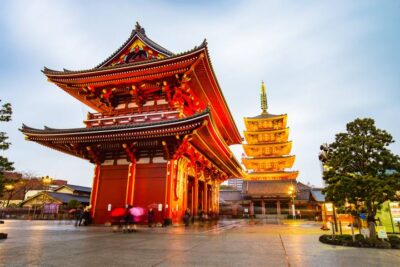
Stunning Japan with Shirakawa-go by Stunning Tours – 8-Day Osaka to Tokyo Tour
Read our review →
Visions of Japan with Hiroshima & Osaka 15-Day Tour by Globus
Read our review →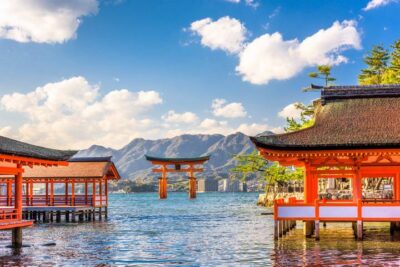
Best of Japan by Contiki – 13-Day Tokyo to Osaka Tour
Read our review →
14 Days Japan Panoramic (Private 3 Star Hotels) by Stunning Tours
Read our review →Browse the lists this tour appears in