
Reviewed · PRIVATE TOURS IN TOKYO
Tokyo: Customized Private Tour with a Local Guide
Tokyo rewards a personal plan. This private tour lets you shape the day around your interests, then links major sights with small streets, local cafes, old shopping lanes, and Tokyo subcultures. I especially like the one-to-one flexibility and the chance to see places such as Shinjuku’s postwar markets, Yanaka Ginza, or retro gaming shops with a bilingual guide. I also like that pickup can begin at your hotel or a station.
The main tradeoff is cost control. The $85 price covers the guide, but you still pay for trains, food, attraction tickets, and any admission fee for the guide. An eight-hour day can offer excellent value, while a four-hour outing may feel expensive if you mainly want one neighborhood and a temple.
In This Review
- Key points at a glance
- A Tokyo day built around your interests
- Shinjuku: black markets, Kabukicho, and Golden Gai
- Akihabara and Tokyo’s retro gaming side
- Harajuku, Omotesando, and Meiji Jingu
- Asakusa and Sensoji Temple
- Yanaka Ginza and Tokyo’s older neighborhood feel
- Koenji and Tokyo’s independent subcultures
- Food, shopping, and useful local advice
- How the timing affects value
- Walking, meeting points, and practical limits
- Who should book this private Tokyo tour?
- Should you book it?
- FAQ
- How long is the Tokyo customized private tour?
- What languages does the guide speak?
- Can the guide meet me at my hotel?
- What does the $85 price include?
- Are meals and transportation included?
- Is the tour suitable for children or wheelchair users?
- What happens if I need to cancel?
Key points at a glance
- Your interests set the route: Choose history, food, anime, shopping, nightlife, photography, vegan dining, fashion, or a mix.
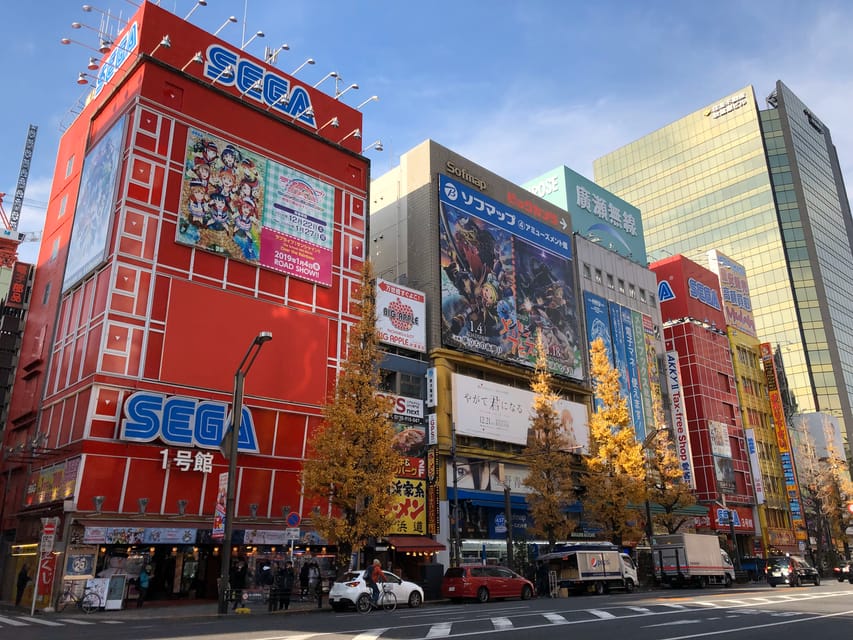
- Several Tokyo moods fit one day: Move from Shinjuku’s neon and narrow bars to Meiji Jingu, Harajuku, Asakusa, Yanaka, or Koenji.
- English and Japanese are available: The guide can explain local customs, answer questions, and help you read the city’s train system.
- Private means flexible: The route can change as your questions and interests develop.
- Expect a walking day: Comfortable shoes, water, sunscreen, and a charged phone matter.
- The price excludes extras: Transportation, meals, drinks, entrance fees, and the guide’s applicable admission costs are separate.
A Tokyo day built around your interests
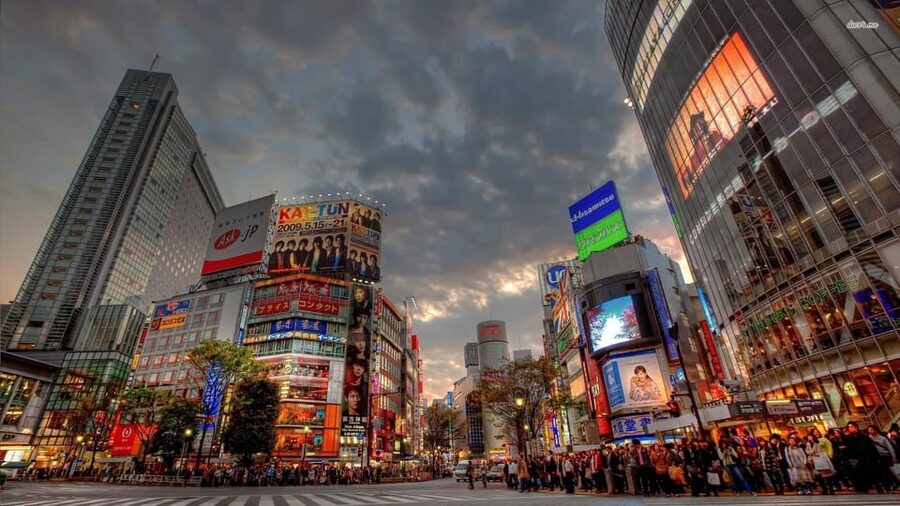
Tokyo is too large for a single standard route. A family interested in temples needs a different day from a couple seeking metal clubs, vintage games, or small food counters. The strength of this experience is that you can tell the guide what you want before the meeting, then adjust the plan as the day unfolds.
The guide has more than a decade of experience in Tokyo and speaks English and Japanese fluently. That matters most when you want context rather than a quick photo stop. You can ask about Japanese life, postwar neighborhoods, shopping etiquette, shrine customs, or how to use the train network without guessing your way through every station.
You can also ask for a practical orientation day. Karen Joyce found the train advice and local shopping and dining tips useful, while Inga appreciated starting her Tokyo stay with a clear sense of the city. I think this is one of the smartest ways to use the tour. Book it early in your visit, then use what you learn for the rest of your trip.
The private format gives you room to linger. If a shrine interests you, you can ask more questions. If a shopping street is not your thing, you can move on. That freedom is harder to get on a fixed group outing.
More Private Tours in Tokyo
- Tokyo 6hr Private Tour with Government-Licensed Guide
★ 5.0 · 3,902 reviews - Private Tour to Mt. Fuji and Hakone (Fully Licenced Operator)
★ 5.0 · 1,910 reviews - Tokyo Customized Private Tour (Must See Places in 1 Day)
★ 5.0 · 1,499 reviews
Shinjuku: black markets, Kabukicho, and Golden Gai
Shinjuku can feel like several cities packed into one district. A custom route here may begin with the area’s postwar black markets, then move through narrow lanes toward the electric signs of Kabukicho and the tiny bars of Golden Gai.
The black market story gives Shinjuku useful context. Instead of seeing only department stores and giant screens, you can learn how the area changed after the war and how small businesses shaped its identity. This is a good choice if you want modern Tokyo with a layer of social history.
Kabukicho brings a different tone. It is famous for nightlife, entertainment, and the red-light district. A guide can help you understand the area without wandering into places that do not suit you. Be clear about your comfort level before the tour. You can focus on architecture, streets, food, or nightlife rather than making the district the center of the day.
Golden Gai is made up of very small bars. It is visually memorable, but not every bar will suit every visitor, and some places may have limited seating or specific entry rules. Your guide’s role is especially useful here, since you may not feel comfortable choosing a doorway at random. If you want to stop for a drink, remember that beverages are not included.
Akihabara and Tokyo’s retro gaming side
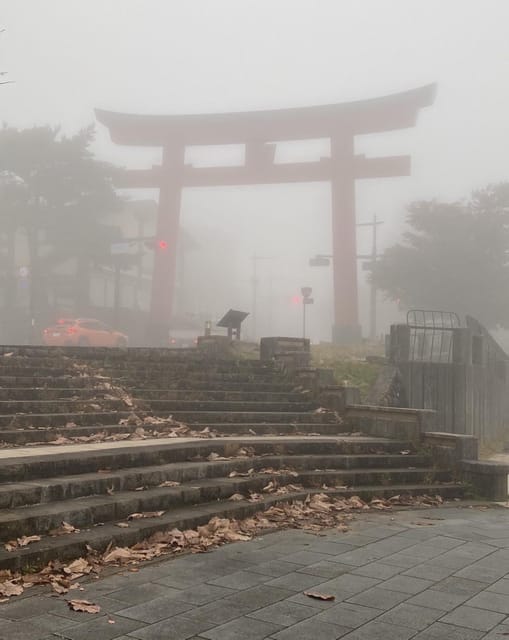
Akihabara is a natural fit for anyone interested in anime, manga, electronics, arcades, or old consoles. A personalized visit can focus on rare games, vintage game shops, retro arcades, and unusual pop culture collections rather than simply walking the main street.
This part of the tour works best when you arrive with a short wish list. Tell the guide whether you want old Nintendo systems, arcade play, collectibles, anime shops, or a general look at the district. The more specific you are, the easier it is to spend your limited hours well.
A four-hour tour may not allow time for Shinjuku, Akihabara, and a temple in any useful way. If gaming is your main goal, keep the route tight. An eight-hour day gives you more room to add another district, but you will still need to account for train time and walking between stops.
Harajuku, Omotesando, and Meiji Jingu
The Harajuku and Omotesando pairing shows two different sides of Tokyo. Harajuku brings youth fashion, creative shops, and small cafes. Omotesando is known for high-end design, modern buildings, and polished shopping streets.
The contrast makes this a strong route for visitors interested in fashion and architecture. You can also ask to include quieter cafes or side streets instead of spending the whole visit on major shopping avenues. Food and drinks cost extra, but a guide can suggest places that match your diet or budget.
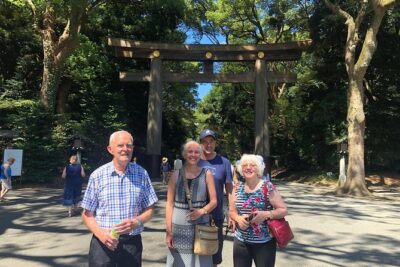
Meiji Jingu offers a change of pace. The shrine grounds provide a calmer setting near the city’s busy fashion districts. The tour may include shrine customs and background, helping you understand what to do at the entrance, how to behave during a visit, and why the site matters.
A short walk to a royal shrine was a favorite part of one guest’s day. That detail is useful if you want a little walking and history without committing to a full hiking outing. Still, the tour is not designed for people with mobility impairments or wheelchair users, and the route can involve substantial walking.
A completely different kind of day out:
- Tokyo Disney Resort – Tokyo Disneyland & Tokyo DisneySea Park Tickets
★ 4.8 · 99,488 reviews - SHIBUYA SKY Ticket
★ 4.7 · 46,509 reviews - JR Whole Japan Rail Pass
★ 4.8 · 29,150 reviews - Mt Fuji and Hakone 1-Day Bus Tour Return by Bullet Train
★ 5.0 · 26,383 reviews
Asakusa and Sensoji Temple
Asakusa is one of the clearest places to see Tokyo’s older public face. Sensoji Temple is the main draw, with Nakamise-dori leading visitors toward the temple through a long shopping approach. The area can be busy, so your guide can help you focus on the temple, local customs, nearby lanes, or lesser-known shrines.
I like Asakusa for first-time visitors who want a strong introduction to Japanese religious architecture and traditional streets. It also works well for photography, though flash photography is not allowed. Bring a charged phone or camera, but remember to be respectful during worship.
Nakamise-dori is convenient for souvenirs and snacks, but it is also a commercial street. If you want a quieter look at the neighborhood, tell the guide. The value of a private tour here is not just reaching Sensoji. It is choosing how much time to spend on the famous route and how much to give to nearby streets.
Yanaka Ginza and Tokyo’s older neighborhood feel
Yanaka and Yanaka Ginza offer a slower experience than Shinjuku or Akihabara. The area is known for retro streets, local shops, and a neighborhood atmosphere that feels removed from Tokyo’s giant commercial centers.
This is a good pick if you want everyday city life, small businesses, and a less polished side of Tokyo. It can also balance a day filled with major sights. You may find independent galleries, old-fashioned storefronts, and places to pause for a snack, though exact stops depend on your interests and the guide’s real-time choices.
Inga’s tour included both popular and quieter places, and that balance is central to the experience. You do not have to choose between Sensoji and a local neighborhood. With enough time, the guide can connect the two.
Koenji and Tokyo’s independent subcultures
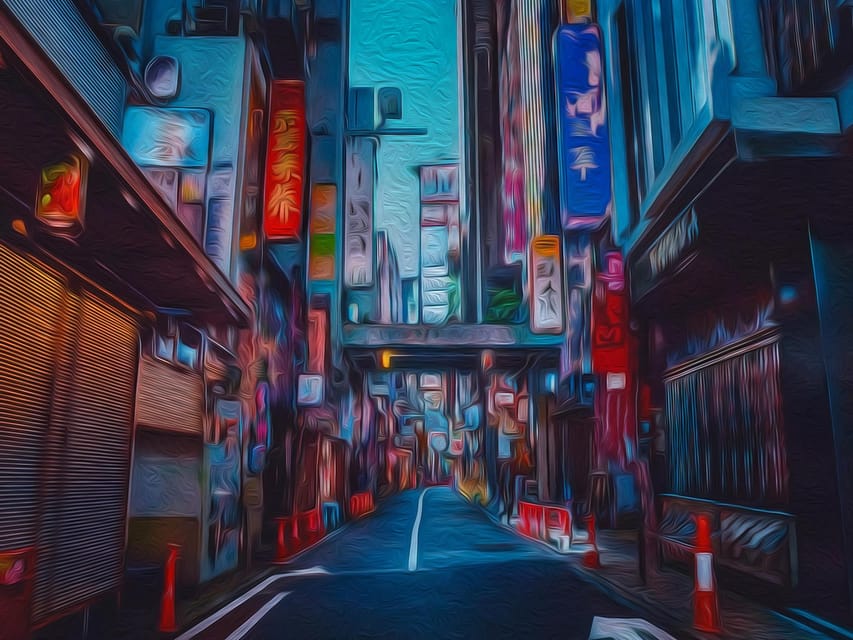
Koenji suits visitors who want punk fashion, independent galleries, music, or a look at local subcultures. It offers a different kind of Tokyo from the major sightseeing districts and may appeal to anyone interested in goth, metal, or alternative fashion.
This is not the best choice if you want only famous landmarks. It is a better fit for repeat visitors or first-time visitors who already know they prefer local scenes to standard sightseeing. Tell the guide how much time you want to spend browsing, taking photos, or stopping for food.
The experience can also be shaped around nightlife. The guide can point you toward areas connected with bars or music, but your own drinks and other spending are separate. Since nightlife plans can affect the pace and timing of the day, discuss them before you begin.
Food, shopping, and useful local advice
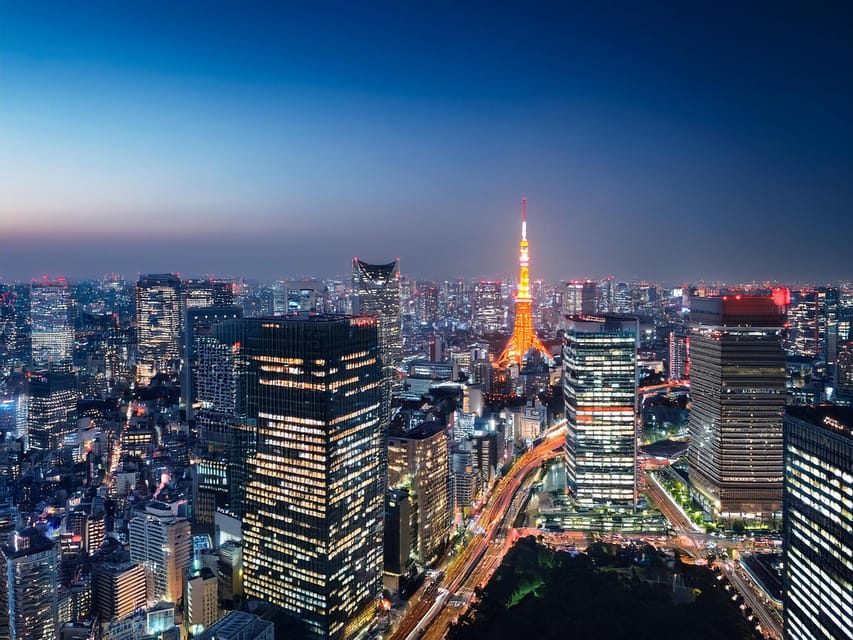
Food can be part of the route, but meals and drinks are not included. That is not necessarily a weakness. It lets you choose what you want to eat, from a quick cafe stop to a longer meal, and it makes the tour easier to tailor around allergies, dietary preferences, or a tight budget.
Tell the guide if you want vegan food, small cafes, local bars, or shopping advice. Soumita found the food and shopping suggestions helpful, especially because the guide added places beyond the original wish list. That kind of advice can save time later in your trip.
You should carry local currency for personal expenses. The guide may suggest a place to eat or shop, but you remain responsible for purchases, transportation, and tickets. Ask early about expected costs so the day does not become more expensive than planned.
How the timing affects value
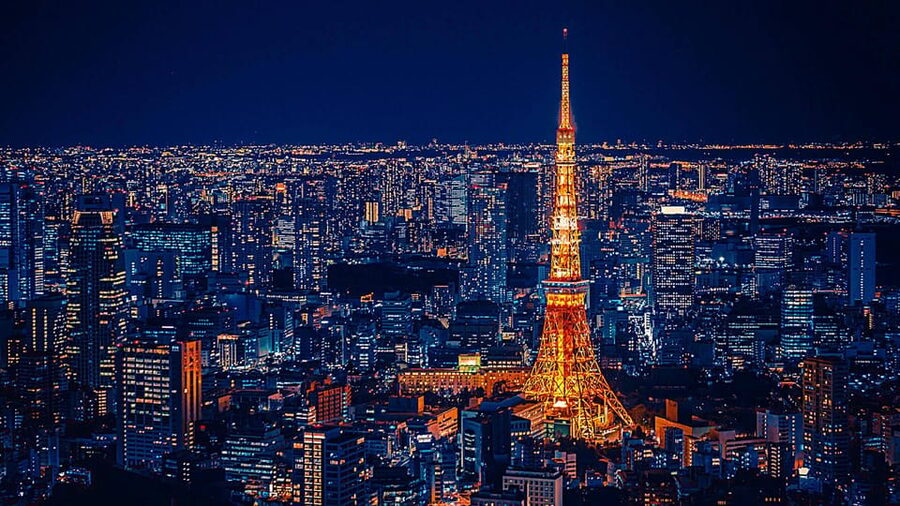
The tour lasts four, six, or eight hours. Each length serves a different purpose.
A four-hour tour suits a focused plan. Choose one or two connected areas, such as Harajuku with Meiji Jingu, or Asakusa with nearby old-town streets. This length can also work as a first-day orientation if you want train advice and a few carefully chosen stops.
A six-hour tour gives you more breathing room. You might combine a major sight with a quieter neighborhood, or add food and shopping without racing from station to station.
An eight-hour tour is the strongest choice if you want a broad Tokyo introduction. Claire guided Trevor through several districts during an eight-hour day, including Meiji Jingu, Harajuku, quieter areas, small cafes, and bars. That kind of day gives you variety, but it also requires stamina.
At $85 per person, the price is most attractive when you use the guide for planning, interpretation, local access, and practical advice. It is less appealing if you want a simple walk through one district that you could handle alone. The private format also means the value depends on your group size, though the exact maximum group size is not stated.
Transportation is not included, so trains and local transfers add to the total. Entrance fees are also separate, and you may need to cover the guide’s admission fee when applicable. Keep those costs in mind before choosing a full-day route.
Walking, meeting points, and practical limits
Pickup is included in the sense that the guide can meet you at any hotel or station if you provide the details in advance. That makes the start easier, especially when Tokyo’s station exits seem designed as a test of character.
Wear comfortable shoes. Bring water, sunscreen, a camera, and a charged smartphone. Check the forecast and dress for the day, since much of the experience takes place outdoors and on foot.
Smoking, littering, and flash photography are not allowed. Children under 10 are not suitable for this activity, and the tour is not suitable for wheelchair users or people with mobility impairments.
Cancellation is flexible up to 24 hours before the start for a full refund. You can also reserve now and pay later, which helps if your Tokyo schedule is still moving around.
Who should book this private Tokyo tour?
I would choose this experience if you want Tokyo explained by a local rather than simply photographed. It suits first-time visitors who need help getting oriented, repeat visitors seeking districts beyond the usual route, and anyone with a strong interest in food, games, fashion, temples, shopping, photography, or nightlife.
It also works well for a short Tokyo stay. A good guide can help you avoid spending half a day lost between stations or visiting places that do not match your interests. The bilingual format is useful if you want to ask detailed questions about Japanese life.
I would hesitate if you dislike walking, need a wheelchair-accessible route, are traveling with children under 10, or prefer a fixed low-cost itinerary. I would also avoid trying to cover every district in four hours. Tokyo is enormous, and a rushed checklist is a poor substitute for a well-planned neighborhood visit.
The guide names attached to past outings include Claire, Lilian, Lili, Lily, Lilly, and Vivian. Since several guides appear to lead these tours, confirm who will accompany you and share your interests in advance. That preparation is likely to make the biggest difference.
Should you book it?
Book this tour if you want a flexible Tokyo introduction with both major sights and quieter streets. I especially recommend it for your first or second day, when advice on trains, food, shopping, and neighborhood choices can shape the rest of your visit.
Choose the four-hour option for a focused route, six hours for a balanced day, and eight hours for a broad city sampler. At $85 per person plus expenses, it is a fair buy when you use the guide’s local judgment and ask for a day built around your own interests. It is not the right pick for a cheap, fully self-guided stroll, but it can save time and add meaning to Tokyo’s famously confusing scale.
FAQ
How long is the Tokyo customized private tour?
You can choose a tour lasting four, six, or eight hours. Starting times depend on availability.
What languages does the guide speak?
The live guide speaks English and Japanese.
Can the guide meet me at my hotel?
Yes. The guide can meet you at any hotel or station if you provide the details in advance.
What does the $85 price include?
The price includes a bilingual Japanese-English guide, a private group experience, and a personalized route with access to lesser-known places.
Are meals and transportation included?
No. Meals, drinks, transportation, attraction entrance fees, and any applicable admission fee for the guide are extra.
Is the tour suitable for children or wheelchair users?
The tour is not suitable for children under 10, people with mobility impairments, or wheelchair users.
What happens if I need to cancel?
You can cancel up to 24 hours in advance for a full refund. You can also reserve now and pay later.
Just added in Tokyo
- A One-of-a-Kind Sushi Experience in a Special Place of Japan★ 5.0 · 15 reviews
- Tokyo Cute Bento Cooking Class – Make a Kawaii Character Lunchbox★ 5.0 · 126 reviews
- Japanese Home Cooking Class & Walk in Todoroki Temple Tokyo★ 5.0 · 88 reviews
- Catch a Baseball Game in Tokyo with a Local – Tickets Included★ 5.0 · 24 reviews
- Japan Tokyo Tower Observatory Deck E-Ticket★ 4.0 · 34 reviews
- JDM Experience with Fast&Furious RX-7 (English speaking Driver)★ 5.0 · 57 reviews
- Tokyo Private Day Tour by Car with English speaking Driver Guide★ 4.0 · 29 reviews
- Japan Classic 10 Day – One Life Adventures★ 5.0 · 129 reviews
Private Tours in Tokyo, compared.
Tokyo 6hr Private Tour with Government-Licensed Guide
Read our review →
Private Tour to Mt. Fuji and Hakone (Fully Licenced Operator)
Read our review →
Tokyo Customized Private Tour (Must See Places in 1 Day)
Read our review →
Mount Fuji Full-Day Private Tour from Tokyo (Customizable)
Read our review →
Tokyo 4hr Private Tour with Government-Licensed Guide
Read our review →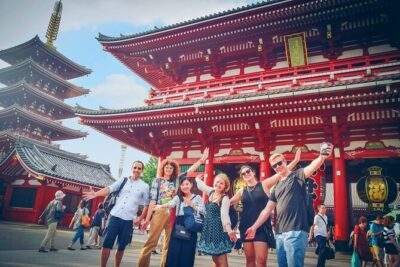
Tokyo Customized Private Tour: See Top Attractions in 1 Day
Read our review →
Mt Fuji Private Tour with English Speaking Driver
Read our review →
Mt. Fuji & Hakone Private Day Tour with English-Speaking Driver
Read our review →Browse the lists this tour appears in