Reviewed · FULL-DAY
Tokyo: Full-Day Japanese Garden Private Guided Tour
Tokyo hides some of its calmest places behind busy streets. This six-hour private tour links the city’s gardens, shrines, and parks with a licensed local guide who shapes the day around your interests. I especially like the custom itinerary, which lets you focus on formal gardens, cherry blossoms, ponds, teahouses, or a mix of Tokyo sights. I also like the personal guidance, with guides such as Yoshi, Kumi, Hiro, Tachi, and Yoko praised for careful planning and useful local advice.
The main drawback is the amount of movement. You may spend a fair part of the day on foot or riding public transport between gardens, and entrance fees, meals, and transport are extra. One unhappy customer found that much of the day went into subway travel and that a planned garden was closed, so good route planning matters.
In This Review
- Key points to know before booking
- Why a private garden tour works well in Tokyo
- Imperial Palace gardens: a stately opening
- Meiji Jingu and the quieter garden experience
- Lunch in Harajuku and a useful pause
- Shinjuku Gyoen: the strongest garden stop
- Other gardens you can build into the day
- What the guides add to the day
- Walking, trains, taxis, and the real pace
- Is $151 per person good value?
- Weather, confirmation, and booking details
- Who should book this Tokyo garden tour?
- FAQ
- How long is the Tokyo Japanese garden tour?
- Is this a private tour?
- Can I customize the itinerary?
- Which gardens can I visit?
- Are meals included?
- Are entrance fees included?
- Is transportation included?
- Where does pickup take place?
- What languages does the guide speak?
- Does the tour operate in bad weather?
- Is the tour wheelchair accessible?
- When is the tour confirmed?
- Should you book it?
Key points to know before booking
- A private six-hour route: You choose the gardens, the pace, and often the balance between parks, shrines, food, and city sights.
- Strong guide communication: Yoshi, Hiro, Kumi, Tachi, and Yoko all received special praise for planning, timing, and personal attention.
- Gardens with very different styles: Shinjuku Gyoen alone can give you Japanese, French, and English garden design in one visit.
- A walking and transit day: Pickup is on foot when your hotel is within a reasonable distance, while trains or taxis can be arranged at extra cost.
- Good for blossom season: Hiro helped one couple reach the best cherry blossom spots efficiently during a very crowded period.
- Value depends on your group: At $151 per person, the price makes more sense for people who want private planning and cultural explanation than for independent garden visitors.
Why a private garden tour works well in Tokyo
Tokyo’s major gardens are scattered across the city. One may sit beside the Imperial Palace, another near Harajuku, and another in Shinjuku. You can visit them independently, but building a sensible route takes time, especially when opening days, seasonal conditions, train connections, and walking distances enter the picture.
This tour gives you a person who can adjust the day as you go. You meet at your hotel or another agreed location, then set out with a guide who can explain what you are seeing and help shape the route. The private format is useful if you want to slow down for photographs, skip a crowded area, or spend more time in a garden that suits you.
I would not treat this as a fixed sightseeing bus route. It is closer to a guided day in Tokyo with gardens as the main theme. One guest expected a conventional garden tour but ended up with more city touring than anticipated. That may be a disappointment if you want six straight hours among ponds and clipped pines, but it can be a benefit if you want gardens mixed with shrines, neighborhoods, food, and transport advice.
The rating is 4.6 from 13 reviews, with praise centered on the guides rather than on a single fixed route. That tells you something important: the quality of your day will depend heavily on the person assigned to you and on how clearly you describe your interests before meeting.
A few more options to weigh up in Tokyo
- Tokyo Disney Resort – Tokyo Disneyland & Tokyo DisneySea Park Tickets
★ 4.8 · 99,488 reviews - SHIBUYA SKY Ticket
★ 4.7 · 46,509 reviews - JR Whole Japan Rail Pass
★ 4.8 · 29,150 reviews
Imperial Palace gardens: a stately opening
A sample route begins at the gardens around the Imperial Palace. This is a sensible first stop because it introduces the formal side of Japanese garden design and places you in one of Tokyo’s most historic central areas.
Expect broad paths, carefully arranged plantings, stonework, and a more spacious feel than you find on many downtown streets. Your guide can help explain the relationship between the palace grounds, Japanese power, and garden design. The appeal is not only visual. You begin to see how ponds, rocks, trees, and open space are placed to guide your eye and suggest a larger scene.
The palace garden may suit you best if you want context and classic design rather than a quiet, tiny garden. It is also a practical starting point for a first day in Tokyo because you can learn basic ideas about Japanese gardens before seeing more specialized examples.
Keep in mind that this is a walking stop. If your day includes several more gardens, you will want comfortable shoes and a pace that leaves energy for the afternoon.
Meiji Jingu and the quieter garden experience
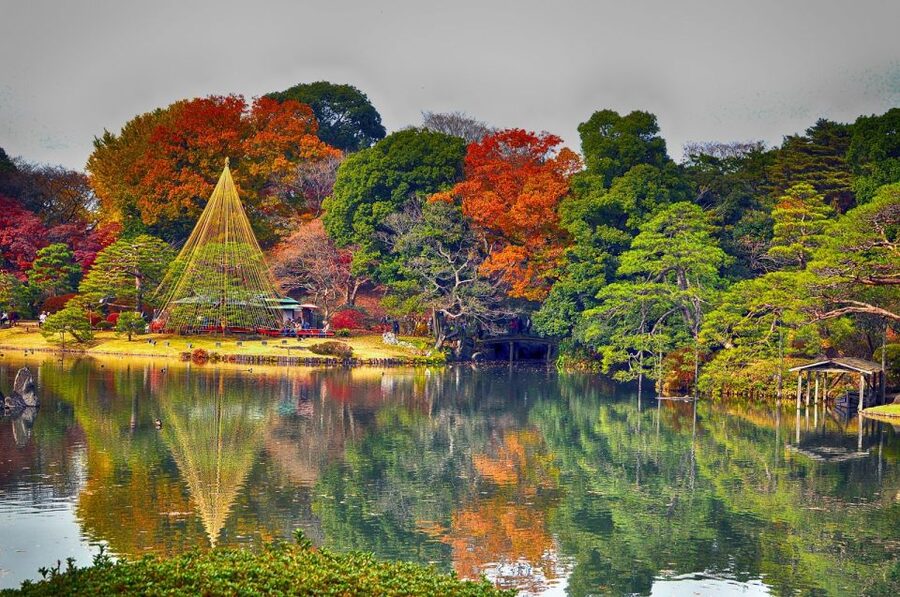
The sample itinerary then moves toward Meiji Jingu Shrine. This changes the mood. Instead of a formal palace setting, you get a major Shinto shrine area and a sense of wooded calm within one of the world’s largest cities.
The shrine itself is not a garden in the narrow sense, but it fits the theme because it shows how nature, worship, and urban life meet in Tokyo. Your guide can explain customs and cultural details that are easy to miss if you simply walk through, including why the setting feels deliberately removed from the surrounding city.
After Meiji Jingu, the route may include a smaller garden with a pond and teahouse. This type of stop gives you the intimate experience that a large public park cannot always provide. Look for the framed views, the water, and the way the teahouse becomes part of the garden composition rather than a separate building.
This is one point where customization matters. You might prefer a small, quiet garden to another major park, or you might want to see as many famous places as possible. Tell your guide early. The day works best when the guide knows if you prefer slow observation or a brisk checklist.
Lunch in Harajuku and a useful pause
Lunch is not included, but Harajuku gives you plenty of choices. The area makes a natural break between garden visits and can suit different budgets and tastes.
One particularly positive day included a guide named Kumi taking the couple to one of her favorite Roman restaurants. That detail captures the value of a private guide better than a standard restaurant list. You are not only handed a map pin. You can ask for a meal that fits your mood, then use the break to rest before the afternoon.
Still, remember that lunch takes time from a six-hour tour. If gardens are your only priority, keep the meal efficient. If food and local recommendations matter just as much, Harajuku can become one of the most personal parts of the day.
A completely different kind of day out:
- Mt Fuji and Hakone 1-Day Bus Tour Return by Bullet Train
★ 5.0 · 26,383 reviews - TOKYO SKYTREE® Ticket
★ 4.7 · 25,136 reviews - teamLab Borderless Tickets: MORI Building DIGITAL ART MUSEUM
★ 4.7 · 24,126 reviews - teamLab Planets TOKYO Ticket
★ 4.7 · 21,663 reviews
Shinjuku Gyoen: the strongest garden stop
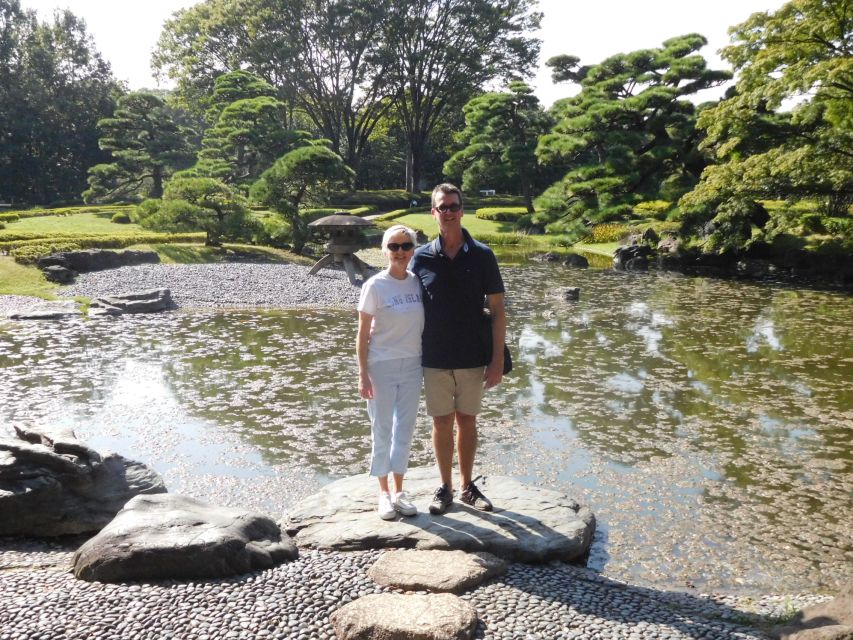
A short train ride brings you to Shinjuku Gyoen, one of Tokyo’s best all-around parks. It is a particularly smart choice for a garden-focused tour because the grounds contain several distinct styles in one large area.
You can move through a traditional Japanese garden with ponds and carefully placed features, then see a formal French garden with large groups of roses, followed by an English-style open park area. The contrast helps you understand that Tokyo’s garden culture is not limited to one formula.
I would allow plenty of attention for this stop. A quick walk through Shinjuku Gyoen will show you the main idea, but a slower visit lets you notice the changes in scale and mood. The traditional section invites close observation. The French section feels more ordered and symmetrical. The English-style area opens out and gives you a different idea of beauty, based more on broad lawns and natural-looking views.
Season matters here. Hiro guided one couple during peak cherry blossom season, when crowds were heavy, and helped them reach the best viewing areas more efficiently than they expected to manage alone. That is a real benefit of timing and local knowledge, but blossom season also means a longer, busier day. You should expect popular parks to be crowded at peak times.
Other gardens you can build into the day
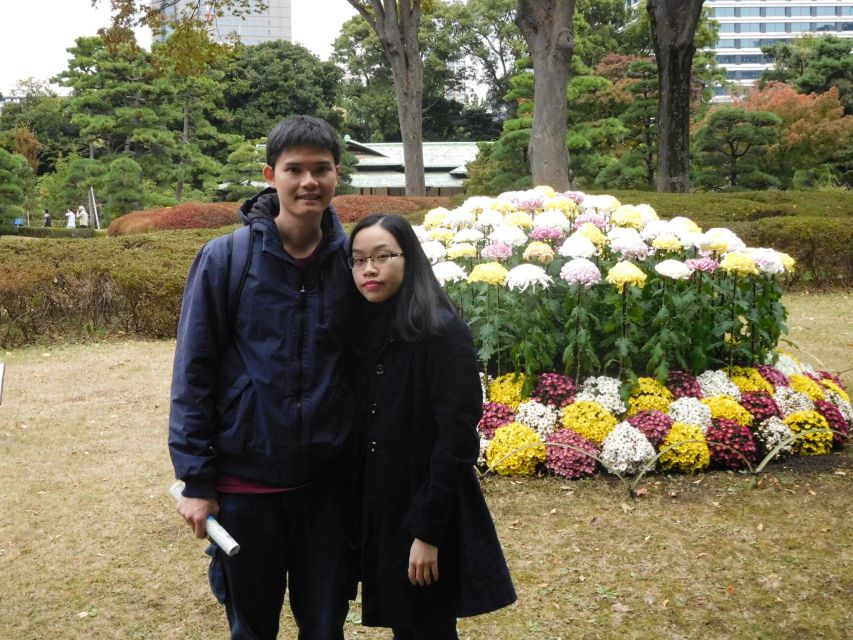
The recommended choices cover a wide part of Tokyo. Since the tour is private, you can ask your guide to shape the route around a few specific places rather than attempting them all.
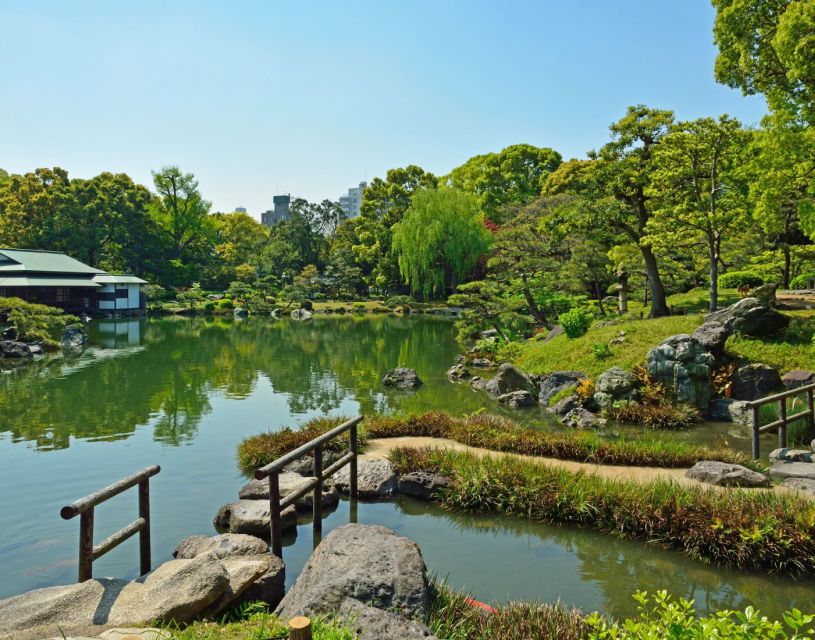
Koishikawa Korakuen Garden is a good choice if you want a traditional garden with ponds, paths, and carefully framed views. It pairs well with a conversation about how Japanese designers create changing scenes as you walk.
Hama Rikyu Gardens offers a striking contrast between old garden space and modern Tokyo. Its position near the waterfront gives the visit a different setting from inland parks and palace grounds.
Rikugien Garden is suited to people who want a classic strolling garden and a slower pace. It is the kind of place where a guide’s explanation can help you notice why a path turns, why a pond is positioned in a certain way, or how a borrowed view adds to the scene.
Yoyogi Park is more open and casual than a formal garden. It can work if you want green space near Harajuku and Meiji Jingu without spending the whole day among clipped trees and ornamental ponds.
Ueno Park gives you a broad cultural setting, with park space alongside major city attractions. It may be a better fit if you want gardens combined with museums or a livelier urban area.
Koishikawa Botanical Garden suits plant lovers who want a more botanical focus. It is less about a single grand composition and more about plant variety and study.
Kiyosumi Teien Garden is a strong option for pond views, stones, and a traditional strolling format. The garden rewards patience, so do not pair it with too many distant stops.
Former Shiba Rikyu Gardens offers another compact historic garden in central Tokyo. Its smaller scale may help you avoid an exhausting route, especially late in the day.
Nezu Museum and Happo-en Garden add different flavors. They can bring art, architecture, or refined garden settings into the plan, but you should confirm current access and opening arrangements with your guide before relying on them.
You cannot sensibly cover every place on this list in six hours. The best route groups nearby stops and leaves enough time to actually look around.
What the guides add to the day
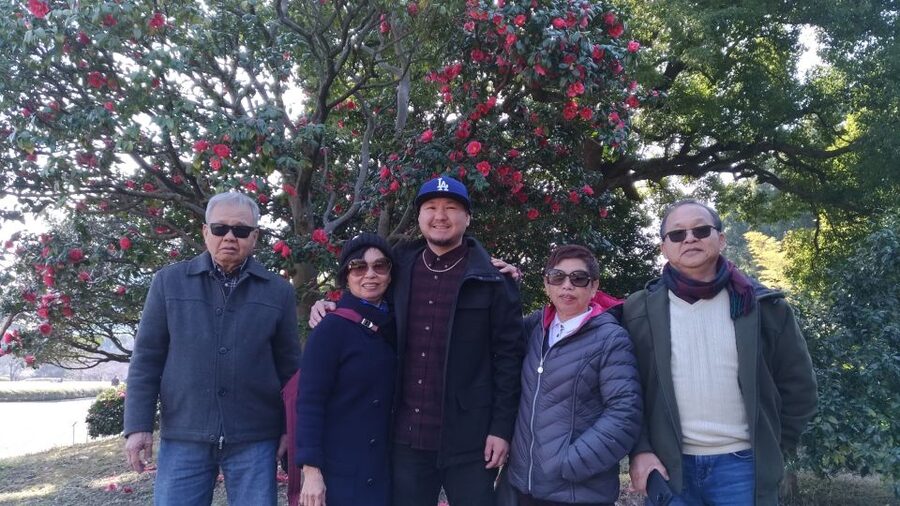
The strongest part of this experience is the human element. Yoshi was praised for communication before the tour, matching the schedule to the couple’s pace, and offering advice about transport and restaurants. Hiro arranged a prompt hotel pickup and helped manage a crowded blossom-season route. Tachi was singled out for being a warm host, while Yoko was praised for understanding what the couple hoped to see and learn.
Those details point to the questions you should answer before the tour begins. Tell the local partner if you want:
- Traditional gardens over famous city sights
- Cherry blossom locations or seasonal flowers
- A slow photographic pace
- Shrine and cultural explanations
- Restaurant advice
- Fewer gardens with more time at each one
- A wider Tokyo route with gardens included
The guide speaks English or Japanese, and the experience is private. That means you can ask questions freely and change the pace without worrying about a larger group. It also means the day is not automatically the same for every booking.
There is one caution. One guide was described as courteous but too quick, with too much time spent in transit and two gardens that did not satisfy the customer. This is why you should communicate clearly and ask the guide to confirm the route, expected garden openings, and transport plan before the day.
Walking, trains, taxis, and the real pace
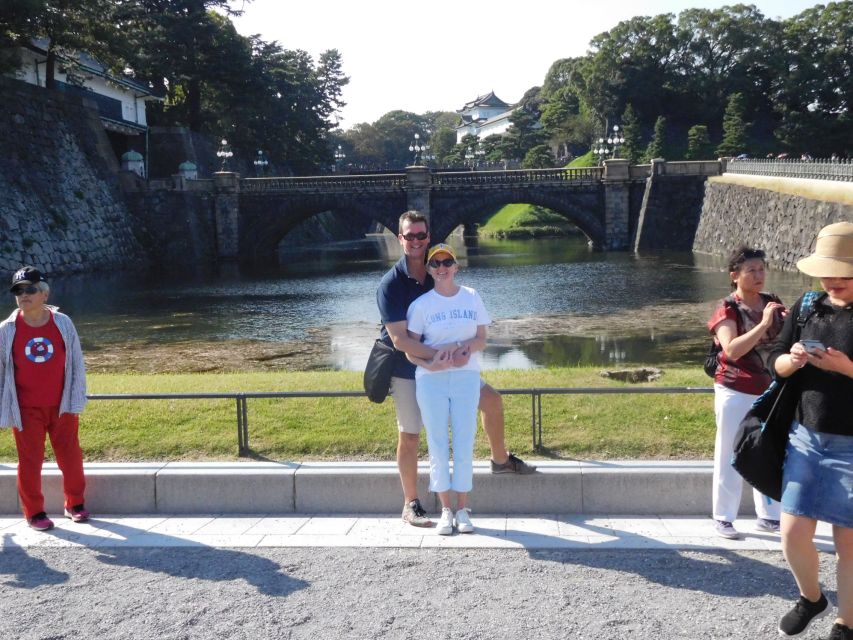
The tour includes pickup on foot if your accommodation is within a reasonable distance. Your guide waits in the hotel lobby or at a requested train station 10 minutes before pickup.
The walking format keeps costs down, but public transport or taxis may be needed to connect distant gardens. Transport during the tour is not included, and a taxi can be arranged if you prefer it. You will also pay garden entrance fees separately.
A six-hour day can feel long when it combines walking, station access, train rides, gardens, and lunch. One guest specifically described a memorable but demanding day with lots of walking. Wear supportive shoes, carry water, and be honest about your pace at the start.
The tour is wheelchair accessible, but the practical ease of a particular route may depend on the selected gardens, walking distances, and transport choices. If step-free access is important, tell the local partner before the tour so the route can be planned around your needs.
Is $151 per person good value?
At $151 per person, this is not the cheapest way to see Tokyo’s gardens. You still pay for food, admissions, and public or private transport. If you are comfortable using Tokyo’s trains, reading garden maps, and researching opening details, you can spend much less on your own.
The price becomes easier to justify for a private group that wants a full day planned around personal interests. You are paying for a licensed guide, hotel pickup on foot when practical, route design, cultural explanation, and the ability to change the plan. For two or more people, the private format can also feel more reasonable than booking separate private activities.
The value is highest during complicated periods, such as cherry blossom season, when popular parks are crowded and timing matters. It is also useful if this is your first Tokyo visit and you want gardens combined with shrines, food, and neighborhood advice.
The value is weaker if you want only one or two gardens, dislike public transport, or expect all costs to be bundled into the advertised price. Ask yourself if you need a guide to make the day work. If the answer is no, spend the money on admissions, meals, and a slower self-guided visit.
Weather, confirmation, and booking details
The tour runs rain or shine, so bring suitable clothing and footwear. A rainy day may change how long you want to linger outdoors, but the experience does not automatically stop because of poor weather.
Your booking is not fully confirmed until a guide contacts you. Most guides make contact within seven days, though a guide may not yet have accepted the request. The local partner continues looking for a guide until 24 hours before the tour, and you can cancel without a fee if you choose to cancel at least 24 hours before the start after an unavailable guide has been identified.
The standard activity is non-refundable, so read the confirmation terms carefully. Since the route is flexible, use the pre-tour communication to settle the meeting place, garden priorities, walking pace, transport preferences, and backup plan.
Who should book this Tokyo garden tour?
I would recommend it to you if you want a private day, enjoy asking cultural questions, and prefer a local person to handle the route. It is also a good match for couples, families, and small private groups with different interests.
You should give it serious thought if cherry blossoms or another seasonal feature is central to your visit. The experience can help you use limited time well when Tokyo’s best-known parks are busy.
I would skip it if you want a cheap, tightly fixed garden itinerary with no extra transport or admission costs. I would also avoid booking without stating your priorities. This is a flexible experience, but flexibility only helps when you and your guide agree on what the day should be.
FAQ
How long is the Tokyo Japanese garden tour?
The tour lasts six hours.
Is this a private tour?
Yes. All bookings are private, and the group is not combined with other participants.
Can I customize the itinerary?
Yes. You can choose the gardens you want to visit, or ask your guide to plan the route around your interests.
Which gardens can I visit?
Possible choices include the Imperial Palace gardens, Shinjuku Gyoen, Koishikawa Korakuen, Hama Rikyu, Yoyogi Park, Rikugien, Ueno Park, Koishikawa Botanical Garden, Kiyosumi Teien, Former Shiba Rikyu, Nezu Museum, and Happo-en Garden.
Are meals included?
No. Food and drinks are not included, although your guide can offer restaurant suggestions. Lunch in Harajuku is part of the sample route.
Are entrance fees included?
No. Garden entrance fees are paid separately.
Is transportation included?
No. Public and private transportation costs during the tour are extra. The tour is mainly a walking experience, with public transport or taxis used between locations.
Where does pickup take place?
Your guide can meet you at your accommodation on foot if it is within a reasonable distance. You can also request a train station meeting point.
What languages does the guide speak?
Guides are available in English and Japanese.
Does the tour operate in bad weather?
Yes. The experience takes place rain or shine.
Is the tour wheelchair accessible?
Yes, the activity is listed as wheelchair accessible. Tell the local partner about your needs so the selected route can be discussed in advance.
When is the tour confirmed?
The tour is confirmed after a guide contacts you regarding the booking. Most guides contact you within seven days, though the search for an available guide may continue until 24 hours before the tour.
Should you book it?
Book this tour if you want private planning, garden variety, and local guidance more than the lowest possible price. The best days seem to come from clear pre-tour communication and a guide who matches your pace, as Yoshi, Hiro, Kumi, Tachi, and Yoko did for their groups.
Before paying, decide which two or three gardens matter most, ask how much time will be spent in transit, and confirm the plan for closures or rain. If you do that, this can be a memorable way to connect Tokyo’s formal gardens, shrine grounds, seasonal flowers, and everyday neighborhoods in one well-shaped day.
Just added in Tokyo
- Japanese Home Cooking Class & Walk in Todoroki Temple Tokyo★ 5.0 · 88 reviews
- A One-of-a-Kind Sushi Experience in a Special Place of Japan★ 5.0 · 15 reviews
- Tokyo Cute Bento Cooking Class – Make a Kawaii Character Lunchbox★ 5.0 · 126 reviews
- Japan Tokyo Tower Observatory Deck E-Ticket★ 4.0 · 34 reviews
- Catch a Baseball Game in Tokyo with a Local – Tickets Included★ 5.0 · 24 reviews
- JDM Experience with Fast&Furious RX-7 (English speaking Driver)★ 5.0 · 57 reviews
- Tokyo Private Day Tour by Car with English speaking Driver Guide★ 4.0 · 29 reviews
- Japan Classic 10 Day – One Life Adventures★ 5.0 · 129 reviews
Full-Day, compared.

Mount Fuji Full-Day Private Tour from Tokyo (Customizable)
Read our review →
Hiroshima / Miyajima Full-day Private Tour with Government Licensed Guide
Read our review →
Mount Fuji Full-Day Small Group driver-guide tour (with Pick-up option)
Read our review →

5 Top Highlights of Kyoto Full Day Bike Tour (E-bike option)
Read our review →