
Reviewed · ENTRY TICKETS
Tokyo: KABUKI Show at Kabukiza Theatre Admission Ticket
Kabuki turns tradition into living theater. At Kabukiza Theatre, you get an authentic performance in the only theater in the world devoted entirely to Kabuki, right in Ginza. I like the dazzling costumes, expressive acting, live music, and changing monthly program. I also like the included English or simplified Chinese caption service, which makes old stories far easier to follow. The main drawback is the length: a full program lasts about four hours, with several intervals and old-style seats that some people find tight.
This is not a quick cultural stop. You are committing much of an afternoon or evening to a serious stage performance, often made up of several separate plays, dances, or scenes. At about $106 per person, it is expensive, but the price buys more than a tourist imitation. You are seeing professional Kabuki in its historic home, with elaborate stagecraft and live accompaniment.
In This Review
- What makes this Kabuki visit special
- Arriving at Kabukiza in Ginza
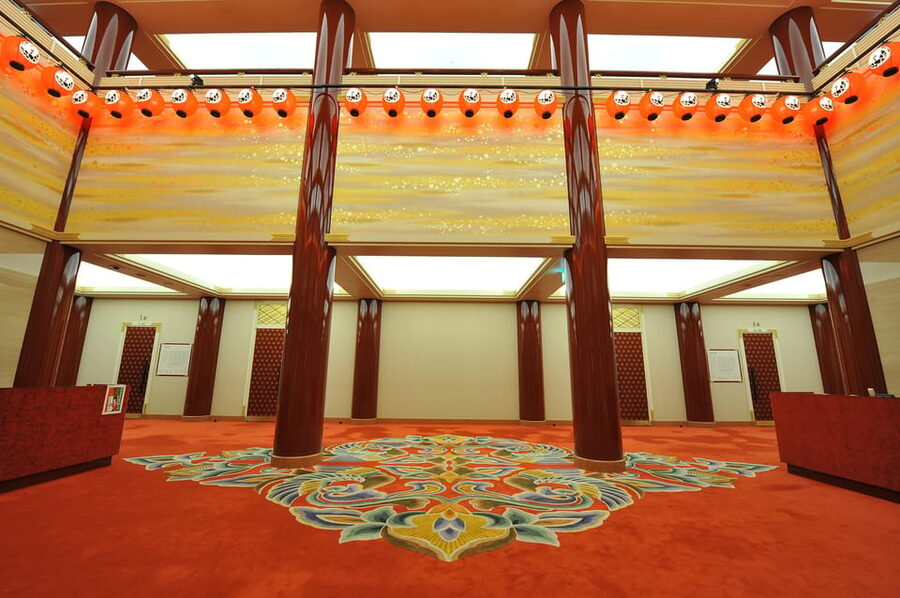
- The building is part of the experience
- What you actually watch during four hours
- Why the captions matter
- Costumes, music, and the Kabuki acting style
- Intermissions make the long program manageable
- Is $106 good value?
- Who should book this experience?
- Practical booking advice
- Should you book Kabukiza?
- FAQ
- How long does the Kabuki performance last?
- Where do I pick up the ticket?
- Can I use English captions?
- Can I choose my seat?
- Can I bring food or drinks inside?
- Are young children allowed?
What makes this Kabuki visit special
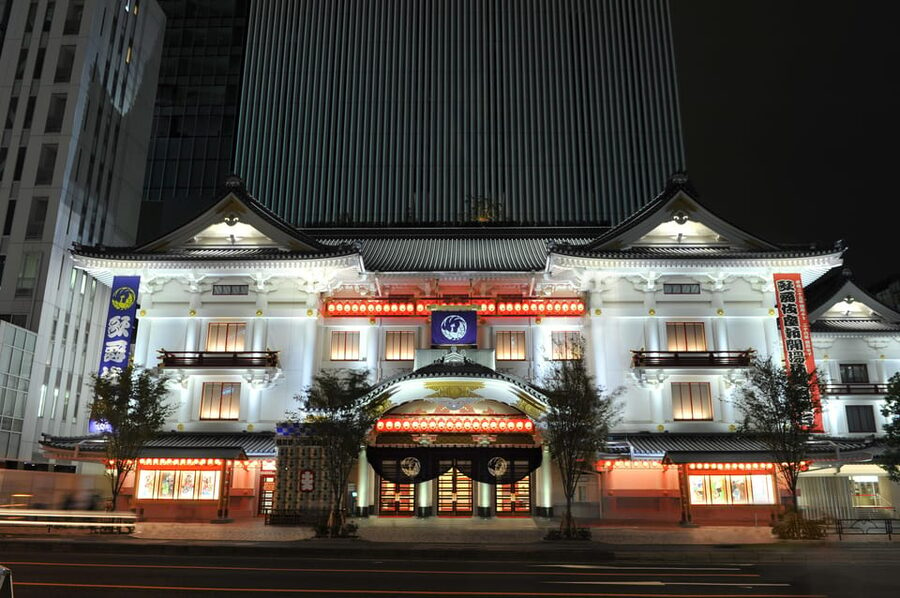
- A theater devoted only to Kabuki: Kabukiza is the world’s only theater dedicated exclusively to this art form.
- A new program each month: The stories, dances, actors, and staging change, so the exact experience depends on your date.
- English caption service included: You can follow the plot and dialogue without knowing Japanese.
- Four hours with built-in pauses: Intermissions give you time to stretch, eat, and take in the grand theater setting.
- Kabuki shopping below the theater: The second basement level has Kabuki gifts and souvenirs.
- A real traditional performance: Costumes, makeup, music, movement, scenery, and vocal style all carry the weight of the art.
Arriving at Kabukiza in Ginza
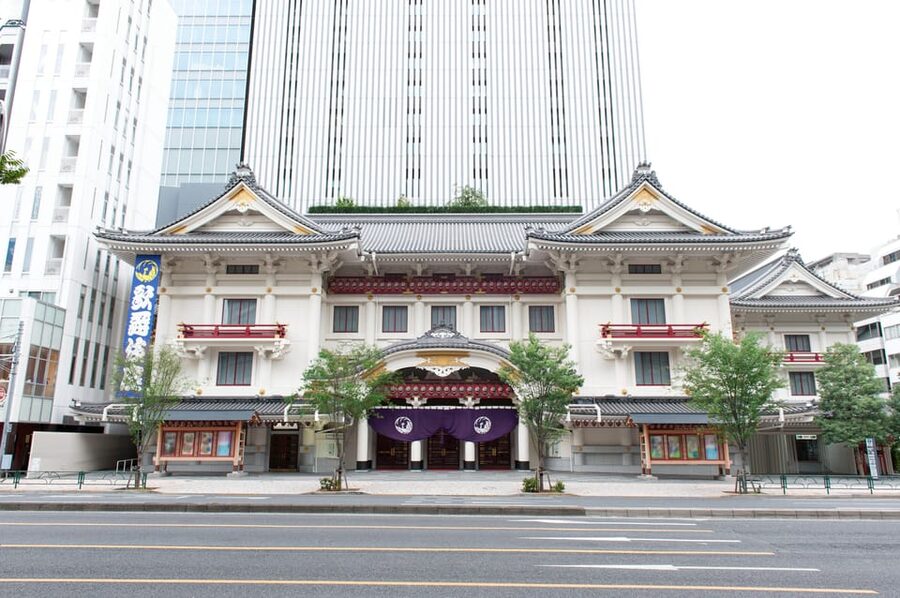
Kabukiza Theatre is at Ginza 4-12-15 in Chuo-ku, Tokyo. Its Ginza location makes it easy to combine with shopping, restaurants, or an evening in central Tokyo, but do not treat the theater like a casual walk-in attraction.
You must exchange your digital voucher for a physical ticket at the venue box office. The voucher itself will not get you through the theater entrance. The box office is on Basement Level 2 and is open from 10:00 AM to 6:00 PM. If you arrive after 6:00 PM, go directly to the theater entrance as instructed.
Give yourself extra time. The building has several levels, and you need to collect the ticket, locate your seat, and pick up or arrange the caption service before the curtain. The doors open 30 minutes before the performance.
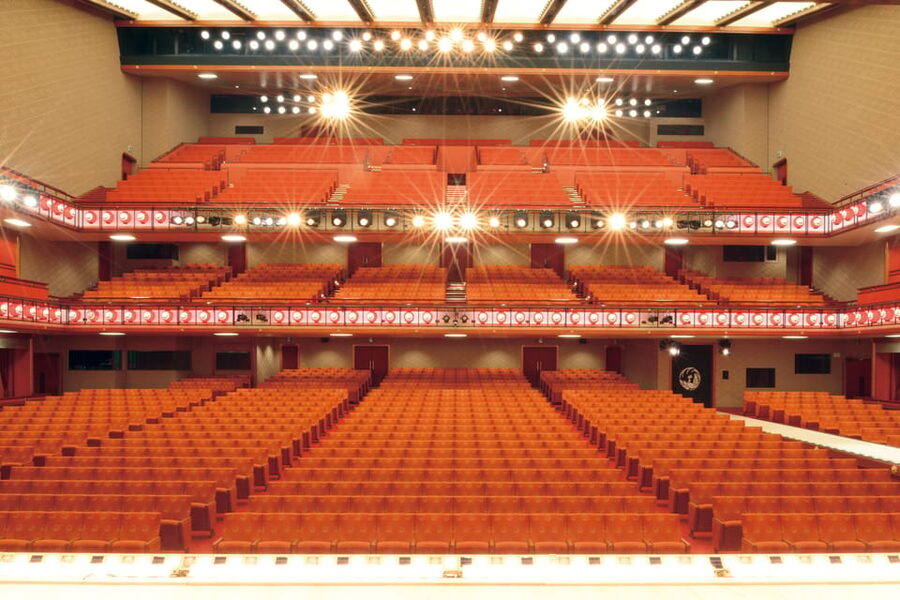
This ticket does not let you choose your seat. That matters because the stage is large, and Kabuki depends heavily on facial expression, makeup, gesture, and precise movement. If you are assigned a distant seat, the caption service may be helpful but the actors’ expressions can be harder to appreciate.
More Entry Tickets in Tokyo
- Tokyo Disney Resort – Tokyo Disneyland & Tokyo DisneySea Park Tickets
★ 4.8 · 99,488 reviews - SHIBUYA SKY Ticket
★ 4.7 · 46,509 reviews - JR Whole Japan Rail Pass
★ 4.8 · 29,150 reviews
The building is part of the experience
Kabukiza is not simply a room containing a stage. The building itself sets the mood before the performance begins. You are entering a famous Tokyo venue built around one traditional art, rather than visiting a multipurpose concert hall.
Before the show, allow time for the permanent interactive exhibition. It offers an introduction to Kabuki’s background and stage techniques, which is especially useful if this is your first exposure to the form. You may not understand every convention immediately, but a little preparation helps you recognize why actors pause, pose, sing, or move in such stylized ways.
The second basement level also has a shopping center with Kabuki-related gifts and souvenirs. This is a practical place to browse before the show, but remember that shop hours and your exit time may not line up perfectly. One person specifically found the souvenir shop closed after the performance, so shop before the curtain rather than saving it for the end.
What you actually watch during four hours
A Kabuki program is usually not one continuous play. Depending on the month, you may see several different stories, dance pieces, or sections from longer works. That variety is one of the pleasures of the experience, but it can surprise you if you expect a single plot with one beginning and one ending.
A February matinee, for example, is planned to include:
- O-EDO MIYAGE, a modern Kabuki piece
- TONBI YAKKO, a dance
- IYA SAKAE SHIBAI NO NIGIWAI Saruwakaza Shibai Mae, a domestic play set in front of the Saruwakaza Theatre
- TSUMORU KOI YUKI NO SEKI NO TO, a dance
The February evening program is planned to include sections from ICHINOTANI FUTABA GUNKI, a historical play, followed by AMAGOI GITSUNE, a dance, and UME GOYOMI, a modern Kabuki work.
A March matinee is planned around KAGAMIYAMA GONICHI NO IWAFUJI, presented in three acts. The evening program includes IWAU HARU KOBIKI NO NIGIWAI, a spring dance, and sections from SANNIN KICHISA TOMOE NO SHIRANAMI, a domestic play.
These examples show why you should check the official Kabuki Web program before booking. The tone can change from broad modern comedy to a historical drama, from a dance centered on formal movement to a story packed with family conflict or romance. You are not buying a fixed attraction with the same performance every day.
The program may begin at 11:00 AM for a matinee and finish around 3:08 to 3:21 PM. Evening performances may begin at 4:30 PM and run until about 8:21 to 9:02 PM. Exact times vary by month, so confirm the schedule for your date.
Why the captions matter

Kabuki uses traditional Japanese language, formal speech, stylized singing, and stories drawn from older periods. Even if you can manage basic Japanese conversation, the stage language may be difficult to follow. The included English or simplified Chinese caption service is therefore one of the most useful parts of this ticket.
The captions help you understand who is speaking, what the conflict is, and why a character’s actions matter. Without them, you could still appreciate the costumes, music, poses, stage machinery, and emotional force, but the plot would be much less clear.
The service is not completely effortless. You need to divide your attention between the stage and the caption screen or tablet. Caption changes may not always arrive at the moment you expect, and one person found it difficult to watch the actors while waiting for the text to change. Try to glance at the captions during setup and dialogue, then return your eyes to the stage during movement, music, and major poses.
The ticket includes English or simplified Chinese captions. If you do not use the caption service, the cost is not refundable, and it cannot be changed to a Japanese earphone guide.
A completely different kind of day out:
- Mt Fuji and Hakone 1-Day Bus Tour Return by Bullet Train
★ 5.0 · 26,383 reviews - TOKYO SKYTREE® Ticket
★ 4.7 · 25,136 reviews - teamLab Borderless Tickets: MORI Building DIGITAL ART MUSEUM
★ 4.7 · 24,126 reviews - teamLab Planets TOKYO Ticket
★ 4.7 · 21,663 reviews
Costumes, music, and the Kabuki acting style
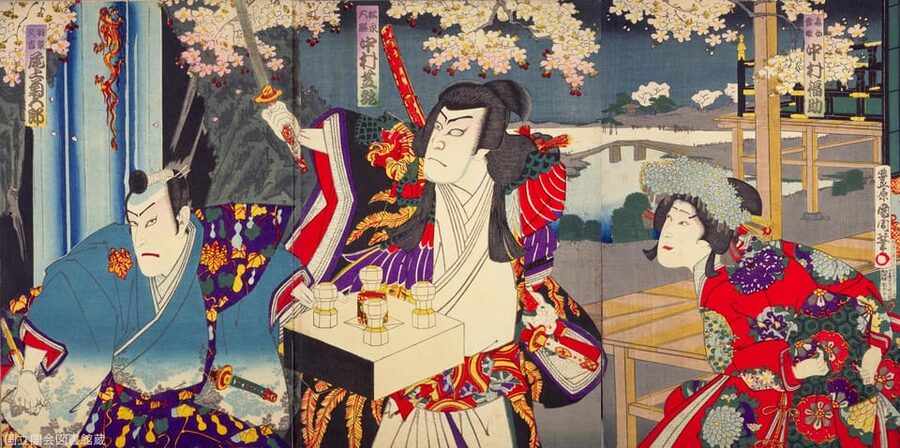
Kabuki is visual first. Sumptuous costumes, painted faces, screens, curtains, and carefully designed scenery make every scene look highly composed. One of the pleasures is watching the actors communicate through controlled movement rather than naturalistic acting.
You may notice long pauses, dramatic poses, deliberate walks, and stylized gestures. These are not signs that the action has stopped. They are part of the language of Kabuki. Facial expressions are especially important, which is another reason a closer seat can make a difference.
Live music adds another layer. The sound of shamisen and other traditional accompaniment supports the mood rather than sitting in the background like a modern soundtrack. Singing, narration, dance, and acting work together, so the production can feel part opera, part ballet, and part pantomime, while remaining distinctly Kabuki.
The quality of the performers is a major reason to choose Kabukiza. You are watching professionals working within an art form often carried through long family traditions. That does not mean every scene will suit every taste. Some people respond most strongly to the traditional plays, while others prefer the dances or modern works.
Intermissions make the long program manageable
The four-hour duration sounds daunting, especially if you are planning a busy Tokyo itinerary. In practice, the performance is broken into sections with intermissions, sometimes around 30 minutes. Those breaks are not wasted time. They let you stretch your legs, use the facilities, eat, and reset before the next piece.
You may bring food and drinks into the theater, and snacks and alcohol are available for purchase inside. Plan this carefully. A long show is more pleasant when you have something small to eat, especially during a matinee or an evening performance that covers the normal dinner hour.
The intervals also help you process the different stories. If you have just watched a domestic drama, the next dance may feel like a complete change of pace. That variety keeps the program from becoming four hours of one unbroken style, but you should still expect a slow, formal rhythm rather than rapid modern theater.
The seats are an area where comfort may fall short. Some people find the traditional seats tight or uncomfortable over the full program. If you are sensitive to firm seating, consider bringing a small cushion if permitted under the theater’s current rules. You cannot assume that the experience will have the padded comfort of a modern cinema.
Is $106 good value?
At $106, this is not a bargain activity. You can spend less on many Tokyo attractions, and the ticket does not include transportation, a meal, or a guided explanation from a host.
The value comes from the setting and the quality of the event. You are not watching a short demonstration designed only for visitors. You are attending an actual Kabuki program in a theater devoted to the form, with live music, professional performers, changing scenery, traditional costumes, and captions that make the work accessible.
I think the price makes the most sense if you care about Japanese culture, theater, music, design, or historic performance traditions. It is also a strong choice for someone who has already seen Tokyo’s temples and major sights and wants an evening that feels specific to Japan.
The value is weaker if you dislike classical performance, long shows, formal storytelling, or sitting in one place for several hours. One practical way to judge it is to look at the month’s program first. If the listed stories and dances sound appealing, the ticket is easier to justify. If they leave you cold, the high price and long duration may feel like work.
Who should book this experience?
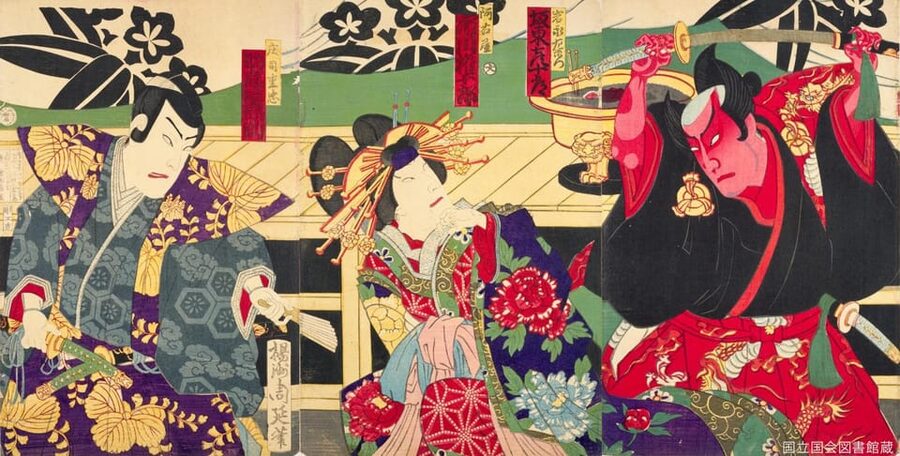
I would recommend Kabukiza to you if you enjoy theater, dance, traditional music, costume design, or cultural experiences that require patience. First-time Kabuki viewers are welcome, and the captions remove a major language barrier.
It also suits an adult’s cultural evening in Ginza. The atmosphere is formal but not inaccessible, and you do not need to understand every convention before entering. The exhibition helps you get your bearings, while the captions give you enough story information to follow the performance.
Families should note that children under four are not permitted. For older children, the length and style are the key questions. A child who enjoys stage performance may appreciate the makeup, costumes, music, and big gestures. A child who needs frequent action may struggle with the slow pace and long sitting time.
I would think twice if you have limited time in Tokyo. Four hours, plus arrival and ticket collection, takes a substantial part of your day. I would also be cautious if you need generous legroom or want to choose a specific seat, since seat selection is not available with this reservation.
Practical booking advice
Check the official program before you commit. Monthly changes are central to the experience, and the schedule determines whether you will see a historical play, a domestic drama, modern Kabuki, dance, or a mixture.
Reservations for the following month begin on the 14th of each month. If your dates are flexible, this timing may help you plan around the program you want.
On show day, arrive well before curtain time. Pick up the physical ticket at the Basement Level 2 box office, and remember that the digital voucher is only for exchange. The box office closes at 6:00 PM, so evening-show customers arriving later should follow the instruction to go directly to the theater entrance.
Cancellation is free up to two days in advance for a full refund. That gives you some protection if your Tokyo schedule changes, but it does not solve the seat-selection issue or guarantee that the program will match your personal taste.
Should you book Kabukiza?
Book it if you want the real thing, not a short introduction. Kabukiza offers an unusually direct way to encounter Japanese theater, with professional acting, live music, strong visual design, and a program that changes every month.
Just prepare properly. Read the schedule, allow time to collect your ticket, use the captions, eat during the intervals, and expect traditional seating. If four hours sounds too long, this is probably not the right cultural stop for you. If you are curious about Kabuki and willing to give it time, the performance can become one of the most memorable parts of your Tokyo visit.
FAQ
How long does the Kabuki performance last?
The listed duration is about four hours. Matinee and evening schedules vary by month, and the program includes intermissions between sections.
Where do I pick up the ticket?
Pick up the physical ticket at the Kabukiza Theatre box office on Basement Level 2. Present your PDF or mobile GYG Voucher there. The voucher itself cannot be used to enter the theater.
Can I use English captions?
Yes. The ticket includes an English or simplified Chinese caption service. The caption service cannot be exchanged for a Japanese earphone guide, and no refund is available if you do not use it.
Can I choose my seat?
No. You cannot specify your seat with this reservation.
Can I bring food or drinks inside?
Yes. You may bring food and drinks, and snacks and alcohol are also available for purchase in the theater. Intermissions provide time to eat.
Are young children allowed?
Children under four years old are not permitted to attend this experience.
More Show in Tokyo
- Mt Fuji & Hakone Cruise, Drum Show Bullet Train 1 Day from Tokyo
★ 4.0 · 7,413 reviews - Tokyo: Sumo Show Experience with Chicken Hot Pot and a Photo
★ 4.8 · 6,678 reviews - Tokyo: Sumo Live Show with Photo in Shinjuku
★ 5.0 · 3,438 reviews - Tokyo: Sumo Show and Dining Experience
★ 4.8 · 2,742 reviews
Just added in Tokyo
- A One-of-a-Kind Sushi Experience in a Special Place of Japan★ 5.0 · 15 reviews
- Tokyo Cute Bento Cooking Class – Make a Kawaii Character Lunchbox★ 5.0 · 126 reviews
- Japanese Home Cooking Class & Walk in Todoroki Temple Tokyo★ 5.0 · 88 reviews
- Japan Tokyo Tower Observatory Deck E-Ticket★ 4.0 · 34 reviews
- Catch a Baseball Game in Tokyo with a Local – Tickets Included★ 5.0 · 24 reviews
- JDM Experience with Fast&Furious RX-7 (English speaking Driver)★ 5.0 · 57 reviews
- Tokyo Private Day Tour by Car with English speaking Driver Guide★ 4.0 · 29 reviews
- Japan Classic 10 Day – One Life Adventures★ 5.0 · 129 reviews
Entry Tickets, compared.

Tokyo Disney Resort – Tokyo Disneyland & Tokyo DisneySea Park Tickets
Read our review →



teamLab Borderless Tickets: MORI Building DIGITAL ART MUSEUM
Read our review →
Browse the lists this tour appears in