
Reviewed · 6-DAY EXPERIENCES
Tokyo, Kyoto and Alps GO by Europamundo – 6-Day Tour Review
Tokyo’s Shibuya Crossing, Kyoto’s red torii gates, a mountain monkey park and Nikko’s ornate shrines all fit into six days here. The route moves quickly, but it links famous city sights with small historic towns and hot-spring country in a way that is hard to arrange on your own.
I like two things in particular: the variety, from Tokyo’s modern districts to a traditional inn in Ikaho, and the useful inclusions, especially major entry fees, the Tokyo to Kyoto bullet train and an English-speaking tour leader. Guides on past departures have included Tania in Tokyo, Ken in Kyoto and David in the Alps, though names can change.
The trade-off is pace. Some days involve long coach rides and short visits, and the group can range from two to 72 people. You get a broad first look at Japan, not much time to linger.
In This Review
- Six things to know before you book
- A quick route from Tokyo to the Japanese Alps
- Day 1: Arrive in Tokyo and settle in
- Day 2: Tokyo’s temples, crossing and skyline
- Day 3: Kyoto by bullet train
- Day 4: Tsumago and Matsumoto Castle
- Day 5: Zenko-ji, macaques and hot-spring towns
- Day 6: Nikko’s shrines, then back to Tokyo
- What the price covers, and what it does not
- Pace, group size and the guide experience
- Who should book this Japan tour?
- FAQ
- Is the airport transfer included?
- How many meals are included?
- Is the Tokyo to Kyoto train included?
- How much walking should I expect?
- Can I be sure of seeing the monkeys?
- What time does the tour return to Tokyo on Day 6?
Six things to know before you book
- Tokyo Skytree admission is included, up to the Tembo Deck at 350 meters, weather and operating conditions permitting.
- The Tokyo to Kyoto leg is by bullet train, covering nearly 500 kilometers in a little over two hours.
- The countryside stretch is a highlight, with Tsumago, Matsumoto Castle, Zenko-ji, the snow monkey park and hot-spring towns.
- You stay in a ryokan in Ikaho, with a traditional Japanese dinner included. Hot-spring bathing is optional.
- Meals are limited: one lunch in Tsumago and dinners in Tokyo and Ikaho are included. Plan and budget for the other meals.
- This is a fast-moving group tour, with light walking, several early starts and a maximum group size of 72.
A quick route from Tokyo to the Japanese Alps
The tour begins in Tokyo and ends back there on Day 6. In between, you cross to Kyoto by bullet train, then travel by coach through Tsumago, Matsumoto, Nagano, Jigokudani, Kusatsu, Ikaho and Nikko.
That variety is the main reason to consider this route. You’ll see large city landmarks, temples and castle architecture, then trade the city for forest paths and mountain towns. The schedule takes care of the connections and admissions, but the price of covering so much ground is limited free time.
The advertised starting price is $2,300. Value depends on what you would otherwise pay for hotels, train and coach transport, guided visits and entry fees. Those major costs are covered here, as are breakfast buffets, basic travel insurance and an airport arrival transfer. Yet not every meal is included, and the tour is not built around luxury hotels or long stays at each sight.
A few more options to weigh up in Tokyo
- Tokyo Disney Resort – Tokyo Disneyland & Tokyo DisneySea Park Tickets
★ 4.8 · 99,488 reviews - SHIBUYA SKY Ticket
★ 4.7 · 46,509 reviews - JR Whole Japan Rail Pass
★ 4.8 · 29,150 reviews
Day 1: Arrive in Tokyo and settle in
After customs, a shared shuttle takes you to your Tokyo hotel. The afternoon and evening are free, giving you a chance to rest after a long flight or explore nearby. Your guide provides details about the tour’s start.
Hotel choices listed for the first two nights are Shinagawa Prince Hotel, Tokyo Dome Hotel or Ibis Styles Tokyo Ginza East. The exact assignment can vary. The operator describes its hotels as selected for quality, price and access to public transport, with private bathrooms and televisions. They may not be in the city center, and room sizes and standards can vary.
The arrival transfer is useful, but the departure transfer is not included. The group returns to Tokyo around 6:30 p.m. on the final day, so check your flight timing and allow for a separate airport journey.
Day 2: Tokyo’s temples, crossing and skyline
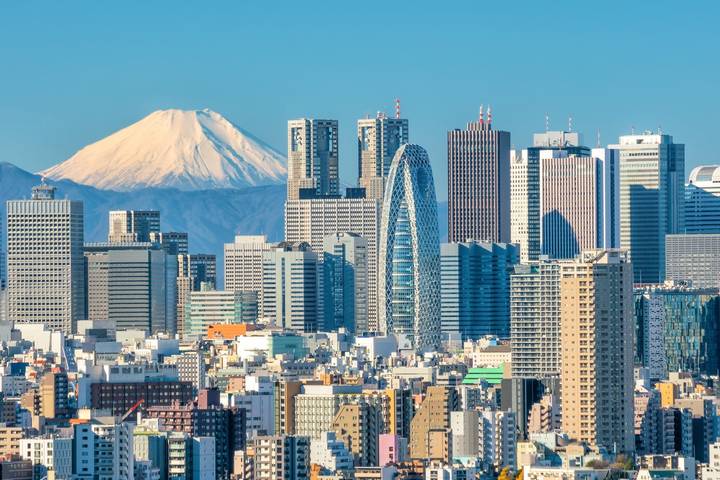
The guided Tokyo tour lasts about seven hours and covers several sides of the city. At Zojoji Temple, you get a view toward Tokyo Tower and see rows of small Jizo figures, guardians of children, dressed with knitted hats, bibs and pinwheels. It’s a quieter opening than the next stop.
Shibuya Crossing is viewed from the bus, rather than explored on foot as part of the guided stop. That gives you a quick look at the famous rush of pedestrians, but don’t expect a long visit there. Meiji Shrine offers a sharp change of mood, with a forested setting dedicated to Emperor Meiji and his wife.
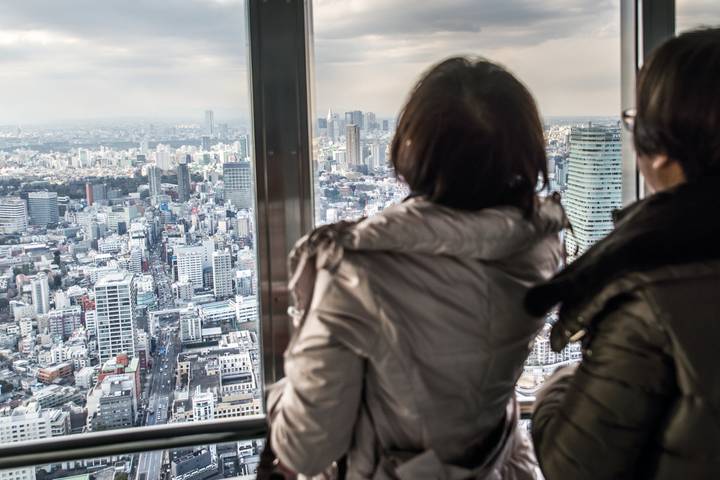
The Skytree admission takes you to the Tembo Deck, 350 meters up, for a broad view across Tokyo. The visit can be affected by bad weather or other exceptional conditions; an alternative viewpoint may be offered if access is limited. At Asakusa, you’ll visit Sensoji Temple and walk along Nakamise Street, where shops and food stalls lead toward the temple.
On the return route, the bus passes Akihabara, known for manga and anime culture, and Ginza. These are drive-bys, not separate neighborhood explorations. In the evening, you take the subway with your guide to Shinjuku, walk through the district and have dinner at a local restaurant. Dinner and subway tickets are included, a welcome bit of help in a city where getting around can feel like its own first-day challenge.
Day 3: Kyoto by bullet train
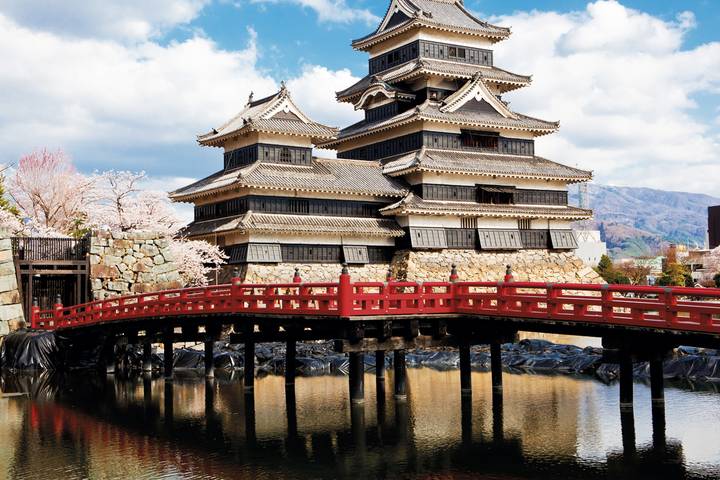
An early departure takes you from Tokyo to Kyoto by bullet train. The journey is one of the tour’s most practical features: nearly 500 kilometers in just over two hours, without spending most of a day on the road.
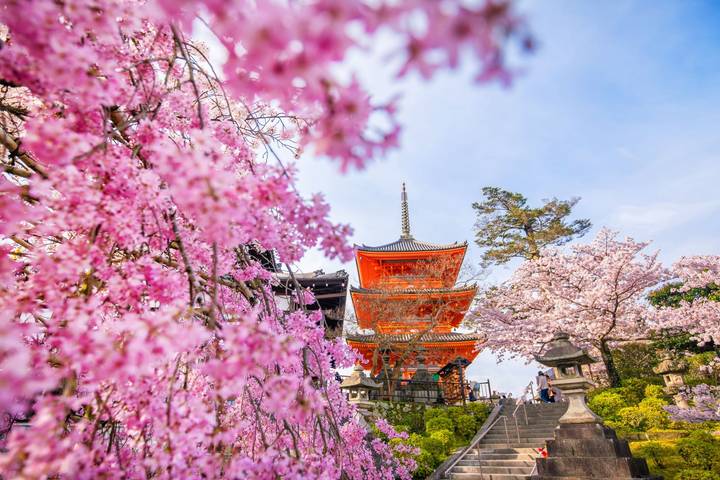
Once in Kyoto, the guided visits include Fushimi Inari Shrine, the Imperial Palace grounds and Kinkakuji, the Golden Pavilion. Fushimi Inari is known for its red torii gates, while Kinkakuji’s gold-covered upper levels and garden setting make it one of the city’s most recognizable sights. These are popular places, so expect crowds and keep the schedule in mind.
You’ll also have time to stroll in Gion, Kyoto’s traditional district, then free time to explore on your own. That open-ended stretch matters: the guided stops are efficient, but Kyoto rewards anyone who can slow down. There is no return-to-hotel transport specified after the visit, so check the day’s arrangements with your guide and be ready to make your own way back if needed.
The listed Kyoto hotels are New Miyako Hotel or Miyako Kyoto Hachijo. Both are four-star properties in the tour’s hotel category, though the operator cautions that class does not mean identical room size or location at every stop.
A completely different kind of day out:
- Mt Fuji and Hakone 1-Day Bus Tour Return by Bullet Train
★ 5.0 · 26,383 reviews - TOKYO SKYTREE® Ticket
★ 4.7 · 25,136 reviews - teamLab Borderless Tickets: MORI Building DIGITAL ART MUSEUM
★ 4.7 · 24,126 reviews - teamLab Planets TOKYO Ticket
★ 4.7 · 21,663 reviews
Day 4: Tsumago and Matsumoto Castle
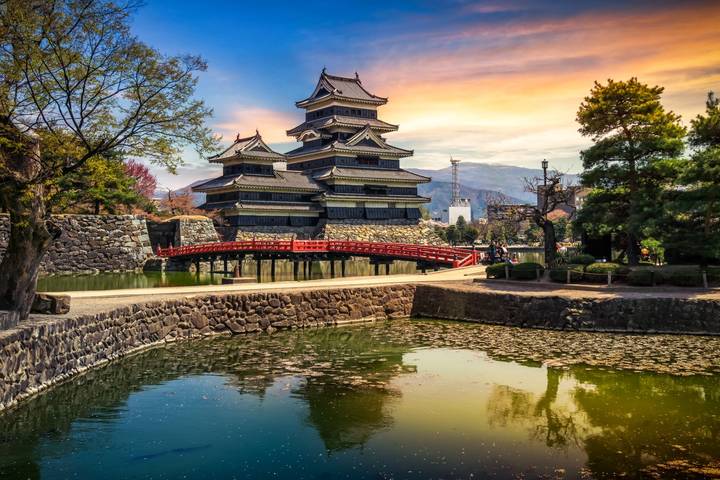
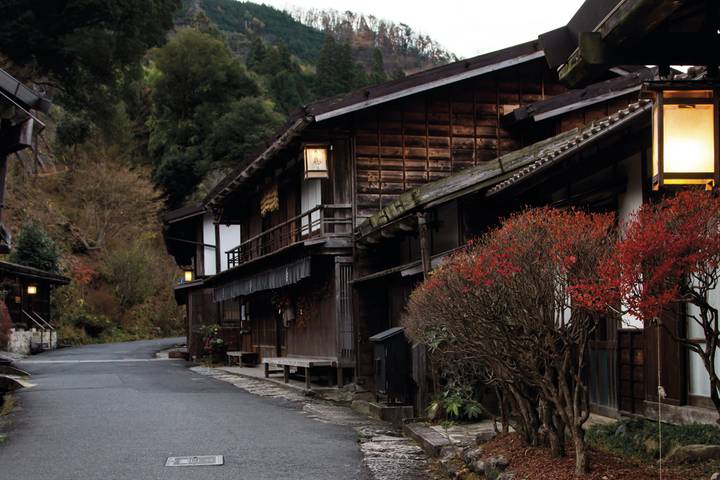
The coach leaves Kyoto for Tsumago, a small village known for its traditional wooden houses. You’ll have time to walk around and an included lunch. This is a welcome change after the major-city sightseeing, though the stop is brief rather than an overnight stay.
Next comes Matsumoto Castle, a 16th-century stronghold nicknamed the Crow for its dark exterior. You’ll visit the castle and have free time in Matsumoto before continuing to Nagano. The castle gives the day a different kind of history from the temples, while the free time lets you take a short look at the city at your own pace.
This is a long coach day. One past participant singled out the Kyoto-to-Nagano stretch as tiring, and that is worth taking seriously: the route is rewarding because it connects several places, but the bus time is part of the bargain. You stay overnight in Nagano, at either Metropolitan Nagano or Jal City Nagano as listed.
Day 5: Zenko-ji, macaques and hot-spring towns
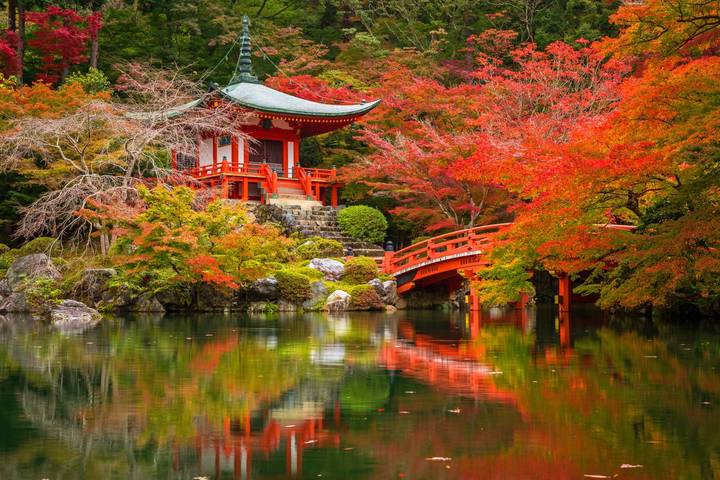
The day starts at Zenko-ji, an important Buddhist pilgrimage site said to house Japan’s first Buddhist image. The visit includes the Gomakuyo ceremony, a ritual intended to bring good fortune. It’s a chance to encounter a religious practice as well as see a major temple.
From there, the coach heads into the Japanese Alps and on to Jigokudani Monkey Park. A walk on forest trails brings you to the area where Japanese macaques live and bathe in natural hot springs. The walk is light in rating, but it is still a trail, so sensible shoes are a good idea. The monkeys are wild animals, not a scheduled performance. In autumn, their movements can be unpredictable, and the park may close if they do not come down.
The route reaches high mountain terrain at about 2,172 meters and passes semi-active volcanoes. Weather can affect the day: Kusatsu may be omitted from November through April if conditions require it. When the stop goes ahead, you’ll have time for lunch and a walk through the hot-spring town, including its central square and city park with open-air onsen.
The final stop is Ikaho, another hot-spring town, known for its stone stairway in the old center. You stay at a ryokan, or traditional Japanese inn, and dinner is included. The listed options include Hotel Moriaki Ryokan, Kishigon Ryokan and Hibikino Ryokan. Hot-spring baths are recommended as an option, but they are not listed as a separate included activity. The ryokan stay is a valuable change from standard hotel rooms and gives this packed route a more distinctly Japanese evening.
Day 6: Nikko’s shrines, then back to Tokyo
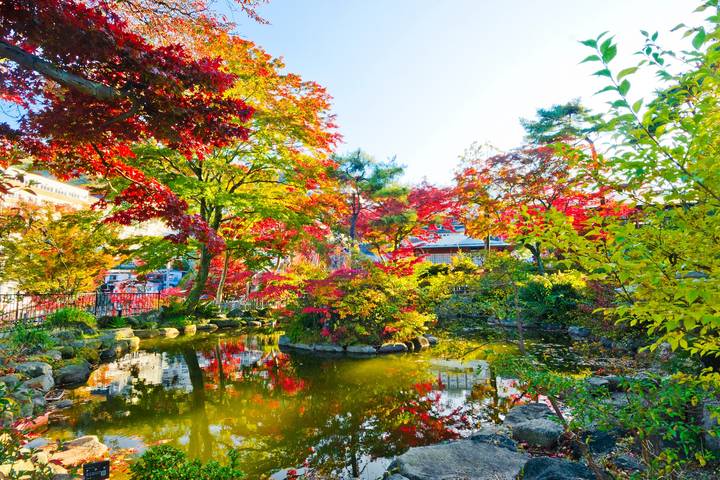
From Ikaho, the coach takes you to Nikko. At Nikko-Toshogu, you’ll see an elaborate shrine complex and visit the room known for its dragon sound. The schedule also includes Taiyuinbyo Mausoleum, a quieter contrast to the main shrine, and a walk along Kanmangafuchi Abyss, where lines of Jizo statues stand beside the river.
You’ll have some free time in the town center before the return to Tokyo, with arrival expected around 6:30 p.m. It’s a full final day, and the return time is approximate, so avoid booking a flight that leaves that evening. Airport transport after the tour is not included; your guide can recommend public transportation options.
What the price covers, and what it does not
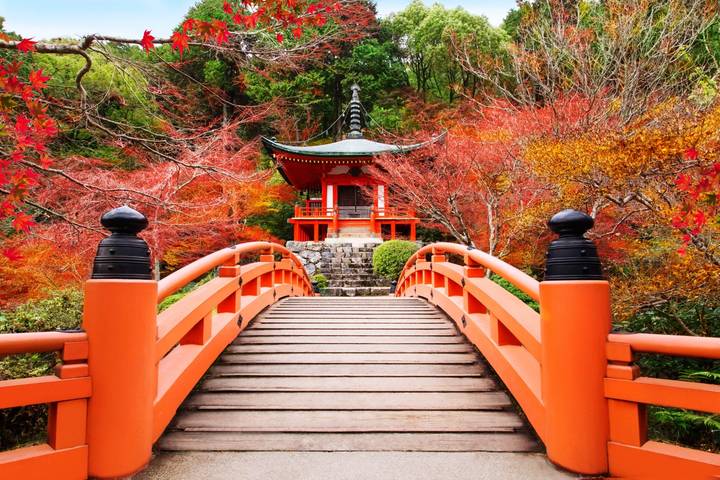
The tour includes six days of guided travel, hotels with breakfast buffet, basic travel insurance, the arrival transfer, the Tokyo-to-Kyoto train and coach transport between the other stops. Admission is included for the named sites, including Tokyo Skytree, Matsumoto Castle, Jigokudani Monkey Park and the major temples and shrines.
Meals are less comprehensive than the sightseeing. You get lunch in Tsumago and dinners in Shinjuku and at the Ikaho ryokan. Other lunches and dinners are on your own, so leave room in your budget and schedule to choose them. Food is the weakest-rated category, at 3.2 out of 5, and one past participant specifically disliked repeated hot-pot meals. If food is central to your trip, you may find the included dining less exciting than the route itself.
The overall rating is 4.5 out of 5 across 12 ratings. Guides score 4.2, accommodation 4.3, transport 4.0 and itinerary 3.8. Those numbers match the practical picture: guidance and hotels are generally a strength, while the compressed schedule and meal selection deserve a closer look.
Pace, group size and the guide experience
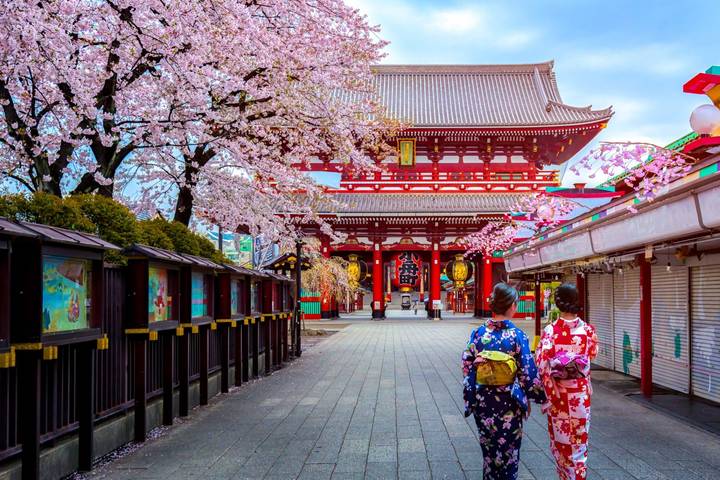
The tour is described as low intensity, but that does not mean idle. You’ll walk around temple grounds, town centers and the forest route at the monkey park, with a busy timetable and several coach transfers. Expect a mix of guided visits and short periods of free time rather than long, unplanned afternoons.
Groups can range from two to 72 people. A larger group can make it easier to meet people, but it can also mean more time gathering and moving between stops. Guides are a major part of the experience. Past departures have included Tania in Tokyo, Ken in Kyoto and David in the Alps; other groups have had guides such as Eduardo, Kiko, Pablo and Marcos. These are examples, not a promised roster. Participants have praised guides for clear explanations, organization and attentive help.
The tour is specified as English-language. One participant on a March 2023 departure felt Spanish received more attention than English. If clear English commentary is essential to you, ask how the language will be handled on your specific departure before booking.
Who should book this Japan tour?
I’d choose this trip if you want a guided overview, prefer having transport and major admissions arranged, and are comfortable trading extra time in each place for more destinations. It is especially useful for a first visit when you want Tokyo and Kyoto plus smaller towns, a mountain stop and Nikko without planning each connection yourself.
I’d look elsewhere if you want slow mornings, substantial free time, food-focused travel or several nights in each city. For the right person, the route’s variety and the included logistics justify the price. Just go in knowing that this is a highlights tour, with long drives and a lot of temples packed into six days.
FAQ
Is the airport transfer included?
Yes. A shared shuttle transfer from the Tokyo airport to the hotel is included on Day 1. A transfer to the airport at the end of the tour is not included.
How many meals are included?
One lunch in Tsumago and two dinners are included: one in Shinjuku and one at the Ikaho ryokan. Breakfast buffet is included at the hotels.
Is the Tokyo to Kyoto train included?
Yes. The tour includes a bullet train journey from Tokyo to Kyoto, which takes a little over two hours.
How much walking should I expect?
The tour is rated low intensity, but it includes walks around temples, towns and the forest trails at Jigokudani Monkey Park. The Ikaho old center is known for its stone stairway.
Can I be sure of seeing the monkeys?
No. The macaques’ movements can be unpredictable, especially in autumn. If they do not come down to the park, it may close.
What time does the tour return to Tokyo on Day 6?
The expected arrival is about 6:30 p.m. The time is approximate, and departure airport transport is not included.
Just added in Tokyo
- Wonders Of Japan 10-Day Tour by Travel Talk★ 4.5 · 14 reviews
- Wonders of Japan end Tokyo GO 15-Day Tour by Europamundo★ 4.2 · 10 reviews
- Wonders of Japan end Tokyo 15-Day Tour by Europamundo★ 4.2 · 10 reviews
- Wonders of Japan End Osaka by Europamundo – 12-Day Tour★ 4.2 · 58 reviews
- Wonders of Japan End Osaka (including Fukuyama) 12-Day Tour by Europamundo★ 4.2 · 58 reviews
- Wonders of Japan End Osaka GO by Europamundo – 12-Day Tour★ 4.2 · 58 reviews
- Walk Japan – Kumano Kodo Trail 12-Day Tour by Explore!★ 4.7 · 20 reviews
- Visions of Japan with Hiroshima & Osaka 15-Day Tour by Globus★ 5.0 · 75 reviews
6-Day Experiences, compared.
Best of Osaka, Kyoto and Hiroshima 6 Days by Vio Travel
Read our review →
Osaka Hiroshima Snapshot 6 Day – One Life Adventures
Read our review →
Central Japan End Kyoto 6-Day Tour by Europamundo
Read our review →
Tokyo, Kyoto and Alps by Europamundo – 6-Day Tour
Read our review →
6 Days Japan’s Adventure Classis (Private Guide and Driver) – Umetravel
Read our review →
Japan: Castles & Cuisine by G Adventures – 6-Day Kyoto to Osaka Tour
Read our review →
6 Days Hokkaido’s Floral Symphony Tour by UME Travel
Read our review →Browse the lists this tour appears in