
Reviewed · MULTI-DAY TOURS
Wonders Of Japan 10-Day Tour by Travel Talk – Reviews & Prices
Tokyo’s old temple lanes, Fuji views from the lakeside, and a night in a Buddhist temple: this 10-day trip gives you a generous cross-section of Japan without asking you to plan every train connection yourself. It links major cities and sacred sites by rail, with a small group of 2 to 20 and an English-speaking tour leader.
I like the mix of big-name sights and quieter cultural stops, especially the contrast between Kyoto’s crowded torii gates and Koyasan’s cedar-shaded cemetery. I also like that the group gets useful stretches of free time, so you can set your own pace over lunch or add a museum visit.
The trade-off is the pace. You change hotels often, rely heavily on public transport and may walk 7 to 10 miles on some days. There are also inconsistencies in the supplied trip details about certain stops, the first hotel and luggage handling, so confirm the current arrangements before paying.
In This Review
- What makes this Japan route worth considering
- Ten days, with Japan’s major contrasts in one trip
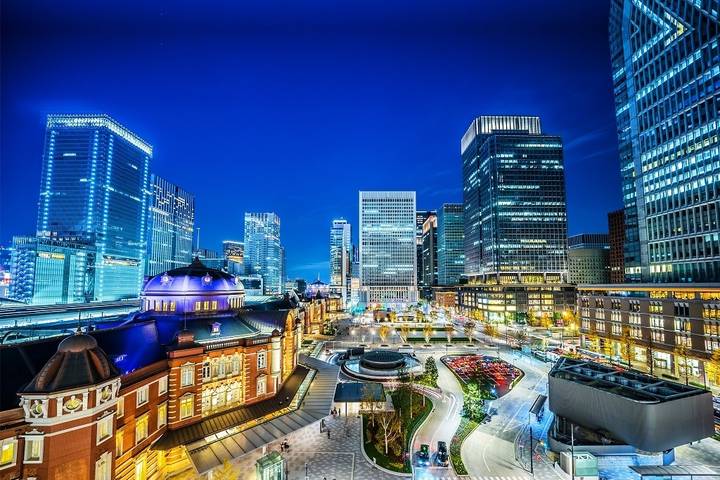
- Tokyo: temples, gardens and neon streets
- Kawaguchiko: Fuji views and a route-detail check
- Kyoto: lanes, gates and a full day on foot
- Himeji and Hiroshima: a castle and a sobering memorial
- Miyajima and Osaka: island views, then bright signs
- Nara and Koyasan: deer, Buddha and a temple night
- What the price covers, and what it does not
- Who should book this trip?
- FAQ
- Where does the tour start and finish?
- What time is the welcome meeting?
- How much of day two is guided?
- How much walking should I expect?
- What meals are included?
- Are flights included?
- What kind of accommodation is provided?
- Is Mount Fuji guaranteed to be visible?
- Are travelers over 59 allowed to join?
What makes this Japan route worth considering
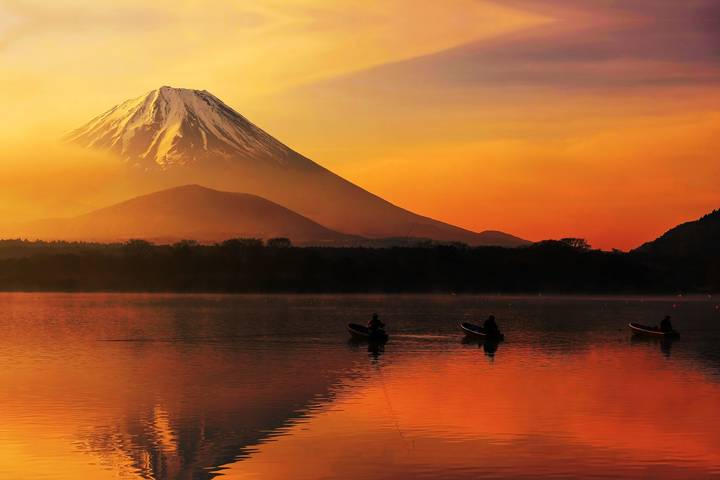
- Chureito Pagoda and Oshino Hakkai offer a change of scale after Tokyo, with a classic Mount Fuji viewpoint and clear spring-fed ponds.
- Kyoto gets two nights, with Fushimi Inari, Arashiyama, Tenryuji Garden and the old streets of Gion on the plan.
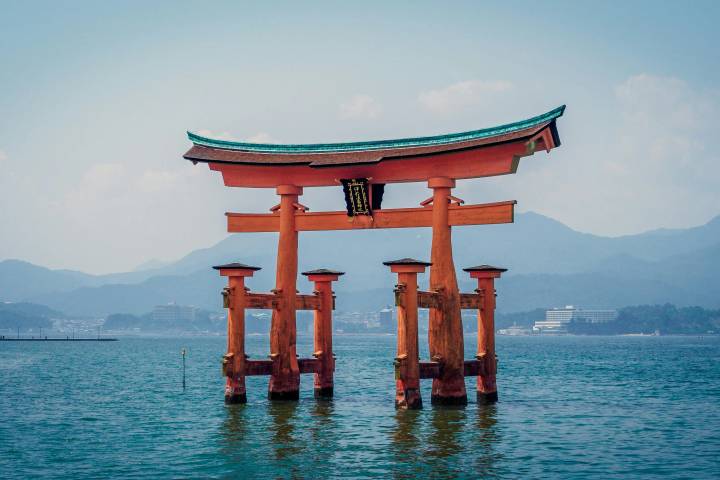
- Hiroshima and Miyajima share a two-day stretch, pairing the Peace Memorial Park with the island shrine and its famous torii gate.
- Koyasan adds a temple stay, a traditional dinner and a morning walk through Okunoin Cemetery.
- The tour uses trains and local transport, including the Shinkansen, rather than relying on a private coach for the whole route.
- The headline price is not the full trip cost: flights, insurance, many meals, some admission charges and personal expenses are extra.
Ten days, with Japan’s major contrasts in one trip
This is a fast-moving introduction rather than a slow, single-city holiday. You start in Tokyo and finish in Osaka, covering central Honshu and several of Japan’s best-known cultural stops along the way.
The format suits you if you want a leader to handle much of the transport and daily organization, but still want free hours to choose your own meals and side trips. It is less suited to anyone who wants long, unhurried visits at every temple or prefers not to navigate stations and city streets on foot.
A few more options to weigh up in Tokyo
- Tokyo Disney Resort – Tokyo Disneyland & Tokyo DisneySea Park Tickets
★ 4.8 · 99,488 reviews - SHIBUYA SKY Ticket
★ 4.7 · 46,509 reviews - JR Whole Japan Rail Pass
★ 4.8 · 29,150 reviews
Tokyo: temples, gardens and neon streets
Day one is deliberately light. You can arrive at any time, then meet the group and tour leader in the hotel lobby at 6:30 pm. The welcome meeting is expected to last about 45 minutes, leaving the evening free. Your flight and airport transfer are not included, so plan your route to the hotel in advance.
Day two starts with a guided city tour, listed in the practical details as running roughly from 8 am to 1 pm. Sensoji Temple in Asakusa offers an early look at Tokyo’s older side; Hama Rikyu Garden brings a pause among ponds and greenery; and Meiji Jingu Shrine sits in a wooded setting near the city’s busier shopping districts. The Shibuya and Harajuku walk then shifts the mood to packed crossings, fashion and street life.
The afternoon is yours. Ueno Park and the Tokyo National Museum make a good choice if you want more history and art, while the Edo-Tokyo Museum, Hokusai Museum and teamLab Planets are also named as possibilities. Check the current opening arrangements for any museum you particularly want to see.
Tokyo’s scale can be a lot on your first full day, but the guided morning gives you a useful orientation. The free afternoon is welcome, though it also means you may be using the city’s public transport on your own. If navigating stations feels stressful, ask your tour leader for a clear route before setting off.
Kawaguchiko: Fuji views and a route-detail check
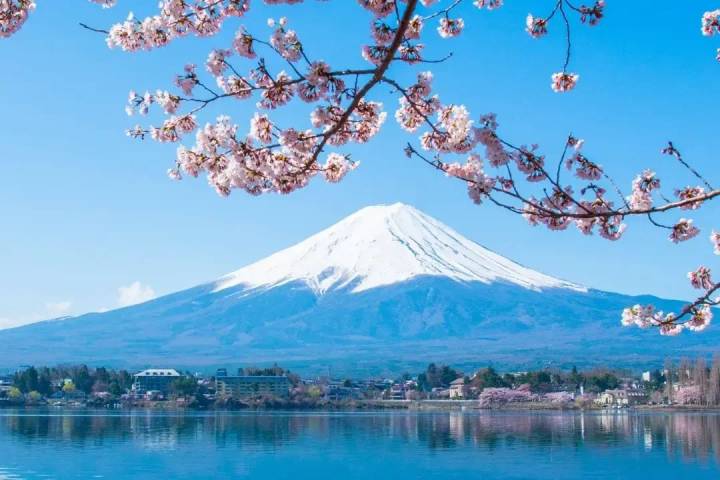
On day three, the group leaves Tokyo for the Mount Fuji area. The detailed daily plan names Oshino Hakkai, a village known for its clear ponds, and Chureito Pagoda, reached by a climb up to a viewpoint with Fuji in the distance. This is a fine contrast with the capital, and a welcome chance to trade station crowds for open air.
The morning is described as free, with departure for the area around noon in the practical answer supplied for the tour. Luggage arrangements are less clear: one part says bags are sent ahead to Kyoto, while another says luggage travels with you. Ask Travel Talk what applies to your departure, and pack a small overnight bag if the main luggage will be separated from you.
There is a notable route discrepancy to clear up before booking. Some trip details list Hakone sightseeing, a Lake Ashinoko boat ride and the Owakudani Cable Car, but the day-by-day description instead names Oshino Hakkai and Chureito Pagoda. Hida Folk Village and Takayama also appear among the listed inclusions and highlights, yet not in the daily route. Confirm which stops are actually part of your departure rather than assuming every named attraction is included.
Kyoto: lanes, gates and a full day on foot
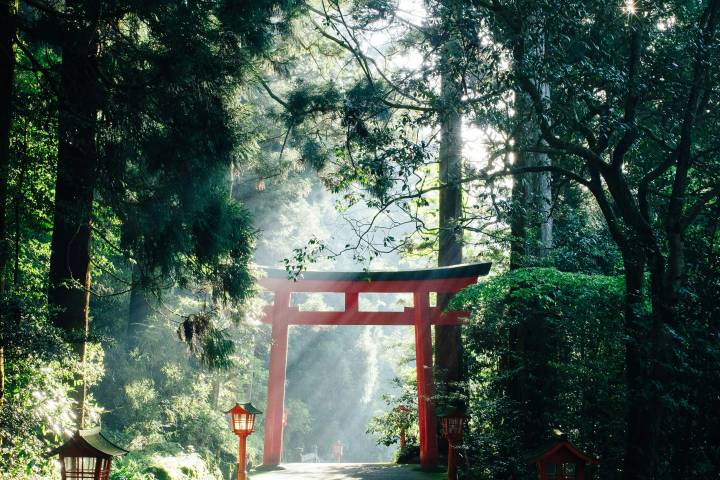
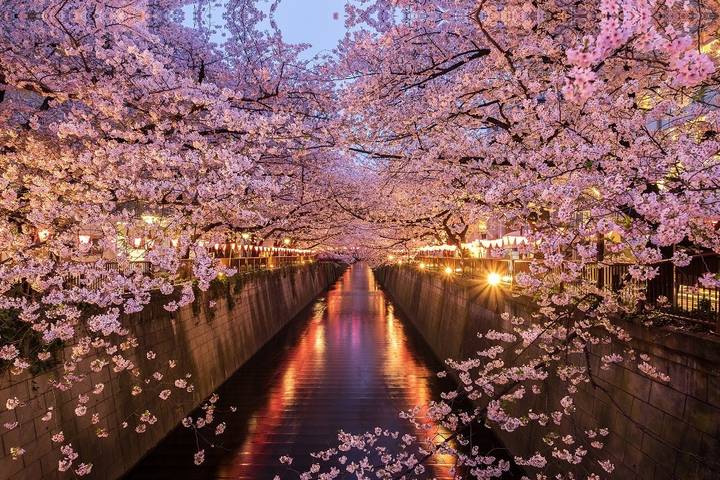
Day four brings a scenic train and bus journey via Odawara to Kyoto. After checking in, you walk through Ninenzaka and Sannenzaka, old lanes lined with traditional-looking streets, then continue into Gion. These are appealing places to explore on foot, but can be crowded, especially at popular times.
Kyoto’s main guided day begins at Fushimi Inari Shrine. Thousands of red torii gates climb the hillside, and you can walk farther up the trail if you have the energy. The setting is striking, but the lower paths are busy, so an early start and comfortable shoes are useful.
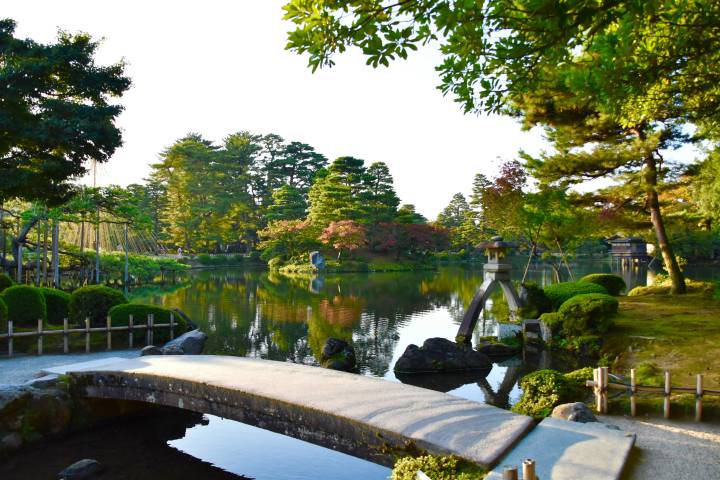
Next comes Arashiyama, where the bamboo grove feels quite different from the shrine. Tenryuji Temple Garden adds a quieter, carefully designed stop, then the guided portion finishes at Nishiki Market. Here, you can try local snacks and browse food stalls before taking the afternoon at your own pace.
The route packs a lot into one day. You get variety, but not endless time to linger at each stop. If you want a slower Kyoto visit, use the free afternoon well: return to a lane or garden you liked, find a tea stop, or simply avoid adding another long outing. Admission charges may apply, including the fees listed for Tenryuji and Fushimi Inari. Check the current fee details, since the supplied trip information is not consistent about which entrance costs are included.
A completely different kind of day out:
- Mt Fuji and Hakone 1-Day Bus Tour Return by Bullet Train
★ 5.0 · 26,383 reviews - TOKYO SKYTREE® Ticket
★ 4.7 · 25,136 reviews - teamLab Borderless Tickets: MORI Building DIGITAL ART MUSEUM
★ 4.7 · 24,126 reviews - teamLab Planets TOKYO Ticket
★ 4.7 · 21,663 reviews
Himeji and Hiroshima: a castle and a sobering memorial
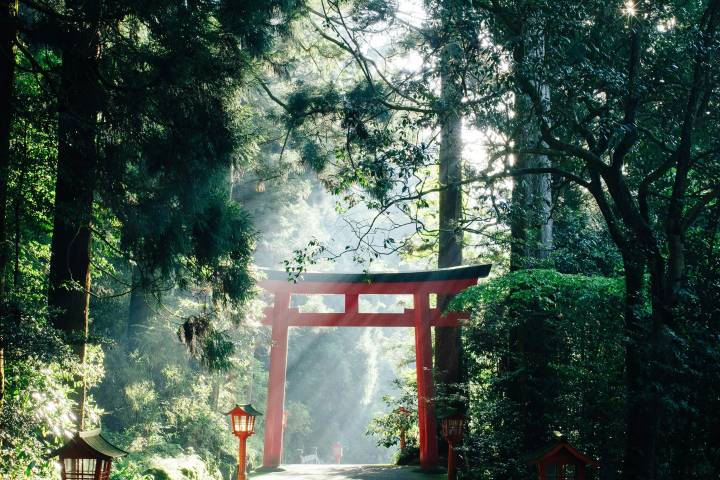
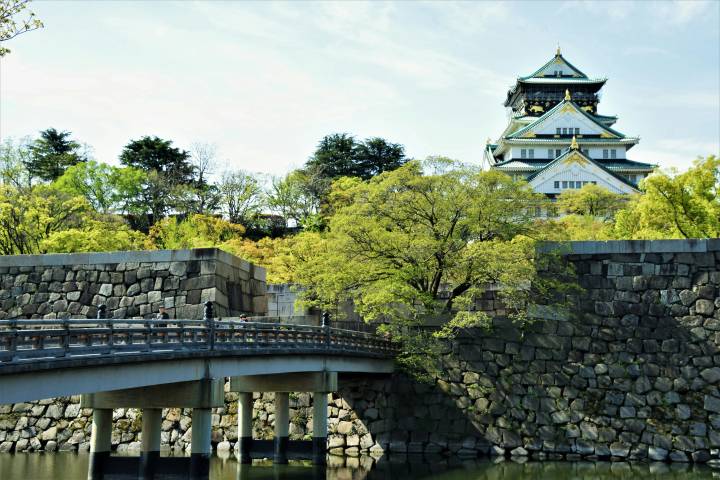
On day six, you leave Kyoto by bullet train and stop in Himeji to visit its castle. Himeji Castle is one of Japan’s great original castles, and its scale and wooden interiors make it a different sort of history lesson from Kyoto’s shrines and gardens. Allow for stairs and walking around the grounds.
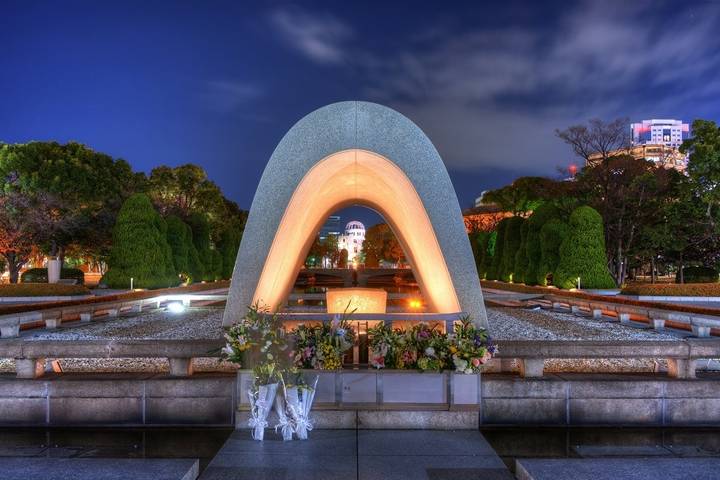
The journey continues by train to Hiroshima. A guided visit to Peace Memorial Park and the Peace Memorial Museum gives you context for the 1945 atomic bombing and the city’s reconstruction. This is a moving, serious part of the tour. The museum can be emotionally demanding, and it is worth leaving yourself a little space afterward rather than scheduling a packed evening.
You have the evening free in Hiroshima. That flexibility is useful after a full day, and lets you choose a quiet meal or explore at your own speed. The tour lists one night in the city, though the named hotel details should be checked against your departure documents.
Miyajima and Osaka: island views, then bright signs
Day seven takes you to Miyajima Island, about an hour from Hiroshima. The island visit includes a ferry, Itsukushima-jinja Shrine and the famous torii gate, which appears to float when the tide is right. The tour plan includes a cable car up Mount Misen for views across the Inland Sea; weather and conditions can affect what you see from the summit.
After returning to the mainland, you ride the Shinkansen to Osaka. The evening Dotonbori walk brings a sharp change of mood: neon signs, the Glico Running Man and food stalls crowd the streets. This is a good place to sample Osaka specialties, though meals beyond the stated inclusions are your own expense.
One detail to check: the itinerary lists an optional ropeway at 2,000 yen, while the included activities also list the Mount Misen cable car. Confirm which part of the ride is covered and what you would pay extra for.
Nara and Koyasan: deer, Buddha and a temple night
Day eight starts early with a train to Nara. Todaiji Temple houses a huge bronze Buddha, and the surrounding Nara Deer Park is known for its freely roaming sika deer. You can buy deer crackers to feed them, but keep a close eye on your belongings and follow local instructions around the animals.
In the afternoon, the scenic Nankai Koya Line carries you up to Koyasan. Your overnight stay is in a shukubo, a Buddhist temple lodging, with a temple dinner included. This is one of the trip’s more distinctive nights, though it is not described as a ryokan stay. If a traditional inn or an onsen is a priority, this package does not promise either.
The next morning, you walk through Okunoin Cemetery beneath ancient cedars, passing moss-covered memorials and stupas. You then visit Kongobuji Temple, the head monastery of Shingon Buddhism, with screen paintings and a large rock garden. The atmosphere is quieter than the cities, and the early walk makes a strong case for staying overnight rather than visiting Koyasan only as a day trip.
You descend to Osaka later on day nine. That leaves a final night in the city before breakfast and checkout at 10 am the next morning. The tour ends in Osaka, so you will need to arrange your departure transport separately.
What the price covers, and what it does not
The starting price is $2,853, based on the cheapest room option. Included are nine breakfasts, two dinners, hotel stays, one temple lodging, an English-speaking tour leader, local transport and the listed group activities. The hotels are generally three-star, with names such as Sunroute Asakusa, Route Inn Kawaguchiko and Hotel Monday Kyoto Marutamachi given as examples or alternatives.
That is a substantial amount of ground to cover in ten days, and having train connections and group logistics organized can be worthwhile if you do not want to plan Japan independently. A past departure’s guide was praised for helping with train fares and onward rail arrangements, and guides named on previous trips include Maya, Akemi, Max, KJ, Ayako, Pepijn Cox and Yukiya Nishida. These are examples, not a promise about who will lead your trip.
Still, budget beyond the headline price. Flights, travel insurance, unstated meals, tips, personal spending and some admission fees are excluded. Optional food or cultural activities are listed at extra cost, including cooking and guided evening options. Ask for an itemized estimate for your dates, especially since some fees and inclusions appear differently across the supplied details.
The tour’s own category scores are strongest for the operator and guide, with 4.7 for Travel Talk and 4.6 for the guide. Itinerary, transport, accommodation and food each score 4.3. Those figures suggest a generally solid package, not luxury or a flawless fit for every pace preference. Several past departures had strong praise for guides and trip organization; the practical caution is that the route can feel like a whirlwind, and walking adds up.
Who should book this trip?
I’d consider this tour if you have ten days, want to see Japan’s headline sights and value having transport and a group leader arranged. It is especially appealing if you enjoy cultural history, can manage long days on foot and are comfortable taking some free time independently.
Think twice if you want leisurely mornings, included meals at every stop, or a coach that carries you from door to door. Before booking, get written confirmation of the actual route, hotel names, luggage arrangements, included cable cars and entrance fees. The published details contain enough mismatches that those answers matter.
FAQ
Where does the tour start and finish?
It starts in Tokyo and ends in Osaka. Flights and airport transfers are not included, so you arrange your own transport to the first hotel and from the final stop.
What time is the welcome meeting?
The welcome meeting is scheduled for 6:30 pm on day one and is expected to finish around 7:15 pm. You can arrive in Tokyo at any time, but should reach the hotel in time for the meeting.
How much of day two is guided?
The Tokyo tour is described as running approximately from 8 am to 1 pm. The afternoon is free for your own plans.
How much walking should I expect?
The tour is rated low intensity, but past participants describe substantial walking, with some days reaching 7 to 10 miles. Comfortable shoes are a sensible choice.
What meals are included?
The package includes nine breakfasts and two dinners. Other meals are not included unless stated for a specific activity.
Are flights included?
No. Flights to and from Japan must be booked separately, and travel insurance is also excluded.
What kind of accommodation is provided?
The tour lists mostly three-star hotels, plus one night in a Koyasan temple lodging. Hotel names may be listed as examples or alternatives, so confirm the exact properties for your departure.
Is Mount Fuji guaranteed to be visible?
No visibility guarantee is provided. The route includes the Mount Fuji area, Chureito Pagoda and Oshino Hakkai in the detailed daily plan, but views depend on conditions.
Are travelers over 59 allowed to join?
The stated age range is 18 to 59. Travel Talk describes that range as a guideline rather than an absolute restriction and says people slightly above it may join. Contact the operator to confirm your eligibility and discuss the pace.
Just added in Tokyo
- Wonders of Japan end Tokyo GO 15-Day Tour by Europamundo★ 4.2 · 10 reviews
- Wonders of Japan end Tokyo 15-Day Tour by Europamundo★ 4.2 · 10 reviews
- Wonders of Japan End Osaka by Europamundo – 12-Day Tour★ 4.2 · 58 reviews
- Wonders of Japan End Osaka (including Fukuyama) 12-Day Tour by Europamundo★ 4.2 · 58 reviews
- Wonders of Japan End Osaka GO by Europamundo – 12-Day Tour★ 4.2 · 58 reviews
- Walk Japan – Kumano Kodo Trail 12-Day Tour by Explore!★ 4.7 · 20 reviews
- Visions of Japan with Hiroshima & Osaka 15-Day Tour by Globus★ 5.0 · 75 reviews
- Upgraded – Discover Japan 9-Day Tour by Explore!★ 4.8 · 6 reviews
Multi-Day Tours, compared.
9D Splendid Japan-Private 3 Star Hotels-Osaka to Tokyo by Stunning Tours
Read our review →
Japan Essentials 9 Day – One Life Adventures: Tokyo to Osaka
Read our review →

Tokyo to Osaka by Rail – Private Tour (14 Days) with Explore!
Read our review →
13-Day Japan Tour: Tokyo, Mount Fuji, Kyoto, Nara, Osaka & Beyond by The Dragon Trip
Read our review →
Browse the lists this tour appears in