
Reviewed · MULTI-DAY TOURS THAT VISIT JIGOKUDANI SNOW MONKEY PARK
Japan Adventure 17 Day by INTRO Travel – Tokyo to Kyoto: Itinerary & Reviews
Tokyo’s Senso-ji Temple, Nagano’s hot springs and Koyasan’s nighttime cemetery walk make this a trip of striking contrasts. I like the mix of hands-on cultural activities, from sushi rolling to sword practice, and the practical support of a group leader who helps manage trains and daily plans.
I also like that the route leaves room for your own meals and some free time, rather than scheduling every hour. The trade-off is a busy pace, with frequent hotel changes and shared rooms. One detail to check before booking: the tour is described as ending in Kyoto, but the final nights and departure day are listed in Osaka.
In This Review
- Japan Adventure 17 Day at a glance
- Tokyo begins with temples, crossings and sushi
- Nagano’s noodles, onsen and snow monkeys
- Hakone’s Fuji views, then Osaka after dark
- Koyasan’s temple night is the cultural change of pace
- Kyoto’s shrines, bamboo and samurai practice
- Hiroshima and Miyajima bring a quieter close
- What the price includes, and what you still pay for
- Who will enjoy this group tour
- Should you book Japan Adventure 17 Day?
- FAQ
- What is the starting price for the tour?
- Are flights included?
- Where does the tour start and end?
- How many people are in the group?
- What is the age range?
- Is a private room available?
- What meals are included?
- Is transport between destinations included?
- Are snow monkey sightings guaranteed?
- Is travel insurance included?
Japan Adventure 17 Day at a glance
- Roll sushi in Tokyo, then make soba in Nagano with local instructors.
- Watch snow monkeys near Shiga Kogen, then sleep on futons in a traditional ryokan.
- Stay overnight at a Buddhist temple in Koyasan, with meditation, a cemetery walk and morning prayers.
- Travel by bullet train and local transit, with tour transport arranged for you.
- Visit Hiroshima and Miyajima, balancing city sights with time for reflection and island walks.
- Share rooms with a small group of 4 to 16 people, mostly in the 18 to 49 age range.
Tokyo begins with temples, crossings and sushi
Your first day is deliberately light. You check into the Tokyo accommodation, rest after your flight and meet the group. Arrival transfers are not included, so plan your own way to the hotel and allow time to get settled before the group gathering.
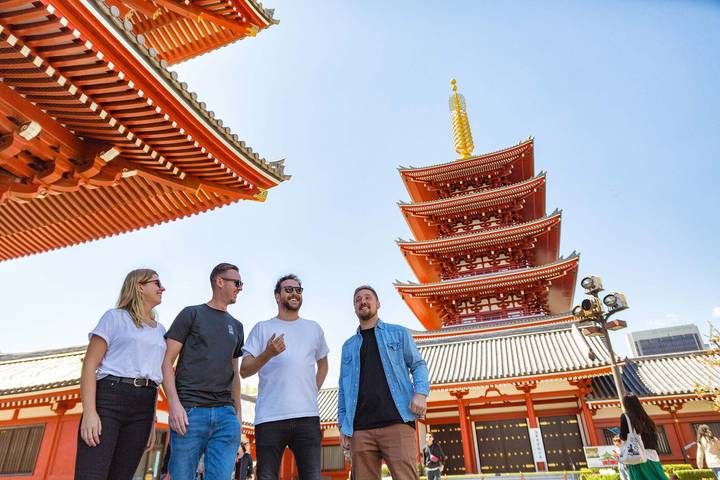
On Day 2, the tour links old and new Tokyo. At Senso-ji, the city’s oldest Buddhist temple, you get a guided introduction to one of its best-known sacred sites. Meiji Shrine offers a quieter contrast, before Harajuku’s youth fashion and the crowds crossing Shibuya’s famous intersection. The day ends in Shinjuku, where the group explores small bars and quirky restaurants.
This is a useful first day with a guide. Tokyo’s districts can feel like separate cities, and a structured introduction helps you understand how much there is to explore later. The evening is social, though you can expect a full day on your feet.
Day 3 brings a sushi-rolling class with a sushi master, followed by free time and a visit to Akihabara. The class gives you more than a meal: it’s a practical way to learn about a Japanese food tradition. Akihabara, with its arcades, game centers, photo booths and maid cafes, is a very different kind of cultural stop. If you have a specific Tokyo interest, use the open afternoon to pursue it. Go-karting is not included, and the tour notes that you may need to arrange it separately and bring the required driving documents.
A few more options to weigh up in Tokyo
- Tokyo Disney Resort – Tokyo Disneyland & Tokyo DisneySea Park Tickets
★ 4.8 · 99,488 reviews - SHIBUYA SKY Ticket
★ 4.7 · 46,509 reviews - JR Whole Japan Rail Pass
★ 4.8 · 29,150 reviews
Nagano’s noodles, onsen and snow monkeys
The group takes a bullet train to Nagano on Day 4, then tries origami before an onsen visit and a night in a traditional ryokan. Sleeping on tatami mats with futon bedding is part of the point: this is a change from standard hostel rooms, not simply a place to sleep. Shared accommodation and the communal rhythms of a traditional inn may not suit everyone, but they make this a distinctive night.
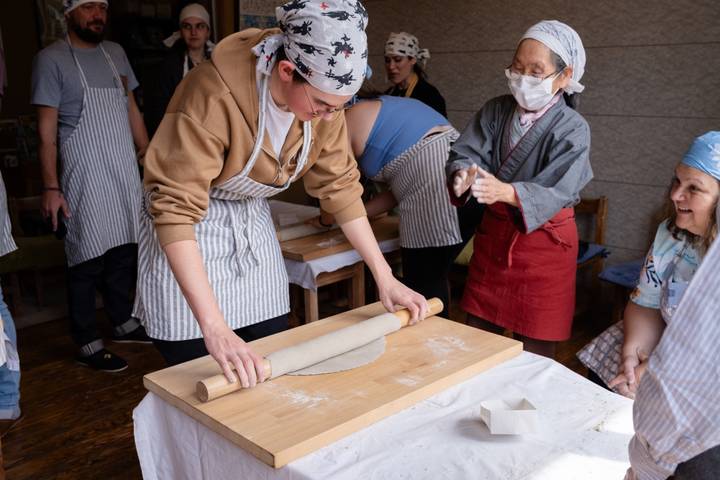
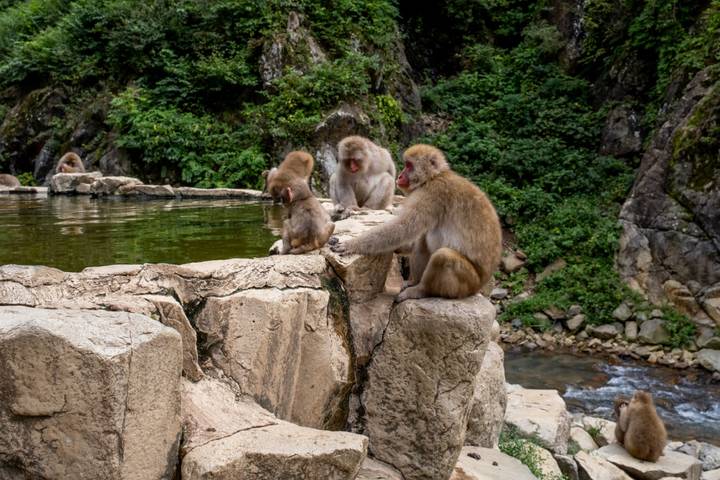
On Day 5, local artisans teach you to roll soba noodles. Then you head into the mountains to look for Japanese macaques, often called snow monkeys. In winter, they may bathe in natural hot springs; in other seasons, you may see them playing or moving through the trees. Wildlife sightings are never guaranteed, so treat this as a chance to see them in their habitat rather than a staged encounter.
The day also includes Shiga Kogen National Park in summer, with lakes and forest trails. The seasonal wording matters: the park visit is listed for summer only, so the exact experience depends on your departure date. The mountain air and outdoor time provide a welcome pause between major city stops.
Hakone’s Fuji views, then Osaka after dark
Day 6 is primarily a travel day from Nagano to Hakone. The next morning, you explore the region by Lake Ashi pirate ship and cable car, with Mount Fuji views possible when the weather is clear. Fuji is not guaranteed to appear, so enjoy the lake and mountain setting even if clouds hide the summit.
The group then takes the bullet train to Osaka for a barbecue dinner and karaoke. This is one of the tour’s more sociable evenings, and a good fit if you enjoy singing along or watching others take the microphone. If nightlife is not your thing, the group setting makes it easy to join for dinner and head back earlier.
On Day 8, you have a free morning for rest or shopping, followed by Osaka Castle and Dotonbori. The castle gives a compact introduction to samurai-era history, while Dotonbori is known for food along its canal district. Your meals outside the two included dinners and other specified meals are your own responsibility, so budget for eating out throughout the trip.
Koyasan’s temple night is the cultural change of pace
From Osaka, the group travels into the mountains to Koyasan for a night at a Buddhist temple. You take part in meditation with monks, eat traditional temple cuisine and walk through Japan’s largest cemetery after dark. It is a memorable shift in pace and mood from Osaka’s karaoke rooms and bright shopping streets.
The experience continues early the next morning, when you watch Buddhist monks perform prayers and a fire ceremony. Breakfast is served at the temple before the group travels to Kyoto. An early start is part of the deal, and temple life may be simple; go for the setting, the ceremony and the opportunity to observe a living religious tradition, not hotel-style comforts.
In Kyoto that evening, a guided walk through Gion introduces the city’s geisha district. It is a useful first look at Kyoto’s historic streets, though one evening cannot cover the city in depth. You’ll have several more days to return to places that catch your interest.
A completely different kind of day out:
- Mt Fuji and Hakone 1-Day Bus Tour Return by Bullet Train
★ 5.0 · 26,383 reviews - TOKYO SKYTREE® Ticket
★ 4.7 · 25,136 reviews - teamLab Borderless Tickets: MORI Building DIGITAL ART MUSEUM
★ 4.7 · 24,126 reviews - teamLab Planets TOKYO Ticket
★ 4.7 · 21,663 reviews
Kyoto’s shrines, bamboo and samurai practice
Kyoto gets four nights, giving you more time than most stops on this fast-moving route. Day 11 visits Arashiyama’s bamboo forest and Kinkakuji, the Golden Pavilion. Both are popular sights, so expect other people around, especially at the photo-friendly bamboo grove. The free evening is a good chance to choose your own dinner or spend time at an arcade or bowling alley.
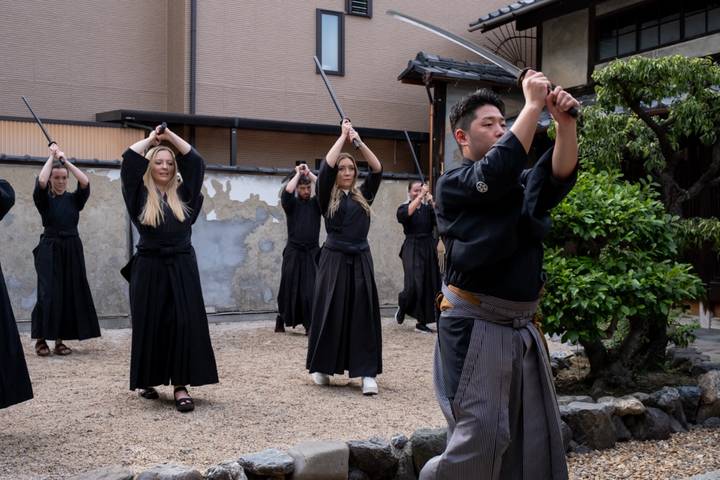
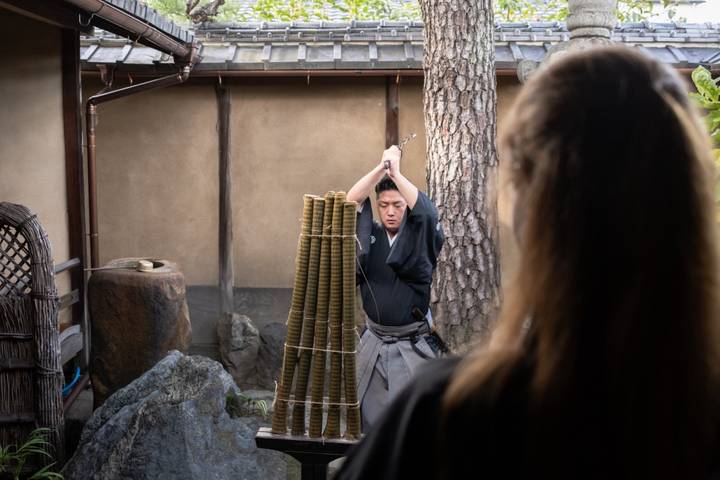
The next day, you walk among the torii gates at Fushimi-Inari Shrine, which climb along paths on a mountainside. The full network of trails takes time and energy, so comfortable walking shoes are sensible. In the afternoon, a samurai master teaches the group to handle a traditional sword. It’s a hands-on activity that adds context to the martial history you first encountered at Osaka Castle.
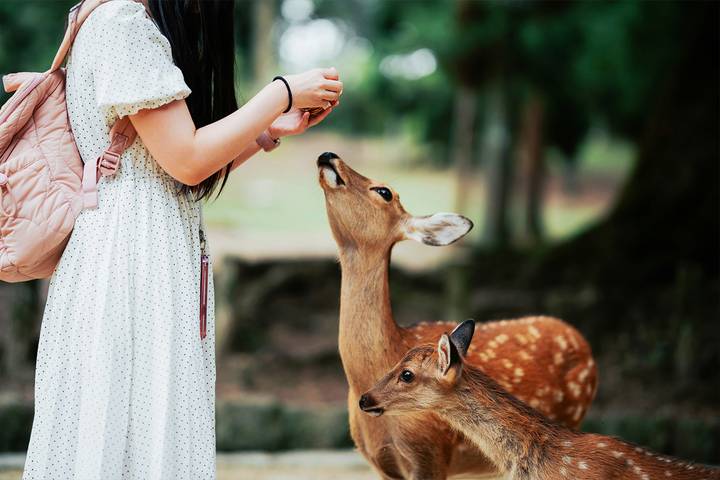
Day 13 is a local train trip to Nara, where you visit temples and gardens, see the Great Buddha and meet the deer in the park. The deer are famous for bowing, but remember they are animals, not props. Follow local guidance when feeding or approaching them, and keep food tucked away when you are not using it.
A traditional tea ceremony is scheduled on Day 14 before the group boards a bullet train to Hiroshima. Kyoto’s allotted time covers several major sights, but it is not a slow stay. If you want to explore more temples or museums at your own pace, consider adding nights before or after the group tour.
Hiroshima and Miyajima bring a quieter close
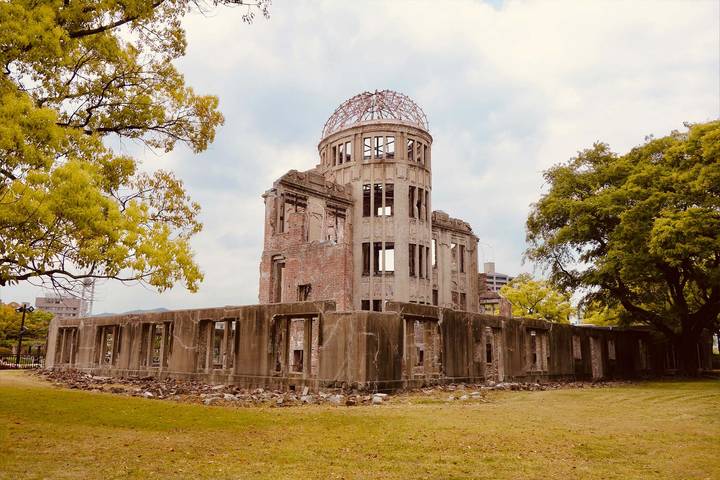
In Hiroshima, the Peace Memorial Park, museum and Atomic Bomb Dome mark the devastating 1945 bombing. Give yourself time to take in the museum and memorials. The subject is difficult, but this visit offers important context for modern Japan and deserves more than a hurried photo stop.
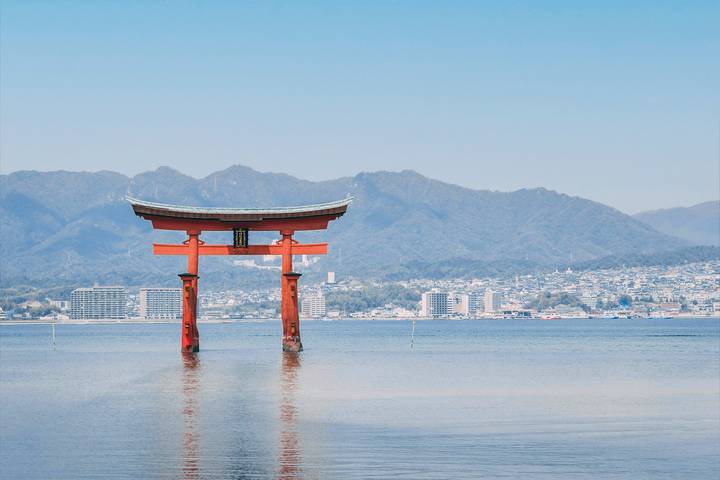
The following day, a ferry takes you to Miyajima Island, also called Itsukushima. You’ll see the famous torii gate in the bay, visit the shrine and have time for temples or hiking trails. The island is known for its deer as well, so the animal encounters echo Nara in a different setting. Local bars are an option later, but much of the island visit is at your own pace.
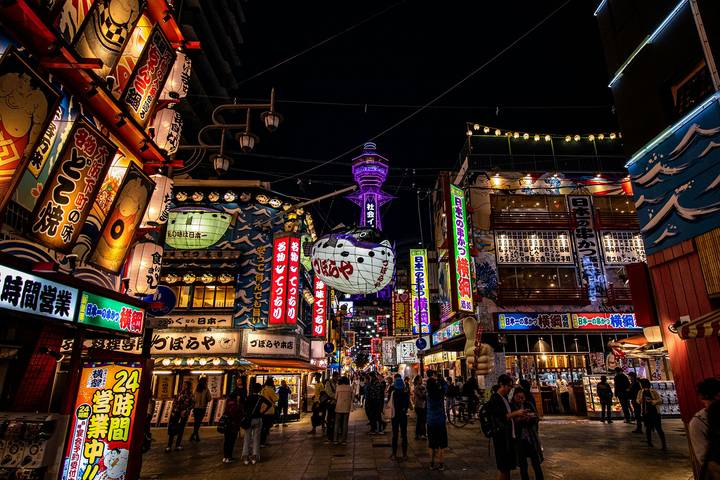
On Day 16, the group returns by bullet train to Osaka and visits Shinsekai, a retro district with restaurants and izakayas. It’s a final evening together, with time for last-minute shopping and a toast. Day 17 is listed as an Osaka checkout, although the tour summary says the trip ends in Kyoto. Confirm the actual final accommodation and departure city for your chosen date before arranging onward travel.
What the price includes, and what you still pay for
The advertised starting price is 4199, based on the cheapest room option. The currency is not specified in the tour details, so confirm the final price and currency when checking departure dates. The cost includes accommodation, scheduled activities, transport during the tour and 16 breakfasts, two lunches and two dinners. Flights, arrival and departure transfers, most meals, snacks, drinks, insurance and optional activities are extra.
For 17 days across several regions, the included transport and major activities can make the price worthwhile. Bullet trains, buses, subways, cable cars and ferries are part of the plan, so you avoid arranging each leg yourself. The group leader also provides support during the trip and can help with onward travel.
Accommodation is shared: quad-share rooms in Tokyo, Nagano, Hakone and Osaka, with twin or double share in Kyoto and Hiroshima. The Koyasan temple night is shared too, and a single supplement is not available according to the supplied details. Room assignments and accommodation can change before departure, so check the final documents. Vegetarian meals can be requested, but other meals are left open so you can choose where and what to eat.
Who will enjoy this group tour
This tour suits adults who want to see several parts of Japan without planning every train connection, and who enjoy meeting people along the way. Group size is listed as 4 to 16, and the stated age range is 18 to 49. INTRO Travel says its tours are designed for younger adults, and the group atmosphere and shared rooms are likely to appeal most if you are comfortable with a social style of travel.
The pace is active even though the physical rating is low intensity. Expect walking at city sights, early starts and repeated moves between accommodation. One person who travelled on the tour noted that there was quite a bit of walking, so comfortable shoes and a willingness to keep moving will help.
Group leaders are a major part of the experience. Past departures have been led by Becca, Adam, Dan, Tommy, Kiki and others; the assigned leader varies. The role matters here because the trip relies on public transport, tight connections and a full schedule. The tour’s small group size can also help solo travelers settle in, and shared-room arrangements pair solo women with another solo female traveler for twin-share stays, according to the tour information.
Should you book Japan Adventure 17 Day?
Book it if you want a broad first visit to Japan, enjoy group travel and value having transport and activities organized. The mix of Tokyo, mountain towns, Kyoto, Hiroshima and Miyajima gives you a useful range of city life, food, religious traditions and modern history.
Think twice if you want private rooms, long unscheduled stays or a leisurely pace. Before paying, confirm the departure’s exact route and whether the final night is in Kyoto or Osaka, as the published details differ. Also check seasonal conditions for the Shiga Kogen visit, and leave room in your budget for flights, insurance and most meals.
FAQ
What is the starting price for the tour?
The listed starting price is 4199, based on the cheapest room option. The currency is not specified in the supplied details, so confirm it when checking your departure.
Are flights included?
No. You arrange your own flights to Tokyo and home from the tour’s final city. Arrival and departure transfers are also not included.
Where does the tour start and end?
It starts in Tokyo. The summary says it ends in Kyoto, but the final accommodation and Day 17 checkout are listed in Osaka. Confirm the endpoint for your chosen departure before booking onward transport.
How many people are in the group?
The group size is listed as 4 to 16 people.
What is the age range?
The stated age range is 18 to 49. INTRO Travel says its tours are designed for adults aged 18 to 40, and its information notes that people in their 40s also join.
Is a private room available?
A single supplement is listed as unavailable. The accommodation is shared, and the tour information says a private room is not possible in Hakone.
What meals are included?
The tour includes 16 breakfasts, two lunches and two dinners. Other meals, snacks and drinks are not included. Vegetarian food can be requested.
Is transport between destinations included?
Yes. Transport during the tour is included, including bullet trains, public trains, buses, subways, cable cars and the ferry listed in the route.
Are snow monkey sightings guaranteed?
No guarantee is stated. The tour includes a visit to the mountain area to look for Japanese macaques, and their behavior varies by season. In winter they may bathe in hot springs.
Is travel insurance included?
No. Insurance is not included and is required for the tour.
Just added in Tokyo
- Mt. Fuji & Hakone Cherry Blossom private One Day Tour★ 4.5 · 35 reviews
- Fish Market & Tokyo Skyline Private Walking Tour★ 5.0 · 14 reviews
- 25-Min Downtown Helicopter Tour : Tokyo Skytree and Tokyo Tower★ 5.0 · 19 reviews
- Private Tour with a Local Guide – Learn about daily life in Japan★ 5.0 · 22 reviews
- Tokyo: 3-Hour Bike/E-Bike Tour of the City’s Highlights★ 5.0 · 209 reviews
- Official Japan Go-Kart Through Tokyo Bay / Ginza (IDP Required)★ 4.5 · 71 reviews
- 30-Min Tokyo Central Private Heli Tour– Asakusa, Skytree, Shibuya★ 5.0 · 13 reviews
- Tokyo 2-Hour Genuine Samurai Experience: Kendo in Japan★ 5.0 · 112 reviews
Multi-Day Tours That Visit Jigokudani Snow Monkey Park, compared.


Tokyo to Osaka by Rail – Private Tour (14 Days) with Explore!
Read our review →
Central Japan by Europamundo – 9-Day Tour from Tokyo
Read our review →
Japanese Scenes and Mount Fuji 19-Day Tour by Europamundo
Read our review →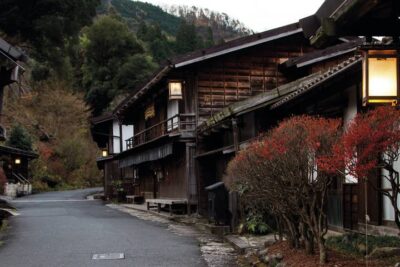
Tokyo, Kyoto and Alps GO by Europamundo – 6-Day Tour
Read our review →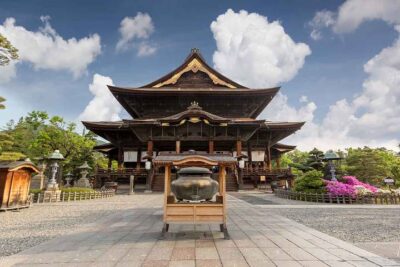
Wonders of Japan end Tokyo 15-Day Tour by Europamundo
Read our review →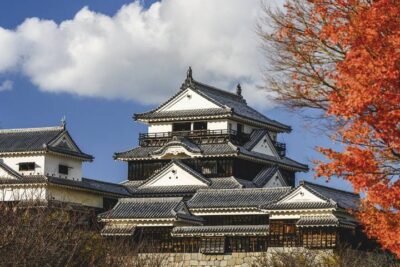
Wonders of Japan end Tokyo GO 15-Day Tour by Europamundo
Read our review →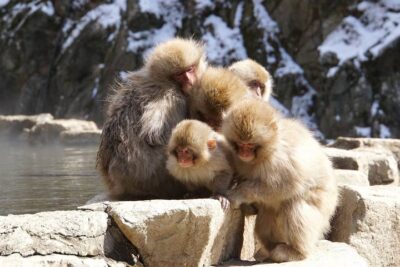
Explore Japan: Snow Monkey & Onsen (Private Guided) by Odynovo – 10-Day Tour
Read our review →Browse the lists this tour appears in