Reviewed · MULTI-DAY TOURS THAT VISIT KOYASAN
Legend of Japan 12-Day Tour by TruTravels Review
Tokyo’s neon streets give way to quiet temple mornings on this 12-day route through Japan. You’ll ride the bullet train, sleep at a temple in Koyasan, take a tea ceremony in Kyoto and look for Mount Fuji from Hakone. I like the mix of famous sights and hands-on cultural stops, and I like that transport and a guide are included.
The trade-off is comfort and independence: most nights are in shared hostel rooms, and the days move between cities at a steady clip. You’ll get free time, but this is a social group trip, not a slow, private tour. It is designed for ages 18 to 39, though the operator’s answers about the upper age limit differ, so check before booking if you are older.
- Koyasan is the change of pace: Stay in a traditional temple, eat a vegetarian dinner and take an evening walk through Japan’s oldest cemetery.
- You get culture you can try: Make sushi, take part in a tea ceremony and learn basic sword moves in a samurai class.
- Travel between cities is part of the trip: The Tokyo to Osaka bullet train, local trains, cable train, buses and Hakone ropeway are covered.
- The guide matters: Recent groups praise Morgan, Hikari and Zane for practical help, food recommendations and keeping the group together. Guides vary by departure.
- Leave room in your budget: The tour includes transport and listed activities, but meals are limited and optional activities are extra.
- Know the room setup: Expect hostel dorms with shared bathrooms, plus one temple stay. A private-room upgrade is not available.
In This Review
- Tokyo, from Senso-ji to Shinjuku after dark
- Osaka’s castle, neon streets and sushi lesson
- Koyasan, a temple night and a cemetery walk
- Kyoto’s Gion lanes, tea and golden pavilion
- Hakone, Lake Ashi and the Mount Fuji gamble
- What the price covers, and what it does not
- Who will get the most from this Japan tour
- Should you book it?
- FAQ
- How long is the Legend of Japan tour?
- Which destinations are included?
- What is the group size?
- What ages can join?
- What type of accommodation is provided?
- Can I book a private room?
- Which meals are included?
- Is transport included?
- Is the Mount Fuji view guaranteed?
- Which activities are included?
Tokyo, from Senso-ji to Shinjuku after dark
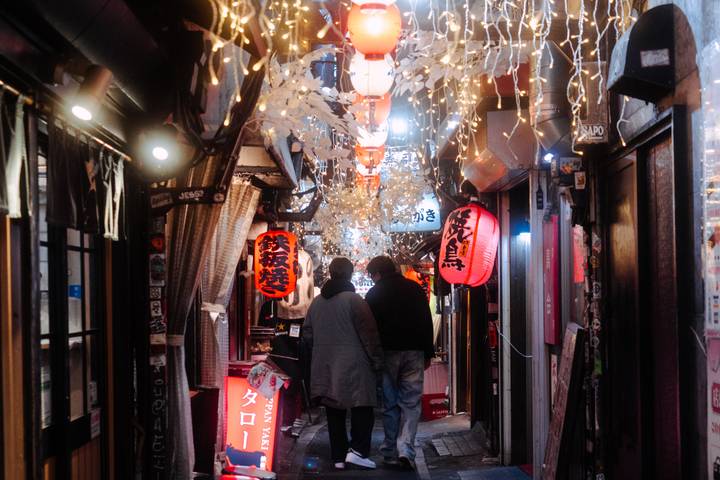
The trip begins in Tokyo, where you check into a hostel and meet your group before heading into Shinjuku. This is a lively first night, with neon signs, bars and nightlife. It is a useful way to get acquainted, but you can opt out if you would rather rest after a long flight. The tour is aimed at people aged 18 to 39, and the group can range from 4 to 20, so the social mood may vary with each departure.
On day two, you visit Senso-ji, Tokyo’s oldest temple, then explore Akihabara, the district known as Electric Town. Anime and gaming fans will find plenty to look at; if those are not your interests, you can still sample street food such as takoyaki or yakisoba. The day includes a sake tasting in the evening. You’ll use trains for much of the sightseeing, so expect to walk and learn the local routes as you go.
Meiji Shrine and Yoyogi Park bring a quieter feel on day three. The shrine is dedicated to Emperor Meiji and Empress Shoken, and the broad, wooded approach offers a contrast to the city streets. Nearby Harajuku is known for shopping and youth culture. Lunch is included that day, then the evening is open. You’ll travel the next morning, so packing ahead will make the changeover easier.
The first Tokyo stretch balances headline sights with breathing room. Still, three days is only an introduction to a city this large. If you want to explore particular museums, neighborhoods or food spots at length, consider arriving early or staying on after the tour.
Osaka’s castle, neon streets and sushi lesson
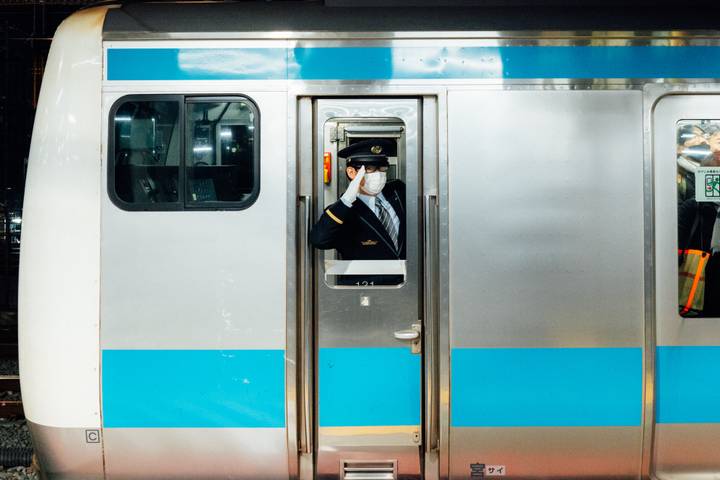
A bullet train carries the group from Tokyo to Osaka. The ride is one of the trip’s useful pleasures: it covers a long distance quickly and gives you a look at the country between the big cities. Once in Osaka, the group visits Osaka Castle, a major landmark associated with the samurai ruler Toyotomi Hideyoshi. The grounds cover a large area, so allow for walking and time outdoors.
Later, a guided walk through Dotonbori introduces you to the bright signs, crowded lanes and food-focused energy of the city. Osaka is known for its street food, and the evening is set aside for trying local dishes and drinks. Those purchases are not listed as included, so keep some spending money handy.
Day five is more relaxed. You take a sushi-making class, then eat the dishes you prepare for lunch. It is a practical way to learn a little about a central part of Japanese food culture, though it is a class rather than a full culinary course. The rest of the day is open for more sightseeing or a slower meal.
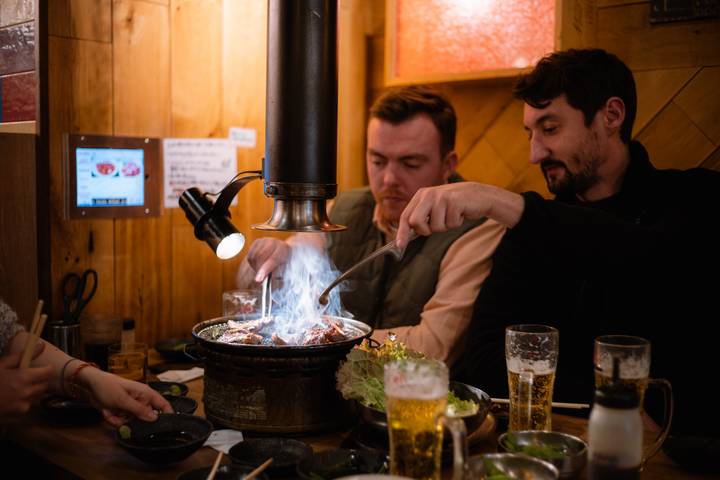
Food is one area to plan around. The tour’s category rating for food is 3.0, notably lower than its overall 4.7 rating. That makes sense for a schedule with relatively few meals included: you’ll have chances to eat well, but you will choose and pay for many of your own meals. Recent guides have been praised for recommending local dishes and helping with dietary needs. Tell your guide about any dietary requirements early, and check which meals are covered on your departure.
A few more options to weigh up in Tokyo
- Tokyo Disney Resort – Tokyo Disneyland & Tokyo DisneySea Park Tickets
★ 4.8 · 99,488 reviews - SHIBUYA SKY Ticket
★ 4.7 · 46,509 reviews - JR Whole Japan Rail Pass
★ 4.8 · 29,150 reviews
Koyasan, a temple night and a cemetery walk
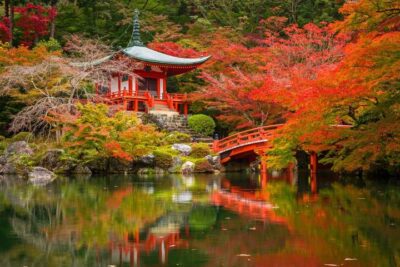
The journey to Koyasan uses a local train, a cable train and a bus. The changes take longer than a direct transfer, but they help make the arrival part of the experience. You’ll sleep in a traditional temple, visit local temples and share a vegetarian dinner. Temple lodging has different rules and a simpler feel than a standard hotel, which is precisely why this stop adds something distinctive to the route.
After dinner, a guide leads an evening walk through Japan’s oldest cemetery. The setting is described as peaceful rather than frightening, and the walk gives you a chance to hear stories about the place and its past. Take a warm layer if the weather calls for one, and be ready for an evening on your feet.
The next morning begins with a goma fire ceremony. You write wishes on wooden plates, which are placed in the fire as part of a purification ritual. A traditional breakfast and morning prayer at a local temple follow before the group travels to Kyoto. This is one of the tour’s most memorable cultural sequences, but it also means an early start. The temple stay is shared, with rooms that can accommodate up to four people.
Kyoto’s Gion lanes, tea and golden pavilion
Kyoto has three nights on the schedule, giving you more time than a quick stop allows. After arriving from Koyasan, you walk through Gion, known for its teahouses and geiko and maiko traditions. A tea ceremony follows. These are guided cultural introductions, not a chance to see geiko at work on demand, so keep expectations respectful and grounded.
The evening is free for a walk along the Kamogawa River. You might choose a drink as the sun goes down, but it is an optional expense. This stretch of open time is welcome after the morning’s ceremony and travel.
The next day brings Kinkaku-ji, the Golden Pavilion, a Zen temple with gold-leaf-covered upper floors, and Arashiyama’s bamboo grove. Both are popular sights, and the grove can be busy. The appeal is still clear: one stop offers a striking example of Kyoto’s temple architecture, while the other gives you a walk beneath tall bamboo stalks. Go with the group’s timing, and use your free afternoon for something that suits you, such as a visit to Nara or a bike ride through Kyoto’s backstreets. Nara is a suggestion, not a guided included activity.
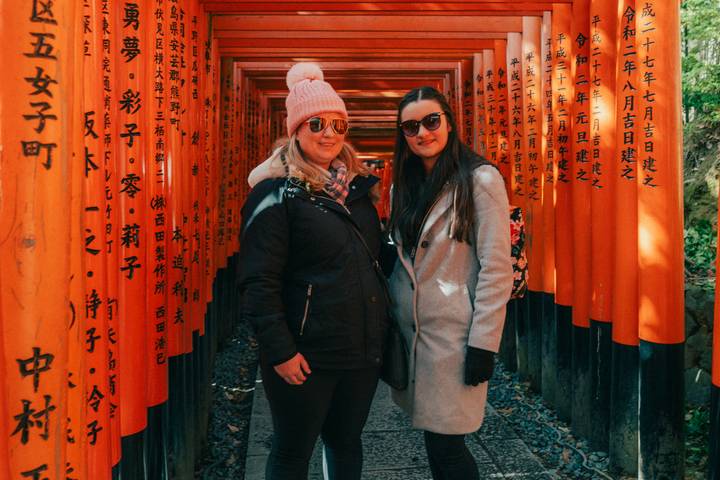
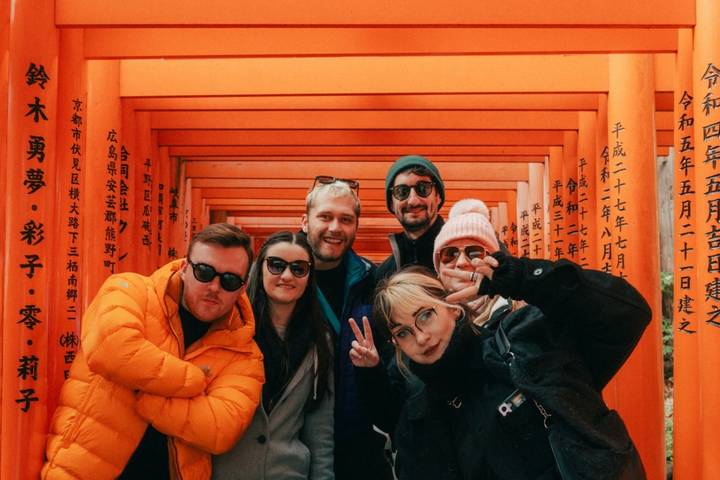
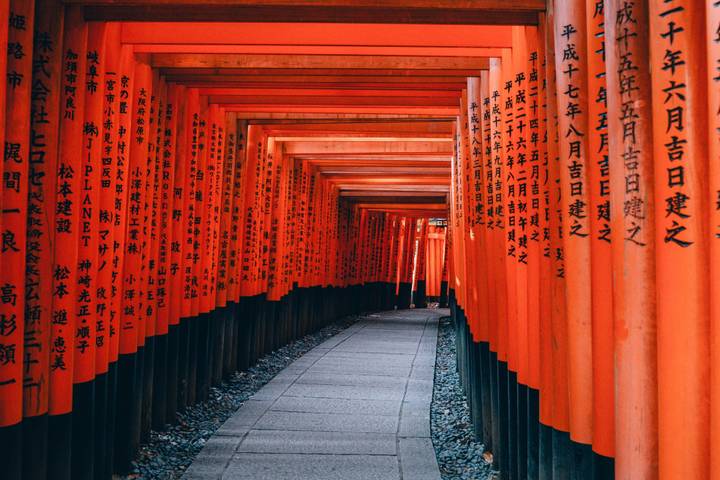
On day nine, you visit Fushimi Inari, where thousands of red torii gates line the paths up the hillside. You’ll also take a samurai class, dress in robes, watch a demonstration and practise basic sword techniques. It is participatory and theatrical, with a bit of physical movement, but the tour is rated low intensity overall. Wear clothing that lets you move comfortably beneath the costume.
Hakone, Lake Ashi and the Mount Fuji gamble
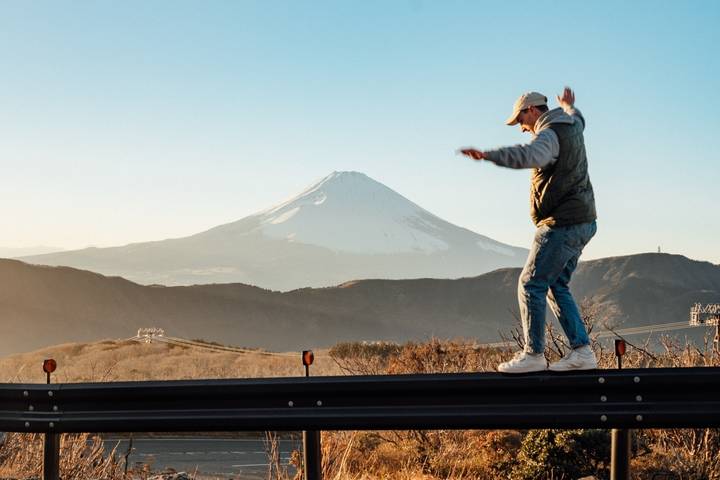
After a relaxed morning in Kyoto, the group travels via Hakone toward Tokyo. A ropeway ride gives you views over Lake Ashi and the surrounding area, followed by a cruise across the lake on a vessel styled as a pirate ship. The tour also includes a Mount Fuji viewpoint.
Fuji is a striking sight, but mountain views depend on weather and visibility. The schedule cannot promise clear skies, so treat the viewpoint as an opportunity rather than a guarantee. The ropeway and lake cruise are included activities, and together they offer a change from city streets and temple grounds.
The group returns to Tokyo for the final evening together. The next day is intentionally light, with breakfast included and time to explore at your own pace. Day twelve is checkout, with a tour representative available to help with onward travel questions and sightseeing suggestions. If you want more time in Tokyo, arrange extra nights separately.
A completely different kind of day out:
- Mt Fuji and Hakone 1-Day Bus Tour Return by Bullet Train
★ 5.0 · 26,383 reviews - TOKYO SKYTREE® Ticket
★ 4.7 · 25,136 reviews - teamLab Borderless Tickets: MORI Building DIGITAL ART MUSEUM
★ 4.7 · 24,126 reviews - teamLab Planets TOKYO Ticket
★ 4.7 · 21,663 reviews
What the price covers, and what it does not

The package includes 11 nights of accommodation, a guide, transport and a substantial set of activities. Those include the Tokyo and Kyoto temple visits, the sushi class, sake tasting, samurai class, Koyasan temple stay, cemetery walk, tea ceremony, Hakone ropeway and Lake Ashi cruise. The bullet train and the local transfers named in the schedule are included too. That coverage can make planning simpler, especially if you are new to Japan and do not want to work out each intercity connection yourself.
The listed meal allowance is two breakfasts, one lunch and one dinner. The schedule also says you eat the sushi you make at lunch, so confirm the meal count and coverage for your departure before booking. Budget separately for most breakfasts, lunches and dinners, as well as drinks and optional outings. No total tour price is provided here, so compare the live departure price against the accommodation, transport and included activity list rather than judging value from the deposit alone.
Accommodation is mostly hostel-style shared lodging. The operator describes dorm rooms shared with the group, with shared bathroom facilities at the hostels. Some information also refers to twin-share rooms, but the room arrangement is not consistent across the details, so confirm what applies to your date. The Koyasan temple rooms can hold up to four people. A private-room upgrade is not available for this trip.
TruTravels receives an overall rating of 4.7 out of 5, with particularly strong category scores for guides at 4.9, transport at 4.7 and accommodation at 4.6. The guide score is reflected in the way recent departures describe Morgan, Hikari and Zane: they helped with train navigation, made restaurant suggestions, adapted plans to the group and checked that people felt included. These are examples from past departures, not a promise of a particular guide. Strong guidance can be especially valuable in Japan, where a little help with language, transit and local customs can make free time less daunting.
Who will get the most from this Japan tour

This tour suits you if you want to see Japan’s major first-visit highlights without arranging every transfer yourself, and if you enjoy meeting people through shared activities. The group size is 4 to 20, and the tour is fully guided in English. A low physical rating suggests light activity, but expect plenty of walking, stairs at some sights and several travel days.
It is less suited to you if you need private bathrooms, prefer hotels, want long stretches without a group schedule or are planning a food-focused trip with most meals included. The upper age guidance also needs checking: the tour is presented as ages 18 to 39, while operator answers elsewhere refer to a maximum age of 45 and welcome people over 39. If you are 40 or older, ask the operator to confirm eligibility for your chosen departure before paying.
Should you book it?
I’d shortlist this tour if you want a sociable first trip to Japan, appreciate having a guide handle transport and like a mix of city sights and traditional experiences. The temple night in Koyasan, tea ceremony and hands-on classes give the route character beyond a checklist of famous places. Book only if shared rooms and limited included meals suit your budget and comfort level. If you need privacy or want to set your own pace, plan an independent trip instead.
FAQ
How long is the Legend of Japan tour?
The tour lasts 12 days, starts in Tokyo and finishes in Tokyo. It includes 11 nights of accommodation.
Which destinations are included?
The route visits Tokyo, Osaka, Koyasan, Kyoto and Hakone, with a Mount Fuji viewpoint included during the Hakone portion.
What is the group size?
Groups range from 4 to 20 people. The tour is guided in English.
What ages can join?
The tour is listed for ages 18 to 39. Operator answers also refer to a maximum age of 45, so ask for confirmation if you are over 39.
What type of accommodation is provided?
The tour uses hostel-style shared accommodation and includes one traditional temple stay in Koyasan. The hostels have shared bathroom facilities. Koyasan rooms can accommodate up to four people.
Can I book a private room?
A private-room upgrade is not available for this tour. Confirm the room arrangement for your departure, as the accommodation details refer to both dorms and twin-share rooms.
Which meals are included?
The listed inclusions are two breakfasts, one lunch and one dinner. The schedule also says lunch is included after the sushi-making class, so confirm the precise meal coverage for your departure.
Is transport included?
Yes. The tour includes transport, including the bullet train from Tokyo to Osaka and the local train, cable train and bus used to reach Koyasan. The Hakone ropeway and Lake Ashi cruise are also included activities.
Is the Mount Fuji view guaranteed?
No clear view is guaranteed in the tour details. The tour includes a Mount Fuji viewpoint, but visibility can depend on the weather.
Which activities are included?
Included activities include visits to Senso-ji, Meiji Shrine, Osaka Castle, Kinkaku-ji and Fushimi Inari, plus a sushi-making class, sake tasting, tea ceremony, samurai class, Koyasan temple stay and cemetery walk, Hakone ropeway and Lake Ashi cruise.
Just added in Tokyo
- Mt. Fuji & Hakone Cherry Blossom private One Day Tour★ 4.5 · 35 reviews
- Fish Market & Tokyo Skyline Private Walking Tour★ 5.0 · 14 reviews
- Private Tour with a Local Guide – Learn about daily life in Japan★ 5.0 · 22 reviews
- Tokyo: 3-Hour Bike/E-Bike Tour of the City’s Highlights★ 5.0 · 209 reviews
- 25-Min Downtown Helicopter Tour : Tokyo Skytree and Tokyo Tower★ 5.0 · 19 reviews
- Official Japan Go-Kart Through Tokyo Bay / Ginza (IDP Required)★ 4.5 · 71 reviews
- 30-Min Tokyo Central Private Heli Tour– Asakusa, Skytree, Shibuya★ 5.0 · 13 reviews
- Tokyo 2-Hour Genuine Samurai Experience: Kendo in Japan★ 5.0 · 112 reviews
Multi-Day Tours That Visit Koyasan, compared.

Japan Express – Osaka to Tokyo 9-Day Tour by G Adventures
Read our review →
Best of Japan by Contiki – 13-Day Tokyo to Osaka Tour
Read our review →
Ultimate Japan-2025 by Travel Talk – 14-Day Tokyo to Osaka Tour
Read our review →
Japan Adventure 17 Day by INTRO Travel – Tokyo to Kyoto
Read our review →
Capitals of Japan end Kyoto by Europamundo – 8-Day Tour
Read our review →