
Reviewed · MULTI-DAY TOURS
Japan Classic 14 Day – One Life Adventures
Tokyo’s neon streets, a mountain temple stay and Hiroshima’s Peace Memorial Park all fit into two weeks on One Life Adventures’ Japan Classic. The route pairs familiar sights with hands-on moments: you make sushi, try a Kendo lesson and wake to monks’ morning prayers in Koya-san.
I like the mix of big-city energy and quieter traditional stays, and the way trains, transfers and a group leader make a complicated first trip easier to manage. The trade-off is a quick pace: some days start early, walking can reach 8 to 10 kilometres, and shared rooms are part of the deal.
In This Review
- At a glance
- Tokyo after dark, then a fast-paced city sampler
- Hakone and Takayama: mountain air and tatami floors
- Kyoto’s shrines, gardens and Kendo lesson
- Arashiyama and Osaka, from bamboo to street food
- Nara’s deer, then a quiet night in Koya-san
- Hiroshima and Miyajima: history, reflection and island time
- What the pace, guide and price mean in practice
- Should you book the Japan Classic?
- FAQ
- Where does the tour start and finish?
- How long is the Japan Classic tour?
- What is the group size?
- What age range is the tour for?
- Are rooms private?
- How much walking is involved?
- Are meals included?
- Can vegetarian or vegan meals be arranged?
- Is the Mount Fuji view guaranteed?
- Are flights and travel insurance included?
At a glance
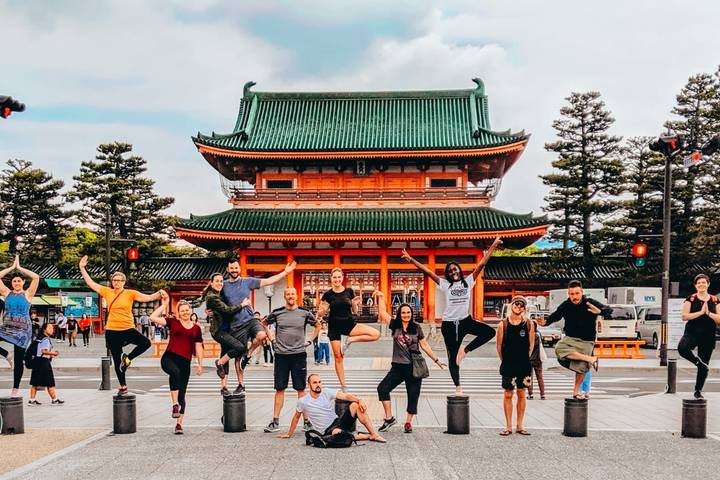
- A Tokyo-to-Hiroshima route: Visit Tokyo, Hakone, Takayama, Kyoto, Osaka, Nara, Koya-san and Miyajima Island in 14 days.
- Two temple stays: Sleep on tatami mats in Takayama and stay at a working Buddhist temple in Koya-san, with vegetarian temple meals.
- A busy but varied schedule: Expect early starts, public transport and full sightseeing days, balanced with some free time.
- Shared accommodation: Twin-share rooms are typical, with multi-share stays in Takayama and Kyoto. A private room is not part of the standard arrangement.
- Ages and group size: The tour is listed for ages 18 to 39, with groups of 5 to 22. The operator says it cannot accommodate anyone over 59, so ask directly about eligibility if you are 40 to 59.
- A well-rated operator: The tour is rated 4.9 out of 5, with particularly strong scores for guides and organization.
Tokyo after dark, then a fast-paced city sampler
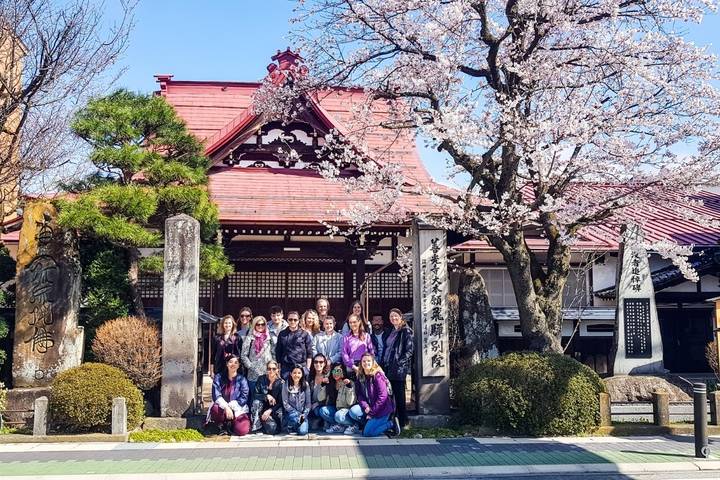
The trip starts at Sakura Hotel Nippori, where you have time to settle in before the group’s welcome dinner. Afterward, a night visit to Senso-ji offers a quieter first look at one of Tokyo’s best-known temples. Arriving after the crowds have thinned is a smart way to ease into a city that can feel like a lot on day one.
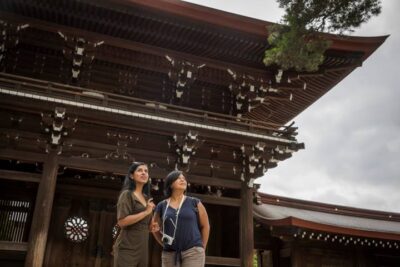
Day two shifts between peaceful and playful Tokyo. At Meiji Shrine, your guide introduces basic Japanese customs and phrases, and you have a chance to make an offering. Nearby Yoyogi Park provides a breather before Harajuku’s colorful streets and shops. Akihabara brings a different kind of spectacle, with arcades, electronics and optional Maid Cafes. These are distinct sides of the city, not just a march past famous names.
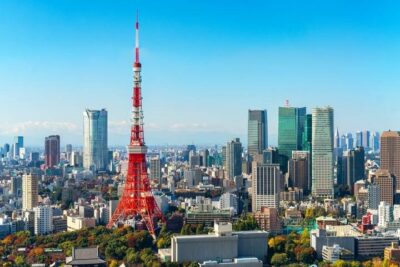
On day three, a private sushi class gives you something practical to take home: you make three types of sushi, miso soup and teriyaki, then eat the results for lunch. In the evening, the group heads to Shinjuku for yakitori and beer, with time to explore Kabukicho and cross Shibuya’s famous pedestrian scramble. The schedule leaves little room for aimless wandering, but it does give you a useful first taste of Tokyo’s scale and contrasts.
The Tokyo hotel is a two-star property or similar, with twin bunks. The first three nights are in the same accommodation, which means you can unpack once before the tour moves on. If you want extra Tokyo time or have a particular attraction in mind, plan to arrive early: the tour does not include airport transfers, and free-time windows are not always fixed far ahead.
A few more options to weigh up in Tokyo
- Tokyo Disney Resort – Tokyo Disneyland & Tokyo DisneySea Park Tickets
★ 4.8 · 99,488 reviews - SHIBUYA SKY Ticket
★ 4.7 · 46,509 reviews - JR Whole Japan Rail Pass
★ 4.8 · 29,150 reviews
Hakone and Takayama: mountain air and tatami floors
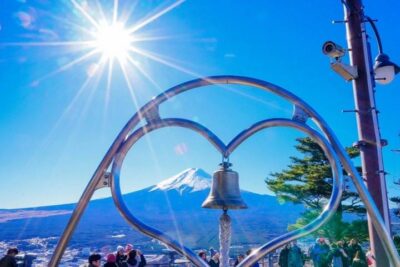
On day four, the group takes the Romance Car from Tokyo to Hakone, a mountain town known for scenery, hot springs and views of Mount Fuji when the weather cooperates. A cable car adds a different perspective on the area, and Owakudani is an optional visit. The Fuji view is never guaranteed, so treat it as a possibility rather than the reason to book the trip.
The day ends with a family-style nabe dinner overlooking the mountains. It is a welcome change from the bright city streets, though the stay is brief. Anyone with asthma or another respiratory condition should speak with the guide about an alternative to the Owakudani visit.
Day five is a long travel day by train to Takayama, with mountain scenery along the way. The night’s accommodation is a traditional temple, where you sleep on tatami mats in a multi-share room. In the afternoon, sake tasting in the old town adds a local flavor, and Hida beef is an optional dinner choice.
This stay is one of the tour’s more memorable changes of pace, but it is not a private-room experience. Bring a flexible attitude about sleeping arrangements, and pack so that you can manage your own bag on trains and transfers. The group uses public transport rather than a private coach.
Kyoto’s shrines, gardens and Kendo lesson
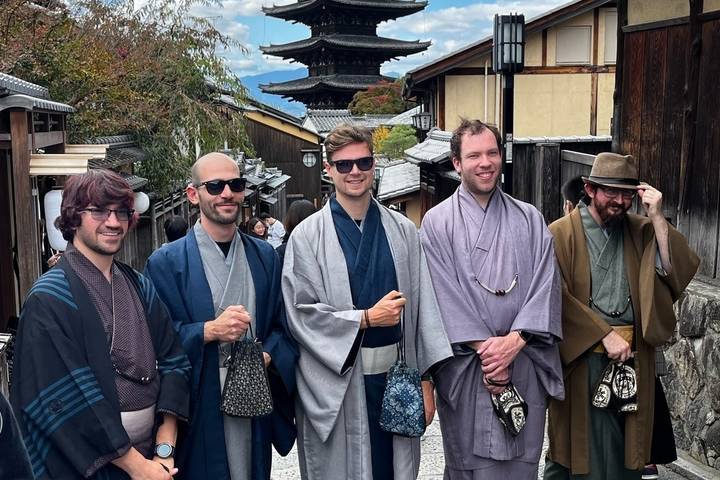
Takayama gets a morning walking tour and a visit to the market beside the Miyagawa River before the group travels through Nagoya to Kyoto. That afternoon combines two quite different impressions: a traditional town morning and the arrival in Japan’s former imperial capital. The evening Gion walk with a local guide introduces the district’s history and customs. You may spot a geisha, but that is not something to count on.
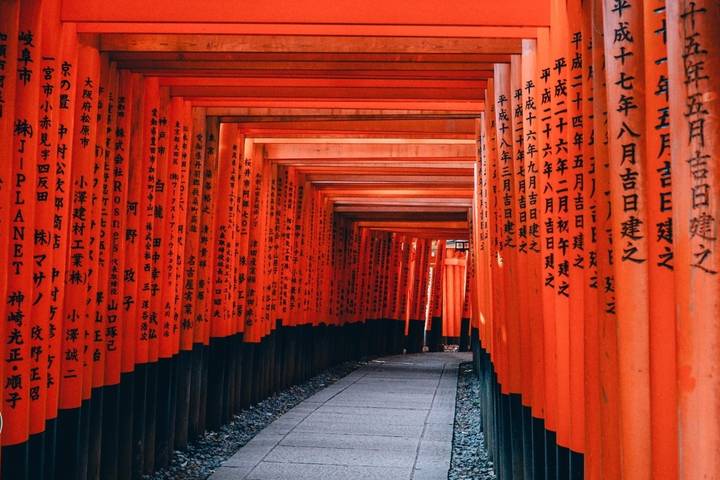
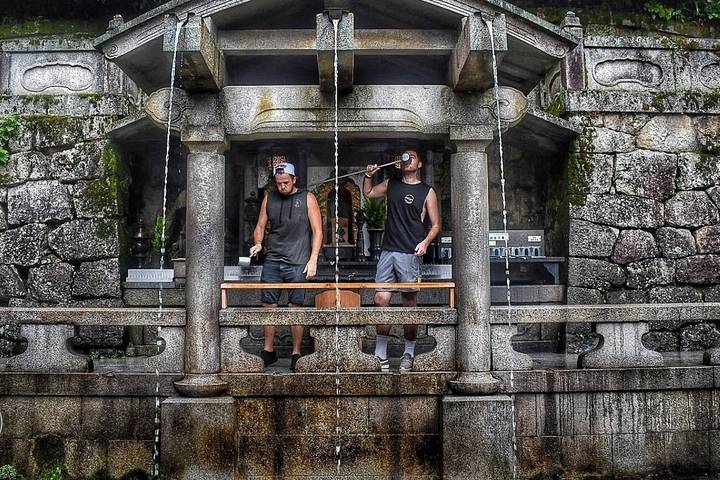
Kyoto’s next two days begin early. The group goes to Fushimi-Inari Shrine before dawn to walk through its long corridors of red gates before the busiest hours. Kiyomizu-dera follows, with a sunrise visit to its hillside temple complex. Early timing makes these famous places more manageable, though you will need to be willing to get out of bed before the city is fully awake.
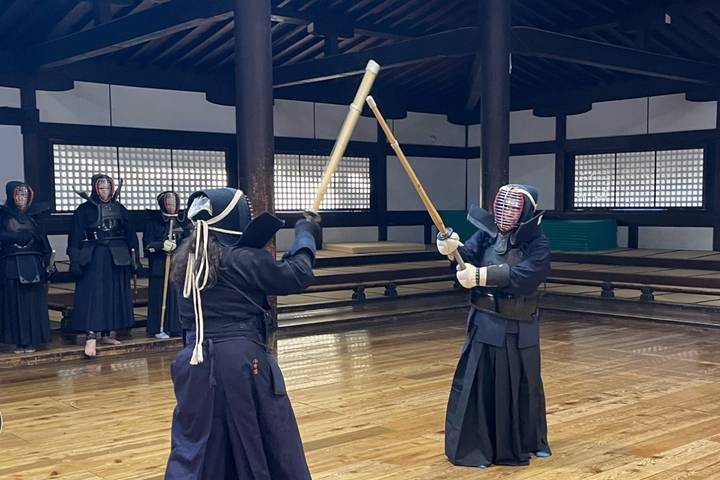
Day eight brings the Golden Pavilion, whose gold-covered exterior reflects in the surrounding pond, and the quieter temple grounds and Zen gardens of Daitoku-ji. A Kendo lesson with an instructor described as a descendant of a samurai adds a physical, hands-on element to the cultural visits. The schedule for the Kyoto days may switch to fit the class availability.
Kyoto’s accommodation is a pod-style bunk hostel, shared with other members of the group. A pod gives you your own sleeping space, but it is not the same as a private room. One recent practical concern has been room layouts: a shared room may mean several people in bunk beds, so check the details if privacy or sleep is important to you.
Arashiyama and Osaka, from bamboo to street food
Day nine starts early in Arashiyama, where a walk through the bamboo forest is followed by a climb to Monkey Mountain. The plan also includes a boat outing on the river, described in the schedule as a private row boat and elsewhere as a gondola. Confirm the precise arrangement before departure if that detail matters to you.
After lunch, the group heads to Osaka. In Dotonbori and the nearby food district, a street-food tasting introduces the city through its small bites and bright signs. Karaoke rounds out the evening. It is a social, high-energy night, and a natural chance to get to know the group beyond the train platforms and temple paths.
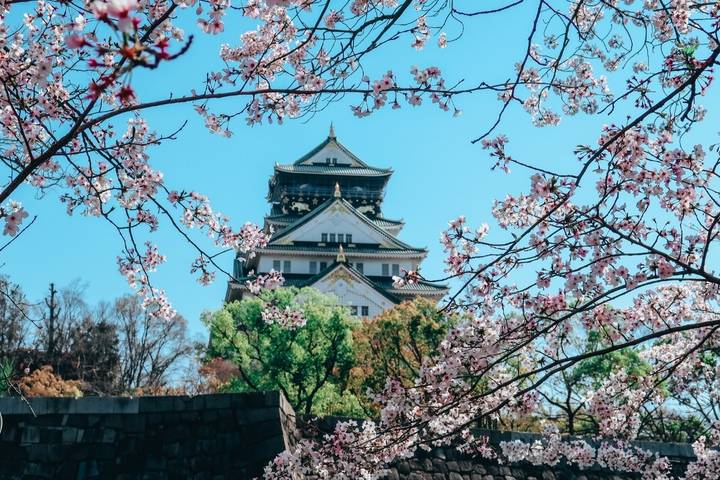
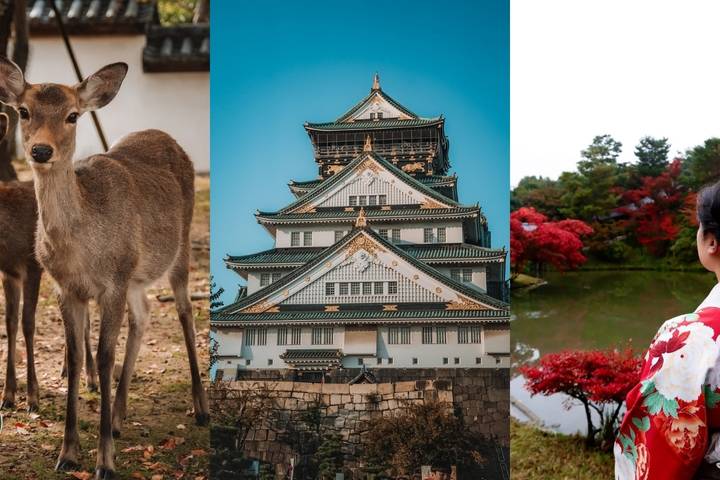
The next morning is free, a useful pause after a packed evening. You might choose AmericaTown, Shinsaibashi’s shopping streets, Spa World or Den-Den Town’s electronics shops. Later, the group visits Osaka Castle’s gardens around sunset, then goes to Shinsekai for dinner. The castle’s grounds are part of the included outing; independent shopping and a spa visit are optional and at your own cost.
Osaka’s hotel is listed as a three-star property or similar, in twin-share rooms. This is one of the more comfortable stretches after the hostel and temple nights, although the exact property can vary.
A completely different kind of day out:
- Mt Fuji and Hakone 1-Day Bus Tour Return by Bullet Train
★ 5.0 · 26,383 reviews - TOKYO SKYTREE® Ticket
★ 4.7 · 25,136 reviews - teamLab Borderless Tickets: MORI Building DIGITAL ART MUSEUM
★ 4.7 · 24,126 reviews - teamLab Planets TOKYO Ticket
★ 4.7 · 21,663 reviews
Nara’s deer, then a quiet night in Koya-san
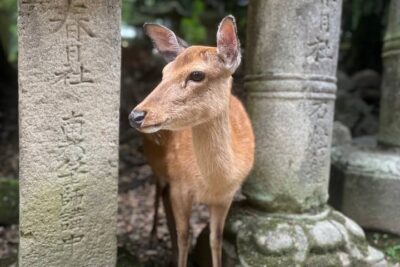
Day eleven begins with a short train ride to Nara, once an ancient Japanese capital. The group walks through Nara Park, where deer roam among temple grounds. They are used to people, but remember that they are animals, not props. The main draw is the unusual mix of parkland, historic sites and deer living close to the city.
After Nara, the group returns to Osaka to collect luggage and continues to Koya-san by train, cable car and bus. The journey is part of the change in mood: city streets give way to a mountain temple town. At Hoon-In Temple or a similar property, you sleep on tatami mats and eat a vegetarian dinner prepared in the temple style.
The next morning includes sutra chanting with the monks and a traditional breakfast. It is one of the tour’s most distinctive experiences, and a good reason to choose the 14-day route rather than a shorter Japan sampler. Temple life is still a real routine, so approach the stay with respect and a willingness to follow its quiet rhythm.
Hiroshima and Miyajima: history, reflection and island time
Day twelve involves travel back to Osaka and then onward by bullet train to Hiroshima. In the afternoon, a local guide leads a walk around Hiroshima Peace Memorial Park. You visit the Atomic Dome, ring the peace bell and see the eternal flame before entering the Peace Memorial Museum.
This part of the tour is intentionally more reflective than the city nights and food outings. The guide’s context helps you understand the places you are seeing, while the museum gives you time to engage with Hiroshima’s past at your own pace. The visit is meaningful, but emotionally demanding for some people.
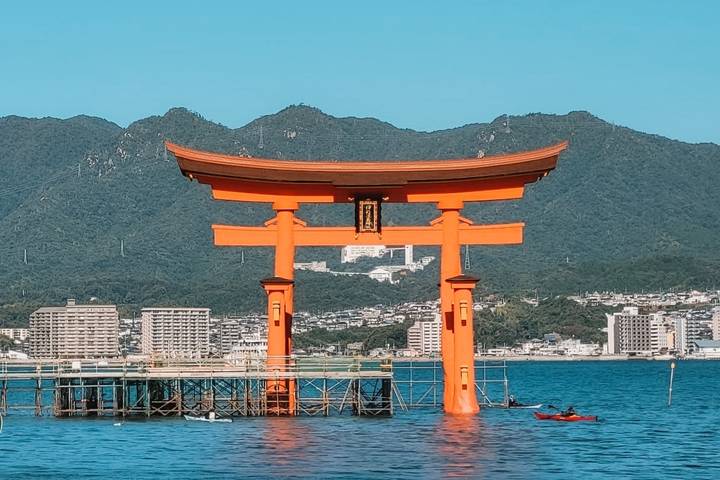
Day thirteen is a trip to Miyajima Island by public transport and ferry. Itsukushima Shrine and the large orange torii gate offshore are the central sights, with the gate’s position against the water changing with the tide. You have free time to explore the island, visit temples or find lunch before returning to Hiroshima.
The final night is back at the Hiroshima hotel, in a twin room. The tour ends the following day, with no final group dinner listed. You can take one last walk around the memorial park or run along the river before setting off. If you want more time in Hiroshima or Miyajima, add it yourself: the schedule gives the island one day and does not include an extra night.
What the pace, guide and price mean in practice
The tour costs from $2,869 for the cheapest room basis. That is not an all-inclusive holiday: flights, insurance, arrival and departure transfers, tips, optional activities and extra accommodation are not included. But the price does cover accommodation, transport from Tokyo to Hiroshima, a group leader, selected meals and many of the major activities. With bullet trains and transfers arranged, you avoid having to plan each intercity leg from scratch.
The package includes eight breakfasts, one lunch and four dinners. The welcome meal, sushi lunch, nabe dinner and temple meals are among the included food experiences. Other meals are yours to arrange, and dietary needs need advance thought. Vegetarian options are available on request, but vegan food can be difficult to organize in Japan. Tell the operator about dietary requirements before the tour, and be ready to find some meals independently.
The guide is a major part of the value. Guides on recent departures have included Charlie, Beth, Jordan, Sherry, Anna, Georgi and Cameron, but assignments vary and you cannot assume a particular person will lead your trip. The work is practical as well as cultural: explaining train connections, sharing next-day plans, recommending places to eat and helping the group stay on schedule. Guides have also helped with needs such as vegetarian and gluten-free eating, though you should still plan ahead.
Groups range from 5 to 22 people. The tour is in English and is rated medium intensity. Expect plenty of walking, with some days reaching about 8 to 10 kilometres, and frequent use of trains, buses, subways and stations. One useful packing tip: keep your luggage manageable, since you carry it through public transport rather than relying on a private coach.
The age range is shown as 18 to 39. The operator also states that it cannot accept anyone over 59, which leaves the position for ages 40 to 59 unclear. If that applies to you, confirm eligibility before paying a deposit.
Should you book the Japan Classic?
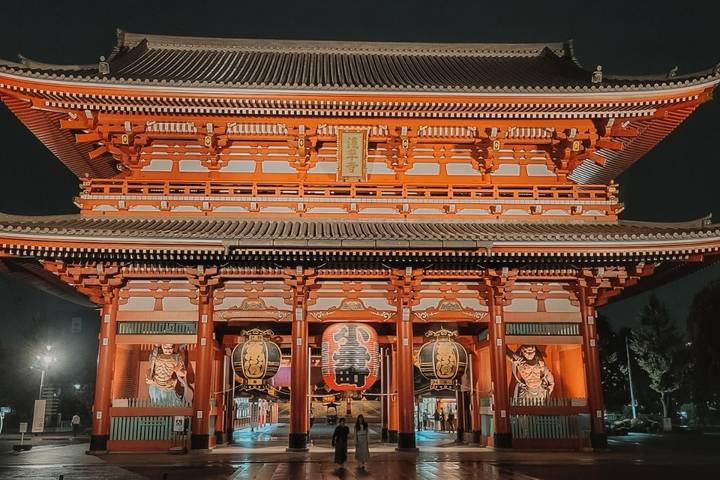
I would choose this tour if you want a broad first trip to Japan, enjoy meeting people and prefer someone else to handle the route between cities. Its best ingredients are the variety: Tokyo’s neighborhoods, Hakone’s mountain setting, Takayama’s temple night, Kyoto’s early shrine visits, Koya-san’s monastic routine and Hiroshima’s memorial sites.
Think twice if you need a private room, travel at a slower pace or want long stretches to explore each city on your own. You will see a lot, but the schedule makes trade-offs, especially in Hiroshima and Kyoto. If the age range, shared lodging and early starts suit you, this is a strong-value way to cover Japan’s classic route without planning every train transfer yourself.
FAQ
Where does the tour start and finish?
It starts at Sakura Hotel Nippori in Tokyo and ends at Hotel Kuretakesou Otemachi in Hiroshima. Airport transfers are not included.
How long is the Japan Classic tour?
The tour lasts 14 days, traveling from Tokyo to Hiroshima.
What is the group size?
Groups have between 5 and 22 people. The tour is guided in English.
What age range is the tour for?
The stated age range is 18 to 39. The operator says it cannot accommodate people over 59. If you are 40 to 59, confirm the rules with the operator before booking.
Are rooms private?
Most accommodation is twin-share, but the Takayama temple and Kyoto hostel are multi-share. The standard tour does not offer a single-room upgrade.
How much walking is involved?
The tour is rated medium intensity and requires a reasonable level of fitness. Some days involve about 8 to 10 kilometres of walking, so bring suitable footwear.
Are meals included?
The tour includes eight breakfasts, one lunch and four dinners. Included meals include the first-night welcome dinner, sushi-class lunch, nabe dinner and vegetarian temple meals in Koya-san.
Can vegetarian or vegan meals be arranged?
Vegetarian food is available on request. Vegan options can be difficult to arrange in Japan, and travelers with strict dietary requirements may need to provide some meals for themselves. Notify the operator in advance.
Is the Mount Fuji view guaranteed?
No. The view depends on the weather. The Hakone visit includes a cable car, while Owakudani is optional. The operator advises people with asthma or respiratory conditions to discuss an alternative to the Owakudani visit.
Are flights and travel insurance included?
No. International and domestic flights, travel insurance, airport transfers, tips, optional activities and pre- or post-tour accommodation are not included. Travel insurance is required for the tour.
Just added in Tokyo
- Simply Japan★ 4.6 · 262 reviews
- Japan: Tokyo Nights & Kyoto Temples★ 4.7 · 20 reviews
- Japan: Land of the Rising Sun★ 4.7 · 122 reviews
- A Classic 11 Day Japan Holiday★ 4.8 · 32 reviews
- 5 Day All Inclusive Japan Classics(Private Guide and Driver)Family Tour Customizable★ 5.0 · 4 reviews
- 13-Day Japan Tour: Tokyo, Mount Fuji, Kyoto, Nara, Osaka & Beyond★ 4.5 · 207 reviews
- Tokyo to Osaka Shinkansen Tickets & Schedule★ 4.9 · 8,499 reviews
- TV Anime “The Apothecary Diaries” x TOKYO CITY VIEW★ 4.8 · 49 reviews
Multi-Day Tours, compared.
9D Splendid Japan-Private 3 Star Hotels-Osaka to Tokyo
Read our review →
13-Day Japan Tour: Tokyo, Mount Fuji, Kyoto, Nara, Osaka & Beyond
Read our review →
5 Day All Inclusive Japan Classics(Private Guide and Driver)Family Tour Customizable
Read our review →Browse the lists this tour appears in