
Reviewed · MULTI-DAY TOURS THAT VISIT TAKAYAMA
Ultimate Japan-2025 by Travel Talk – 14-Day Tokyo to Osaka Tour Review
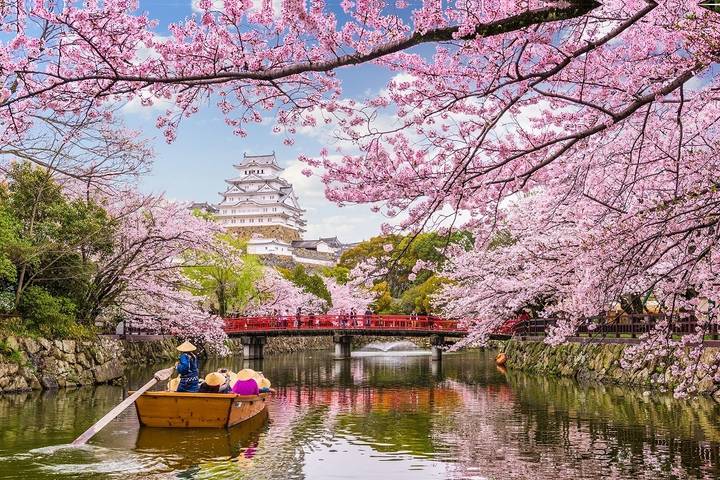
A night at a Buddhist temple lodge on Mount Koya, after walking among the lanterns and graves of Okunoin Cemetery, gives this Japan tour a memorable change of pace. You also get beyond the big cities: Takayama’s old merchant quarter, Hakone’s mountain views, and Miyajima’s island shrine all add welcome variety.
I like that the route pairs essential sights with room to explore on your own, and that the long distances are handled by Japan’s excellent trains. The trade-off is a packed schedule, lots of walking, and luggage transfers that can leave you without your main suitcase for a day or two.
In This Review
- The quick take
- Tokyo’s old gardens and neon streets
- Hakone’s lake, shrine, and cable car
- Takayama’s Edo-era homes and morning market
- Hiroshima and Miyajima: remembrance and island views
- Kyoto’s castles, temples, and open hours
- Mount Koya’s temple stay and morning ritual
- Osaka’s markets, castle, and late-night streets
- Trains, walking, and the suitcase question
- What the price covers, and what it doesn’t
- Who should book this Japan tour?
- FAQ
- How long is the tour, and where does it start and end?
- What transport does the tour use?
- How much walking should I expect?
- Will I have access to my main suitcase every day?
- Which meals are included?
- Are entrance fees included?
- What is the Mount Koya temple stay like?
- What is the group size and tour language?
- Is there a strict age limit?
The quick take
- One night on Mount Koya: Sleep in a Buddhist temple lodge, eat shojin ryori vegetarian food, and attend an early morning prayer service with a Goma fire ritual.
- A broad Honshu route: In 14 days, visit Tokyo, Hakone, Takayama, Hiroshima, Miyajima, Kyoto, Mount Koya, and Osaka.
- Rail is part of the experience: Shinkansen and local trains link the cities, while buses, a ferry, cable cars, and a gondola fill out the route.
- Expect serious step counts: Some past groups have clocked 25,000 or more steps in a day. Good shoes and a willingness to use public transport matter.
- Budget for extras: Most breakfasts and one dinner are included, but many site entrance fees and other meals are not.
- Free time means independence: You’ll get unstructured time in several cities, but this is not a fully escorted, hour-by-hour sightseeing program.
Tokyo’s old gardens and neon streets
The tour starts in Tokyo with a 6:30pm welcome meeting at the hotel. The listed hotels vary by departure, so treat the names as possibilities rather than a guaranteed address. If you’re new to the city, arriving a day early can give you time to settle in and get your bearings before the group begins.
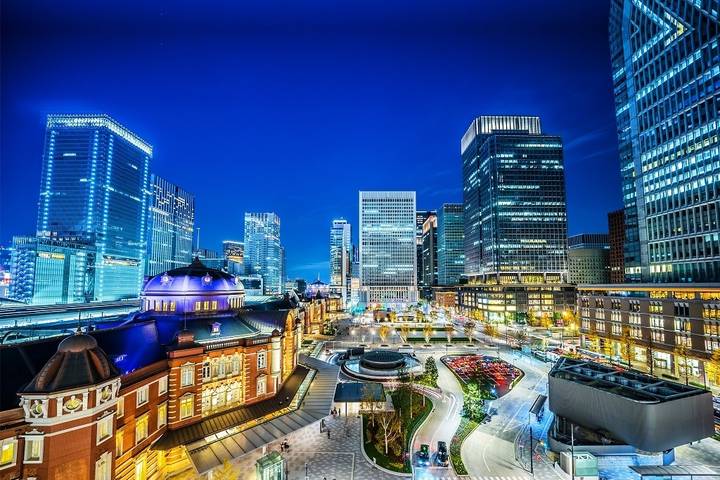
On day two, the group visits Hama Rikyu Garden and Meiji Jingu, then walks through Shibuya and Harajuku. This is a useful first look at Tokyo’s contrasts: a traditional garden and shrine, followed by busy shopping streets and the famous Shibuya crossing area. The afternoon is free, so you can choose a museum, another neighborhood, or a quiet break.
Day three leaves the morning open before the group takes a roughly two-hour train ride to Hakone. This is a good example of the tour’s rhythm: guided highlights, then independent time, with a transfer tucked into the day. Optional Tokyo food activities are listed at 8,000 JPY each, but they are not included in the tour price.
A few more options to weigh up in Tokyo
- Tokyo Disney Resort – Tokyo Disneyland & Tokyo DisneySea Park Tickets
★ 4.8 · 99,488 reviews - SHIBUYA SKY Ticket
★ 4.7 · 46,509 reviews - JR Whole Japan Rail Pass
★ 4.8 · 29,150 reviews
Hakone’s lake, shrine, and cable car
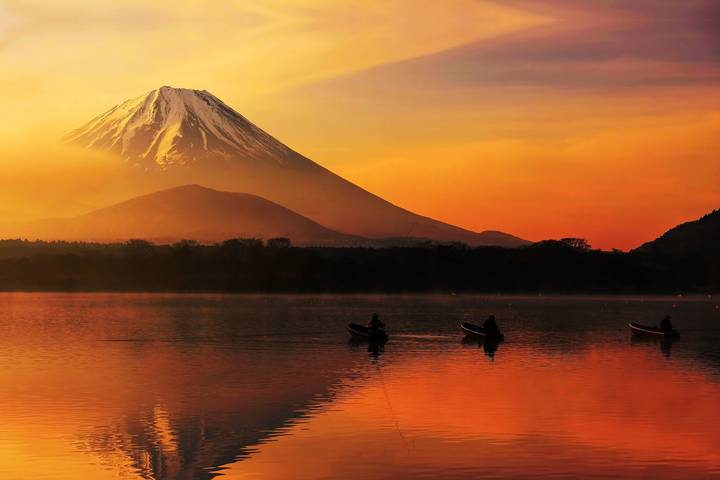
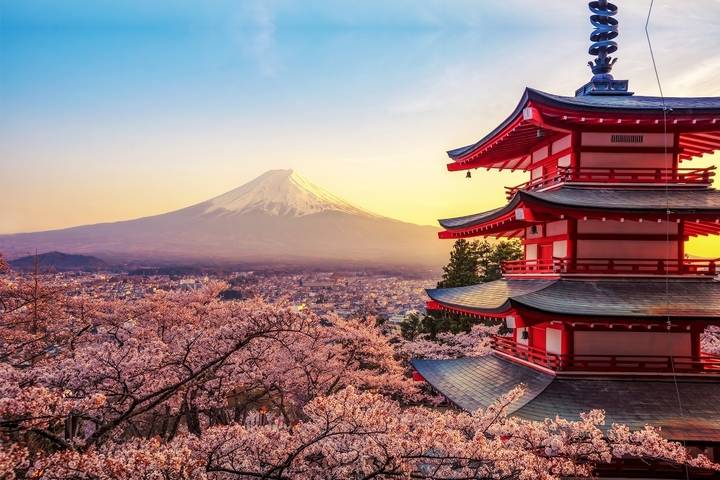
Hakone brings a welcome change from city streets. The group takes a boat ride on Lake Ashinoko, visits Hakone Shrine and the Tokaido Checkpoint, and rides the Owakudani Cable Car for views over the hot spring area, lake, and, when conditions cooperate, Mount Fuji.
The views depend on the weather, so don’t treat a Fuji sighting as guaranteed. The Tokaido Checkpoint entrance fee is listed at 500 JPY; the shrine is free. A gondola ride and boat trip are included, which helps make this one of the itinerary’s more varied days.
Takayama’s Edo-era homes and morning market
The next transfer to Takayama takes about five hours, combining local trains and the Shinkansen. That’s a long travel day, but the train journey is also a practical way to cover distance without arranging a car or domestic flight. Pack a small bag for easy access, since the main suitcase may be sent ahead.
In Takayama, a local guide leads a visit to Hida Folk Village, where preserved thatched-roof houses show aspects of life during the Edo period. The following morning includes the town’s traditional market, then visits to a Merchant House and Takayama Jinya. The afternoon is free, with time to wander the old streets or sample local sake.
A day trip to Shirakawa-go is listed as an optional extra for 9,000 JPY. It may appeal if traditional villages are a priority, but you’ll want to weigh it against taking a slower day in Takayama. Entrance fees for the Merchant House and Takayama Jinya are also extra.
Hiroshima and Miyajima: remembrance and island views
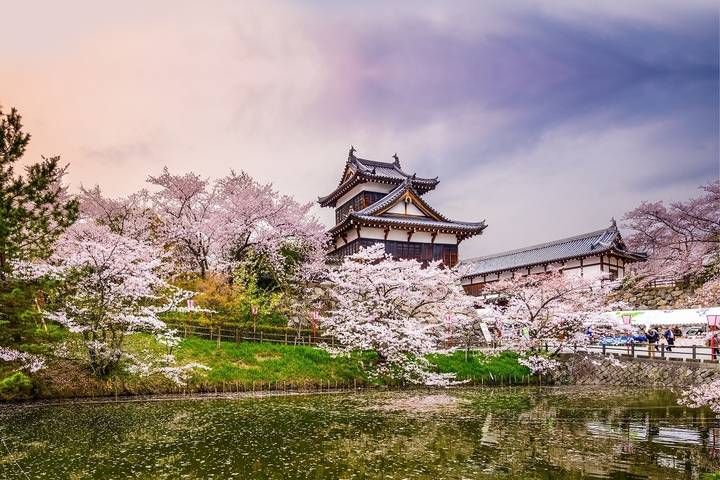
A roughly five-hour train journey brings the group to Hiroshima. The guided visit to Peace Memorial Park, the Peace Memorial Museum, and the A-Bomb Dome gives essential context to the city’s history and recovery. The museum can be emotionally demanding, so allow yourself time to take it in rather than treating it as another box to tick. Its listed admission fee is 200 JPY.
The following day is a trip to Miyajima Island, about an hour from Hiroshima. You’ll see Itsukushima-jinja Shrine and its well-known torii gate, then take a cable car up Mount Misen for views over the inland sea. The ferry and island sightseeing are included, but shrine entry and the cable car fee are listed separately.
This is one of the route’s strongest pairings: a serious day in Hiroshima followed by a change of scene on the water and mountain. Still, don’t expect a lazy island day. The cable car and sightseeing involve walking, and the return to Hiroshima leaves some free time rather than a full second day to explore.
A completely different kind of day out:
- Mt Fuji and Hakone 1-Day Bus Tour Return by Bullet Train
★ 5.0 · 26,383 reviews - TOKYO SKYTREE® Ticket
★ 4.7 · 25,136 reviews - teamLab Borderless Tickets: MORI Building DIGITAL ART MUSEUM
★ 4.7 · 24,126 reviews - teamLab Planets TOKYO Ticket
★ 4.7 · 21,663 reviews
Kyoto’s castles, temples, and open hours
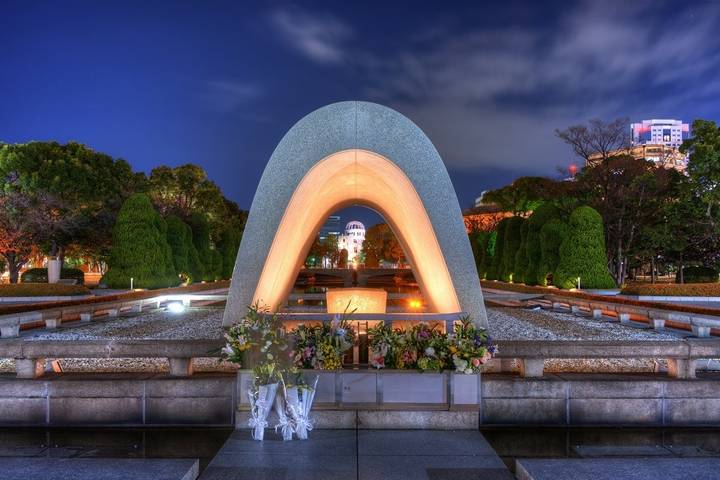
The Shinkansen takes about two hours from Hiroshima to Kyoto. On arrival, the group visits Nijo Castle, once a residence of the Tokugawa shoguns. Its Ninomaru Palace is known for cypress construction, gold leaf, and carved decoration, while the surrounding gardens offer a calmer counterpoint to the interiors.
The next day uses public buses to reach three or four cultural sites selected according to the season. Possible stops include Kiyomizu-dera, Nanzenji, Nishiki Market, Ryoanji, and the Kyoto Imperial Palace. The group gets a day bus pass, but many attractions charge separate admission. The actual mix of stops may vary, so don’t assume every named site is included.
Day ten is free for independent exploring. That flexibility is useful in a city with far more to see than one tour day can cover. It also means you need to choose your priorities. Ask the tour leader for suggestions, and leave time for travel between neighborhoods rather than trying to fit every famous temple into a single afternoon.
Optional Kyoto activities, including a Nara day tour and guided walks, are listed at 8,000 JPY each. These can add structure, but the itinerary already includes substantial sightseeing. If you prefer a slower pace, use the free day to focus on one part of the city.
Mount Koya’s temple stay and morning ritual
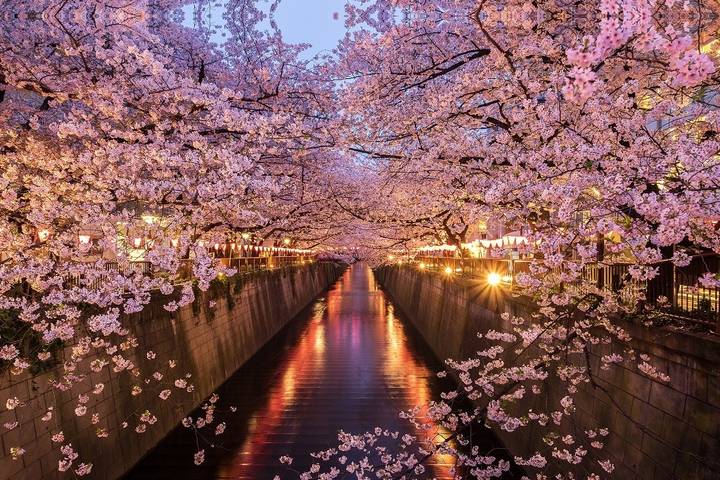
From Kyoto, the group travels by train, cable car, and local bus for about three hours to Mount Koya. More than 100 temples and monasteries make this a distinct stop, not just another temple visit. A local guide leads the group through the sacred Garan area, Okunoin Cemetery, Kobo Daishi’s mausoleum, and Kongobuji Temple with its rock gardens.
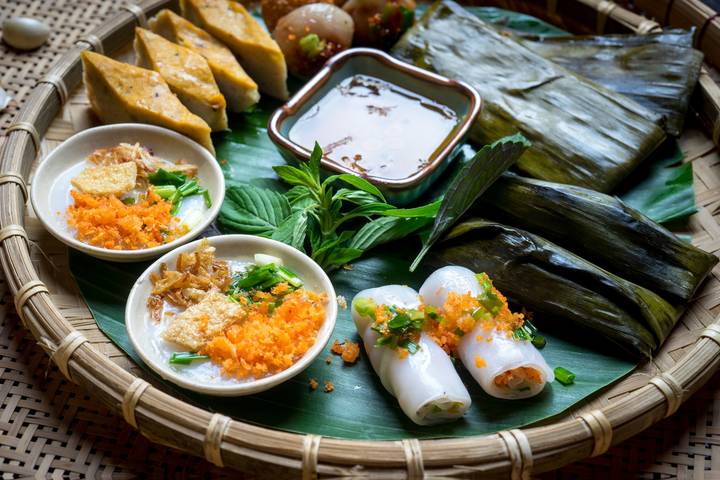
The night is spent in a traditional shukubo, or temple lodging. An included shojin ryori dinner follows Buddhist vegetarian principles. This stay is one of the tour’s most unusual experiences, but it is also a change from a standard hotel night. Go for the cultural setting, not for resort-style comforts.
The next morning begins early with prayer service and the Goma ritual, in which a priest burns wooden sticks while chanting and beating taiko drums. The ceremony is a rare chance to observe religious practice in its own setting. Kongobuji’s listed entrance fee is extra, so check your departure details for the current inclusions.
Osaka’s markets, castle, and late-night streets
After about two hours of bus, cable car, and train travel, the group reaches Osaka. The afternoon is free for exploring areas such as Shinsekai and Dotonbori, where neon signs, canals, markets, and street food make the city feel different from Kyoto’s quieter historic districts. Takoyaki and kushi-katsu are local specialties worth trying if they suit your tastes.
The next day includes Kuromon Market, Osaka Castle, and Dotonbori. Kuromon has around 150 shops selling foods such as seafood, yakitori, sushi, and sweets. Osaka Castle’s surrounding moats, gates, and stonework are part of the visit, but castle admission is listed at 600 JPY.
There is more free time in the afternoon, then a final breakfast and 10:00am checkout on day fourteen. Osaka makes a lively finish, though if you’re hoping for a quiet farewell, you may prefer to add a night and explore at your own pace after the group ends.
Trains, walking, and the suitcase question
This is a group tour, but it is not a private coach trip. You’ll use Shinkansen, local trains, public buses, subways, cable cars, and a ferry. Public transport is efficient, but stations can be large, connections take attention, and busy buses may mean standing or waiting for the next one. The group size is listed as 2 to 20.
The physical rating is low intensity, but that label can understate the day-to-day walking. Past participants have described long days on foot, stairs, and occasional hurried connections. Bring well-broken-in walking shoes, a compact rain layer, and a small day bag. If long walks or stairs are a concern, ask the operator how the route can work for you before booking.
Large luggage is transferred separately and may be out of reach for one or two days. Keep essentials, medication, a change of clothes, and anything you need overnight in a carry-on or day pack. A large suitcase is less convenient on trains and buses, so packing light can make transfers easier.
What the price covers, and what it doesn’t
The tour includes accommodation, an English-speaking tour leader, listed transport, and a long set of sightseeing activities. Most mornings include breakfast, and the Mount Koya stay includes dinner. The supplied information gives conflicting breakfast counts, so confirm the exact number for your departure before you book.
The value is in having the complicated route organized: train connections, ferry, cable cars, and hotel changes are handled as part of a group plan. You also get a local guide at selected sites and enough independent time to follow your own interests. The operator has a 4.7 out of 5 profile rating, while this tour is rated 4.2 overall, with guide service at 4.4 and transport at 3.8.
Do not mistake included sightseeing for an all-inclusive price. Many entrance fees are extra, as are lunches, most dinners, optional tours, flights, insurance, tips, and personal expenses. Add the listed fees and a realistic food budget before comparing the total cost with a self-planned trip. Optional activities have stated prices, but the full tour price is not provided here, so a precise cost comparison is not possible.
Guides can shape the experience. Past trips have had leaders named Tatsuya, Akemi, KJ, Tea, John, and Zac, with warm and helpful leadership praised in some groups. Names are not guaranteed for future departures, and the quality of guiding has varied. Treat the tour leader as a practical guide through the route, not as a promise of continuous historical lectures at every stop.
Who should book this Japan tour?
Book it if you want to cover several regions of Honshu in two weeks, are comfortable using public transport, and enjoy a mix of planned visits and time on your own. The Mount Koya temple night, Takayama’s traditional streets, and Hiroshima and Miyajima make the route more varied than a simple Tokyo-Kyoto-Osaka circuit.
Think twice if you want private transfers, long unhurried stays, every attraction admission included, or detailed guided interpretation all day. The advertised age range is 18 to 59, though the operator’s answers indicate exceptions may be considered; confirm directly if you are outside that range. For an active first visit and a practical introduction to Japan, this is a strong route, provided you pack light and arrive ready to walk.
FAQ
How long is the tour, and where does it start and end?
It lasts 14 days, starting in Tokyo and ending in Osaka. The itinerary includes Hakone, Takayama, Hiroshima, Miyajima Island, Kyoto, and Mount Koya.
What transport does the tour use?
The group travels by Shinkansen and local trains, public buses, a ferry, cable cars, and a gondola. Luggage transfers are also arranged.
How much walking should I expect?
Expect regular walking, stairs, and station connections. Past participants have described some days of 25,000 steps or more, so comfortable walking shoes are important.
Will I have access to my main suitcase every day?
No. Large luggage is transferred separately and may be unavailable for one or two days. Keep essentials and overnight items in a small backpack or carry-on.
Which meals are included?
Breakfast is included on most tour days, and one dinner is included at the Mount Koya temple lodge. The supplied details differ on the exact breakfast count, so confirm it for your departure. Other meals are not included unless stated.
Are entrance fees included?
Some activities are included, but many site admissions are not. Listed extra fees include places such as Nijo Castle, the Peace Memorial Museum, Itsukushima-jinja Shrine, and Osaka Castle.
What is the Mount Koya temple stay like?
You stay overnight in a traditional Buddhist temple lodge, have an included shojin ryori vegetarian dinner, and attend an early morning prayer service that includes the Goma fire ritual.
What is the group size and tour language?
The group size is listed as 2 to 20, and the tour is guided in English.
Is there a strict age limit?
The stated age range is 18 to 59. The operator’s answers indicate that exceptions may be possible, including for older participants, and that a 17-year-old may join with a parent or guardian. Confirm your circumstances with the operator before booking.
Just added in Tokyo
- Wonders Of Japan 10-Day Tour by Travel Talk★ 4.5 · 14 reviews
- Wonders of Japan end Tokyo GO 15-Day Tour by Europamundo★ 4.2 · 10 reviews
- Wonders of Japan end Tokyo 15-Day Tour by Europamundo★ 4.2 · 10 reviews
- Wonders of Japan End Osaka by Europamundo – 12-Day Tour★ 4.2 · 58 reviews
- Wonders of Japan End Osaka (including Fukuyama) 12-Day Tour by Europamundo★ 4.2 · 58 reviews
- Wonders of Japan End Osaka GO by Europamundo – 12-Day Tour★ 4.2 · 58 reviews
- Walk Japan – Kumano Kodo Trail 12-Day Tour by Explore!★ 4.7 · 20 reviews
- Visions of Japan with Hiroshima & Osaka 15-Day Tour by Globus★ 5.0 · 75 reviews
Multi-Day Tours That Visit Takayama, compared.



Tokyo to Osaka by Rail – Private Tour (14 Days) with Explore!
Read our review →
Japan: Land of the Rising Sun 12-Day Tour by Intrepid Travel
Read our review →
Stunning Japan with Shirakawa-go by Stunning Tours – 8-Day Osaka to Tokyo Tour
Read our review →
Visions of Japan with Hiroshima & Osaka 15-Day Tour by Globus
Read our review →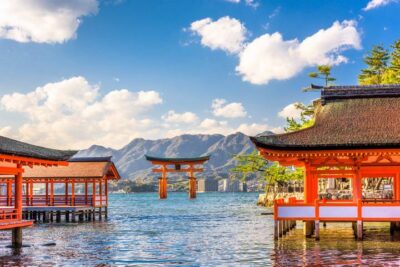
Best of Japan by Contiki – 13-Day Tokyo to Osaka Tour
Read our review →
14 Days Japan Panoramic (Private 3 Star Hotels) by Stunning Tours
Read our review →Browse the lists this tour appears in