
Reviewed · PRIVATE TOURS IN TOKYO
Tokyo : Must-see attractions private tour
Tokyo rewards curiosity, but it can also wear you out. This private tour lets you build a day around the places you care about, with a guide who helps connect shrines, markets, shopping streets, and modern city life. I like the custom itinerary and the chance to move at your own pace. I also like that the guide can explain local manners, not just point at buildings. The main drawback is simple: a flexible tour depends heavily on your guide, and one recent guest felt the cultural and historical explanation was too light.
The tour costs from $53 per person and runs from two to eight hours. That is good value for a private outing if you use the guide well, especially at the longer length. I would arrive with a short wish list, ask practical questions, and make sure the selected option covers the sights and transport you want.
In This Review
- Tokyo in a few useful points
- A private way to make sense of Tokyo
- Choosing between two and eight hours
- Tsukiji Outer Market: start with food and daily life
- Senso-ji and Asakusa: Tokyo’s traditional face
- Meiji Shrine: quiet customs beside modern Tokyo
- Akihabara: electronics, anime, and gaming
- Tokyo Skytree: big views, practical planning
- Ginza: polished shopping and city history
- Odaiba: Tokyo’s futuristic side
- Ueno Park: museums, culture, and seasonal appeal
- Roppongi Hills: art above the city
- What the guide can add, and where quality may vary
- Price, transport, and practical value
- Who should book this Tokyo tour?
- Should you book it?
- FAQ
- Where does the Tokyo tour begin?
- How long does the experience last?
- Is the tour private?
- Can I customize the itinerary?
- Are walking and public transport included?
- Which Tokyo attractions can I ask to visit?
- Which languages are available?
- Is the tour wheelchair accessible?
- Can I cancel for a full refund?
- Do I have to pay when I book?
Tokyo in a few useful points
- Choose your own Tokyo: You can shape the walk around major sights, shopping, food, temples, museums, or neighborhoods that interest you most.
- Start at your hotel: The guide meets you at your hotel, with pickup details depending on the option you select.
- Use trains and your feet: Walking and public transport are included unless your chosen option says otherwise.
- Pick a language: Guides are available in English, French, Italian, Spanish, Japanese, Chinese, and Traditional Chinese.
- Book a short or full day: The experience lasts from two to eight hours, so it can fit a tight schedule or become a main Tokyo day.
- Expect a private group: You are not being folded into a large coach party, which makes questions and changes easier.
A private way to make sense of Tokyo
Tokyo is not one sightseeing zone. It is a huge collection of districts with different moods and purposes. A temple visit in Asakusa, a food stop near Tsukiji, and an electronics crawl in Akihabara can feel like three different trips.
That is where this tour earns its keep. You are not locked into a fixed route. You can tell the guide what matters most, then use the guide’s local knowledge to shape the day. If you want the main sights, you can build around them. If you have already seen the famous landmarks, you can ask for places that fit your interests.
I especially like this format for a first day in Tokyo. You can see a few important areas while learning how the city works. Public transport is part of the experience, too. Tokyo’s trains are efficient, but the sheer number of lines and stations can make a first ride feel like a small exam. A guide can help you spend more time seeing the city and less time studying signs.
The private setting also matters. You can stop for photos, ask why a custom is observed, or slow down at a shop without holding up a busload of people. One guest praised guide Fernando for letting the group take photos, visit preferred shops, and set the pace instead of racing through a long checklist.
More Private Tours in Tokyo
- Tokyo 6hr Private Tour with Government-Licensed Guide
★ 5.0 · 3,902 reviews - Private Tour to Mt. Fuji and Hakone (Fully Licenced Operator)
★ 5.0 · 1,910 reviews - Tokyo Customized Private Tour (Must See Places in 1 Day)
★ 5.0 · 1,499 reviews
Choosing between two and eight hours
The time limit shapes the tour more than the title does. A two-hour booking is best treated as a focused introduction. Choose one district, or perhaps two nearby priorities, rather than trying to cross Tokyo from end to end.
With four hours, you can make a useful half-day plan. For example, Asakusa and Ueno can work well together, while Meiji Shrine and nearby Harajuku areas offer a different type of outing. These combinations are examples of sensible planning, not guaranteed routes, so confirm your preferred plan with the guide.
The full eight-hour version gives you room for several parts of the city. Even then, Tokyo’s size makes restraint wise. You may be able to visit major attractions in different districts, but long train rides and photo stops reduce the time available at each place.
I would rather see three areas properly than collect quick photographs at eight. Fernando’s relaxed approach received warm praise for exactly this reason. The group did not see everything, but the places they visited felt enjoyable rather than hurried. That is a useful warning for anyone who measures a successful day by the number of stops.
Tsukiji Outer Market: start with food and daily life
Tsukiji Outer Market is a strong choice if you want Tokyo to begin with something practical and tasty. The guide can help you understand the seafood stalls, street food, and the role the market plays in the city’s food culture.
You can expect a crowded, energetic market setting, so a guide is useful for keeping the visit organized. You may need help deciding what to try, understanding unfamiliar foods, and moving through the narrow shopping areas without missing the point of the place.
This stop works best when you are willing to sample local specialties rather than simply photograph the signs. It is also a good place to ask about Japanese food customs. The market can take up more time than expected, especially if you enjoy browsing, so include it as a main stop rather than a quick add-on.
Senso-ji and Asakusa: Tokyo’s traditional face
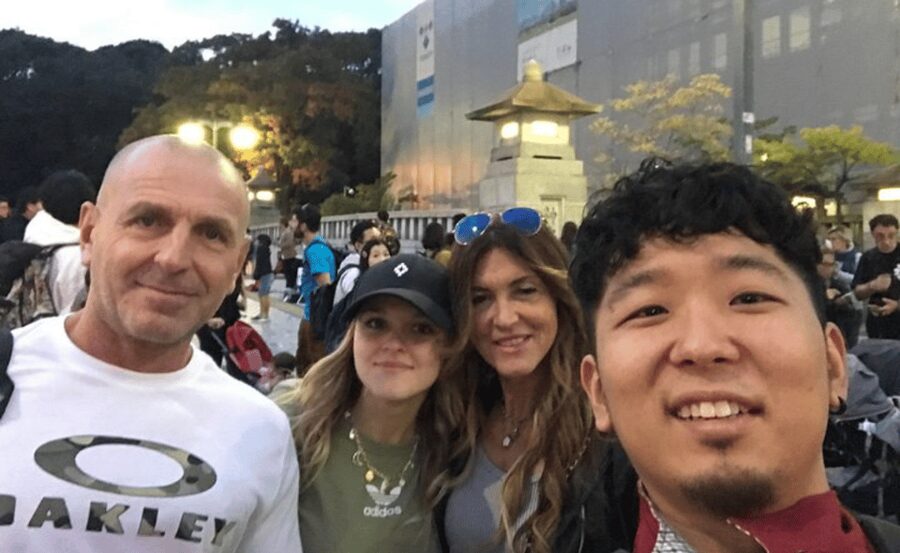
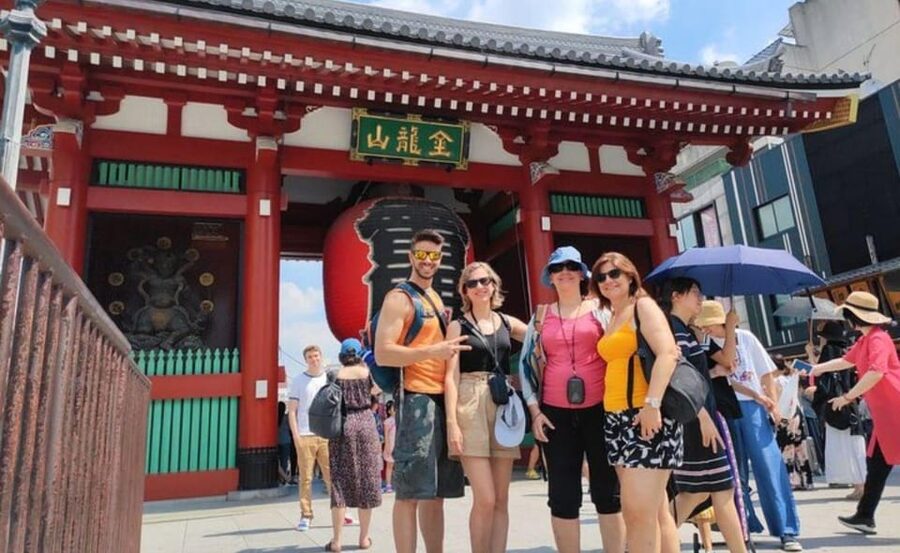
Senso-ji gives the tour a strong historical and religious focus. In Asakusa, your guide can explain the Thunder Gate, the temple grounds, and the rituals visitors follow.
This is more than a photo stop. A guide can tell you how to approach the temple, what the gestures mean, and why the district remains important to Tokyo’s identity. You can ask questions as you move through the area rather than trying to piece together the story from signs.
I would pair Senso-ji with time to walk around Asakusa. The attraction is not only the main gate or temple hall. The surrounding streets give you a chance to browse shops and see how a major religious site fits into an active city neighborhood.
The tradeoff is crowds. A private guide can help you move with purpose, but cannot make a popular temple quiet. If you want a slower visit, tell the guide at the start and avoid packing too many distant stops into the same time slot.
A completely different kind of day out:
- Tokyo Disney Resort – Tokyo Disneyland & Tokyo DisneySea Park Tickets
★ 4.8 · 99,488 reviews - SHIBUYA SKY Ticket
★ 4.7 · 46,509 reviews - JR Whole Japan Rail Pass
★ 4.8 · 29,150 reviews - Mt Fuji and Hakone 1-Day Bus Tour Return by Bullet Train
★ 5.0 · 26,383 reviews
Meiji Shrine: quiet customs beside modern Tokyo
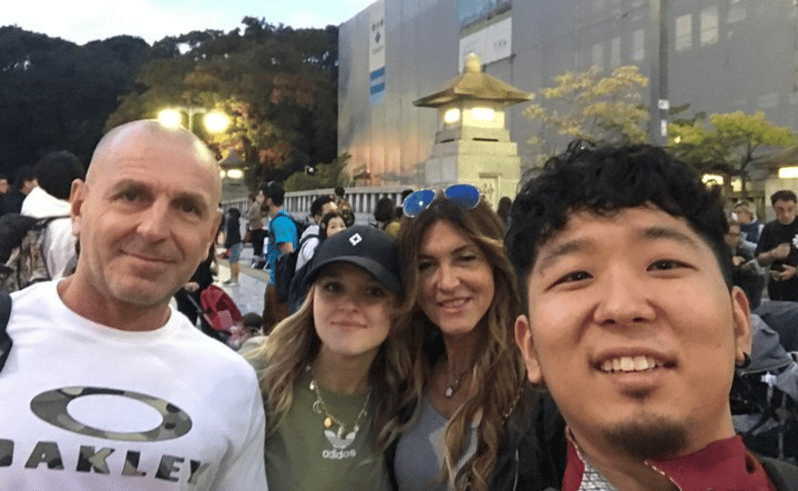
Meiji Shrine offers a sharp contrast to Tokyo’s busy commercial districts. The guide can explain the torii gate, Shinto practices, the forest around the shrine, and the shrine’s place in Japanese history.
This is one of the better stops for learning how to behave respectfully at a sacred site. Small instructions about walking, cleansing, and prayer can make the visit more meaningful, especially if you have never visited a Shinto shrine before.
The forest setting also gives you a break from dense streets and tall buildings. Still, do not expect the shrine to function like a museum with a long sequence of indoor exhibits. Its appeal comes from the approach, the rituals, and the atmosphere of the grounds.
One guide, Karl, was praised for explaining Japanese customs and polite behavior, including the expectation that people do not chat on public transport or eat while walking. That kind of everyday advice can be just as useful as information about a famous building.
Akihabara: electronics, anime, and gaming
Akihabara is the natural pick for anyone interested in electronics, anime, or gaming. A guide can help you sort through the district’s many shops and explain why these interests have such a strong place in modern Japanese culture.
The value here is guidance. You may find it hard to know which stores match your interests, especially when signs and product categories are unfamiliar. A local guide can help you spend your time more wisely and point out places that fit your preferred subject.
This stop also shows why a private tour is better than a fixed sightseeing route for some people. One person may want electronics, another may care about anime, and a third may simply want to see the district’s famous visual style. You can state your priorities before the tour begins.
Akihabara may not suit everyone. If you have little interest in its shopping and entertainment culture, use your limited hours elsewhere. The tour is customizable, so you do not need to include it just because it is famous.
Tokyo Skytree: big views, practical planning
Tokyo Skytree provides the high viewpoint. Your guide can explain the tower’s construction and importance while you take in wide views over the city from its observation decks.
The appeal is obvious: after seeing Tokyo at street level, you get a sense of its enormous scale from above. This can help tie together the distant districts you visit during the day.
The main consideration is time. A tower visit involves more than the view itself, and the actual experience may depend on availability and the option you book. Ask about the plan before assuming Skytree will fit alongside several far-flung neighborhoods.
I would choose Skytree if you value city views and want a break from walking. I would skip it on a short two-hour tour unless it is your main priority. A private guide can explain the city around you, but the tower should not be treated as a quick roadside photo stop.
Ginza: polished shopping and city history
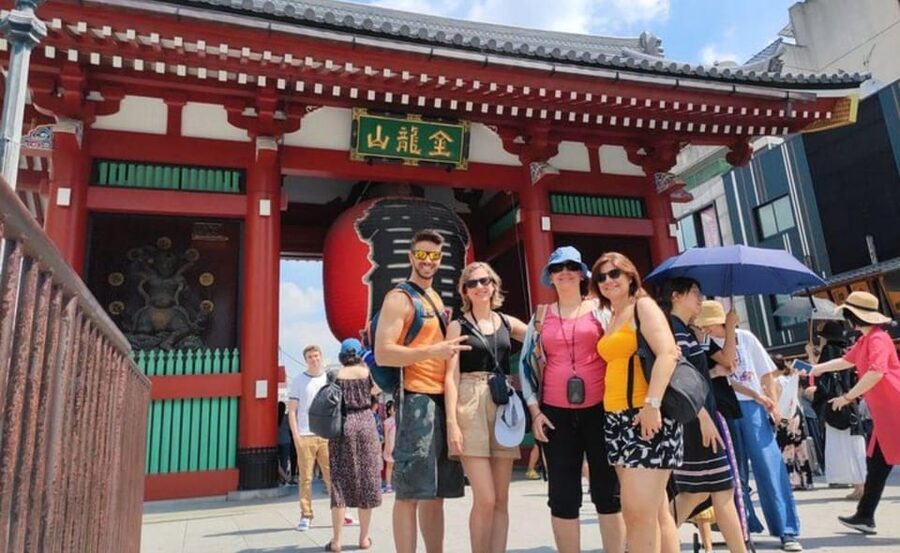
Ginza is Tokyo’s upscale shopping and entertainment district. A guide can help you understand its history, find stores that match your interests, and suggest places for food or browsing.
This district is useful if you want to see a more polished side of Tokyo. It also works well for visitors who prefer shopping and dining to museums or religious sites. The guide can help prevent the area from becoming a simple walk past expensive storefronts.
Be clear about your budget and interests. Ginza can be rewarding even if you are only window-shopping, but a private guide should know if you want department stores, specialty shops, food, or architecture. The more precise your request, the more useful the time will be.
Odaiba: Tokyo’s futuristic side
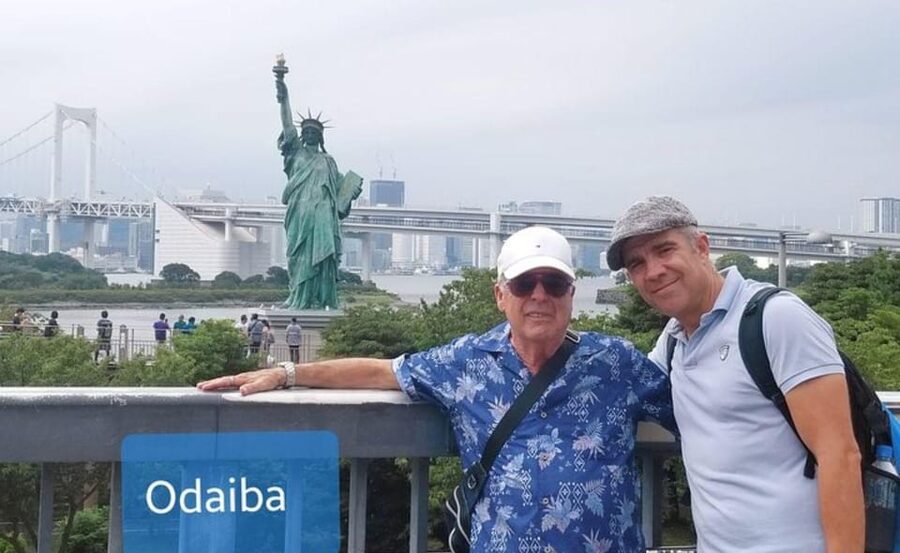
Odaiba is an artificial island known for entertainment complexes and modern architecture. A guide can explain how the area developed and direct you to good viewpoints for photographs.
This is a good contrast with Asakusa or Meiji Shrine. Instead of older religious traditions, you get a sense of Tokyo’s modern planning and leisure culture. The area can also suit families or anyone who wants a less temple-focused day.
Odaiba takes time to reach, so it makes most sense as a planned section of a longer tour. I would not add it casually to a packed route. Ask the guide how much travel time it requires and which parts matter most to you.
Ueno Park: museums, culture, and seasonal appeal
Ueno Park gives you several possible directions. A guide can point out the museums and attractions, explain the park’s cultural importance, and recommend good cherry blossom viewing spots during the season.
This flexibility makes Ueno a useful choice for mixed interests. You can focus on art, culture, open-air walking, or seasonal scenery. It also gives the guide a chance to adjust the day if you want a slower pace.
Do not expect to cover every museum and attraction in one visit. Pick one main purpose, then let the guide shape the walk around it. If you are visiting during cherry blossom season, say so when planning the tour, since timing and crowd levels will affect the experience.
Roppongi Hills: art above the city
Roppongi Hills brings together art, shopping, entertainment, and modern architecture. The guide can take you to the Mori Art Museum and explain the area’s design and cultural events.
This stop suits visitors who want contemporary Tokyo rather than older temples and markets. The museum can give the tour an indoor cultural focus, while the surrounding complex offers shopping and city views.
As with Skytree, allow enough time. Roppongi Hills is not simply a single building to tick off. Tell the guide if art, architecture, shopping, or events matter most, then avoid trying to do all of them in a rushed visit.
What the guide can add, and where quality may vary
The strongest part of this experience is the personal exchange. You can ask why people follow certain manners, how to use public transport, or which district fits your interests. Several guides earned praise for being friendly, flexible, and well prepared.
Guide Lucas received especially warm praise for an eight-hour tour that combined major attractions with more typical local places. He was described as cheerful, available, and well prepared. That kind of attitude matters during a long day in a city as large as Tokyo.
Still, guide quality is not identical every time. One guest found Lucas pleasant but wanted more basic historical and cultural information. I would treat that as a useful reminder to ask direct questions. If you want dates, background, religious context, or social customs, say so early instead of assuming every guide will explain everything without prompting.
The overall score is 4.7 from 53 ratings, which points to a strong general experience, but not a uniform one. The private format gives you a chance to improve the day by stating your interests clearly and giving feedback as you go.
Price, transport, and practical value
At $53 per person, the price is attractive for a private tour, particularly if two or more people share the experience. The value comes less from admission tickets and more from saving time, getting personal help, and making better choices in a complicated city.
The tour includes walking and public transport, except where a selected option says otherwise. That is important because Tokyo’s trains are part of getting between districts. Confirm exactly what your chosen option covers before booking, especially if you want a plan built around distant areas.
Hotel meeting is included in the stated arrangements, while pickup is also marked as optional depending on the selection. Check the meeting details for your chosen duration and language. The tour is wheelchair accessible, and private groups make it easier to discuss mobility needs before setting the route.
You can cancel up to 24 hours before the start for a full refund, and the reserve now, pay later option lets you keep your plans flexible. Those policies are useful, but the bigger practical choice is duration. Spend the money on eight hours if you want orientation and several districts. Choose two to four hours if you already know Tokyo and need help with one part of town.
Who should book this Tokyo tour?
I would recommend it to first-time visitors who want help getting their bearings without joining a large group. It is also a good fit for families, couples, and friends with different interests, since you can build the day around your own priorities.
It suits you especially well if you want:
- A private guide rather than a fixed group route
- Help using public transport between districts
- Explanations of Japanese customs and shrine manners
- A mix of major sights and shopping or food areas
- A flexible pace with time for photos and preferred shops
- Guidance in English, French, Italian, Spanish, Japanese, Chinese, or Traditional Chinese
I would think twice if you want a tightly scripted specialist tour with guaranteed access to every attraction. The guide can customize the day, but the supplied plan does not promise admission to every museum, tower, or market activity. This is a city orientation and sightseeing service, not a ticket package.
Should you book it?
Book this tour if you value flexibility, personal advice, and a day shaped around your interests. I like the hotel meeting point, the use of public transport, the private format, and the chance to slow down instead of racing through Tokyo.
For the best result, choose three priorities before you meet the guide. Tell the guide whether you care most about food, temples, shopping, anime, museums, views, or daily customs. If historical detail matters to you, ask for it directly.
At $53 per person, it is an appealing way to make a first Tokyo day easier and more personal. Just keep your route realistic, confirm the details of your selected option, and remember that a pleasant guide is helpful, but a guide who matches your interests is what makes the tour worth booking.
FAQ
Where does the Tokyo tour begin?
The guide meets you at your hotel. The exact starting and pickup arrangements depend on the option selected.
How long does the experience last?
The tour lasts from two to eight hours. You need to check availability for starting times and the exact duration offered.
Is the tour private?
Yes. It is designed for a private group rather than a shared group.
Can I customize the itinerary?
Yes. Customization is included, so you can shape the walking tour around the sights and areas that interest you.
Are walking and public transport included?
Yes. The experience includes a walking tour and public transport, except if your selected option states otherwise.
Which Tokyo attractions can I ask to visit?
Suggested attractions include Tsukiji Outer Market, Senso-ji Temple, Meiji Shrine, Akihabara, Tokyo Skytree, Ginza, Odaiba, Ueno Park, and Roppongi Hills.
Which languages are available?
Live guides are available in English, French, Italian, Spanish, Japanese, Chinese, and Traditional Chinese.
Is the tour wheelchair accessible?
Yes. The activity is listed as wheelchair accessible.
Can I cancel for a full refund?
Yes. You can cancel up to 24 hours in advance for a full refund.
Do I have to pay when I book?
No. The reserve now, pay later option lets you book while keeping payment for later.
Just added in Tokyo
- A One-of-a-Kind Sushi Experience in a Special Place of Japan★ 5.0 · 15 reviews
- Tokyo Cute Bento Cooking Class – Make a Kawaii Character Lunchbox★ 5.0 · 126 reviews
- Japanese Home Cooking Class & Walk in Todoroki Temple Tokyo★ 5.0 · 88 reviews
- Japan Tokyo Tower Observatory Deck E-Ticket★ 4.0 · 34 reviews
- Catch a Baseball Game in Tokyo with a Local – Tickets Included★ 5.0 · 24 reviews
- JDM Experience with Fast&Furious RX-7 (English speaking Driver)★ 5.0 · 57 reviews
- Tokyo Private Day Tour by Car with English speaking Driver Guide★ 4.0 · 29 reviews
- Japan Classic 10 Day – One Life Adventures★ 5.0 · 129 reviews
Private Tours in Tokyo, compared.
Tokyo 6hr Private Tour with Government-Licensed Guide
Read our review →
Private Tour to Mt. Fuji and Hakone (Fully Licenced Operator)
Read our review →
Tokyo Customized Private Tour (Must See Places in 1 Day)
Read our review →
Mount Fuji Full-Day Private Tour from Tokyo (Customizable)
Read our review →
Tokyo 4hr Private Tour with Government-Licensed Guide
Read our review →
Tokyo Customized Private Tour: See Top Attractions in 1 Day
Read our review →
Mt Fuji Private Tour with English Speaking Driver
Read our review →
Mt. Fuji & Hakone Private Day Tour with English-Speaking Driver
Read our review →Browse the lists this tour appears in