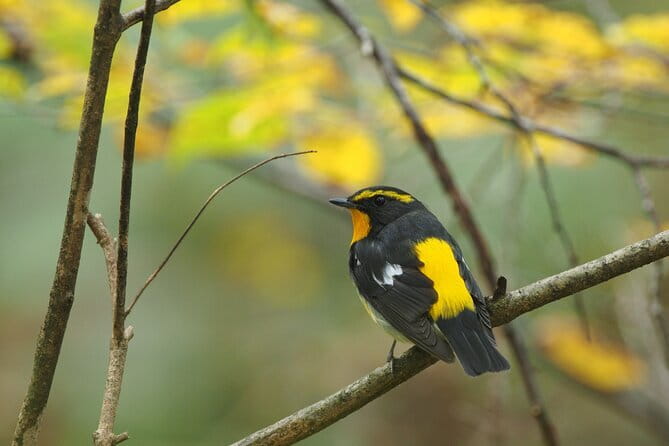
Reviewed · GUIDED
Wild Bird Sanctuary Forest Guided Tour in Nagano
Birdsong is only part of the story. Picchio’s Karuizawa forest walk pairs a quiet woodland stroll with sharp lessons about birds, squirrels, frogs, insects, and the way the forest works. I like the patient, nature-first approach, and I like that guides adjust the route for conditions such as heavy rain or snow. The main drawback is that wildlife sightings are never guaranteed, and the tour is conducted in Japanese with only basic English support.
You meet at the Karuizawa Wild Bird Sanctuary and return there after about two hours. I also appreciate the low price, about $16.42 per person, and the chance to rent binoculars for only 300 yen. Still, a mixed-age group may move slowly, and bird numbers can vary sharply by season.
In This Review
- Key Points Before You Book
- Why This Two-Hour Walk Feels Different
- Starting at the Karuizawa Wild Bird Sanctuary
- Reading the Forest, Not Just Counting Birds
- Wildlife Possibilities in Every Season
- Guides Who Make the Short Tour Count
- A Gentle Pace for Families and Curious Beginners
- Rain, Snow, and Changes to the Route
- Price, Group Size, and What You Get
- Who Will Enjoy This Most
- Booking and Cancellation Details
- Should You Book the Karuizawa Forest Tour?
- FAQ
- Where does the Wild Bird Sanctuary Forest Guided Tour begin?
- Where does the tour end?
- How long does the tour last?
- How much does the tour cost?
- Are binoculars included?
- What language is the tour conducted in?
- What wildlife might I see?
- How many people can join the tour?
- Can I cancel for a refund?
Key Points Before You Book
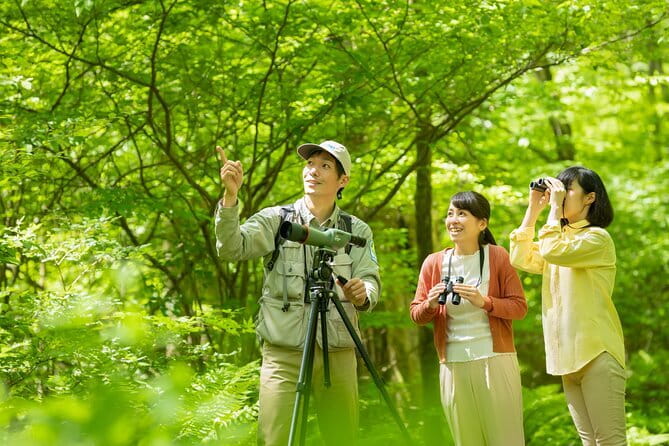
- Forest ecology matters as much as bird sightings: You learn how plants, insects, animals, and past land use shape the woodland.
- Japanese squirrels and montane brown frogs may appear: The tour looks for more than birds, so quiet observation still pays off on a slow birding day.
- Guide quality is a major strength: Guides such as Ogucchan and Mr. Bug have been praised for warmth, clear explanations, and efforts to translate.
- English is basic and guide-dependent: You should expect the main ideas in English, but not always a full English-language tour.
- The pace is gentle: The walk suits families and mixed-age groups, though stronger walkers may find it slow.
- Weather can change the experience: Heavy rain may alter the route, while snow has sometimes led to snowshoe equipment being provided.
Why This Two-Hour Walk Feels Different
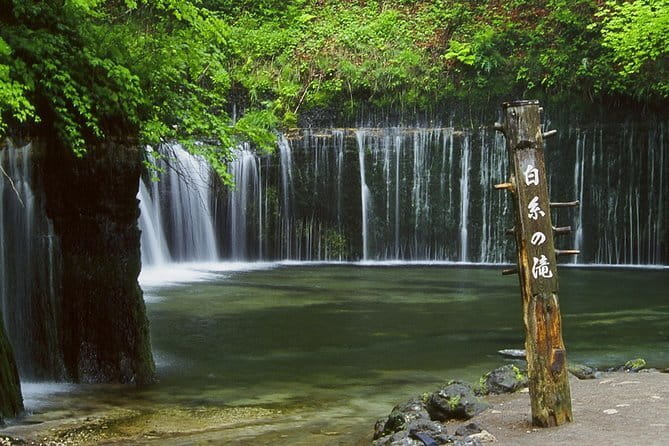
Karuizawa is often treated as a resort town, but the forest around the Wild Bird Sanctuary offers a quieter side of Nagano. Here, the point is not to rush from one sight to the next. You walk slowly, listen, look into the trees, and learn how a woodland ecosystem operates.
That distinction matters. If you arrive expecting a guaranteed parade of birds, you could leave disappointed. If you enjoy learning why a forest looks and behaves as it does, the walk offers value even when the animals stay out of sight.
The guide leads you through the Karuizawa National Wild Bird Sanctuary Forest, stopping to explain the relationships between vegetation, insects, birds, frogs, and mammals. You might look for a Japanese squirrel in the branches, scan for birds, or hear about montane brown frogs and the wider group of creatures that share the forest.
The experience has earned a 4.9 rating from 17 ratings, with 100 percent recommending it. The strongest praise centers on the guides, the calm setting, and the amount participants learn in a short time.
A few more options to weigh up in Japan
- Tokyo 6hr Private Tour with Government-Licensed Guide
★ 5.0 · 3,902 reviews - (Okinawa’s No. 1 Popular Northern Day Trip) Chinese-speaking guide · Includes admission tickets · 1 person can book: Churaumi Aquarium · Cape Manzamo · Kouri Island · American Village
★ 4.7 · 1,846 reviews - Shiraito Falls & Forest Cafe & Handmade Flower Salt Pudding & Grilled Seafood & Totoro Forest & Sakurai Futamigaura & Angel’s Wings & Coconut Tree Swing Day Tour (Departing from Hakata Station, with Mandarin, English, and Cantonese speaking guide)
★ 4.9 · 1,840 reviews
Starting at the Karuizawa Wild Bird Sanctuary
The meeting point is the Karuizawa Wild Bird Sanctuary at 2148 Nagakura, Karuizawa, in Nagano’s Kitasaku District. The site is near public transportation, and the activity begins and ends at the same place.
That simple arrangement helps. You do not need to manage a one-way route or arrange a pickup at the far end. After the walk, you are back where you started, which makes it easier to fit the tour into a day of exploring Karuizawa.
The sanctuary itself is part of the experience. The visitor center sits in a quiet, attractive setting where you can get a feel for the forest before the walk begins. The calm atmosphere is useful from the start, especially if you have just come from a busy town center.
Plan for an easygoing outing rather than a hard hike. The exact route can change with weather and forest conditions, but the general format is a leisurely stroll led by a naturalist guide.
Reading the Forest, Not Just Counting Birds
Birdwatching is in the name, but the tour does not reduce the forest to a checklist. The guide explains the inner workings of the ecosystem, giving you reasons to pay attention to small details.
A fallen branch, a patch of vegetation, an insect, or a quiet stretch of path can all become part of the lesson. You may learn about the area’s history of land use and the process of vegetation succession, along with the types of vertebrates found there.
This broader approach is one of the tour’s best features. On one visit, you might see several bird species. On another, the forest may be less active, yet the guide can still explain how animals and plants fit together.
One participant found the tour fascinating despite seeing few birds in that season. That is a useful warning and a useful promise. The experience can remain worthwhile when sightings are limited, but you should book it for the forest and the teaching, not for a guaranteed wildlife performance.
Wildlife Possibilities in Every Season
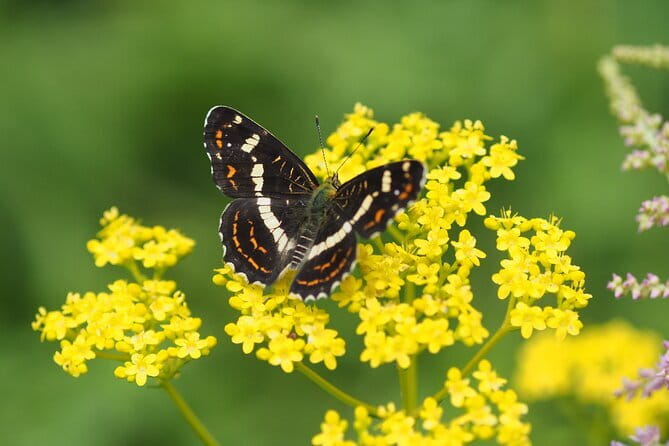
The sanctuary offers the chance to look for a range of woodland life. Japanese squirrels are one of the appealing possibilities, and montane brown frogs add a different kind of interest. Bird species are also part of the search, though exact sightings depend on season and conditions.
The tour’s value comes partly from learning how to notice. A guide can draw your attention to movement, sound, habitat, or signs of animal activity that you might otherwise miss. You do not need to arrive as a serious birder to benefit.
At the same time, experienced birders have reason to come. You can bring your own binoculars and field guides, or rent binoculars from the operator for 300 yen for the duration of the tour. That is a modest extra cost if you do not have gear with you.
I would treat the rental as optional rather than essential. The guide’s explanations remain useful without binoculars, and the walk also covers insects, frogs, plants, and forest ecology. If birds are your main goal, though, binoculars should improve your chances of getting more from distant sightings.
A completely different kind of day out:
- Tokyo Disney Resort – Tokyo Disneyland & Tokyo DisneySea Park Tickets
★ 4.8 · 99,488 reviews - Universal Studios Japan Studio Pass
★ 4.8 · 89,883 reviews - Universal Studios Japan Express Pass
★ 4.7 · 53,138 reviews - SHIBUYA SKY Ticket
★ 4.7 · 46,509 reviews
Guides Who Make the Short Tour Count
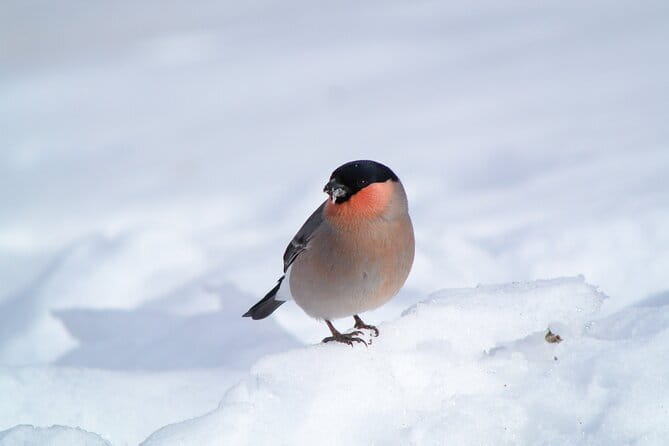
The guide can shape this experience more than any other factor. Picchio’s naturalist guides bring enthusiasm to the walk and try to make the subject accessible to different ages and interests.
Ogucchan received especially warm praise for making the outing fun and informative. Mr. Bug was also noted for working hard to translate explanations for an English-speaking couple while keeping the tour engaging for a small child.
Those examples point to a real strength: the guide does not simply point at birds and name them. The better experience comes from explanation, patience, and a willingness to connect the forest to the people in front of them.
English support needs a clear explanation. The official language is Japanese with basic English, and the amount of English can vary by guide. In practice, essential information may be communicated clearly, but you should not assume a fully bilingual nature lecture.
If your English is limited, or if you want detailed scientific explanations in English, this may not be the ideal format. If you are comfortable with simple explanations, visual demonstrations, and a little patience, you can still gain a great deal from the outing.
A Gentle Pace for Families and Curious Beginners

The two-hour duration is long enough to feel worthwhile but short enough to fit into a broader Karuizawa schedule. The walk is suited to most people, and the group can include young children, older adults, and experienced birders together.
That mix can be a plus. A child may enjoy the search for animals, while an adult gets more from the ecology lesson. The guide’s job is to keep the outing approachable for everyone, and the available feedback suggests that this often works well.
The tradeoff is speed. A group with a wide age range may move more slowly than a strong walker or serious birder prefers. If you want to cover ground quickly and collect a long list of bird sightings, this is probably not the right style of outing.
I see the gentle pace as part of the design. Forest watching works better when you stop often and allow your eyes and ears to adjust. Still, it helps to set your expectations before you arrive.
Rain, Snow, and Changes to the Route
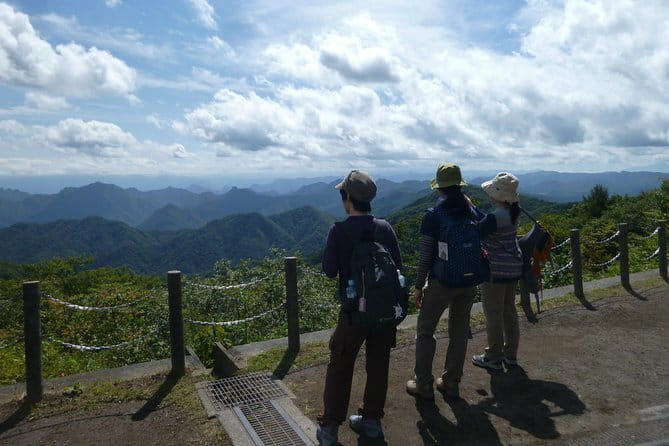
The tour requires good weather, and poor conditions can lead to a different date or a full refund. That policy protects the quality and safety of the experience, since forest paths and wildlife watching both depend on conditions.
Weather does not always end the outing. During heavy rain, guides have adjusted the tour so participants could still explore interesting parts of the forest. During a period of snow, snowshoe equipment was provided.
You should not assume snowshoes will always be available, but the example shows that the team can respond to changing conditions. Ask about current conditions if the forecast looks poor, and wear clothing suitable for a forest walk rather than a town stroll.
The weather can also affect what you see. Rain, snow, and seasonal changes may reduce bird activity or shift the focus toward plants, tracks, insects, and forest structure. That is another reason to value the guide’s interpretation over a fixed list of sightings.
Price, Group Size, and What You Get
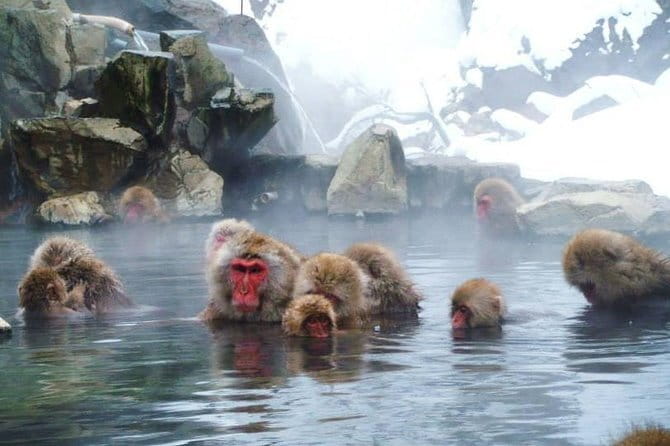
At about $16.42 per person, this is an inexpensive guided activity for two hours. All fees and taxes are included, so the basic cost is easy to understand.
The group can include up to 20 people. That is large enough for a social outing but small enough for a guide to lead a shared walk through the forest. The experience may feel less personal at the maximum size than it would on a private tour.
A private tour is also possible through Picchio, based on one three-hour experience, but the price and exact arrangement are not provided here. Do not assume the standard two-hour outing includes private guiding.
For the regular tour, the best value comes from the naturalist’s interpretation. You are paying less for transport or equipment and more for access to a guide who can explain what you are seeing. Add 300 yen only if you need binoculars.
The tour is also mobile-ticket friendly, which keeps the process simple. Confirmation is sent within 48 hours of booking, subject to availability. Since the experience is booked on average 58 days ahead, popular dates may require planning.
Who Will Enjoy This Most
I would recommend this walk to you if you enjoy nature but do not want a demanding hike. It suits families, first-time birdwatchers, casual photographers, and anyone who wants a calmer break from Karuizawa’s resort activity.
It also works for serious birders who understand that the walk is shared and that sightings vary. Bring your own binoculars and field guide if you have them, then use the naturalist’s local context to add meaning to what you spot.
You may want to skip it if you need a fully English-speaking guide, a fast pace, or guaranteed close-up wildlife. The basic English provision is helpful, but the experience remains primarily Japanese.
The tour is especially good for people who want to understand how Karuizawa’s nature is protected and managed. One of its most interesting themes is the effort to let people enjoy the forest while coexisting with it.
Booking and Cancellation Details
You can cancel for a full refund if you do so at least 24 hours before the start time. Changes or cancellations made inside that window are not accepted for a refund.
If poor weather forces Picchio to cancel the activity, you can choose another date or receive a full refund. Because confirmation is subject to availability, it makes sense to reserve ahead, especially during busy periods.
The meeting point is the Karuizawa Wild Bird Sanctuary, and you return there at the end. Most people can take part, but you should be ready for a forest walk and changing outdoor conditions.
Should You Book the Karuizawa Forest Tour?
Book it if you want a thoughtful introduction to Karuizawa’s woodland, not a guaranteed bird-counting session. The price is fair, the two-hour length is manageable, and the guides add real value through ecology, local context, and patient observation.
I would be most confident recommending it to families and curious beginners, especially those happy to learn about frogs, squirrels, insects, plants, and land use alongside birds. Experienced birders can enjoy it too, provided they accept the shared pace and seasonal uncertainty.
Before booking, check the language situation, bring suitable outdoor clothing, and decide if the 300-yen binocular rental will help. If those points suit you, this is a sensible and affordable way to spend part of a Karuizawa day.
FAQ
Where does the Wild Bird Sanctuary Forest Guided Tour begin?
The tour begins at the Karuizawa Wild Bird Sanctuary, 2148 Nagakura, Karuizawa, Kitasaku District, Nagano 389-0111, Japan.
Where does the tour end?
The activity ends back at the same meeting point, the Karuizawa Wild Bird Sanctuary.
How long does the tour last?
The guided forest walk lasts approximately two hours.
How much does the tour cost?
The listed price is about $16.42 per person.
Are binoculars included?
No. Binoculars can be rented for an additional 300 yen for the duration of the tour.
What language is the tour conducted in?
The tour is guided in Japanese with basic English. The amount of English may vary depending on the guide.
What wildlife might I see?
You may have the chance to see Japanese squirrels, montane brown frogs, and various bird species. Sightings depend on the season and conditions.
How many people can join the tour?
The activity has a maximum group size of 20 people.
Can I cancel for a refund?
Yes. You can receive a full refund if you cancel at least 24 hours before the experience starts. If poor weather causes the operator to cancel, you can choose a different date or receive a full refund.
Just added in Japan
- A One-of-a-Kind Sushi Experience in a Special Place of Japan★ 5.0 · 15 reviews
- Tokyo Cute Bento Cooking Class – Make a Kawaii Character Lunchbox★ 5.0 · 126 reviews
- Japanese Home Cooking Class & Walk in Todoroki Temple Tokyo★ 5.0 · 88 reviews
- Japan Tokyo Tower Observatory Deck E-Ticket★ 4.0 · 34 reviews
- Catch a Baseball Game in Tokyo with a Local – Tickets Included★ 5.0 · 24 reviews
- JDM Experience with Fast&Furious RX-7 (English speaking Driver)★ 5.0 · 57 reviews
- Tokyo Private Day Tour by Car with English speaking Driver Guide★ 4.0 · 29 reviews
- Japan Classic 10 Day – One Life Adventures★ 5.0 · 129 reviews
Guided, compared.
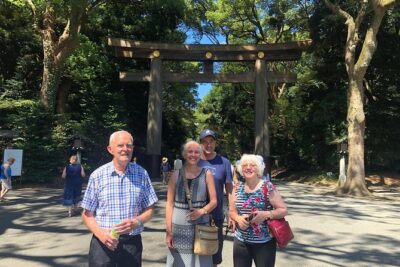
Tokyo 6hr Private Tour with Government-Licensed Guide
Read our review →
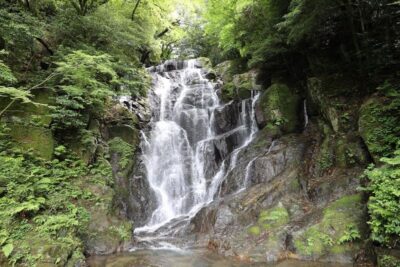
Shiraito Falls & Forest Cafe & Handmade Flower Salt Pudding & Grilled Seafood & Totoro Forest & Sakurai Futamigaura & Angel’s Wings & Coconut Tree Swing Day Tour (Departing from Hakata Station, with Mandarin, English, and Cantonese speaking guide)
Read our review →
Shinjuku Local Bar and Izakaya Guided Walking Tour
Read our review →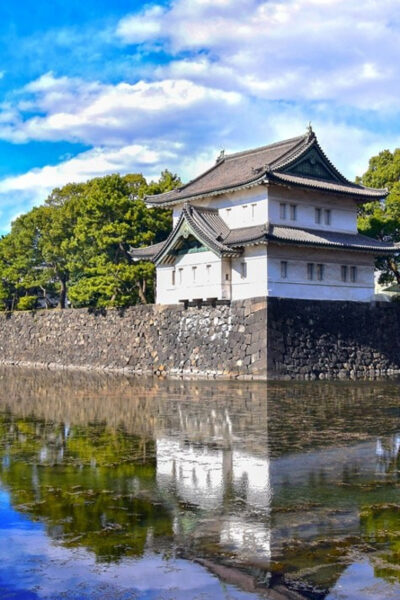
Private City Highlights Tour with Local Guide
Read our review →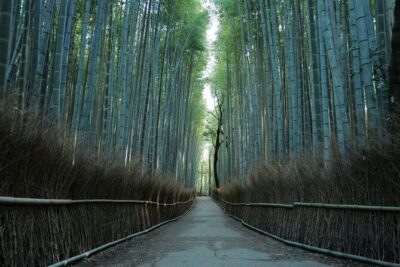
Kyoto Early Morning Tour with English-Speaking Guide
Read our review →