Reviewed · OSAKA TOURS
【For adult】Traditional Mochi Pounding Experience with Tasting
Mochi tastes better when you help make it. This one-hour Osaka activity turns a familiar Japanese sweet into a lively, hands-on lesson, with a short introduction, rice pounding, shaping, and plenty of tasting. I especially like the small-group format, limited to 10 people, and the chance to eat mochi made during your own session rather than sampling something prepared hours earlier.
I also like how easy this is to fit into a day in Dotonbori. Morning and afternoon sessions give you some choice, and the staff, including Aiko, Grace, Seina, Runa, Mao, and Riki, are praised for keeping the activity friendly and clear in English. The main consideration is that the room can feel warm in hot weather, and mochi should be eaten in small portions because it can be difficult to swallow, especially for older adults.
In This Review
- Key points to know before booking
- Why pounding mochi is worth an hour in Osaka
- What happens during the 10-minute introduction
- Steaming the rice and seeing the process begin
- Taking turns with the mortar and pestle
- Shaping the freshly made mochi
- Tasting five seasonings and traditional toppings
- A small group makes the activity work better
- How the $32.37 price compares with the experience
- Fitting Oh Mochi into a Dotonbori day
- Who will enjoy this most
- Is this a good Osaka booking?
- FAQ
- How long does the traditional mochi pounding experience last?
- Where does the activity start?
- Where does the activity end?
- How many people can join the experience?
- Is the experience available in English?
- What toppings are included with the mochi?
- Can I cancel for a full refund?
Key points to know before booking
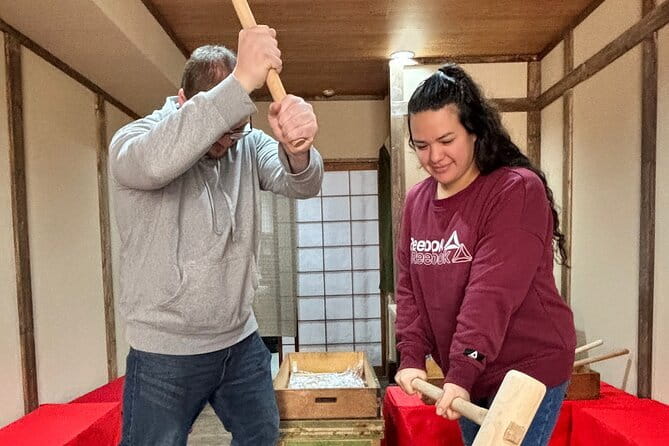
- You pound steamed glutinous rice yourself: The activity is not just a demonstration. You take turns using a traditional mortar and pestle before shaping the finished mochi.
- The session lasts about one hour: It is short enough to add between other Osaka plans, but still includes history, preparation, hands-on work, and tasting.
- Fresh mochi comes with several flavors: You can try toppings and seasonings such as kinako and sweet red bean paste, with five traditional choices included in the experience.
- The group is capped at 10 people: That makes it easier to take a turn, ask questions, and get help with shaping or photographs.
- English and Chinese support is available: English instruction is offered, while Chinese support comes through slides or interpretation using ChatGPT.
- The meeting point is in Dotonbori: You start and finish at Mochi Pounding Experience Osaka, Oh Mochi, at 2-chōme-4-11 Dōtonbori.
Why pounding mochi is worth an hour in Osaka
Osaka offers endless food stops, but many are passive. You point, order, eat, and move on. This activity gives you a little work to do, which makes the food more memorable.
Mochi pounding, known as mochitsuki, involves turning steamed glutinous rice into a smooth, stretchy rice cake. The process uses a large mortar and pestle, and the rice changes texture as it is pounded. That physical change is the heart of the experience. You are not simply told how mochi is made. You get to see and feel the transformation.
The activity also gives you a brief cultural setting for the food. A 10-minute talk covers the history and cultural importance of mochi pounding before you begin. That is just enough background to explain why the practice matters without turning the hour into a lecture.
I like this balance. You learn something useful, then put it into practice right away. The activity feels social and playful, but it is not empty entertainment.
A few more options to weigh up in Japan
- Universal Studios Japan Studio Pass
★ 4.8 · 89,883 reviews - Universal Studios Japan Express Pass
★ 4.7 · 53,138 reviews - Osaka Amazing Pass
★ 4.7 · 21,697 reviews
What happens during the 10-minute introduction
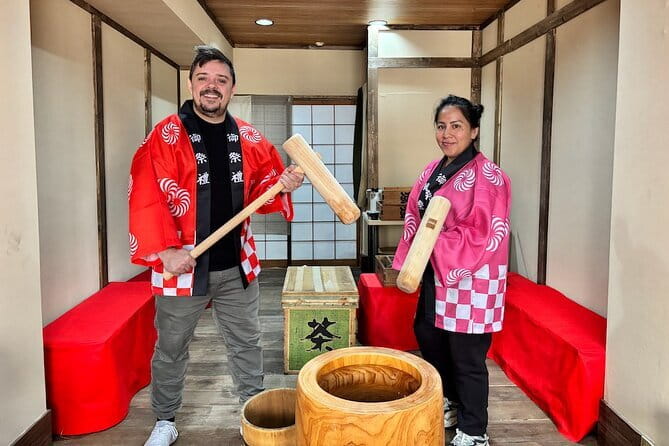
The session starts with an explanation of mochi and the role of pounding in Japanese tradition. This opening helps you understand the steps that follow, particularly why the rice must first be steamed and why pounding creates the proper texture.
The introduction is short, so you should not expect a detailed culinary course or a long historical talk. That is probably a good fit for most people. If you are looking for a full lesson in Japanese food history, this will feel brief. If you want enough context to make the hands-on portion meaningful, the 10 minutes should do the job.
The instruction is designed for international visitors. English explanations are available, and Chinese support is provided through slides or interpretation with ChatGPT. Several people praised the staff for explaining the process clearly in English, which matters when you are handling traditional tools and working as part of a group.
Steaming the rice and seeing the process begin
The next stage involves steaming glutinous rice. This is important because mochi does not begin as a soft, ready-to-eat sweet. It starts as rice that must be prepared before it can be pounded into a cohesive mass.
The activity includes the process of steaming the rice, giving you a better sense of how much work comes before the familiar finished product. You will see that mochi-making is a sequence, not just a dramatic round of hammering.
The supplied details do not specify how long the steaming portion takes or exactly how much of it you perform yourself. Expect to take part in the process, but do not assume this is a full cooking class from raw ingredients to packaged sweets. The main hands-on focus is the pounding and shaping.
Taking turns with the mortar and pestle
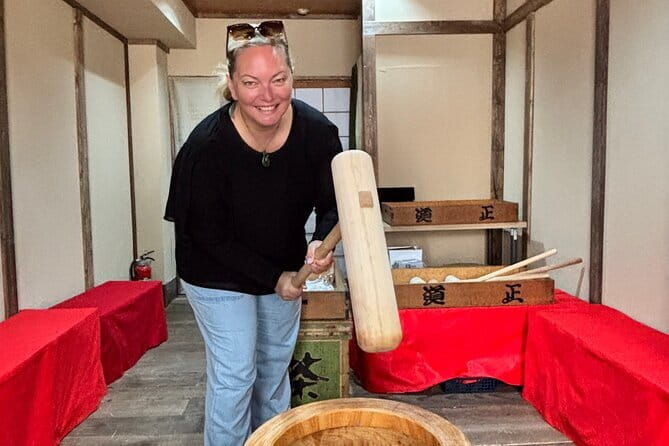
This is the most energetic part of the hour. Once the rice is steamed, you use traditional tools to pound it into mochi. The staff guide the group through the technique and make sure everyone gets a turn.
The activity is suitable for families because children can participate too. A smaller mallet is available for children, which makes it easier for young participants to join in without struggling with adult-sized equipment. That small detail can make a big difference in a family group. Children are not left watching from the side.
The pounding is fun, but you should also expect a little effort. One person described it as a good workout, and that is a useful way to think about it. You will not need athletic ability, but you may work up some heat, especially during Osaka’s warmer months.
The staff also help keep the process orderly. Mochitsuki requires attention and cooperation, so the group takes turns rather than everyone trying to work at once. That structure allows each person to participate and keeps the activity safe.
A practical tip: wear lightweight clothing if the weather is hot. The room may feel warm while the rice is being prepared and pounded.
A completely different kind of day out:
- Tokyo Disney Resort – Tokyo Disneyland & Tokyo DisneySea Park Tickets
★ 4.8 · 99,488 reviews - SHIBUYA SKY Ticket
★ 4.7 · 46,509 reviews - Mt. Fuji Instagram-Worthy Spots Day Tour: Ladder Town, Oshino Hakkai, Lake Kawaguchi, Lawson Convenience Store (Departing from Tokyo Station or Shinjuku Station)
★ 4.8 · 35,467 reviews - JR Whole Japan Rail Pass
★ 4.8 · 29,150 reviews
Shaping the freshly made mochi
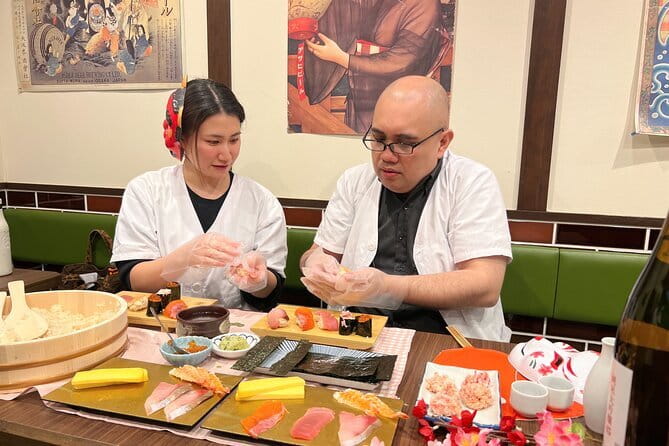
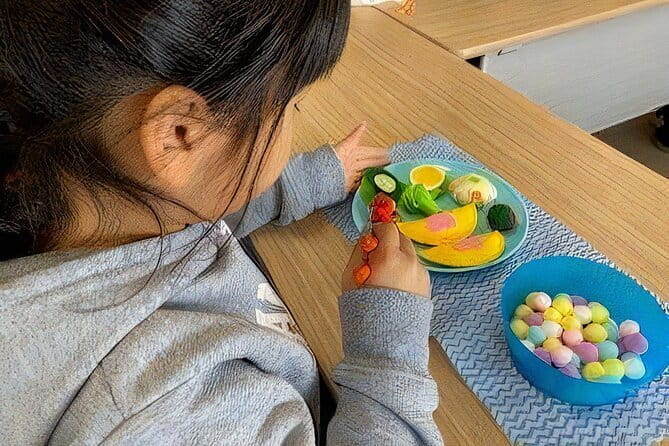
After the rice has been pounded, the staff portion it out so everyone can shape the mochi in their hands. This is a pleasant change of pace after the more active pounding.
Shaping gives you a closer look at the texture. Fresh mochi is soft and pliable, and the experience lets you handle it before eating it. You are working with the results of the process you just watched and helped complete.
Do not expect every piece to look perfect. That is part of the charm. The activity is about understanding how the food is made, not producing bakery-display shapes. The staff help with the process, so you do not need previous cooking experience.
Photographs and videos are welcome, and staff members help take pictures. That is useful because the pounding requires both hands. You can enjoy the moment without having to choose between participating and documenting it.
Tasting five seasonings and traditional toppings
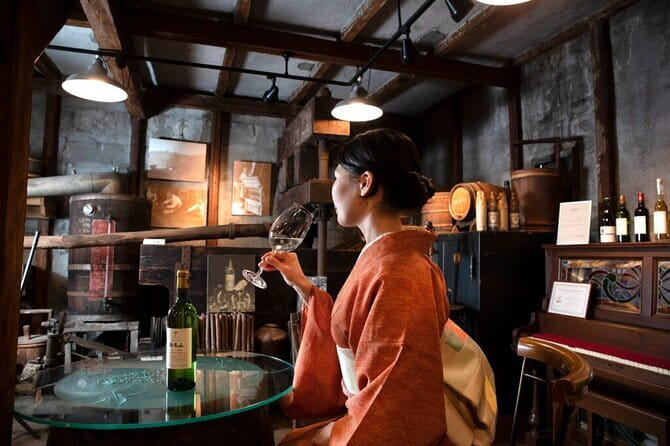
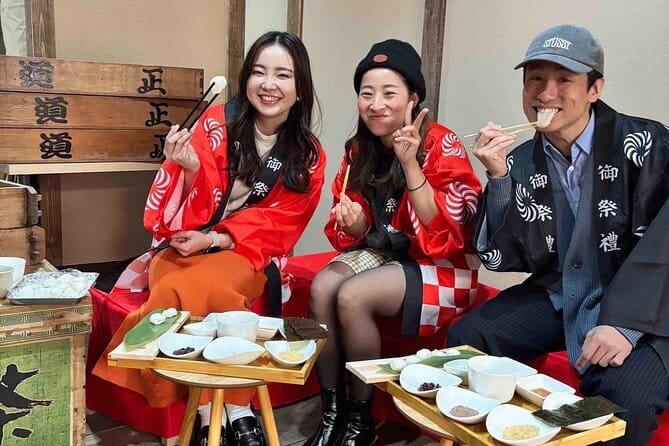
The final part is the reward. You eat the freshly pounded mochi with five Japanese seasonings and ingredients, served with tea. The choices include kinako, a roasted soybean flour, and sweet red bean paste. Other flavors are included as well, and some descriptions refer to more than eight flavor options being available during the tasting.
The exact selection can vary, so you should think of the tasting as a range of traditional accompaniments rather than a fixed dessert menu. This is a good way to compare flavors. Plain mochi has a mild taste, so the toppings provide much of the character.
Kinako gives the mochi a nutty, roasted flavor. Sweet red bean paste brings a familiar dessert quality. You may also find that some options suit you better than others. One useful point is that the session includes enough food to feel filling. Do not schedule this while expecting only a tiny sample.
I like the tasting because it makes the class practical. You do not simply make mochi and then leave. You learn how to eat it with different flavors and see how the same soft rice cake changes from one topping to the next.
The tea adds a calm finish after the active part of the session. It also gives you time to enjoy the different combinations instead of rushing straight back into Dotonbori.
A small group makes the activity work better
The maximum group size is 10 people. For this type of activity, that is a useful limit.
A large group would mean less time with the tools and more time standing behind someone else. With up to 10 participants, you have a better chance of taking a turn, shaping the mochi, and asking questions. Staff can also pay closer attention to children or anyone who is unsure about the process.
The small size helps create the friendly feel praised by people who took part. The staff members are described as welcoming and energetic, and names such as Aiko, Grace, Seina, Runa, Mao, and Riki appear in the feedback. Because the session is short, an upbeat instructor matters. A flat presentation could make one hour feel slow, while a warm guide keeps the pace moving.
There is also a social advantage. Mochi pounding naturally involves taking turns, so you share the activity with the other people in the room. It is a good choice if you want something more interactive than a standard food tasting.
How the $32.37 price compares with the experience
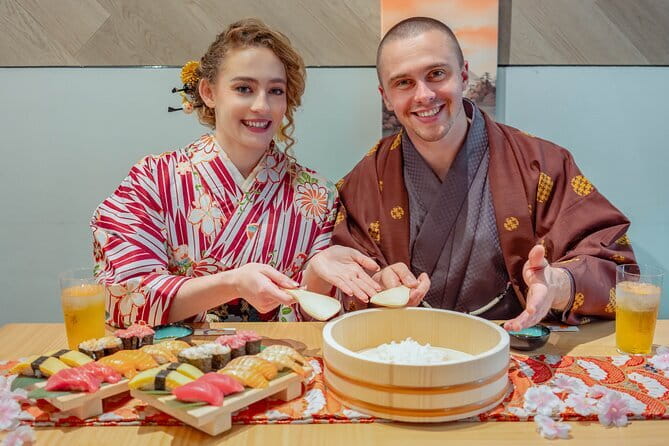
At $32.37 per person, this is not the cheapest snack stop in Osaka. You can buy prepared mochi for much less. The value comes from the combination of instruction, participation, tools, fresh food, tea, and a small group.
You are paying for about an hour of organized activity, not just a plate of sweets. The staff explain the cultural background, lead you through steaming and pounding, help with shaping, and serve several flavors at the end. If you already plan to spend money on food and want a short cultural activity, the price is reasonable.
The value is especially good for families and first-time visitors to Japan. Children get a real task rather than a passive demonstration, and adults get context as well as a snack. It can also fill a gap in an Osaka schedule without taking half a day.
On the other hand, dedicated food lovers may want a longer cooking class with more preparation from start to finish. This experience focuses on one traditional food and keeps the lesson compact. You should book it for the activity, not because it is the lowest-cost way to eat mochi.
Fitting Oh Mochi into a Dotonbori day
The activity begins and ends at Mochi Pounding Experience Osaka, Oh Mochi, located at 2-chōme-4-11 Dōtonbori, Chuo Ward, Osaka, 542-0071. It is near public transportation, and returning to the same meeting point keeps the logistics simple.
Dotonbori is a useful base for this kind of short session. You can place it before or after other plans in the area, and the morning or afternoon schedule gives you some flexibility. Still, allow enough time to find the exact location and arrive promptly. The experience lasts approximately one hour, but your wider plan should include time to get there and continue afterward.
The activity ends where it starts, so you do not need to arrange a separate pickup. A mobile ticket is provided, which makes entry convenient if you keep the booking on your phone.
The provider notes that the experience requires good weather. If poor weather causes a cancellation, you are offered another date or a full refund. That policy is worth remembering when building a tightly timed itinerary.
Who will enjoy this most
I would recommend this experience to:
- Families with children who want a hands-on cultural activity
- First-time visitors looking for a traditional Japanese food experience
- People who enjoy trying local sweets in more than one style
- Couples or friends who want a short activity with photos and shared participation
- Vegetarians and vegans, since dietary preferences can be accommodated
- Anyone tired of choosing between another tea ceremony and another sake tasting
Mochi lovers have an obvious reason to book. The freshly pounded version has a texture you cannot get from an ordinary packaged snack.
It is also a good choice for people with limited time. One hour is enough to feel like you did something distinctly Japanese without giving up most of your day.
You may want to skip it if you dislike sticky or chewy foods, do not want to take part in a physical activity, or prefer a long and detailed cooking lesson. The experience is active, but it is still a light cultural class rather than a serious culinary workshop.
Older adults should take particular care during the tasting. The instructions warn that rice cakes can cause choking, so small portions are important. This is a sensible precaution for anyone, not just older participants.
Is this a good Osaka booking?
Yes, if you want a short, friendly, and genuinely participatory food experience. The strongest points are the fresh mochi, the chance for everyone to use the traditional tools, the range of toppings, and the staff’s clear English instruction.
I would give it extra credit for the family-friendly details, including the smaller mallet for children and the help with photographs. The format also makes sense in Osaka because it fits neatly into a Dotonbori day.
Book it if you want to do more than eat Japanese food. You will learn where mochi comes from, help make it, shape it, and taste the result with tea. At $32.37, the price is fair for that complete one-hour experience, as long as you remember that it is a compact activity and not an extended cooking course.
FAQ
How long does the traditional mochi pounding experience last?
The experience lasts approximately one hour.
Where does the activity start?
It starts at Mochi Pounding Experience Osaka, Oh Mochi, 2-chōme-4-11 Dōtonbori, Chuo Ward, Osaka, 542-0071, Japan.
Where does the activity end?
The activity ends back at the meeting point.
How many people can join the experience?
The maximum group size is 10 people.
Is the experience available in English?
Yes. English instruction is available. Chinese support is provided through slides or interpretation with ChatGPT.
What toppings are included with the mochi?
The tasting includes five Japanese seasonings and ingredients. Examples include kinako and sweet red bean paste. Some sessions may offer more than eight flavor options.
Can I cancel for a full refund?
Yes, if you cancel at least 24 hours before the experience start time. Cancellations made less than 24 hours in advance are not refunded, and changes within that period are not accepted. If poor weather causes the activity to be canceled, you are offered a different date or a full refund.
Just added in Japan
- A One-of-a-Kind Sushi Experience in a Special Place of Japan★ 5.0 · 15 reviews
- Tokyo Cute Bento Cooking Class – Make a Kawaii Character Lunchbox★ 5.0 · 126 reviews
- Japanese Home Cooking Class & Walk in Todoroki Temple Tokyo★ 5.0 · 88 reviews
- Japan Tokyo Tower Observatory Deck E-Ticket★ 4.0 · 34 reviews
- Catch a Baseball Game in Tokyo with a Local – Tickets Included★ 5.0 · 24 reviews
- JDM Experience with Fast&Furious RX-7 (English speaking Driver)★ 5.0 · 57 reviews
- Tokyo Private Day Tour by Car with English speaking Driver Guide★ 4.0 · 29 reviews
- Japan Classic 10 Day – One Life Adventures★ 5.0 · 129 reviews
Osaka Tours, compared.






Umeda Sky Building & Kuchu Teien Observatory Ticket in Osaka
Read our review →