Reviewed · MULTI-DAY TOURS THAT VISIT NIKKO
10 Day Highlights of Japan Small Group Tour Package by Tourist Journey – Reviews & Prices
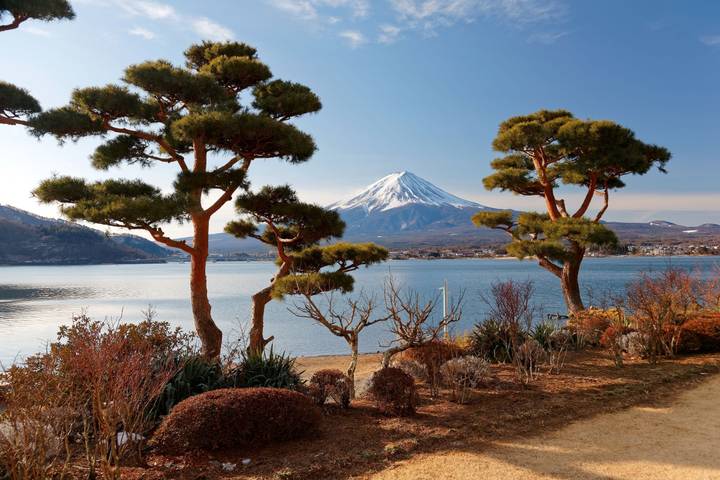
Mount Fuji, seen across Lake Kawaguchi, may be the grandest view on this 10-day Japan sampler. I like two things in particular: the route pairs famous sights with a Tsukiji market food walk, and you get a free day in Kyoto to slow down or follow your own interests.
The catch is that this is partly guided, not one group traveling together from start to finish. You make your own way to many meeting points, guides change by day, and past departures have had unclear instructions. Confirm the exact meeting details, hotel and group size before you go.
In This Review
- At a glance
- A Tokyo start, then the city’s best-known sights
- Mount Fuji and Nikko: two long days out of town
- Tsukiji’s food stalls, guided by local knowledge
- Kyoto by Shinkansen, then an evening in Gion
- Kyoto and Nara’s headline sights in one busy day
- Osaka’s castle, canal and neon signs
- What the price covers, and where extra costs appear
- Should you book this Japan route?
- FAQ
- Does the tour include airport transfers?
- Where does the tour start and end?
- Which train journeys are included?
- Are meals included?
- Can the Tsukiji food tour accommodate vegetarian or vegan diets?
- Which entrance fees are extra?
- Are the hotel names fixed?
At a glance
- Fuji views depend on the weather: Oishi Park, Chureito Pagoda and Oshino Hakkai are on the route, but cloud cover or traffic can change the day.
- Tokyo gets several angles: You visit major landmarks, then return for a Tsukiji food walk with four or five tastings.
- Nikko packs in nature and temples: Kegon Falls, Lake Chuzenji and ornate Toshogu Shrine make for a full day away from Tokyo.
- Kyoto has breathing room: A guided day takes in major sights, followed by a free day to explore at your own pace.
- Some transport is covered, some isn’t: The Tokyo to Kyoto Shinkansen and Kyoto to Osaka trains are included, but hotel-to-meeting-point travel is your responsibility.
- The group-size details need checking: The stated range is 1 to 50, while the operator describes its small-group tours as having up to 15 people. Ask what applies to your departure.
A Tokyo start, then the city’s best-known sights
Day 1 is deliberately light. You arrive in Tokyo, check in and get settled; an airport or port transfer is available for an extra charge. There’s no planned sightseeing, so it’s a useful buffer after a long flight. If you arrive early, you can explore near your hotel, but don’t count on a guide to help you get oriented that day.
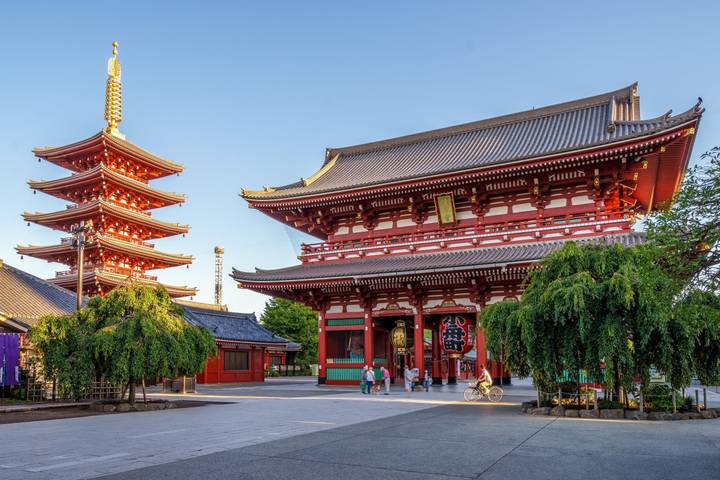
On Day 2, a walking tour starts near Tokyo Station. The Imperial Palace Gardens and Nijubashi Bridge introduce the city’s royal setting, then the route heads to Asakusa, where Nakamise-dori leads toward Senso-ji Temple. The street and temple offer a lively first look at old Tokyo, though the crowds can make a quiet visit unlikely.
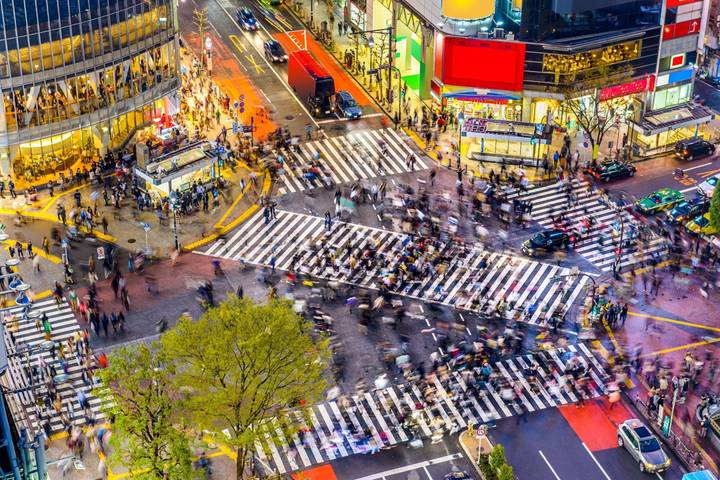
After free time for lunch, the tour moves to Meiji Jingu Shrine, Harajuku and Shibuya Crossing. That’s a broad sweep from wooded shrine grounds to youth fashion and one of Tokyo’s most famous intersections. A Tokyo Metro pass is included for this day, but you’ll still want to pay attention to where the group meets and how the day’s transport works.
A few more options to weigh up in Tokyo
- Tokyo Disney Resort – Tokyo Disneyland & Tokyo DisneySea Park Tickets
★ 4.8 · 99,488 reviews - SHIBUYA SKY Ticket
★ 4.7 · 46,509 reviews - JR Whole Japan Rail Pass
★ 4.8 · 29,150 reviews
Mount Fuji and Nikko: two long days out of town
Day 3 is a road trip to the Fuji area. Oishi Park gives you views across Lake Kawaguchi toward the mountain, while Arakurayama’s Chureito Pagoda offers the postcard composition many people come hoping to see. The view is weather-dependent, so keep expectations flexible: Fuji can hide behind cloud, and the 5th Station visit may be affected by conditions.
There’s time for lunch and souvenir shopping in Fujiyoshida, followed by Oshino Hakkai, a village known for clear ponds and traditional thatched houses. The stops offer different ways to appreciate the area, but the day involves a lot of driving. Traffic during holidays, weekends and peak season can push the return to Tokyo later than planned, and sites may be changed or dropped if conditions get in the way.
Day 4 takes you to Nikko, where nature and religious architecture share the bill. Kegon Falls is the headline, with Lake Chuzenji adding a quieter scenic stop. The visit to Toshogu Shrine brings carved details and elaborate decoration, while Shinkyo Bridge offers a quick photo stop.
Toshogu’s complex includes about 200 stone steps. You can skip that climb if it doesn’t suit you, and entry to the Kegon Falls viewing area is optional, with a separate ticket of about ¥600. The Toshogu Shrine entrance fee is included. Lunch is not, so bring money for a meal during the free time.
Tsukiji’s food stalls, guided by local knowledge
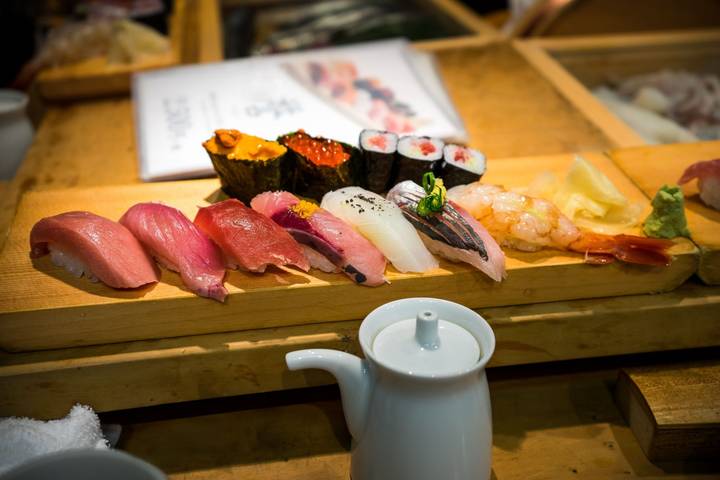
Day 5 is a change of pace from temples and long drives. The walk begins at Tsukiji Hongwan-ji Temple, where you can observe a purification ritual, then heads into the Tsukiji Outer Market. The guide takes you between vendors for four or five tastings, including seafood and savory meat, before the walk ends at Namiyoke Shrine, a guardian site associated with the market’s merchants.
This is one of the tour’s more grounded experiences: rather than only looking at landmarks, you get to taste what’s being sold and hear about the neighborhood. A past Tsukiji outing was led by Dai, who knew which vendors to visit; guides rotate, though, so you should not expect a particular person on your date.
There is an important dietary limitation. The food walk cannot accommodate vegan or vegetarian diets, and other requests, including gluten-free or pescatarian, are not guaranteed. Ask the operator before booking if food restrictions are central to your plans.
Kyoto by Shinkansen, then an evening in Gion
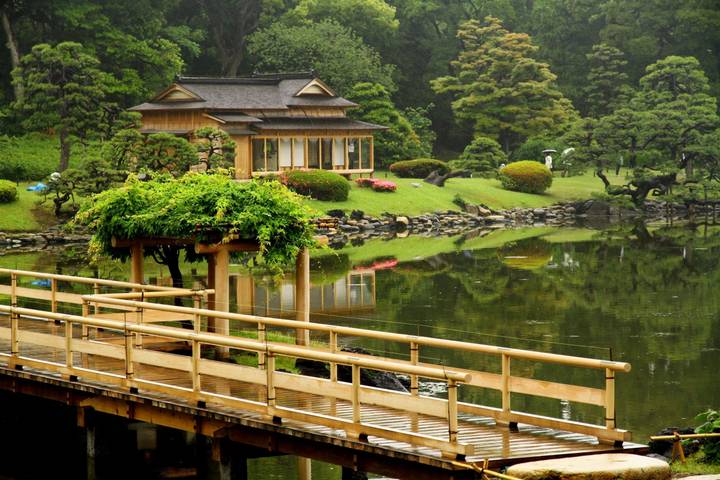
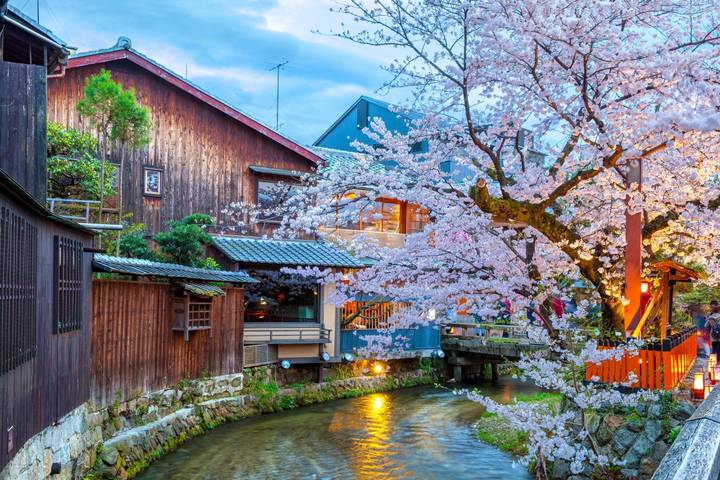
On Day 6, the included Shinkansen takes you from Tokyo to Kyoto. Once there, the evening walk visits Pontocho Alley, Gion, Yasaka Shrine and Hanamikoji Street. It’s a useful introduction to Kyoto’s traditional architecture and geisha district, with stops that put local performing arts and tea-house culture in context.
This is not a full-day Kyoto tour, but it gives you a first sense of the city before the next day’s packed schedule. Be aware that you are responsible for getting between your hotel and the train station or meeting points. The hotels are selected with meeting locations in mind, but that doesn’t mean transport is provided.
A completely different kind of day out:
- Mt Fuji and Hakone 1-Day Bus Tour Return by Bullet Train
★ 5.0 · 26,383 reviews - TOKYO SKYTREE® Ticket
★ 4.7 · 25,136 reviews - teamLab Borderless Tickets: MORI Building DIGITAL ART MUSEUM
★ 4.7 · 24,126 reviews - teamLab Planets TOKYO Ticket
★ 4.7 · 21,663 reviews
Kyoto and Nara’s headline sights in one busy day
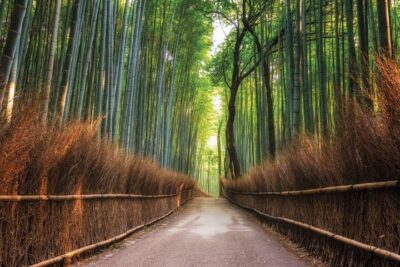
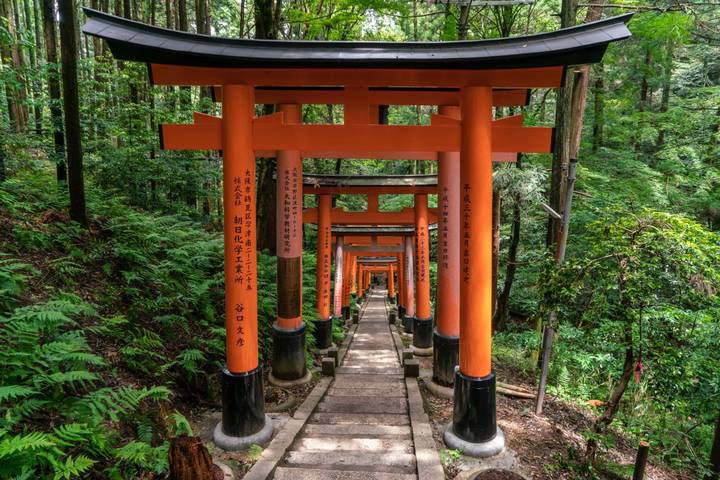
Day 7 includes Kinkaku-ji, the Golden Pavilion, followed by Arashiyama Bamboo Forest and Fushimi Inari Shrine. Each is worth seeing, but this is a lot of ground in one day. The bamboo grove can feel brief if it’s crowded, and Fushimi Inari’s torii gates continue up the mountain, so your walk may be only part of the full route.
After free time for lunch, the tour continues to Nara. Todai-ji Temple houses the Great Buddha, and Nara Park gives you time around the area’s Sika deer. Keep a close eye on snacks or papers if you have them in hand; the deer are accustomed to people and can be persistent around food.
Some Kyoto and Nara entrance fees are not included. The listed estimate is about ¥1,300 per person, so budget a little extra for admissions. The tour returns to Kyoto for the night. Because a past departure had conflicting information about Nara transport, confirm the precise arrangements and meeting instructions before you set off.
Day 8 is free in Kyoto, and it may be the most valuable day for anyone who wants to balance this fast itinerary with some independence. You could visit Nishiki Market or book a matcha-making class, both listed as optional activities, or simply choose your own stops. These activities aren’t included, so check details and costs before making plans.
Osaka’s castle, canal and neon signs
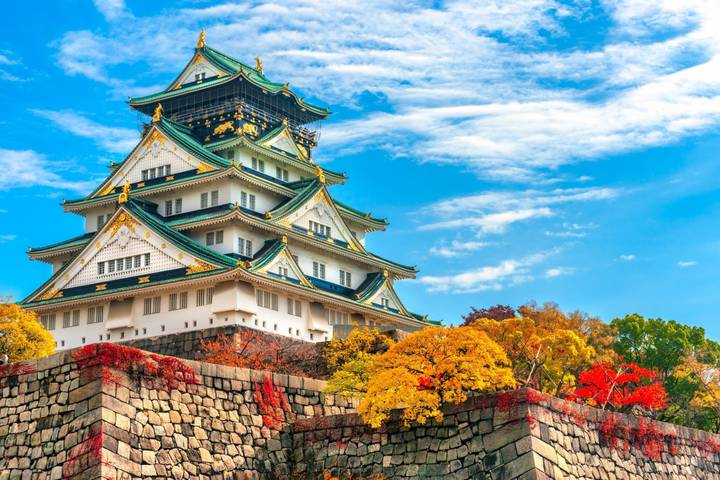
On Day 9, you take the train to Osaka to see Osaka Castle, then have free time for lunch and independent exploring. Later, the route heads to Dotonbori, known for its bright signs and canal-side atmosphere, with a stop for photos of the Glico Man and a look at Hozenji Temple.
A past Osaka outing was led by Daniel, but the guide changes by day and the name is no guarantee. The Kyoto to Osaka train travel is included; the tour recommends buying an Osaka Metro pass before the day. The itinerary then returns you to Kyoto by train for your final night.
Day 10 is departure from Kyoto. Optional transfers can be arranged to Osaka or Kobe port or Kansai Airport, and a train to Tokyo city center is another option. These services cost extra. If you’re flying from Kyoto, check your onward route and allow time to reach the airport; the tour itself ends in Kyoto.
What the price covers, and where extra costs appear
The starting price is $1,758, based on the cheapest room option. Your final price depends on hotel category and availability. Tokyo choices range from three-star to five-star, while Kyoto choices listed are three- and four-star. The package includes accommodation, selected guided outings, the Tokyo Metro pass for Day 2, the Tokyo to Kyoto Shinkansen, Kyoto to Osaka trains, and the Tsukiji food tastings.
That bundle can be good value if you want a prearranged route through several major destinations without planning every train and hotel yourself. But it is not an all-inclusive holiday. Flights, travel insurance, airport transfers, gratuities, hotel-to-station travel, most lunches and some entry fees are extra. Train tickets are non-refundable, so confirm your plans before relying on them.
The operator’s guides change each day, with local specialists leading different excursions. That can mean more focused commentary, but it also means you shouldn’t expect a single guide to handle questions across the whole trip. Some day tours may be run by partner companies, and the group you meet can change from one outing to the next.
The package is described as low intensity, but it still includes full sightseeing days, walking, stairs and transfers between stops. The stated group range is 1 to 50; the operator also says small-group tours can have up to 15 people. Get the expected group size in writing, especially if a smaller group is a key reason you’re booking.
Should you book this Japan route?
I’d consider this tour if you want a first look at Japan’s classic route and value having hotels, several guides and key intercity trains arranged. The Fuji day, Tsukiji tastings and free Kyoto day add welcome variety to a schedule full of major sights.
I’d hesitate if you want one consistent guide, door-to-door transport or a fully escorted group. Before paying, ask for the confirmed hotel names, the meeting point and contact details for each day, the group size, and the exact Nara transport plan. If those answers are clear and you’re comfortable handling local connections yourself, this is a convenient way to cover Tokyo, Fuji, Nikko, Kyoto, Nara and Osaka in ten days.
FAQ
Does the tour include airport transfers?
No. Airport and port transfers are optional extras. The tour information gives typical estimates of $20 to $40 per person for a shared transfer and $150 to $200 per person for a private one, with the exact price depending on the airport and arrangement.
Where does the tour start and end?
It starts in Tokyo and ends in Kyoto. Optional departure transfers are available to Osaka or Kobe port and Kansai Airport, and a train to Tokyo city center is another listed option.
Which train journeys are included?
The Tokyo to Kyoto Shinkansen and the Kyoto to Osaka and return train journeys are included. The Tokyo Metro pass is included for the Tokyo sightseeing day. Hotel-to-station and hotel-to-meeting-point transport is not included.
Are meals included?
The package includes four or five traditional food tastings during the Tsukiji Outer Market walk. Lunches are generally free time and are not included.
Can the Tsukiji food tour accommodate vegetarian or vegan diets?
No. The tour cannot accommodate vegan or vegetarian dietary restrictions. It may try to meet other needs, such as gluten-free or pescatarian, but cannot guarantee that.
Which entrance fees are extra?
Nikko Toshogu Shrine entry is included. The Kegon Falls viewing entry is optional and costs about ¥600, while Kyoto and Nara entrance fees are estimated at about ¥1,300 per person.
Are the hotel names fixed?
No. The Tokyo and Kyoto hotels depend on the hotel category selected and availability for your dates. The listed options range from three-star to five-star in Tokyo and three-star to four-star in Kyoto.
Just added in Tokyo
- Fish Market & Tokyo Skyline Private Walking Tour★ 5.0 · 14 reviews
- Mt. Fuji & Hakone Cherry Blossom private One Day Tour★ 4.5 · 35 reviews
- 25-Min Downtown Helicopter Tour : Tokyo Skytree and Tokyo Tower★ 5.0 · 19 reviews
- Private Tour with a Local Guide – Learn about daily life in Japan★ 5.0 · 22 reviews
- Tokyo: 3-Hour Bike/E-Bike Tour of the City’s Highlights★ 5.0 · 209 reviews
- Official Japan Go-Kart Through Tokyo Bay / Ginza (IDP Required)★ 4.5 · 71 reviews
- 30-Min Tokyo Central Private Heli Tour– Asakusa, Skytree, Shibuya★ 5.0 · 13 reviews
- Tokyo 2-Hour Genuine Samurai Experience: Kendo in Japan★ 5.0 · 112 reviews
Multi-Day Tours That Visit Nikko, compared.


Tokyo to Osaka by Rail – Private Tour (14 Days) with Explore!
Read our review →
14 Days Japan Panoramic (Private 3 Star Hotels) by Stunning Tours
Read our review →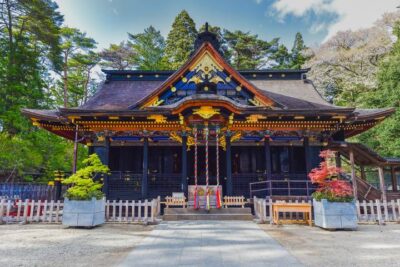
Magical and Dreamy Japan 14-Day Tour by Europamundo
Read our review →
Central Japan by Europamundo – 9-Day Tour from Tokyo
Read our review →
Japanese Scenes and Mount Fuji 19-Day Tour by Europamundo
Read our review →