
Reviewed · MULTI-DAY TOURS THAT VISIT FUSHIMI INARI
13 Day Central Japan Cherry Blossom Festival by UME Travel: Itinerary & Reviews
Japan’s spring show unfolds across several regions on this 13-day trip, from Tokyo’s city parks to Kyoto’s temple paths and the island shrine at Miyajima. You’ll also get a day of Mt. Fuji views, a ride on the Hakone Pirate Ship and stops in Kanazawa, Nara, Hiroshima and Osaka.
I like two things in particular: the useful mix of guided outings and free time, and the way the route pairs major sights with distinctive local places, such as Kanazawa’s samurai quarter and Fushimi’s sake museum. The included trains and airport transfers also take some of the strain out of moving between cities.
One consideration: cherry blossoms are seasonal, not scheduled. The tour runs year-round, and even a spring departure cannot promise peak bloom. The itinerary also covers a lot of ground, with a long day around Fuji and Hakone and several changes of hotel.
In This Review
- What to know before you book
- A spring route from Tokyo to Osaka
- Tokyo parks, shrines and breathing room
- Fuji and Hakone: ropeways, springs and a long day out
- Kanazawa’s gardens and samurai streets
- Kyoto’s bamboo paths and temple gardens
- Hiroshima and Miyajima: remembrance and a shrine by the sea
- Osaka’s open day and the final transfer
- Hotels, meals and the tour’s overall pace
- Should you book this Japan tour?
- FAQ
- Is this tour available outside cherry blossom season?
- When is cherry blossom season in the regions on this route?
- Where does the tour start and finish?
- Are international flights included?
- Which meals are included?
- Is the tour fully guided?
- What type of accommodation is included?
What to know before you book
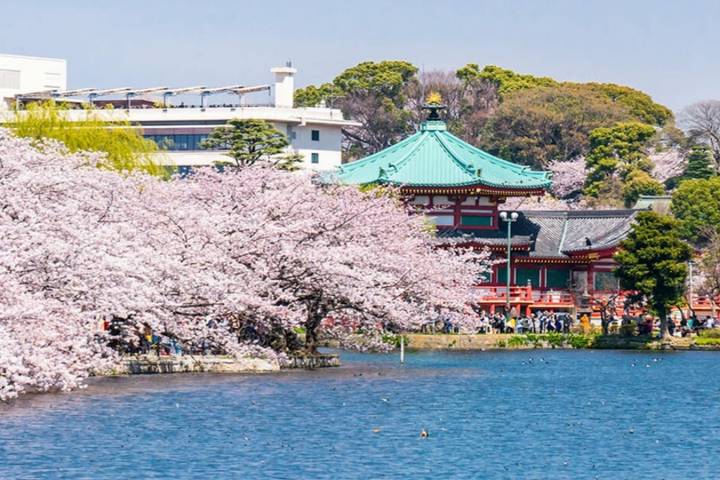
- Cherry blossom dates vary by region: The listed guide is late March to mid-April for Honshu, with Kansai usually late March to early April and Central Japan early to mid-April.
- Tokyo gets two free days: You can visit Meiji Jingu, Shinjuku Gyoen or Ueno Park at your own pace.
- Fuji views depend on the weather: The ropeways, Lake Ashi cruise and Mishima Skywalk offer several chances for scenery, but clear views are not guaranteed.
- The train connections are part of the plan: The tour includes the Shinkansen journeys between Tokyo, Kanazawa, Kyoto, Hiroshima and Osaka.
- Guiding is selective: This is a private tour with English-speaking local guides on scheduled excursions, not a guide-led group outing every day.
- The price covers more than hotels: Breakfast, listed transport, selected activities and airport transfers are included; international flights and optional extras are not.
A spring route from Tokyo to Osaka
The appeal here is variety. In less than two weeks, you move from Tokyo’s parks and shrines to Fuji country, Kanazawa’s old districts, Kyoto’s temples, Nara’s deer park, Hiroshima’s memorial sites and Osaka’s food and shopping streets.
That breadth is also the trade-off. You change bases several times, and some days involve multiple trains or long excursions. If you like having the main transport and sightseeing framework arranged, that can be a fair exchange for the pace. If you prefer two or three nights in each place with no early starts, this itinerary may feel busy.
The tour is advertised from $5,580. Its value depends on what you would otherwise arrange yourself: 12 nights in 3-star hotels, 12 breakfasts, the listed internal trains and cruises, private airport transfers, selected guided sightseeing and several major rides are included. International airfare, lunches and dinners, and optional activities are extra. A single supplement applies if you do not share a room.
A few more options to weigh up in Tokyo
- Tokyo Disney Resort – Tokyo Disneyland & Tokyo DisneySea Park Tickets
★ 4.8 · 99,488 reviews - SHIBUYA SKY Ticket
★ 4.7 · 46,509 reviews - JR Whole Japan Rail Pass
★ 4.8 · 29,150 reviews
Tokyo parks, shrines and breathing room
A driver meets you at Tokyo airport and takes you to the hotel by private car. That is a welcome start after a long flight, especially if you are not ready to work out the local transport system with luggage in hand. The first day is otherwise open for rest and getting oriented.
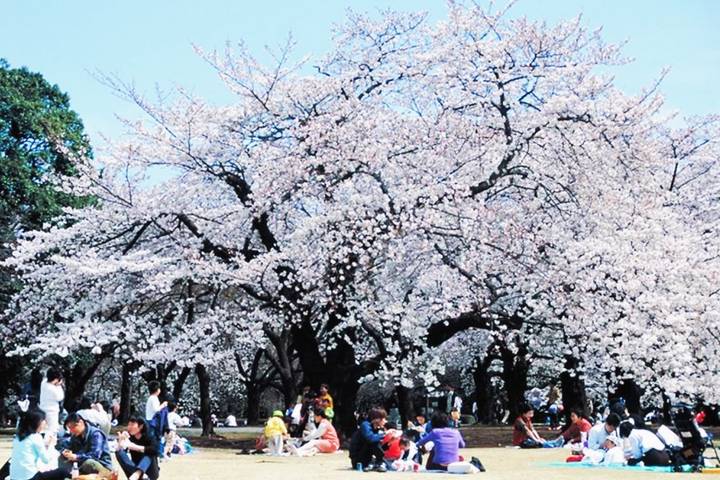
The next day is also free, with breakfast included. Meiji Jingu offers a wooded setting around a shrine dedicated to Emperor Meiji and Empress Shoken. Shinjuku Gyoen is a large garden with spring cherry blossoms, while Ueno Park combines blossoms with a zoo and several museums. You have enough choice to shape the day around your energy level.
These are not guided visits on the free day, so you set your own pace and handle local transport. That independence is useful in Tokyo, where you may want time for a particular museum, neighborhood or meal. It also means you should plan ahead if you have a must-see attraction.
Fuji and Hakone: ropeways, springs and a long day out
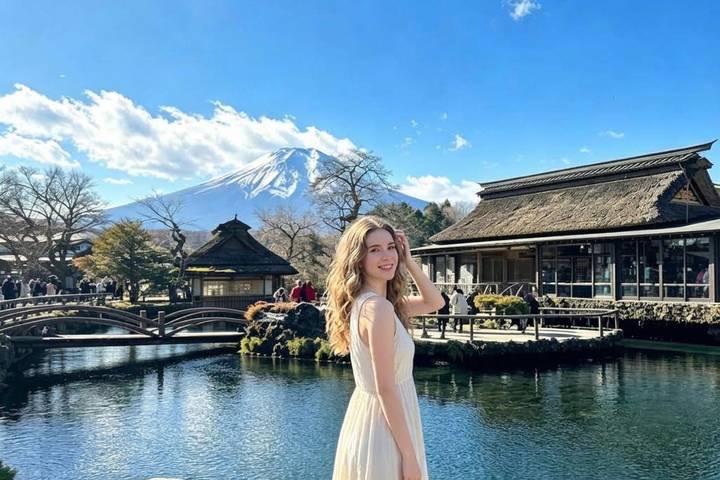
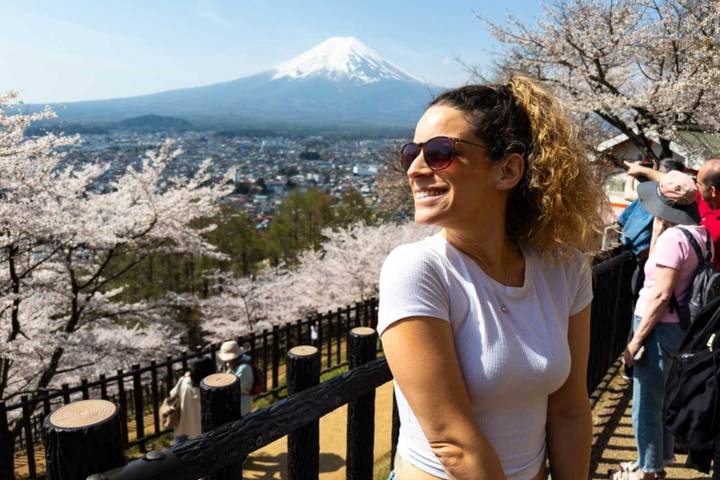
On the Fuji excursion, the Mt. Fuji Panoramic Ropeway climbs to Kawaguchiko Tenjozan Park, where observation points look over Lake Kawaguchi and, on a clear day, toward the mountain. The trip also visits Oshino Hakkai, a village known for eight clear springs fed by water filtered through old lava layers. An optional sightseeing boat on Lake Kawaguchi is available at extra cost.
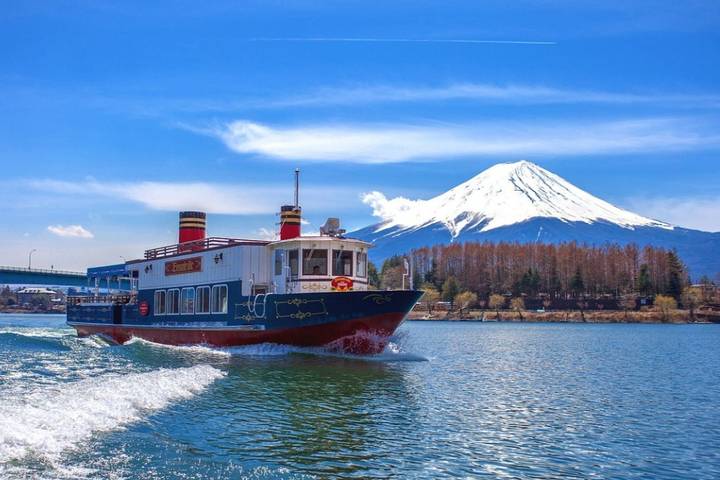
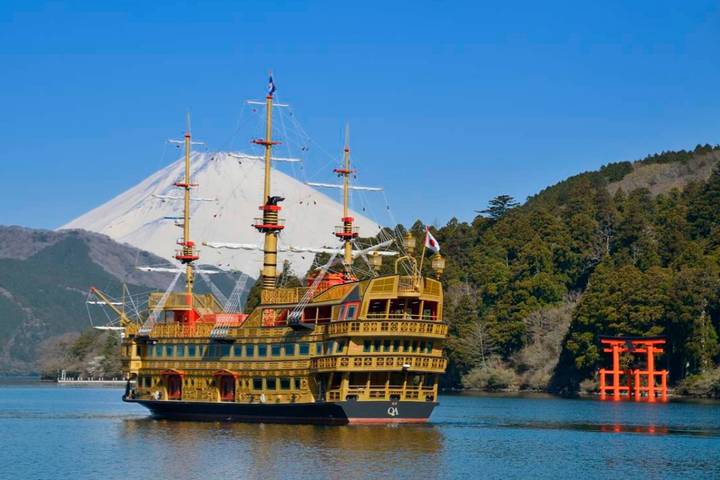
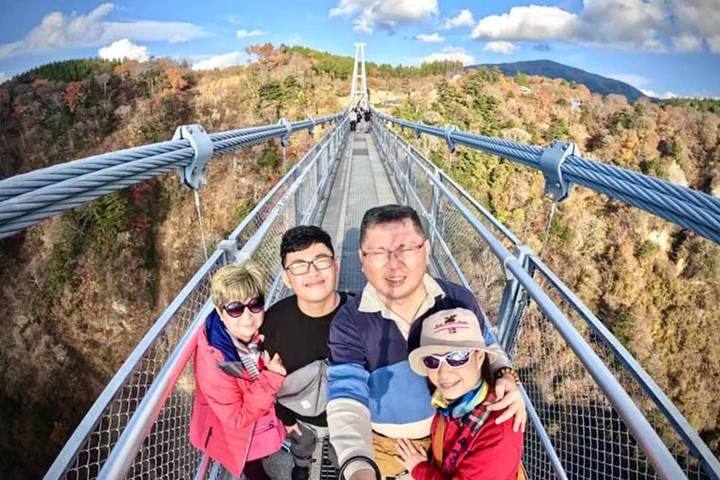
The following day takes you through Hakone. You cruise Lake Ashi on the Hakone Pirate Ship, then take the Hakone Ropeway toward Owakudani, a volcanic area with steam vents and sulfur smells. The last stop is Mishima Skywalk, a 400-meter suspension bridge with views toward Mt. Fuji and Suruga Bay when conditions allow.
I like that these days offer different ways to see the region: from the water, above the hills and on foot. But they are ambitious outings, and the weather can make or break the Fuji views. Dress for changing conditions and keep expectations flexible. The itinerary lists a night in the Fuji area after Day 3, followed by a return to Tokyo after Hakone, so ask the operator to confirm the exact hotel sequence before you book.
Kanazawa’s gardens and samurai streets
The Shinkansen carries you from Tokyo to Kanazawa in about three hours. On arrival, you make your own way to the hotel near the station and check in. The next day introduces the city’s former role as the seat of the Maeda Clan, a powerful feudal family.
Kenrokuen is the major garden visit, while Kanazawa Castle helps put the city’s political past in view. Higashi Chaya preserves traditional teahouse architecture, and Nagamachi’s samurai district offers a different feel, with historic residences and narrow streets. Together, these stops make Kanazawa more than a quick rail stop between Tokyo and Kyoto.
You have free time to explore by taxi or public transport, which is handy if you want to linger. The schedule then sends you to Kyoto by way of Tsuruga, with a change between trains. The listed journey times are about 45 minutes to Tsuruga and 52 minutes onward to Kyoto, plus time for the connection. Keep your luggage manageable and follow the station signs carefully.
A completely different kind of day out:
- Mt Fuji and Hakone 1-Day Bus Tour Return by Bullet Train
★ 5.0 · 26,383 reviews - TOKYO SKYTREE® Ticket
★ 4.7 · 25,136 reviews - teamLab Borderless Tickets: MORI Building DIGITAL ART MUSEUM
★ 4.7 · 24,126 reviews - teamLab Planets TOKYO Ticket
★ 4.7 · 21,663 reviews
Kyoto’s bamboo paths and temple gardens
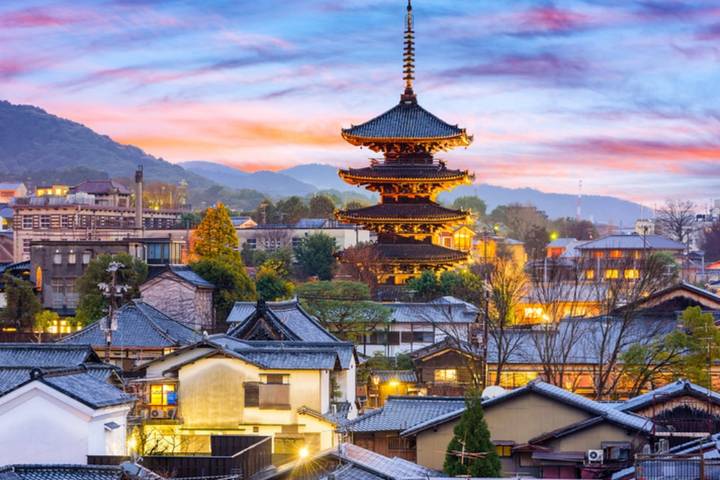
Kyoto’s Arashiyama outing packs a lot into half a day. You visit Tenryuji Temple and its gardens, ride the Sagano Scenic Railway beside the Hozugawa River, walk through the Sagano Bamboo Forest and see Togetsukyo Bridge. Okochi-Sanso Villa adds a quieter stop, with traditional residential architecture and a teahouse.
Arashiyama is popular, so the bamboo path may feel crowded, especially at busy times. The train ride and garden visit help balance the famous photo stop with a slower look at the area. If you enjoy scenery, this is one of the itinerary’s strongest combinations.
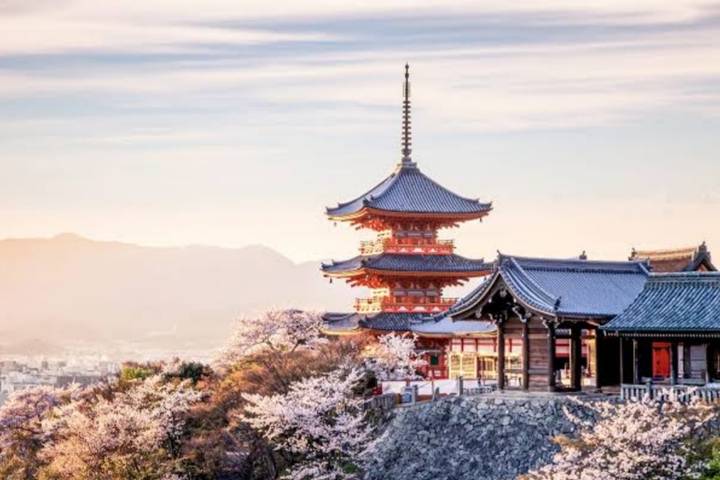
Another day links Fushimi Inari Shrine with Nara. At Fushimi Inari, thousands of vermilion torii gates mark trails up wooded Mount Inari. You can take a short walk through the gates or continue farther uphill, depending on time and energy. The Gekkeikan Okura Sake Museum adds local context, with a tasting included in the visit.
In Nara Park, deer roam freely, and Todaiji Temple houses the Great Buddha. Deer crackers are sold in the park, but the animals may become pushy when they expect food. Keep food put away until you are ready to feed them, and do not tease them with a cracker.
Some Kyoto highlights, including Kiyomizu-dera, Yasaka Shrine and Hanamikoji Dori, are mentioned in the schedule around the transfer day. Since that day is also described as free time, confirm which visits are guided or included before departure. That small clarification will help you plan your Kyoto days without relying on assumptions.
Hiroshima and Miyajima: remembrance and a shrine by the sea
A guided train trip takes you from Kyoto to Hiroshima. The Atomic Bomb Dome, Peace Memorial Park and Peace Memorial Museum make this a serious, emotionally demanding day. The museum uses photographs, objects and other exhibits to explain the effects of the bombing, and it also addresses Japan’s wartime actions in Asia.
Give yourself time to absorb the material. This is not simply another sightseeing stop, and the museum may be difficult for some visitors. The Peace Memorial Park provides space to walk and reflect after the exhibits.
The next day, you travel with a guide to Miyajima, known for Itsukushima Shrine and its iconic torii gate, which appears to float at high tide. Wild deer also roam the island. Unlike in Nara, you must not feed them. After the visit, the trip continues by train and public transport to Osaka.
Osaka’s open day and the final transfer
You have a free day in Osaka to choose your own pace. Kuromon Market is an option for browsing food stalls, while Osaka Castle Park offers a change of scene. Dotonbori and Shinsaibashi suit an evening of lights, shopping and people-watching; the Hep Five Ferris Wheel is another option for city views.
This open day is valuable after a string of scheduled excursions. You can keep it simple, or use it to follow up on something you missed earlier in the trip. The final morning includes a private car transfer to Kansai International Airport.
Hotels, meals and the tour’s overall pace
The listed hotels are 3-star properties in Tokyo, the Fuji area, Kanazawa, Kyoto, Hiroshima and Osaka. Breakfast is included each morning, but the tour does not list included lunches or dinners. That gives you room to choose meals, though it means budgeting separately and planning around dietary needs. The operator notes that strict dietary requirements, particularly vegan diets, may be hard to accommodate at every meal.
The tour is described as low intensity, but that does not mean no walking. Shrines, gardens, station transfers and city sightseeing all involve time on your feet. The exact amount varies by day, especially around Fushimi Inari, Arashiyama and Nara.
The private format suits families or friends who want to travel together, while selected guides provide local help during scheduled outings. You will still have independent time and will sometimes make your own way between the station and hotel. English-speaking local guides are included, but no individual guide names are provided.
Should you book this Japan tour?
Book it if you want a broad first look at central Japan, value included train travel and airport transfers, and like having guides for key outings without being escorted every hour. The combination of Tokyo, Fuji, Kanazawa, Kyoto, Nara, Hiroshima, Miyajima and Osaka gives you a substantial introduction to the country.
Think twice if you want a slow trip, need a guaranteed cherry blossom peak, or prefer every meal and sightseeing hour to be arranged. Before paying, confirm the hotel-night sequence and exactly which Kyoto visits are guided or included. For a well-planned route with room to explore on your own, those details are worth settling.
FAQ
Is this tour available outside cherry blossom season?
Yes. Departures are offered year-round. Cherry blossoms are seasonal, so a non-spring departure will not have the same blossom focus.
When is cherry blossom season in the regions on this route?
The listed timing is late March to early April in Kansai, late March to early April in Kanto, and early to mid-April in Central Japan. Honshu’s broader season is listed as late March to mid-April.
Where does the tour start and finish?
It starts in Tokyo and ends in Osaka, with a private transfer to Kansai International Airport on departure day.
Are international flights included?
No. International flights are not included in the tour price.
Which meals are included?
The tour includes 12 breakfasts. Lunches and dinners are not listed as included.
Is the tour fully guided?
No. It is described as a private, partially guided tour with English-speaking local guides on selected excursions and free time for independent exploration.
What type of accommodation is included?
The tour includes 3-star hotels. Accommodation is based on two people sharing a room; a single supplement applies if you do not share.
Just added in Tokyo
- Mt. Fuji & Hakone Cherry Blossom private One Day Tour★ 4.5 · 35 reviews
- Fish Market & Tokyo Skyline Private Walking Tour★ 5.0 · 14 reviews
- 25-Min Downtown Helicopter Tour : Tokyo Skytree and Tokyo Tower★ 5.0 · 19 reviews
- Private Tour with a Local Guide – Learn about daily life in Japan★ 5.0 · 22 reviews
- Tokyo: 3-Hour Bike/E-Bike Tour of the City’s Highlights★ 5.0 · 209 reviews
- 30-Min Tokyo Central Private Heli Tour– Asakusa, Skytree, Shibuya★ 5.0 · 13 reviews
- Tokyo 2-Hour Genuine Samurai Experience: Kendo in Japan★ 5.0 · 112 reviews
- Official Japan Go-Kart Through Tokyo Bay / Ginza (IDP Required)★ 4.5 · 71 reviews
Multi-Day Tours That Visit Fushimi Inari, compared.


Essential Japan GO by Europamundo – 7-Day Tokyo to Osaka Tour
Read our review →
Wonders of Japan End Osaka (including Fukuyama) 12-Day Tour by Europamundo
Read our review →
Wonders of Japan End Osaka by Europamundo – 12-Day Tour
Read our review →
Discover Japan by G Adventures – 14-Day Tour from Tokyo
Read our review →
Contrasts of Japan GO by Europamundo – 9-Day Tokyo to Hiroshima Tour
Read our review →
Contrasts of Japan (including Shizuoka) 9-Day Tour by Europamundo
Read our review →
Contrasts of Japan by Europamundo – 9-Day Tokyo to Hiroshima Tour
Read our review →Browse the lists this tour appears in