
Reviewed · MULTI-DAY TOURS THAT VISIT OSHINO
13 Day Spectacular Japan’s Honshu by UME Travel – Reviews & Prices
Mount Fuji, ancient shrines, bullet trains and a sober visit to Hiroshima: this 13-day route gives you a broad look at Honshu without asking you to plan every transfer yourself. It starts in Tokyo and ends in Osaka, linking major cultural stops with mountain scenery and time to explore independently.
I like the mix of guided sightseeing and free time: a local guide helps bring Kanazawa, Kyoto, Nara and Hiroshima into focus, while open days let you choose your own pace. I also like that the itinerary includes several kinds of transport, from a Lake Ashi cruise and ropeway to Shinkansen rides, so the journeys become part of the trip.
The main consideration is pace. You change hotels several times, and some days combine long-distance travel with sightseeing. The tour is described as low intensity, but you will still need to manage your own bags and hotel transfers on some travel days, and the guides do not accompany you throughout the whole trip.
In This Review
- At a glance
- A broad route, with breathing room built in
- Tokyo to Mount Fuji: city time, cycling and clear-water springs
- Kanazawa: gardens, samurai streets and teahouse lanes
- Kyoto and Nara: bamboo, torii gates and a giant Buddha
- Hiroshima and Miyajima: remembrance, then an island shrine
- Osaka and the practical shape of the trip
- Who should book this Japan tour?
- FAQ
- Where does the tour start and end?
- How long is the tour?
- Are international flights included?
- What meals are included?
- Is the tour fully guided?
- What transport is included?
- What kind of accommodation is provided?
- Is the tour physically demanding?
At a glance
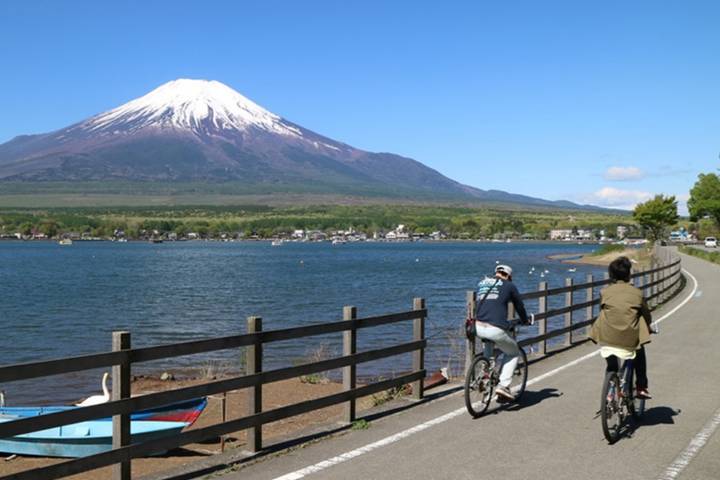
- Fuji country by bike: Cycle around Lake Kawaguchi, with planned stops at shrines, viewpoints and the spring-water village of Oshino Hakkai.
- Hakone by boat and ropeway: Cruise Lake Ashi, visit the steaming volcanic area of Owakudani and cross the 400-meter Mishima Skywalk.
- Kanazawa’s defining sights: Visit Kenrokuen Garden, Kanazawa Castle, Omicho Market and the Higashi Chaya district with an English-speaking guide.
- Kyoto and Nara in two chapters: See Arashiyama’s bamboo grove and Tenryuji Temple, then visit Fushimi Inari, a sake museum and Todaiji Temple.
- A meaningful Hiroshima visit: The Atomic Bomb Dome, Peace Memorial Park and museum provide context for a day that calls for time and attention.
- A partly guided structure: Hotels, breakfast and intercity transport are included, but several days are free or require you to get to the hotel or meeting point yourself.
A broad route, with breathing room built in
The itinerary moves from Tokyo to Fuji country, then north to Kanazawa before turning south through Kyoto, Hiroshima and Osaka. That gives you a useful cross-section of Japan: modern city life, mountain views, gardens, temples, traditional districts and postwar history.
The structure is partly guided rather than escorted from morning to night. You have an English-speaking guide on selected excursions, but free days and some station-to-hotel connections are yours to manage. That arrangement suits people who like support for complex sightseeing but do not want every hour programmed.
The tour has a reported average rating of 4.9 out of 5 from nine ratings, with especially high marks for itinerary, transport, guides, accommodation and food. Treat the score as a helpful signal, not a promise that every stop will run exactly as planned. One account described missing the Tenjozan Park viewpoint and Oshino Hakkai on the Fuji day, a reminder to confirm the day’s priorities with your guide.
A few more options to weigh up in Tokyo
- Tokyo Disney Resort – Tokyo Disneyland & Tokyo DisneySea Park Tickets
★ 4.8 · 99,488 reviews - SHIBUYA SKY Ticket
★ 4.7 · 46,509 reviews - JR Whole Japan Rail Pass
★ 4.8 · 29,150 reviews
Tokyo to Mount Fuji: city time, cycling and clear-water springs
Your first day is designed to ease the arrival. A driver meets you at Tokyo’s airport and takes you to the hotel by private car. The second day is free, with breakfast included. You could use it to get your bearings, visit Meiji Jingu Shrine and Ueno Park, or simply recover from the flight. Those two named sights are among the tour’s highlights, but the day itself is not a guided city tour.
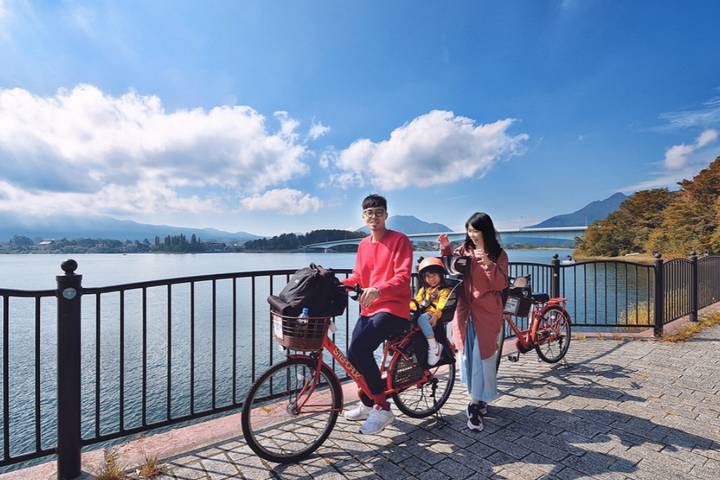
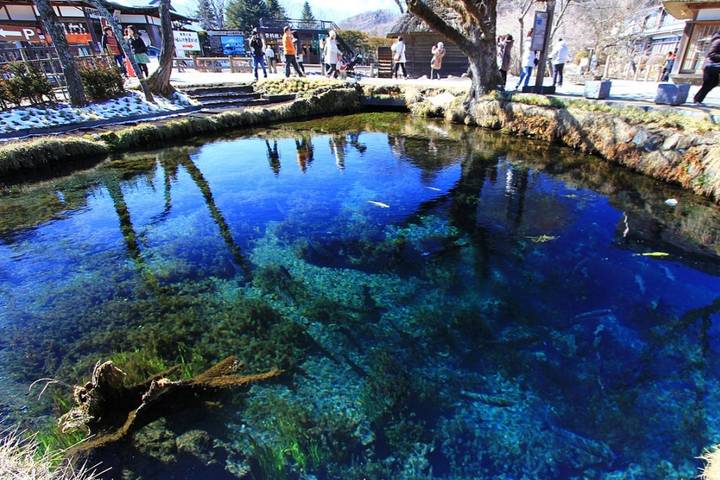
On day three, you travel to the Lake Kawaguchi area for a cycling and sightseeing excursion. The route includes Lake Kawaguchi, Fuji Omuro Sengen Shrine and Kawaguchi Sengen Shrine, along with a visit to Oshino Hakkai and its eight clear spring sources. The springs are fed by water filtered through hardened lava from Mount Fuji, which gives this small village a natural and cultural interest beyond the usual mountain viewpoint.
Kawaguchiko Tenjozan Park is another important stop, with observation decks reached by the Fuji Panoramic Ropeway. Views depend on weather, so do not treat a Fuji sighting as guaranteed. The schedule also lists the ropeway as an included activity and as optional in another section, so check your final travel documents to confirm exactly what is covered.
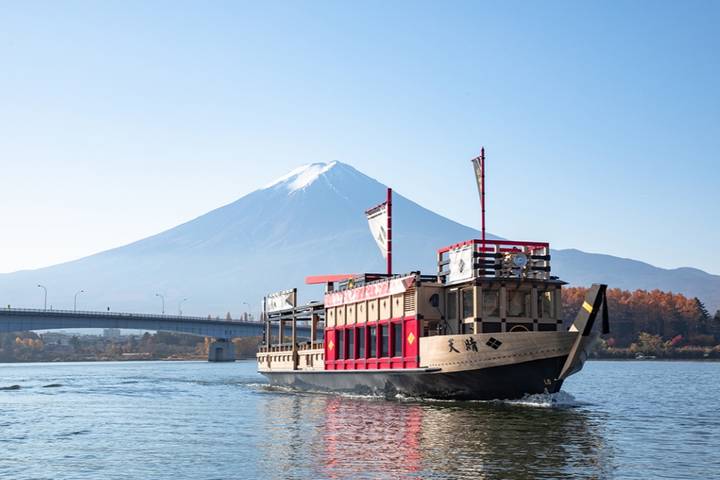
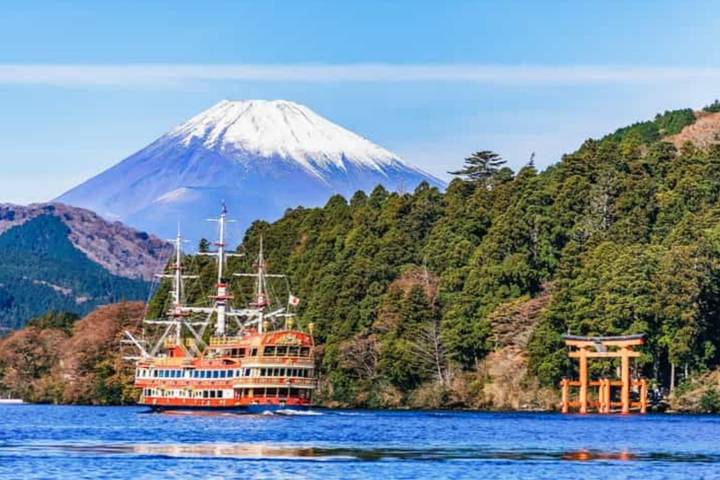
You stay near Fuji for one night. Day four shifts to Hakone, where a cruise on Lake Ashi and a ride on the Hakone Ropeway lead to Owakudani. This volcanic area still releases steam and sulfurous air. The local black eggs are a famous purchase, but the claim that they extend life belongs to local lore, not medical advice.
The day continues to Mishima Skywalk, a 400-meter suspension bridge with views toward Mount Fuji and Suruga Bay when conditions allow. You then return to Tokyo for the night. It is a scenic, varied day, though the number of stops and the return journey make it one of the fuller stretches of the trip.
Kanazawa: gardens, samurai streets and teahouse lanes
A Shinkansen ride takes you from Tokyo to Kanazawa in about three hours. The hotel is close to the station, but you make your own way there after arrival. That is a small but useful detail: included rail travel does not mean a guide handles every arrival.
The next day is a full guided tour of central Kanazawa, generally around eight hours. Meet your English-speaking host at the station information center at the time selected when booking. The route covers Oyama Shrine, Kanazawa Castle, Kenrokuen Garden, Omicho Market and Higashi Chaya District, with the guide able to tailor some of the day to your interests.
Kenrokuen is the natural centerpiece. It is one of Japan’s best-known gardens, where paths, water and carefully shaped plantings reward a slow walk rather than a quick photo stop. Kanazawa Castle adds context about the city’s former samurai power, while Higashi Chaya’s traditional teahouse streets offer a different kind of history. Omicho Market is a practical place to see local food culture, though meals and drinks are not included on this guided day.
The following day is partly open. You can use the morning and early afternoon for more Kanazawa, then take trains via Tsuruga to Kyoto. The connection is short, about five to ten minutes, so keep your bags and ticket details in order. Kiyomizu-dera, Yasaka Shrine and Hanamikoji Dori are listed as possible independent stops, not as a guided excursion included with the tour.
Kyoto and Nara: bamboo, torii gates and a giant Buddha
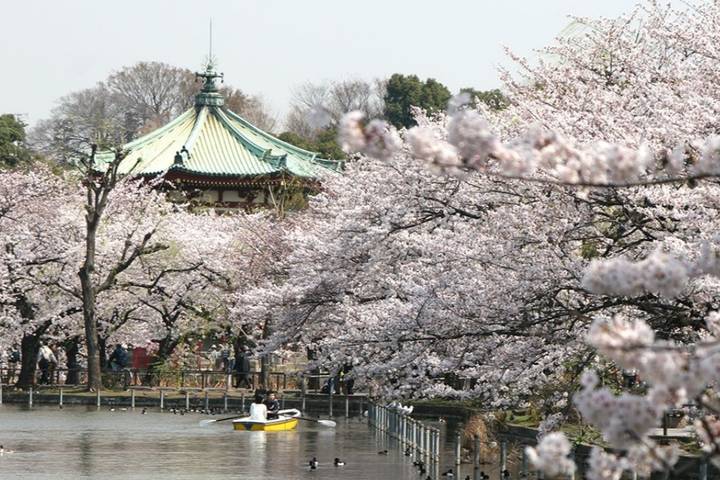
Arashiyama gets a half-day, which is enough to see its signature sights but not enough to linger everywhere. The planned visits include Tenryuji Temple and its garden, the Sagano Scenic Railway beside the Hozugawa River, the bamboo grove and Togetsukyo Bridge. Okochi-Sanso, a villa with traditional architecture and a teahouse, adds a quieter stop to a route otherwise known for popular sights.
The train ride gives you a change of pace from temple paths and city streets. You can also explore Arashiyama by bike, but cycling is presented as an alternative rather than a guaranteed part of the guided walk. If the bamboo grove is high on your list, go with the expectation of a well-known attraction rather than solitude.
The next day combines Fushimi Inari Shrine, the Gekkeikan Okura Sake Museum and Nara. Fushimi Inari’s thousands of red torii gates line wooded trails on Mount Inari. You can walk only part of the route or continue farther uphill, depending on time and energy. At the sake museum, learn about Fushimi’s brewing tradition and sample sake; the tasting is included in the listed activities.
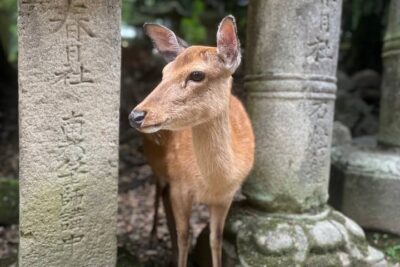
In Nara Park, deer roam freely, and deer crackers are sold nearby. They are accustomed to people, but can become pushy if they expect food, so keep snacks tucked away and do not tease them. Todaiji Temple, founded in 752, houses the Great Buddha Hall and makes a fitting final stop. It is a day with plenty to see, so comfortable shoes and a willingness to keep moving will help.
A completely different kind of day out:
- Mt Fuji and Hakone 1-Day Bus Tour Return by Bullet Train
★ 5.0 · 26,383 reviews - TOKYO SKYTREE® Ticket
★ 4.7 · 25,136 reviews - teamLab Borderless Tickets: MORI Building DIGITAL ART MUSEUM
★ 4.7 · 24,126 reviews - teamLab Planets TOKYO Ticket
★ 4.7 · 21,663 reviews
Hiroshima and Miyajima: remembrance, then an island shrine
The train ride from Kyoto to Hiroshima is paired with a guided visit to the Atomic Bomb Dome, Peace Memorial Park and Peace Memorial Museum. The park’s lawns, trees and paths create space for reflection, while the museum uses photographs, models, artwork and recovered objects to explain the human consequences of the bombing. It also addresses Japan’s military actions in Asia, giving the history a broader frame.
This is not a stop to rush through. The subject matter is difficult, and the museum can be emotionally demanding. Allow yourself time to read and pause rather than treating it as another box to tick.
The following day, travel with a guide by train and public transportation to Miyajima. Itsukushima Shrine is known for its torii gate, which appears to float when the tide is high. The island’s deer wander among visitors, but unlike Nara’s deer, they must not be fed. After the visit, you continue by Shinkansen to Osaka.
Osaka and the practical shape of the trip
You have a free day in Osaka before a private car takes you to Kansai International Airport on departure day. The suggested options range from Kuromon Market and Osaka Castle Park to Dotonbori, Shinsaibashi and the Hep Five Ferris Wheel. They offer different ways to spend the day, from food and shopping to a city view, but none is listed as a guided activity.
The accommodation is in three-star hotels, generally chosen for access to transport and nearby restaurants. Breakfast is included each morning, for a total of 12 breakfasts. Lunches and dinners are mostly your responsibility, which gives you freedom to choose local places but means you should budget for meals beyond breakfast.
The listed starting price is $5,280, based on the cheapest room and two people sharing. International flights are not included, and solo room occupancy carries a single supplement. For the price, you are paying for 12 nights of hotels, airport transfers at the start and end, internal trains, selected guided excursions, some entrance fees and breakfast. You are also buying relief from planning a complicated multi-city route.
Value depends on how much independent help you want. If you are comfortable using public transport and arranging meals, the free days are an advantage. If you expect a guide and driver beside you every day, this package may feel less all-inclusive than the price suggests. The tour’s own description calls it partly guided, and that is the right expectation to carry.
One practical point is dietary needs. The operator says options can be limited in Japan, especially for vegans, and strict requirements may not be met at every meal. Since most meals are not included, you can choose where to eat, but it is wise to ask the operator about your needs before booking.
Who should book this Japan tour?
I would consider this tour if you want to cover several major regions of Honshu in under two weeks and value having the long-distance transport and key guided days arranged. It is especially suited to couples, families or friends who want a private tour framework but still like some independent time.
It is less suitable if you want a slow stay in each city, a guide every day or a food-focused package with most meals included. The route is busy, even if the sightseeing days are not all strenuous. Before booking, confirm the Fuji day’s exact stops and what is included with the ropeway, then make sure the partly guided format matches the support you want.
FAQ
Where does the tour start and end?
It starts in Tokyo and ends in Osaka. A private car transfer is provided from the Tokyo airport to the hotel and from the Osaka hotel to Kansai International Airport.
How long is the tour?
The tour lasts 13 days and includes 12 nights of accommodation.
Are international flights included?
No. International flights are not included in the tour price.
What meals are included?
Breakfast is included each day, for a total of 12 breakfasts. Most lunches and dinners are not included.
Is the tour fully guided?
No. It is partly guided, with English-speaking guides on selected sightseeing days. Some days are free, and you make your own way to the hotel after certain train journeys.
What transport is included?
The tour includes the listed internal train journeys, cruises and transfers, including Shinkansen travel, the Lake Ashi cruise and private airport transfers. Some local travel is by public transport.
What kind of accommodation is provided?
The tour uses three-star hotels. Room prices are based on two people sharing, and a single supplement applies if you do not share a room.
Is the tour physically demanding?
It is rated low intensity, with light physical activity. Expect walking at temples, gardens and city sights, plus a cycling excursion around Lake Kawaguchi.
Just added in Tokyo
- Mt. Fuji & Hakone Cherry Blossom private One Day Tour★ 4.5 · 35 reviews
- Fish Market & Tokyo Skyline Private Walking Tour★ 5.0 · 14 reviews
- 25-Min Downtown Helicopter Tour : Tokyo Skytree and Tokyo Tower★ 5.0 · 19 reviews
- Private Tour with a Local Guide – Learn about daily life in Japan★ 5.0 · 22 reviews
- Tokyo: 3-Hour Bike/E-Bike Tour of the City’s Highlights★ 5.0 · 209 reviews
- Official Japan Go-Kart Through Tokyo Bay / Ginza (IDP Required)★ 4.5 · 71 reviews
- 30-Min Tokyo Central Private Heli Tour– Asakusa, Skytree, Shibuya★ 5.0 · 13 reviews
- Tokyo 2-Hour Genuine Samurai Experience: Kendo in Japan★ 5.0 · 112 reviews
Multi-Day Tours That Visit Oshino, compared.
13-Day Japan Tour: Tokyo, Mount Fuji, Kyoto, Nara, Osaka & Beyond by The Dragon Trip
Read our review →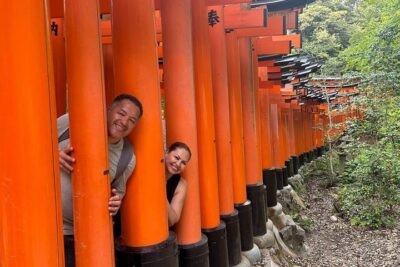
Best of Japan: Tokyo to Osaka by Odynovo – 9-Day Tour
Read our review →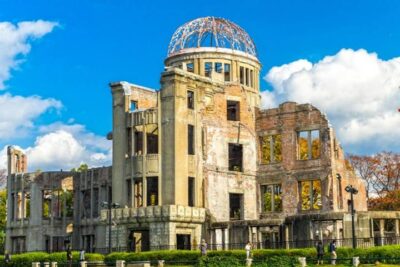
10 Days Japan Delight with Hiroshima (Private Guide No Group) by UME Travel
Read our review →
Splendours of Japan (Hiroshima, Takayama Festival) by Trafalgar – 13-Day Tour
Read our review →
Splendours of Japan by Trafalgar – 9-Day Tokyo to Kyoto Tour
Read our review →
10-Day Private Japan Family Tour with Kids by UME Travel – Tokyo to Osaka
Read our review →
9 Days All Inclusive Japan Classics (Private Guide and Driver) by UME Travel
Read our review →Browse the lists this tour appears in