
Reviewed · 7-DAY EXPERIENCES
7 Days Japan Culture & Food Family Tour by UME Travel – Tokyo to Osaka: Itinerary & Reviews
Tokyo’s department-store food halls, Mount Fuji’s lake country, Kyoto’s shrine paths, and Osaka’s market stalls all fit into one week on this small-group tour from Tokyo to Osaka. The route is a strong introduction to Japan if you want cultural landmarks and local food stops without arranging every transfer yourself.
I like two things in particular: the mix of big-name sights and everyday food culture, from Senso-ji to Kuromon Market, and the practical structure, with hotels, breakfasts, a guide, local transportation, and the bullet train handled for you. The group is limited to 2 to 10 people, which should feel more personal than a large coach trip.
The tradeoff is pace. Seven days cover five destinations, and Day 4 packs Tokyo stops before the train to Osaka. You’ll see a lot, but you won’t have time to explore every neighborhood or museum at leisure.
- Tokyo starts with both shrine calm and street life: Meiji Jingu, the Imperial Palace East Gardens, Senso-ji, and Nakamise-dori make a full day.
- Mount Fuji is a weather-dependent highlight: Kawaguchiko Tenjozan Park and Oshino Hakkai offer views and spring-water scenery, but Fuji itself may be clouded over.
- Food is part of the route, not an all-inclusive tasting plan: Tsukiji and Kuromon are ideal places to sample local specialties, but meals beyond the included breakfasts may cost extra.
- The Shinkansen saves a long transfer day: Tokyo to Osaka takes about 2.5 hours by bullet train.
- Kyoto and Nara share one busy day: Fushimi Inari, Nara Park, Todai-ji, and live mochi-pounding make a memorable sequence, but not a slow one.
- The price includes useful logistics: From $3,180, the package includes six hotel nights, breakfast, a guide, transportation, and specified admissions. International flights are extra.
In This Review
- A fast, food-minded introduction to Japan
- Day 1: A gentle landing in Tokyo
- Day 2: Tokyo’s shrine paths and old-town lanes
- Day 3: Fuji views, Lake Kawaguchi, and Oshino Hakkai
- Day 4: Tokyo markets, skyline, and the Shinkansen
- Day 5: Kyoto’s torii gates, Nara’s deer, and fresh mochi
- Day 6: Osaka market flavors, castle grounds, and city views
- What the $3,180 starting price covers
- A smooth structure, with one point to check
- Should you book this Japan tour?
- FAQ
- Where does the tour start and end?
- How many nights of accommodation are included?
- Which hotels are listed?
- Are meals included?
- Is the tour guided in English?
- How large is the group?
- Are international flights included?
A fast, food-minded introduction to Japan
This tour is built for a first visit: Tokyo’s major sights, a Fuji-area excursion, Kyoto and Nara, then Osaka. It doesn’t attempt to show you all of Japan. Instead, it connects several signature places and leaves the fine-grained choices, such as which snack to try at a market, to you.
The food angle is appealing, but it’s worth setting expectations. You’ll visit two important markets and get a chance to try sushi, seafood, and other Japanese specialties. The itinerary includes breakfast, but it does not list a full set of lunches and dinners. Plan to budget separately for many meals and snacks.
The strongest practical advantage is that the tour takes care of the complicated links between cities. You have a private airport pickup on arrival, a Shinkansen ride to Osaka, and an airport transfer at the end. An English-speaking local guide is included, though your arrival-day driver is described as having basic English only.
Day 1: A gentle landing in Tokyo
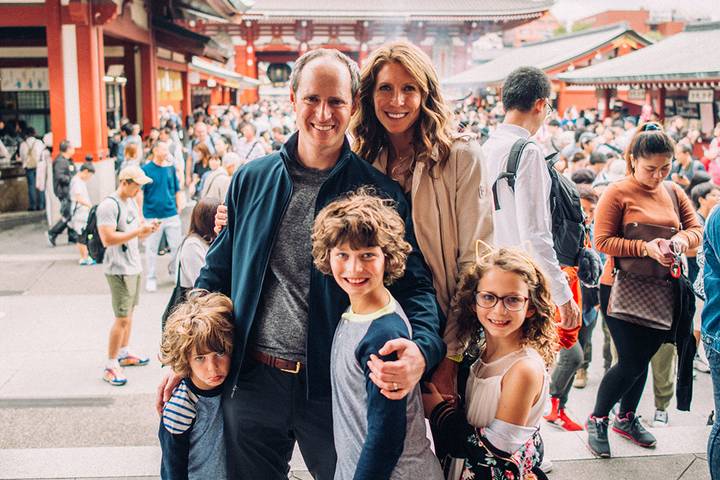
A private driver meets you in the airport arrival hall and takes you to Hotel East 21 Tokyo or a similar four-star hotel. After the flight and transfer, the rest of the day is open, a welcome chance to rest or take a first walk without trying to keep up with a group schedule.
For an easy first meal, the tour’s advice is sound: look beyond the most obvious tourist restaurants and consider a department-store food basement, known as a depachika, or a standing sushi bar. A gyudon bowl or conveyor-belt sushi can also be a budget-friendly introduction. Food on this first day is not listed as included.
Get mobile data or portable Wi-Fi sorted before you start navigating. Google Maps is useful for trains and walking, but smaller stations may have signs only in Japanese. And on public transport, keep your phone calls and snacks for later; queueing neatly is part of the local rhythm.
A few more options to weigh up in Tokyo
- Tokyo Disney Resort – Tokyo Disneyland & Tokyo DisneySea Park Tickets
★ 4.8 · 99,488 reviews - SHIBUYA SKY Ticket
★ 4.7 · 46,509 reviews - JR Whole Japan Rail Pass
★ 4.8 · 29,150 reviews
Day 2: Tokyo’s shrine paths and old-town lanes
Meiji Jingu is a quiet opening to the day. Dedicated to Emperor Meiji and Empress Shoken, the shrine sits within forested grounds that offer a striking pause from the city around it. Going early should help you appreciate the calm before the day’s sightseeing gathers pace.
Next comes the Imperial Palace and its East Gardens. The palace is the Emperor’s official residence, while the gardens give you room to walk and a look at the site’s formal grounds. Lunch is at your own choice nearby, or you can make it a picnic.
In the afternoon, Senso-ji brings you into a busier, more commercial side of Tokyo. Enter through Kaminarimon Gate, follow Nakamise-dori past its shops and snack stalls, then visit the main hall and five-story pagoda. This is a useful contrast to Meiji Jingu: both are important religious sites, but the approach and atmosphere are quite different.
Breakfast is included; lunch is not specified as included. If you want time to browse Nakamise-dori rather than hurry through it, keep an eye on the day’s schedule and ask your guide how long the stop allows.
Day 3: Fuji views, Lake Kawaguchi, and Oshino Hakkai
The route heads to the Fuji Five Lakes area, beginning at Kawaguchiko Tenjozan Park. You take a cable car up the mountain to observation points looking toward Mount Fuji and the town below. On a clear day, this is one of the trip’s best chances for a broad view of the famous peak.
There is an important caveat: Fuji views depend on the weather. Cloud cover can hide the mountain, so enjoy the cable-car ride and lake scenery for their own sake rather than treating a clear view as guaranteed.
Lake Kawaguchi is a resort area with hot springs, museums, and other activities. A sightseeing boat, the Appare, and the Mount Fuji Panoramic Ropeway are listed as optional activities, so confirm any extra costs and available time before you go. The cable-car access to Tenjozan Park is included in the day’s listed activities.
Oshino Hakkai offers a different kind of stop. Its eight clear springs are fed by water filtering through layers of hardened lava. The village setting and the springs make a quieter counterpoint to Tokyo, though this is still a day with several stops rather than an extended stay in the countryside.
Day 4: Tokyo markets, skyline, and the Shinkansen
This is the tour’s most tightly packed day. It starts at Tsukiji Fish Market, a seafood center where you can see the market atmosphere and buy sushi or another snack. Treat the food as a purchase unless your final tour documents confirm otherwise.
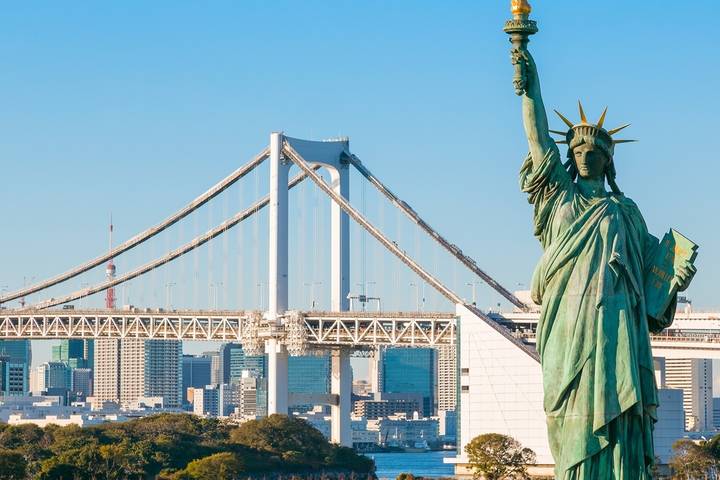
Odaiba Seaside Park follows, with views of Tokyo Bay, Rainbow Bridge, and a replica Statue of Liberty. It’s a good place for photographs, but the stop is more about the view than an in-depth cultural visit.
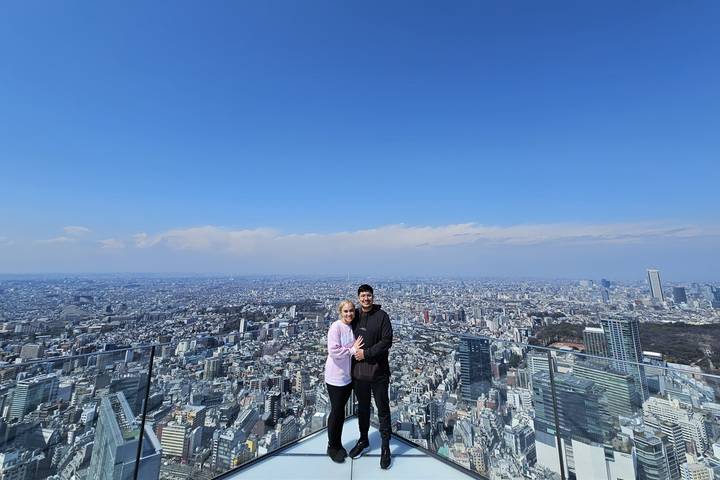
Later, Shibuya Sky gives you a high outlook over the city, followed by a stop at the Hachiko statue near Shibuya Station. Then you board the Shinkansen for Osaka. The train ride takes about 2.5 hours and is a comfortable way to cover the distance, but the sequence means you’ll want to keep bags and departure timing in mind.
Your Osaka hotel is Moxy Osaka Honmachi or a similar four-star property. The itinerary makes this transfer day work, but it leaves little room for an unplanned Tokyo detour. If you have a particular Tokyo neighborhood in mind, consider arriving a day early.
A completely different kind of day out:
- Mt Fuji and Hakone 1-Day Bus Tour Return by Bullet Train
★ 5.0 · 26,383 reviews - TOKYO SKYTREE® Ticket
★ 4.7 · 25,136 reviews - teamLab Borderless Tickets: MORI Building DIGITAL ART MUSEUM
★ 4.7 · 24,126 reviews - teamLab Planets TOKYO Ticket
★ 4.7 · 21,663 reviews
Day 5: Kyoto’s torii gates, Nara’s deer, and fresh mochi
Fushimi Inari Taisha is among Japan’s best-known shrine complexes, with a history dating to the eighth century and a central role among the many Inari shrines across the country. Its rows of red torii gates are the memorable sight, but the scale of the grounds means you may need to choose how far you walk. Ask your guide about the planned visit length.
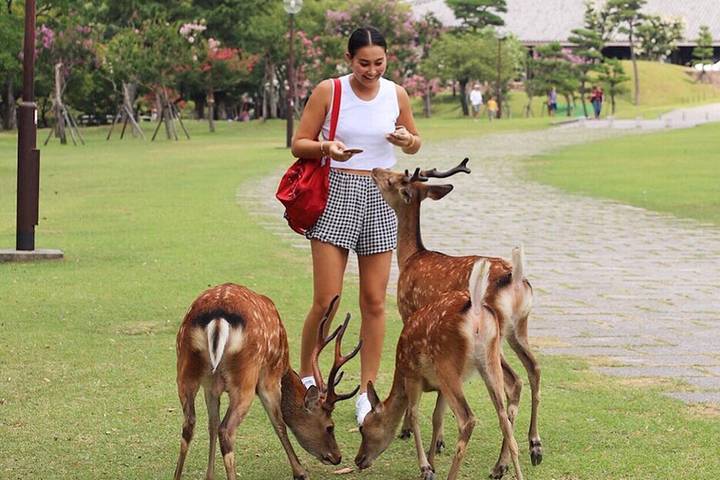
From Kyoto, the day continues to Nara Park, where more than 1,200 deer roam freely. The deer are a signature part of the visit, but remember they are animals, not props. Keep your attention on your surroundings and follow local guidance.
Todai-ji is the other major Nara stop. The World Heritage temple is one of Japan’s Seven Great Temples, and its scale makes it more than a quick photo stop. The final treat is Nakatanidou, where you can watch mochi-pounding, the traditional process of pounding rice into a chewy rice cake. The demonstration adds a food-craft element that suits the tour’s theme.
This day has a lot of ground to cover, with two cities and several major stops. It’s a fine sampler, but if Kyoto is your main reason for visiting Japan, you may prefer a longer stay there.
Day 6: Osaka market flavors, castle grounds, and city views
Kuromon Ichiba Market is the day’s food centerpiece. The Minami market is known for seafood and Japanese delicacies, as well as sweets and cakes. It’s a good place to pick what looks appealing and sample at your own pace, but allow room in your food budget for purchases.
Osaka Castle Park brings the itinerary back to history. You’ll see the castle and learn about the shogunate period, then visit the Osaka Museum of History for a wider account of the city, from its early role as Japan’s first capital through to modern times. The museum gives context that a castle visit alone might not provide.
The day ends at the Umeda Sky Building, a modern landmark with an observation deck and broad city views. This final stop neatly sets old Osaka beside the contemporary city. If you’re tired, it is worth asking your guide how the day’s timing works, since the market, castle, museum, and tower make a full schedule.
What the $3,180 starting price covers
The price starts at $3,180, with the cheapest room as the stated price basis. Accommodation is based on two people sharing; a single supplement applies if you want a room to yourself. The listed hotels are Hotel East 21 Tokyo for the first three nights and Moxy Osaka Honmachi for the last three, or similar four-star hotels.
The package includes breakfast, an English-speaking local guide, listed transportation, the Tokyo-to-Osaka Shinkansen, airport transfers, specified admissions, and basic insurance. International flights are not included. Lunches and dinners are not consistently listed, so don’t assume the package pays for all the food you’ll want to try.
For a week with several hotel nights and intercity transport, the price can make sense if you value having the route organized and a guide with you. It’s less compelling if you prefer to travel independently, linger in one city, or choose every meal and activity yourself. Ask UME Travel to confirm exactly which admissions and optional Fuji-area activities are included in your final plan.
Vegetarian, vegan, and halal food options can be requested. The tour is described as low intensity, but you’ll still spend days moving among multiple sights. It runs year-round, has groups of 2 to 10, and welcomes all ages.
A smooth structure, with one point to check
The tour’s key strength is its organization: one traveler described the schedule as clear and the journey as well coordinated, with a patient, approachable guide. That matters on a route where you change cities and cover several major sights in quick succession.
There is also a useful caution. One traveler wanted more detailed local recommendations from the guide. If food tips and neighborhood advice matter to you, ask before booking how much time the guide spends offering those suggestions, and whether arrival-day guiding can be added. The arrival pickup includes a driver with basic English; an English-speaking guide and driver can be arranged at extra cost for that service.
Accommodation received a lower rating than the tour’s other categories, so keep your expectations practical. The hotels are described as four-star, centrally located, and selected for service and transport access, but room standards and comfort are personal matters. Confirm the exact hotel and room arrangement before you pay the balance.
Should you book this Japan tour?
I’d consider this tour if you want a compact first trip, would rather have the logistics handled, and like the idea of balancing shrines and temples with markets and local food. The small group size, guide, hotel breakfasts, and bullet-train transfer add real convenience, especially if you’re traveling with family or don’t want to plan each connection yourself.
I’d look elsewhere, or add extra nights, if you want a slower pace or several days in Kyoto, Tokyo, or Osaka. Before booking, check the current hotel names, what admissions are covered, and whether Fuji-area extras cost more. Also budget for lunches, dinners, market snacks, and international flights. With those details clear, this is a practical sampler of central Japan, not a complete tour of the country.
FAQ
Where does the tour start and end?
It starts in Tokyo and ends in Osaka. The arrival transfer is from the airport to your Tokyo hotel, and the final transfer is to Kansai International Airport, or KIX.
How many nights of accommodation are included?
The tour includes six nights: three in Tokyo and three in Osaka. Rooms are based on two people sharing, with a single supplement for a traveler not sharing.
Which hotels are listed?
The Tokyo hotel is Hotel East 21 Tokyo, part of Okura Hotels & Resorts, or a similar hotel. In Osaka, the listed hotel is Moxy Osaka Honmachi, part of Marriott Group, or similar.
Are meals included?
Breakfast is included at the hotels. The itinerary does not list all lunches and dinners as included, so plan to pay for additional meals and market food.
Is the tour guided in English?
Yes. The tour includes an English-speaking local guide. The arrival-day airport pickup is described as a local driver with basic English; an English-speaking guide and driver can be arranged for an additional cost.
How large is the group?
The stated group size is 2 to 10 people. The tour is described as a group tour and is open to all ages.
Are international flights included?
No. International flights are not included. The package includes the stated internal transportation, including the Shinkansen journey from Tokyo to Osaka.
Just added in Tokyo
- Wonders Of Japan 10-Day Tour by Travel Talk★ 4.5 · 14 reviews
- Wonders of Japan end Tokyo GO 15-Day Tour by Europamundo★ 4.2 · 10 reviews
- Wonders of Japan end Tokyo 15-Day Tour by Europamundo★ 4.2 · 10 reviews
- Wonders of Japan End Osaka by Europamundo – 12-Day Tour★ 4.2 · 58 reviews
- Wonders of Japan End Osaka (including Fukuyama) 12-Day Tour by Europamundo★ 4.2 · 58 reviews
- Wonders of Japan End Osaka GO by Europamundo – 12-Day Tour★ 4.2 · 58 reviews
- Walk Japan – Kumano Kodo Trail 12-Day Tour by Explore!★ 4.7 · 20 reviews
- Visions of Japan with Hiroshima & Osaka 15-Day Tour by Globus★ 5.0 · 75 reviews
7-Day Experiences, compared.


Essential Japan GO by Europamundo – 7-Day Tokyo to Osaka Tour
Read our review →
Tokyo, Kyoto and Hiroshima end Tokyo by Europamundo – 7-Day Tour
Read our review →
Tokyo, Kyoto and Hiroshima end Tokyo GO 7-Day Tour by Europamundo
Read our review →
Tokyo, Kyoto and Hiroshima 7-Day Tour by Europamundo
Read our review →
Tokyo, Kyoto and Hiroshima GO by Europamundo – 7-Day Tour
Read our review →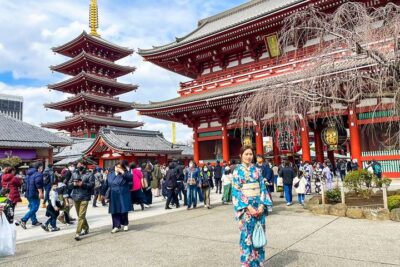
7-Day Best Japan Mini Group Tour with 3/4 Stars Hotels by Agate Travel
Read our review →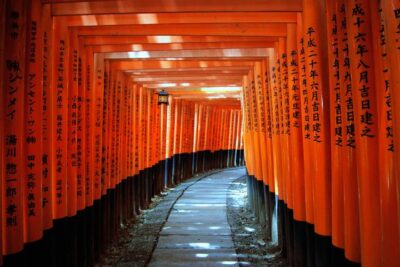
Browse the lists this tour appears in