
Reviewed · 7-DAY EXPERIENCES
7 Days Japan’s Cultural & Thrilling Family Adventures by UME Travel Review
Tokyo’s old temple lanes, a ride over Rainbow Bridge and Nara’s free-roaming deer make for a family trip with very different faces of Japan. The route links Tokyo, Kyoto, Nara and Osaka in one week, using a bullet train between the first two cities and guided visits at key stops.
I like two things here: the mix of hands-on fun and traditional culture, from Joypolis to a tea ceremony, and the airport transfers and selected guiding, which take some of the strain out of a fast-moving family holiday. The main consideration is pace: several days are full, and some meals and Osaka attractions are extra.
In This Review
- The highlights at a glance
- What this seven-day route is really like
- Day 1: A private pickup eases you into Tokyo
- Day 2: Senso-ji, snacks and a scenic ride to Odaiba
- Day 3: Shrine forest, Harajuku style and Akihabara play
- Day 4: Shinkansen to Kyoto, then tea and market browsing
- Day 5: Fushimi Inari and Nara’s deer and temples
- Day 6: Osaka Castle, city history and an optional dinner with a twist
- Day 7: Private transfer to Kansai International Airport
- What the $3,490 starting price covers
- Who should book this Japan family tour?
- FAQ
- How long is the tour, and where does it start and end?
- What is the group size?
- Is the tour fully guided?
- Which hotels are included?
- Are meals included?
- Are international flights included?
- How long is the Shinkansen ride from Tokyo to Kyoto?
- Is the Umeda Sky Building visit included?
- How much does dinner at Zaou Fishing Restaurant cost?
The highlights at a glance
- Senso-ji and Asakusa snacks: Visit a 1,400-year-old temple, then try local bites such as tempura and ningyoyaki.
- Tokyo Bay by water and rail: Cruise on the Tokyo Mizube Line, then ride the driverless Yurikamome over Rainbow Bridge toward Odaiba.
- A quieter Tokyo interlude: Walk the wooded grounds of Meiji Jingu before the fashion shops of Harajuku and the city views at Roppongi Hills.
- Tea, kimono and market tastes: Learn matcha preparation in Kyoto, then browse Nishiki Market’s food stalls and specialty shops.
- Nara’s deer and great temples: See the vermilion gates of Fushimi Inari, Nara Park, Todaiji and Kasuga Taisha.
- A compact small-group format: The group size is 2 to 10, and English-speaking guides are included for selected outings.
What this seven-day route is really like
This is a city-and-culture tour with a family-friendly streak, not a slow retreat. You’ll cover four major destinations in seven days, with popular sights, food stops and a few playful activities designed to keep younger travelers interested. The daily mix is useful for families with varied tastes, but you should expect early starts and plenty of time on your feet.
The tour is described as partially guided. That means you get help for selected activities and transfers, while not every hour is led by a guide. Group size is small, and the day in Osaka specifically includes a private English-speaking guide using local buses or the metro. Private airport transfers are also included.
A few more options to weigh up in Tokyo
- Tokyo Disney Resort – Tokyo Disneyland & Tokyo DisneySea Park Tickets
★ 4.8 · 99,488 reviews - SHIBUYA SKY Ticket
★ 4.7 · 46,509 reviews - JR Whole Japan Rail Pass
★ 4.8 · 29,150 reviews
Day 1: A private pickup eases you into Tokyo
After your flight, a driver meets you in the arrival hall and takes you by private car to OMO5 Tokyo Gotanda by Hoshino Resorts, or a similar hotel. That direct ride is a practical welcome after a long journey, especially if you’re managing children, luggage or jet lag.
The first evening is open for settling in. Don’t plan a major sightseeing push after arrival. Use the time to rest, get familiar with the hotel area and prepare for a full day out. The listed accommodation is a four-star property, with breakfast included.
Day 2: Senso-ji, snacks and a scenic ride to Odaiba
Begin at Senso-ji, Tokyo’s oldest temple and a landmark of Asakusa. The temple’s history gives the morning a strong cultural anchor, while the surrounding streets make the visit accessible and lively. Allow time to look around rather than treating it as a quick photo stop.
The Asakusa food walk introduces traditional snacks, including tempura and ningyoyaki. Many small snack shops accept cash only, so carry some yen. The food experience is a welcome change from a day spent only looking at buildings, though the listed meals include breakfast, not a full lunch.
From Asakusa, the Tokyo Mizube Line water bus gives you a different view of the city. The cruise takes in sights such as Tokyo Skytree, Tsukiji Bridge and Rainbow Bridge, and can be completed in under an hour. Then you’ll explore Odaiba Marine Park, where the bay views make a good pause before the next ride.
The Yurikamome automated train crosses Rainbow Bridge and offers another view over Tokyo Bay. Its unusual, driverless feel is part of the fun for children, while adults get a chance to see how the city connects its waterfront districts. The day ends at Tokyo Joypolis, an indoor entertainment complex with 21 rides and attractions across three floors. Bilingual instructions are available for each game, which helps if your family has different levels of Japanese.
This is one of the tour’s most varied days. It combines a temple, street food, boat, train and amusement center, but that also makes it a long sequence of stops. If your family needs more unstructured time, be ready to choose where to linger.
Day 3: Shrine forest, Harajuku style and Akihabara play
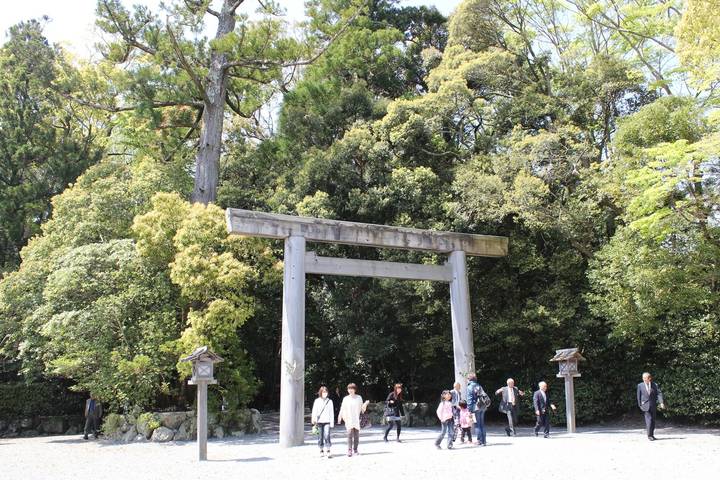
Meiji Jingu offers a quieter start. Its forested grounds sit beside busy Harajuku Station, a striking contrast in a city where the pace can change from one block to the next. The broad walking paths are a chance to slow down before heading into the shops and street style of Harajuku.
Later, Roppongi Hills’ Tokyo City View observatory brings the city into focus from above. From the 52nd floor and rooftop, you can look for landmarks including Tokyo Tower, Tokyo Skytree and Odaiba. The views help make sense of Tokyo’s scale, though the observatory visit is most worthwhile if the weather is clear.
Akihabara shifts the mood again, with shops devoted to electronics, anime and manga. The Ninja Cafe offers a chance to try basic ninja moves such as shuriken and blowgun practice, along with themed food. Nearby, Akihabara Gachapon Hall is filled with capsule toy machines. It’s a small activity, but one that can turn into a longer stop if children get drawn into the hunt for a particular toy.
This day suits families who like contrasts: shrine paths, fashion, skyline views and pop culture. It is less appealing if you’d rather focus on fewer places in greater depth. The route spans several districts, so keep some energy in reserve.
A completely different kind of day out:
- Mt Fuji and Hakone 1-Day Bus Tour Return by Bullet Train
★ 5.0 · 26,383 reviews - TOKYO SKYTREE® Ticket
★ 4.7 · 25,136 reviews - teamLab Borderless Tickets: MORI Building DIGITAL ART MUSEUM
★ 4.7 · 24,126 reviews - teamLab Planets TOKYO Ticket
★ 4.7 · 21,663 reviews
Day 4: Shinkansen to Kyoto, then tea and market browsing
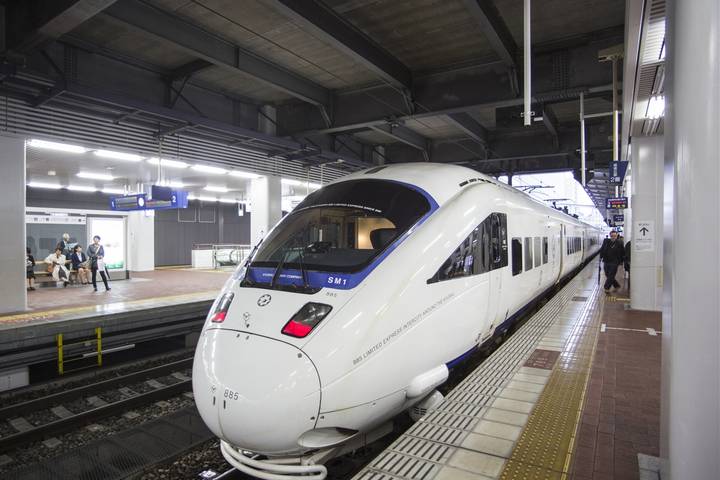
The Shinkansen ride from Tokyo to Kyoto takes about 2 hours and 21 minutes. It’s an efficient way to cover the distance, and the train itself is a memorable part of the trip. You’ll need to manage your bags and follow the departure arrangements, but the journey avoids a long road transfer.
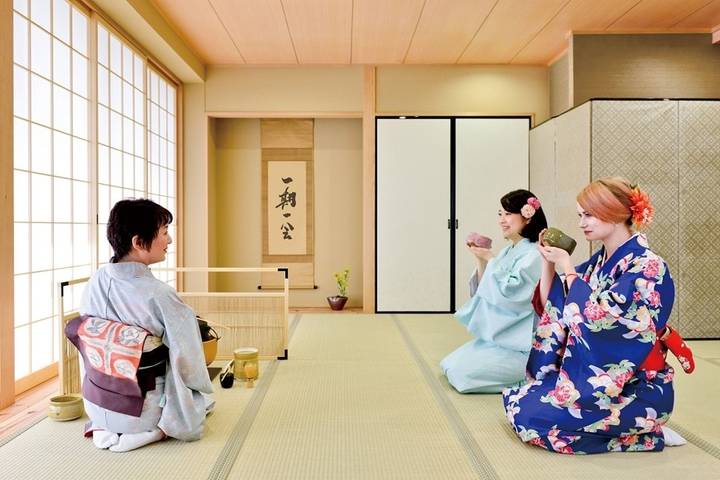
In Kyoto, the kimono and tea ceremony experience gives you more than a demonstration. A tea master explains the ritual, its tools and etiquette, then guides you as you prepare your own matcha. Wearing a kimono adds to the sense of occasion, while the practical lesson gives children and adults something to do rather than simply watch.
Afterward, Nishiki Market offers a compact introduction to Kyoto food culture. The narrow, five-block shopping street has more than 100 shops selling produce, seafood, sweets, pickles and cookware. It’s a good place to sample local specialties, but crowds and close quarters can make browsing slower than the short distance suggests.
The accommodation listed from this night is Hotel Keihan Tenmabashi Ekimae in Osaka, or a similar property, rather than a Kyoto hotel. Since the plan combines a Kyoto visit with an Osaka stay, confirm the day’s transfer details and timing before departure. That clarification matters when you’re coordinating a family’s bags and evening plans.
Day 5: Fushimi Inari and Nara’s deer and temples
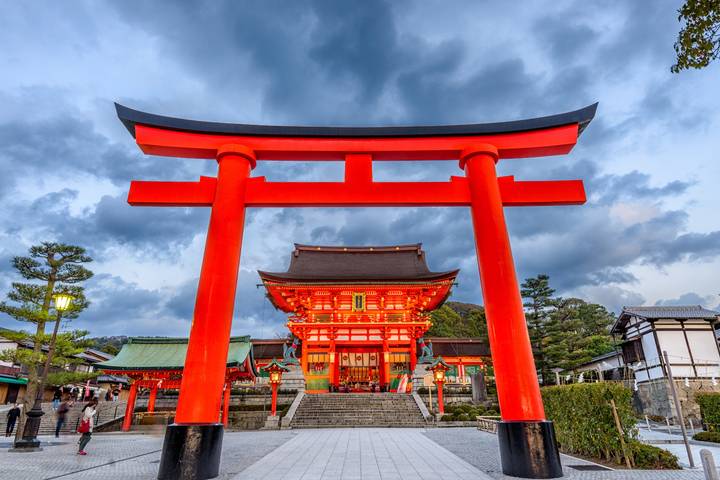
Start at Fushimi Inari Shrine, known for its thousands of red torii gates. The gates follow trails into the wooded slopes of Mount Inari, creating a dramatic walk and a clear change of pace from city streets. The shrine grounds cover a broad area, so you may not walk every trail during a group visit.
Nara Park is home to more than 1,000 free-roaming deer. Deer crackers are sold nearby, and some animals have learned to bow when asking for food. Keep crackers out of sight until you’re ready to feed them, and don’t tease deer with food; they can become pushy when they expect a treat.
At Todaiji, the scale of the temple and its historic Great Buddha Hall give the day a major architectural stop. The temple dates to 752 and was once the head temple of Japan’s provincial Buddhist temples. Kasuga Taisha, one of Nara’s best-known shrines, adds another layer of religious and political history to the visit.
This is a demanding day, with several major sites and likely plenty of walking. It’s one of the tour’s strongest cultural outings, but families with younger children should plan for snack and rest breaks. The schedule identifies the route as Kyoto and Nara while the hotel is in Osaka, so ask how the day’s transport is organized.
Day 6: Osaka Castle, city history and an optional dinner with a twist
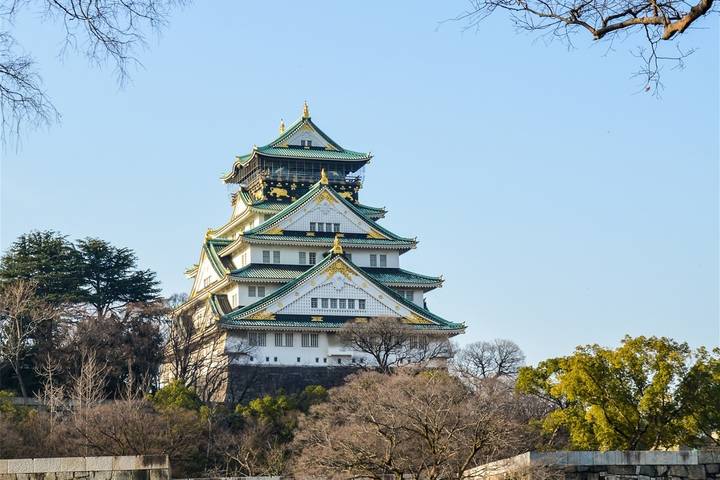
A private English-speaking guide leads the Osaka day, using local transport by metro or bus. Osaka Castle is the natural starting point for understanding the city’s past. Construction began in 1583 under Toyotomi Hideyoshi, who intended it to be the center of a unified Japan. The present visit combines a famous landmark with the wider story of Osaka.
The Osaka Museum of History adds context that a castle visit alone cannot provide. It focuses on the city’s cultural and historical development, helping you connect what you’ve seen with the modern city outside. The itinerary also names Kuromon Ichiba, a food market, as part of the day, though it does not specify a meal there.
Umeda Sky Building’s observation deck is listed as an optional activity. Its distinctive structure dates to 1993, and the deck offers panoramic city views. Check whether entry is included before you go, and consider the extra stop if your family still has energy after the castle and museum.
Dinner at Zaou Fishing Restaurant is another optional extra. You can fish for your meal from a moat surrounding a boat-shaped seating area, but there’s no catch-and-release option: if you catch a fish, you pay for it. The stated meal cost is about 8,000 to 12,000 yen per person, so this is best treated as entertainment as well as dinner, not a budget meal.
Day 7: Private transfer to Kansai International Airport
A private car takes you from Osaka to Kansai International Airport, a drive of roughly 75 minutes depending on traffic. Leave a sensible buffer before your flight, especially if departing during a busy period. The English-speaking driver can answer last-minute questions, and the car avoids navigating public transport with luggage.
The tour ends in Osaka. International flights are not included, so you’ll arrange those separately.
What the $3,490 starting price covers
The tour starts from $3,490, based on the cheapest room option. Accommodation, breakfast, listed transport, admission fees, selected activities, guides and basic insurance are included. Hotels are arranged on a two-person sharing basis; a single supplement applies if you want a room alone. Ask for the exact price for your dates and room arrangement before comparing it with a self-planned trip.
The value is strongest in the logistics. You’re paying for a planned route across four cities, the Tokyo-to-Kyoto bullet train, airport transfers, selected guiding and accommodation in central locations with transport and restaurants nearby. Those elements can save considerable planning time, especially for a family arriving in Japan for the first time.
The price does not cover international flights, and the listed meals are mainly breakfasts. Some experiences on Day 6 are optional, with Zaou dinner priced separately. Budget for lunches, dinners and any extras, and confirm which admission fees are included for the optional observatory.
UME Travel has operated tours since 1998 and lists a 4.8 out of 5 operator rating from 224 ratings. This particular tour has a 5 out of 5 score from two ratings, with top marks across itinerary, transport, guide, accommodation and food. That is encouraging, but two ratings are too few to treat as a firm forecast. Recent family feedback has emphasized smooth coordination and activities that kept different ages engaged, which fits the tour’s mix of culture and play.
Who should book this Japan family tour?
I’d consider this tour if you want a ready-made first visit with major sights, a few hands-on activities and help with transfers. It is particularly well suited to families who want variety and don’t mind a full schedule. The small group size, English-language guiding and breakfast-included hotels add useful support without putting a guide beside you every hour.
Think twice if your priority is a slow pace, long free afternoons or a deep focus on just one city. The schedule packs in several districts and day trips, some meals are not included, and the Kyoto-to-Osaka overnight arrangement deserves a clear explanation before you book. If those trade-offs work for your family, this is a practical way to connect Tokyo’s modern thrills with Kansai’s temples, markets and food.
FAQ
How long is the tour, and where does it start and end?
It lasts seven days. You start in Tokyo and finish in Osaka, with visits to Kyoto and Nara along the way.
What is the group size?
The stated group size is 2 to 10 people.
Is the tour fully guided?
No. It is partially guided, with an English-speaking guide for selected outings. Day 6 specifically includes a private English-speaking guide using local metro or bus transport.
Which hotels are included?
The listed hotels are OMO5 Tokyo Gotanda by Hoshino Resorts, or similar, for the first three nights, and Hotel Keihan Tenmabashi Ekimae, or similar, for nights four through six.
Are meals included?
Breakfast is included at the hotels. Other meals are included only where specified, such as the Asakusa street food experience. Vegetarian, vegan and halal options can be requested.
Are international flights included?
No. International flights are not included.
How long is the Shinkansen ride from Tokyo to Kyoto?
The listed journey takes about 2 hours and 21 minutes.
Is the Umeda Sky Building visit included?
It is listed as an optional activity, so confirm the additional cost and arrangements before your visit.
How much does dinner at Zaou Fishing Restaurant cost?
The stated meal cost is about 8,000 to 12,000 yen per person. The restaurant experience is optional, and fish you catch must be paid for.
Just added in Tokyo
- Wonders Of Japan 10-Day Tour by Travel Talk★ 4.5 · 14 reviews
- Wonders of Japan end Tokyo GO 15-Day Tour by Europamundo★ 4.2 · 10 reviews
- Wonders of Japan end Tokyo 15-Day Tour by Europamundo★ 4.2 · 10 reviews
- Wonders of Japan End Osaka by Europamundo – 12-Day Tour★ 4.2 · 58 reviews
- Wonders of Japan End Osaka (including Fukuyama) 12-Day Tour by Europamundo★ 4.2 · 58 reviews
- Wonders of Japan End Osaka GO by Europamundo – 12-Day Tour★ 4.2 · 58 reviews
- Walk Japan – Kumano Kodo Trail 12-Day Tour by Explore!★ 4.7 · 20 reviews
- Visions of Japan with Hiroshima & Osaka 15-Day Tour by Globus★ 5.0 · 75 reviews
7-Day Experiences, compared.


Essential Japan GO by Europamundo – 7-Day Tokyo to Osaka Tour
Read our review →
Tokyo, Kyoto and Hiroshima end Tokyo by Europamundo – 7-Day Tour
Read our review →
Tokyo, Kyoto and Hiroshima end Tokyo GO 7-Day Tour by Europamundo
Read our review →
Tokyo, Kyoto and Hiroshima 7-Day Tour by Europamundo
Read our review →
Tokyo, Kyoto and Hiroshima GO by Europamundo – 7-Day Tour
Read our review →
7-Day Best Japan Mini Group Tour with 3/4 Stars Hotels by Agate Travel
Read our review →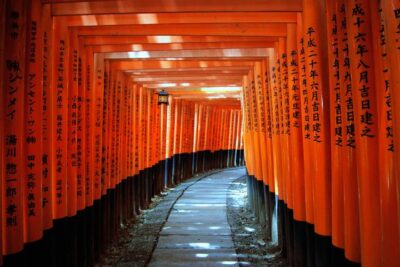
Browse the lists this tour appears in