
Reviewed · MARKETS AND FOOD HALLS
All Inclusive Kuromon Markets Tour: Flavors Of Osaka
Kuromon is Osaka on a plate. This two-hour walk through a 200-year-old food market lets you taste seafood, street food, sweets, and small local bites without guessing at handwritten menus. I like the small group of nine or fewer, and I like that your guide orders directly from vendors and explains what you are eating. The main caution is clear: this is strongly seafood-focused, so it is not suitable for vegans and may not suit pregnant women.
I also like the way the tour turns a crowded market into a manageable meal. Guides such as Anna, Hikaru, Taka, and Hakuri have earned warm praise for their food knowledge, vendor relationships, and easy manner. At $61 per person, the price is fair if you arrive hungry and treat the tastings as lunch, though diners with seafood concerns should choose another Osaka food experience.
In This Review
- Key points to know before you go
- Starting at Nipponbashi Exit 6 at 2 pm
- Kuromon Market, Osaka’s long-running food district
- What you actually eat during the two hours
- Why the English-speaking guide matters
- A seafood tour with important limits
- A small group keeps the market walk practical
- Knives, tableware, and the market aftertaste
- Is $61 a fair price for two hours?
- Who should book this Kuromon food tour?
- FAQ
- Where does the Kuromon Market tour meet?
- What time should I arrive?
- How long does the tour last?
- What language is the tour conducted in?
- How many people are in the group?
- Is food included?
- Is the tour suitable for vegans?
- Should you book it?
Key points to know before you go
- Start at Nipponbashi Station Exit 6: Meet at the top of the stairs at 1:50 pm for a precise 2 pm departure.
- Expect a seafood-heavy menu: Scallops, tuna sashimi, dried fish, and other fish or shellfish make up much of the savory food.
- Taste five to seven dishes: The meal can include gobo tempura, okonomiyaki, fish, shellfish, and sweet mochi.
- Sample three to four extras: Green tea, pickled vegetables, wasabi beans, dried fish, and other small tastes add variety.
- Let the guide handle ordering: Most market vendors do not speak English, and handwritten Japanese menus can be difficult to read.
- Plan for a full meal: Several past outings have left people comfortably full after two hours without eating lunch beforehand.
Starting at Nipponbashi Exit 6 at 2 pm
The meeting point is simple, but the timing is not flexible. You meet at Nipponbashi metro station, Exit 6, at the top of the stairs. The tour begins exactly at 2 pm, and the practical advice is to arrive between 1:45 and 1:50.
That early arrival matters. This is a short tour, so a late start cannot easily be repaired. You do not want your first Osaka food experience to begin with a frantic search around the station while your group is already inside the market.
There is no hotel pickup. You need to reach the station yourself, but the central meeting point keeps the arrangement straightforward. Once everyone is together, the guide gives a brief introduction before leading you into Kuromon Market.
More Markets and Food Halls in Osaka
- Kuromon Market Food Walking Tour in Osaka (6 stops, 6 tastes)
★ 5.0 · 550 reviews - Osaka: Kuromon Market Food Walking Tour (6 stops, 6 tastes)
★ 4.6 · 272 reviews - Kuromon Market Tour: All inclusive 6~8 Dishes & 3~4 samplings
★ 5.0 · 103 reviews
Kuromon Market, Osaka’s long-running food district
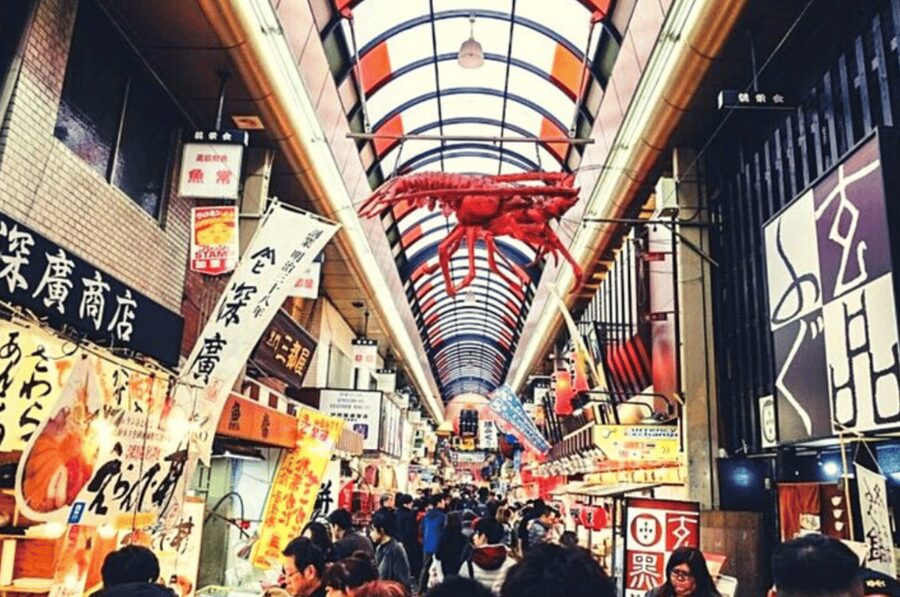
Kuromon Market has drawn food shoppers for more than 200 years. Its covered lanes are lined with vendors who specialize in particular foods, and many recipes and methods have been passed down through families.
That background gives the walk more meaning than a simple sequence of snack stops. You are not only eating a scallop or a piece of fish. You are seeing how a traditional food district works, how vendors present their specialties, and how Osaka’s food culture developed around markets and prepared dishes.
The covered setting also helps. You can keep moving through the market without planning around an outdoor picnic area, although the lanes still have the close, active feel of a working food district. Smells, signs, displays, and vendor counters provide much of the entertainment between tastings.
I would not expect a quiet restaurant meal here. Kuromon is a market, and the appeal is its movement and variety. You may need to pay attention to the group, watch where you step, and accept that some food is eaten in a quick market setting rather than at a reserved table.
What you actually eat during the two hours
The included food is divided into roughly five to seven dishes and three to four smaller tastings. The exact selection can vary, but the listed examples give you a useful picture of the meal.
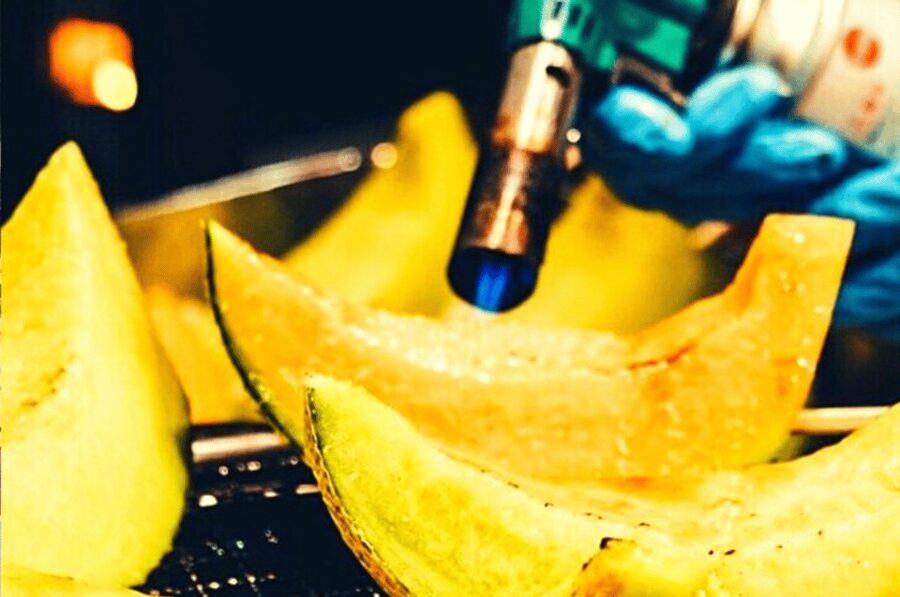
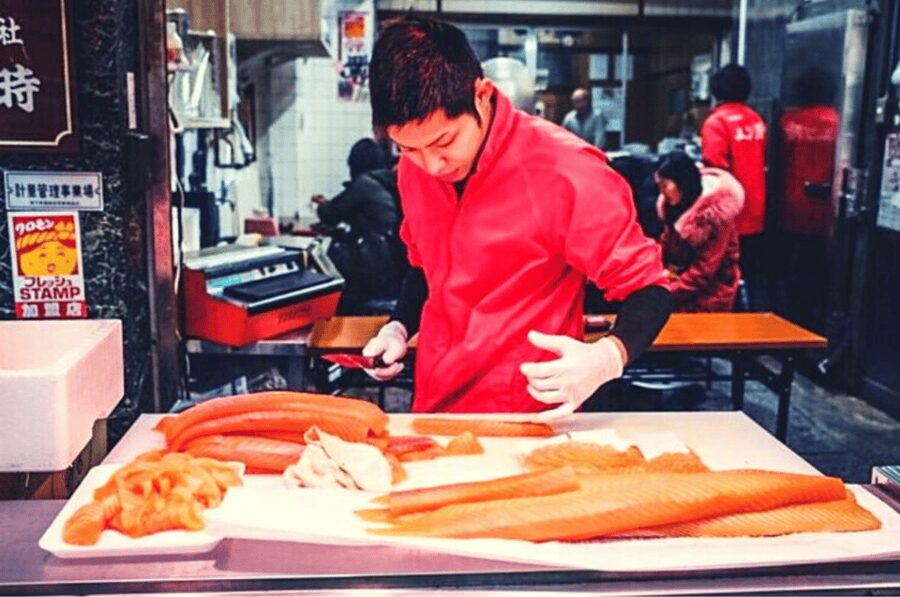
You might try scallops, tuna sashimi, local gobo tempura, okonomiyaki, and cherry blossom red bean mochi. The menu moves between raw, cooked, savory, sweet, and snack-sized foods, so you get more than one version of Japanese cooking.
The seafood deserves special attention. Tuna sashimi and scallops are not minor additions here. Fish and shellfish form the center of the experience, with sweets and a few vegetable-based tastes providing relief from the seafood.
The gobo tempura is a nice example of why a guide helps. Gobo, or burdock root, is not necessarily familiar to first-time visitors, and the preparation gives you a chance to try a local ingredient in a simple fried form. Okonomiyaki brings a different texture and style, with Osaka’s famous savory pancake adding a cooked, filling stop to the meal.
The sweet course may include cherry blossom red bean mochi. Green tea, pickled vegetables, dried fish, and wasabi beans add smaller tastes that help you notice how Japanese snacks balance salt, heat, sweetness, and texture.
You should arrive hungry. Several hours of tasting can amount to a hearty lunch, especially when the dishes include fish, shellfish, tempura, and okonomiyaki. If you eat a full lunch shortly before the 2 pm start, you may find the later stops harder to appreciate.
Why the English-speaking guide matters
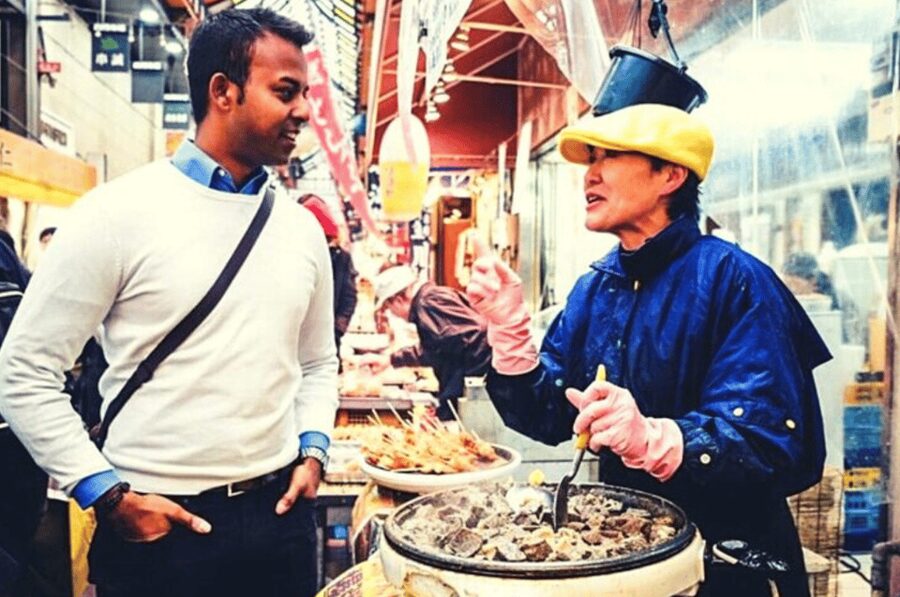
Kuromon Market is easy to enter but less easy to order from. Many vendors do not speak English, and even Japanese readers may find the handwritten calligraphy menus hard to decipher.
Your guide handles the practical work. The guide orders the food, explains ingredients and cooking methods, and helps the group move from one vendor to the next. That removes the awkward pause when you are standing in front of a counter, unsure what a dish contains or how to request it.
This is also where the guide’s personal food background can shape the afternoon. Hikaru and Hakuri have been praised for their chef experience and for answering questions about Japanese food and Osaka’s food culture. Anna has been praised for her warm relationships with vendors and her clear explanations. Taka has been singled out for being informative, helpful, and fun.
Guides can also add useful ideas for the rest of your stay. One guide helped with recommendations after the tour, while another showed part of Dotonbori when extra time allowed. Those additions are not guaranteed, so I would treat them as a pleasant possibility rather than a promised part of the itinerary.
The best value here is not just the food. It is the confidence to try something unfamiliar without wasting time or ordering blindly. If you are curious but cautious about Japanese ingredients, the guide can make the market feel far more approachable.
More Markets and Food Halls in Japan:
- Tokyo Tsukiji Fish Market Food and Culture Walking Tour
★ 5.0 · 3,184 reviews - Tokyo: Tsukiji Fish Market Food and Walking tour
★ 5.0 · 1,724 reviews - Senkyaku Banrai Toyosu Manyo Club Onsen Experience in Tokyo
★ 4.7 · 1,690 reviews - Tokyo: Tsukiji Fish Market Guided Walking Tour
★ 4.9 · 1,397 reviews
A seafood tour with important limits

The biggest issue is not a small detail: this is a fish and seafood-centered outing. A past participant specifically found that the description did not make the seafood focus clear enough. The sweets are an exception, but much of the savory menu is likely to involve fish or shellfish.
The experience is not suitable for vegans. Pregnant women are also listed among those who should not take the tour. If you have allergies or serious dietary restrictions, the supplied information does not promise substitutions, so I would not book on the assumption that the menu can be changed.
For seafood eaters, the focus is a strength. You can sample several kinds of market food in one sitting, rather than ordering one familiar dish at a restaurant. For anyone who avoids seafood, it is a reason to choose a different activity.
A small group keeps the market walk practical
The group is limited to nine participants. That is a useful size for a market, where a large crowd can block counters, lose sight of the guide, and make ordering slower.
A small group also gives you a better chance to ask questions. The food and cultural explanations are a major part of the tour, and guides such as Hikaru have handled a wide range of questions about ingredients, preparation, and Osaka’s food scene.
Still, nine people is not private touring. You will share dishes and attention with other participants, and the market itself remains a public place. If you want a fully private food lesson or a long conversation at every stop, two hours may feel brisk.
For most people, the pace is a sensible tradeoff. You see several vendors, taste many foods, and finish with enough time left in your afternoon for Dotonbori or another Osaka plan.
Knives, tableware, and the market aftertaste
Kuromon is not only about eating. The tour also points out Japanese knives and tableware that can make useful souvenirs.
This is a good addition because it connects the food on your plate with the tools used to prepare and serve it. You may find items that are more practical than the usual souvenir, though the information does not specify particular shops, brands, or prices. Think of this part as guidance and browsing, not a guaranteed shopping stop.
The market can also help you plan later meals. A guide may suggest places to eat after the tour, and the food explanations can make restaurant menus less intimidating for the rest of your Osaka stay.
Is $61 a fair price for two hours?
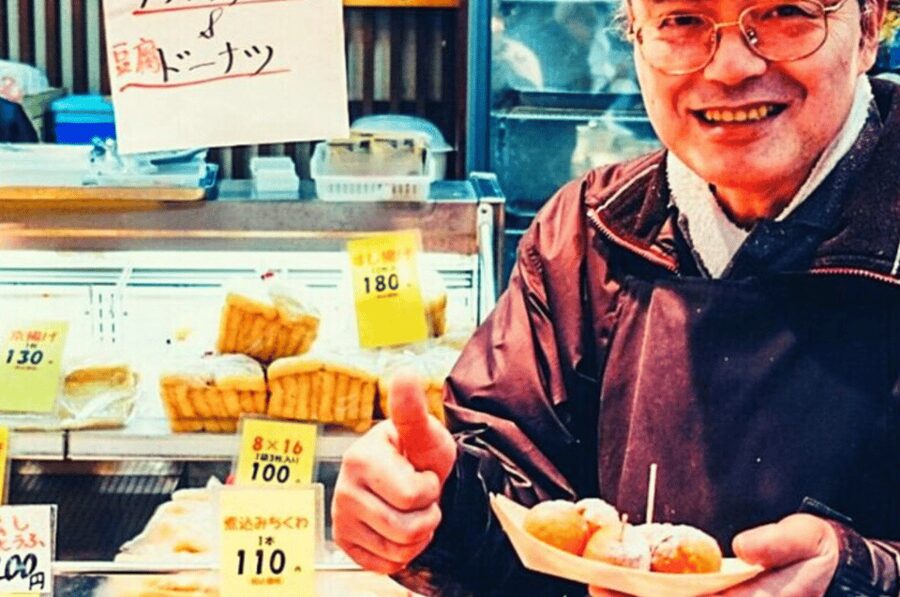
At $61 per person, this is not the cheapest way to eat in Osaka. You could buy individual market snacks for less if you are comfortable ordering on your own and willing to make your own choices.
The price becomes easier to justify when you count the food, the English guidance, the ordering help, and the background about Osaka’s culinary traditions. Five to seven dishes plus three to four tastings can replace a substantial meal, especially if you arrive without lunch.
I see the strongest value for first-time visitors who want structure. You do not need to decode menus, decide which vendor to trust, or work out how to sample several specialties in only two hours. The guide makes the market more efficient and gives you context that a solo snack crawl may miss.
For repeat visitors or confident Japanese speakers, the value is less obvious. You may prefer to spend $61 on several individual dishes chosen at your own pace. The tour earns its price through access, explanation, and variety rather than luxury.
Free cancellation up to 24 hours before the start provides some flexibility, and you can reserve now and pay later. Those terms are useful, but the exact 2 pm meeting time remains the key practical point.
Who should book this Kuromon food tour?

I would recommend it to you if you:
- Eat seafood and want to try several Japanese specialties.
- Are visiting Osaka for the first time.
- Want a filling afternoon meal rather than a single snack.
- Prefer an English-speaking guide to handle ordering.
- Enjoy food history, vendor stories, and questions about ingredients.
- Like small groups and a set two-hour plan.
I would look elsewhere if you are vegan, pregnant, avoiding fish and shellfish, or hoping for a broad vegetarian food tour. I would also skip it if you want a slow restaurant lunch, since the market format means moving between vendors and tasting foods in a working public setting.
FAQ
Where does the Kuromon Market tour meet?
It meets at Nipponbashi metro station, Exit 6, at the top of the stairs.
What time should I arrive?
The tour starts exactly at 2 pm. Arriving at about 1:45 to 1:50 pm is recommended because late arrivals cannot catch up.
How long does the tour last?
The tour lasts two hours.
What language is the tour conducted in?
The live tour guide speaks English.
How many people are in the group?
The group is limited to nine participants.
Is food included?
Yes. The experience includes about five to seven dishes and three to four tastings, including local favorites and specialty foods.
Is the tour suitable for vegans?
No. Vegans are listed among those for whom this activity is not suitable. The tour is also strongly focused on fish and seafood, and pregnant women are listed as unsuitable participants.
Should you book it?
Book this tour if you want Kuromon Market to function as a guided tasting menu rather than a maze of unfamiliar counters. The strongest reasons are the small group, the English ordering help, the wide range of dishes, and guides such as Anna, Hikaru, Taka, and Hakuri, who bring food expertise and friendly explanations.
Come hungry, arrive early, and expect plenty of seafood. If that fits your appetite, $61 buys a useful introduction to one of Osaka’s most distinctive food districts. If it does not, the market is still worth visiting, but you will likely do better choosing your own snacks.
Just added in Japan
- Tokyo Cute Bento Cooking Class – Make a Kawaii Character Lunchbox★ 5.0 · 126 reviews
- Japanese Home Cooking Class & Walk in Todoroki Temple Tokyo★ 5.0 · 88 reviews
- A One-of-a-Kind Sushi Experience in a Special Place of Japan★ 5.0 · 15 reviews
- Japan Tokyo Tower Observatory Deck E-Ticket★ 4.0 · 34 reviews
- Catch a Baseball Game in Tokyo with a Local – Tickets Included★ 5.0 · 24 reviews
- JDM Experience with Fast&Furious RX-7 (English speaking Driver)★ 5.0 · 57 reviews
- Tokyo Private Day Tour by Car with English speaking Driver Guide★ 4.0 · 29 reviews
- Japan Classic 10 Day – One Life Adventures★ 5.0 · 129 reviews
Markets and Food Halls, compared.
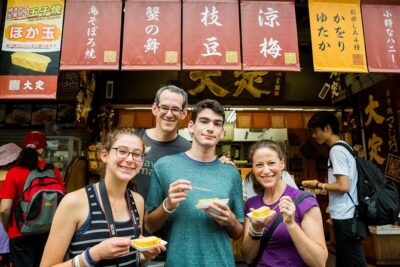
Tokyo Tsukiji Fish Market Food and Culture Walking Tour
Read our review →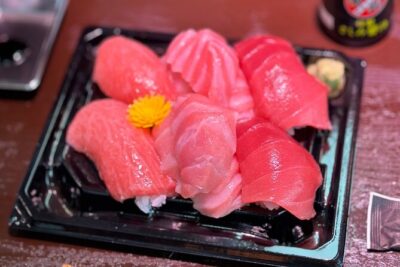

Senkyaku Banrai Toyosu Manyo Club Onsen Experience in Tokyo
Read our review →
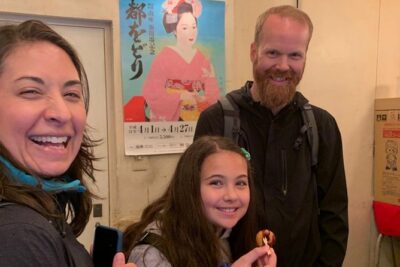
Nishiki Market Brunch Walking Tour (7 Tastings + Brunch)
Read our review →
Tokyo Sushi Making Class in Tsukiji with Professional Chef
Read our review →

Tsukiji Fish Market Guided Tour and Sushi Making with Pro Chef
Read our review →Browse the lists this tour appears in