

Reviewed · MARKETS AND FOOD HALLS
Kuromon Market Tour: All inclusive 6~8 Dishes & 3~4 samplings
Kuromon Market rewards a hungry start. This two-hour Osaka food walk brings you through one of the city’s best-known markets for six to eight dishes and three to four extra samplings, with seafood, local specialties, sweets, and Japanese tea. I like the generous food count, and I like that guides such as Anna, Hikaru, and Michael have real ties with the vendors. The main catch is simple: this is not a tour for vegetarians or vegans.
I also like the small maximum of nine people. A compact group can move through crowded aisles more easily, and your guide has a better chance to explain unfamiliar foods, answer questions, and adjust a few choices to suit the group. The tour begins at 2:00 pm and returns to Nippombashi Station, making it easy to fit into an afternoon in central Osaka.
At $63.43 per person, the price is fair if you arrive hungry and treat the tour as both lunch and a guided introduction to the market. The exact dishes can change, and the food list may not always match the current offerings, so you should book this for variety and guidance rather than one guaranteed delicacy.
In This Review
- Key points at a glance
- Why Kuromon Market works so well for a food tour
- Meeting at Nippombashi Station at 2:00 pm
- What you may eat at the seafood stops
- Osaka specialties beyond raw fish
- The value of guides who know the vendors
- A compact group makes the market easier
- Is $63.43 a good price?
- Timing, route changes, and a few limits
- Who should book this Kuromon Market tour?
- Should you book it?
- FAQ
- Where does the Kuromon Market tour begin?
- What time does the tour start?
- How long does the experience last?
- Where does the tour finish?
- How much food is included?
- What kinds of food might be served?
- Is the tour suitable for vegetarians or vegans?
- How many people can join the tour?
- Can I cancel for a full refund?
Key points at a glance
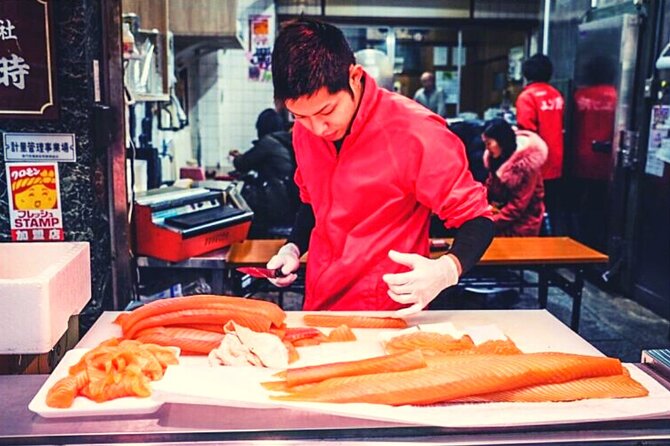
- Seafood takes center stage: You might sample oysters, tuna, sea urchin, fish cakes, and even carefully prepared pufferfish, depending on the day’s availability.
- A full meal in two hours: Six to eight selected dishes plus three to four samplings can leave you completely full.
- Small groups matter here: With no more than nine people, it is easier to hear the guide and move between market stalls.
- Local vendor connections add value: Guides including Anna, Hikaru, and Michael are praised for introducing family-run shops and helping visitors choose with confidence.
- More than eating: You get explanations about Japanese food, Osaka customs, ingredients, and how to recognize good products.
- An easy afternoon plan: Meet outside Nippombashi Station at 2:00 pm, walk through Kuromon Market, and finish back at the same meeting point.
Why Kuromon Market works so well for a food tour
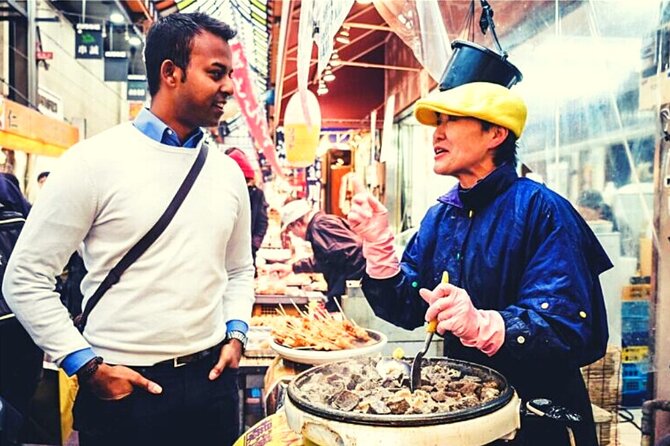
Kuromon Ichiba is the kind of place that can feel thrilling for five minutes and confusing for the next thirty. Stalls display seafood, prepared foods, sweets, and pantry goods, but menus and signs may not tell you what something is, how it is prepared, or where you should eat it.
That is where a guide earns the fee. Instead of wandering from stall to stall and guessing, you can ask what is local, what is fresh, and what is worth trying. A good guide also helps you avoid spending your appetite on the first attractive snack you see.
The tour focuses on eating while walking through the market. You should expect a string of stops rather than one seated meal, with small portions and samples spread across the route. The stated food count is substantial: at least six dishes and three samplings, with the overall experience covering more than ten different items.
That variety is the strongest reason to book. You can compare seafood with Osaka comfort food, then finish with something sweet and a cup of Japanese tea. It gives you a broad first taste of the city instead of committing to one restaurant menu.
More Markets and Food Halls in Osaka
- Kuromon Market Food Walking Tour in Osaka (6 stops, 6 tastes)
★ 5.0 · 550 reviews - Osaka: Kuromon Market Food Walking Tour (6 stops, 6 tastes)
★ 4.6 · 272 reviews - Deep Dive: Osaka Food Markets from Local to Luxurious!
★ 5.0 · 31 reviews
Meeting at Nippombashi Station at 2:00 pm
The tour starts at Nippombashi Station, at 1 Chome-5 Nipponbashi in Chuo Ward. The activity lasts about two hours and ends at the starting point, so you do not need to arrange a separate ride back to your hotel or the next sight.
The 2:00 pm start is useful for a few reasons. You have time for a relaxed morning, and you can visit another Osaka sight before meeting the group. It also places the food walk between lunch and dinner, although you should eat lightly beforehand. The portions and number of stops can add up quickly.
I would not plan a large dinner immediately afterward. Several people have found the tour filling enough to count as a main meal, and that is especially true if you sample everything offered. Come with room in your stomach, not with a full lunch behind you.
Because the tour involves walking and eating at market stalls, wear comfortable shoes and keep your hands free. Those are practical choices for any market visit, especially when your attention is divided between the guide, the food, and the narrow aisles.
What you may eat at the seafood stops
Seafood is a major part of the experience. The foods described by past participants include oysters, otoro tuna, sea urchin, fish cakes, and pufferfish. Some have also tried fugu, which is the Japanese word commonly used for pufferfish, as part of the tasting.
Otoro is prized for its fatty, soft texture, and it can be a memorable introduction to high-grade tuna. Sea urchin offers a very different experience, with a creamy texture and strong ocean flavor. Fish cakes are more approachable and show how Japanese cooks turn seafood into everyday prepared foods.
Pufferfish is the more unusual tasting. The important point is that it is carefully prepared. You should not assume every item will be available on every tour, but the guides can help explain what you are eating and why it matters in Japanese food culture.
The food selection is not fixed in the supplied description. One participant noted that the published list may be out of date, while the guide can sometimes add samples based on the group’s interests. That flexibility is useful, but it also means you should not book solely because you want one particular item.
Michael is especially praised for taking time to explain the food and introduce people to vendors. Hikaru’s background as a chef gives him a practical way to discuss ingredients and preparation. Anna is described as energetic and familiar with the family businesses along the route.
Osaka specialties beyond raw fish

The tour is not only a seafood crawl. You can expect local Osaka dishes, including okonomiyaki, along with sweets and Japanese tea. The mix matters because it shows how the city’s food culture moves from market ingredients to hot prepared dishes and then to a simple finish.
Okonomiyaki is a savory dish cooked on a griddle, and it is one of Osaka’s best-known foods. Having it in the middle of a market walk gives you a break from raw or chilled seafood and lets you try a more filling local specialty.
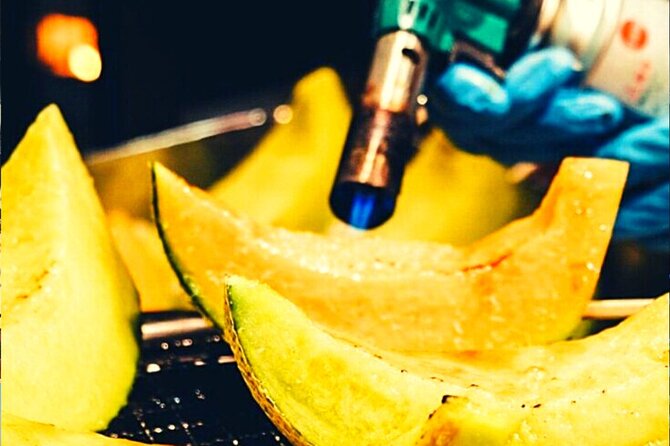
Dessert and tea help round out the route. One tasting specifically includes sakura-mochi, a sweet associated with cherry blossom season. The tea is not just an afterthought, either. It gives your guide a chance to explain everyday Japanese food customs and how sweets are paired with drinks.
The tour can also include foods you might not recognize at first glance. That is part of its value. If you do not know how to order or cannot read the stall signs, a guide makes it easier to take a sensible risk instead of walking past something interesting.
A completely different kind of day out:
- Osaka Go Karting Tour with Funny Costume
★ 5.0 · 2,658 reviews - Osaka Castle: Museum and Tower Entry Ticket
★ 4.5 · 2,380 reviews - Osaka: Shinsekai Food Tour with 13-15 Dishes at 5 Eateries
★ 4.8 · 2,204 reviews - Osaka Food Tour: 13 Dishes at 5 Local Eateries
★ 5.0 · 2,149 reviews
The value of guides who know the vendors
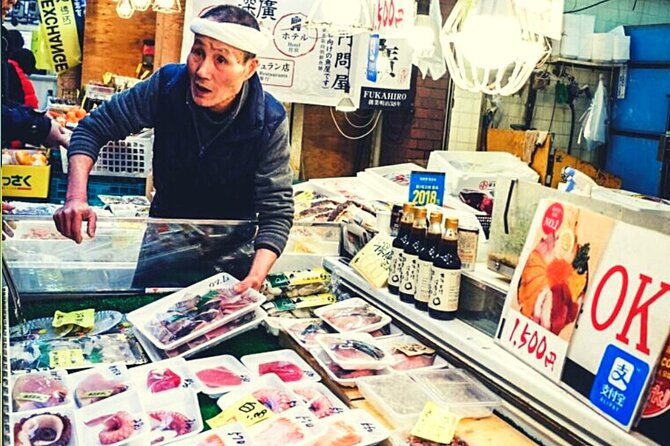
The most important feature here is not the market itself. You can enter Kuromon Market without a guide. The added value comes from having someone who knows which stalls to visit, how to order, and how to explain the difference between a useful local stop and a place aimed mainly at passing sightseers.
Guides are praised for working with family businesses and for having friendly relationships with the sellers. That connection can change the mood of the visit. You are not simply pointing at food behind glass. You are being introduced to the people and products that make the market feel like a working food district.
Anna is repeatedly described as warm, funny, energetic, and attentive to different needs. She has customized tastings for private groups and helped families with children and picky eaters find alternatives. British Andy is praised for sharing stories about the market, food traditions, and the way Osaka’s food culture has changed.
Hikaru combines food knowledge with patience, which can be especially helpful if you have teenagers or first-time eaters in the group. Michael is described as easygoing and good at explaining food in a way that makes unfamiliar choices feel manageable. Mico Yamamoto is also praised for clear English and careful answers to questions.
You cannot guarantee a particular guide when booking. Still, the repeated strength of the guiding team is a good sign. The experience depends heavily on the person leading it, and this operator appears to have several guides who can make the market easier to understand.
A compact group makes the market easier
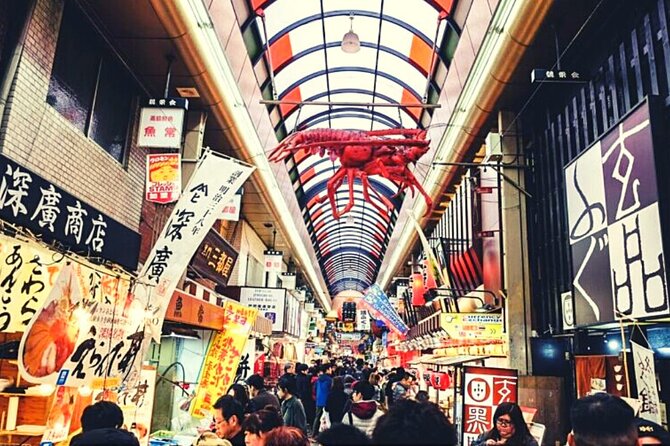
The maximum group size is nine people. That is small enough to keep the guide’s explanations within earshot and to make quick decisions at food stalls. It also gives you a better chance to ask a question without holding up a large crowd.
A small group does not mean the market will be quiet. Kuromon Market remains a public market, and the walk takes place among other shoppers. The benefit is that your own group should be easier to manage, especially when stopping to examine food or share samples.
Some bookings may feel almost private if the group is small on a particular day. One couple found themselves with a guide alone, and the guide adjusted the route to their preferences. That is possible, but it should not be treated as a promise.
Families can also do well here. A guide was praised for being patient with a two-year-old who tried several foods, and Andy adapted choices for children aged nine to fourteen. Still, parents should remember that this is a walking and eating tour, not a children’s attraction. Young children need to be comfortable with market crowds and unfamiliar dishes.
Is $63.43 a good price?
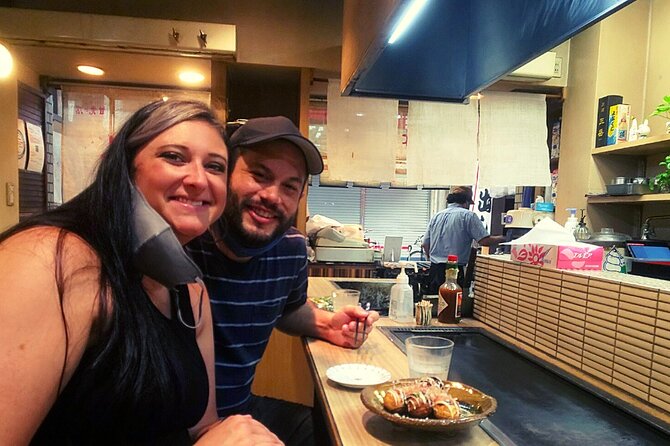
At $63.43 per person, this is not the cheapest way to visit Kuromon Market. You can certainly buy individual snacks on your own for less. The question is what you want your money to cover.
The fee includes a large amount of food, at least six to eight dishes and three to four additional tastings. If those samples replace lunch, the price becomes easier to justify. You are also paying for the guide’s vendor relationships, explanations, language help, and route planning.
I consider it good value for a first Osaka visit, particularly if you are unsure how to approach Japanese market food. It is also useful if you have limited time. A day trip from Kyoto can include this two-hour tour and still leave room to see other parts of Osaka.
The value is weaker if you already know Kuromon Market well, prefer to choose every dish yourself, or want a quiet sit-down meal. It is also less suitable if you are vegetarian or vegan, since the tour is specifically not designed for those diets.
The food quantity is one of the strongest points. You should not need to buy a separate lunch before the tour, and you may want a lighter dinner afterward. Food costs can add up quickly in Japan, so including many samples gives this tour a practical edge over a guide-only market walk.
Timing, route changes, and a few limits
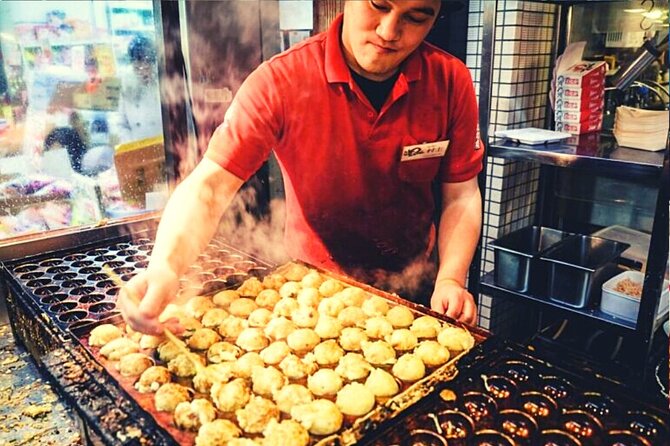
The market’s shops do not all keep identical hours. A holiday such as Golden Week can mean some stalls are closed or shut early. One guide handled this by moving the group along quickly and adjusting the stops.
That is a useful warning. The tour cannot control every vendor’s schedule, and a market tasting is always tied to what is open and available that day. The flexible format helps, but you should expect substitutions rather than a rigid menu.
The published food list may also change. Guides have sometimes added items that matched a group’s interests, including whale and pufferfish. That can make the tour feel personal, but it means the experience is best understood as a guided sampling route, not a fixed restaurant-style tasting menu.
You should also be ready for the market to feel intense. There are sounds, smells, displays, shoppers, and quick decisions at every turn. The guide helps you make sense of it, but cannot turn the market into a calm private room.
Mobile tickets make entry and confirmation simple. Booking confirmation is provided at the time of booking, and the meeting point is near public transportation. Service animals are allowed, and most people can take part, though the food and walking format still require basic comfort with a busy public market.
Who should book this Kuromon Market tour?
I would choose this tour for first-time visitors to Osaka who want to understand the city through food. It suits people who enjoy sampling several things rather than ordering one safe dish, and it is a smart early-trip activity because the guide can offer restaurant and neighborhood suggestions for later.
It also suits couples, families, and small groups with different levels of food confidence. You can ask questions, request alternatives when possible, and let the guide handle the ordering. Children may enjoy the novelty, but parents should prepare them for walking and strong flavors.
Food-focused visitors will get the most from it. The experience includes seafood, okonomiyaki, sweets, tea, and market specialties, so it works well if you want more than standard sushi. It is also a good match for anyone who wants to compare local Osaka food with what they might find in Tokyo or elsewhere in Japan.
I would skip it if you need a vegetarian or vegan menu, want a fixed list of guaranteed dishes, or dislike eating while walking. The tour is social and active, not a slow culinary seminar.
Should you book it?
Book it if you want a generous, guided introduction to Kuromon Market and are willing to let the day’s food supply shape the menu. The combination of ten or more tastes, a group capped at nine, and guides with vendor connections gives you more than a simple market stroll.
Arrive hungry, keep your food preferences clear, and ask your guide what is available that day. At $63.43, the tour earns its price when you count the meal, the ordering help, and the cultural context together.
If you prefer independent browsing, you can explore Kuromon Market on your own for less. But if you want to try sea urchin, otoro, fugu, local sweets, and Osaka classics without guessing where to start, this is a strong two-hour choice.
FAQ
Where does the Kuromon Market tour begin?
It begins at Nippombashi Station, at 1 Chome-5 Nipponbashi, Chuo Ward, Osaka, 542-0073, Japan.
What time does the tour start?
The scheduled start time is 2:00 pm.
How long does the experience last?
The tour lasts approximately two hours.
Where does the tour finish?
The activity ends back at the meeting point.
How much food is included?
The tour includes six to eight selected dishes and three to four additional samplings. The food can include more than ten different items overall.
What kinds of food might be served?
Possible tastings include fresh seafood, okonomiyaki, desserts, Japanese tea, fish cakes, oysters, otoro tuna, sea urchin, and carefully prepared pufferfish. The exact selection can vary.
Is the tour suitable for vegetarians or vegans?
No. The experience is specifically not suitable for vegetarians or vegans.
How many people can join the tour?
The maximum group size is nine people.
Can I cancel for a full refund?
Yes, if you cancel at least 24 hours before the experience start time. Cancellations made less than 24 hours in advance are not refunded, and changes within that period are not accepted.
Just added in Osaka
- Osaka Highlights: 4Hrs Guided Walking Tour with a Native Expert★ 5.0 · 12 reviews
- 【Family Friendly】Traditional Mochi Pounding Experience★ 5.0 · 26 reviews
- Hiroshima and Miyajima Private Day Tour from Kyoto/Osaka★ 5.0 · 17 reviews
- Honor – Experience Samurai & traditional Culture to the fullest★ 5.0 · 32 reviews
- Osaka Private Food Tours by Local Foodies: 100% Personalized★ 5.0 · 17 reviews
- Osaka Castle Tour – With Optional City Highlights (3 hours)★ 4.5 · 14 reviews
- Deep Dive: Osaka Food Markets from Local to Luxurious!★ 5.0 · 31 reviews
- Meet Osaka locals and Japanese speaking experience at Pub Umeda★ 5.0 · 58 reviews
Markets and Food Halls, compared.
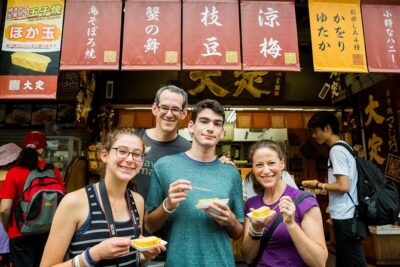
Tokyo Tsukiji Fish Market Food and Culture Walking Tour
Read our review →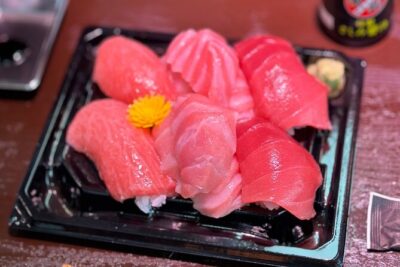

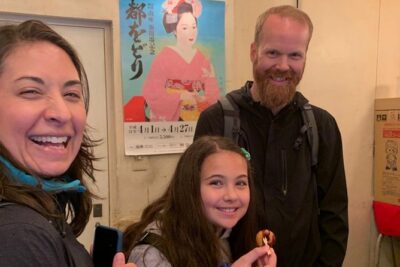
Nishiki Market Brunch Walking Tour (7 Tastings + Brunch)
Read our review →
Tokyo Sushi Making Class in Tsukiji with Professional Chef
Read our review →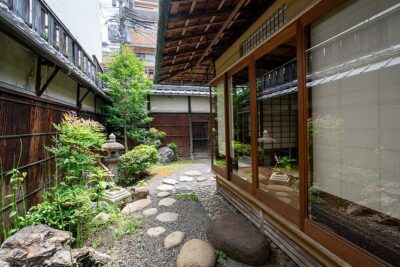

Tsukiji Fish Market Guided Tour and Sushi Making with Pro Chef
Read our review →Tsukiji Fish Market Food and Culture Walking Tour
Read our review →Browse the lists this tour appears in