
Reviewed · MARKETS AND FOOD HALLS
Deep Dive: Osaka Food Markets from Local to Luxurious!
Osaka eats beyond the famous stalls. This four-hour private tour links a polished department-store food hall, local markets, Korea Town, Kuromon Market, and Namba, giving you a broad look at how Osaka shops and eats. I especially like the contrast between everyday grocery shopping and high-end food displays, plus the chance to ask a guide how to order and choose unfamiliar dishes.
I also like that guides such as Ferdinand, Kevin, Lito, Damian, Thomas, Alejandro, and Oshi have tailored walks to personal interests, helped with translation, and adjusted the pace for children or photo stops. The main caution is simple: food and transport cost extra, and the amount of walking is substantial. This is a market tour with opportunities to buy food, not a fully included tasting feast.
In This Review
- Key points before you book
- Why this Osaka market route is different
- Takashimaya’s depachika: Osaka food at its polished best
- Pulala Tenma: a closer look at ordinary shopping
- Tenjinbashi-suji: shopping street and supermarket lessons
- Tsuruhashi Korea Town: food, culture, and a different Osaka
- Kuromon Market: famous, photogenic, and not cheap
- Doguyasuji: the practical souvenir stop
- Namba and Dotonbori: finishing at Ebisu Bridge
- What guides add to the four-hour walk
- The walking, transport, and extra costs
- Who should book this Osaka experience?
- Should you book it?
- FAQ
- How long does the Osaka food market tour last?
- What is the price?
- Are food tastings included?
- Is transportation included?
- Is the tour private?
- Can I choose a morning or afternoon tour?
- Where does the tour start and finish?
- Is the tour suitable for children?
- Can I cancel for a full refund?
Key points before you book
- Seven Osaka stops in about four hours: The route covers Takashimaya, Pulala Tenma, Tenjinbashi-suji, Tsuruhashi Korea Town, Kuromon Market, Doguyasuji, and Namba.
- The best contrast is local to luxurious: You move from a neighborhood wet market and supermarket to polished department-store displays and tourist-focused Kuromon.
- You pay for your own food: Samples, snacks, drinks, souvenirs, and food items are not included in the $91 price.
- A private tour means useful flexibility: Your guide can answer specific questions, pause for shopping, and adjust the experience to your group.
- Expect plenty of walking: Children can join with an adult, but the route requires reasonable stamina.
- It teaches practical market skills: You leave better prepared to identify ingredients, understand food customs, and order independently.
Why this Osaka market route is different
Osaka is famous for its food, but many short visits focus on the same handful of dishes and neon streets. This tour takes a wider view. Instead of treating food as a series of quick bites, it shows you where ingredients are sold, how locals shop, how Korean culture shapes one Osaka neighborhood, and how food is presented at the luxury end of the market.
That wider view is the tour’s real strength. You see fresh ingredients before they become dinner. You compare ordinary shopping with extravagant presentation. You also get a look at kitchen tools, serving ware, and wax food models at Doguyasuji.
I would not book this expecting an all-you-can-eat outing. The price is $91 per person, but snacks and food purchases are your responsibility. One participant even finished the walk wishing there had been more included food, so eat something beforehand or budget for purchases along the way.
The experience is private, and you choose a morning or afternoon departure. That matters in Osaka, especially if you want to fit the walk around another activity. The tour is recommended by 97 percent of customers and holds a 4.8 rating from 31 reviews, with guides receiving repeated praise for cultural explanations, translation help, and flexibility.
More Markets and Food Halls in Osaka
- Kuromon Market Food Walking Tour in Osaka (6 stops, 6 tastes)
★ 5.0 · 550 reviews - Osaka: Kuromon Market Food Walking Tour (6 stops, 6 tastes)
★ 4.6 · 272 reviews - Kuromon Market Tour: All inclusive 6~8 Dishes & 3~4 samplings
★ 5.0 · 103 reviews
Takashimaya’s depachika: Osaka food at its polished best
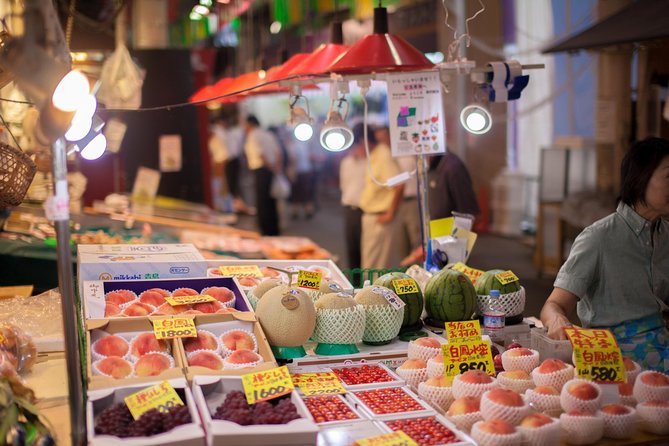
The first stop is the basement food hall at Takashimaya Osaka Store. In Japan, these department-store food halls are called depachika, and they offer a sharp contrast to an outdoor market.
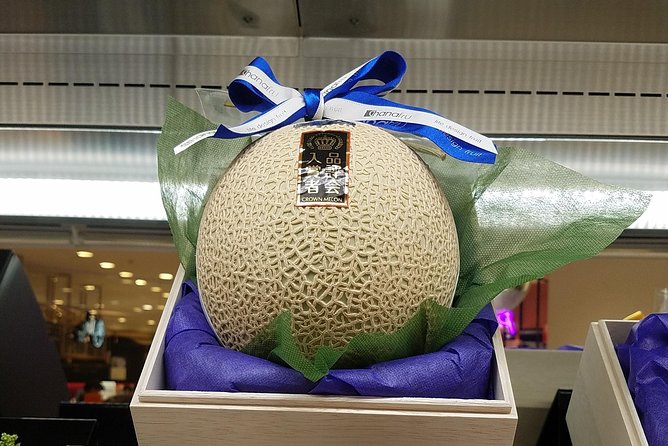
Here, presentation is part of the experience. You might see carefully arranged Japanese sweets, prepared foods, raw ingredients, Western-style items, and gift-ready displays. The tour gives you about 20 minutes to look around while your guide explains what you are seeing.
I find this stop valuable because it shows how Japanese food shopping can be refined and highly visual. A depachika is not just a place to grab lunch. It can also be a place to buy an impressive food gift, select ingredients, or study the care given to packaging and presentation.
The drawback is that 20 minutes passes quickly. If you enjoy browsing every shelf or want to purchase several items, you may need to choose carefully. Since food is not included, this is also one of the first places where you may want to spend part of your own budget.
Pulala Tenma: a closer look at ordinary shopping
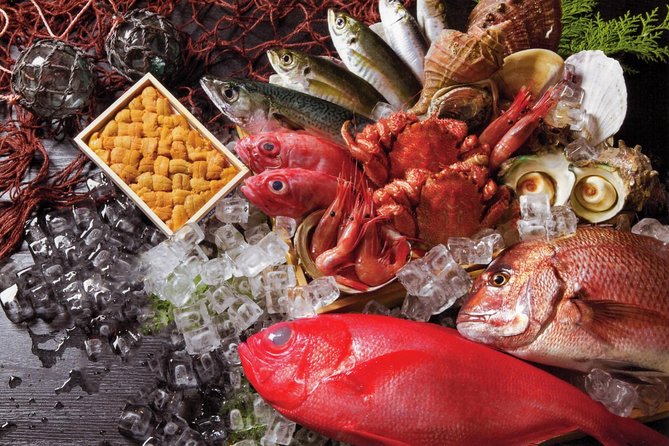
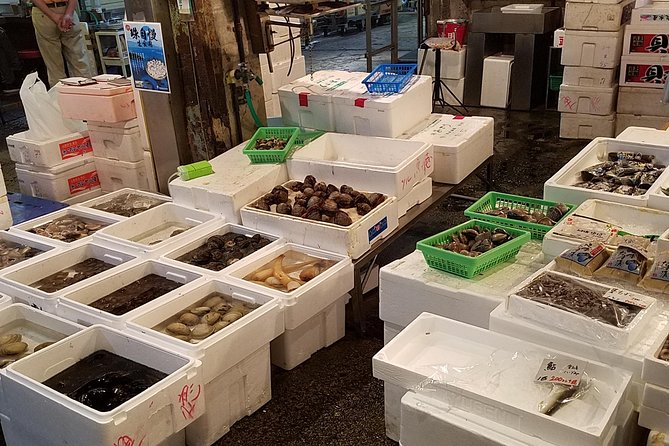
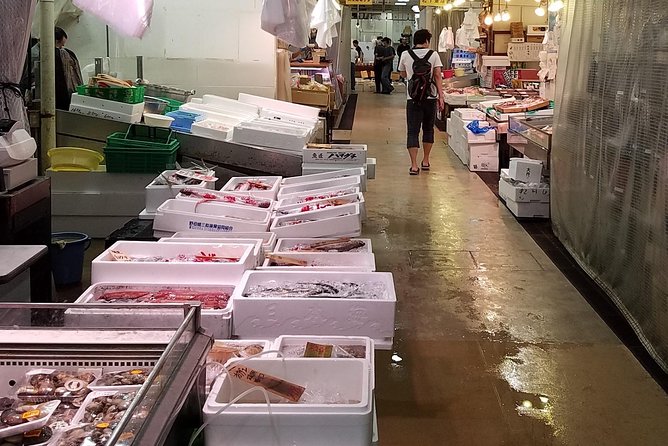
Pulala Tenma provides a more local view. This wet market displays seafood, meat, vegetables, and other ingredients used in daily cooking. The point is not glamour. It is to see the building blocks of Japanese meals in a setting away from the main sightseeing crowds.
Your guide helps explain how these ingredients fit into Osaka food culture. This makes the stop more useful than simply walking past stalls with unfamiliar labels. You can ask about ingredients, preparation, and the difference between foods that look similar to an untrained eye.
This is one of my favorite parts of the route in theory because it puts food in context. A market visit becomes much more meaningful when someone explains how households and restaurants use what is on display.
Do keep your expectations practical. This is not presented as a guaranteed tasting stop. If you want to buy something, the guide can help you understand what you are choosing, but you pay for it yourself.
Tenjinbashi-suji: shopping street and supermarket lessons
Tenjinbashi-suji Shopping Street is described as Japan’s longest covered shopping arcade. The route spends about 40 minutes here, covering both the street’s past and its present role in Osaka life.
The arcade lets you see how food shopping fits into a larger neighborhood setting. You are not only looking at specialty stalls. You are also walking through a place where ordinary shopping, services, and local routines overlap.
The stop includes a very Osaka-style supermarket. That detail is easy to underestimate, but supermarkets can teach you plenty. You may find prepared meals, packaged snacks, fresh ingredients, and everyday products that are difficult to interpret without help. A guide can point out what locals buy regularly and what is aimed more at visitors.
I like this part because it keeps the tour from becoming a parade of famous markets. It adds the ordinary side of Osaka, which is often more useful once you are shopping on your own.
The tradeoff is that some people may find a supermarket less exciting than an eating stop. If your only goal is sampling street food, this section may feel slow. If you want to understand daily food habits, it earns its time.
A completely different kind of day out:
- Osaka Go Karting Tour with Funny Costume
★ 5.0 · 2,658 reviews - Osaka Castle: Museum and Tower Entry Ticket
★ 4.5 · 2,380 reviews - Osaka: Shinsekai Food Tour with 13-15 Dishes at 5 Eateries
★ 4.8 · 2,204 reviews - Osaka Food Tour: 13 Dishes at 5 Local Eateries
★ 5.0 · 2,149 reviews
Tsuruhashi Korea Town: food, culture, and a different Osaka
The route then moves to Osaka Tsuruhashi Ichiba, the city’s Korea Town. This is not only a food stop. You may also see clothing, household goods, and other items tied to Korean culture in Osaka.
That broader focus is important. Food does not exist in a vacuum, and this neighborhood offers a chance to understand one of the cultural influences that helped shape Osaka’s food scene. The guide can explain connections between Japanese, Korean, and Chinese traditions, a point that Kevin received particular praise for handling clearly.
You can buy a snack here if something catches your eye. The practical benefit of having a guide is that you do not have to guess what an unfamiliar item is or how it is normally eaten. Ferdinand was also praised for explaining dishes, ingredients, knives, and the way foods developed in Japan.
This section may be especially appealing if you want more than a standard Japanese food introduction. It adds cultural background without requiring a separate museum visit. It can also be a good fit for families, since Thomas adjusted part of the experience for children interested in mochi and gaming.
Kuromon Market: famous, photogenic, and not cheap
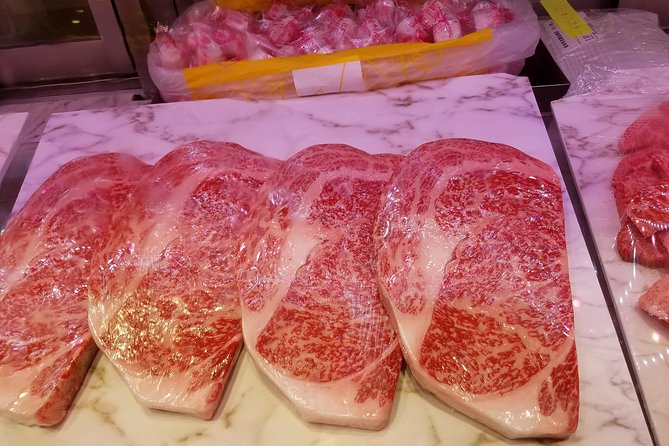
Kuromon Market is the best-known market on the route, and it is also the most visitor-focused. The tour spends about 25 minutes here, enough to take in the sights and understand why the market draws so much attention.
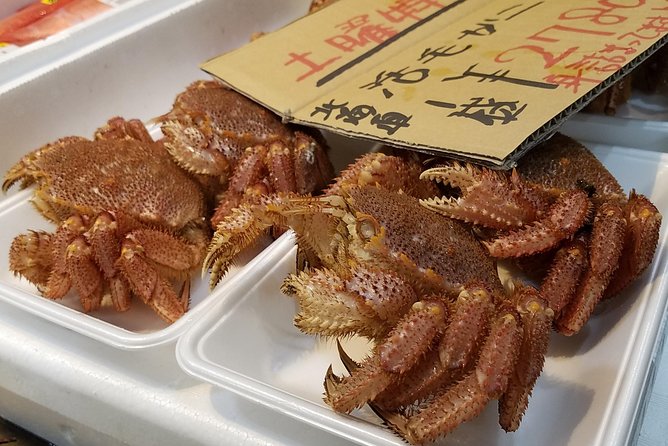
You will see attractive food displays and plenty of opportunities to buy something. The quality is described as high, but prices can also be high. That makes Kuromon a place to browse with open eyes rather than assume every purchase is a bargain.
I appreciate that the tour does not pretend Kuromon is a secret spot. It places the market in context. After seeing local shopping areas, you can judge for yourself how Kuromon differs in price, presentation, and atmosphere.
The short time here can work in your favor. Kuromon is easy to explore on your own later, and a guide can help you identify what is worth a closer look without allowing the entire walk to turn into a single market visit.
If you plan to eat here, bring extra yen. The tour fee covers your guide, not the food. Also remember that eating while walking is not generally the norm in Japan, even though tourist areas sometimes encourage it. Buying food and eating it in an appropriate place is the better approach.
Doguyasuji: the practical souvenir stop
Sennichimae Doguyasuji Shopping Street shifts the focus from ingredients to the tools used to prepare and serve them. You may find Japanese cooking knives, ceramics, lacquer chopsticks, tea cups, serving dishes, and wax models of food.
This is a useful stop if you cook at home or want a souvenir with a clear connection to Japanese food culture. A knife can be a serious purchase, so advice about styles and uses may help. Ceramics and serving pieces are easier to carry, though you should still consider luggage space.
The wax food models are fun even if you do not plan to buy anything. They also show how restaurants communicate dishes to customers, especially when written menus are difficult to read.
Doguyasuji adds variety to the route. By this point, you have seen ingredients and prepared foods. Now you see the equipment and presentation items behind the meal. I would allow extra spending money here if kitchen goods interest you, since the tour’s 25-minute visit may tempt you into an unplanned purchase.
Namba and Dotonbori: finishing at Ebisu Bridge
The walk ends in Minami, the Namba and Dotonbori area, with any remaining time used to explore nearby sights. The official endpoint is Ebisu Bridge, a central place to continue sightseeing, eat dinner, or make your own way back.
This final section is less structured than the markets. That can be useful after a packed route. You may want a quick orientation to Dotonbori, a reminder of places worth returning to, or help deciding where to eat next.
One guide, Kevin, even escorted a group back to its hotel. That should not be treated as a guaranteed service, but it reflects the sort of personal help a private guide may provide when time and route allow.
The ending also makes this tour easy to pair with an evening in Namba. You finish in one of Osaka’s main entertainment areas rather than at the starting station, so plan your afternoon accordingly.
What guides add to the four-hour walk
The guide is the main reason to book this experience. The stops themselves are accessible without a tour, but the explanations and translation help change what you notice.
Ferdinand was praised for combining culinary training with broad cultural knowledge. He helped identify specialties, dishes, knives, and ingredients, and he translated when people wanted to try particular foods.
Kevin was noted for clear communication and explanations of Japanese, Chinese, and Korean culture. Alejandro received praise for excellent English and for customizing the walk around the group’s interests.
Lito was described as flexible with both timing and personal needs. Damian was patient with shopping and photo stops. Thomas adjusted the experience for children, while Oshi was praised for his pleasant manner and guidance through the markets.
Guide quality can vary from person to person, as it does on any guide-led activity. Still, the repeated pattern is encouraging: the strongest part of the experience is not a fixed list of stalls, but the human help you receive while moving through them.
The walking, transport, and extra costs
The tour lasts about four hours, but it covers several parts of Osaka. You should expect a moderate amount of walking, with enough stamina needed for a full market-to-market route. A previous walk in hot weather felt especially demanding, so an early or later departure may be preferable during very warm periods.
Transportation during the tour is not included. The stated cost is 330 yen per adult, though the exact amount can depend on the route and your pass situation. This is a small addition beside the tour price, but you should still carry transport money.
Food, samples, refreshments, souvenirs, and snacks are also excluded. Budget extra if you want to eat at a market, purchase Japanese sweets, buy Korean snacks, or shop for a knife or ceramics.
At $91 per person, the tour is fair value if you want cultural interpretation, private attention, and help navigating several areas in one half-day. It is less compelling if you only want to eat. You could visit some of these areas yourself for much less, but you would lose the explanations, translation, and route planning.
Who should book this Osaka experience?
I would recommend it to first-time visitors who want a working introduction to Osaka food culture. It suits people who like markets, ingredients, shopping customs, and local neighborhoods as much as finished dishes.
It is also a good choice for:
- Couples who want a private route with room for questions
- Families whose children need a flexible pace
- Home cooks interested in knives, ceramics, and Japanese ingredients
- Food-focused visitors who want local, Korean, tourist, and luxury markets compared
- People who feel unsure about ordering unfamiliar foods
I would be more cautious if you have limited time in Osaka, dislike walking, or expect included tastings. The tour does not promise a fixed meal, and the amount of food you consume depends on what you choose to purchase.
Should you book it?
Book this tour if you want to understand how Osaka shops for food, not simply take a few bites. The strongest payoff comes from the mix of a depachika, ordinary markets, Tenjinbashi-suji, Korea Town, Kuromon, and Doguyasuji, all tied together by a guide who can explain what you are seeing.
Skip it if your main goal is a cheap food crawl with plenty of included samples. At $91 plus transport and food, the price pays for access, organization, and guidance rather than lunch.
For most suitable participants, I would book early. The tour is often reserved about 48 days ahead, and its private format makes it more useful for a small group with specific interests. Cancel at least 24 hours before the start time for a full refund, and plan your route after the tour from Ebisu Bridge rather than the original meeting point.
FAQ
How long does the Osaka food market tour last?
The tour lasts approximately four hours.
What is the price?
The listed price is $91 per person.
Are food tastings included?
No. Samples, snacks, food items, refreshments, and souvenirs are not included. You are responsible for purchasing any food during the tour.
Is transportation included?
No. Transportation during the tour costs about 330 yen per adult.
Is the tour private?
Yes. Only your group participates in the private activity.
Can I choose a morning or afternoon tour?
Yes. The experience offers a choice of morning or afternoon departure.
Where does the tour start and finish?
It starts at the McDonald’s in front of Temma Station at 4-chōme-12-1 Tenjinbashi, Kita Ward, Osaka. It ends at Ebisu Bridge in Dotonbori.
Is the tour suitable for children?
Children must be accompanied by an adult. There is a moderate amount of walking, so consider your child’s stamina before booking.
Can I cancel for a full refund?
Yes, if you cancel at least 24 hours before the experience start time. Cancellations or changes made less than 24 hours in advance are not refunded.
More Snorkeling and Diving in Osaka
- Okinawa: From Naha: Kerama Islands 1-day snorkeling tour
★ 4.4 · 423 reviews - Naha, Okinawa: Keramas Island Snorkeling Day Trip with Lunch
★ 4.7 · 370 reviews - [Miyako Island/Half Day] Sea Turtle Snorkeling
★ 5.0 · 337 reviews - Okinawa Ishigaki Blue Cave Snorkeling Tour
★ 5.0 · 332 reviews
Just added in Osaka
- Osaka Highlights: 4Hrs Guided Walking Tour with a Native Expert★ 5.0 · 12 reviews
- 【Family Friendly】Traditional Mochi Pounding Experience★ 5.0 · 26 reviews
- Hiroshima and Miyajima Private Day Tour from Kyoto/Osaka★ 5.0 · 17 reviews
- Osaka Private Food Tours by Local Foodies: 100% Personalized★ 5.0 · 17 reviews
- Osaka Castle Tour – With Optional City Highlights (3 hours)★ 4.5 · 14 reviews
- Honor – Experience Samurai & traditional Culture to the fullest★ 5.0 · 32 reviews
- Meet Osaka locals and Japanese speaking experience at Pub Umeda★ 5.0 · 58 reviews
- Osaka Okonomiyaki Cooking Class “Learn here and make it at home”★ 5.0 · 20 reviews
Markets and Food Halls, compared.
Tokyo Tsukiji Fish Market Food and Culture Walking Tour
Read our review →
Nishiki Market Brunch Walking Tour (7 Tastings + Brunch)
Read our review →
Tokyo Sushi Making Class in Tsukiji with Professional Chef
Read our review →
Tsukiji Fish Market Guided Tour and Sushi Making with Pro Chef
Read our review →Tsukiji Fish Market Food and Culture Walking Tour
Read our review →Browse the lists this tour appears in