
Reviewed · MULTI-DAY TOURS THAT VISIT IYASHI NO SATO
Corners of Japan with Mount Fuji by Europamundo – 8-Day Tour Review
Mount Fuji is the star of the middle days, but this eight-day route gives you a broader taste of Japan: Tokyo’s giant city views, Kamakura’s temples, Kyoto’s shrine paths, and old post-town streets in Tsumago. I like that the tour pairs famous sights with quieter stops, including tea in a Kamakura bamboo garden and a night at a ryokan near Kawaguchiko.
I also like the practical inclusions: Tokyo Skytree admission, several temple and castle entries, a Fuji-area boat ride, two dinners and a lunch. The main caution is the language arrangement. English is listed, but an August 2025 participant reported that little English was provided and felt the tour was aimed at Spanish speakers. Confirm the guiding language for your departure before paying.
In This Review
- Key points to weigh before booking
- A fast route through Japan, with little wasted time
- Tokyo: big-city contrasts in one long day
- Kamakura, Enoshima and Odawara: temples, coast and castle
- Hakone and Kawaguchiko: the Fuji day
- From an old village to Kyoto
- Kyoto: temples and torii gates in a packed day
- Tsumago and Matsumoto: a long road back
- What the price includes, and what to confirm
- Should you book this Japan tour?
- FAQ
- How long is the tour?
- Where does the tour start?
- Are international flights included?
- What is the maximum group size?
- Is the tour conducted in English?
- Is Mount Fuji’s Fifth Station included?
- What happens if Owakudani is closed?
- What meals are included?
- What accommodation is listed?
- What is the tour’s physical activity level?
Key points to weigh before booking
- A full sweep of central Japan: Tokyo, Kamakura, Enoshima, Odawara, Hakone, Mount Fuji, Kyoto, Tsumago and Matsumoto all fit into eight days.
- Fuji access depends on conditions: The coach is scheduled to reach the Fifth Station at 2,305 meters, but snow or weather can limit the climb.
- Several headline admissions are included: These include Tokyo Skytree, the Great Buddha, Odawara Castle, Kinkakuji and Matsumoto Castle.
- The pace is efficient, not leisurely: Expect long coach journeys, a packed Kyoto day and a full drive back to Tokyo on Day 7.
- Ask about English before booking: Tour guidance may be bilingual, and the language experience has been a concern on at least one departure.
- Price starts at $2,468: Flights are not included, so compare the full trip cost, not just the tour price.
A fast route through Japan, with little wasted time
This is a coach tour for you if you want to cover several regions without planning every train connection, hotel and admission yourself. Over eight days, the route links Tokyo with the Fuji Five Lakes area, Kyoto and the old Nakasendo post-town region, with stops that would take more work to combine independently.
That convenience comes with a tradeoff. You will see a lot, but you will not linger long at every place. Day 2 is a long city tour; Day 5 links several stops before reaching Kyoto; and Day 7 crosses much of the country on the way back to Tokyo. Think of this as a well-filled introduction, not a slow, single-city holiday.
The listed starting price is $2,468, with flights excluded. The package includes an arrival transfer, hotels, many scheduled admissions, some local transport and three meals. The value is strongest if you would otherwise pay for guided sightseeing and transport between these far-flung stops. It is less compelling if you prefer to set your own pace or spend several days exploring each city.
A few more options to weigh up in Tokyo
- Tokyo Disney Resort – Tokyo Disneyland & Tokyo DisneySea Park Tickets
★ 4.8 · 99,488 reviews - SHIBUYA SKY Ticket
★ 4.7 · 46,509 reviews - JR Whole Japan Rail Pass
★ 4.8 · 29,150 reviews
Tokyo: big-city contrasts in one long day
Your first day is mostly for arrival and settling in. A shared shuttle takes you from the airport to the hotel, and tour details are provided in the afternoon. Keep the day light if you can; the guided sightseeing begins the next morning.
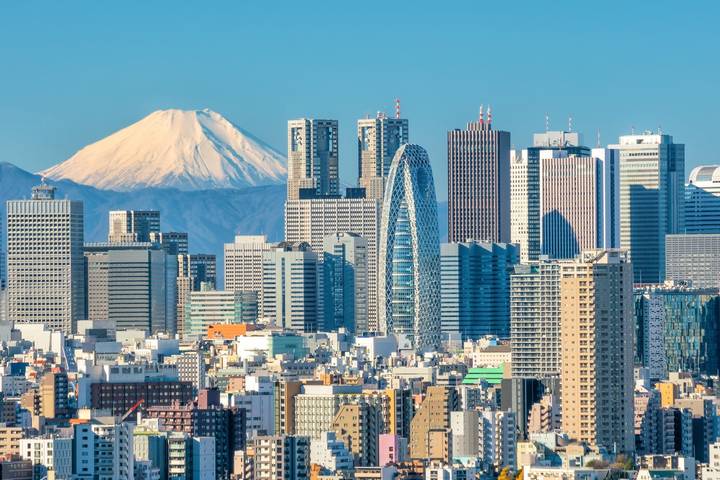
Day 2 puts several sides of Tokyo in one itinerary. At Zojoji Temple, look for the small Jizo figures wearing knitted hats and bibs, with Tokyo Tower rising behind the temple grounds. It is a striking contrast between a quiet religious site and one of the city’s most recognizable modern structures.
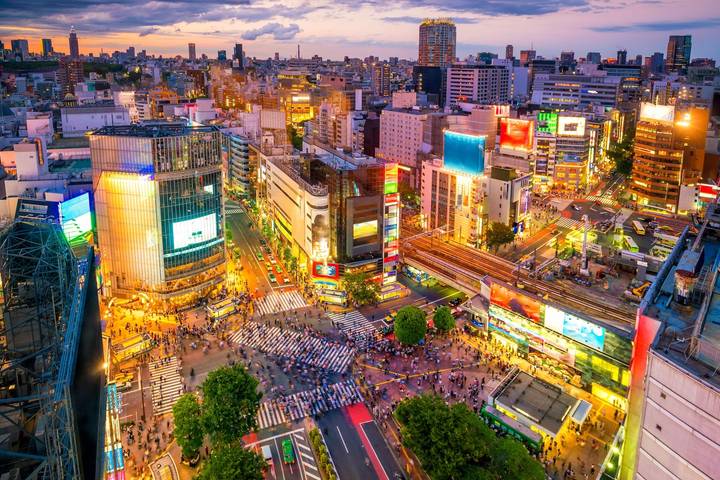
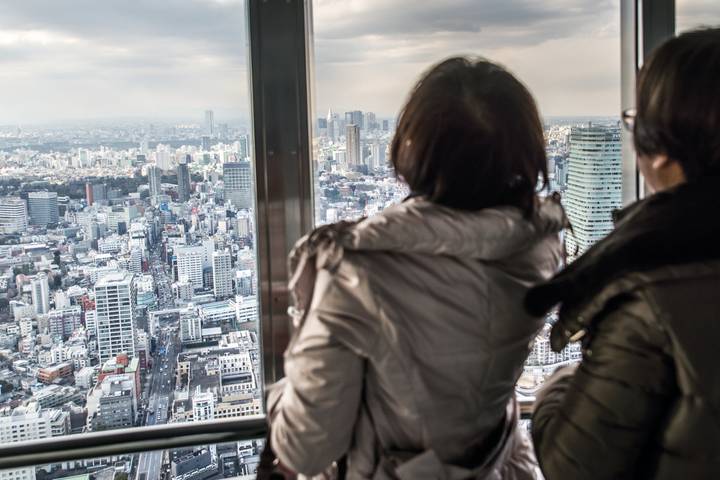
You see Shibuya Crossing from the bus, rather than joining the crowds on foot, then visit Meiji Shrine and ride up to the Tokyo Skytree Tembo Deck, 350 meters above the city. The views can help you grasp Tokyo’s scale, though weather may limit them. If Skytree access is restricted, an alternative viewpoint is offered.
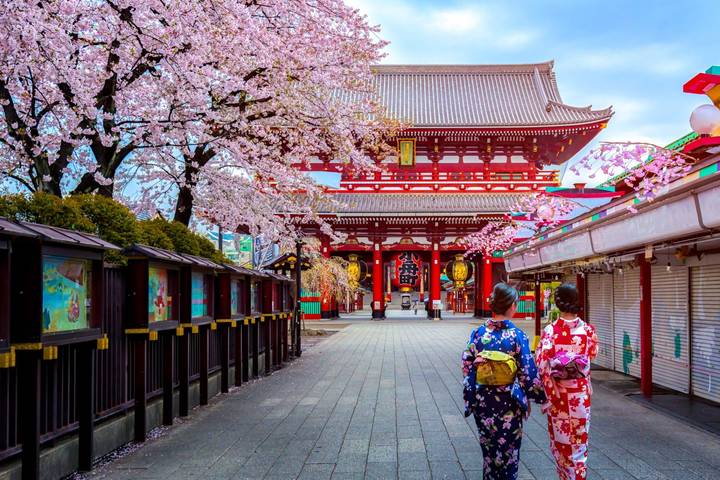
Asakusa brings a more traditional feel. Nakamise Street is lined with shops and food stalls leading toward Sensoji Temple, though the schedule may leave limited time to browse. The coach also passes through Akihabara and Ginza, so treat these as glimpses, not full visits.
In the evening, you take the subway with your guide to Shinjuku, walk through the district and have dinner at a local restaurant. Subway tickets and dinner are included. This is a useful way to get an early feel for Tokyo after dark, without having to work out the return journey on your own.
Kamakura, Enoshima and Odawara: temples, coast and castle
On Day 3, the route leaves Tokyo for Kamakura, a former Japanese capital with a long concentration of temples and shrines. At Hokoku-ji, you walk through a bamboo grove and have green tea. It is a quieter pause in a day that also includes the Great Buddha, whose scale makes it one of the route’s most memorable sights.
The coastal drive to Enoshima adds a change of scene. You have free time for lunch and a walk on the island, but the meal is not listed as included. This is one of the day’s more flexible stops, so use the time to eat and explore rather than expect a guided island visit.
Odawara Castle closes the day. The present structure is a modern restoration, but the site recalls the region’s medieval and Edo-era past. Admission is included. You then stay overnight in Odawara, avoiding a return to Tokyo and setting up the next day’s journey toward Mount Fuji.
Hakone and Kawaguchiko: the Fuji day
Day 4 gathers several of the tour’s best-known natural sights. At Owakudani, volcanic steam vents and bubbling mud give you a look at the area’s active geology. The name Valley of Hell sounds dramatic for good reason: access can be closed when volcanic activity or gases make a visit unsafe. If that happens, the planned substitute is Fuji Sengen Shrine.
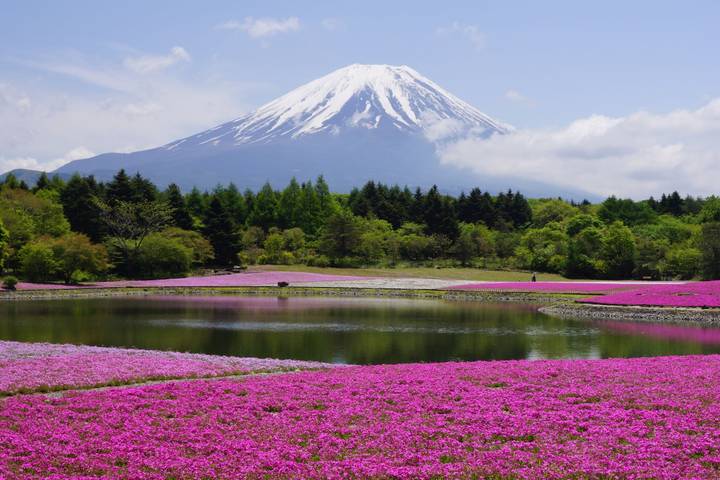
Oshino Hakkai offers a gentler stop, with eight ponds and views toward Mount Fuji when conditions allow. The boat ride on Lake Kawaguchiko adds time on the water, followed by the drive up to the mountain’s Fifth Station, at 2,305 meters. That is high enough for broad views, but it is not a summit climb.
Weather matters here. In winter, snow or poor conditions often close the road before the Fifth Station, and the coach goes only as far as permitted. Even in other seasons, clouds can hide Fuji, so enjoy the lakes, village and volcanic sights as part of the day rather than judging it solely by the mountain view.
You stay near Kawaguchiko, with a planned ryokan and access to an onsen hot spring bath. Dinner is included. The room may be Japanese-style with tatami mats or Western-style, and sometimes the accommodation is a Western-style hotel instead. The traditional inn setting is a welcome change, but do not assume every room has the same layout.
A completely different kind of day out:
- Mt Fuji and Hakone 1-Day Bus Tour Return by Bullet Train
★ 5.0 · 26,383 reviews - TOKYO SKYTREE® Ticket
★ 4.7 · 25,136 reviews - teamLab Borderless Tickets: MORI Building DIGITAL ART MUSEUM
★ 4.7 · 24,126 reviews - teamLab Planets TOKYO Ticket
★ 4.7 · 21,663 reviews
From an old village to Kyoto
Day 5 starts with Iyashi no Sato Nenba, a reconstructed open-air village whose traditional houses now hold shops, restaurants and cultural exhibits. The village was destroyed by a typhoon in 1966 and later restored. It offers a compact look at older rural architecture, though the shops mean it is not a village preserved untouched from modern life.
Shiraito Falls is the next stop, with water spilling over a broad rock face from a height of about 20 meters. Then the coach continues to Nagoya for the Toyota Museum before carrying on to Kyoto. Admission to the museum is included, making this a useful change of pace for anyone interested in Japanese industry and cars. If cars are not your thing, it may feel like an unusual detour on a day already heavy with driving.
The itinerary identifies a 4-star hotel in Kyoto for the following two nights. The operator notes that its hotels are selected for quality, price and location, often outside the center but near public transport. Expect practical accommodation rather than luxury, and remember that room sizes and standards can vary between Japanese hotels.
Kyoto: temples and torii gates in a packed day
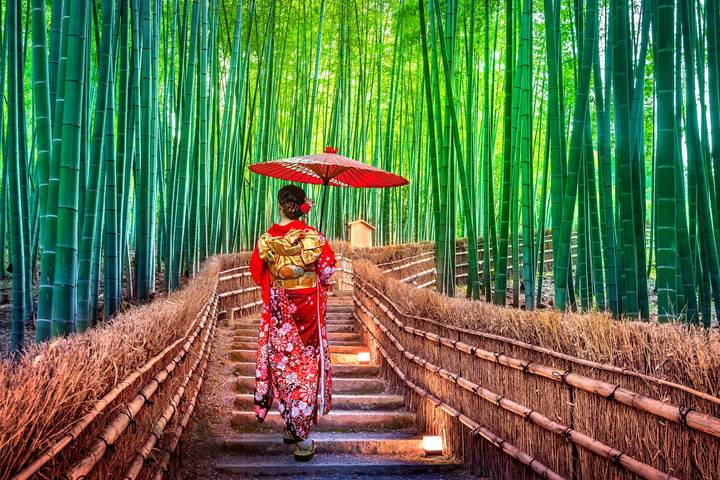
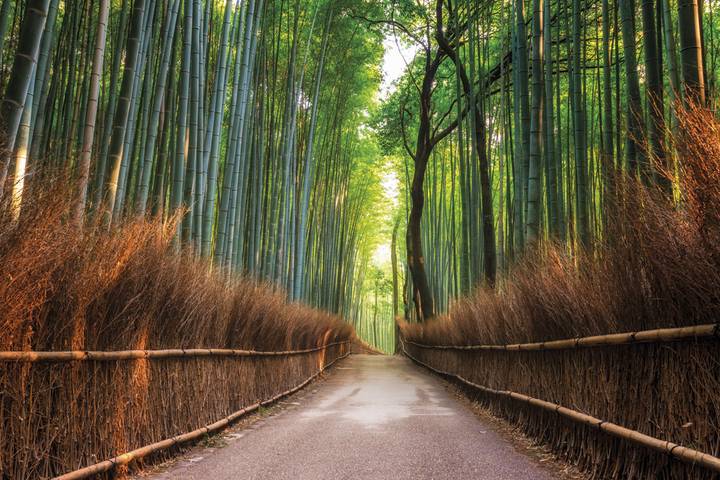
Kyoto gets one full sightseeing day, and the schedule covers a lot. In Arashiyama, Togetsukyo Bridge frames the river and surrounding hills. You also visit Tenryu-ji, a Zen temple with a garden arranged around a pond, then walk through the nearby bamboo grove. These stops are close enough to connect on foot, but they can draw crowds.
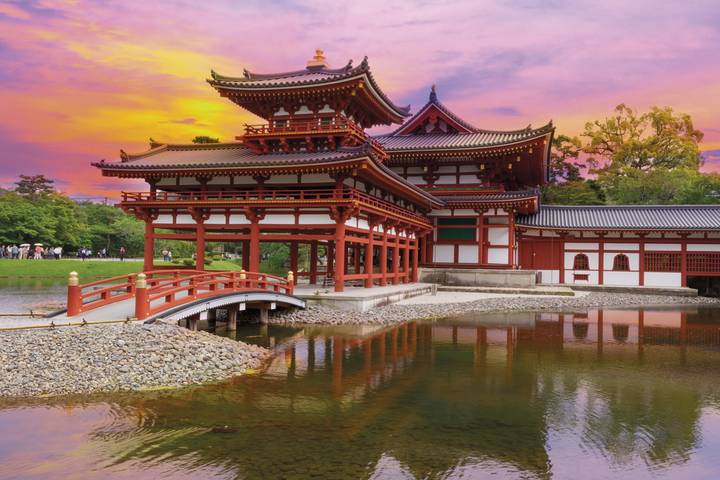
Fushimi Inari Shrine is known for its long runs of red torii gates along a wooded hillside. The visit is a highlight, though the route can involve more walking than a quick photo stop suggests. The tour also includes the Imperial Palace and Kinkakuji, the Golden Pavilion, whose gold-leaf exterior reflects in the water beside it.
The order may change, and you should not expect a long, unstructured visit at every site. After the guided program, you have time to explore Gion independently. Its wooden machiya houses and narrow lanes give the district a distinct old-Kyoto character. The evening transfer is included, but the supplied details do not specify a meal there.
Tsumago and Matsumoto: a long road back
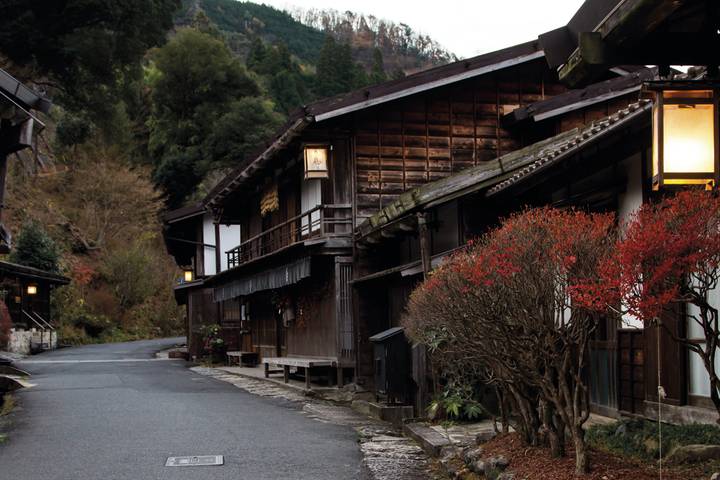
Day 7 is a substantial travel day. You leave Kyoto for Tsumago, a preserved wooden post town with a traditional streetscape. Free time lets you stroll through at your own pace, and lunch at a local restaurant is included.
From there, the route continues to Matsumoto Castle, the black 16th-century fortress often called the Crow. Admission is included, followed by free time in town. The castle is one of the trip’s strongest history stops, but the day does not end in Matsumoto: you continue by coach to Tokyo, arriving by the end of the day.
That return drive is the itinerary’s biggest stamina test. If you want unhurried time in Kyoto or Matsumoto, this schedule may feel too compressed. If your priority is to connect several regions in one trip and leave the transport to someone else, the long day is part of the bargain.
What the price includes, and what to confirm
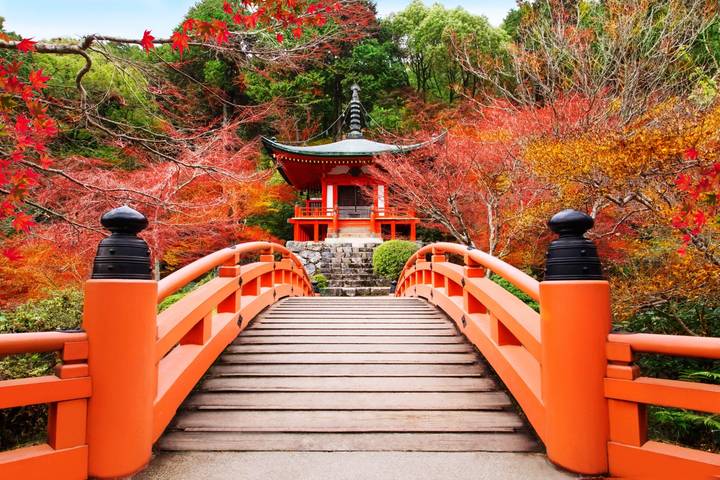
The $2,468 starting price includes an arrival transfer, accommodation, basic travel insurance, many listed admissions and three meals: dinner in Shinjuku, dinner near Kawaguchiko and lunch in Tsumago. Flights are not included. The tour also covers selected local transport, such as the Tokyo subway trip to and from Shinjuku.
Group size is listed as 2 to 72. That upper limit is worth considering: a large group can make boarding and gathering slower, and the guide’s attention may be spread thin. The physical rating is low intensity, but you should still be comfortable with repeated walks through temples, gardens, village streets and city districts.
The guiding language deserves a direct check. English-speaking tours are specified in Tokyo and Kyoto, while the general tour information allows for bilingual service, usually English and Spanish, depending on group numbers. One participant on an August 2025 departure reported that little English was provided and felt the tour was aimed at Spanish speakers. This is a serious caution, though one account cannot establish what every departure will be like. Ask the operator how your specific date will be guided and whether explanations will be provided in English throughout.
The operator has a 4.1 out of 5 rating across 6,466 reviews, but that broad figure does not settle the language question for this particular route. Get a clear answer before you book.
Should you book this Japan tour?
Book it if you want a guided, multi-region introduction to Japan and value having transport, admissions and hotel arrangements handled for you. Its strongest mix is Tokyo, a full Fuji-area day, Kyoto’s major sights and the older towns of Tsumago and Matsumoto.
Think twice if you want slow mornings, deep time in each city or a trip conducted reliably in English without bilingual explanations. Before booking, confirm the language plan, check seasonal access to Mount Fuji and decide if you are comfortable with the long coach days. If those points work for you, this is an efficient way to see a broad sweep of central Japan in just over a week.
FAQ
How long is the tour?
The tour lasts eight days and begins and ends in Tokyo.
Where does the tour start?
It starts in Tokyo. An arrival transfer to the hotel by shared shuttle bus is included.
Are international flights included?
No. Flights are not included unless specifically stated in the itinerary.
What is the maximum group size?
The listed group size is 2 to 72 people.
Is the tour conducted in English?
English is listed, with English-speaking tours specified in Tokyo and Kyoto. Bilingual service, usually in English and Spanish, may be used on some departures, so confirm the language arrangements for your date.
Is Mount Fuji’s Fifth Station included?
The tour plans a coach visit to the Fifth Station at 2,305 meters. In winter or poor weather, the road may close and the coach will go only as far as conditions allow.
What happens if Owakudani is closed?
If access is restricted because of volcanic activity or toxic gases, the planned alternative is Fuji Sengen Shrine.
What meals are included?
Two dinners are included, one in Tokyo and one near Kawaguchiko. Lunch is included in Tsumago.
What accommodation is listed?
The itinerary lists Fuji Kawaguchiko Resort for Day 4 and Miyako Kioto Hachijyo for Days 5 and 6. The operator says hotels are practical rather than luxury, and room styles may vary.
What is the tour’s physical activity level?
It is rated low intensity. The program includes walking at temples, gardens, shrines and traditional villages.
Just added in Tokyo
- Mt. Fuji & Hakone Cherry Blossom private One Day Tour★ 4.5 · 35 reviews
- Fish Market & Tokyo Skyline Private Walking Tour★ 5.0 · 14 reviews
- Private Tour with a Local Guide – Learn about daily life in Japan★ 5.0 · 22 reviews
- Tokyo: 3-Hour Bike/E-Bike Tour of the City’s Highlights★ 5.0 · 209 reviews
- 25-Min Downtown Helicopter Tour : Tokyo Skytree and Tokyo Tower★ 5.0 · 19 reviews
- Official Japan Go-Kart Through Tokyo Bay / Ginza (IDP Required)★ 4.5 · 71 reviews
- 30-Min Tokyo Central Private Heli Tour– Asakusa, Skytree, Shibuya★ 5.0 · 13 reviews
- Tokyo 2-Hour Genuine Samurai Experience: Kendo in Japan★ 5.0 · 112 reviews
Multi-Day Tours That Visit Iyashi no Sato, compared.

Contrasts of Japan end Tokyo 10-Day Tour by Europamundo
Read our review →
Wonders of Japan end Tokyo 15-Day Tour by Europamundo
Read our review →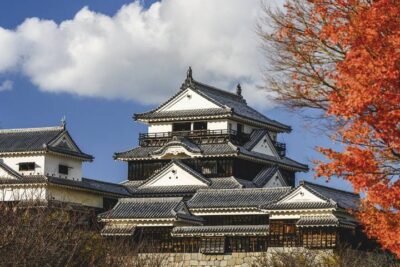
Wonders of Japan end Tokyo GO 15-Day Tour by Europamundo
Read our review →
7 Days Customized Tokyo and Kansai Classic Tour (private guide & driver) by UME Travel
Read our review →
Essential Japan and Hakone end Tokyo by Europamundo – 11-Day Tour
Read our review →
The “Golden Route” and Ancient Japan by DIAMIR Erlebnisreisen – 14-Day Tour
Read our review →
Central Japan Express 7-Day Tour by Europamundo
Read our review →Browse the lists this tour appears in