Reviewed · MULTI-DAY TOURS THAT VISIT ARASHIYAMA
Discover Japan: Land of Tradition and Innovation by Apochi BV – 10-Day Tour – Reviews & Prices
Tokyo’s old temples and high-tech art make a lively start to this 10-day trip, but the route keeps moving: from the capital, you head to Hakone, Kyoto, Nara and Osaka. Along the way, you’ll ride the Shinkansen, soak in hotel hot springs, visit a tea ceremony and see deer wandering through Nara Park.
I like two things in particular: the mix of city sights and quieter stops, and the practical help of having a guide with you throughout the trip. The luggage transfer from Tokyo to Kyoto also means you can travel lighter on the Hakone leg.
One consideration: this is a fast-paced route, and several days pack in multiple sights. You’ll have free time in Tokyo and Kyoto, but the schedule won’t suit you if you want long, unplanned stays in each city.
In This Review
- At a glance
- A quick route through Japan
- Tokyo: temples, cherry blossoms and TeamLab
- A free day in Tokyo, with choices to make
- Hakone: safari, hot springs and a Fuji forecast
- Kyoto: temples, bamboo and a tea ceremony
- Osaka: castle grounds, aquarium and an open evening
- Hotels, meals and what the price needs to cover
- What the pace and guide support mean for you
- Should you book this 10-day Japan tour?
- FAQ
- Where does the tour start and end?
- How many days does the tour last?
- Are flights included?
- What meals are included?
- What languages can the guide speak?
- Can three adults share a room?
- Are Mount Takao and Universal Studios included?
At a glance
- Tokyo’s contrast: Visit the Imperial Palace area, Senso-ji Temple, Odaiba and the TeamLab art and science museum.
- Hakone’s hot springs: Spend a night at a 4-star hotel with access to Japanese spa springs.
- A weather-dependent Fuji view: Cruise Lake Ashi and take a cable car to Owakudani. Mount Fuji may be visible if conditions cooperate.
- Kyoto’s classic sights: See Kiyomizu-dera, Kinkaku-ji and Arashiyama, with a traditional tea ceremony on the following day.
- Nara between cities: Walk among the free-roaming deer and visit Todaiji Temple before continuing to Osaka.
- A guided group format: The stated group size is 5 to 30, with a professional guide throughout and other guide languages available by request.
A quick route through Japan
This is a 10-day, one-way trip that begins with an airport pickup in Tokyo and ends with a transfer to Osaka Airport. You stay in Tokyo, Hakone, Kyoto and Osaka, using coach transport for much of the route and a Shinkansen train from Mishima to Kyoto.
The schedule is built for broad coverage, not slow travel. You get a useful first look at several major destinations, and you don’t need to plan every transfer yourself. In return, expect early starts, busy sightseeing days and limited time to follow your own interests at each stop.
The guide is scheduled to stay with the group for the full trip. English is the listed language; German, Italian, French and Spanish can be requested before booking. The group size may range from 5 to 30, so the feel of the trip could vary depending on the departure.
A few more options to weigh up in Tokyo
- Tokyo Disney Resort – Tokyo Disneyland & Tokyo DisneySea Park Tickets
★ 4.8 · 99,488 reviews - SHIBUYA SKY Ticket
★ 4.7 · 46,509 reviews - JR Whole Japan Rail Pass
★ 4.8 · 29,150 reviews
Tokyo: temples, cherry blossoms and TeamLab
Day one is for arrival, immigration, baggage collection and the transfer to your hotel. That breathing room matters after a long flight. There’s no sightseeing scheduled, so you can settle in and adjust before the tour begins in earnest.
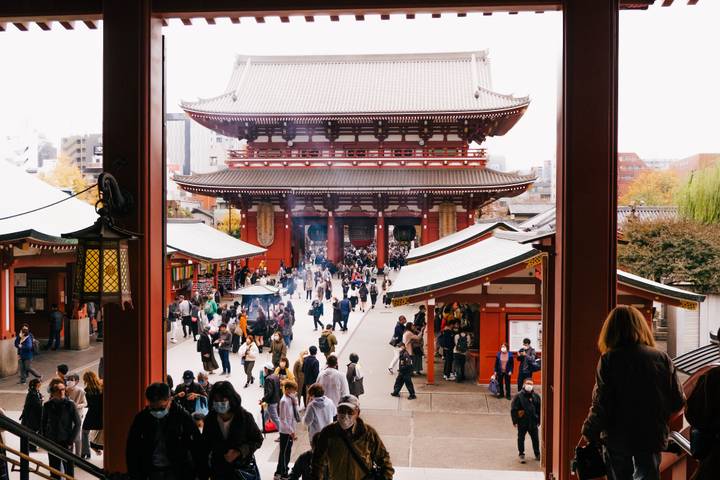
The next day joins the Imperial Palace area and Chidorigafuchi Moat with Asakusa and Senso-ji Temple. The palace is the residence of the Japanese royal family, while the moat is known for cherry blossoms in spring. If you travel outside blossom season, the setting still gives you a look at a historic part of central Tokyo, but you won’t get the seasonal display.
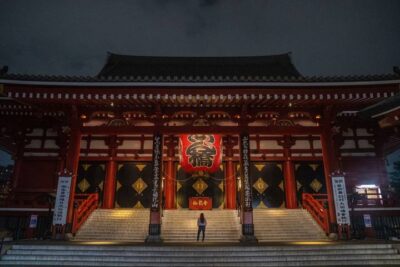
Asakusa offers a different kind of city scene, with Senso-ji as its best-known draw. The day continues to Odaiba, where Odaiba Beach Park gives you a break by Tokyo Bay before the visit to TeamLab. The digital art and science experience uses computer-generated images of nature, making it a sharp change from temple courtyards and city streets. This is a full day with several stops, so you may want to keep your evening simple.
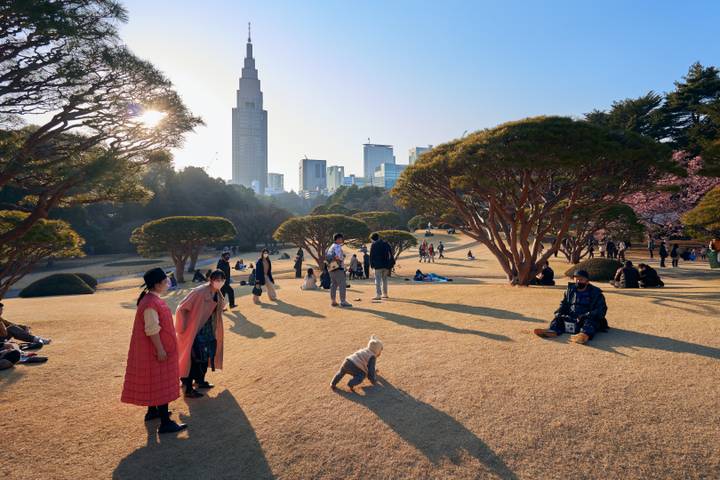
The overview also highlights Shinjuku Gyoen Garden as a spring visit, while the day-by-day schedule places a visit to a famous Japanese garden on the route out of Tokyo. The exact garden is not named in that schedule, so confirm which garden is included if it matters to your plans.
Day three takes you to Shibuya to see Tokyo’s fashion scene, followed by lunch at a Japanese-Brazilian barbecue restaurant and a walk around Ueno. That meal is a welcome change from the standard Japanese dishes you may be expecting, and it adds a small cultural detour to a day focused on modern city life. The schedule gives little detail about the Ueno walk, so treat it as a chance to explore rather than a deep tour of the area.
A free day in Tokyo, with choices to make
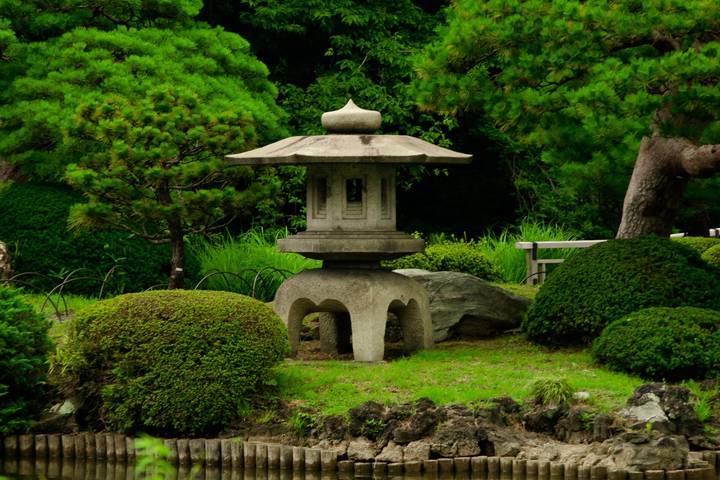
Day four is open. You can arrange shopping with guide assistance or choose from optional activities such as Disneyland, a six-hour hike at Mount Takao, a six-hour visit to Yokohama Port or a kimono experience with time for photos. The tour allows you to choose up to two activities or destinations, though their prices are not provided here.
This free day is a real plus after two full sightseeing days. It also means you should decide what matters most before the trip: a nature walk, a port visit or a more playful day in the city all use your time differently. Universal Studios is listed as an optional extra in Osaka, not as a Tokyo activity.
Hakone: safari, hot springs and a Fuji forecast
On day five, your heavier luggage is sent ahead to Kyoto, while you travel with what you need for the next leg. That makes the transfer through the Fuji area easier, especially if you’re not keen to manage large bags on a busy sightseeing day.
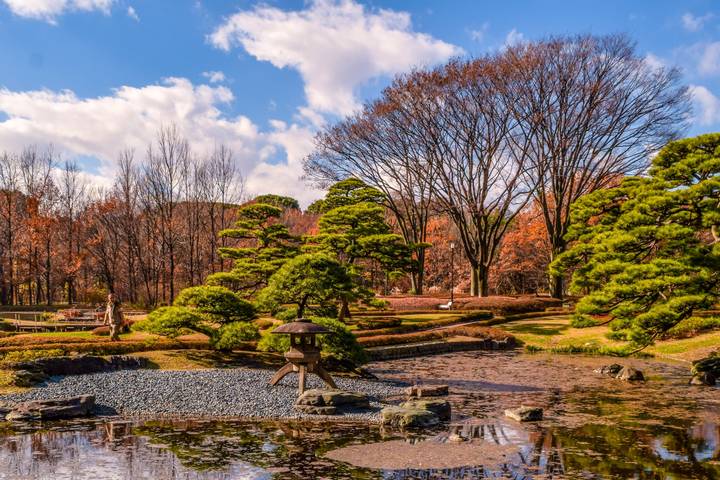
The route includes a visit to a Japanese garden, then a roughly two-and-a-half-hour bus safari in the Fuji area before continuing to Hakone. The safari is an unusual feature in a Japan itinerary centered on temples and cities. It offers a different view of the area’s animal life, though the precise park and animal encounters are not specified.
You finish the day at a 4-star hotel with access to Japanese spa springs. That can be a welcome chance to rest before another travel day. Check what kind of bathing facilities your hotel has and what you’ll need to bring, since those details aren’t specified.
Day six starts with a cruise on Lake Ashi, also called Ashinoko, followed by a cable car ride to Owakudani’s volcanic valley. The lake cruise is scenic, but a view of Mount Fuji depends on the weather. Don’t treat it as a guaranteed photo stop. Owakudani adds a volcanic setting to the day, then you travel to Mishima Station for the Shinkansen journey to Kyoto, described as about three hours.
A completely different kind of day out:
- Mt Fuji and Hakone 1-Day Bus Tour Return by Bullet Train
★ 5.0 · 26,383 reviews - TOKYO SKYTREE® Ticket
★ 4.7 · 25,136 reviews - teamLab Borderless Tickets: MORI Building DIGITAL ART MUSEUM
★ 4.7 · 24,126 reviews - teamLab Planets TOKYO Ticket
★ 4.7 · 21,663 reviews
Kyoto: temples, bamboo and a tea ceremony
Kyoto gets a full sightseeing day on day seven. You visit Kiyomizu-dera, a hillside Buddhist temple more than 1,200 years old, and Kinkaku-ji, the Golden Temple. The stops give you two distinct temple settings, although they are popular sights and the schedule doesn’t specify how long you’ll spend at each.
The day continues to Arashiyama, known here for its bamboo forest. It’s a pleasant change of pace after temple visits, but the schedule combines three major stops with lunch and a return to the hotel. If you want more time in any one place, ask how much free time is built into the day.
Day eight begins with a ninja show at Uzumasa movie city, followed by a traditional Japanese tea ceremony. These are different kinds of cultural encounters: one is a staged performance, the other a formal tradition. The ceremony offers a quieter counterpoint to the day’s sightseeing, while the show is likely to appeal to families and anyone curious about Japanese screen culture.
After lunch, you travel to Nara. A walk through Nara Park brings you among the free-roaming deer, then the group visits Todaiji Temple and Kasuga Taisha Shrine. Todaiji is known for its enormous Buddha statue, while Kasuga Taisha is associated with rows of stone lanterns. From Nara, the group continues to Osaka, making this another long day with several stops and a city transfer.
Osaka: castle grounds, aquarium and an open evening
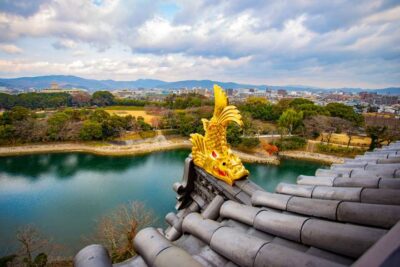
Day nine pairs Osaka Castle with Kaiyukan Aquarium in the port area. Osaka Castle played an important part in Japan’s unification in the 16th century, and the tour also points to its golden tea house. The schedule doesn’t say whether every interior area is included, so ask your guide what the visit covers.
Kaiyukan brings the focus back to marine life, with a range of aquatic environments and animals including fish, jellyfish and penguins noted in the tour description. After the aquarium, the evening is free. You can head to Namba for shopping, restaurants and entertainment, or take a quieter night if the previous days have caught up with you.
On day ten, breakfast is followed by a transfer to Osaka Airport timed to your flight. If you need to depart from Tokyo instead, the operator can arrange a domestic flight from Osaka and a night near Narita Airport as separate bookings. Factor that extra travel and cost into your plans before choosing flights.
Hotels, meals and what the price needs to cover
The package includes 4-star hotels in twin or double rooms, with example properties named for Tokyo, Hakone and Kyoto. The exact hotel depends on availability. A triple room for three adults can be arranged if one is available, and solo room-sharing may be possible if another traveler is willing; otherwise, a solo supplement applies.
The stated meal package is nine breakfasts, three lunches and one dinner. The day-by-day schedule identifies lunches on days three, seven and nine, plus dinner on day five, which matches that total. Vegetarian, vegan and halal meals can be requested from the operator. Other meals are not included, so leave room in your budget to eat independently.
Flights and travel insurance are not included. The tour price itself isn’t provided here, which makes a value judgment impossible without a current quote. When comparing options, count the value of the hotels, airport transfers, guide, listed sightseeing, Hakone hot springs and Shinkansen trip, then add flights, optional activities and meals not covered.
The booking terms specify a 20 percent deposit, with the balance due 60 days before departure. Departure months are not currently listed, so check that your preferred dates are operating before building a longer Japan trip around them.
What the pace and guide support mean for you
The tour is described as low intensity, but that doesn’t mean no walking. Temple grounds, city neighborhoods and sightseeing stops all involve time on your feet. The Mount Takao hike is an optional six-hour activity, not a required part of the main route.
Having a guide throughout is useful when you’re moving between several cities and navigating transport. The operator says the same guide can accompany the group from airport to airport, including for Spanish-language departures. Other languages can be requested in advance, but the schedule includes free time when you may be on your own or on an optional excursion.
One published account of a March 2024 trip praised the itinerary, transport, accommodation and guide, and rated food a little lower. That’s a helpful reminder that the tour’s strength is its overall structure and logistics, while meals may be more variable and several are left to you. The tour operator has a 4.7 out of 5 rating across 23 reviews, but the specific tour has only one recorded rating, so the sample for this exact route is small.
Should you book this 10-day Japan tour?
Book it if you want a guided introduction to Japan’s biggest city and cultural stops, with hotel stays and intercity transport arranged for you. The variety is the appeal: TeamLab and Shibuya, Hakone’s hot springs and volcanic valley, Kyoto’s temples, Nara’s deer and Osaka’s castle and aquarium.
Think twice if you prefer to linger, choose every meal or spend several days in one place. This schedule covers a lot in 10 days, and the Mount Fuji view is weather-dependent. Before paying, confirm the departure date, current price, optional activity costs, exact hotel arrangements and the garden visit in Tokyo. Those details will tell you whether the convenience is worth the cost for your style of trip.
FAQ
Where does the tour start and end?
It starts in Tokyo, with pickup arranged from your arrival airport, and ends in Osaka with a transfer to Osaka Airport.
How many days does the tour last?
The trip lasts 10 days, traveling from Tokyo to Osaka.
Are flights included?
No. Flights are not included. If you depart from Tokyo, a domestic flight from Osaka and one night near Narita Airport can be arranged as separate bookings.
What meals are included?
The stated total is 13 meals: nine breakfasts, three lunches and one dinner. Vegetarian, vegan and halal options can be requested.
What languages can the guide speak?
English is listed as the main language. German, Italian, French and Spanish can be requested before booking. The same guide can accompany the group for the trip.
Can three adults share a room?
A triple room can be arranged if one is available. A twin or double room is the standard accommodation type.
Are Mount Takao and Universal Studios included?
No. Mount Takao is an optional activity on the free Tokyo day, and Universal Studios is listed as an optional extra in Osaka. Optional activity costs are not specified here.
Just added in Tokyo
- Fish Market & Tokyo Skyline Private Walking Tour★ 5.0 · 14 reviews
- Mt. Fuji & Hakone Cherry Blossom private One Day Tour★ 4.5 · 35 reviews
- 25-Min Downtown Helicopter Tour : Tokyo Skytree and Tokyo Tower★ 5.0 · 19 reviews
- Private Tour with a Local Guide – Learn about daily life in Japan★ 5.0 · 22 reviews
- Tokyo: 3-Hour Bike/E-Bike Tour of the City’s Highlights★ 5.0 · 209 reviews
- Official Japan Go-Kart Through Tokyo Bay / Ginza (IDP Required)★ 4.5 · 71 reviews
- 30-Min Tokyo Central Private Heli Tour– Asakusa, Skytree, Shibuya★ 5.0 · 13 reviews
- Tokyo 2-Hour Genuine Samurai Experience: Kendo in Japan★ 5.0 · 112 reviews
Multi-Day Tours That Visit Arashiyama, compared.

Japan Essentials 9 Day – One Life Adventures: Tokyo to Osaka
Read our review →

Tokyo to Osaka by Rail – Private Tour (14 Days) with Explore!
Read our review →

Essential Japan GO by Europamundo – 7-Day Tokyo to Osaka Tour
Read our review →
Wonders of Japan End Osaka GO by Europamundo – 12-Day Tour
Read our review →