
Reviewed · MULTI-DAY TOURS THAT VISIT KAMAKURA
Essential Japan and Hakone end Hiroshima (including Owakudani) by Europamundo – Reviews & Prices
Mount Fuji’s volcanic vents, a soak in a Kawaguchiko onsen, and a ferry ride to Miyajima make this more than a city-to-city checklist. I like that the route pairs famous places with smaller stops such as Kamakura’s bamboo garden and the old canal quarter of Kurashiki. It covers a remarkable stretch of Japan in ten days.
I also like the practical inclusions: coach transport, many landmark admissions, hotel breakfasts, and a few dinners and lunches are bundled into the price. You get a guide for key city visits and time to explore some places on your own. One consideration: the pace is brisk, and group sizes can reach 72, so this suits you better if you value broad coverage over long, unhurried visits.
In This Review
- Six details worth knowing before you book
- A fast, far-reaching route through Japan
- Tokyo’s temples, crossings, and skyline
- Kamakura, Enoshima, and Odawara Castle
- Owakudani and Mount Fuji’s Fifth Station
- A restored village, a waterfall, and Toyota
- Kyoto’s gardens, torii gates, and Golden Pavilion
- Nara’s Great Buddha and Osaka’s food quarter
- Himeji Castle and Okayama’s garden
- Hiroshima and a ferry to Miyajima
- Who will get the most from this tour?
- Should you book it?
- FAQ
- How long is the tour, and where does it start?
- Where does the tour end?
- Is Owakudani guaranteed to be open?
- Does the tour go to Mount Fuji’s Fifth Station?
- Which meals are included?
- Are international flights included?
- What language is the tour guided in?
- How large can the group be?
Six details worth knowing before you book
- Owakudani is a conditional stop: Volcanic activity or gas levels can close the area, in which case the tour substitutes Fuji Sengen Shrine.
- Mount Fuji access depends on the season: The coach is scheduled to reach the Fifth Station at 2,305 meters, but winter weather can limit the climb.
- The itinerary has several worthwhile admissions included: These include Tokyo Skytree’s Tembo Deck, Himeji Castle, and Hiroshima’s Peace Memorial Museum.
- The Kawaguchiko night is a change of pace: You stay at a ryokan-style property, with an onsen and dinner included. Room style can vary.
- You see Miyajima on Day 9, then finish in Hiroshima: The final morning is breakfast in Hiroshima, despite the tour description also naming Miyajima Island as its endpoint.
- The group can be large and bilingual: The stated range is 2 to 72 people, and some departures may have English and Spanish explanations.
A fast, far-reaching route through Japan
This tour links Tokyo, Kamakura, the Mount Fuji area, Kyoto, Nara, Osaka, Okayama, Hiroshima, and Miyajima in ten days. That is a lot of ground, and the coach makes it possible without asking you to plan each transfer or buy individual admissions to many major sights.
The trade-off is time. Some days combine several towns, temples, museums, and scenic stops, then end with a hotel check-in and another early start. I would think of this as a first survey of Japan, not a slow cultural stay. You get enough structure to see the big names and enough free time at selected stops to choose your own meal or wander a little.
The tour price starts at $3,225. Its value depends on how much you would otherwise spend arranging transport, hotel stays, guided visits, and admissions across such a wide route. The price includes hotel accommodation and buffet breakfasts, basic travel insurance, an arrival transfer, coach travel, and many entrance tickets. It does not include international flights, and the published price is based on the cheapest room option.
Some meals are included: dinners in Tokyo, Kawaguchiko, and Hiroshima, plus two lunches according to the included-meals information. A lunch at a local restaurant in Himeji is specifically described. At other stops, plan to pay for meals yourself, including the free-time lunch on Enoshima and time on Miyajima.
A few more options to weigh up in Tokyo
- Tokyo Disney Resort – Tokyo Disneyland & Tokyo DisneySea Park Tickets
★ 4.8 · 99,488 reviews - SHIBUYA SKY Ticket
★ 4.7 · 46,509 reviews - JR Whole Japan Rail Pass
★ 4.8 · 29,150 reviews
Tokyo’s temples, crossings, and skyline
Your first day is deliberately light. A shared shuttle takes you from the airport to the hotel after customs, and the rest of the day is free. That is a useful buffer after a long flight, though the tour does not include a guided activity that day. You receive details about the next day’s start in the afternoon.
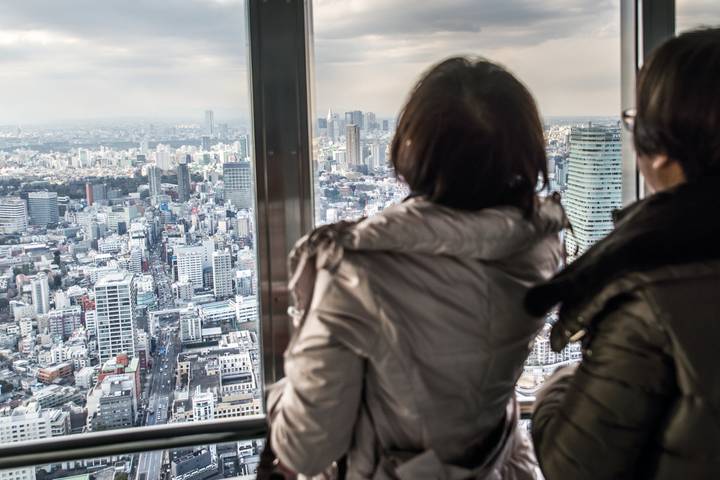
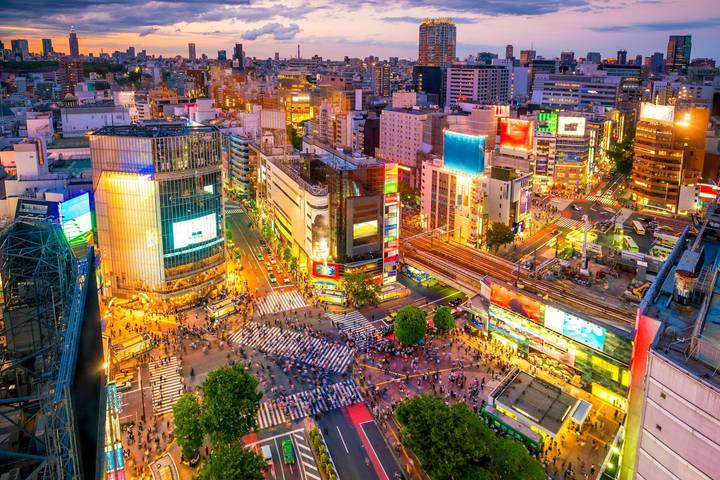
Day 2 gives you a seven-hour city tour. Zojoji Temple offers a striking view toward Tokyo Tower, with rows of small Jizo figures nearby. You pass Shibuya Crossing from the bus, visit Meiji Shrine, and go up Tokyo Skytree to the Tembo Deck at 350 meters, weather and operating conditions permitting.
The tour continues to Asakusa’s Nakamise Street, a lively approach to Sensoji Temple lined with shops and food stalls. On the return toward the hotel, the coach passes Akihabara and Ginza. These are glimpses rather than dedicated visits, so if anime shops or department stores are high on your list, make a note to return during any free time you have.
In the evening, you take the subway with your guide to Shinjuku, walk around the neon-lit district, and have dinner at a local restaurant. Subway tickets and dinner are included. It is a handy introduction to Tokyo’s scale and transit, though the guided day leaves little room to linger at any one stop.
Kamakura, Enoshima, and Odawara Castle
On Day 3, the coach leaves Tokyo for Kamakura, once Japan’s capital. At Hokoku-ji Temple, you walk through a bamboo grove and have green tea, a quiet pause before visiting the Great Buddha, or Daibutsu. Admissions are included for the listed Kamakura sights.
The day then shifts to the Pacific coast. Enoshima is connected to the mainland by a bridge, and you have free time to walk around and find lunch. This independent interval is useful, but it is not a long island stay: keep an eye on the meeting time, especially if you stop to eat.
Odawara Castle rounds out the day. The present structure is a modern restoration of an important Edo-period fortress, and admission is included. It gives you a first look at Japanese castle architecture before the more famous Himeji Castle later in the week.
Owakudani and Mount Fuji’s Fifth Station
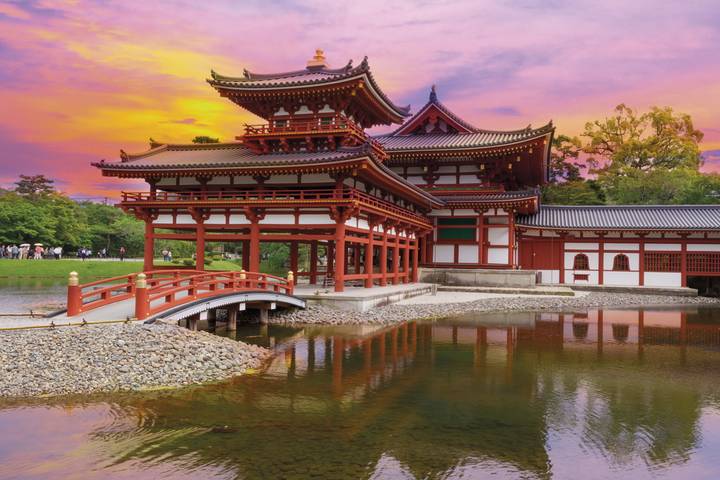
Day 4 is one of the tour’s strongest scenic stretches. Owakudani, nicknamed the Valley of Hell, is a volcanic area known for steam vents, bubbling mud, and sulfurous gases. Access can be restricted when volcanic conditions change. If it is closed, the planned alternative is Kitaguchi Hongu Fuji Sengen Shrine, so treat Owakudani as a possibility rather than a guarantee.
At Oshino Hakkai, eight ponds and views toward Mount Fuji create a gentler contrast to the volcanic stop. Then comes a boat ride on Lake Kawaguchiko, followed by a coach ascent to Mount Fuji’s Fifth Station, at 2,305 meters when road and weather conditions allow. In winter, the route may stop short because of snow or other conditions. Clear views are never assured, so enjoy the mountain experience without making the summit view the sole measure of the day.
That night, you stay in Kawaguchiko at a ryokan or the listed resort property, with an onsen and dinner included. The accommodation information says room layouts may be Japanese-style with tatami or Western-style, and a Western-style hotel may sometimes replace the planned ryokan. It is a welcome change from the coach, but an onsen is a public bath, so be prepared for a shared bathing setting.
A completely different kind of day out:
- Mt Fuji and Hakone 1-Day Bus Tour Return by Bullet Train
★ 5.0 · 26,383 reviews - TOKYO SKYTREE® Ticket
★ 4.7 · 25,136 reviews - teamLab Borderless Tickets: MORI Building DIGITAL ART MUSEUM
★ 4.7 · 24,126 reviews - teamLab Planets TOKYO Ticket
★ 4.7 · 21,663 reviews
A restored village, a waterfall, and Toyota
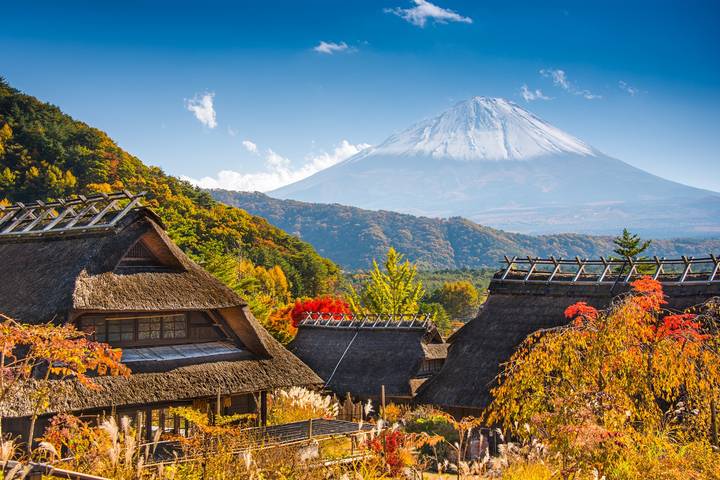
The next morning, you visit Iyashi no Sato Nenba, a village rebuilt as an open-air museum after a typhoon destroyed it in 1966. Traditional houses now hold craft shops, restaurants, and cultural displays. It is a chance to see historic-style buildings in a village setting, although the shops are part of the experience.
Shiraito Falls brings a short nature stop, with water dropping about 20 meters. Then the itinerary heads to Nagoya for the Toyota Museum, where admission is included, before continuing to Kyoto. That is a long transfer day with several stops, so expect the coach to be part of the day rather than simply a way to get between sights.
Kyoto’s gardens, torii gates, and Golden Pavilion
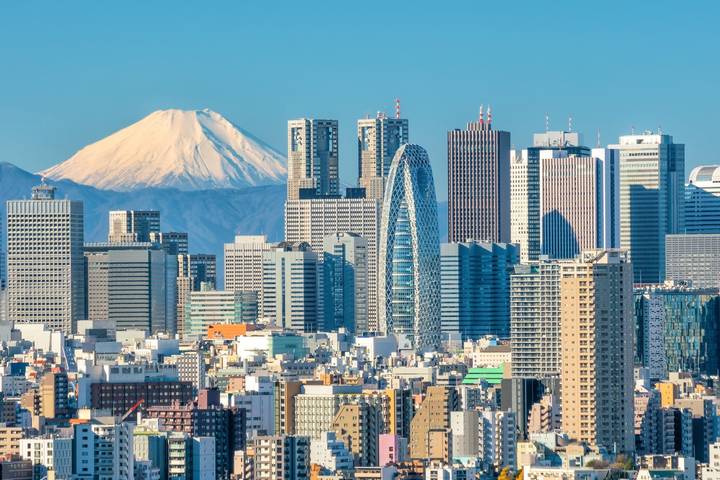
Kyoto gets a full guided day, and the schedule gathers several of its best-known sights. In Arashiyama, you see Togetsukyo Bridge and visit Tenryu-ji, whose garden frames a pond with rocks, pines, maples, and surrounding hills. The nearby bamboo grove is beautiful, but it is also a popular stop. The tour’s timing, rather than a quiet hour alone, will shape your experience.
Fushimi Inari Shrine is known for its long rows of red torii gates climbing the hillside. The full route up the mountain takes much longer than a brief visit, so use the time you have to walk as far as you comfortably can and turn back when needed. The day also includes Kyoto Imperial Palace and Kinkakuji, the Golden Pavilion, with its reflective setting and gardens.
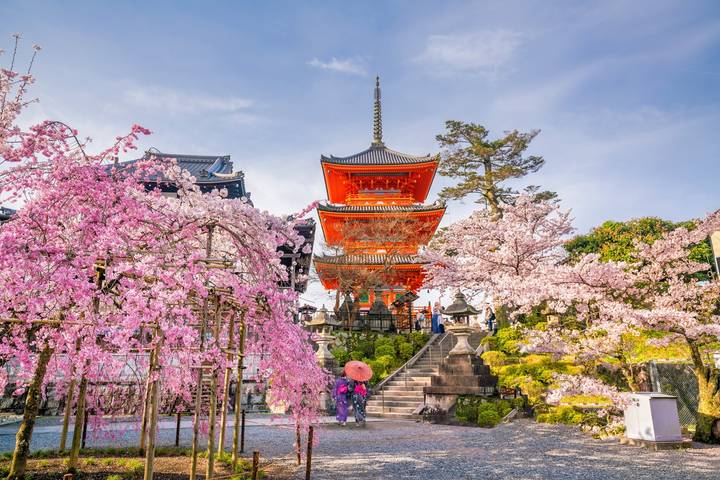
In the evening, Gion is listed as time to explore at your own pace. Its wooden machiya buildings and traditional district atmosphere reward a slow stroll, but no special evening activity is specified beyond the walk and free time. Your hotel is Miyako Kyoto Hachijo for the Kyoto nights.
Nara’s Great Buddha and Osaka’s food quarter
On Day 7, you leave Kyoto for Nara and visit Todaiji Temple, home to a monumental Great Buddha. The park’s deer roam among people, which is memorable, but keep your belongings secure and treat the animals respectfully. The temple and park combine a major religious site with open-air walking.
Osaka brings a different mood. You get a panoramic look at Dotonbori, with free time for lunch, then visit Osaka Castle and the Umeda neighborhood, where the Umeda Sky Building is located. The listed activities do not promise admission to the Sky Building, so regard it as a neighborhood stop rather than an included observatory visit. Your hotel is Candeo Osaka Namba. One past account described the Osaka room as small, a practical reminder that four-star labels do not mean identical room sizes across Japan.
Himeji Castle and Okayama’s garden
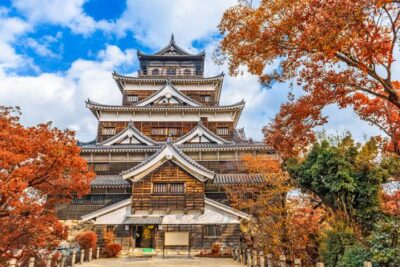
Himeji Castle is a major payoff for anyone interested in Japanese fortifications. The tour includes admission to the castle complex, with time for lunch at a local restaurant. Allow for stairs and walking around the grounds, even though the overall tour is rated low intensity.
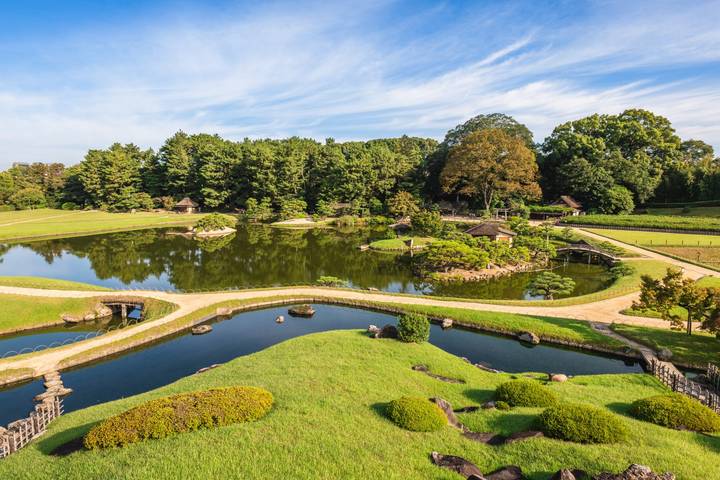
In Okayama, you visit Korakuen, a major garden arranged around lakes, waterfalls, and teahouses. A pedestrian bridge crosses the river toward Okayama Castle, where the exterior is included but entry to the rebuilt castle interior is not. You have free time in Okayama afterward, although on some dates the overnight stay may be in Fukuyama or Kurashiki instead. The named hotel for Okayama is ANA Crowne Plaza Okayama.
Hiroshima and a ferry to Miyajima
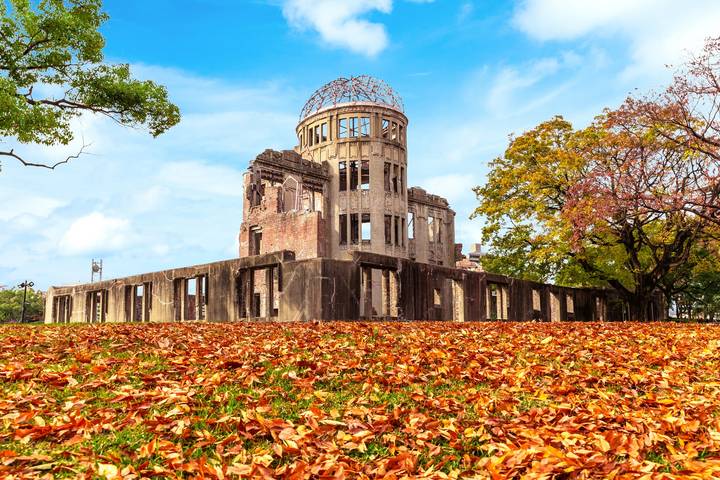
Kurashiki’s old quarter opens Day 9 with canals and preserved historic buildings. You have time to stroll, though the stop is not described as a guided deep exploration. From there, the coach continues to Hiroshima for Peace Memorial Park, the Atomic Bomb Dome, and the Peace Memorial Museum, with museum admission included.
Give this visit your attention. The park and museum offer a sobering account of the 1945 bombing and its human consequences. The order of the Hiroshima stops may change, but the listed sites remain part of the day.
Later, a ferry takes you to Itsukushima Island, commonly called Miyajima. You can see the Great Torii Gate and visit Itsukushima Shrine, with free time to explore and eat lunch before returning to Hiroshima. Tide and weather conditions can affect how the torii appears from the shore, so the view may differ from the familiar photographs. Dinner is included back in Hiroshima.
The final morning is breakfast in Hiroshima, where the tour ends. The destination details also describe the tour as ending on Miyajima Island, but the day-by-day schedule places the overnight in Hiroshima and departure after breakfast there. Confirm the exact end point with the operator before arranging onward transport.
Who will get the most from this tour?
I would choose this trip if you want a guided overview with the major sights handled for you. It suits first-time visitors who would rather ride between regions than manage a sequence of trains and hotel bookings, and families or mixed-age groups may appreciate the low-intensity rating and broad range of stops.
It is less suited to you if you want long museum visits, deep time in each neighborhood, or a small group. The maximum group size is 72, and some departures may combine English and Spanish explanations. A past concern about noise during bus explanations is worth taking seriously: sit near the guide if you can, and do not expect every coach transfer to feel quiet or intimate.
The operator lists English-speaking guides for Tokyo, Kyoto, and Osaka, and notes that guides may change during the trip. The tour is fully guided in general, but the exact guiding arrangement can vary with group size. Hotels are described as selected for quality, price, and location, with public transport access nearby, but not necessarily in city centers. Room sizes, bed sizes, and amenities can vary.
Should you book it?
Book this tour if your priority is seeing a wide range of Japan in ten days, with transport, key admissions, and several meals arranged. The onsen night, Mount Fuji area, Kyoto temples, Himeji Castle, Hiroshima memorial sites, and Miyajima ferry trip make a strong first itinerary.
Skip it if you prefer to set your own pace or want extended time in Tokyo, Kyoto, or Hiroshima. You will spend substantial time on the coach, some stops are short, and Owakudani or the Fuji Fifth Station can be affected by conditions. For a first trip and a firm schedule, the breadth can be worth the compromises. For a slower trip, choose fewer regions and give them more nights.
FAQ
How long is the tour, and where does it start?
The tour lasts 10 days and starts in Tokyo. A shared shuttle transfers you to your hotel after you clear customs.
Where does the tour end?
The day-by-day schedule ends in Hiroshima after breakfast on Day 10. The tour description also names Miyajima Island as the endpoint, so confirm your exact departure location before booking onward travel.
Is Owakudani guaranteed to be open?
No. Access can close because of volcanic activity or toxic gases. If that happens, the planned alternative is Kitaguchi Hongu Fuji Sengen Shrine.
Does the tour go to Mount Fuji’s Fifth Station?
It is scheduled to drive to the Fifth Station at 2,305 meters. In winter, snow or weather may limit how far the coach can go.
Which meals are included?
Hotel buffet breakfasts are included. The listed included meals also include dinners in Tokyo, Kawaguchiko, and Hiroshima, and two lunches. A local restaurant lunch in Himeji is specifically described.
Are international flights included?
No. Flights before and after the tour are not included and must be arranged separately.
What language is the tour guided in?
The tour is listed in English, with English-speaking city tours in Tokyo, Kyoto, and Osaka. Some departures may use bilingual English and Spanish explanations, and guides may change during the trip.
How large can the group be?
The stated group size is 2 to 72 people. The tour is open to all ages and has a low physical-intensity rating.
Just added in Tokyo
- Mt. Fuji & Hakone Cherry Blossom private One Day Tour★ 4.5 · 35 reviews
- Fish Market & Tokyo Skyline Private Walking Tour★ 5.0 · 14 reviews
- 25-Min Downtown Helicopter Tour : Tokyo Skytree and Tokyo Tower★ 5.0 · 19 reviews
- Private Tour with a Local Guide – Learn about daily life in Japan★ 5.0 · 22 reviews
- Tokyo: 3-Hour Bike/E-Bike Tour of the City’s Highlights★ 5.0 · 209 reviews
- Official Japan Go-Kart Through Tokyo Bay / Ginza (IDP Required)★ 4.5 · 71 reviews
- 30-Min Tokyo Central Private Heli Tour– Asakusa, Skytree, Shibuya★ 5.0 · 13 reviews
- Tokyo 2-Hour Genuine Samurai Experience: Kendo in Japan★ 5.0 · 112 reviews
Multi-Day Tours That Visit Kamakura, compared.


Tokyo to Osaka by Rail – Private Tour (14 Days) with Explore!
Read our review →
Highlights of Japan 13-Day Tour by Travel Chasers
Read our review →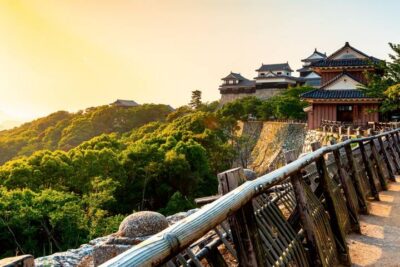
Japanese Scenes and Mount Fuji 19-Day Tour by Europamundo
Read our review →
Discovering Kamakura and Mount Fuji by Europamundo – 2-Day Tour
Read our review →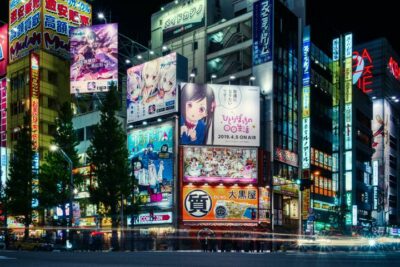
Japanime: 7-Day Tour of Tokyo’s Anime Scene by The Dragon Trip
Read our review →
Essential Japan and Hakone 8-Day Tour by Europamundo
Read our review →Browse the lists this tour appears in