
Reviewed · MULTI-DAY TOURS THAT VISIT FUSHIMI INARI
Essential Japan by Travel Talk – 8-Day Tokyo to Osaka Tour: Itinerary & Reviews
Mount Fuji, Kyoto’s red torii gates, Himeji Castle, and Hiroshima’s Peace Memorial Park fit into one fast-moving route on this eight-day trip. You start in Tokyo and finish in Osaka, linking the cities by public transport and bullet train, with a stop near Fuji and a ferry ride to Miyajima.
I like two things in particular: the range of places you reach without having to plan every connection yourself, and the mix of guided visits and free time that lets you follow your own interests. Past guides named by travelers include Sonny, Kay, Yoshi, and Mariko, but your guide will depend on the departure.
The trade-off is pace. The first evening is a welcome meeting and the last morning is the end of the tour, so you get about six full sightseeing days, with long walks and several hotel changes. Luggage is sent ahead on two legs, so you may need to manage with a day bag for a night or two.
In This Review
- Key points to know before booking
- Tokyo starts with temples, gardens, and city streets
- Kawaguchiko brings a chance to see Mount Fuji
- Kyoto’s old streets and shrine paths
- Himeji Castle and Hiroshima’s memorial sites
- Miyajima, the ferry, and Osaka after dark
- What the price covers, and what it does not
- Luggage, communication, and the value of a group
- Is Essential Japan the right trip for you?
- FAQ
- How long is the tour, and where does it start and end?
- What is included in the tour price?
- Are flights and travel insurance included?
- How much walking should I expect?
- How does luggage forwarding work?
- Can I join if I am under 18, or request a single room?
Key points to know before booking
- Fuji views depend on the weather: The route includes Oshino Hakkai and Chureito Pagoda near Kawaguchiko, but mountain views are never guaranteed.
- You ride Japan’s trains, not a private coach: Bullet trains, local and mountain trains, buses, and a ferry make up much of the transport.
- The tour covers a lot of ground: Tokyo, Kyoto, Himeji, Hiroshima, Miyajima, and Osaka are packed into a short trip.
- Pack for luggage forwarding: Your main bag is sent to a later hotel on two travel legs, so keep essentials in a smaller bag.
- Expect three-star hotels and limited meals: Seven breakfasts and one dinner are included, while most lunches and dinners are your responsibility.
- Check the advertised highlights against the daily plan: Owakudani Cable Car and Hida Folk Village appear among the highlights, but not in the detailed day-by-day schedule provided.
Tokyo starts with temples, gardens, and city streets
Your first day is deliberately light. Arrive in Tokyo, check in at the Sunroute Asakusa or a similar three-star hotel, and meet the group and tour leader in the lobby at 6:30 p.m. That evening is useful for sorting out the basics and getting acquainted, but it is not a sightseeing day.
The next day brings a guided look at several different sides of Tokyo. Sensoji Temple offers a traditional starting point, Hama Rikyu Garden gives you a quieter pause amid the city, and Meiji Jingu Shrine brings you into a forested setting. The planned Shibuya and Harajuku walk shifts the mood to busy streets, fashion, and the famous Shibuya Crossing.
That variety is a good introduction, though the schedule leaves little time to linger. Hama Rikyu’s listed entrance fee is 300 yen, and meals beyond breakfast are not included. You may want to use the free time for a museum or Ueno Park, but these are suggestions rather than scheduled group visits.
Tokyo gets only one full day here. If you want time for more neighborhoods, museums, or food stops, add a night before the tour rather than expecting the group itinerary to do it all.
A few more options to weigh up in Tokyo
- Tokyo Disney Resort – Tokyo Disneyland & Tokyo DisneySea Park Tickets
★ 4.8 · 99,488 reviews - SHIBUYA SKY Ticket
★ 4.7 · 46,509 reviews - JR Whole Japan Rail Pass
★ 4.8 · 29,150 reviews
Kawaguchiko brings a chance to see Mount Fuji
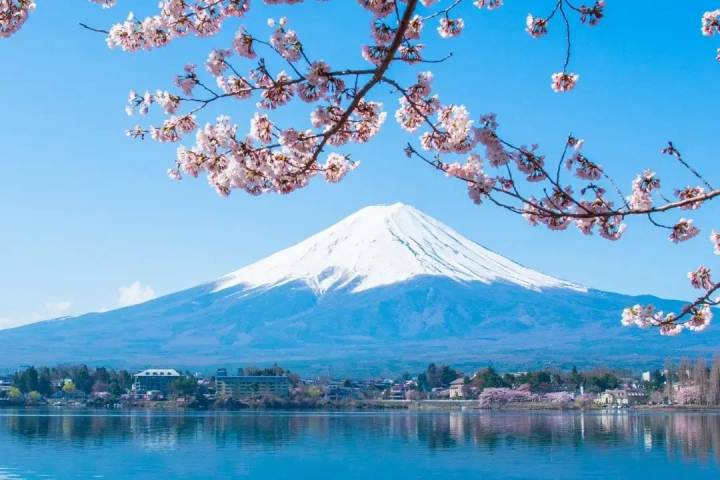
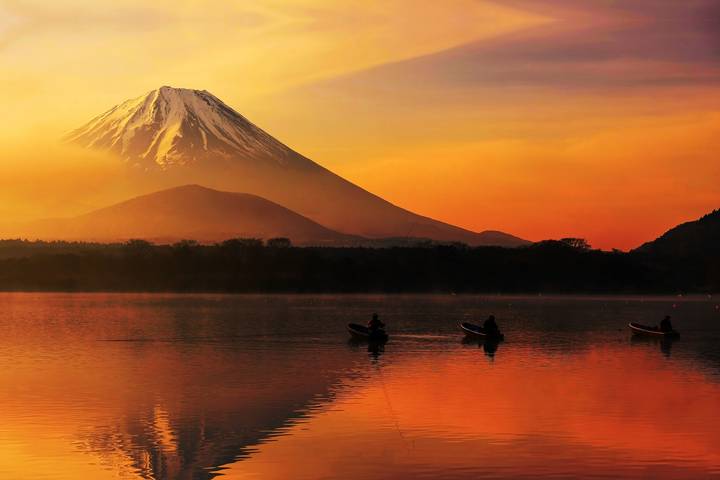
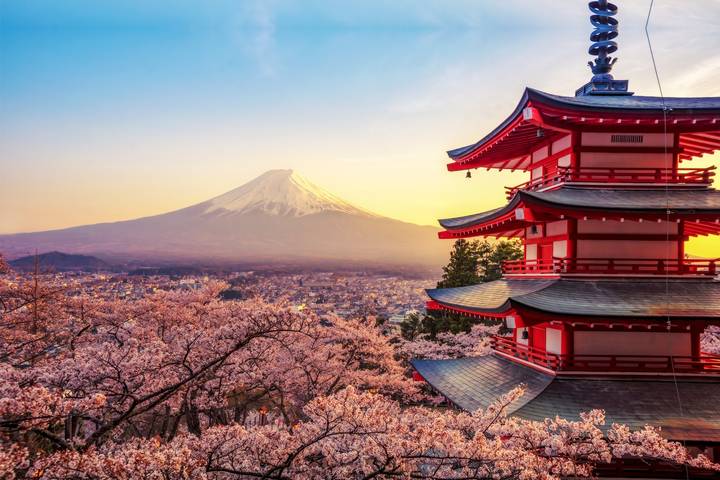
On Day 3, your main luggage is sent ahead to Kyoto while you travel by train and bus to Kawaguchiko. The first stop is Oshino Hakkai, a cluster of clear ponds, followed by the climb to Chureito Pagoda for a well-known view toward Mount Fuji.
This is one of the trip’s strongest contrasts: you leave the scale and speed of Tokyo for a lakeside area and mountain scenery. The pagoda viewpoint involves steps, and a cloud-covered Fuji can change the view entirely. Think of this as a chance to see the mountain, not a promise of a clear photograph.
You stay at the Route Inn Kawaguchiko or a similar three-star hotel. Breakfast and dinner are included that day, a useful break from choosing every meal yourself. Because your suitcase is forwarded, keep a change of clothes, medicines, chargers, and anything else you need overnight in your day bag.
A caution about the advertised stops: Owakudani Cable Car and Hida Folk Village are named among the highlights, but neither appears in the detailed daily schedule. Ask Travel Talk to confirm whether either is part of your specific departure before you book.
Kyoto’s old streets and shrine paths
The journey from Kawaguchiko to Kyoto takes much of Day 4, using a mountain train and bus before continuing via Odawara. After arrival, a walking tour covers Ninenzaka, Sannenzaka, and Gion. These lanes give you a first taste of Kyoto’s older streets, though the day’s travel means this is an introduction rather than a long, unhurried exploration.
Kyoto gets one full sightseeing day on Day 5. The route begins at Fushimi Inari Shrine, where thousands of red torii gates climb the hillside. You then head to Arashiyama’s bamboo grove and Tenryuji Temple Garden, before ending the guided portion at Nishiki Market.
The range is appealing, but the day is ambitious. Fushimi Inari and Arashiyama are in different parts of Kyoto, so expect considerable transit and walking. The tour has a low physical rating, but that label should not be mistaken for a gentle stroll: several past participants describe full days on their feet, and one estimated at least 12 kilometers on some days.
Tenryuji’s listed entry is 600 yen, and the provided fee information also lists 600 yen for Fushimi Inari. The afternoon is free, which gives you a chance to rest or choose another stop. Nishiki Market is a good place to try local food, but lunch is not included, so budget for it.
Two nights in Kyoto means you get a fuller taste than a one-night stop, but still not enough to see the city at leisure. If Kyoto is your main reason for visiting Japan, plan extra time before or after the group trip.
Himeji Castle and Hiroshima’s memorial sites
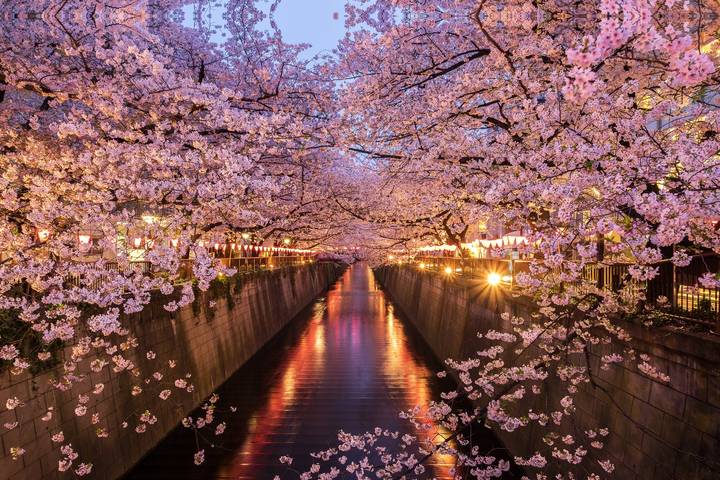
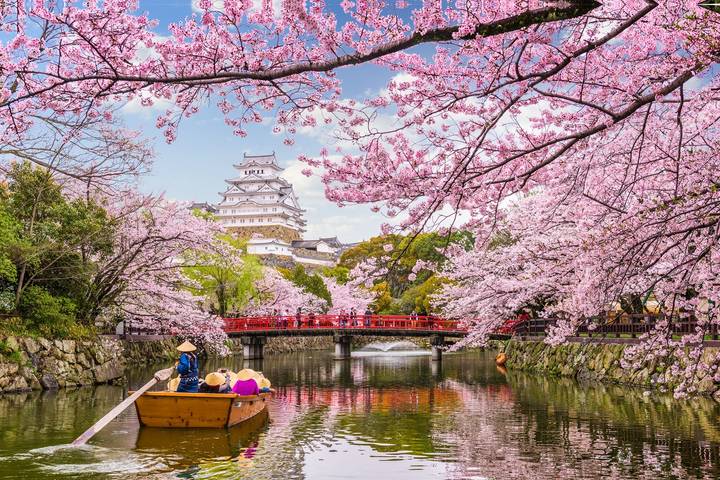
On Day 6, your luggage is sent ahead to Osaka. You take a bullet train from Kyoto to Himeji, where there is time to explore Himeji Castle and its grounds, then continue by express train to Hiroshima.
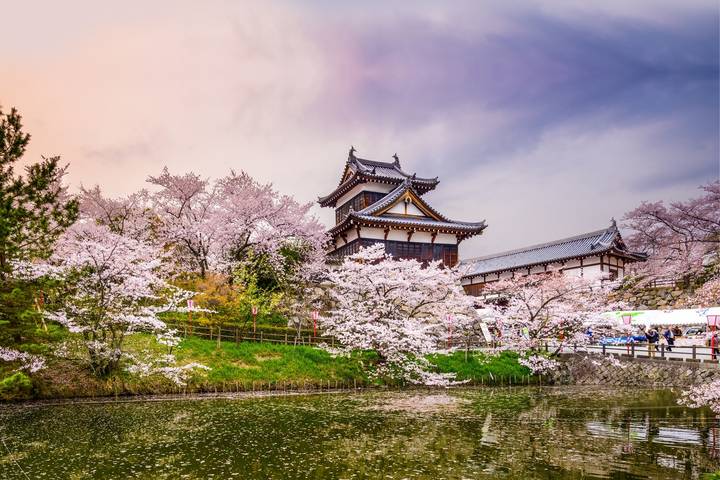
Himeji Castle is a rewarding stop because its original keeps and broad grounds show a different side of Japan from the temples and shrines. The schedule gives you time to explore, but this is still a travel day, and your next stop carries a more serious tone.
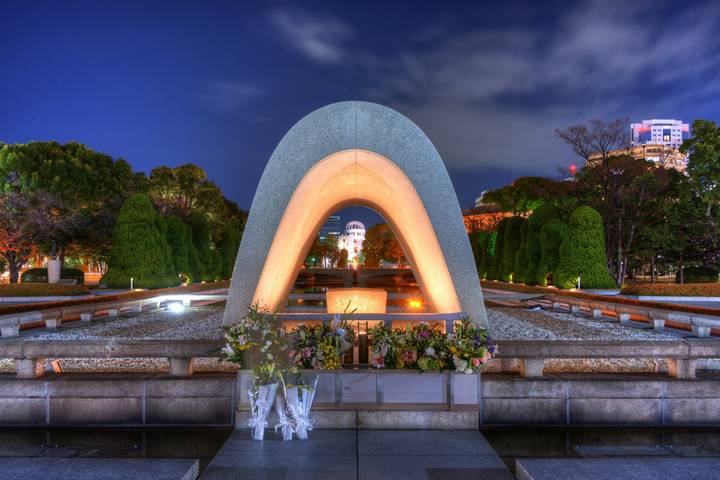
In Hiroshima, a guided walk through Peace Memorial Park leads to the Peace Memorial Museum. The park and museum address the 1945 atomic bombing and its effects. Allow yourself space to take in what you see; this is not just another landmark to tick off. The listed museum admission is 200 yen, and the evening is free.
You stay at Sotetsu Fresa Inn Ekimae or a similar three-star hotel for two nights, though the listed plan has you traveling to Osaka on Day 7. Confirm the exact hotel arrangement and how the two nights are counted before departure. The written schedule’s hotel and route details appear difficult to reconcile in this section.
A completely different kind of day out:
- Mt Fuji and Hakone 1-Day Bus Tour Return by Bullet Train
★ 5.0 · 26,383 reviews - TOKYO SKYTREE® Ticket
★ 4.7 · 25,136 reviews - teamLab Borderless Tickets: MORI Building DIGITAL ART MUSEUM
★ 4.7 · 24,126 reviews - teamLab Planets TOKYO Ticket
★ 4.7 · 21,663 reviews
Miyajima, the ferry, and Osaka after dark
Day 7 is devoted to Miyajima Island, reached by ferry from Hiroshima. You visit Itsukushima-jinja Shrine and its famous torii gate, which appears to float at high tide. The shrine entrance is listed at 300 yen.
A cable car to the top of Mt. Misen is optional and listed at 2,000 yen. It can add wide views across the inland sea, but it takes extra time and energy. Check the day’s timing with your guide before deciding, especially since you still have a train journey to Osaka later.
That evening, Dotonbori brings a sudden change of scene: neon signs, canals, the Glico Running Man sign, and street-food stalls. It is a fun introduction to Osaka’s food culture, but dinner is not included. Keep some energy for the evening walk after a full day on the island and the train ride.
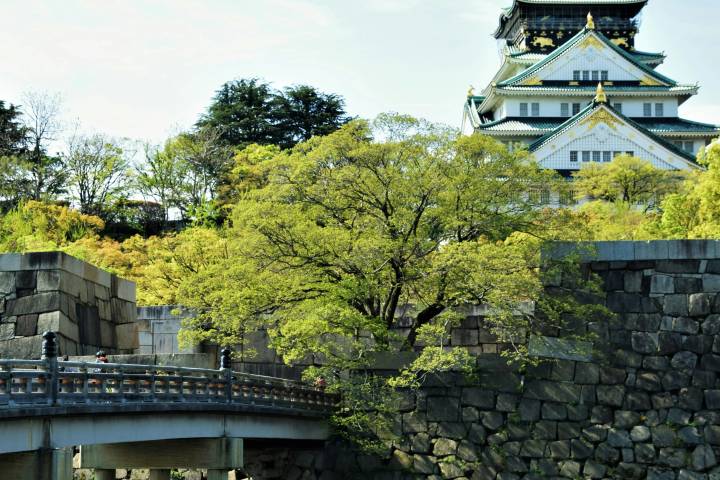
Day 8 is described as a visit to Osaka Castle and another Dotonbori walk, followed by free time. However, the detailed schedule also says you travel to Osaka on Day 7 and stay there that night, while Day 8 mentions an early train to Osaka. This is an itinerary inconsistency worth clearing up directly with the operator. Osaka Castle admission is listed at 1,200 yen.
What the price covers, and what it does not
The tour starts at $2,471. That price includes seven nights in three-star hotels, seven breakfasts, one dinner, an English-speaking tour leader, train and bus transport, a ferry to Miyajima, and luggage transfers. The listed group size is 2 to 20 people, which is small enough for a group atmosphere without promising a private-tour feel.
The value is in having transport and a route through several distant destinations organized for you. Japan’s rail network is efficient, but station transfers, luggage, and connections can take attention. A guide can help you get from one stop to the next and point you toward activities that suit your interests. Past participants have praised guides including Yoshi, Sonny, Kay, and Mariko, while others have described less organized guiding. Guide quality can vary by departure, so don’t assume a particular person will lead your group.
The fare does not include flights, travel insurance, most meals, entrance fees, optional activities, or personal spending. Those extras add up, particularly if you visit museums, take the Mt. Misen cable car, and eat out for lunch and dinner. Check current prices and which admissions are covered, as the provided fee details may not settle every cost.
Solo travelers can be paired with another solo traveler of the same sex if they do not choose a single supplement. The supplement costs extra and must be confirmed separately. The stated age range is 18 to 59, and the tour is guided in English.
Luggage, communication, and the value of a group
Luggage forwarding makes train travel easier, since you are not hauling a full suitcase on every connection. But it changes how you pack: on two legs, your main bag goes ahead and you live out of a smaller bag for a night or two. The tour price includes one piece of luggage per person for transfer; extra pieces may cost more. Bring a practical day bag and keep important items with you.
Communication about hotel names and departure details has been a weak point for some departures. One practical step is to confirm the hotels, train departure times, and luggage rules in writing before travel, then check again close to departure. The trip uses public transport, so a late start or missed connection can affect the day more than it would on a private coach tour.
The group format can be a real plus if you enjoy meeting people and don’t want to manage every detail alone. The group can be as small as two or as large as 20, and the free afternoons give you some independence. The main limitation is that the schedule and pace are set for the whole group.
Is Essential Japan the right trip for you?
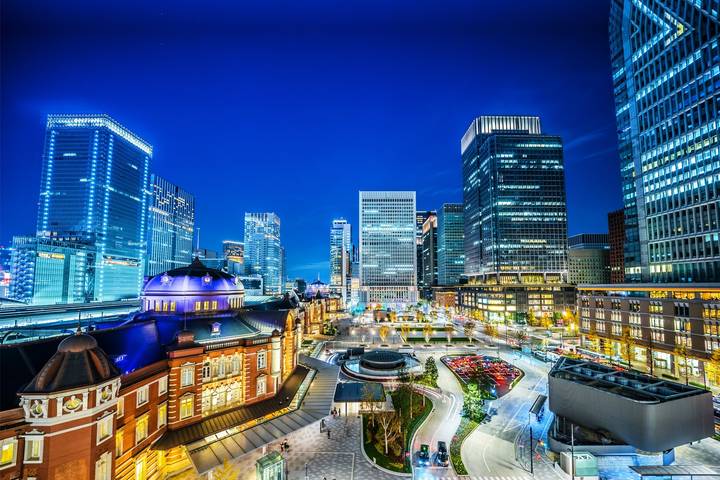
Book this tour if you want a compact introduction to Japan’s major city and cultural stops, value having rail travel arranged, and are comfortable walking a lot. It is especially useful if you want to combine Tokyo, Fuji country, Kyoto, Himeji, Hiroshima, Miyajima, and Osaka without building the route yourself.
Choose a longer or more independent trip if you want slow mornings, more time in Tokyo or Kyoto, or greater control over every stop. Before paying, get written clarification on the Day 7 and Day 8 Osaka timing, whether Owakudani Cable Car and Hida Folk Village are included, and the luggage-forwarding allowance. Those answers will tell you more about the trip’s fit than the headline price alone.
FAQ
How long is the tour, and where does it start and end?
It runs for eight days, starting in Tokyo and ending in Osaka. The first day has a 6:30 p.m. welcome meeting, and the final day includes Osaka sightseeing and free time.
What is included in the tour price?
The price includes seven nights in three-star hotels, seven breakfasts, one dinner, an English-speaking tour leader, train, bus and ferry transport, luggage transfers, and hotel Wi-Fi where available.
Are flights and travel insurance included?
No. Flights and travel insurance are not included.
How much walking should I expect?
The tour is rated low intensity, but it includes walking tours, shrine and temple visits, city walks, and climbs such as the steps to Chureito Pagoda. Some past participants described walking around 12 kilometers on certain days, so comfortable walking shoes are sensible.
How does luggage forwarding work?
Your luggage is sent ahead to a later hotel on two parts of the route. You may need to manage with a smaller bag for one or two days, and the included transfer covers one piece per person. Extra luggage may cost more.
Can I join if I am under 18, or request a single room?
The stated age range is 18 to 59, and travelers under 18 are not accepted. A single room may be available for an extra charge; solo travelers who do not pay for a single supplement are roomed with another solo traveler of the same sex unless stated otherwise.
Just added in Tokyo
- Mt. Fuji & Hakone Cherry Blossom private One Day Tour★ 4.5 · 35 reviews
- Fish Market & Tokyo Skyline Private Walking Tour★ 5.0 · 14 reviews
- 25-Min Downtown Helicopter Tour : Tokyo Skytree and Tokyo Tower★ 5.0 · 19 reviews
- Private Tour with a Local Guide – Learn about daily life in Japan★ 5.0 · 22 reviews
- Tokyo: 3-Hour Bike/E-Bike Tour of the City’s Highlights★ 5.0 · 209 reviews
- Official Japan Go-Kart Through Tokyo Bay / Ginza (IDP Required)★ 4.5 · 71 reviews
- 30-Min Tokyo Central Private Heli Tour– Asakusa, Skytree, Shibuya★ 5.0 · 13 reviews
- Tokyo 2-Hour Genuine Samurai Experience: Kendo in Japan★ 5.0 · 112 reviews
Multi-Day Tours That Visit Fushimi Inari, compared.


Essential Japan GO by Europamundo – 7-Day Tokyo to Osaka Tour
Read our review →
Wonders of Japan End Osaka (including Fukuyama) 12-Day Tour by Europamundo
Read our review →
Wonders of Japan End Osaka by Europamundo – 12-Day Tour
Read our review →
Discover Japan by G Adventures – 14-Day Tour from Tokyo
Read our review →
Contrasts of Japan GO by Europamundo – 9-Day Tokyo to Hiroshima Tour
Read our review →
Contrasts of Japan (including Shizuoka) 9-Day Tour by Europamundo
Read our review →
Contrasts of Japan by Europamundo – 9-Day Tokyo to Hiroshima Tour
Read our review →Browse the lists this tour appears in