
Reviewed · MULTI-DAY TOURS THAT VISIT KURASHIKI
Essential Japan Explorer – 13 Days by On The Go Tours: Tokyo to Osaka Review
Japan’s appeal here is the contrast: one day you’re crossing Shibuya’s famous intersection, and a few days later you’re walking Shimoda’s old streets or riding a ferry to Miyajima. This 13-day trip links big-name sights with smaller stops, using Japan’s trains and city transit rather than a private coach.
I like the hands-on mix: sushi-making in Tokyo, a matcha ceremony and calligraphy in Kyoto, and meditation at a Zen temple. I also like the balance of group outings and free time. You get a plan and a leader’s help, but you can still choose how to spend many afternoons and evenings.
The main trade-off is comfort. Dormitory hostels and public transport suit independent, light-packing adults, but may not suit anyone seeking private rooms, luggage help or a slow pace. The tour is listed for ages 18 to 55, and there are frequent walks, a Kyoto cycling outing and some uphill routes.
In This Review
- At a glance: Tokyo to Osaka
- Tokyo: sushi, shrines and city neighborhoods
- Fuji views and Shimoda’s coastal past
- Atami to Kyoto: trains, tea and Gion
- Cycling, Zen practice and the Golden Pavilion
- Miyajima and Hiroshima: scenic views and difficult history
- Kurashiki, Korakuen Garden and Osaka
- What the price includes, and what it doesn’t
- Practical details before you book
- Should you book this Japan tour?
- FAQ
- Are international flights and airport transfers included?
- What accommodation is included?
- How does the group travel between cities?
- What is the age range?
- Which meals are included?
- What should I bring for luggage?
At a glance: Tokyo to Osaka
- A 13-day route: Tokyo, the Fuji Five Lakes area, Shimoda, Atami, Kyoto, Hiroshima, Miyajima, Okayama, Kurashiki and Osaka.
- Small group: 4 to 17 people, with an English-speaking bilingual tour leader.
- Local activities: Make sushi, practise calligraphy, take part in tea ceremonies, cycle in Kyoto and ride a ferry to Miyajima.
- Public transport throughout: Trains and local transit are part of the trip, including bullet trains between major cities.
- Hostels are standard: The price basis is the cheapest room, with 12 nights in dorm rooms.
- From $3,985: International flights, airport transfers, most meals and optional activities cost extra.
Tokyo: sushi, shrines and city neighborhoods
You begin in Tokyo, making your own way from Narita or Haneda Airport to the city centre. The group meets at the hostel at 4:00 p.m. for an itinerary and safety briefing, followed by a welcome dinner. Because airport transfers aren’t included, allow time and money for the trip into town.
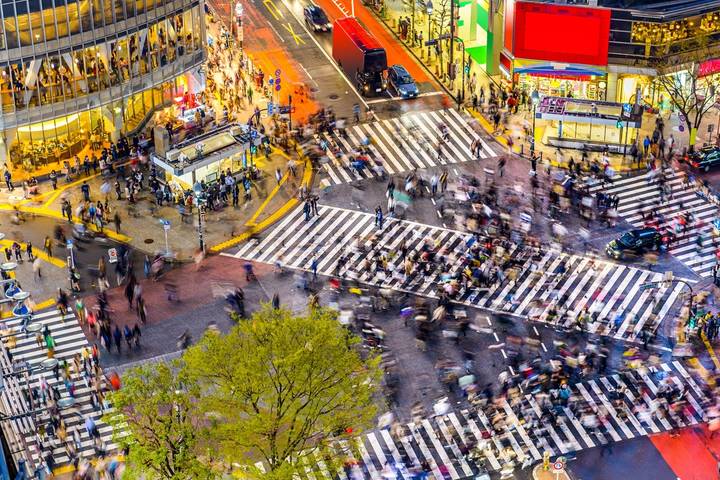
Day two puts food and landmarks together. A professional chef leads a sushi-making class, and you eat your work for lunch. Then it’s on to Meiji Shrine, the fashion shops and streets of Harajuku, and Shibuya Crossing. The day gives you a clear introduction to several sides of Tokyo, from a quiet shrine setting to a high-energy city junction.
There’s an optional go-karting activity in the evening, but it needs to be booked six weeks in advance and requires a valid driving licence. Treat it as an extra, not a core part of the tour. You’ll find plenty to do in Tokyo without it.
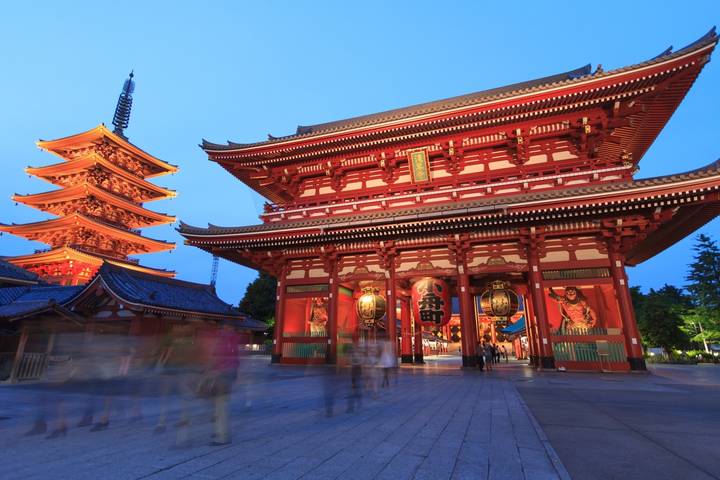
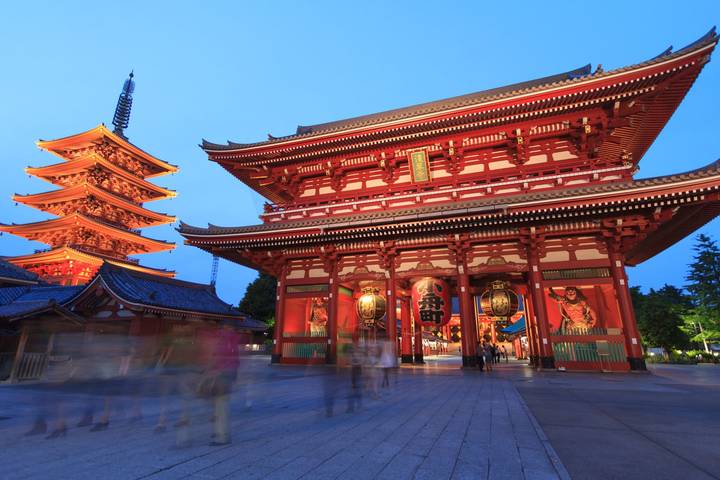
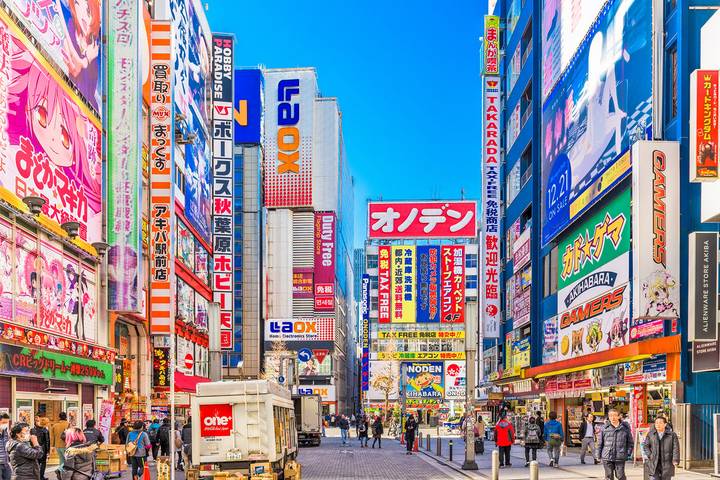
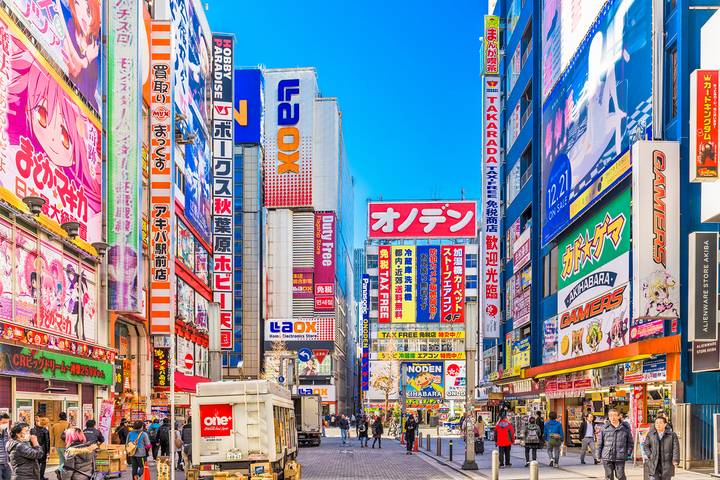
Day three shifts to different corners of the city. Yanaka Ginza is an old-style shopping street with more than 60 small shops and eateries, while Akihabara is known for electronics, anime and arcade games. The included arcade visit adds a playful break before the group heads to Senso-Ji Temple in Asakusa.
You have free time around the temple for lunch and a closer look at the area. Optional add-ons include a sumo experience with lunch, Tokyo Skytree, a Sumida River cruise, a Samurai Museum visit and a maid café. These choices can add up, so pick the one that interests you most rather than trying to fit everything in.
A few more options to weigh up in Tokyo
- Tokyo Disney Resort – Tokyo Disneyland & Tokyo DisneySea Park Tickets
★ 4.8 · 99,488 reviews - SHIBUYA SKY Ticket
★ 4.7 · 46,509 reviews - JR Whole Japan Rail Pass
★ 4.8 · 29,150 reviews
Fuji views and Shimoda’s coastal past
Day four is a day trip from Tokyo to Shimoyoshida. You hike up to Arakura Fuji Sengen Shrine, then take a local bus to Oshino Hakkai, a traditional village in the Fuji Five Lakes area. The village is a scenic stop, but views of Mount Fuji depend on the weather. Keep expectations flexible: clouds can hide the mountain, even when the rest of the outing is worthwhile.
The route includes a hike and time to wander and find lunch before returning to Tokyo. Wear shoes you’re comfortable walking uphill in, and bring a light day bag rather than carrying everything you brought for the trip.
The next day, you leave Tokyo by train for Shimoda. An included bay cruise gives you a view of the coast and some background on the area. On land, you visit Perry Road, the Museum of Black Ships, Ryosenji Temple and the Shimoda Ropeway, which offers views over the town and shoreline.
Shimoda adds a change of pace after Tokyo. The Museum of Black Ships has more than 3,000 artefacts, and Perry Road’s stone paving gives the walk a different feel from the capital’s modern shopping districts. The day ends with the chance to use an onsen at your accommodation. If you have tattoos, check the rules before bathing: some hot springs may restrict entry, even when tattoos are covered.
Atami to Kyoto: trains, tea and Gion
On day six, you travel by train to Atami, a seaside city, and have free time for lunch and a look around. Later, a bullet train takes you to Kyoto. A short orientation walk helps you get your bearings, and the group’s evening karaoke is an informal way to start the Kyoto stay.
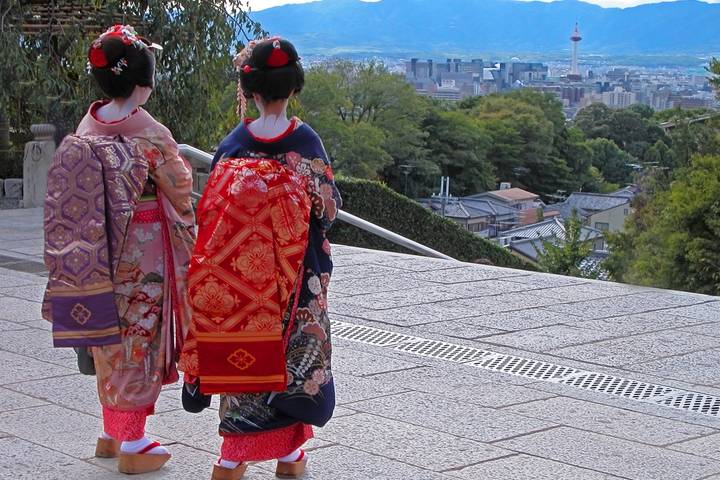
Kyoto gets two full days before the group moves west. On day seven, you learn to make matcha during a tea ceremony, then visit Kiyomizu-Dera, a UNESCO-listed temple on the hillsides above the city. The temple’s position offers wide views over Kyoto, while the surrounding area is useful for an unhurried lunch and a walk.
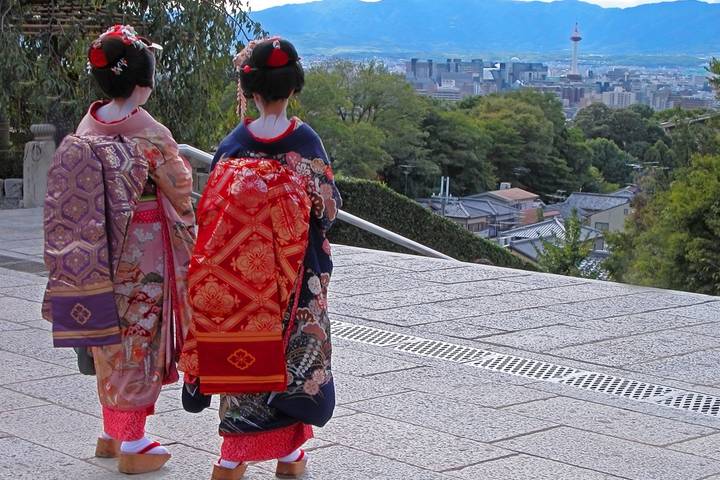
A guided tour of Gion introduces the district’s geisha traditions. It’s a good place to hear context before exploring on your own, but keep your expectations grounded: this is a living neighborhood, not a stage set. The afternoon is free, so you can stay nearby or choose another part of the city.
Day eight leaves the morning open. You could visit Arashiyama Bamboo Forest or take an early train to Nara, but both are optional and need planning around your own interests and timing. In the afternoon, an included calligraphy lesson offers a quieter activity after the morning’s independent sightseeing.
The schedule makes Kyoto’s free time a real feature, not just a gap between group events. You can follow the leader’s suggestions or set your own pace. If you want to see both Arashiyama and Nara, check travel times carefully rather than assuming either fits comfortably into one morning.
Cycling, Zen practice and the Golden Pavilion
Day nine combines several Kyoto experiences before the bullet train to Hiroshima. A half-day cycling outing gives you a different view of the city, followed by a Zen temple visit with meditation led by a Buddhist monk and a tea ceremony. You also visit Kinkaku-Ji, the Golden Pavilion, one of Japan’s most familiar sights.
This is a full day, and the cycling and temple activities make it more active than a simple sightseeing walk. After the train ride to Hiroshima, an optional okonomiyaki dinner offers a chance to try a local specialty, but it isn’t included in the tour price.
A completely different kind of day out:
- Mt Fuji and Hakone 1-Day Bus Tour Return by Bullet Train
★ 5.0 · 26,383 reviews - TOKYO SKYTREE® Ticket
★ 4.7 · 25,136 reviews - teamLab Borderless Tickets: MORI Building DIGITAL ART MUSEUM
★ 4.7 · 24,126 reviews - teamLab Planets TOKYO Ticket
★ 4.7 · 21,663 reviews
Miyajima and Hiroshima: scenic views and difficult history
A short ferry takes you from Hiroshima to Miyajima Island, known for its red torii gate, which can appear to float at high tide. The Miyajima Ropeway carries you towards Mount Misen for broad views across the island. You’ll have time to explore and find lunch before returning to Hiroshima.
Back in the city, the Peace Memorial Museum and A-Bomb Dome bring the day to a more serious close. An audio guide is included. Give the museum the attention it deserves; it can be emotionally demanding, and it helps to leave yourself some quiet time afterward. The evening is free.
The contrast between Miyajima and Hiroshima is one of the tour’s strongest pairings. The island offers a change of scene, while the memorial sites provide essential context about the atomic bombing of 1945. The day is full, so don’t plan a packed evening on top of it.
Kurashiki, Korakuen Garden and Osaka
On day 11, you take the bullet train to Okayama, with the option to store your luggage. From there, the group visits Kurashiki Bikan Quarter, a preserved Edo-period district with canals, traditional streets, cafés, sweet shops and souvenir stores. You also visit Korakuen Garden, one of Japan’s Three Great Gardens, before continuing by train to Osaka.
This stop breaks up the journey between Hiroshima and Osaka with a town visit and garden walk. It also means another day of moving between stations and sights, so keep your day bag handy and follow the leader’s guidance about luggage storage.
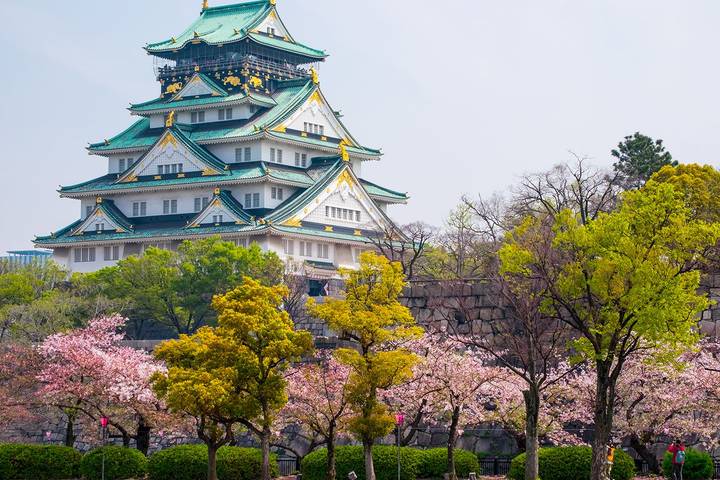
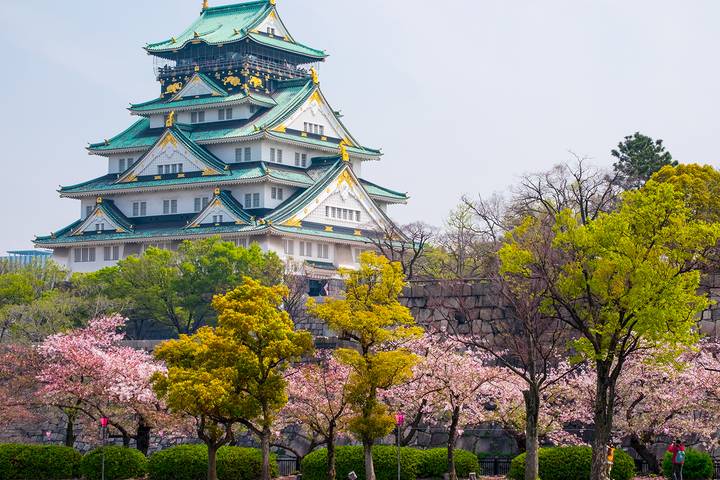
In Osaka, a short orientation walk through Shinsaibashi introduces a busy shopping district. The rest of day 12 is free. Osaka Castle is one option, while the city’s food scene gives you another reason to explore at your own pace. The group meets again for a farewell dinner; drinks aren’t included.
The tour ends the next morning. If you want more time in Osaka, arrange extra nights separately. You can also travel back to Tokyo by train, but that transfer is not part of the tour.
What the price includes, and what it doesn’t
The advertised starting price is $3,985, based on the cheapest room option. For 13 days, the value rests on having major transport, a bilingual leader, entrance fees for included sites and several classes or guided activities grouped together. Bullet trains, the Shimoda cruise, the Miyajima ferry and ropeway, and the Kyoto cycling outing would take planning to arrange independently.
Still, this isn’t an all-inclusive holiday. The package includes 12 hostel nights in dorm rooms, public transport and the listed activities. Only one lunch and two dinners are included, so you should budget for most meals, snacks and optional outings, as well as international flights, insurance and airport transfers. Drinks are not included with the farewell dinner.
Room upgrades can be requested, though availability and the arrangements for Shimoda and Osaka need checking before booking. The tour information also describes a single-room option as private accommodation throughout, so confirm exactly what is available for your departure rather than assuming a private room is guaranteed.
The group size, 4 to 17, is small enough for shared outings without making every decision a group vote. A past departure was led by Terry, whose suggestions helped people use free time well. Leaders can change, so ask who is assigned to your date if that matters to you.
This is a partially guided tour, not a private guide escorting you every hour. That suits you if you like having transport and key experiences organized, then choosing your own lunch or evening plans. If you want every meal and stop scheduled, you may prefer a more fully guided package.
Practical details before you book
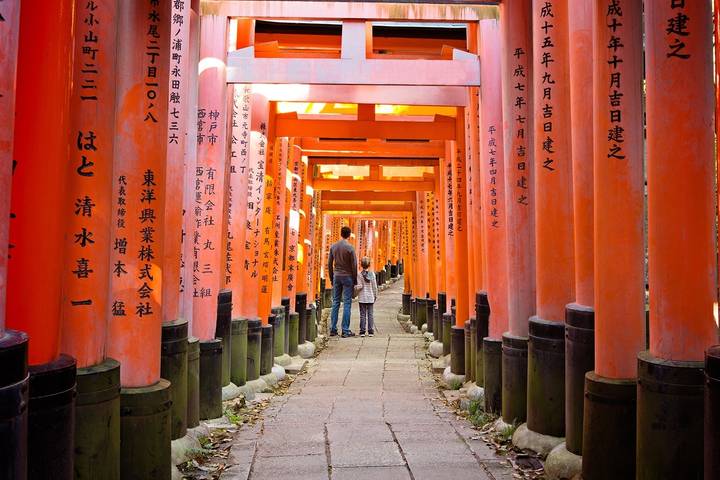
The tour uses public transport, including local trains and bullet trains. There is no tour bus listed. A backpack is more convenient than a large suitcase because you’ll walk through busy pedestrian areas to hostels, and some hostels may not have lifts. There are no formal size or weight limits stated, but pack for easy movement.
The activity level is described as low, but the itinerary is active: expect city walking, a hike to the shrine near Mount Fuji, cycling in Kyoto and time on your feet at temples and gardens. Your own comfort with walking matters more than the rating alone.
This trip is designed for adults aged 18 to 55. The dorm accommodation and youth-focused group style are important parts of that limit, so it isn’t suitable for children or older adults outside the stated range. Departures are offered from January through November, but popular dates can fill up. A $400 deposit is due to book, with the remaining balance due 70 days before departure; interest-free fortnightly instalments are also offered.
Should you book this Japan tour?
Book it if you want a varied first trip through Japan, are comfortable in hostels and enjoy a mix of planned activities and independent time. The strongest value comes from the route’s range: Tokyo neighborhoods, Fuji-area scenery, a coastal stop, Kyoto traditions, Hiroshima’s memorial sites and Osaka’s food culture, all linked by public transport.
Think twice if you need a private room, want most meals included or prefer a slower schedule. Before paying, check the room arrangement for your date, estimate the cost of meals and optional activities, and decide how you feel about travelling with a group of adults aged 18 to 55. If those details suit you, this is a practical way to see a lot of Japan without having to organize every train and major stop yourself.
FAQ
Are international flights and airport transfers included?
No. International flights, travel insurance and airport transfers are not included. You make your own way from Narita or Haneda Airport to the Tokyo meeting point.
What accommodation is included?
The standard option includes 12 nights in hostel dorm rooms. Room upgrades can be requested, subject to availability. Check the exact room arrangements for your departure, especially for Shimoda and Osaka.
How does the group travel between cities?
All transport is by public transport. The route uses trains, including bullet trains, as well as local buses, a ferry and cable cars where specified.
What is the age range?
The stated age range is 18 to 55. The tour is intended for adults and uses dormitory accommodation.
Which meals are included?
One lunch and two dinners are included. Most meals are not included, and drinks are not covered at the farewell dinner.
What should I bring for luggage?
A backpack is recommended because you’ll walk through pedestrian areas to hostels, and some hostels may not have lifts. No specific size or weight limit is stated.
Just added in Tokyo
- Mt. Fuji & Hakone Cherry Blossom private One Day Tour★ 4.5 · 35 reviews
- Fish Market & Tokyo Skyline Private Walking Tour★ 5.0 · 14 reviews
- 25-Min Downtown Helicopter Tour : Tokyo Skytree and Tokyo Tower★ 5.0 · 19 reviews
- Private Tour with a Local Guide – Learn about daily life in Japan★ 5.0 · 22 reviews
- Tokyo: 3-Hour Bike/E-Bike Tour of the City’s Highlights★ 5.0 · 209 reviews
- Official Japan Go-Kart Through Tokyo Bay / Ginza (IDP Required)★ 4.5 · 71 reviews
- 30-Min Tokyo Central Private Heli Tour– Asakusa, Skytree, Shibuya★ 5.0 · 13 reviews
- Tokyo 2-Hour Genuine Samurai Experience: Kendo in Japan★ 5.0 · 112 reviews
Multi-Day Tours That Visit Kurashiki, compared.
Japan Delight with Hiroshima 8-Day Tour by Stunning Tours
Read our review →
Wonders of Japan End Osaka GO by Europamundo – 12-Day Tour
Read our review →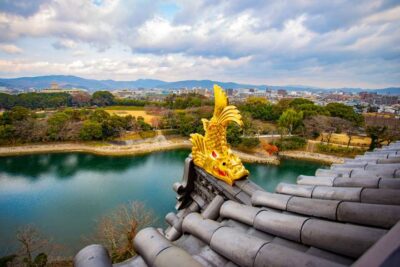
Wonders of Japan End Osaka (including Fukuyama) 12-Day Tour by Europamundo
Read our review →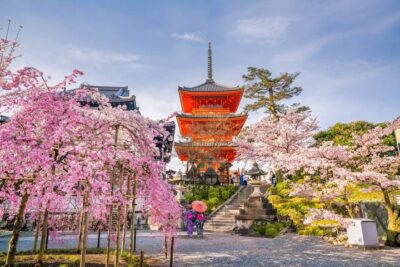
Wonders of Japan End Osaka by Europamundo – 12-Day Tour
Read our review →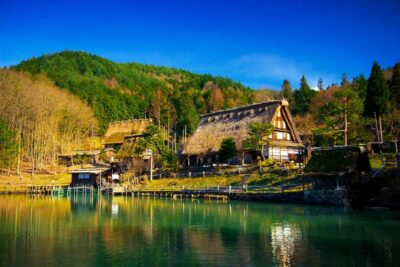
15 Days Discover Japan with Hiroshima by Tomato Travel
Read our review →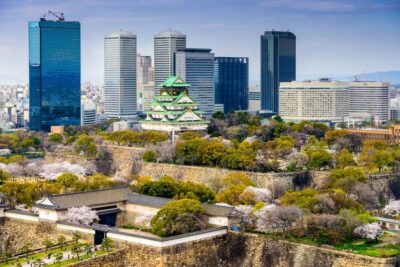
Tokyo, Kyoto and Hiroshima end Tokyo by Europamundo – 7-Day Tour
Read our review →
Tokyo, Kyoto and Hiroshima end Tokyo GO 7-Day Tour by Europamundo
Read our review →
Contrasts of Japan GO by Europamundo – 9-Day Tokyo to Hiroshima Tour
Read our review →Browse the lists this tour appears in