
Reviewed · SUMO EXPERIENCES
Exclusive Sumo Morning Practice in Tokyo with Photo Opportunity
Sumo gets serious before breakfast. This two-hour morning visit takes you inside a sumo stable near Tokyo Skytree, where wrestlers warm up, spar, and train with striking focus. I like the rare access: most visitors to Japan never see a practice session this close, and even many Japanese people have not witnessed one.
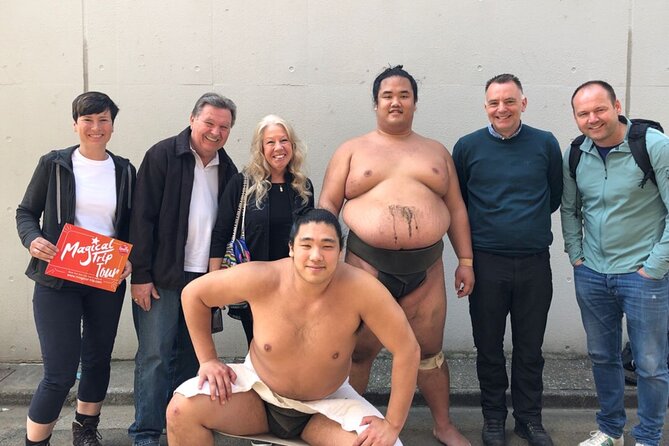
I also like the small group, capped at 10 people, and the chance to take photos with the wrestlers and the entire stable, including the oyakata, or stable master, when permitted. The main drawback is seating. Spots are first come, first served, so arriving late can place you two or three rows back, and the practice may feel repetitive after about an hour.
In This Review
- Key points to know before booking
- Why a sumo stable visit feels different
- Meeting at Oshiage Station at 8:00 am
- Inside the stable, expect rules and quiet attention
- What you will see during the morning practice
- The photo opportunity at the end
- How the guide shapes the visit
- Is $99.10 a fair price?
- Timing, heat, and what to bring
- Who will enjoy this most?
- Should you book the sumo morning practice?
- FAQ
- Where does the sumo practice tour begin?
- What time does the tour start?
- Where does the sumo practice take place?
- How long does the activity last?
- How many people can join the tour?
- Can I take photographs during the visit?
- Is seating guaranteed near the front?
- Can visitors walk around the entire sumo stable?
- Can I cancel for a full refund?
Key points to know before booking
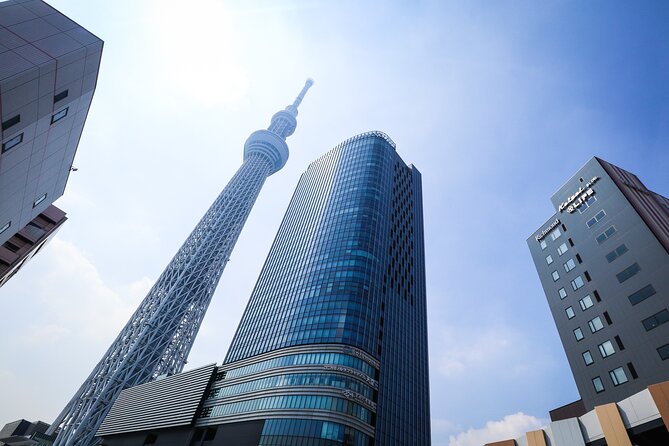
- Practice begins near Tokyo Skytree: Meet at Oshiage Station at 8:00 am, then walk to a nearby sumo stable.
- The group is limited to 10 people: This keeps the visit more personal and gives you a better chance to follow the guide’s explanations.
- You watch real training, not a staged demonstration: The wrestlers warm up and spar with serious concentration.
- Photos are part of the appeal: You may photograph the wrestlers and pose with them at the end, subject to stable rules.
- Seating is first come, first served: Late arrival can mean sitting two or three rows from the front.
- The price is $99.10 per person: That is a fair fee for rare access, a guide, and a short activity that fits neatly into a Tokyo morning.
Why a sumo stable visit feels different
A tournament gives you spectacle. A morning practice gives you process.
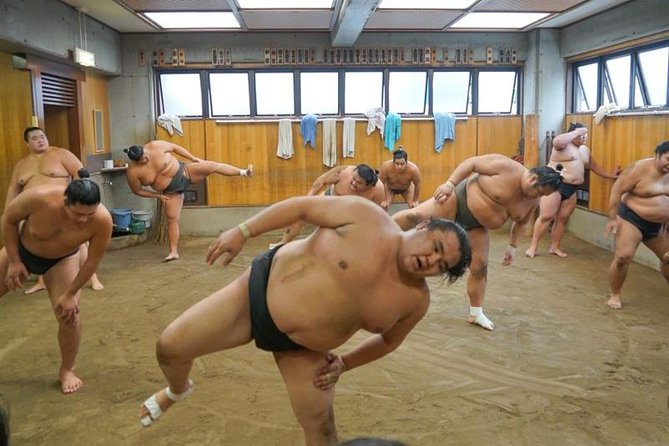
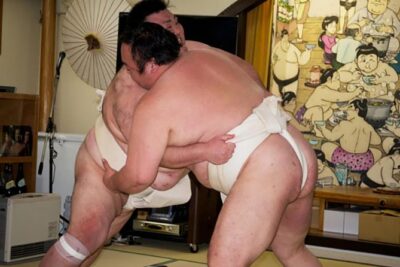
Here, you are not watching a polished public contest with lights, announcements, and a full crowd. You are watching wrestlers prepare. The session includes warm-ups and bouts of sparring, and the tone is serious rather than theatrical. One of the strongest parts of the visit is seeing the wrestlers’ concentration up close.
The physical effort can be startling. One visitor described the attacks as impressive, while another came away surprised by how young many of the wrestlers appeared. That close view helps correct the lazy image of sumo as simply large men pushing one another around. The training is demanding, controlled, and intense.
I also like the cultural setting. Sumo is presented here as an ancient sport with its own customs and meaning, not just as a novelty photo stop. A good guide explains the background and philosophy while you watch, helping you understand what is happening in front of you.
That context matters. Without it, a practice session can look repetitive or confusing. With it, the pauses, warm-ups, and repeated clashes begin to make more sense.
More Sumo Experiences in Tokyo
- Tokyo: Sumo Show Experience with Chicken Hot Pot and a Photo
★ 4.8 · 6,678 reviews - Tokyo: Sumo Live Show with Photo in Shinjuku
★ 5.0 · 3,438 reviews - Tokyo: Sumo Show and Dining Experience
★ 4.8 · 2,742 reviews
Meeting at Oshiage Station at 8:00 am
The tour starts at the taxi stand inside the station rotary at Oshiage Station, in Sumida City. The listed meeting point is at 1-chōme 1, Oshiage, Tokyo 131-0045.
This is a practical location near Tokyo Skytree and public transportation. You should allow a little extra time to find the exact taxi stand, especially if Oshiage Station is unfamiliar to you. One person had trouble locating the meeting point at first, so do not treat the 8:00 am start as a loose suggestion.
The guide meets you there and takes the group to one of the sumo stables around Tokyo Skytree. The precise stable is not presented as a sightseeing stop in itself. Its value is that it is an active training place, not a museum or a reconstructed set.
The activity finishes back at the original meeting point. That makes planning easier if you have a museum visit, breakfast reservation, or another Tokyo activity afterward.
Inside the stable, expect rules and quiet attention
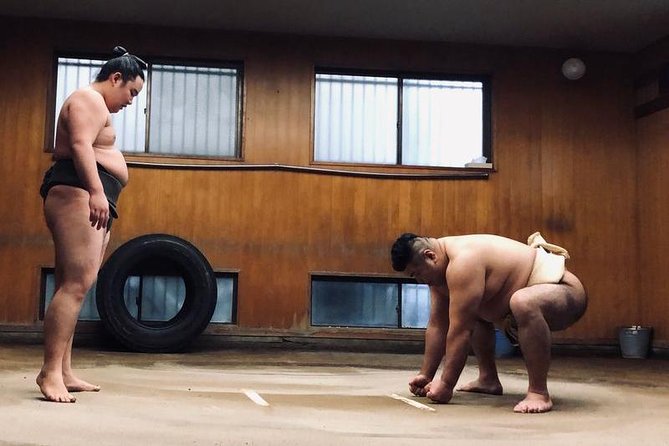
The stable is not an open public attraction where you can wander freely. Visitors may use the tatami areas, but other parts of the stable are off-limits. You need to respect those boundaries carefully.
This limitation is not a flaw. It is part of what makes the visit feel like access to a working place rather than a regular show. Still, you should set your expectations correctly. You are there to watch from an assigned area, not to explore the building or move around for different views.
The mood may be quieter than you expect. Sumo practice requires concentration, and the wrestlers are not performing for the group. You may hear explanations from the guide, but the central activity is watching and paying attention.
The seating arrangement matters. Several tour companies may visit the stable, and seats are assigned on a first-come basis. Arrive late and you may sit two or three rows from the front. You can still see the practice, but your photos and view may not be as strong as those of people who arrived early.
What you will see during the morning practice
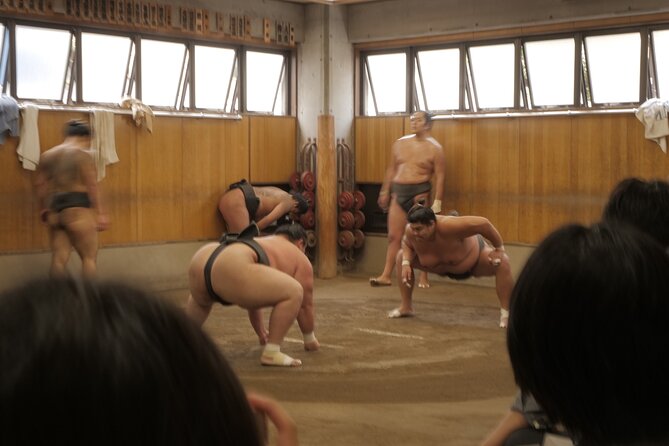
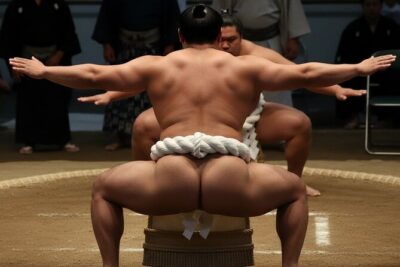
The session includes warm-ups and sparring. The wrestlers repeat movements and clashes, so the action is not arranged like a short stage performance with a clear beginning, middle, and end.
That repetition is useful if you want to observe the discipline of training. It can be less exciting if you expect a tournament-style contest every few minutes. One direct assessment was that an hour was enough because the practice became repetitive. The full activity lasts about two hours, including the meeting, transfer to the stable, explanations, viewing time, and photos.
The intensity is the main reason to stay focused. The wrestlers are described as highly concentrated, and the physical contact can be powerful to watch from nearby. You may notice the contrast between the quiet waiting periods and sudden bursts of effort.
The guide helps you read the scene. Hana received praise for her enthusiasm and explanations, while Kentake was singled out for fluent English and clear information about sumo history and the wrestlers. Yuki was also praised for explaining the background and philosophy thoroughly. Guides can vary, but these comments point to an important part of the activity: the guide is not simply leading you to a door, then leaving you to watch.
A completely different kind of day out:
- Tokyo Disney Resort – Tokyo Disneyland & Tokyo DisneySea Park Tickets
★ 4.8 · 99,488 reviews - SHIBUYA SKY Ticket
★ 4.7 · 46,509 reviews - JR Whole Japan Rail Pass
★ 4.8 · 29,150 reviews - Mt Fuji and Hakone 1-Day Bus Tour Return by Bullet Train
★ 5.0 · 26,383 reviews
The photo opportunity at the end
The photo session adds real value, especially if this is your first sumo-related activity in Japan. You have the chance to photograph the wrestlers during the practice and, at the end, pose with them.
Some visitors were able to take photos with the whole stable and the stable master. That is a memorable finish, but you should treat it as an opportunity rather than a guaranteed private photo session with each wrestler. The stable’s rules and the day’s schedule control what is possible.
Be respectful with your camera. The wrestlers are training, not posing throughout the morning. Take photos when allowed, follow the guide’s instructions, and remember that the stable is a working environment.
For many people, this personal contact will be the part they remember most. It gives the morning a human touch after watching a demanding and formal practice.
How the guide shapes the visit
The guide is central to the quality of this tour. Sumo has its own customs, vocabulary, and structure, and the action moves quickly when a bout begins. Without explanation, you may notice force and speed but miss the meaning around them.
The strongest guide feedback centers on clarity, enthusiasm, and fluent English. Kentake was praised for sharing information proactively, while Hana was described as energetic and well informed about sumo practice. Yuki received similar praise for explaining the background in a way that made the session easier to understand.
That does not mean you should expect a long lecture. The activity is short, and much of the time is spent watching. The best approach is to listen during explanations, then turn your attention to the wrestlers when training begins.
The small group helps here. With a maximum of 10 people, you are less likely to feel lost in a large crowd, and it should be easier to hear the guide. This is one reason the $99.10 fee is more defensible than a simple admission charge. You are paying for access, interpretation, and a managed visit in a place that is not normally open for casual sightseeing.
Is $99.10 a fair price?
At $99.10 per person, this is not a cheap way to fill two hours in Tokyo. It is also not comparable to buying a ticket for a public sporting event. The value comes from the unusual setting and the chance to see training when no tournament is scheduled.
Several people considered the activity a highlight of their Japan trip, and one described it as the next best option when a tournament was unavailable. That is a useful way to judge the cost. If you already have a tournament ticket, the stable visit offers a different view rather than a replacement. If no tournament is taking place during your stay, this gives you a close look at sumo without waiting for the competition calendar.
The small group and photo opportunity add to the value. So does the guide’s cultural explanation. The price may feel high if you only want a quick glimpse of wrestlers, especially if you lose a front-row seat or find the practice repetitive.
I would book it for a sports or culture enthusiast who values access over entertainment polish. I would be less eager to recommend it to someone who wants constant action, a long sightseeing route, or a full tournament atmosphere.
Timing, heat, and what to bring
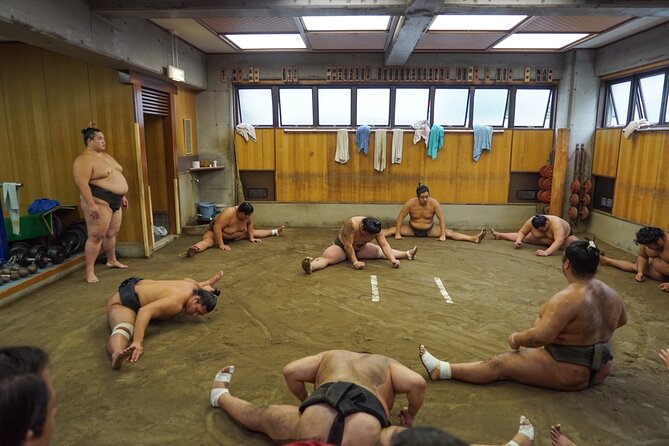
The 8:00 am start is early, but it works well in a Tokyo schedule. You finish back at the meeting point, leaving much of the day available for Tokyo Skytree, Asakusa, museums, shopping, or another planned activity.
Summer requires extra care. Tokyo can be very hot and humid, so bring water and wear a hat to reduce the risk of heat stroke while getting to the meeting point and stable. The early hour helps, but it does not remove the summer heat.
Wear something comfortable and arrive ready to sit quietly. The stable uses tatami areas, and you should follow the guide’s instructions about where you may go. The key practical tip is simple: arrive early enough to improve your seating position.
Confirmation is provided when you book, and the activity accepts a mobile ticket. It is also near public transportation, and most people can participate. The supplied information does not promise special access arrangements beyond the stated seating and tatami areas, so contact the operator if you have a specific need.
Who will enjoy this most?
I would put this near the top of the list for anyone interested in Japanese culture, traditional sport, or photography. It is especially useful if your schedule does not line up with a tournament.
Families and mixed-interest groups may also find it worthwhile because the visit is short and the guide supplies context. The small group makes it easier to stay connected, although younger children may find the quiet watching and repeated practice less exciting than a public match.
It suits first-time visitors who want something beyond major sights. Meeting near Tokyo Skytree gives you an easy way to pair the activity with other sightseeing in the area, though the stable itself is the main reason to book.
You should think twice if you dislike early starts, need guaranteed front-row seating, or expect a full hour of nonstop competition. The practice is real, but it is still practice. Some sections may feel repetitive.
Should you book the sumo morning practice?
Book it if you want a close, respectful look at sumo as a serious daily discipline rather than only as a tournament spectacle. The combination of a small group, a guide such as Hana, Kentake, or Yuki, and a photo opportunity makes the morning more personal than a standard cultural display.
I would book early, arrive before 8:00 am, and accept that seating is not guaranteed at the front. If you can handle the early start and understand that the practice may repeat, the $99.10 price buys a rare Tokyo experience with genuine cultural value.
If your main goal is dramatic competition from start to finish, save your money for a tournament ticket instead. If no tournament fits your dates, this is a strong substitute and one of the more unusual ways to spend a Tokyo morning.
FAQ
Where does the sumo practice tour begin?
It begins at the taxi stand inside the station rotary at Oshiage Station, 1-chōme 1, Oshiage, Sumida City, Tokyo 131-0045.
What time does the tour start?
The meeting time is 8:00 am.
Where does the sumo practice take place?
The group visits one of the sumo stables near Tokyo Skytree.
How long does the activity last?
The activity lasts approximately two hours.
How many people can join the tour?
The maximum group size is 10 people.
Can I take photographs during the visit?
You can photograph the wrestlers and may have the chance to pose with them at the end. You must follow the stable’s rules and the guide’s instructions.
Is seating guaranteed near the front?
No. Seating is first come, first served. Late arrivals may be seated two or three rows from the front.
Can visitors walk around the entire sumo stable?
No. All areas are off-limits except for the tatami flooring areas.
Can I cancel for a full refund?
Yes. You can cancel up to 24 hours before the start time for a full refund. Cancellations or changes made less than 24 hours before the start time are not accepted for a refund.
Just added in Tokyo
- Private homevisit for whole cultual experience, 20min from Tokyo★ 5.0 · 20 reviews
- Yanaka and Asakusa Walk around DOWNTOWN TOKYO like a local★ 5.0 · 36 reviews
- Yokohama/Kamakura Private Tour by Car- English speaking Driver★ 5.0 · 15 reviews
- Yanaka Historical Walking Tour in Tokyo’s Old Town★ 5.0 · 182 reviews
- 3-Hour Tokyo Pub Crawl Nightlife Welcome Guided Tour in Shibuya★ 5.0 · 209 reviews
- Official Japan Go-Kart Through Shibuya / Shinjuku (IDP Required)★ 5.0 · 92 reviews
- Tokyo private transfer from/to Tokyo Ports★ 4.5 · 26 reviews
- 2 Hours Mochi &Nerikiri Making & Matcha Class in Bunkyo★ 5.0 · 21 reviews
Sumo Experiences, compared.
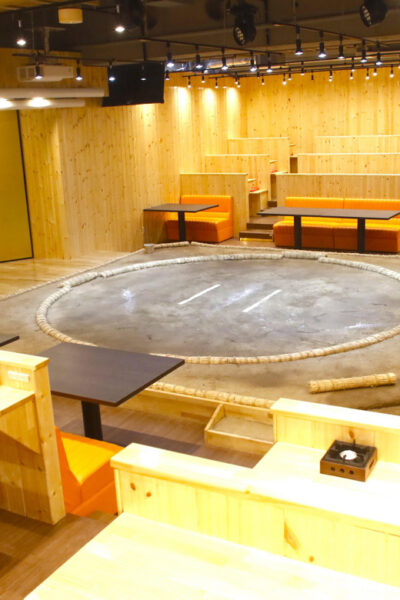
Sumo Show Experience with Chicken Hot Pot and a Photo
Read our review →
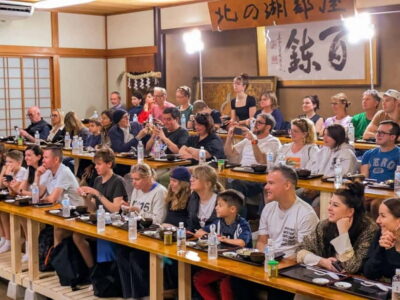
Tokyo Shinjuku Sumo Show & Experience with Photo
Read our review →
Asakusa Sumo Club Sumo Show Admission with Chankonabe in Tokyo
Read our review →
Tokyo Ginza Sumo Experience: Performance vs Pure Practice
Read our review →Browse the lists this tour appears in