Reviewed · MULTI-DAY TOURS THAT VISIT KANAZAWA
Explore Japan: Tokyo Tower, Red Toriis & Samurais by journaway DACH – 14-Day Tour: Itinerary & Reviews
Tokyo’s Shibuya Crossing sends thousands of people across the same intersection at once. A few days later, a red torii gate rises from the water at Miyajima. Between them, this self-guided 14-day trip links Japan’s big city sights, historic districts and rail journeys, finishing in Osaka.
I like two things in particular: the route uses the Shinkansen to connect far-flung stops, and the schedule leaves you free to explore each city in your own way. A seven-day Japan Rail Pass covers the main rail stretch, while the mix of Tokyo, Kanazawa, Kyoto, Hiroshima and Osaka gives you more than one version of Japan.
The trade-off is that you do the navigating yourself. There is no tour guide, and key entrance fees and local transport are extra. A past typhoon-related rail shutdown also brought a report of difficulty reaching a contact person, a useful reminder to keep the stated emergency hotline details close.
In This Review
- At a glance: who this trip suits
- A city-to-city route that makes sense
- Tokyo: big crossings, small temple pauses
- Kanazawa: samurai lanes and a garden worth slowing down for
- Kyoto: early bamboo, crowded icons and evening lanes
- Himeji and Hiroshima: a castle, then a sobering history
- Miyajima: tide times shape the torii view
- Osaka and Nara: neon after temples
- What the package covers, and where costs add up
- Should you book this Japan trip?
- FAQ
- Is this a guided tour?
- Where does the tour start and end?
- How many nights of accommodation are included?
- Is the Japan Rail Pass included?
- Are meals included?
- Are entrance fees included?
- What is the physical activity level?
- What language is the tour offered in, and are children welcome?
At a glance: who this trip suits
- Tokyo to Osaka, one way: Fly into Tokyo and depart from Osaka, avoiding a return trip across the country.
- Seven days on the rail pass: The pass is intended for the main intercity section, from Tokyo through to Osaka, with a ferry to Miyajima included.
- Independent sightseeing: You choose your pace and meals, with planned highlights and travel arrangements rather than a guide beside you.
- A broad cultural range: Expect neon-lit neighborhoods, samurai and geisha districts, temples, a major castle, Peace Park and an island shrine.
- Some extra costs: Skytree tickets, certain temple and garden admissions, optional activities and local transport outside the pass are not included.
- A strong planning emphasis: Past feedback especially praised the organization, hotel choices and ease of booking, while the transport-disruption concern deserves attention.
A city-to-city route that makes sense
This is a point-to-point trip, not a Tokyo-based holiday with a string of day tours. You spend four nights in Tokyo, then move west to Kanazawa, Kyoto, Hiroshima and Osaka. With two nights in Kyoto, Hiroshima and Osaka, and one in Kanazawa, the itinerary covers a lot without asking you to double back.
The flights, accommodation, rail pass, data SIM and Miyajima ferry are included in the package. Meals depend on your chosen accommodation, so plan on buying most food as you go. The arrangement is useful if you want major logistics handled but still want the freedom to linger at a temple, detour into a shop or change dinner plans without waiting for a group.
The word private describes the travel party, not a private guide. You travel with your own companions and explore independently. The trip is listed as German-language, but it is also described as self-guided, so don’t expect a guide to lead you through each city. The 24-hour emergency hotline offers a support channel; it is not the same as having someone on the ground with you.
A few more options to weigh up in Tokyo
- Tokyo Disney Resort – Tokyo Disneyland & Tokyo DisneySea Park Tickets
★ 4.8 · 99,488 reviews - SHIBUYA SKY Ticket
★ 4.7 · 46,509 reviews - JR Whole Japan Rail Pass
★ 4.8 · 29,150 reviews
Tokyo: big crossings, small temple pauses
Your first full days are in Tokyo, where the itinerary moves between neighborhoods rather than trying to treat the city as one walkable center. On day one, you land, exchange your voucher for the Japan Rail Pass at the airport and make your own way to your hotel by train. Keep your arrival plans simple. After a night flight, a short neighborhood stroll and an easy meal may be more sensible than trying to conquer the city before bed.
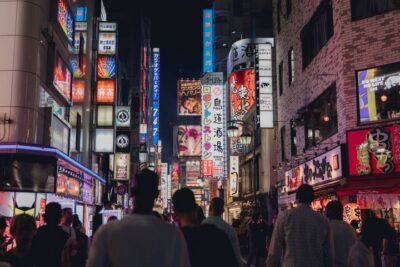
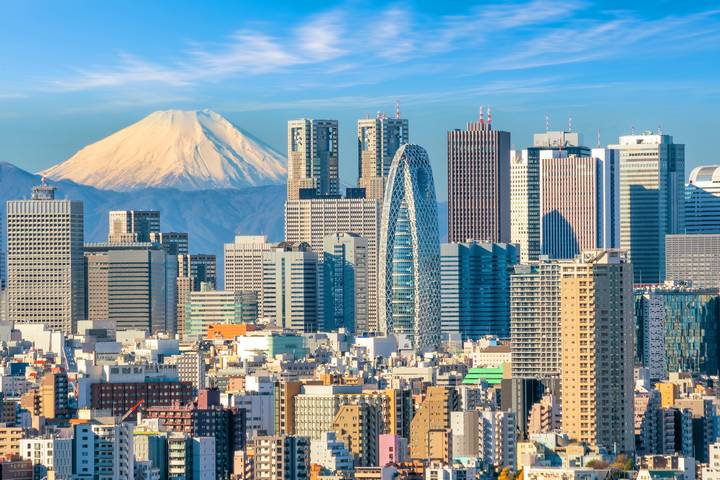
Day three is built around contrasts. At Shibuya Crossing, you join the flow of people moving through the intersection, then head to Harajuku for fashion and pop culture. Yoyogi Park and Meiji Shrine offer a welcome change of pace, with green space and a quieter shrine setting. In the evening, Shinjuku brings you back to the city’s bright signs and narrow lanes, with izakayas serving yakitori and sake.
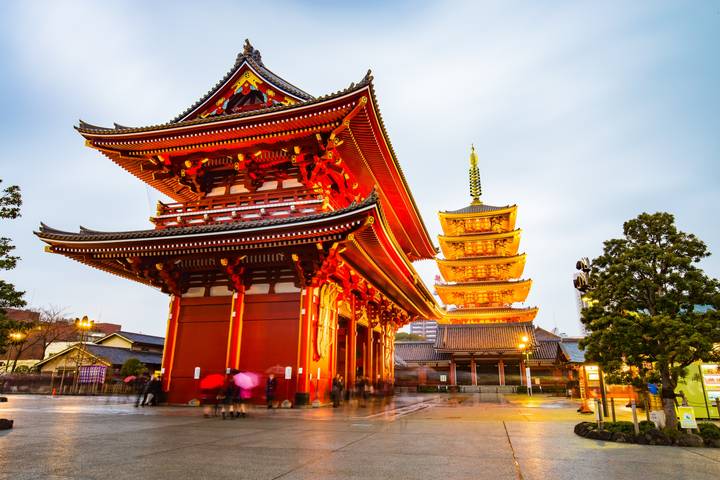
The next day ranges from Tsukiji’s seafood stalls to the Imperial Palace grounds, Senso-ji in Asakusa and Tokyo Skytree. Tsukiji is a good place to try sushi or other seafood early, but the tuna auctions are held at Toyosu, not Tsukiji. Skytree admission costs extra, so decide if the view is worth adding to your budget. The city looks enormous from above, but this is a packed day on the ground too.
Day five focuses on Akihabara, with electronics shops, manga stores, game halls and cosplay cafés among the possible stops. It is an easy day to tailor to your interests. Even if gaming and anime are not your thing, the district gives you a look at a very different side of Tokyo. Convenience stores are useful for quick meals and snacks between visits, though a sit-down meal is worth making time for.
Kanazawa: samurai lanes and a garden worth slowing down for
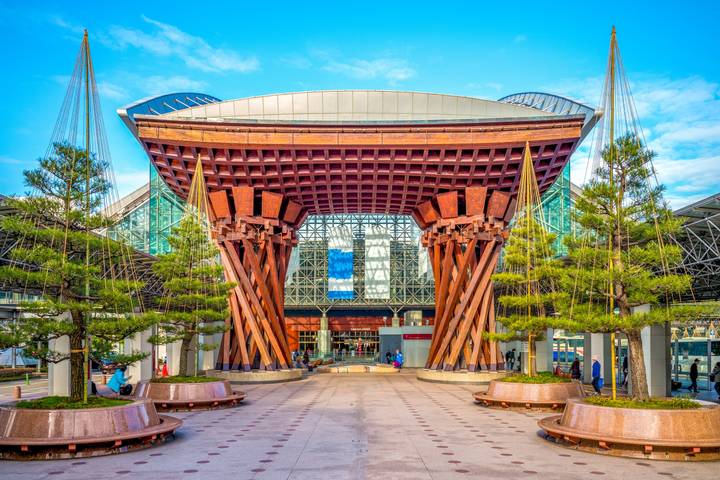
On day six, you take the Shinkansen to Kanazawa. The route is part of the appeal: the fast train makes a long-distance move manageable, and Mount Fuji may be visible from the train when the weather is clear. Once there, the day turns toward older neighborhoods and gardens.
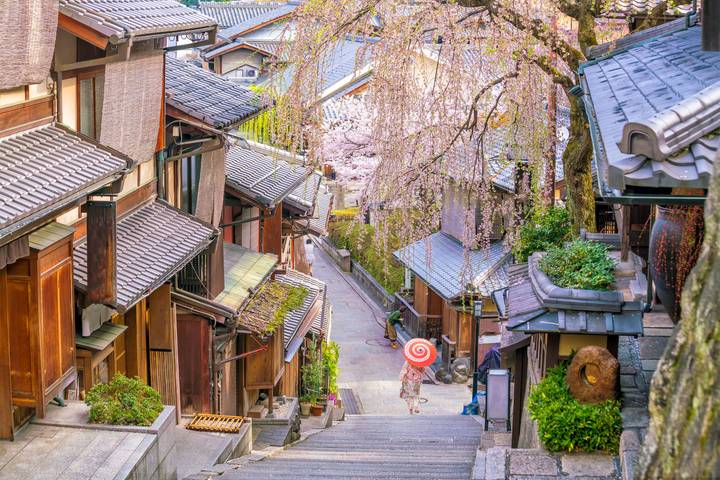
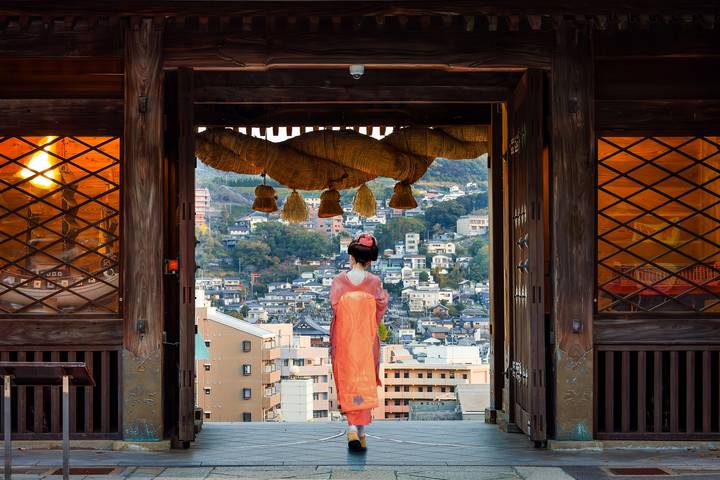
Higashi Chaya is the former geisha district, with traditional buildings and teahouses; Nagamachi preserves the feel of a samurai quarter. Kanazawa Castle and Kenrokuen Garden round out the visit. Kenrokuen is known for its carefully arranged ponds, paths and trees, and it’s a good place to trade the day’s sightseeing pace for a slower walk. A tea ceremony in Gyokusen Inmaru Garden is available at additional cost.
Kanazawa gets only one night, so you’ll need to be selective. That brief stop is enough for a taste, not an exhaustive visit. If gardens and historic streets are high on your list, consider how much time you want at each site before you arrive.
Kyoto: early bamboo, crowded icons and evening lanes
Day seven brings a rail trip to Kyoto, followed by Nishiki Market. The market is a practical first stop for sampling local snacks and browsing food shops, but it can be crowded, and the narrow passage is not the place to rush with a large suitcase. Pontocho, a lane of restaurants and bars near the Kamo River, is an atmospheric option for dinner.
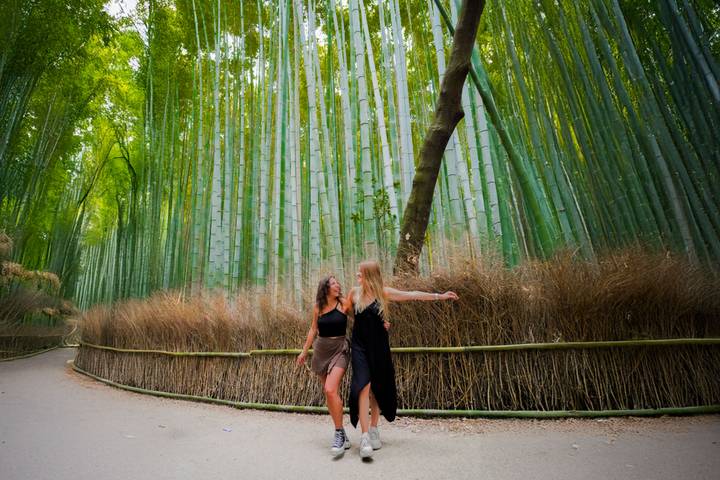
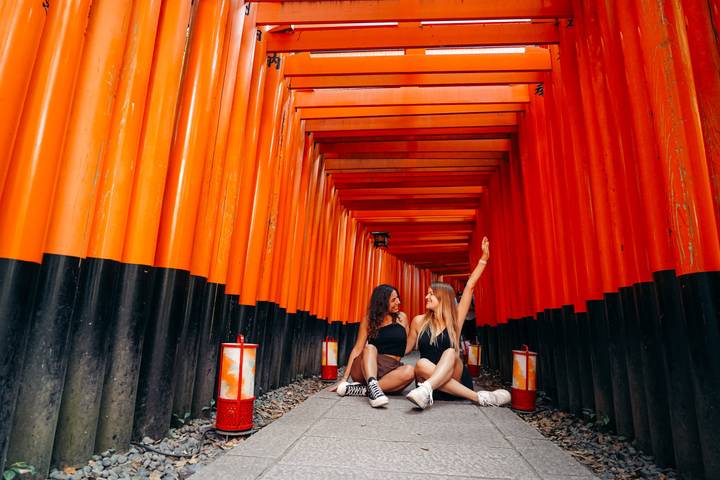
The next morning, get to Arashiyama early. The bamboo grove is the headline sight, and an early start gives you a better chance of enjoying the tall stalks before the busiest hours. Tenryu-ji Temple and its garden are nearby, with admission paid separately. You can then choose between Kinkaku-ji, the celebrated Golden Pavilion, and Ginkaku-ji, a quieter-feeling alternative in the itinerary. Trying to fit every temple into one day risks turning Kyoto into a checklist. Pick the places that matter most to you.
Two nights give you time for a first look at the city, but not every famous district. The itinerary does not include a guided tour, so you’ll be responsible for planning the order of your stops and getting between them. That freedom is a plus if you enjoy independent travel; it can be tiring if you want someone else to manage the day.
A completely different kind of day out:
- Mt Fuji and Hakone 1-Day Bus Tour Return by Bullet Train
★ 5.0 · 26,383 reviews - TOKYO SKYTREE® Ticket
★ 4.7 · 25,136 reviews - teamLab Borderless Tickets: MORI Building DIGITAL ART MUSEUM
★ 4.7 · 24,126 reviews - teamLab Planets TOKYO Ticket
★ 4.7 · 21,663 reviews
Himeji and Hiroshima: a castle, then a sobering history
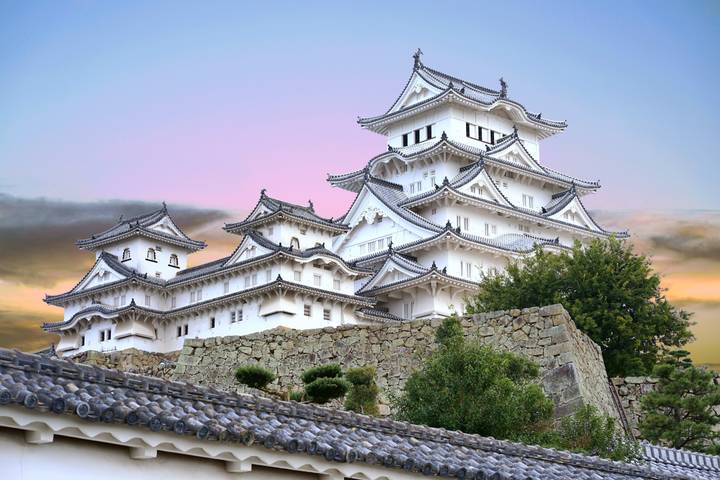
Day nine starts with a stop in Himeji on the way from Kyoto to Hiroshima. Himeji Castle is a striking white complex with multiple levels and views from the upper floors. You’ll need to remove your shoes inside, so wear footwear that is easy to take off and put on. The route also allows time for a Japanese garden or a bowl of udon, though how much you can fit depends on your train schedule and pace.
The day continues to Hiroshima. Peace Park and the Atomic Bomb Dome are central to understanding the city’s experience in 1945 and its recovery. The Peace Park and Atomic Bomb Museum are listed as optional visits, so check your time and budget rather than assuming admission is covered. This is a meaningful stop, but it is emotionally demanding; leave room to pause instead of squeezing it between trains and dinner.
Hiroshima Castle is another possible evening visit, but the day is already full. You have two nights in Hiroshima, which makes the following day at Miyajima more manageable and gives you a chance to see the city without rushing through every stop.
Miyajima: tide times shape the torii view
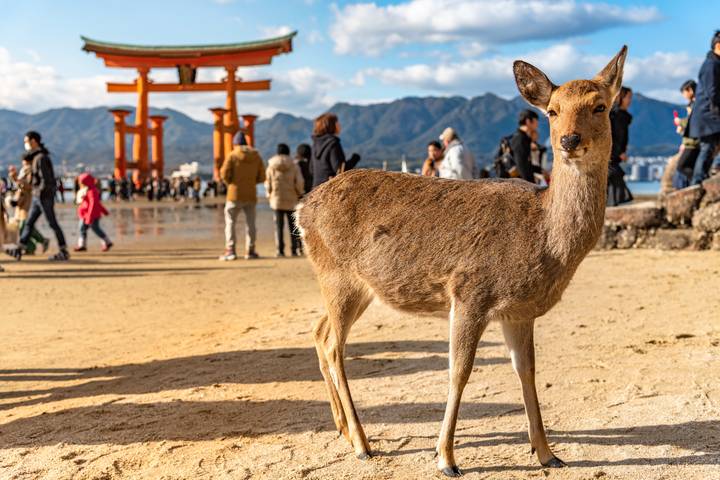
A ferry takes you to Miyajima, with the crossing included in the Rail Pass. The red torii gate at Itsukushima Shrine changes character with the tide: at high water it appears to float, while at low water you can walk out toward it. Check tide timing before you go, because it has a real effect on what you see.
The island also offers a cable car to the Shishiiwa viewpoint, for an extra fee, or a hike to Mount Misen. The itinerary describes the walk to the peak as about 30 minutes. Leave enough time for the return journey and the ferry, especially if you want to stay for the evening light. Omotesando Street is a handy stop for food, including Momiji Manju, a maple-leaf-shaped sweet associated with the island.
The tame deer are part of the experience, but keep food and belongings secure around them. Two different experiences are possible here: a short shrine visit or a fuller day with a viewpoint, a walk and a meal. Decide in advance which version you want.
Osaka and Nara: neon after temples
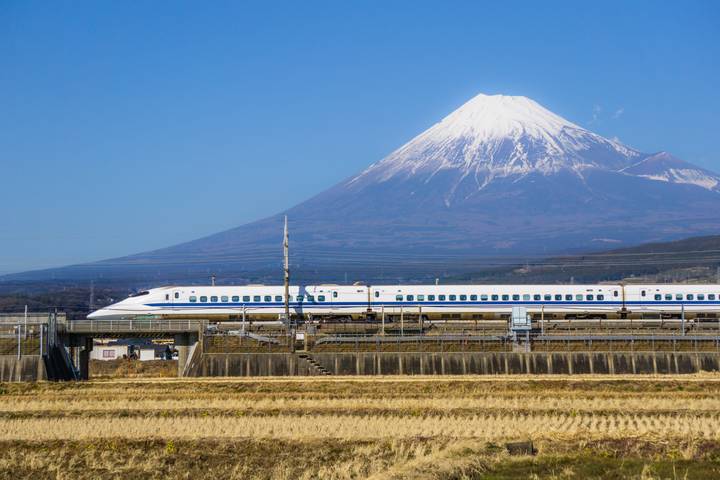
On day eleven, you take the Shinkansen to Osaka. The city offers a livelier finish after Kyoto and Hiroshima, with shopping at Shinsaibashi, city views from the Umeda Sky Building and a night out around Dotonbori’s oversized signs and bright storefronts. The Sky Building’s Floating Gardens require a separate ticket. Amerika-mura is another option for shops and bars.
The next day balances city sights with a possible excursion to Nara. Sumiyoshi Shrine has a distinctive red taiko bridge and is listed as an included visit. Osaka Castle and Nishinomaru Garden are additional options, with garden admission paid locally. If you take the Rail Pass to Nara, allow about an hour each way. Nara Park’s free-roaming deer, Kasuga Shrine and Todai-ji Temple make for a rewarding change of scene, but shrine and temple admissions cost extra.
This is a choose-your-own day, not a promise that you’ll see all of Osaka and Nara. If you go to Nara, you’ll likely give up time in Osaka. Choose based on whether you want the deer and Great Buddha at Todai-ji, or another unhurried day in the city.
What the package covers, and where costs add up
The package includes scheduled flights to Tokyo and back from Osaka, with a transfer possible, plus checked and hand baggage according to the selected airline’s rules. It also includes 11 hotel nights, a high-speed data SIM, a seven-day Japan Rail Pass and the Miyajima ferry. Accommodation upgrades are optional, and meal arrangements depend on the property you choose.
The pass can make this route good value because it covers the long train journeys between major stops. It also covers the Miyajima ferry and can be used for the Nara side trip within its valid period. Still, local transport beyond the pass, entrance fees, optional excursions, meals and local taxes are extra. The Skytree, Umeda Sky Building, and some gardens and temples can add up, so don’t treat the advertised inclusions as an all-in spending budget.
No tour price is provided here, so I can’t judge the final value against a specific fare. In general, the package’s value lies in combining flights, hotels, rail planning and basic support while leaving your days open. Past positive feedback particularly emphasized smooth organization, well-chosen hotels and simple booking. The main caution is support during a serious transport disruption: although a 24-hour hotline is included, a typhoon shutdown was associated with difficulty reaching a contact person and unsatisfactory follow-up. Save the number, keep your travel documents handy and have a backup plan for disrupted trains.
Should you book this Japan trip?
Book it if you want a well-structured first visit with major rail travel and accommodation arranged, but prefer to make your own choices once you arrive. The route works especially well for couples, families or friends who are comfortable navigating independently and want a mix of city life, historic sites, food stops and train travel.
Think twice if you want a guide each day, all admissions and local transit included, or a slow holiday with plenty of unscheduled time. The itinerary is ambitious, and the Kanazawa stop is especially short. For independent explorers who can handle train stations and changing plans, though, this is a practical way to cross Japan from Tokyo to Osaka without giving up the freedom to follow your own interests.
FAQ
Is this a guided tour?
No. It is self-guided, and no tour guide is included. You explore independently, with a 24-hour emergency hotline listed as support.
Where does the tour start and end?
The trip starts in Tokyo and ends in Osaka. The included flights are scheduled to Tokyo and back from Osaka, though a flight transfer may be possible.
How many nights of accommodation are included?
The package includes 11 nights: four in Tokyo, one in Kanazawa, two in Kyoto, two in Hiroshima and two in Osaka.
Is the Japan Rail Pass included?
Yes. A seven-day Japan Rail Pass is included, along with the ferry crossing to Miyajima. Public transport outside the pass is not included.
Are meals included?
Meal arrangements depend on the accommodation you select. The package does not promise that all meals are included.
Are entrance fees included?
Not all are. Optional activities and entrance fees are extra, including several listed temples, gardens and observation decks.
What is the physical activity level?
The tour is rated low intensity. The itinerary includes light physical activities, such as walking around city sights and an optional hike on Miyajima.
What language is the tour offered in, and are children welcome?
The tour is listed as German-language, and all ages are welcome. It is also self-guided, so the listing does not indicate that a German-speaking guide accompanies you.
Just added in Tokyo
- Mt. Fuji & Hakone Cherry Blossom private One Day Tour★ 4.5 · 35 reviews
- Fish Market & Tokyo Skyline Private Walking Tour★ 5.0 · 14 reviews
- 25-Min Downtown Helicopter Tour : Tokyo Skytree and Tokyo Tower★ 5.0 · 19 reviews
- Private Tour with a Local Guide – Learn about daily life in Japan★ 5.0 · 22 reviews
- Tokyo: 3-Hour Bike/E-Bike Tour of the City’s Highlights★ 5.0 · 209 reviews
- Official Japan Go-Kart Through Tokyo Bay / Ginza (IDP Required)★ 4.5 · 71 reviews
- 30-Min Tokyo Central Private Heli Tour– Asakusa, Skytree, Shibuya★ 5.0 · 13 reviews
- Tokyo 2-Hour Genuine Samurai Experience: Kendo in Japan★ 5.0 · 112 reviews
Multi-Day Tours That Visit Kanazawa, compared.


Tokyo to Osaka by Rail – Private Tour (14 Days) with Explore!
Read our review →
Visions of Japan with Hiroshima & Osaka 15-Day Tour by Globus
Read our review →
14 Days Japan Panoramic (Private 3 Star Hotels) by Stunning Tours
Read our review →
Discover Japan by G Adventures – 14-Day Tour from Tokyo
Read our review →
15 Days Discover Japan with Hiroshima by Tomato Travel
Read our review →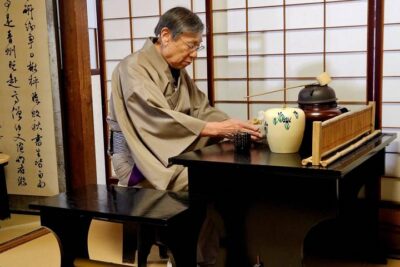
Ancient & Modern Japan 14-Day Tour by Exodus Adventure Travels
Read our review →