
Reviewed · TEMPLES AND SHRINES
From Osaka: Kyoto, Nara, Fushimi Inari & Arashiyama Day Tour
Three famous sights, one very full day. This $56 bus tour from Osaka links Nara Park, Fushimi Inari Taisha, and Arashiyama, giving you a quick taste of three very different Japanese settings. I like the easy round-trip transport and the chance to cover places that would take more planning by train. I also like that guides such as Yang and Jack have been praised for clear explanations, friendly help, and taking photos for families.
The catch is the pace. You get about an hour in Nara, 80 minutes at Fushimi Inari, and 2.5 hours in Arashiyama, with long bus rides between the stops and a possible two-hour return journey. This is a strong sightseeing sampler, but it is not a slow Kyoto day.
In This Review
- Key points to know before booking
- Why this $56 tour can make sense from Osaka
- An early Osaka start at Nipponbashi
- Nara Park and the bowing deer
- Fushimi Inari and the first stretch of red gates
- Arashiyama gives you the most breathing room
- Walking through Arashiyama Bamboo Grove
- Footbaths and the Kimono Forest at Arashiyama Station
- The long ride back to Osaka
- Guides, language, and the shared-tour feel
- Who will get the most from this day
- What to bring and what to expect
- Should you book this Osaka day trip?
- FAQ
- Where does the tour meet in Osaka?
- What time should I arrive?
- What is included in the price?
- Are meals included?
- Is the Sagano Romantic Train included?
- How much walking is involved?
- Can the schedule change because of traffic?
Key points to know before booking
- Three major sights in one day: See Nara Park, Fushimi Inari, and Arashiyama without arranging separate train trips.
- The deer stop is short: One hour gives you time for a walk and deer crackers, but not a full look at every corner of Nara Park.
- Fushimi Inari requires walking: The famous gates begin near the shrine, while the full route continues uphill on Mount Inari.
- Arashiyama gets the most free time: You have about 2.5 hours for the bamboo grove, station sights, and nearby areas.
- The Romantic Train costs extra: The Sagano Romantic Train is an optional activity, not part of the included tour price.
- Traffic can change the day: Weekend and holiday congestion may lead the guide to adjust stop order or shorten visits.
Why this $56 tour can make sense from Osaka
At $56 per person, the value comes mainly from the transportation. The price includes an air-conditioned coach, fuel, expressway tolls, parking, a professional driver, and a multilingual guide. If you want to visit all three areas in one day, those details remove a lot of the work.
Public transport is possible, but the route is spread across Osaka, Nara, southern Kyoto, and western Kyoto. You would need to watch train times, change your plan around crowds, and make your way back to Osaka after a long day. Here, you meet in central Osaka and let someone else handle the driving.
That convenience has a trade-off. A shared coach is less flexible than a private car or a self-guided train trip. You cannot linger when the deer are putting on a good show, and you must return to the vehicle at the agreed time. The tour may also include people using English, Japanese, and Chinese, so explanations may be shared across languages.
The published rating is 4.4 from 19 reviews, with especially warm praise for guides Yang and Jack. Yang was described as friendly, patient, and helpful with photographs, while Jack received praise for explaining the sights and clearly pointing out where to meet. That matters on a busy day, because a good guide can save you from wasting precious minutes.
More Day Trips in Osaka
- From Osaka: Himeji Castle, Arima Onsen & Mt. Rokko Day Tour
★ 4.6 · 339 reviews - Osaka Day Tour: Amanohashidate & Ine Bay
★ 5.0 · 280 reviews - Kyoto and Nara Day Trip from Osaka
★ 4.0 · 175 reviews
An early Osaka start at Nipponbashi
The meeting point is at Nipponbashi Exit 2, near the Namba and Shinsaibashi area. You should arrive by 7:45 a.m. for the 7:50 meeting time, with departure scheduled for 8:00.
Look for the guide holding a yellow flag. The area can have several tour groups gathering at once, so do not rely on finding the right coach by guesswork. The operator sends an email the evening before with guide and driver details. Check your spam folder too.
The first drive to Nara takes about an hour. That early start is useful: it gives you a chance to reach the first stop before the day becomes even more crowded. It also means you should eat breakfast beforehand or bring something for before boarding. Food is not allowed inside the vehicle, and meals are not included.
Bring water, cash, sunscreen, and comfortable shoes. Credit cards may not be accepted at every stop, and you will spend much of the day walking and standing.
Nara Park and the bowing deer
Nara Park is the gentle opening act. The park is famous for more than a thousand free-roaming deer, which move through the paths and greenery around the major sights. You get about one hour here for a walk, photographs, and a close look at the animals.
The deer are accustomed to people and are known for bowing in exchange for deer crackers. Feeding them can be a fun family moment, but keep your crackers visible only when you are ready to give them. Once your supply is gone, show empty hands and move away. The animals are friendly, but they are still animals, and a hungry deer can be persistent.
The park changes with the seasons. Spring and summer bring green surroundings, autumn brings colorful leaves, and winter can offer snow-dusted trees. The tour does not give you a long visit, so treat Nara as a focused stop rather than a full city tour.
One hour is enough to meet the deer and take memorable photographs. It is not enough for a leisurely visit to every temple or museum in the area. One recent family review even noted that the group would have preferred less time in Nara on a very busy day, though the schedule had to adapt to holiday conditions. That is useful context: the stop can feel generous if you only want the park, but long if your main goal is Kyoto.
The tour then spends about an hour on the road to Fushimi Inari. Use that time to rest your feet and check the meeting instructions. You will need energy for the next walk.
Fushimi Inari and the first stretch of red gates
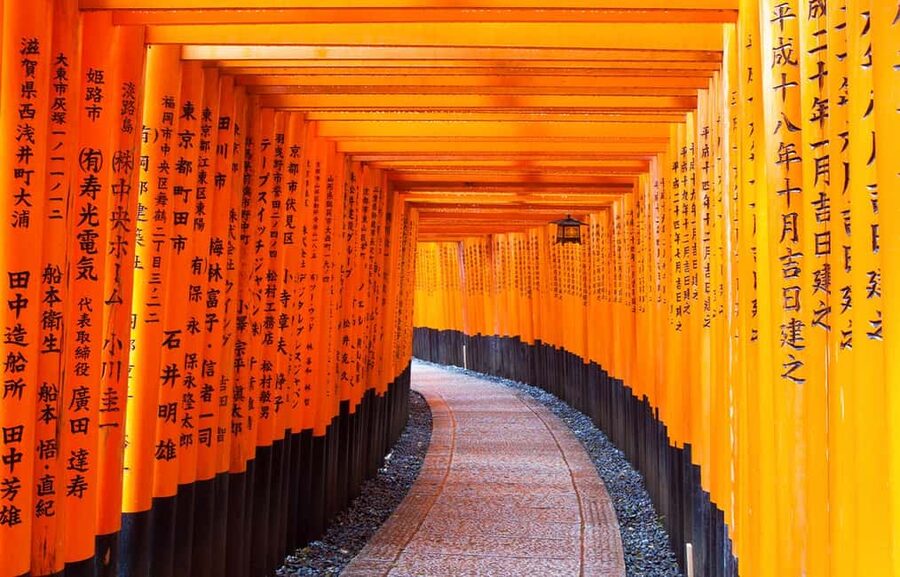
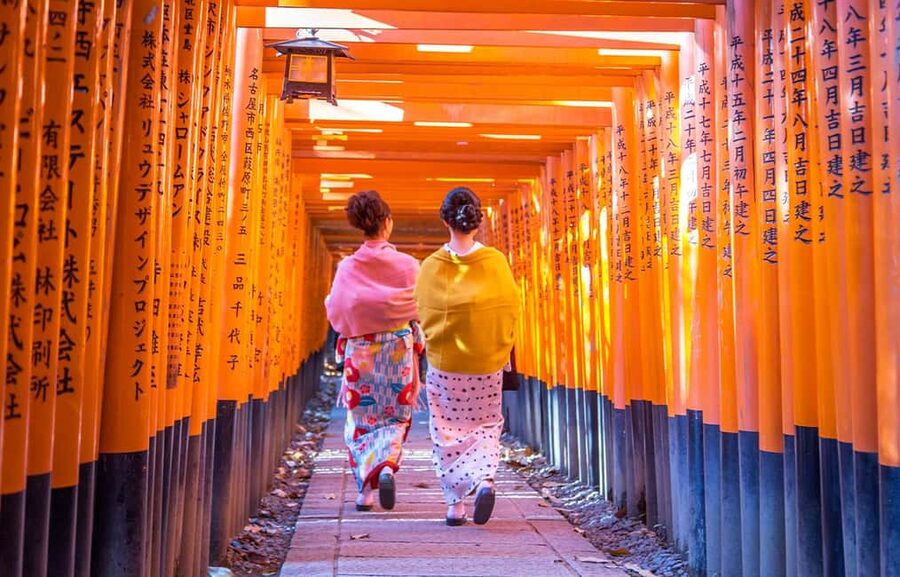
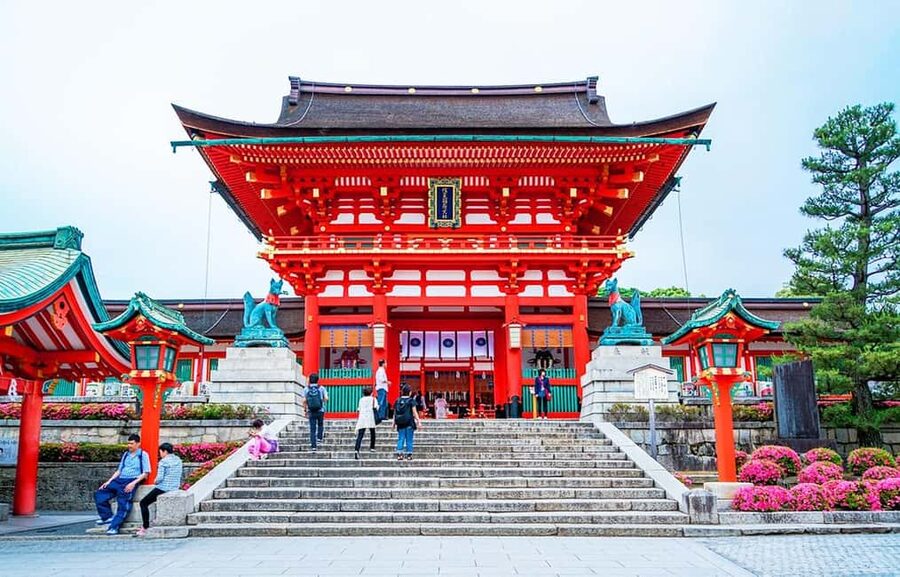
Fushimi Inari Taisha is one of Kyoto’s most recognizable sights. Its rows of orange-red torii gates begin near the main shrine and continue up Mount Inari. Walking beneath them gives you a strong sense of movement and place, even if you do not climb the entire mountain.
The visit lasts about 80 minutes and includes guided sightseeing. That is enough to see the main shrine, enter the lower gate paths, and pause for photographs. It is not enough for a complete hike to the upper sections and back, especially if the paths are crowded.
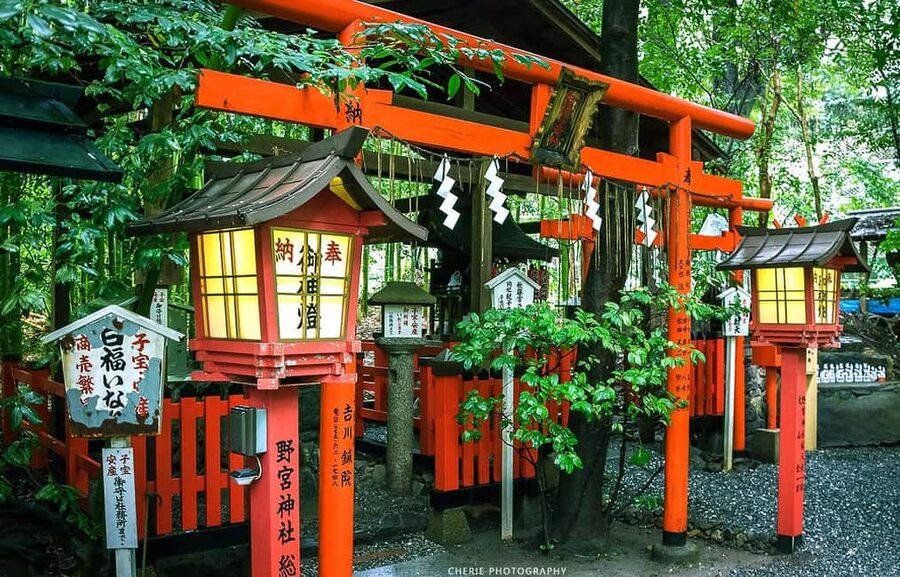
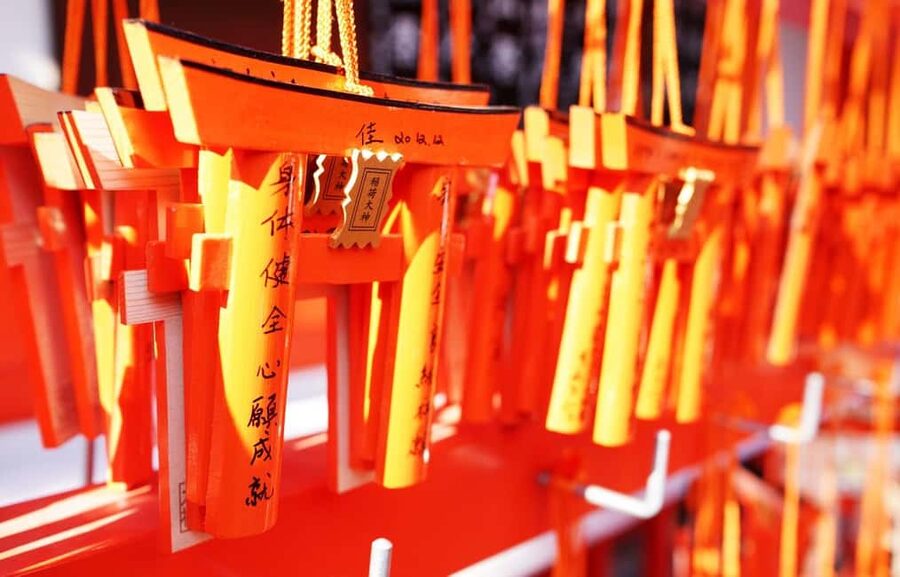
You can make a wish at the main shrine and draw a fox-shaped ema, or prayer plaque. Foxes are linked with Inari, the deity associated with rice and prosperity, so the fox imagery is part of what makes this shrine different from a standard temple visit.
Expect plenty of people near the entrance. The gates become more peaceful as you walk farther uphill, but every step takes time, and the route includes stairs. Wear shoes with good support, especially if you plan to continue beyond the first photogenic section.
The guide’s role is practical here. You need to remember the meeting time and location in a large shrine complex. A clear explanation before you walk off on your own can prevent a stressful race back to the coach.
More Temples and Shrines in Osaka
- Osaka: Katsuo-ji Temple
★ 4.9 · 996 reviews - Osaka: Minoh, Katsuoji Temple, & Minoh Falls Full-day Tour
★ 4.9 · 172 reviews - Sagano Romantic Train & Arashiyama, Kiyomizudera, Fushimi Inari Taisha Day Tour
★ 4.5 · 171 reviews - Osaka Temple Cool Foot Bath & Matcha Experience〈45min〉
★ 4.9 · 82 reviews
Arashiyama gives you the most breathing room
After roughly 40 minutes by bus, you reach Arashiyama. This western Kyoto district brings together old temples, river scenery, shopping streets, and seasonal plant life. The tour gives you about 2.5 hours, making it the best stop for exploring at your own pace.
The area is especially attractive in spring, summer, autumn, and winter, though the mood changes with the season. Cherry blossoms bring soft color in spring, summer offers thick green growth, autumn brings maple leaves, and winter can add a quieter feel with seasonal lights.
Your time here is not a full tour of every temple and street. You will need to choose. The most sensible plan is to prioritize the bamboo grove first, then use the remaining time for the station area, photographs, and a footbath if time allows.
Walking through Arashiyama Bamboo Grove
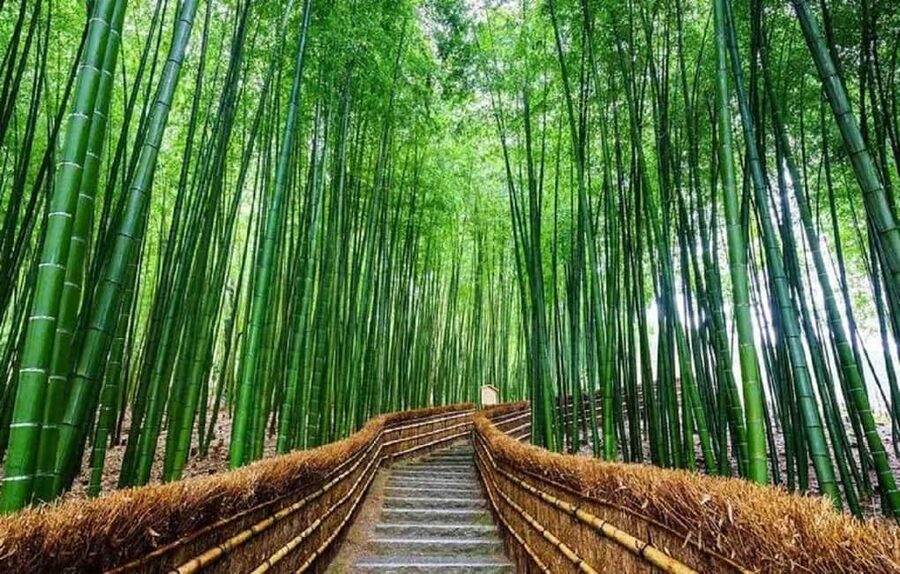
The bamboo grove is the district’s signature walk. Tall bamboo rises on both sides of the path, creating a narrow corridor of green trunks and filtered light. The setting feels very different from Nara’s open park and Fushimi Inari’s repeated gates.
The path is not a wilderness trail. It is a popular sightseeing route, and crowded conditions can affect the calm mood you may expect from photographs. Still, the bamboo is worth seeing in person, particularly if you keep walking instead of stopping at the first photo point.
The route involves walking, and the day has already included Nara Park and Fushimi Inari. If your feet are tiring, make the grove your main Arashiyama goal, then choose one smaller stop rather than trying to do everything.
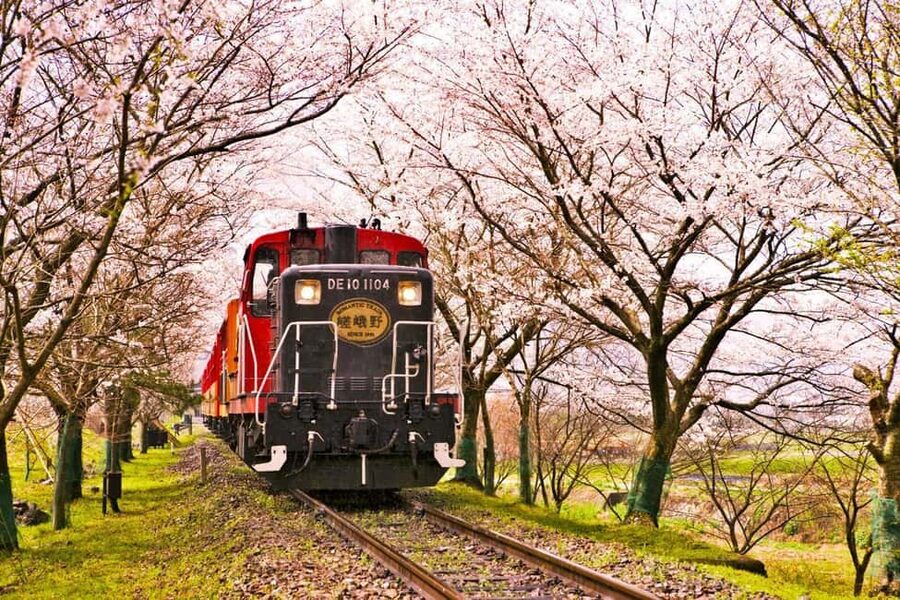
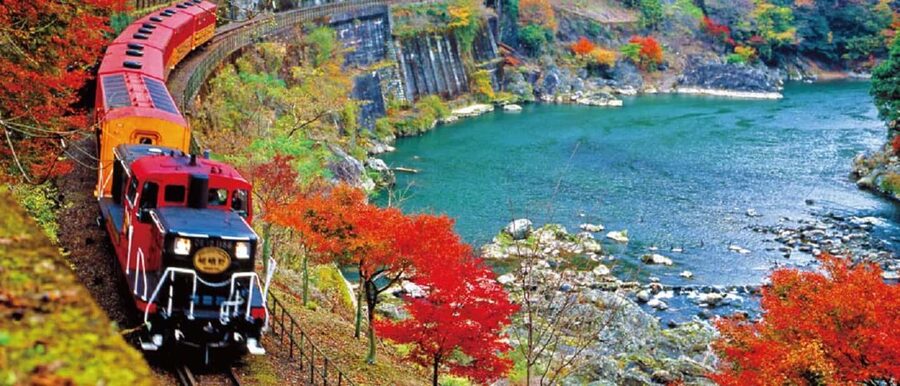
The schedule also includes a photo stop at Torokko Saga Station and a possible 25-minute panoramic ride on the Sagano Romantic Train. The train runs beside the Hozugawa River Gorge and through the countryside around Kameoka, with especially attractive views during spring blossoms and autumn foliage.
This train is optional and at your own expense. Confirm how the day’s timing works before paying for it. On weekends, public holidays, and peak seasons, traffic or train demand may change the plan. If the Romantic Train is your top priority, a separate booking may give you more control, but it would also reduce the value of having a simple all-in-one day.
Footbaths and the Kimono Forest at Arashiyama Station
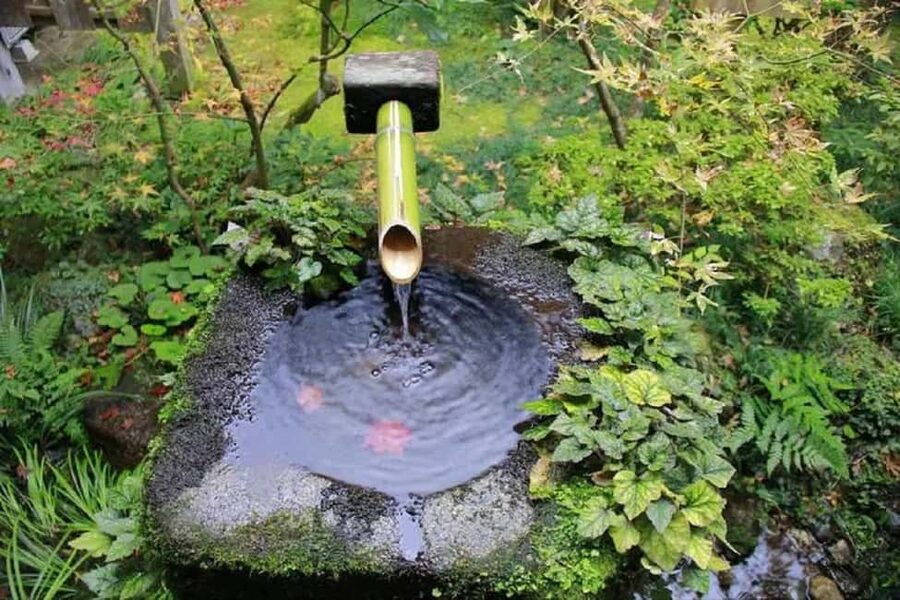
The Arashiyama Station Footbath is a practical little pleasure near the end of a long sightseeing day. You can soak your feet in an onsen-style foot spa and give your legs a break. It is not a full hot-spring visit, and the supplied details do not state that admission is included, so carry cash and confirm any fee locally.
The Kimono Forest, also called the Yuzenn Light Poles, adds a very different visual note. Around Arashiyama Station, about 600 pillars display kimono textiles. The installation looks appealing by day and becomes more atmospheric when lit after dark.
These stops are close in spirit to the tour’s main appeal: you get a quick collection of memorable sights rather than one long, quiet visit. If you want a photograph with a strong color pattern, the Kimono Forest is a good choice. If your priority is rest, choose the footbath. Trying to fit in both, plus the bamboo grove and the optional train, may feel rushed.
The long ride back to Osaka
The return journey is listed at about two hours. Traffic can make it longer, especially on weekends, public holidays, and peak travel dates. The guide may change the order of stops, shorten a visit, or remove a stop based on road conditions.
Do not schedule a dinner reservation, airport transfer, or evening show too close to the expected return. The tour begins at 8:00 a.m. and fills a full day, so the final ride is a useful chance to rest rather than a minor detail.
The coach includes air conditioning and a professional driver. That is a real benefit after several hours on foot, though you should not expect the freedom to leave early from one stop or change the route. Late arrivals at the start are not refunded, so arriving early is essential.
Guides, language, and the shared-tour feel
The tour offers English, Japanese, and Chinese guidance. If fewer than 13 people join, the driver may also act as the guide and provide simple explanations. That could mean a more basic commentary than you would receive with a larger guided group.
The strongest praise has focused on personal service. Yang was noted for chatting with the group, sharing facts, helping with photographs, and showing patience. Jack was praised for being professional and clear about meeting points. Those details are more valuable than flashy commentary on a day when timing and navigation matter so much.
At the same time, this is a shared tour. You may ride with people speaking different languages, and the guide must divide attention among the group. If you want long cultural explanations, private guiding, or time to sit quietly at one shrine, this format may not suit you.
Who will get the most from this day
I would recommend this tour to a first-time visitor based in Osaka who wants to see major Kyoto-area sights without handling several train connections. Families can benefit from the simple transport, and the deer are an easy hit with children. The photo opportunities are plentiful, from deer and torii gates to bamboo and textile pillars.
It also suits you if your schedule is tight. In one day, you can sample Nara and Kyoto, then decide which place deserves a longer return visit.
I would be more cautious if you dislike early starts, long bus rides, or fixed meeting times. People with animal allergies should not book, and the tour is not suitable for wheelchair users. Anyone with limited mobility should also think carefully, since the day involves substantial walking and stairs at Fushimi Inari.
What to bring and what to expect
Wear shoes you can walk in for a full day. Add light clothing layers, sunscreen, and water. Cash is useful for deer crackers, snacks outside the coach, the footbath if a fee applies, and optional activities.
Eat before departure because meals are not included and food cannot be eaten inside the vehicle. You will have opportunities to buy food at the sightseeing areas, but the exact time available depends on traffic and the group schedule.
Keep your phone charged. You will want it for photographs, checking the evening email, and contacting the guide if the meeting point becomes unclear. Still, the most important item is punctuality. Arrive at least 15 minutes early at Nipponbashi Exit 2 and find the yellow flag.
Should you book this Osaka day trip?
Book it if convenience and coverage matter more to you than a relaxed pace. For $56, the included coach, driver, tolls, parking, and guide make it a sensible way to connect Nara, Fushimi Inari, and Arashiyama in one demanding day.
Skip it if you want to explore Kyoto slowly, climb all of Mount Inari, spend several hours in Nara, or build your day around the Sagano Romantic Train. The best use of this tour is as a first look: see the deer, walk under the gates, visit the bamboo grove, and note where you would return with more time.
The friendly guide reports, especially for Yang and Jack, add confidence. Just keep your expectations realistic. This is a well-organized sightseeing sweep, not an unhurried cultural tour.
FAQ
Where does the tour meet in Osaka?
Meet at Nipponbashi Exit 2 in the Namba and Shinsaibashi area, at 1-chōme-3-6 Nipponbashi, Chuo Ward, Osaka, 542-0073.
What time should I arrive?
The meeting time is 7:50 a.m., with departure at 8:00 a.m. You should arrive at least 15 minutes before departure and look for the guide holding a yellow flag.
What is included in the price?
The price includes round-trip transportation by air-conditioned bus, a multilingual guide, expressway tolls, fuel, parking fees, and a professional driver.
Are meals included?
No. Meals and personal expenses are not included. Food is also not allowed inside the vehicle.
Is the Sagano Romantic Train included?
No. The Sagano Romantic Train is an optional activity at your own expense. The ride is listed as approximately 25 minutes when included in the day’s schedule.
How much walking is involved?
A fair amount of walking is involved, including walking through Nara Park, Fushimi Inari, and the Arashiyama Bamboo Grove. Comfortable shoes and clothing are recommended.
Can the schedule change because of traffic?
Yes. On weekends, public holidays, and peak travel dates, the guide may change the order of sights, shorten visit times, or reduce the number of stops. Return times may also vary, so avoid scheduling another activity immediately afterward.
More Temples and Shrines in Japan
- Kyushu One-Day Tour: Yufuin no Mori Train & Yufuin Town & Nyoirin-ji Temple & Dazaifu & Hell Hot Springs (Departing from Fukuoka)
★ 4.9 · 4,474 reviews - Kyoto: Fushimi Inari, Kinkakuji, Bamboo Grove 1 Day Bus Tour
★ 4.8 · 4,316 reviews - Kyoto: Tea Ceremony in a Traditional Tea House in Kiyomizu
★ 4.9 · 3,519 reviews - Kyoto Nara Day Trip │ Kiyomizu-dera Temple + Fushimi Inari-taisha Shrine + Nara Park (Departing from Osaka/Kyoto)
★ 4.7 · 3,408 reviews
More Day Trips in Japan
- Mt. Fuji Instagram-Worthy Spots Day Tour: Ladder Town, Oshino Hakkai, Lake Kawaguchi, Lawson Convenience Store (Departing from Tokyo Station or Shinjuku Station)
★ 4.8 · 35,467 reviews - 【Mount Fuji Magnificent Scenery Exploration Day Tour】Arakurayama Sengen Park & Kawaguchiko Oishi Park & Oshino Hakkai & INS Famous Lawson & Hikawa Clock Shop (Departing from Tokyo)
★ 4.9 · 12,075 reviews - [Kyoto & Nara Day Tour] Sagano Scenic Railway & Nara Park & Fushimi Inari Taisha Thousand Torii Gates & Togetsukyo Bridge & Bamboo Grove & Kimono Forest (Departing from Osaka)
★ 4.9 · 10,942 reviews - Mount Fuji & Hakone – Lake Ashi Torii Gate, Hakone Shrine, Hakone Pirate Ship, Hakone Ropeway, Owakudani, Lake Yamanaka & Oshino Hakkai Day Trip: Sea, Land, and Air Panoramic Tour from Tokyo
★ 4.8 · 7,989 reviews
Just added in Japan
- A One-of-a-Kind Sushi Experience in a Special Place of Japan★ 5.0 · 15 reviews
- Tokyo Cute Bento Cooking Class – Make a Kawaii Character Lunchbox★ 5.0 · 126 reviews
- Japanese Home Cooking Class & Walk in Todoroki Temple Tokyo★ 5.0 · 88 reviews
- Japan Tokyo Tower Observatory Deck E-Ticket★ 4.0 · 34 reviews
- Catch a Baseball Game in Tokyo with a Local – Tickets Included★ 5.0 · 24 reviews
- JDM Experience with Fast&Furious RX-7 (English speaking Driver)★ 5.0 · 57 reviews
- Tokyo Private Day Tour by Car with English speaking Driver Guide★ 4.0 · 29 reviews
- Japan Classic 10 Day – One Life Adventures★ 5.0 · 129 reviews
Temples and Shrines, compared.
![[Kyoto & Nara Day Tour] Sagano Scenic Railway & Nara Park & Fushimi Inari Taisha Thousand Torii Gates & Togetsukyo Bridge & Bamboo Grove & Kimono Forest (Departing from Osaka)](https://media.japanvisits.com/wp-content/uploads/kyoto-nara-day-tour-sagano-scenic-railway-nara-park-fushimi-inari-taisha-thousand-torii-gates-togetsukyo-bridge-bamboo-grove-kimono-forest-departing-from-osaka-k110001-400x257.jpg)
Kyushu One-Day Tour: Yufuin no Mori Train & Yufuin Town & Nyoirin-ji Temple & Dazaifu & Hell Hot Springs (Departing from Fukuoka)
Read our review →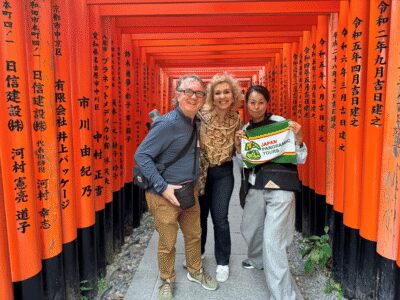
Fushimi Inari, Kinkakuji, Bamboo Grove 1 Day Bus Tour
Read our review →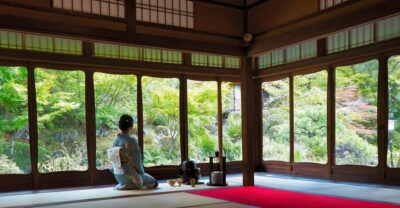
Tea Ceremony in a Traditional Tea House in Kiyomizu
Read our review →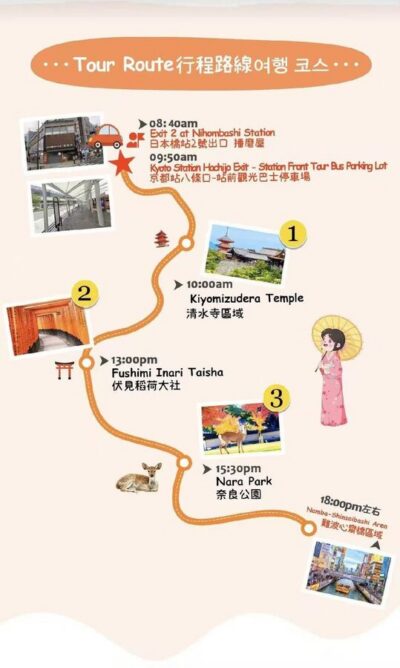
Kyoto Nara Day Trip │ Kiyomizu-dera Temple + Fushimi Inari-taisha Shrine + Nara Park (Departing from Osaka/Kyoto)
Read our review →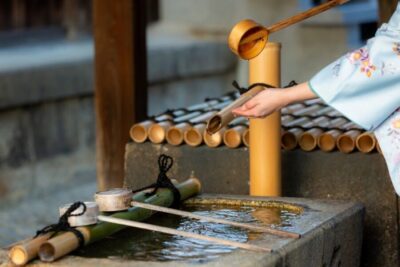
Browse the lists this tour appears in