
Reviewed · TEMPLES AND SHRINES
Ise’s Sacred Shrines and Captivating Coastlines – From Nagoya
Sacred Japan is closer than you think. This nine-hour trip from Nagoya takes you to Ise-Jingu, one of Japan’s most important Shinto sites, then adds local food streets and the photogenic Meoto Iwa rocks. I like the small maximum group of 14 and the fact that transport between stops is included, so you can focus on the day instead of train connections and local buses.
I also like the balance of the route: quiet cypress groves at the shrine, free time for lunch and shopping at Okage Yokocho, then a coastal stop at Futami-Okitama Shrine. The main consideration is the price, about $210.87 per person, which is reasonable for a full-day guided outing but less attractive if you are comfortable arranging the same area by public transport.
- Ise-Jingu’s Geku grounds: Spend about 90 minutes walking through tall cypress trees while learning about Shinto customs and shrine etiquette.
- A maximum of 14 people: The limited group size allows for a more personal tour than a large coach excursion.
- Okage Yokocho’s local food: Two hours gives you time for lunch, regional dishes, craft beer, sweets, and souvenirs.
- Meoto Iwa’s wedded rocks: Finish at a famous coastal shrine site, with an omikuji lucky fortune included.
- Several guide languages: Choose English, Spanish, French, or Chinese when booking.
- Weather can shape the mood: Light rain may add mist and atmosphere around the shrine, but you should still prepare for outdoor walking.
In This Review
- Why Ise Makes a Strong Day Trip From Nagoya
- Meeting at Nagoya Station at 9:00
- Walking Through Ise-Jingu’s Geku Grounds
- Two Hours for Food and Shopping at Okage Yokocho
- Meoto Iwa and the Coastal Finish
- What the Small Group and Guide Add
- Is the $210.87 Price Fair?
- Who Will Enjoy This Ise Tour Most?
- Practical Details to Know Before Booking
- Should You Book It?
- FAQ
- Where does the tour begin?
- What time does the tour start?
- Where does the tour end?
- How long does the experience last?
- How many people can join the tour?
- Which languages are available?
- Is lunch included?
- Is transportation included?
- Are admission fees included?
- What happens if I need to cancel?
Why Ise Makes a Strong Day Trip From Nagoya
Nagoya is a useful base for exploring central Japan, but its city sights do not show you everything that makes the region distinctive. Ise offers a very different day, with old religious customs, wooded shrine grounds, local food, and a rugged coast.
The center of the visit is Ise-Jingu, often called Japan’s most sacred shrine. The experience is not about rushing from one famous object to another. It is about walking through a carefully preserved setting and learning how Shinto practices shape the visit.
I like that this tour does not stop at the shrine and turn straight back to Nagoya. Okage Yokocho brings in everyday pleasures, while Meoto Iwa gives you a final change of scenery. You get spiritual sites, a meal break, and sea views in one organized outing.
The pace also appears sensible. The schedule allows 90 minutes at Geku, two hours at Okage Yokocho, and 45 minutes at Meoto Iwa. Travel time between destinations is part of the nine-hour total, so this is a substantial day, but not one built around an exhausting list of ten short stops.
Meeting at Nagoya Station at 9:00
The tour begins at Nagoya Station at 9:00 in the morning and returns to the same meeting point. That round trip matters. You do not need to work out how to get back from a coastal shrine after sunset, and you can leave the navigation to the guide and driver.
Your own transportation to and from Nagoya Station is not included. Plan that part separately, especially if you are staying outside the station area or carrying luggage. The start and end point is the station address at 1-chōme-1-4 Meieki, Nakamura Ward, Nagoya.
A mobile ticket is provided, and confirmation arrives when you book. The group has a maximum of 14 people, which is small enough to make questions practical and large enough to keep the price below that of a private tour.
The ride itself is not just dead time. The tour includes transportation during the activity, and the schedule counts the transfers in the total duration. That makes this a useful choice if you want to see Ise without spending your day studying train timetables and connections.
More Temples and Shrines in Nagoya:
- [Kyoto & Nara Day Tour] Sagano Scenic Railway & Nara Park & Fushimi Inari Taisha Thousand Torii Gates & Togetsukyo Bridge & Bamboo Grove & Kimono Forest (Departing from Osaka)
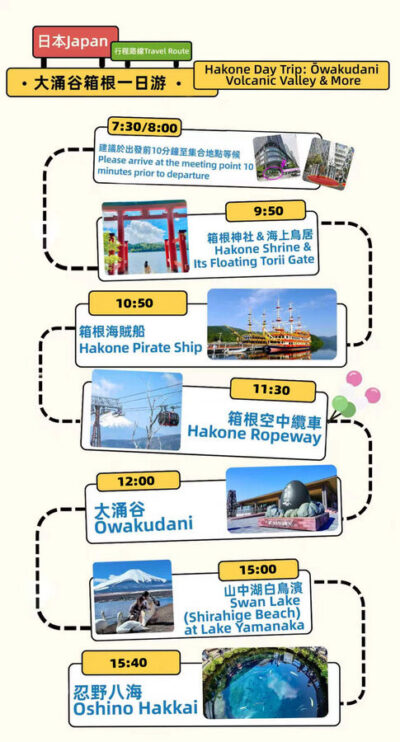
★ 4.9 · 10,942 reviews - Mount Fuji & Hakone – Lake Ashi Torii Gate, Hakone Shrine, Hakone Pirate Ship, Hakone Ropeway, Owakudani, Lake Yamanaka & Oshino Hakkai Day Trip: Sea, Land, and Air Panoramic Tour from Tokyo
★ 4.8 · 7,989 reviews - Kyushu One-Day Tour: Yufuin no Mori Train & Yufuin Town & Nyoirin-ji Temple & Dazaifu & Hell Hot Springs (Departing from Fukuoka)
★ 4.9 · 4,474 reviews
Walking Through Ise-Jingu’s Geku Grounds
The first major stop is Ise Shrine Geku, also known as the Outer Shrine. You have about an hour and a half to walk through the grounds with your guide, including the towering cypress groves that give the site much of its calm character.
The value here comes from interpretation. A shrine visit can be confusing if you do not know what you are looking at or how to behave. Your guide explains Shintoism, the history of the shrine, and the proper actions to take during the visit.
That guidance helps turn a pretty walk into a more meaningful one. You can pay attention to the approach, the trees, the shrine buildings, and the customs instead of wondering if you have missed an important step.
The grounds are expansive, so expect walking rather than a quick photo stop. Comfortable shoes are sensible, and outdoor conditions matter. One guest described light rain as a bonus because it brought mist and extra atmosphere to the shrine. That is a useful reminder that Ise may look especially striking in damp weather, but you should bring protection for rain and be ready for wet paths.
Admission to the shrine is included. There is no separate ticket decision to make on the day, and the guide remains with you for the scheduled visit.
Two Hours for Food and Shopping at Okage Yokocho
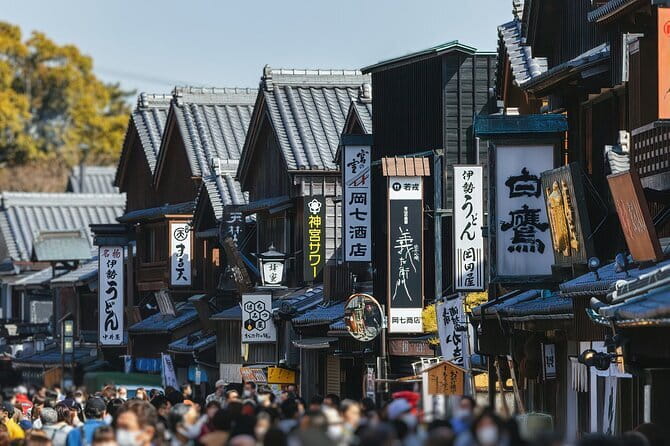
After the shrine, the tour moves to Okage Yokocho, a traditional-style street area near Ise-Jingu. The guide first gives you an orientation tour, then you have time for lunch and shopping on your own.
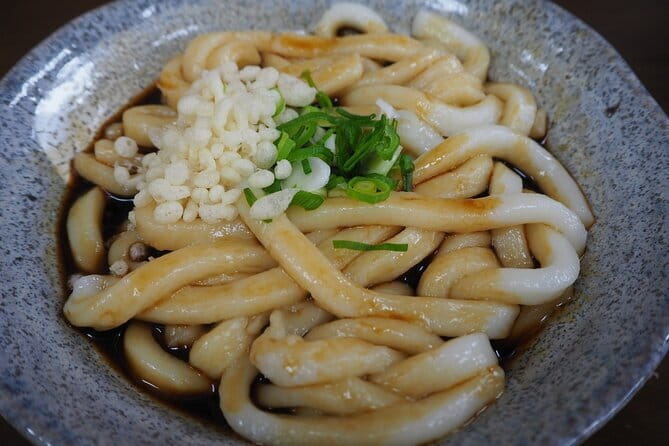
Two hours is a good allowance here. You can eat without turning the meal into a rushed ten-minute stop, and you have time to browse for souvenirs. The area includes well-known restaurants, local dishes, craft beer, and other food choices.
Lunch is not included, so bring that cost into your budget. This is also one of the tour’s more flexible sections. You can choose what appeals to you rather than being tied to one group menu, though a busy food street always involves making your own decisions about where and when to eat.
I like the contrast with the shrine. After a quiet, guided religious visit, Okage Yokocho lets you experience Ise through its food and small shops. The break also gives you a chance to set your own pace for part of the day.
If souvenirs matter to you, this is the main shopping opportunity. If they do not, you can put the two hours toward lunch and a slower walk. The tour does not force every minute into a formal activity, which is a point in its favor.
Meoto Iwa and the Coastal Finish
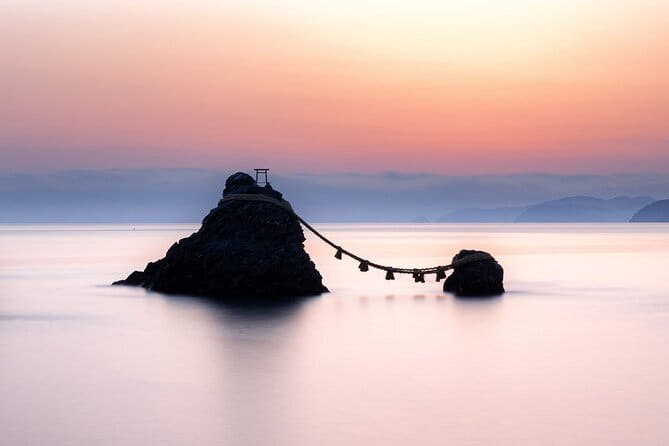
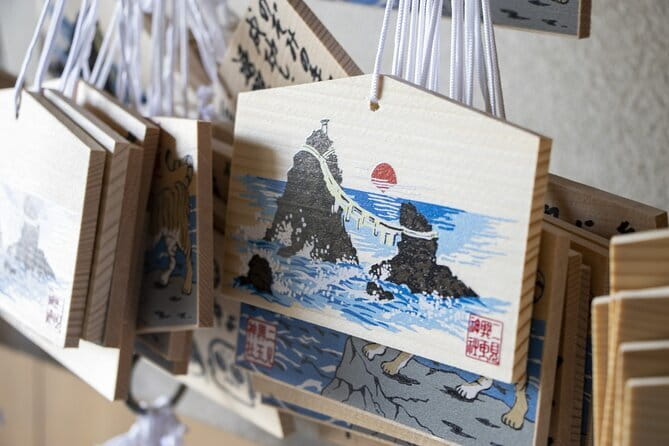
The final stop is Meoto Iwa, the famous pair of rocks known as the wedded rocks, along with Futami-Okitama Shrine. You have about 45 minutes here, so this is a focused visit rather than a long coastal outing.
The rocks are connected with an important Shinto setting and make a strong closing scene after Ise-Jingu. Their position near the water gives you a change from forest and shrine paths to open coastal views.
This is the best place for photographs on the route, especially if the weather cooperates. The schedule notes that you may catch the silhouette of the rocks, but the exact view depends on conditions and timing. Treat that as a possibility, not a guarantee.
An omikuji lucky fortune at Futami-Okitama Shrine is included. It is a small detail, but it gives you a personal ritual to take away from the stop. The shrine visit also adds context to the rocks, so you are not simply pulling over for a scenic picture.
Forty-five minutes should be enough for the main shrine visit, the rocks, and photographs. It is not enough for a long coastal walk, so book this tour for the combined experience rather than expecting a full afternoon by the sea.
A few more options to weigh up in Nagoya
- LEGOLAND® Japan Ticket
★ 4.7 · 11,787 reviews - Port of Nagoya Public Aquarium Ticket
★ 4.8 · 4,343 reviews - Shirakawa-go & Takayama Old Town Day Tour (Optional Hida Beef Lunch)
★ 4.6 · 3,936 reviews - Hida Takayama & Shirakawa-go Gassho Village Day Trip (Departing from Nagoya, optional observatory tour included)
★ 4.7 · 2,837 reviews
What the Small Group and Guide Add
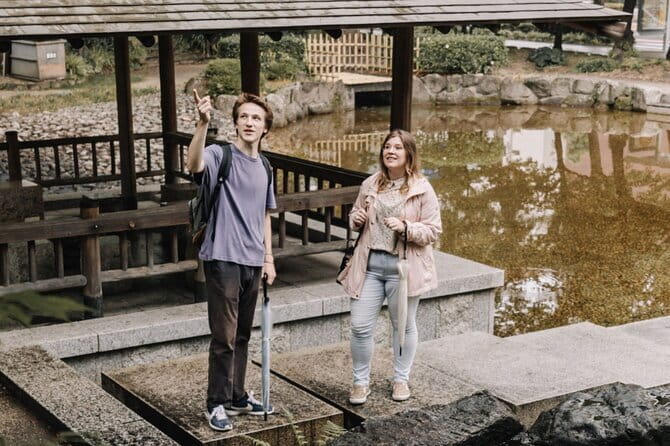
The group limit of 14 is one of the strongest features. A guide can speak to a small group more naturally, and you have a better chance of hearing explanations clearly during the shrine visit.
The available languages are English, Spanish, French, and Chinese. Select the language that fits your needs when booking. The guide’s role is especially useful at Ise-Jingu, where customs and religious meaning are central to the visit.
One guide named in the feedback is Shoko-san. She was praised for being kind, funny, and informative, with quizzes that kept the explanations lively. That detail gives you a good idea of the better version of this tour: not a dry lecture, but a guided walk with room for questions and a bit of humor.
The same feedback also praised the prompt guide and driver, as well as the round-trip transport. Those are practical strengths. A day trip can lose its appeal quickly if pickup is disorganized or the driver leaves you guessing about the schedule.
At the same time, guide quality can vary from one departure to another. The tour offers a choice of language and a small group, but it does not promise a private guide. You should value the experience for its route and included services, while treating any particularly entertaining guide as a welcome bonus.
Is the $210.87 Price Fair?
At about $210.87 per person, this is not a budget day trip. The price makes more sense when you consider what is included: transport during the tour, a guide in your selected language, shrine entry fees, access to the listed tour locations, and the omikuji fortune.
You are also paying for time and simplicity. I would compare the cost not just with train fares, but with the effort of arranging transportation between Ise-Jingu, Okage Yokocho, and Meoto Iwa. The tour puts the three pieces into one day and returns you to Nagoya Station.
Lunch, accommodation, and your own transportation to and from the meeting point are extra. If you are careful with spending, the lunch cost is the main variable to watch because you choose and pay for it in Okage Yokocho.
The strong rating, 5 out of 5 from 45 reviews, and a 100 percent recommendation rate support the idea that the service is performing well. Still, a high rating does not make the price right for everyone. I would book it if you value a guided cultural visit and do not want to handle the logistics yourself.
If you are an experienced Japan visitor who enjoys planning rail trips, you may find an independent visit more flexible. The tour is buying convenience, explanation, and a carefully arranged route.
Who Will Enjoy This Ise Tour Most?
I would recommend this outing to you if you want to see important sites outside Nagoya without changing hotels. It suits first-time visitors who want help with shrine etiquette, as well as anyone interested in Shinto customs and Japanese religious culture.
It is also a good fit if you prefer a structured day with some personal time. The shrine and Meoto Iwa are guided stops, while Okage Yokocho gives you two hours to choose your own food and shopping.
The tour should work for most people, according to the supplied participation information, and it is close to public transportation at the meeting point. Still, the day includes outdoor walking and several hours away from Nagoya. If you dislike long day trips or want a slow, unstructured visit, the timetable may feel too fixed.
Families and mixed-age groups may appreciate the simple route and included transport. Food-focused visitors will like the lunch stop, but should remember that meals are not part of the price. Photography fans will enjoy Meoto Iwa, though the coastal stop is brief.
Practical Details to Know Before Booking
The experience lasts about nine hours and begins at 9:00. It ends back at the Nagoya Station meeting point, so allow time afterward for your evening plans.
The tour accepts mobile tickets. Confirmation is provided at booking, and the experience can be canceled for a full refund if you cancel at least 24 hours before the start time. Changes or cancellations inside that 24-hour window are not accepted, with cut-off times based on local time.
Weather deserves a little thought. The shrine grounds and coastal stop are outdoors, and light rain may create a beautiful mood, but you should not count on dry conditions. Wear shoes suited to walking and carry weather protection.
The activity is operated by Snow Monkey Resorts Tours, part of Machinovate Japan Ltd. With transportation, admission fees, and a guide included, the day is built for convenience rather than independent exploration.
Should You Book It?
Book this tour if you want an easy, guided introduction to Ise from Nagoya, especially if Ise-Jingu is high on your list and you want more than a single shrine visit. The combination of cypress groves, Shinto instruction, local food, souvenirs, and Meoto Iwa gives the day a satisfying range.
I would hesitate only if $210.87 feels steep, you prefer to set your own timetable, or you want a longer stay at the coast. For everyone else, the small group, round-trip transport, included entries, and clear three-stop plan make this a sensible way to reach one of Japan’s most important cultural sites.
FAQ
Where does the tour begin?
It begins at Nagoya Station, at 1-chōme-1-4 Meieki, Nakamura Ward, Nagoya, Aichi 450-0002, Japan.
What time does the tour start?
The scheduled start time is 9:00 am.
Where does the tour end?
The activity ends back at the Nagoya Station meeting point.
How long does the experience last?
The tour lasts approximately nine hours, including travel time between destinations and activities.
How many people can join the tour?
The maximum group size is 14 people.
Which languages are available?
You can choose an English, Spanish, French, or Chinese-speaking guide.
Is lunch included?
No. Lunch is not included, but you have time to buy lunch at Okage Yokocho.
Is transportation included?
Transportation during the tour is included. Transportation to and from Nagoya Station before and after the tour is not included.
Are admission fees included?
Yes. Entry fees at all tour locations are included.
What happens if I need to cancel?
You can receive a full refund if you cancel at least 24 hours before the experience begins. Cancellations or changes made less than 24 hours before the start time are not accepted for a refund.
Just added in Nagoya
- Hida Takayama & Shirakawa-go Gassho Village Day Trip (Departing from Nagoya, optional observatory tour included)★ 4.7 · 2,837 reviews
- Shirakawa-go & Takayama Old Town Day Tour (Optional Hida Beef Lunch)★ 4.6 · 3,936 reviews
- Nagoya Castle Ticket★ 4.6 · 326 reviews
- Port of Nagoya Public Aquarium Ticket★ 4.8 · 4,343 reviews
- LEGOLAND® Japan Ticket★ 4.7 · 11,787 reviews
- Ghibli Park Ticket in Aichi★ 4.4 · 2,205 reviews
- Nagoya Endoji Food and Cultural Tour★ 5.0 · 12 reviews
- Sumo Tournament Experience in Nagoya★ 5.0 · 12 reviews
Temples and Shrines, compared.
![[Kyoto & Nara Day Tour] Sagano Scenic Railway & Nara Park & Fushimi Inari Taisha Thousand Torii Gates & Togetsukyo Bridge & Bamboo Grove & Kimono Forest (Departing from Osaka)](https://media.japanvisits.com/wp-content/uploads/kyoto-nara-day-tour-sagano-scenic-railway-nara-park-fushimi-inari-taisha-thousand-torii-gates-togetsukyo-bridge-bamboo-grove-kimono-forest-departing-from-osaka-k110001-400x257.jpg)
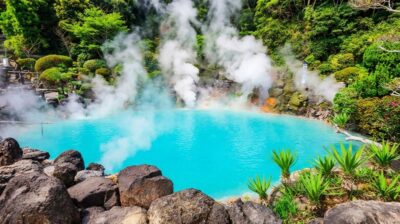
Kyushu One-Day Tour: Yufuin no Mori Train & Yufuin Town & Nyoirin-ji Temple & Dazaifu & Hell Hot Springs (Departing from Fukuoka)
Read our review →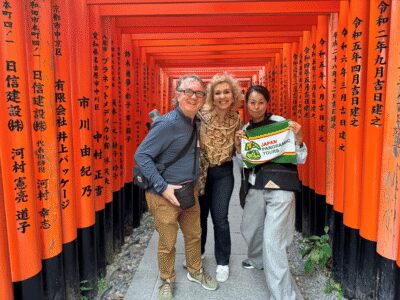
Fushimi Inari, Kinkakuji, Bamboo Grove 1 Day Bus Tour
Read our review →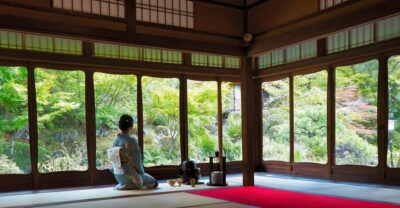
Tea Ceremony in a Traditional Tea House in Kiyomizu
Read our review →
Kyoto Nara Day Trip │ Kiyomizu-dera Temple + Fushimi Inari-taisha Shrine + Nara Park (Departing from Osaka/Kyoto)
Read our review →
Browse the lists this tour appears in