
Reviewed · MULTI-DAY TOURS THAT VISIT KURASHIKI
Japan Discovery 10-Day Tour by Costsaver: Itinerary & Reviews
Tokyo’s forest-fringed Meiji Jingu Shrine, the orange gates of Miyajima and the solemn Peace Memorial in Hiroshima give this 10-day route a strong sense of Japan’s contrasts. I like that it pairs major sights with smaller historic stops, including Kurashiki’s canal quarter and a sake brewery near Osaka.
I also like the practical mix of guided touring and free time. You’ll have help with transport and orientation, but can choose how to spend parts of Kyoto and Osaka. The main trade-off is the pace: a 40-to-49-person group, long coach journeys and short stops can leave little room to linger. Optional experiences also cost extra.
In This Review
- Key points to know before you book
- Tokyo begins with old streets and big-city views
- Mount Fuji depends on the weather
- The bullet train carries you to Kyoto
- Kurashiki offers a change of scale
- Miyajima and Hiroshima call for different kinds of attention
- Himeji Castle is the next major stop
- Osaka closes the route with food and city views
- What the price covers, and what it leaves to you
- Who should choose this tour?
- FAQ
- Are airport transfers included?
- Where does the tour start and finish?
- How large is the group?
- What language is the tour guided in?
- What accommodation is included?
- Which meals are included?
- Are the optional activities included in the price?
- Is the tour suitable for someone with slower walking ability?
Key points to know before you book
- From Tokyo to Osaka: The one-way route covers Tokyo, Mount Fuji, Hakone, Kyoto, Kurashiki, Hiroshima, Miyajima and Himeji without doubling back.
- A high-speed rail highlight: The Tokyo to Kyoto leg is by bullet train, while other longer transfers use an air-conditioned coach.
- Big-name sights are included: Expect Sensoji Temple, Kinkaku-ji, Itsukushima Shrine, Hiroshima’s Peace Memorial Park and Museum, and Himeji Castle.
- Free time comes with choices: Kyoto and Osaka have optional activities, from a takoyaki class to an Osaka food outing. These add cost.
- Airport transfers are not included: You must arrange your own transport to the first hotel and away from Osaka at the end.
- The pace is light in physical terms, not necessarily slow: The tour is rated low intensity, but sightseeing involves walking and the schedule can feel brisk.
Tokyo begins with old streets and big-city views
You arrive in Tokyo and check in at the Shinjuku Washington Main, where you’ll stay for the first three nights. The hotel is in Shinjuku, a useful base for exploring the city, but your airport journey is your responsibility. Costsaver does not provide airport transfers, so plan your route and budget before you fly.
The first evening includes a group dinner and a chance to meet the Travel Director and fellow passengers. It is a gentle start, with a meal to get you talking before the sightseeing begins.
Day two sets up Tokyo’s contrasts well. From the Tokyo Metropolitan Observatory, you get a wide view of the city; at Meiji Jingu, forest paths and a Shinto shrine offer a quieter counterpoint. Asakusa brings you to Nakamise Street, lined with shops selling traditional treats, and Sensoji, a temple with centuries of history.
In the afternoon, you choose between a visit to the Tokyo National Museum, with time for shopping in Ameyoko and Ginza, or a takoyaki cooking class followed by yakitori, ramen, edamame and soft drinks. The choice is useful if your interests are clear, but check what is included in each option and what it costs before committing. Free time in Tokyo is valuable too: a full day of guided sightseeing can make a huge city feel manageable, but it won’t cover every neighbourhood.
A few more options to weigh up in Tokyo
- Tokyo Disney Resort – Tokyo Disneyland & Tokyo DisneySea Park Tickets
★ 4.8 · 99,488 reviews - SHIBUYA SKY Ticket
★ 4.7 · 46,509 reviews - JR Whole Japan Rail Pass
★ 4.8 · 29,150 reviews
Mount Fuji depends on the weather
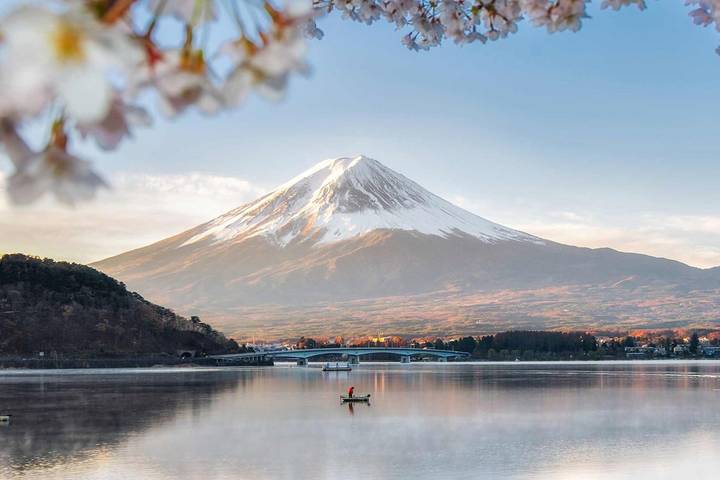
Day three takes you by road to Fuji Subaru Line 5th Station, about 2,300 metres above sea level. On a clear day, the elevated stop offers views over the Fuji Five Lakes area and a close look at Japan’s best-known peak. The visit is weather permitting, so treat it as an opportunity rather than a guarantee of a postcard view.
You’ll have time for lunch near Mount Fuji, then can pay extra for the Komagatake Ropeway to see Lake Ashi from above. The route continues through Hakone before returning to Tokyo for a final night. This is a full day of driving and scenery, with limited time to explore Hakone itself. If the mountain is hidden by cloud, the outing still gives you a look at the surrounding region, but the headline view may not arrive.
The bullet train carries you to Kyoto
On day four, the group takes the bullet train from Tokyo to Kyoto. The stated speed is up to 320 kilometres per hour, making this a memorable and efficient change of pace from the coach. It also gives you a taste of how Japan’s rail network connects distant cities.
Kyoto sightseeing starts at Kinkaku-ji, the Golden Pavilion, whose gold-covered exterior reflects in a pond. Heian-jingu Shrine follows, with its large torii gate, then there’s a stop at a traditional handicraft centre. You’ll stay two nights at Kyoto Tower Annex, and dinner is at a local restaurant.
Day five is free, which matters in a city with more worthwhile sights than a single day can comfortably hold. You can make your own way to Ginkaku-ji, the Gion district or Nishiki Market, where you can look for sushi, ramen and matcha ice cream. Optional outings include Fushimi Inari’s thousands of orange torii gates or a trip to Nara, with ink-making, Todaiji Temple and the deer in Nara Park.
The freedom is a plus, but it also means making choices. Nara and Fushimi Inari are separate options, so don’t assume you can fit both in. Ask the Travel Director about timing and transport, then weigh the organized outing against exploring Kyoto independently.
Kurashiki offers a change of scale
The group leaves Kyoto on day six and stops in Kurashiki on the way to Hiroshima. The Bikan Quarter’s black-and-white warehouses, wooden houses and willow-lined canals make a welcome change from city streets and large temples. A kimono try-on is an optional extra, mainly suited to anyone who wants a photo in the historic setting.
After Kurashiki, you continue to Hiroshima and have the rest of the day free. The drive makes this a travel-heavy day, so don’t expect a full afternoon of sightseeing once you arrive. You’ll stay two nights at Hiroshima Tokyu Rei.
A completely different kind of day out:
- Mt Fuji and Hakone 1-Day Bus Tour Return by Bullet Train
★ 5.0 · 26,383 reviews - TOKYO SKYTREE® Ticket
★ 4.7 · 25,136 reviews - teamLab Borderless Tickets: MORI Building DIGITAL ART MUSEUM
★ 4.7 · 24,126 reviews - teamLab Planets TOKYO Ticket
★ 4.7 · 21,663 reviews
Miyajima and Hiroshima call for different kinds of attention
Day seven starts with a ferry across the Seto Inland Sea to Miyajima Island. Itsukushima Shrine dates to the 12th century, and its famous orange torii gate appears to float over the water. The look changes with the tide and conditions, so the setting itself is part of the visit. The tour includes the ferry and shrine, giving you time with one of Japan’s most memorable coastal sights.
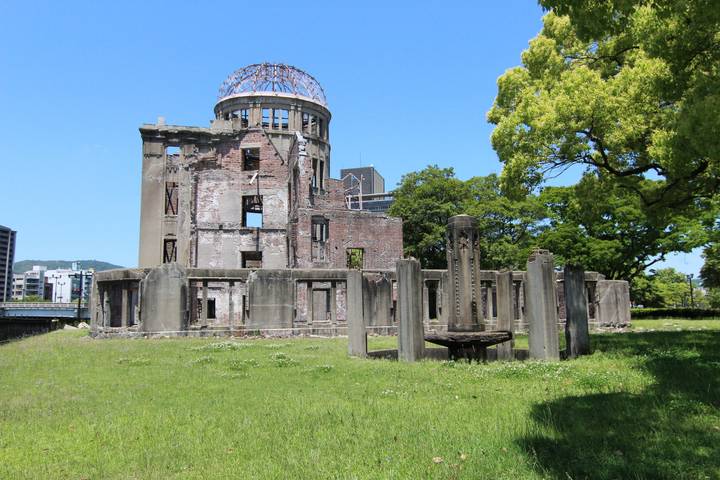
Back in Hiroshima, the mood shifts. Peace Memorial Park offers space for quiet reflection; the cenotaph bears the names of people killed in the atomic bombing. At the Peace Memorial Museum, personal objects, including damaged clothing and a lunchbox, make the events of August 6, 1945 painfully tangible. The Peace Memorial building, the only structure in the city to survive the bomb, is another essential stop.
These visits are among the tour’s most important, and they deserve more than a quick photo. Yet the schedule includes several sites in one day, so you may want to make the museum your priority if you need to choose where to spend more time. A separate Secrets of Hiroshima experience is offered at extra cost.
Himeji Castle is the next major stop
On day eight, you travel to Himeji, have free time for lunch and a look around, then visit Himeji Castle with a Local Guide. Known as the White Heron Castle, it is a striking example of a Japanese castle, with extensive grounds and a history stretching back roughly 400 years. The guided visit gives useful context to the architecture and defenses, rather than leaving you to take in the scale without explanation.
You’ll stay overnight at Nikko Himeji. The stop breaks up the journey between Hiroshima and Osaka and adds a different kind of historic site after temples and memorials. The castle visit is included, though the amount of independent time around it depends on the day’s schedule.
Osaka closes the route with food and city views
Day nine begins at a sake brewery, where a Local Guide explains how the drink is made using rice, water, koji mould and yeast. It’s a practical look at a familiar part of Japanese food culture, and a good change from another temple or museum.
You then travel to Osaka and stay at Hankyu Respire Osaka. The afternoon is free, or you can pay extra for the Umeda Sky Building and Osaka Castle. The Floating Garden Observatory sits 170 metres above the city, while the castle displays paintings, samurai costumes and historical objects. A separate food outing in Namba, Osaka’s dining and entertainment area, is another option.
The scheduled tour ends in Osaka on day ten. If your onward flight leaves from Tokyo, you must arrange and pay for travel from Osaka to Tokyo yourself, in addition to getting to the airport. This is a significant planning point, not a small detail.
What the price covers, and what it leaves to you
Prices start at $3,555, based on the cheapest room. The package includes nine breakfasts, four dinners, the listed hotels, an English-speaking Travel Director, a professional driver, an air-conditioned coach and the Tokyo to Kyoto bullet train. Included sightseeing covers many headline attractions, as well as ferry transport to Miyajima. Audio headsets are provided during included sightseeing.
The value lies in having accommodation, major transfers and a dense route organized in advance. In ten days, you cover several cities and regional stops without needing to book each train, hotel and guided visit yourself. The hotels are tried and trusted, and several are near stations or areas where you can explore, though rooms in Japan can be small.
The price does not include international flights, insurance, airport transfers or optional activities. Those extras can shift the final cost, especially if you choose several Choice Experiences. Included meals also leave room to seek out local restaurants on your own; the group dinners are convenient, but you should not expect every meal to be a standout.
There are seven published ratings, averaging 3.9 out of 5. Scores are strongest for transport and the itinerary, both of which reflect the tour’s broad coverage and organized transfers. Accommodation and food score 4.2 and 4.0, while guide scores are 4.0. The small sample is mixed: some passengers describe excellent guides, including Joi, Yama and Hiroko, while others raise concerns about communication, service and rushed stops. These names relate to specific departures, not a promise about who will lead yours.
Who should choose this tour?
I’d consider this trip if you want a well-organized first look at Japan and value moving between the big sights without managing every connection yourself. It suits people who enjoy group travel, can handle a busy schedule and are happy to make independent plans during free periods.
The low-intensity rating means light physical activity rather than strenuous hiking, but you should still expect walking through temples, shopping streets and public sites. One person with slower walking ability may find the tour workable, though the pace can vary. If you need long, unhurried visits, want small groups or prefer to control each day, a self-guided trip may suit you better.
Book it if the route and convenience justify the price for you, and you’re comfortable paying extra for selected activities. Before reserving, check the departure’s current price, confirm what optional experiences cost, arrange airport transport, and leave enough time and money for the Osaka-to-Tokyo leg if needed. If you want Japan’s main cultural stops in a single guided trip, this route is a practical way to see a lot; just don’t mistake a full itinerary for a slow one.
FAQ
Are airport transfers included?
No. You arrange and pay for your own transport to the starting hotel in Tokyo and from Osaka at the end. If you’re flying home from Tokyo, you also need to plan and pay for the journey from Osaka to Tokyo.
Where does the tour start and finish?
The tour starts in Tokyo and ends in Osaka. It lasts 10 days.
How large is the group?
The stated group size is 40 to 49 people. The actual number can vary.
What language is the tour guided in?
The tour is guided in English by a Travel Director, with a professional driver.
What accommodation is included?
The listed hotels are Shinjuku Washington Main for three nights, Kyoto Tower Annex for two nights, Hiroshima Tokyu Rei for two nights, Nikko Himeji for one night and Hankyu Respire Osaka for one night.
Which meals are included?
The tour includes nine breakfasts and four dinners. Other meals are not listed as included.
Are the optional activities included in the price?
No. Optional experiences, including the takoyaki class, Nara visit, Fushimi Inari visit, ropeway, Osaka sightseeing and Namba food outing, cost extra.
Is the tour suitable for someone with slower walking ability?
It is rated low intensity and involves light physical activity, including walking at cultural sites, temples and shopping streets. The pace can vary, so a person who walks slowly should be prepared for some brisk periods and check their needs with the operator before booking.
Just added in Tokyo
- Mt. Fuji & Hakone Cherry Blossom private One Day Tour★ 4.5 · 35 reviews
- Fish Market & Tokyo Skyline Private Walking Tour★ 5.0 · 14 reviews
- 25-Min Downtown Helicopter Tour : Tokyo Skytree and Tokyo Tower★ 5.0 · 19 reviews
- Private Tour with a Local Guide – Learn about daily life in Japan★ 5.0 · 22 reviews
- Tokyo: 3-Hour Bike/E-Bike Tour of the City’s Highlights★ 5.0 · 209 reviews
- Official Japan Go-Kart Through Tokyo Bay / Ginza (IDP Required)★ 4.5 · 71 reviews
- 30-Min Tokyo Central Private Heli Tour– Asakusa, Skytree, Shibuya★ 5.0 · 13 reviews
- Tokyo 2-Hour Genuine Samurai Experience: Kendo in Japan★ 5.0 · 112 reviews
Multi-Day Tours That Visit Kurashiki, compared.
Japan Delight with Hiroshima 8-Day Tour by Stunning Tours
Read our review →
Wonders of Japan End Osaka GO by Europamundo – 12-Day Tour
Read our review →
Wonders of Japan End Osaka (including Fukuyama) 12-Day Tour by Europamundo
Read our review →
Wonders of Japan End Osaka by Europamundo – 12-Day Tour
Read our review →
15 Days Discover Japan with Hiroshima by Tomato Travel
Read our review →
Tokyo, Kyoto and Hiroshima end Tokyo by Europamundo – 7-Day Tour
Read our review →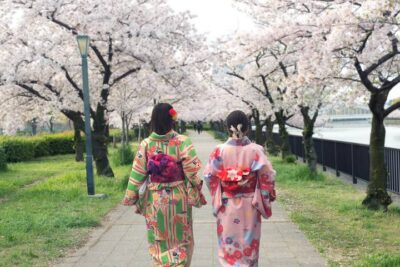
Tokyo, Kyoto and Hiroshima end Tokyo GO 7-Day Tour by Europamundo
Read our review →
Contrasts of Japan GO by Europamundo – 9-Day Tokyo to Hiroshima Tour
Read our review →Browse the lists this tour appears in