
Reviewed · 7-DAY EXPERIENCES
Japan in a Week 8-Day Tour by Contiki – Reviews & Prices
Tokyo’s famous crossing is only one small part of this eight-day route. You’ll move from city shrines and Harajuku fashion to Kyoto’s temple paths, then finish among Osaka’s food stalls and nightlife. I like the mix of guided highlights and free time, and the chance to travel between Tokyo and Kyoto by bullet train. One thing to weigh: at eight days, the schedule gives you a taste of each city, not time to see everything.
I also like that the tour keeps the same group from Tokyo to Osaka, which can make solo travel easier, and that the core sightseeing includes major places such as Senso-ji, Kinkaku-ji and Fushimi Inari. The trade-off is that many appealing extras, including Nara, the tea ceremony and kimono experience, cost more, so the advertised price is only part of your budget.
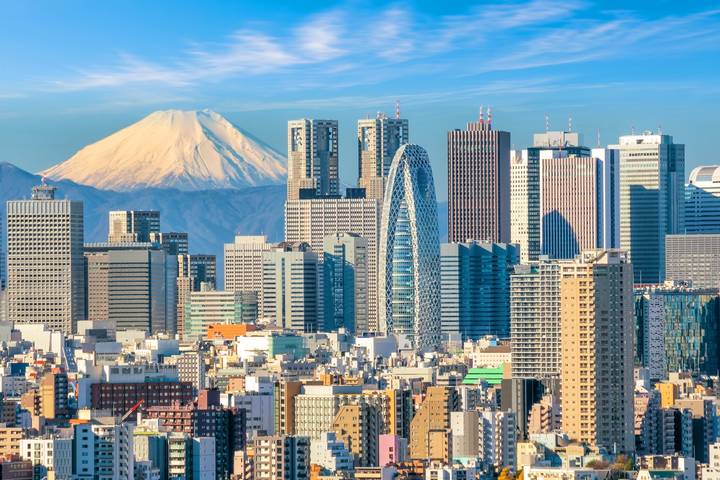
- Ride the bullet train from Tokyo to Kyoto, with a chance to see Mount Fuji if the weather is clear.
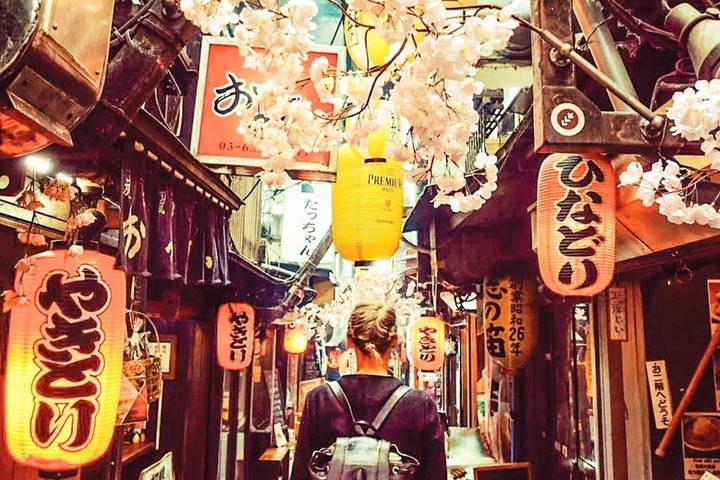
- Visit Tokyo’s Senso-ji and Meiji Jingu, then explore Harajuku and cross Shibuya’s famous pedestrian crossing.
- See Kyoto’s Kinkaku-ji and Fushimi Inari Shrine on a sightseeing tour by private coach.
- Choose optional cultural extras, including a tea ceremony, kimono experience and half-day trip to Nara.
- Finish in Osaka, with time to explore independently and seek out the Dotonbori food scene.
- Know the age limit before booking: Contiki’s group is for people aged 18 to 35, with 8 to 50 people on the tour.
In This Review
- Tokyo to Osaka in Eight Days
- Tokyo’s Temples, Fashion and Crossing
- The Bullet Train and Kyoto’s Famous Shrines
- Kyoto at Your Own Pace, with Nara as an Extra
- Osaka’s Food Stops and a Flexible Final Day
- What the Price Covers, and What It Does Not
- Who Will Get the Most from This Tour
- Should You Book Japan in a Week?
- FAQ
- How long is Contiki’s Japan in a Week tour?
- What is the minimum age to join?
- Does the same group stay together throughout the tour?
- Are airport transfers included?
- What accommodation is included?
- Is the Nara trip included in the price?
- Are flights and travel insurance included?
- What currency should I bring, and is tipping expected?
Tokyo to Osaka in Eight Days
This is a fast-moving first look at Japan’s best-known urban stops. The route starts in Tokyo, spends three nights in Kyoto and ends in Osaka, with hotel stays and intercity transport arranged for you. That structure is useful if you want help getting around and would rather not plan every train and hotel yourself.
The tour is fully guided in English, but it is not a minute-by-minute escorted march. Some sightseeing is led by a local guide or the Trip Manager, while several blocks of time are left open for your own plans. That balance suits people who want a group to travel with, but still want room to choose their meals, museums and side trips.
The group stays together for the full trip, according to the tour’s stated format. That can be reassuring if you are travelling alone: you meet in Tokyo and finish with the same group in Osaka. Group size ranges from 8 to 50, so the feel may vary considerably by departure.
Tokyo’s Temples, Fashion and Crossing
Your first evening is deliberately light. Arrive in Tokyo, meet the group and settle in at the Daiichi Ryogoku Hotel or a similar hotel. There is no scheduled sightseeing, so you can rest after a long flight or take a first look around the neighborhood.
On day two, Tokyo’s old and new sides share the stage. Senso-ji in Asakusa is one of the city’s major Buddhist temples, marked by a large red lantern and a five-story pagoda. Nakamise Street, the shopping lane leading toward the temple, is a convenient place to browse souvenirs and snacks, though it can be crowded.
Meiji Jingu offers a quieter contrast. This Shinto shrine honors Emperor Meiji and Empress Shoken, and its wooded approach gives you a pause from the city’s hard edges. The guided visit to Harajuku adds a different kind of context: fashion, streetwear and the playful side of Tokyo culture.
The day wraps up at Shibuya Crossing. Watching the crossing from the pavement is free; crossing it is part of the fun, though the spectacle lasts only a few minutes. If you want the busiest atmosphere, the tour information points to rush hour, roughly 5 to 7 p.m., but you do not need to treat the crossing as a major attraction in itself. The surrounding area is better for dinner and people-watching.
Day three is yours. You can head to Akihabara for anime and electronics, visit a museum, or find a park and slow down. Optional activities include a robot café, where robots deliver drinks and table avatars can be piloted by people with disabilities, and a Maid Café in Akihabara. These are specific, modern Tokyo experiences, but they are not included in the tour price.
A few more options to weigh up in Tokyo
- Tokyo Disney Resort – Tokyo Disneyland & Tokyo DisneySea Park Tickets
★ 4.8 · 99,488 reviews - SHIBUYA SKY Ticket
★ 4.7 · 46,509 reviews - JR Whole Japan Rail Pass
★ 4.8 · 29,150 reviews
The Bullet Train and Kyoto’s Famous Shrines
Day four brings a practical highlight: the bullet train from Tokyo to Kyoto. The ride is a comfortable way to cover the distance, and you may see Mount Fuji from your seat if the weather allows. Treat that view as a bonus, not a promise. A private coach then takes the group around Kyoto for visits to Kinkaku-ji and Fushimi Inari Shrine.
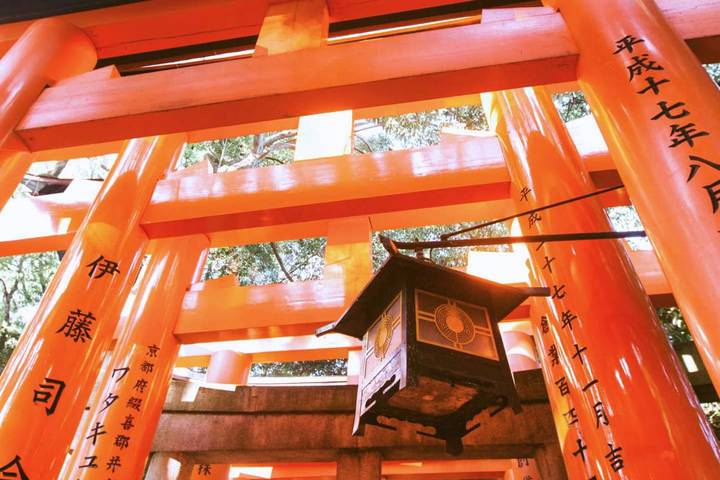
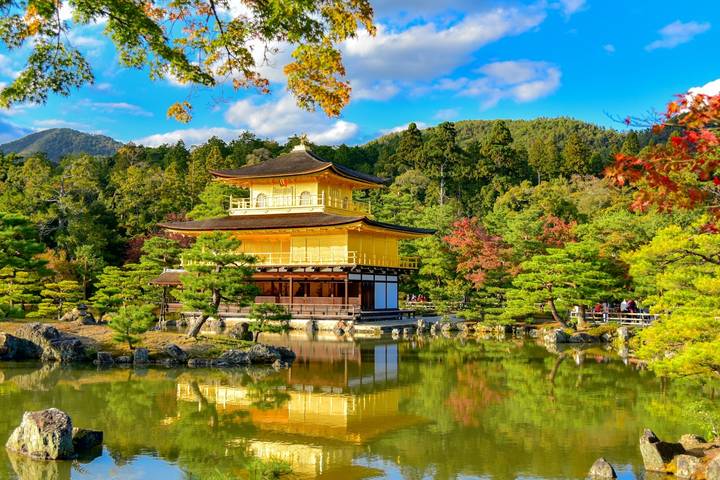
Kinkaku-ji, the Golden Pavilion, is one of Kyoto’s most recognizable sights. The setting and reflected gold exterior make it memorable, but it is also a popular stop, so expect company. At Fushimi Inari, rows of orange torii gates climb the hillside. You can walk a short stretch for the classic view or keep going farther; with a scheduled group visit, your available time may shape how far you get.
The coach is useful here because Kyoto’s sights are spread out. It saves you from piecing together every connection on arrival, though the city’s own buses and trains are still part of getting around during your independent time.
Kyoto at Your Own Pace, with Nara as an Extra
Day five is open for temples, gardens and neighborhood walks. The optional half-day trip to Nara is a strong choice if you want to add another historic center without arranging the transport yourself. Nara’s Great Buddha dates to the eighth century, and the deer roaming among the temples and shrines are a memorable part of the visit. The excursion is listed at ¥4,200.
The cost is not the only consideration. Taking the Nara trip means using part of a free Kyoto day, and Kyoto itself has plenty to fill that time. If this is your first visit and you are keen on the Great Buddha, Nara adds a worthwhile contrast. If you prefer a slower pace, stay in Kyoto and choose a smaller set of sights.
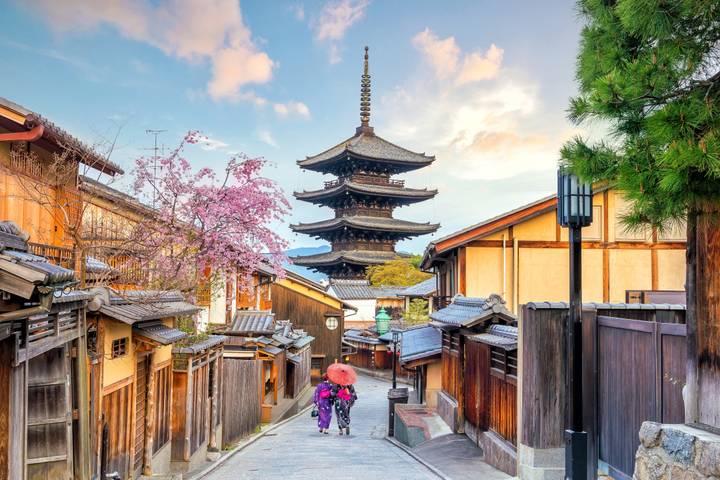
Day six offers more Kyoto options. You can wear a kimono, visit the bamboo forest, photograph Yasaka Pagoda and walk through Gion, where you might see geishas on their way to evening appointments. A traditional tea ceremony with matcha is another optional activity. These experiences can add cultural depth, but the schedule and extra costs are worth checking before you commit. The tour information does not give prices for these Kyoto options.
Do not expect the bamboo forest to be a quiet private trail. It is a well-known sight, and a photo stop may be brief if you are following a group schedule. Gion is a neighborhood, not a performance venue; be respectful if you happen to see someone working, and do not treat people as props for a photograph.
Osaka’s Food Stops and a Flexible Final Day
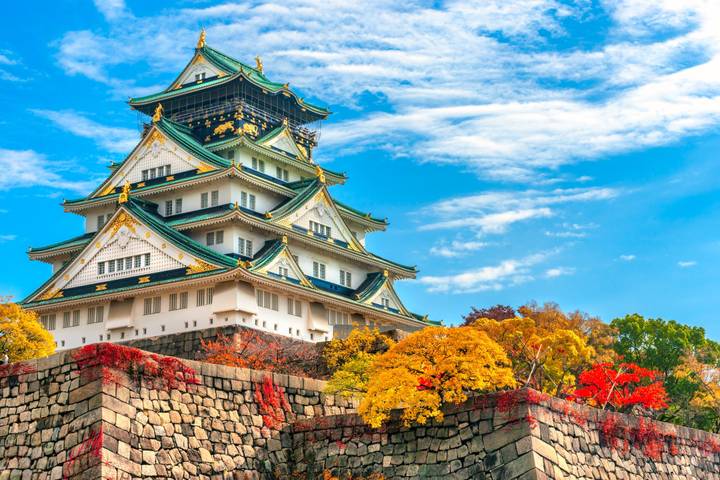
On day seven, the group travels from Kyoto to Osaka by metro. You have the day to explore, with an optional walking tour for a more structured introduction to the city. That can be helpful if you want a guide to point out major sights and explain local history, but the tour is not included in the listed core activities.
Dotonbori is the obvious destination if food is high on your list. The tour’s highlights point to Osaka street food, but the itinerary leaves your Osaka time largely independent. Plan to find your own way to the district and choose where to eat rather than expecting a guided tasting route. The optional izakaya dinner is listed at ¥3,800, and a samurai experience is listed at ¥8,500.
The final morning includes breakfast and farewells. If you have more time, you can stay on for Osaka’s food and cultural sights or visit Universal Studios Japan. That extension is not part of the eight-day tour, so allow extra time and budget if it is a priority.
A completely different kind of day out:
- Mt Fuji and Hakone 1-Day Bus Tour Return by Bullet Train
★ 5.0 · 26,383 reviews - TOKYO SKYTREE® Ticket
★ 4.7 · 25,136 reviews - teamLab Borderless Tickets: MORI Building DIGITAL ART MUSEUM
★ 4.7 · 24,126 reviews - teamLab Planets TOKYO Ticket
★ 4.7 · 21,663 reviews
What the Price Covers, and What It Does Not
The tour starts at $1,819, while a sample April 4 to 11, 2026 departure is listed at $1,876.72 per person. Prices vary by date and room basis, so check the actual departure price before comparing it with a self-planned trip.
The price includes hotel accommodation, the Tokyo-to-Kyoto bullet train, the Kyoto coach tour, and some guided sightseeing. The hotels listed are Daiichi Ryogoku Hotel or similar in Tokyo, Ibis Styles Kyoto Station or similar in Kyoto, and Ibis Budget Osaka Umeda or similar in Osaka. These are three-star-style hotel stays, typically on a twin-share basis. The tour information states three breakfasts are included, while the day-by-day plan marks breakfast on additional days. Confirm the exact meal inclusions for your departure before budgeting.
International flights and airport transfers are not included. You arrange your own journey from Narita or Haneda to the Tokyo hotel; the recommended option is the train, with the trip described as taking one to two hours. From Osaka, a bus from Kansai International Airport takes about 45 minutes to the hotel area. Taxis are described as expensive in both cities.
Budget beyond the tour price. A daily minimum of about US$80 is suggested for meals, local transport and activities, though your spending will depend on how many extras you choose. Reference prices include ¥600 to ¥1,200 for noodles or ramen, about ¥2,500 for sushi, and ¥1,000 to ¥2,000 for museum tickets. Japan uses the yen, and tipping is generally not expected. Some restaurants may add a service charge of 10 to 15 percent.
One past review gave the trip 5 out of 5, with particularly high category scores for itinerary, guide and accommodation. Transport scored lower at 3 out of 5, while food scored 4 and the operator 4.7. That is a very small sample, so take it as a limited clue, not a guarantee. It does suggest that the planned route and hotel arrangements are more consistently appealing than the transport experience, which will include using city transit and making your own airport connections.
Who Will Get the Most from This Tour
This trip is built for people aged 18 to 35 who want a social group experience and a compact introduction to Japan. It can work well for a first visit, especially if Tokyo, Kyoto and Osaka are all on your list and you value having hotels and key transport arranged.
It is less suited to anyone who wants a deep stay in one region, prefers to travel outside the 18-to-35 age range, or wants every activity included in the price. The days are short, and the open blocks are both an advantage and a responsibility: you get freedom, but you need to decide what matters and make your own plans.
The tour runs from March through November. The supplied seasonal guidance notes cherry blossoms in April and May, possible Mount Fuji views and fireworks in June and July, and winter trips as a separate seasonal style from November to March. Weather and seasonal sights are not guaranteed. Pack for comfort, and take warm clothing if travelling in the cooler months; the tour information notes winter temperatures can be around 1 to 7°C.
Travel insurance is compulsory for Contiki Asia trips, though it is not included in the price. You also need a current passport at least 60 days before departure, according to the tour information. Keep those requirements in mind as you plan.
Should You Book Japan in a Week?
Book it if you are 18 to 35, want a ready-made group, and would like to connect Japan’s major cities without organizing every hotel and long-distance train yourself. The strong points are the Tokyo and Kyoto highlights, the bullet train, and a useful amount of independent time.
Think twice if you want a slow, highly inclusive trip or if you are choosing it mainly for Osaka food tours and Kyoto cultural activities. Several of those experiences are optional, and airport transfers are on you. For a young first-time visitor who values company and a clear route, it is a practical introduction. For a longer or more independent Japan trip, use the itinerary as a map of places to build around, not a complete experience of the country.
FAQ
How long is Contiki’s Japan in a Week tour?
It lasts eight days, starting in Tokyo and ending in Osaka. The route includes Tokyo, Kyoto and an optional half-day trip to Nara.
What is the minimum age to join?
The tour is for people aged 18 to 35. Children are not eligible to join this Contiki trip.
Does the same group stay together throughout the tour?
Yes. The group starts together in Tokyo and remains together through the end in Osaka. Group size is listed as 8 to 50 people.
Are airport transfers included?
No. You arrange your own transfers. The suggested route from Narita or Haneda is by train, while a bus is recommended between Kansai International Airport and the Osaka hotel area.
What accommodation is included?
The tour uses hotels, typically on a twin-share basis. Listed hotels are Daiichi Ryogoku Hotel or similar in Tokyo, Ibis Styles Kyoto Station or similar in Kyoto, and Ibis Budget Osaka Umeda or similar in Osaka.
Is the Nara trip included in the price?
No. The half-day trip to Nara is optional and listed at ¥4,200.
Are flights and travel insurance included?
International flights are not included. Travel insurance is also not included in the price, and the tour information states that insurance is compulsory for Contiki Asia trips.
What currency should I bring, and is tipping expected?
Japan uses the Japanese yen. Tipping is generally not customary, though some restaurants may add a service charge of 10 to 15 percent.
Just added in Tokyo
- Wonders Of Japan 10-Day Tour by Travel Talk★ 4.5 · 14 reviews
- Wonders of Japan end Tokyo GO 15-Day Tour by Europamundo★ 4.2 · 10 reviews
- Wonders of Japan end Tokyo 15-Day Tour by Europamundo★ 4.2 · 10 reviews
- Wonders of Japan End Osaka by Europamundo – 12-Day Tour★ 4.2 · 58 reviews
- Wonders of Japan End Osaka (including Fukuyama) 12-Day Tour by Europamundo★ 4.2 · 58 reviews
- Wonders of Japan End Osaka GO by Europamundo – 12-Day Tour★ 4.2 · 58 reviews
- Walk Japan – Kumano Kodo Trail 12-Day Tour by Explore!★ 4.7 · 20 reviews
- Visions of Japan with Hiroshima & Osaka 15-Day Tour by Globus★ 5.0 · 75 reviews
7-Day Experiences, compared.


Essential Japan GO by Europamundo – 7-Day Tokyo to Osaka Tour
Read our review →
Tokyo, Kyoto and Hiroshima end Tokyo by Europamundo – 7-Day Tour
Read our review →
Tokyo, Kyoto and Hiroshima end Tokyo GO 7-Day Tour by Europamundo
Read our review →
Tokyo, Kyoto and Hiroshima 7-Day Tour by Europamundo
Read our review →
Tokyo, Kyoto and Hiroshima GO by Europamundo – 7-Day Tour
Read our review →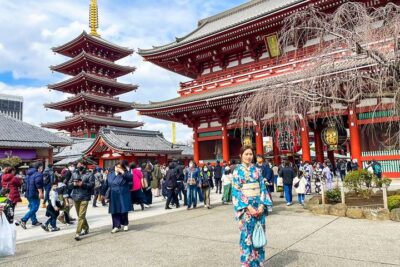
7-Day Best Japan Mini Group Tour with 3/4 Stars Hotels by Agate Travel
Read our review →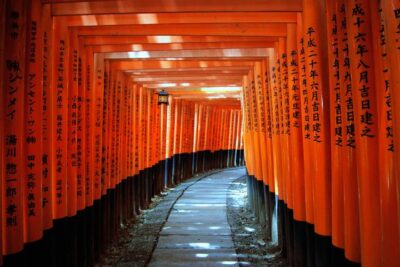
Browse the lists this tour appears in