
Reviewed · MULTI-DAY TOURS
Japan: Land of the Rising Sun
A journey from Tokyo’s neon-lit streets to Kyoto’s old lanes is a fine way to meet several sides of Japan in one trip. This 12-day route adds mountain scenery in Hakone, an old Alpine town in Takayama, Hiroshima’s Peace Park and two nights of family life in Hagi.
I like the small group, capped at 12, and the route’s mix of famous sights and places you might not choose on a first trip alone. The Hagi homestay, with home cooking and a countryside bike ride, is the most distinctive stop.
The trade-off is pace. You cover a lot of ground by train, spend several days managing your own luggage through stations, and get just four breakfasts and two dinners. Traditional inns also mean futons and, at some stays, shared bathing facilities.
In This Review
- What makes this route worth considering
- Tokyo starts with room to explore
- Hakone pairs hot springs with mountain views
- Takayama slows the pace, then the rail days pick up
- Hiroshima gives the trip its most sobering stop
- Hagi makes local life more than a sightseeing stop
- Kyoto ends with celebrated temples and a Gion walk
- What the price includes, and what it does not
- Practical details that shape the trip
- Should you book this Japan tour?
- FAQ
- How large is the group?
- How many meals are included?
- Are airport transfers included?
- Can I upgrade the traditional inns to rooms with regular beds and private bathrooms?
- Is a single supplement available?
- What should I know about luggage and transport?
What makes this route worth considering
- Hakone by boat and ropeway: Cross Lake Ashi, ride above the mountains and look for Mt Fuji when skies are clear.
- A hands-on Hagi stay: Cook with a host family, visit a local sake brewery and cycle through the countryside.
- Hiroshima with time for reflection: Visit the Peace Park, A-Bomb Dome and Peace Memorial Museum, then take a day trip to Miyajima.
- A small group on public transport: A group of up to 12 keeps the feel personal while a leader helps with the route and local customs.
- Traditional accommodation is part of the experience: Two nights are in Japanese inns and two in a homestay, with futons on tatami and facilities that may be shared.
- Budget meals and extra entries: Many meals and optional sights are paid separately, so leave room in your spending plan.
Tokyo starts with room to explore
The tour begins with a welcome meeting at 6 pm, leaving the first day open if you arrive early. Tokyo can feel like several cities at once: major museums and gardens sit alongside tiny eateries and neighborhood streets. With only a free arrival day, I would consider adding time before the tour if you want more than a first impression.
Hama Rikyu Garden, the Sumida Hokusai Museum, Tokyo National Museum and Ueno Park are all possible early visits. They suit different moods, from a garden stroll to an art or history stop. Each is optional, so check opening hours and choose one or two rather than trying to race across the city before the evening meeting.
The welcome dinner is also optional. Since only two dinners are included across the trip, meals out will form a noticeable part of your spending. Tokyo is a good place to start sampling Japanese food, but you are free to make your own plans.
A few more options to weigh up in Tokyo
- Tokyo Disney Resort – Tokyo Disneyland & Tokyo DisneySea Park Tickets
★ 4.8 · 99,488 reviews - SHIBUYA SKY Ticket
★ 4.7 · 46,509 reviews - JR Whole Japan Rail Pass
★ 4.8 · 29,150 reviews
Hakone pairs hot springs with mountain views
On Day 2, you have a free morning in Tokyo before travelling to Hakone in the afternoon. This split makes the first transfer less of a rush, but it leaves limited time for Tokyo unless you arrive early. Hakone is a hot-spring town in the foothills of Mt Fuji, and the next day is built around its lake and mountain scenery.
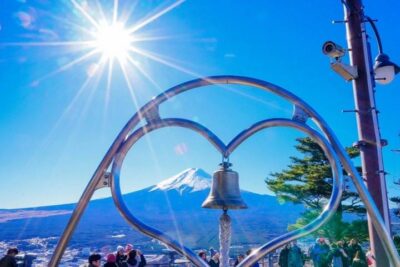
The included boat cruise across Lake Ashi and ropeway ride are the area’s headline outings. From the water and cable car, you get broad views of the surrounding mountains; Mt Fuji may appear on a clear day, but weather decides. The ropeway also makes the volcanic terrain around Owakudani easier to reach.
The rest of your Hakone time is yours to shape. You might visit the sulfur springs at Owakudani, walk through the grassland at Sengokuhara or see modern sculpture and gardens at the Hakone Open-Air Museum. A soak in an onsen is another option, though public baths generally require bathing naked with others of the same gender. Tattoos may prevent entry at some public facilities, so ask your leader about alternatives before setting out.
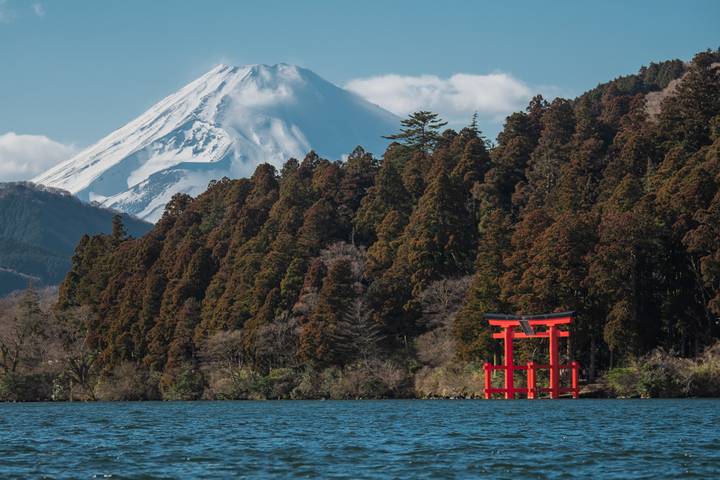
Hakone’s lakeside red gate belongs to Hakone Shrine. It is a different torii gate from the famous one on Miyajima, a useful distinction when planning photos and day trips. Optional admissions and baths cost extra.
Takayama slows the pace, then the rail days pick up
The move from Hakone to Takayama involves local trains and a shinkansen. Takayama, in the Japanese Alps, brings a change of scene: an old town known for traditional inns, sake breweries and wooden buildings. The first stop is Hida Folk Village, an open-air collection of traditional houses relocated to preserve the region’s building styles.
The houses show how people adapted to severe winters and periods of isolation. Their steep thatched roofs helped shed snow, and the interiors contain tools and personal objects. It is a useful cultural stop because it connects architecture to daily life, rather than presenting old buildings as mere backdrops.
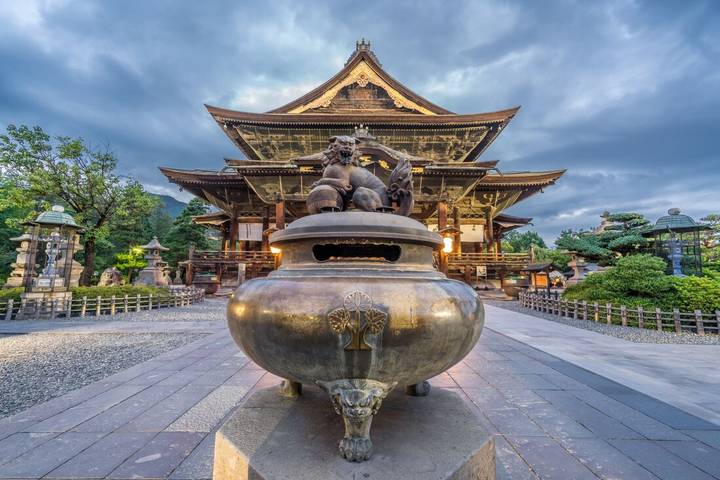
The following morning is for Takayama’s market, where local producers sell seasonal vegetables and regional foods. You may see pickles, miso wrapped in leaves, preserved fish and sweets. At Zenkoji Temple, an incense-making activity adds a quieter, practical element to the day. The afternoon is free for more exploring.
The itinerary’s appeal is variety, but the travel legs are real. Takayama to Hiroshima is another long move by express train and shinkansen. Pack light, keep essentials in a day bag and follow your leader’s instructions if larger bags are forwarded ahead.
Hiroshima gives the trip its most sobering stop
In Hiroshima, the Peace Park, A-Bomb Dome and Peace Memorial Museum are included. The Dome remains a powerful reminder of the bombing in August 1945, while the park’s memorials and museum preserve the human cost and the city’s message of peace. Allow yourself time to take this visit at your own pace; it is emotionally demanding as well as historically important.
The tour also leaves a second day for Miyajima Island. Itsukushima Shrine’s torii gate appears to float at certain tides, and the island’s deer may come close while you walk. You can climb Mt Miyajima for views of the Inland Sea or take the cable car, then use remaining time for Hiroshima Castle or Shukkeien Garden.
The extra day gives you a meaningful contrast: the city’s memorial sites first, then an island outing. The shrine has a separate optional entry fee. If you want a particular meal, Hiroshima-style okonomiyaki is a local specialty mentioned for an optional group dinner, but dinner itself is not included.
A completely different kind of day out:
- Mt Fuji and Hakone 1-Day Bus Tour Return by Bullet Train
★ 5.0 · 26,383 reviews - TOKYO SKYTREE® Ticket
★ 4.7 · 25,136 reviews - teamLab Borderless Tickets: MORI Building DIGITAL ART MUSEUM
★ 4.7 · 24,126 reviews - teamLab Planets TOKYO Ticket
★ 4.7 · 21,663 reviews
Hagi makes local life more than a sightseeing stop
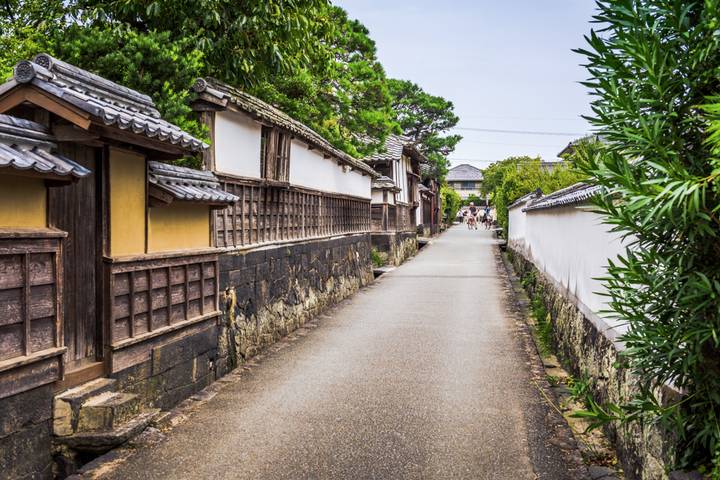
Hagi is one of the itinerary’s strongest reasons to choose a guided trip. After travelling from Hiroshima, you walk through the Samurai District, with former samurai homes and merchant residences, and visit the Former Kubota Family Residence. The buildings offer a closer look at ordinary life and local business in the area more than a century ago.
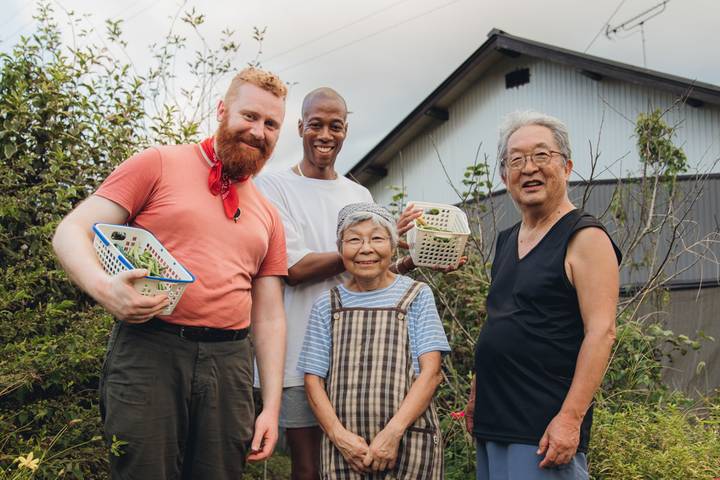
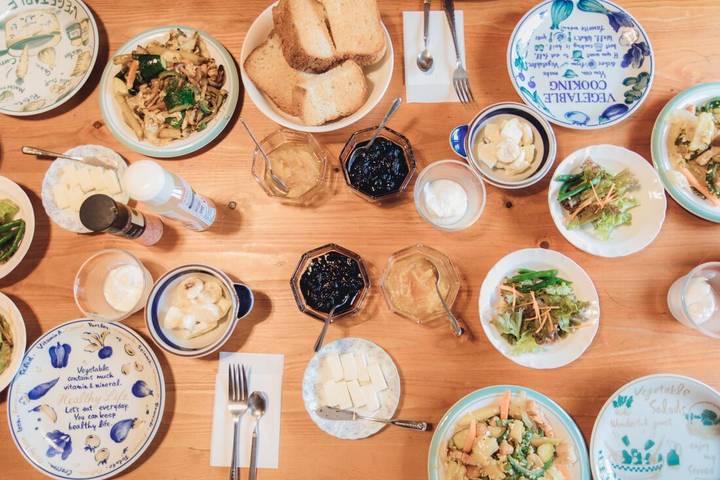
That evening, you meet your host family and help prepare dinner. The next morning follows the host’s own routine, which could include a garden, a neighborhood walk or a supermarket visit. This is not a staged parade of attractions. The value is in sharing a little of daily life, while accepting that each household’s plans and comfort level will differ.
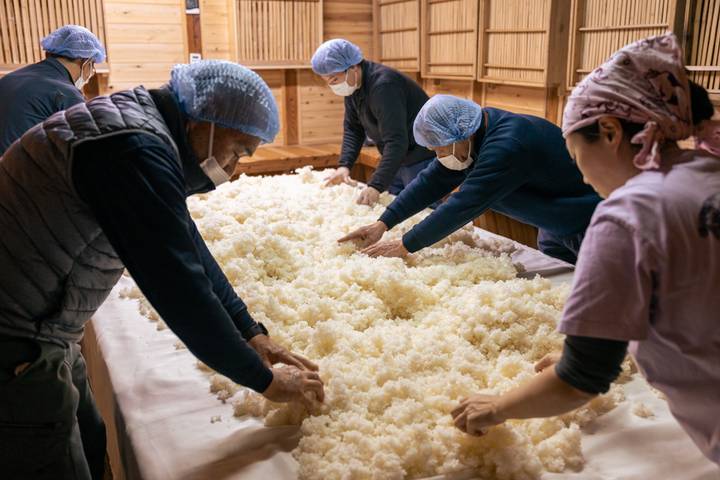
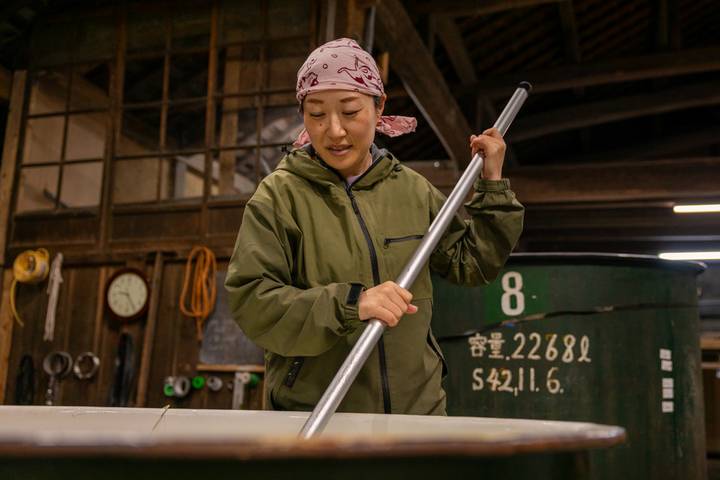
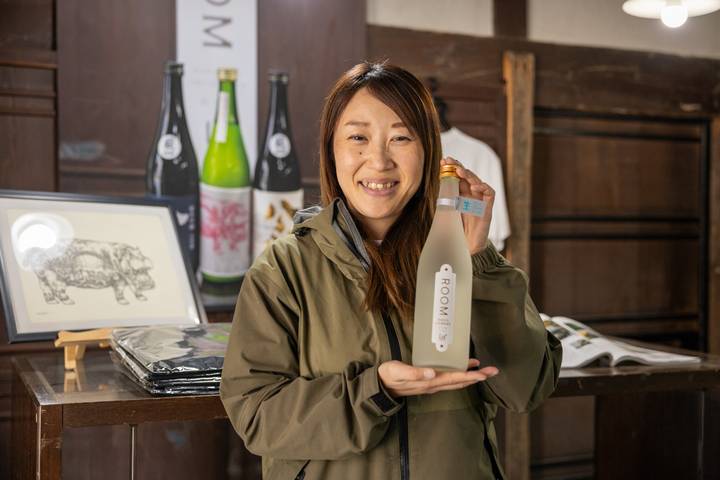
Later, the group visits a local sake brewery and hears about a woman who took over the family brewing business in a field with few female brewers. A countryside cycling tour follows. You return to the homestay for a second night and another home-cooked dinner.
Bring an open mind and be ready to adapt. You will be in someone’s home, not a hotel with a fixed menu and private facilities. These two nights may become the trip’s most memorable part, but they are also the least predictable.
Kyoto ends with celebrated temples and a Gion walk
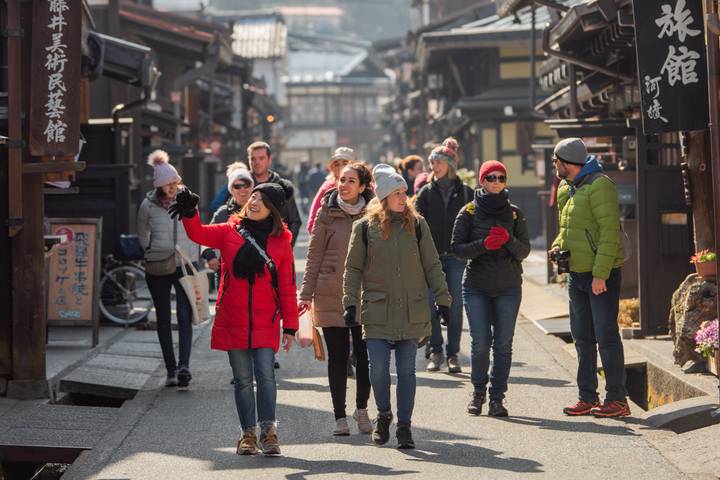
The journey from Hagi to Kyoto takes up much of Day 10. In the evening, your leader takes the group for a sunset walk through Gion, a historic district known for its traditional streets. You may spot geisha or maiko, but treat the area as a neighborhood, not a stage, and follow your leader’s guidance on respectful behavior.
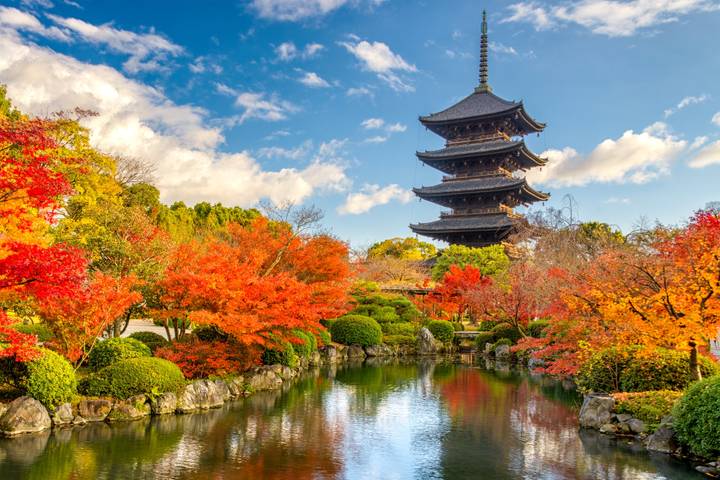
The next day includes Kinkakuji, the Golden Pavilion, and Fushimi Inari-Taisha, known for its rows of red torii gates. At Fushimi Inari, you can walk farther up the mountain if you want a more active outing; the full climb is optional. The afternoon is free, useful time in a city with far more temples, gardens and lanes than one visit can cover.
Day 12 has no planned activities, and you can leave after hotel checkout. If Kyoto deserves more than a single free afternoon, arrange extra nights before or after the tour. That is especially sensible if you want to visit sites not included, such as Kiyomizu-dera or Sanjusangendo.
What the price includes, and what it does not
The advertised starting price is $4,928, but the currency and actual fare depend on the departure. October 2026 dates are listed at AUD $7,795 per person, a useful reminder to compare the exact date and currency rather than treating the lowest starting figure as your final cost.
The package includes 11 nights: seven hotel nights, two nights in a Japanese inn and two in a homestay. It also covers the listed group transport and core activities, including the Hakone boat and ropeway, Hida Folk Village, Hiroshima memorial sites, Hagi experiences and key Kyoto visits. International flights, insurance, most meals and optional activities are extra.
The meal allowance is modest: four breakfasts and two dinners. Plan to pay for most lunches and dinners, plus optional admissions such as the Hakone Open-Air Museum, Miyajima Shrine or Kyoto attractions. Food options including vegetarian, vegan, halal and kosher can be requested from the operator.
The value is strongest if you want transport and planning handled, plus access to places and local experiences that take extra effort to arrange independently. One past participant judged independent travel cheaper, but felt the guide added cultural context and made it easier to get around. That is the central trade: you pay for structure, a leader and a route that would take research to reproduce, not for an all-inclusive holiday.
Practical details that shape the trip
This is a medium-intensity trip for ages 15 and up. Japan’s train stations can be crowded, and you will spend much of many days on your feet. You are responsible for handling your luggage through stations; on some days, larger bags may be forwarded while you carry a smaller one. Pack light and bring comfortable shoes.
Traditional inns are not a hotel upgrade in disguise. Expect futons or mattresses on tatami floors, small bathrooms and, in some properties, shared bathing facilities with set hours. A room may lack chairs or beds, and some inns may have a midnight curfew. If getting up from floor-level bedding is difficult, this style may not suit you. The operator says accommodation upgrades are not available, and a single supplement is not offered on this trip.
The group leader helps with logistics, cultural context, local suggestions and getting around, but is not necessarily a specialist guide at every site. Group size is capped at 12, and the tour is guided in English. Airport transfers are not typically included, though they can be arranged on request. Keep some yen for small purchases and emergencies; major credit cards are accepted in many places.
Should you book this Japan tour?
Book it if you want a compact first visit with Tokyo, Hakone, Takayama, Hiroshima, Hagi and Kyoto in one connected route. The most persuasive reasons are the small group, the Hagi homestay and the mix of rail travel, landmark visits and free time. It is particularly well suited to solo travelers who want company and help navigating Japan without joining a large coach group.
Think twice if you need private bathrooms, fixed beds, lots of included meals or a slow pace. Independent travel can cost less, and Kyoto and Tokyo both reward extra days. If the idea of futons and shared facilities feels like a chore rather than a cultural exchange, choose a more comfortable travel style. If you can pack light, keep a flexible attitude and budget for meals, this is a strong introduction to Japan beyond its two best-known cities.
FAQ
How large is the group?
The maximum group size is 12 people. The tour is open to travelers aged 15 and older.
How many meals are included?
Four breakfasts and two dinners are included. Most other meals are at your own expense. Vegetarian, vegan, halal and kosher food options can be requested.
Are airport transfers included?
Airport transfers are not typically included. They can be arranged on request, and the operator advises organizing them well in advance.
Can I upgrade the traditional inns to rooms with regular beds and private bathrooms?
No accommodation upgrade is available for this trip. Japanese inns use futons or mattresses on tatami floors, and bathing facilities may be shared.
Is a single supplement available?
No. A single supplement is not available for this specific trip.
What should I know about luggage and transport?
The trip uses trains, public buses, metro, ferry, boat and cable car. You need to handle your luggage through stations and are advised to pack light. On some days, larger bags may be forwarded while you carry a smaller bag.
Just added in Tokyo
- Simply Japan★ 4.6 · 262 reviews
- Japan: Tokyo Nights & Kyoto Temples★ 4.7 · 20 reviews
- Japan Classic 14 Day – One Life Adventures★ 4.9 · 1,003 reviews
- A Classic 11 Day Japan Holiday★ 4.8 · 32 reviews
- 5 Day All Inclusive Japan Classics(Private Guide and Driver)Family Tour Customizable★ 5.0 · 4 reviews
- 13-Day Japan Tour: Tokyo, Mount Fuji, Kyoto, Nara, Osaka & Beyond★ 4.5 · 207 reviews
- Tokyo to Osaka Shinkansen Tickets & Schedule★ 4.9 · 8,499 reviews
- TV Anime “The Apothecary Diaries” x TOKYO CITY VIEW★ 4.8 · 49 reviews
Multi-Day Tours, compared.
9D Splendid Japan-Private 3 Star Hotels-Osaka to Tokyo
Read our review →
13-Day Japan Tour: Tokyo, Mount Fuji, Kyoto, Nara, Osaka & Beyond
Read our review →
5 Day All Inclusive Japan Classics(Private Guide and Driver)Family Tour Customizable
Read our review →Browse the lists this tour appears in