
Reviewed · MULTI-DAY TOURS THAT VISIT MIYAJIMA
Japan & South Korea: From Tokyo to Seoul (Tokyo to Seoul, 2026) by Collette – Reviews & Prices
The most affecting moments on this 16-day trip are not all grand sights. In Hiroshima, you visit the Peace Memorial Park and museum, then hear from someone who experienced the atomic bombing. In Seoul, a North Korean defector shares a personal account of life in the North and starting over in the South. Those encounters give the famous sites a human voice.
I like two things in particular: the chance to meet Japan’s ama pearl divers over a seafood meal, and the hands-on cooking sessions, where making food is part of learning about local life. The bullet train also makes the long move across Japan part of the fun, rather than a day lost to transit.
The trade-off is the pace. You change cities several times, and the group can reach 44 people, so this is guided touring, not a small-group wander. The advertised starting price is $8,849, and international flights and insurance are not included.
In This Review
- The details that shape this tour
- Tokyo begins with temples, tea and time to adjust
- Ise brings sacred architecture and the ama
- Nara and Hiroshima balance beauty with difficult history
- Kyoto’s shrines, streets and cooking class
- Seoul connects palace history with the divided peninsula
- What the $8,849 starting price buys
- Is this the right Japan and South Korea tour for you?
- FAQ
- How long is the tour?
- Which destinations are included?
- What is the group size?
- What language is the tour guided in?
- What meals are included?
- Are international flights included?
- Is the tour physically demanding?
- What months does the tour depart?
- What is included in the starting price?
The details that shape this tour
- A Tokyo-to-Seoul route with real variety: You move from Tokyo’s temples and modern city districts to Ise, Nara, Hiroshima, Kyoto and Seoul.
- The shinkansen is part of the story: Bullet-train rides connect key stops in Japan, with a chance to spot Mount Fuji on the way from Tokyo.
- Local encounters go beyond sightseeing: Meet ama divers, hear a Hiroshima survivor’s account, talk with a North Korean defector and share lunch in a Korean home.
- Food is a hands-on subject: You prepare okonomiyaki and sushi, and enjoy kaiseki and charcoal-grilled seafood meals.
- Expect a fully guided group: An English-speaking tour manager accompanies the trip, with group sizes listed from 2 to 44.
- Budget for extras: The advertised price starts at $8,849, but airfare to and from the tour and insurance are not included.
Tokyo begins with temples, tea and time to adjust
Day 1 is an overnight flight, followed by an arrival day in Tokyo with no scheduled sightseeing. Since flight arrival times vary, you can unpack, rest or start exploring independently. That open day is useful after a long flight, though it means your first impression of Tokyo depends on your own energy and plans.
On Day 3, you take the subway to the Imperial Palace and Niju Bridge, then return to the Ginza area for time at leisure and a welcome dinner. The subway ride is a practical introduction to getting around, while the palace walk offers a quieter counterpoint to the city’s busy streets. The welcome meal gives you a first chance to meet your group.
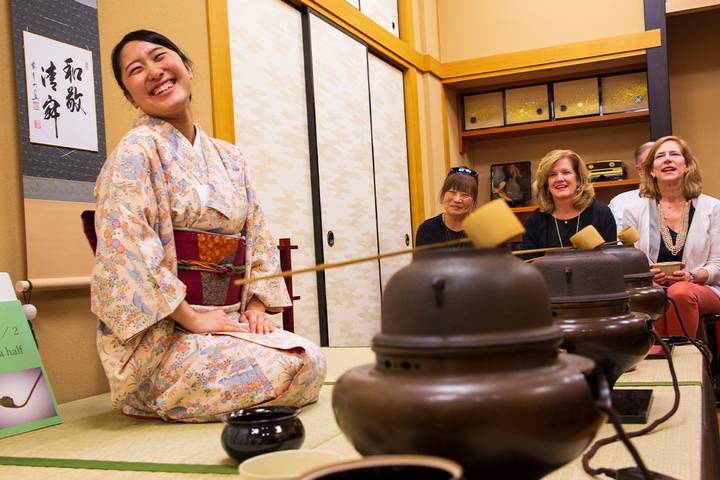
Day 4 brings a traditional tea ceremony in Asakusa, a visit to Sensoji Temple and time around Nakamise shopping street. You also visit the Tokyo National Museum, a useful stop for putting Japan’s art and history in context. The schedule leaves your evening open, so you can choose a relaxed night or use it to see more of the city.
A few more options to weigh up in Tokyo
- Tokyo Disney Resort – Tokyo Disneyland & Tokyo DisneySea Park Tickets
★ 4.8 · 99,488 reviews - SHIBUYA SKY Ticket
★ 4.7 · 46,509 reviews - JR Whole Japan Rail Pass
★ 4.8 · 29,150 reviews
Ise brings sacred architecture and the ama
The journey from Tokyo to Ise-Shima is aboard the shinkansen. The train is fast and comfortable, and the countryside views are part of the appeal. Keep an eye out for Mount Fuji, though a clear view is never guaranteed. You then visit Ise Shrine, a major Shinto site dedicated to the sun goddess Amaterasu. Its simple wood and thatched-roof buildings offer a different kind of grandeur from Tokyo’s city sights.
Dinner is a multi-course kaiseki meal, which makes the meal itself part of the cultural program. The emphasis is on seasonal ingredients and careful presentation, not just a quick refuel after sightseeing.
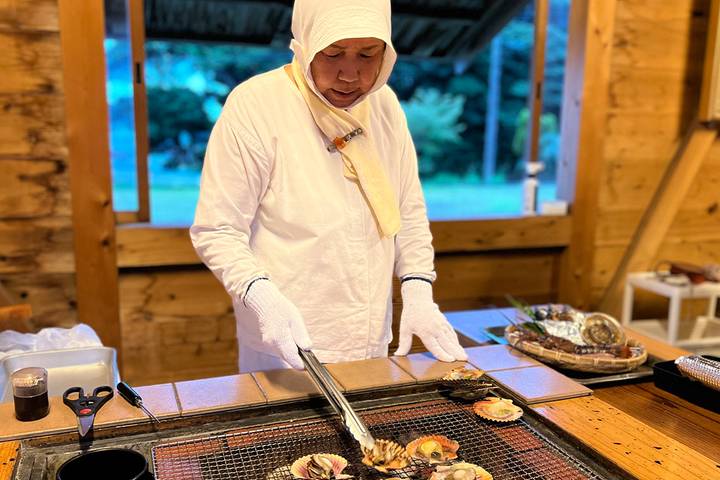
The next day, the Mikimoto Pearl Museum introduces the history of pearl cultivation and the ama, women known for their work in the sea. You watch the divers and later meet ama women over seafood grilled at an ama hut on Azurihama Beach. I see this as one of the trip’s most distinctive stops: the meal gives you a setting to hear about a local profession directly from the women who carry it on. It is more personal than a museum visit alone.
Nara and Hiroshima balance beauty with difficult history
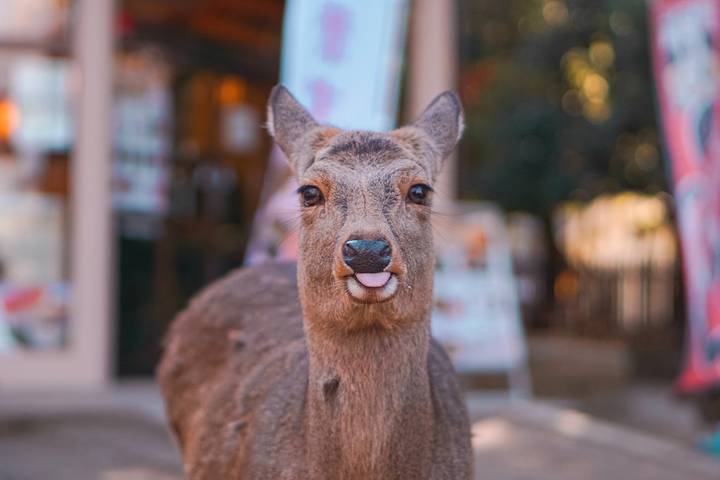
On Day 7, you stop in Nara for Todaiji Temple and its enormous bronze Buddha, then walk through Nara Park, known for its free-roaming deer. The temple is a major historic site; the deer add a lighter note to a day that continues by bullet train to Hiroshima.
That evening, an okonomiyaki class lets you prepare Hiroshima’s savory pancake before dinner. The format is a good fit for this trip: you learn by doing, and the meal follows naturally from the activity. It also breaks up a run of formal sightseeing with a lively shared task.
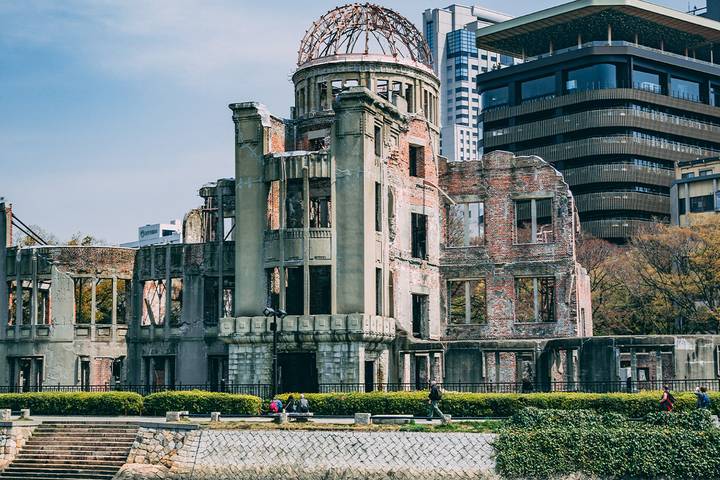
Hiroshima’s Peace Memorial Park and Atomic Dome demand more reflection. You visit the museum and hear from someone who experienced the atomic bombing. That firsthand account is an important part of the day, connecting the exhibits and memorials to an individual life. Plan to give this visit your attention rather than treating it as another stop to check off.
Later, a ferry takes you to Miyajima Island and Itsukushima Shrine, known for its torii gate in the water. It is a striking change of setting after the gravity of Hiroshima. The day holds two very different kinds of meaning, and the contrast is part of what makes it memorable.
Kyoto’s shrines, streets and cooking class
The shinkansen brings you from Hiroshima to Kyoto. Your first visit is Fushimi Inari Taisha, where rows of orange torii gates lead through a wooded setting toward the inner shrine. You also walk through Gion, the historic geisha district, with its narrow streets and traditional character. Seeing a geisha is not promised, so enjoy the district for its atmosphere and architecture rather than treating a sighting as the goal.
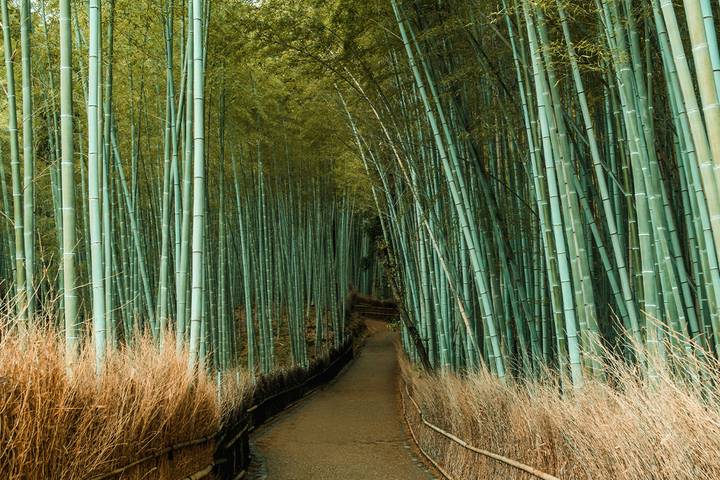
Day 10 includes Arashiyama’s bamboo forest and Kinkaku-ji, the Golden Pavilion. The bamboo paths offer a change of pace, while the temple’s gold-covered upper floors make it one of Kyoto’s most recognizable sights. A sushi-making class and dinner round out the day. As with the okonomiyaki lesson, the hands-on preparation adds more than a meal: you take part in the process while learning about the food.
The next morning, your tour manager leads a visit to Nishiki Market, where stalls sell local foods and specialties. The rest of the day is free for more Kyoto on your own. You might return to Gion, seek out temples and museums, or take time around the Kyoto Imperial Palace grounds. That open day matters: the guided schedule covers major sights, but it also gives you room to follow your own interests.
A completely different kind of day out:
- Mt Fuji and Hakone 1-Day Bus Tour Return by Bullet Train
★ 5.0 · 26,383 reviews - TOKYO SKYTREE® Ticket
★ 4.7 · 25,136 reviews - teamLab Borderless Tickets: MORI Building DIGITAL ART MUSEUM
★ 4.7 · 24,126 reviews - teamLab Planets TOKYO Ticket
★ 4.7 · 21,663 reviews
Seoul connects palace history with the divided peninsula
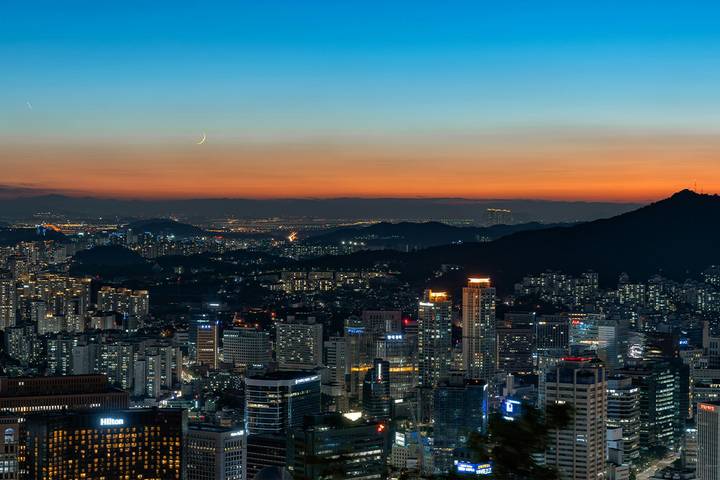
You fly from Kyoto to Seoul on Day 12 and have dinner at a local restaurant. The following morning is devoted to the DMZ, with stops listed at Imjingak Park, the Bridge of Freedom, the DMZ theater and exhibition hall, Dora Observatory and the 3rd Infiltration Tunnel. This is a rare chance to learn about the division of Korea at the border itself. The visit is structured and history-heavy, so it will suit you if you want context as well as a view toward North Korea.
Day 14 shifts from the border to personal accounts. A North Korean defector speaks about life in the North, their escape and adjusting to life in South Korea. After a market visit, you have a traditional lunch in a local family’s home. Together, these encounters make Seoul more than a city of major landmarks: they offer insight into individual lives and everyday food and customs.
On your final sightseeing day, you take the subway to Gyeongbok Palace and watch the changing of the guard. Then you visit Insadong Street, with its shops, galleries and tea houses. Your afternoon is free for a museum visit or more time in the area, followed by a farewell dinner. Day 16 is departure from Seoul.
What the $8,849 starting price buys
The tour includes hotels, an English-speaking guide, listed transport between destinations and a substantial set of guided visits. The meal allowance is 14 breakfasts, two lunches and seven dinners. Those meals include the welcome and farewell dinners, kaiseki, the ama-hut seafood meal, okonomiyaki and sushi-making dinners, a local Seoul restaurant meal and the home-hosted Korean lunch.
That package can offer good value if you want transport and major sightseeing organized across two countries. The long-distance bullet trains, Kyoto-to-Seoul transfer, guided visits and unusual local encounters would take time to arrange independently. You are also paying for experiences that are not simply entrance tickets, especially the talks in Hiroshima and Seoul and the meal with the ama.
Still, $8,849 is a starting price, not the whole trip budget. International flights and travel insurance are excluded, and the price is based on the cheapest room. The information also says flights are not included, while the Kyoto-to-Seoul flight appears in the tour route. Confirm whether that internal flight is covered before you book. Other optional activities and services are not included, so allow for personal spending and any extras you choose.
The trip is listed as low intensity, but you should still expect regular walking at temples, markets, parks and city sights, plus several moves between hotels. A maximum group size of 44 is another practical consideration. You will have a guide and the ease of organized transport, but you will not have the flexibility or close-knit feel of a small group.
Is this the right Japan and South Korea tour for you?
I would consider this tour if you want a broad first look at Japan and South Korea without handling every train, transfer and major visit yourself. It is particularly suited to people who value cultural encounters, food activities and history, and who are comfortable moving between cities at a steady pace.
You may prefer a slower or independent trip if you want long stretches in one place, more unplanned time, or a small group. The strongest reasons to choose this route are its range and its personal encounters: ama women in Ise, a Hiroshima survivor, a North Korean defector and a South Korean family. If those experiences matter to you as much as the temples and palaces, the itinerary makes a compelling case for its price. Before booking, confirm the flight details and compare the total cost, including international airfare, insurance and personal expenses.
FAQ
How long is the tour?
It lasts 16 days, starting in Tokyo and ending in Seoul.
Which destinations are included?
The tour visits Tokyo, Ise, Nara, Hiroshima, Miyajima Island, Kyoto and Seoul.
What is the group size?
The listed group size is 2 to 44 people.
What language is the tour guided in?
The tour is guided in English.
What meals are included?
The tour includes 14 breakfasts, two lunches and seven dinners.
Are international flights included?
No. Flights to and from the tour are listed as not included. The Kyoto-to-Seoul flight appears in the route, so confirm directly whether that internal flight is covered.
Is the tour physically demanding?
It is rated low intensity. The schedule includes walking at city sights, temples, parks, markets and cultural sites.
What months does the tour depart?
Listed departure months are March, April, May, October and November.
What is included in the starting price?
The price starts at $8,849 on a cheapest-room basis. Hotels, guided touring, listed transport and the included meals are part of the tour; international flights and insurance are not.
Just added in Tokyo
- Mt. Fuji & Hakone Cherry Blossom private One Day Tour★ 4.5 · 35 reviews
- Fish Market & Tokyo Skyline Private Walking Tour★ 5.0 · 14 reviews
- 25-Min Downtown Helicopter Tour : Tokyo Skytree and Tokyo Tower★ 5.0 · 19 reviews
- Private Tour with a Local Guide – Learn about daily life in Japan★ 5.0 · 22 reviews
- Tokyo: 3-Hour Bike/E-Bike Tour of the City’s Highlights★ 5.0 · 209 reviews
- 30-Min Tokyo Central Private Heli Tour– Asakusa, Skytree, Shibuya★ 5.0 · 13 reviews
- Tokyo 2-Hour Genuine Samurai Experience: Kendo in Japan★ 5.0 · 112 reviews
- Official Japan Go-Kart Through Tokyo Bay / Ginza (IDP Required)★ 4.5 · 71 reviews
Multi-Day Tours That Visit Miyajima, compared.



Tokyo to Osaka by Rail – Private Tour (14 Days) with Explore!
Read our review →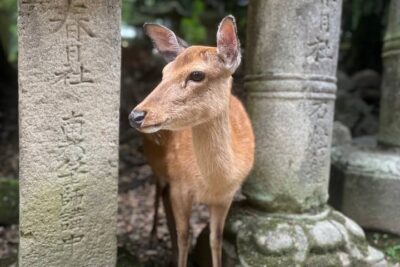
13-Day Japan Tour: Tokyo, Mount Fuji, Kyoto, Nara, Osaka & Beyond by The Dragon Trip
Read our review →
Japan: Land of the Rising Sun 12-Day Tour by Intrepid Travel
Read our review →
Japan Express – Osaka to Tokyo 9-Day Tour by G Adventures
Read our review →
Japan Delight with Hiroshima 8-Day Tour by Stunning Tours
Read our review →
Visions of Japan with Hiroshima & Osaka 15-Day Tour by Globus
Read our review →Browse the lists this tour appears in