Reviewed · MULTI-DAY TOURS THAT VISIT KURASHIKI
Japan Uncovered – 11 days by On The Go Tours – Reviews & Prices
Japan’s best contrast comes into focus on this 11-day trip: Tokyo’s neon-lit streets give way to a Hakone hot spring, Kyoto’s old lanes and Hiroshima’s powerful peace memorial. The route ends amid Osaka’s food-loving energy, with several useful cultural introductions along the way.
I like the hands-on mix: making sushi in Tokyo and learning calligraphy and matcha traditions in Kyoto. I also like that you ride Japan’s Shinkansen and local public transport, rather than seeing the country only through a coach window. The trade-off is a busy schedule, with a long day through Okayama and limited included meals, so you’ll need to budget time and money for your own food and exploring.
In This Review
- Five details that shape the trip
- A Tokyo welcome, followed by the city’s many sides
- Lake Ashi, a ropeway and one night at a ryokan
- Kyoto’s calligraphy, matcha and old streets
- Miyajima and a thoughtful visit to Hiroshima
- Kurashiki’s canals before Osaka’s neon
- What the price covers, and what it does not
- Who should book this Japan route?
- FAQ
- Where does the tour start and end?
- How many days is the tour?
- How large is the group?
- What accommodation is included?
- Which meals are included?
- Are airport transfers included?
- Is the tour fully guided?
- What is the physical rating and minimum age?
- Which months does the tour depart?
Five details that shape the trip
- Sushi is lunch on day two: Make your own rolls and slices during a guided class, then eat what you’ve prepared.
- Hakone includes a ryokan and onsen: Your overnight stay is in gender-separated rooms shared by two to five people.
- Kyoto’s traditions are hands-on: Try a matcha tea ceremony and calligraphy class, then walk through Gion with a guide.
- Miyajima pairs views with history: Ride the ropeway up Mount Misen, then return to Hiroshima for the Peace Memorial Museum.
- It is a small, partially guided group: Expect 4 to 16 people, an English-speaking bilingual adventure leader and some independent time.
A Tokyo welcome, followed by the city’s many sides
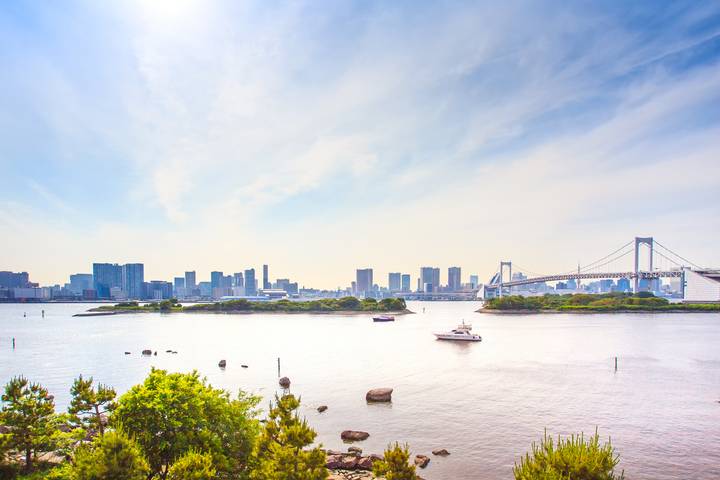
The tour begins at a Tokyo hotel, where you make your own way to the 4 p.m. welcome meeting. That evening, the group shares a teppanyaki dinner before heading to the Tokyo Metropolitan Government Building for night views. It is a good first taste of the city’s scale, and an easy way to meet the group without having to plan the first evening yourself.
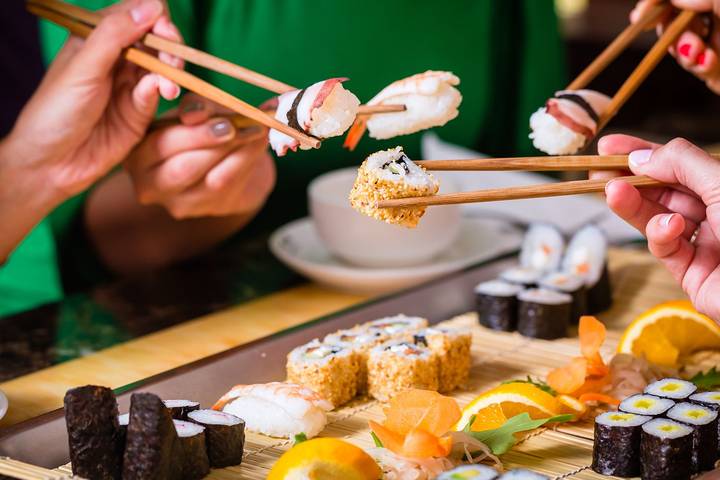
Day two moves between Tokyo’s traditions and its modern street life. A sushi masterclass gives you a practical introduction to a much-loved Japanese food, and lunch is included: you’ll eat what you make. The class may take place in the afternoon instead of the morning, depending on supplier availability, so keep your plans flexible.
At Meiji Jingu Shrine, your leader explains the role of omamori, protective charms, and gets one for you. Then it is on to Harajuku for shops and street food, followed by Shibuya Crossing and the Hachiko statue. These are famous stops, but they work well together: you see how quickly Tokyo shifts from a quiet shrine approach to busy shopping streets and a landmark crossing.
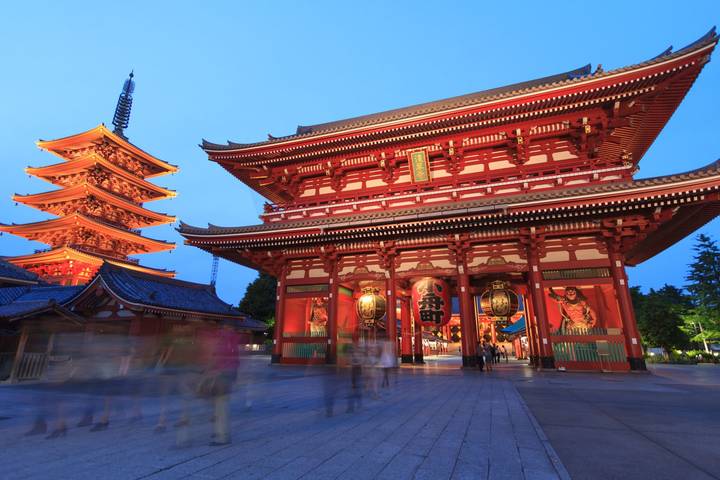
Day three gives you a different Tokyo, starting in Shibamata. Its Showa-era character and traditional shopping street offer a slower counterpoint to the city centre. A visit to Shibamata Taishakuten temple adds a place of worship to the day before the group heads to Asakusa for a sumo experience with former wrestlers.
Dinner is chanko-nabe, the hot-pot dish associated with sumo wrestlers. The chance to meet former wrestlers gives this stop more substance than watching a demonstration alone, though the experience is not described in further detail. At the end of the day, your main luggage is sent ahead to Kyoto. Pack a small overnight bag for Hakone, and keep anything you need for the next day with you.
A few more options to weigh up in Tokyo
- Tokyo Disney Resort – Tokyo Disneyland & Tokyo DisneySea Park Tickets
★ 4.8 · 99,488 reviews - SHIBUYA SKY Ticket
★ 4.7 · 46,509 reviews - JR Whole Japan Rail Pass
★ 4.8 · 29,150 reviews
Lake Ashi, a ropeway and one night at a ryokan
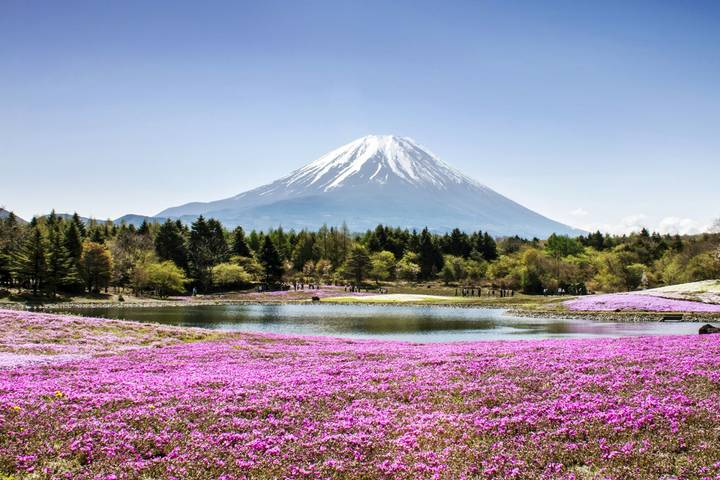
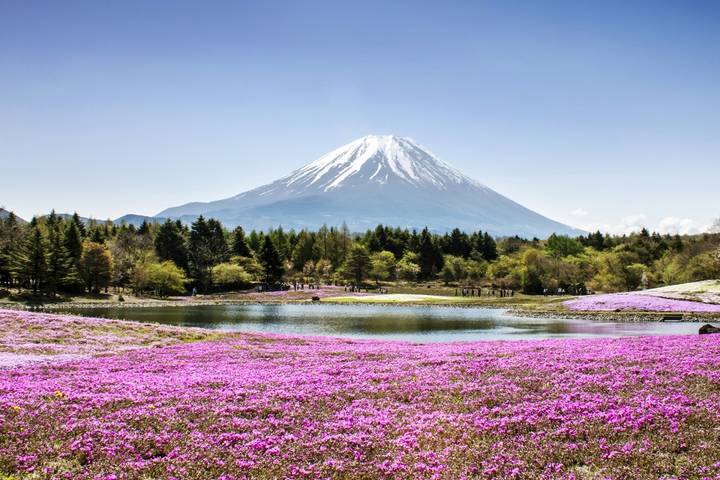
On day four, the group leaves Tokyo for Hakone by coach. A pirate-ship-style cruise crosses Lake Ashi, with mountain views and, on a clear day, a chance to see Mount Fuji. Fuji sightings are never guaranteed, so treat the lake and its surroundings as the main attraction rather than counting on a postcard view.
A cable car then carries you into the peaks. The day ends with a ryokan-style stay and an onsen bath, a welcome change of pace after Tokyo. A ryokan is a traditional Japanese inn, but this arrangement has a practical detail worth knowing: rooms are shared by two to five people and separated by gender. People travelling together who are of different genders will sleep in separate rooms that night.
This is one of the tour’s most distinctive nights, but it may not suit everyone. If you value a private room or need to stay with a companion, check the room setup before booking. The tour describes the stay as a ryokan experience, so confirm what that means for your departure if sleeping arrangements matter to you.
Kyoto’s calligraphy, matcha and old streets
Day five starts with the trip’s first Shinkansen ride, from Odawara to Kyoto. After dropping bags at the hotel, you visit Higashi Honganji Temple, known for its large wooden halls. One unusual detail is a rope made from donated human hair, used in the temple’s reconstruction. It offers a vivid glimpse of the effort people put into restoring a sacred place.
In the afternoon, a calligraphy class introduces brush, ink and paper, and you make a piece to take home. Karaoke with the group rounds off the day. These activities make the schedule more than a string of temple visits: you get to try a traditional art and then enjoy a casual evening together.
Day six begins with a tea ceremony and a chance to learn how to prepare matcha. You then visit Kiyomizu-dera, a UNESCO-listed temple set on the hills above Kyoto, with broad city views. There is free time for lunch and a wander around the area, so you can set your own pace rather than move as a group all day.
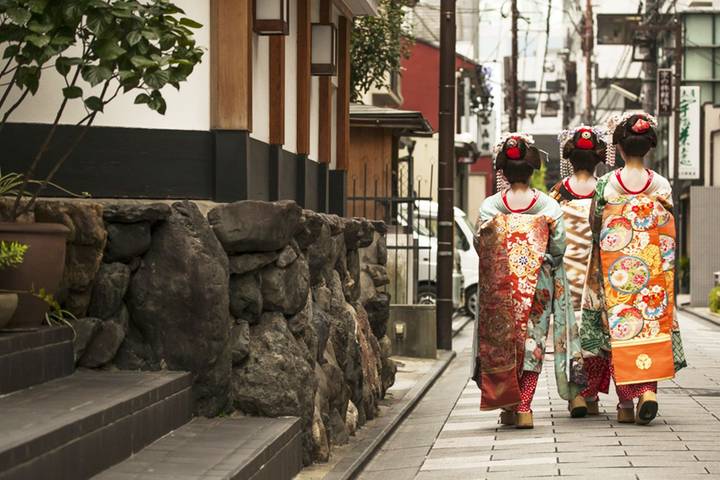
Later, a guided walk through Gion introduces Kyoto’s geisha district, followed by Pontocho Alley, known for its lanterns, teahouses and riverside dining. This is a strong day for atmosphere and cultural context, but the schedule leaves some choices to you. Use the free time to eat or explore nearby, and remember that meals beyond those specified as included are at your own expense.
The next morning is open before the afternoon train to Hiroshima. Fushimi Inari is an option if you want to see its red torii gates, while Nijo Castle is another suggested visit. Both are independent choices, not included group activities, so plan around the time you have and the train departure. In Hiroshima, the group shares okonomiyaki, the city’s local specialty. Drinks are not included.
Miyajima and a thoughtful visit to Hiroshima
Day eight combines an island outing with a visit that calls for a quieter frame of mind. A short ferry takes you to Miyajima, where the red torii gate at Itsukushima Shrine appears to float over the water under suitable conditions. You’ll take the ropeway up Mount Misen for wide views, then have time to explore the island before returning to Hiroshima.
Back in the city, you visit the Peace Memorial Museum with an audio guide. The museum addresses the 1945 atomic bombing, making this one of the most serious and emotionally demanding parts of the trip. Give yourself time to take in the exhibits and reflect; it is not simply another stop to tick off after a scenic day.
The itinerary handles two very different experiences in one day, which is efficient but can feel full. The guided audio material offers context at the museum, while the rest of the day gives you room to see Miyajima at your own pace.
A completely different kind of day out:
- Mt Fuji and Hakone 1-Day Bus Tour Return by Bullet Train
★ 5.0 · 26,383 reviews - TOKYO SKYTREE® Ticket
★ 4.7 · 25,136 reviews - teamLab Borderless Tickets: MORI Building DIGITAL ART MUSEUM
★ 4.7 · 24,126 reviews - teamLab Planets TOKYO Ticket
★ 4.7 · 21,663 reviews
Kurashiki’s canals before Osaka’s neon
Day nine is the longest-feeling travel day: from Hiroshima to Okayama by bullet train, a visit to Kurashiki and Korakuen Garden, then another train to Osaka. You arrive around 7:30 p.m. Luggage can be stored in Okayama, which helps you explore without carrying your bags through the day.
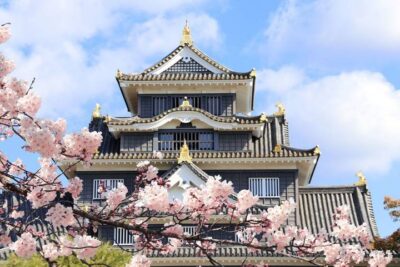
Kurashiki Bikan Quarter is a preserved Edo-period merchant district, with traditional streets, shops and cafés along a willow-lined canal. A short boat ride offers a different view of the area, though it can be cancelled because of weather, water levels or availability. If that happens, the adventure leader arranges an equivalent alternative.
The day also includes Korakuen, one of Japan’s Three Great Gardens. Together, Kurashiki and Korakuen give you a taste of Okayama beyond the train station, but the late arrival in Osaka means this is not a leisurely day. Keep your expectations realistic and be ready for a full stretch of sightseeing and rail travel.
Day ten begins with a short orientation walk through Shinsaibashi, Osaka’s shopping district. Lunch is on your own, then an included boat cruise takes you through Dotonbori, a lively entertainment and dining area that looks different from the water. The farewell meal is included, but drinks are not.
This final full day gives you a useful starting point for exploring Osaka, rather than a tightly guided city tour. If you want to shop, sample more local food or see additional sights, you’ll have to make your own plans around the group activities.
What the price covers, and what it does not
The tour starts at $4,680 for the cheapest room option. The price includes 10 nights in three- to four-star hotels, one night with a ryokan experience, public transport including a Suica card, an adventure leader, and the listed guided visits and activities. The main inclusions are substantial: the Hakone cruise and onsen, Kyoto’s tea and calligraphy activities, the sumo experience, several train journeys, and the Miyajima and Okayama outings.
Meals are more limited than the list of activities may first suggest. One sushi-making lunch and four dinners are included. You’ll pay for other meals, drinks with included dinners, optional activities, international flights, visas and airport transfers. Build those costs into your budget, especially for meals in Tokyo, Kyoto and Osaka, where you’ll have independent time.
A tour can offer value by saving you the work of joining up several cities, arranging transport and finding cultural activities. Here, the bilingual leader and group structure help with the logistics, while public transport keeps you close to everyday city life. On the other hand, this is not an all-inclusive trip: you’ll still make choices and pay for many meals yourself.
The group size is four to 16, and the tour is partly guided. You get organised visits and an English-language leader, but also free time and independent options. The physical rating is low intensity, and the minimum age is 15. The operator’s overall rating is 4.6 out of 5 across 2,636 reviews, but feedback on this particular departure is much narrower: one five-star review from Erick, who travelled in November 2025, praised the service and was especially pleased with the tour guide. No guide name is available, and a single tour review is too little to predict your own experience.
Who should book this Japan route?
I’d consider this trip if you want to see several sides of Japan in less than two weeks and value having trains, cultural activities and a group leader organised for you. It suits curious first-time visitors who like a mix of planned outings and free time, and who are comfortable using public transport and sharing a room for the Hakone night.
It is less suited to anyone who wants a private tour, a fully guided schedule or a slow stay in each city. The tour cannot be arranged as a private departure; a solo private land arrangement would start at around US$10,000. It also packs in several long travel days, especially the Okayama stop between Hiroshima and Osaka.
Departure months listed are March, April, May, June, September, October and November. If the price and pace fit, the strongest reason to book is the combination of hands-on activities and major cultural stops, from sushi-making to Hiroshima’s Peace Memorial Museum. Before committing, check the current departure price, confirm the shared-room setup in Hakone and decide how much independent time you want.
FAQ
Where does the tour start and end?
The tour starts in Tokyo and ends in Osaka. You make your own way to the Tokyo start hotel, and the final day is in Osaka.
How many days is the tour?
It runs for 11 days and includes 10 nights of accommodation.
How large is the group?
The stated group size is 4 to 16 people. The tour is guided in English by a bilingual adventure leader.
What accommodation is included?
The tour includes 10 nights in three- to four-star hotels, including one night with a ryokan experience in Hakone. That night, rooms are shared by two to five people and separated by gender.
Which meals are included?
One sushi-making lunch and four dinners are included. Other meals and drinks are not included unless specified.
Are airport transfers included?
No. Airport transfers are not included, and you make your own way to the start hotel in Tokyo.
Is the tour fully guided?
No. It is partly guided, with an adventure leader and guided sightseeing listed in several cities. There is also free time and some optional independent sightseeing.
What is the physical rating and minimum age?
The tour is rated low intensity and is for ages 15 and older.
Which months does the tour depart?
Departure months listed are March, April, May, June, September, October and November.
Just added in Tokyo
- Fish Market & Tokyo Skyline Private Walking Tour★ 5.0 · 14 reviews
- Mt. Fuji & Hakone Cherry Blossom private One Day Tour★ 4.5 · 35 reviews
- 25-Min Downtown Helicopter Tour : Tokyo Skytree and Tokyo Tower★ 5.0 · 19 reviews
- Private Tour with a Local Guide – Learn about daily life in Japan★ 5.0 · 22 reviews
- Tokyo: 3-Hour Bike/E-Bike Tour of the City’s Highlights★ 5.0 · 209 reviews
- Official Japan Go-Kart Through Tokyo Bay / Ginza (IDP Required)★ 4.5 · 71 reviews
- 30-Min Tokyo Central Private Heli Tour– Asakusa, Skytree, Shibuya★ 5.0 · 13 reviews
- Tokyo 2-Hour Genuine Samurai Experience: Kendo in Japan★ 5.0 · 112 reviews
Multi-Day Tours That Visit Kurashiki, compared.
Japan Delight with Hiroshima 8-Day Tour by Stunning Tours
Read our review →
Wonders of Japan End Osaka GO by Europamundo – 12-Day Tour
Read our review →
Wonders of Japan End Osaka (including Fukuyama) 12-Day Tour by Europamundo
Read our review →
Wonders of Japan End Osaka by Europamundo – 12-Day Tour
Read our review →
15 Days Discover Japan with Hiroshima by Tomato Travel
Read our review →
Tokyo, Kyoto and Hiroshima end Tokyo by Europamundo – 7-Day Tour
Read our review →
Tokyo, Kyoto and Hiroshima end Tokyo GO 7-Day Tour by Europamundo
Read our review →