
Reviewed · MUSEUMS AND GALLERIES
Kamigata Ukiyoe Museum:Ukiyo-e Woodblock Printing Experience
Color comes alive one block at a time. The Kamigata Ukiyo-e Museum’s printing workshop gives you a rare chance to use original museum woodblocks, not a modern craft substitute. I especially like the hands-on work with baren rubbing and pressure, plus the finished print in a protective clear file. The one drawback is that the session can feel short if you want a full art lesson.
You choose a beginner, intermediate, or advanced course, then print three or four colors onto good Japanese paper with an English or Japanese instructor. I also like the private-group format, which keeps the class relaxed and lets the instructor offer close help. Plan on paying the separate museum admission fee, and remember that the workshop takes place on floor cushions in a tatami room, with only a limited number of small stools.
In This Review
- Key points to know before booking
- Why this small Osaka workshop is worth your time
- Arriving in the Japanese-style exhibition room
- Choosing between beginner, intermediate, and advanced
- Printing three or four colors by hand
- What the instructor adds to the experience
- Visit the museum before or after printing
- Your finished print makes a useful souvenir
- Timing, price, and practical limits
- Who will enjoy this hands-on art lesson
- Should you book the Kamigata ukiyo-e workshop?
- FAQ
- How much does the ukiyo-e printing experience cost?
- How long does the workshop last?
- Can beginners take part?
- Are intermediate and advanced courses available?
- What languages does the instructor speak?
- Is the class private?
- What will I print during the activity?
- Can I take my finished print home?
- Where does the workshop take place?
- What happens if I arrive late?
Key points to know before booking
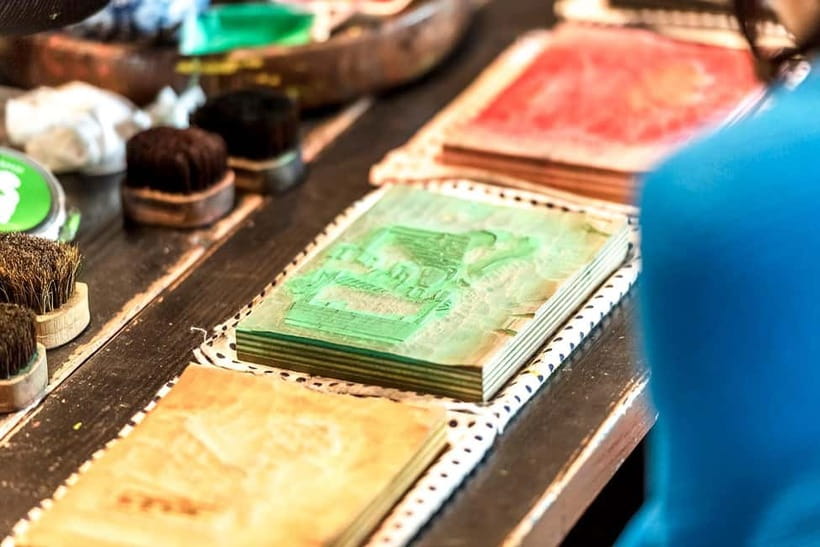
- You use original museum woodblocks: The workshop connects your own small print with the real production methods behind Kamigata ukiyo-e.
- Three courses give you a choice: Beginner, intermediate, and advanced options let you pick a level that fits your interest and available time.
- The process takes 30 minutes to one hour: It is short enough for a busy Osaka day, but still gives you a real finished souvenir.
- The class is private: Only one group takes part in each class, allowing for patient guidance and a quieter pace.
- You print three to four colors: This is more than simply stamping one image. You learn how separate blocks build a final picture.
- You leave with your own artwork: The finished print comes in an original clear file, making it easy to carry home.
Why this small Osaka workshop is worth your time
The best part of this activity is its scale. You are not being asked to spend half a day mastering an entire printmaking tradition. Instead, you get a compact lesson in one crucial stage of ukiyo-e production: printing.
That distinction matters. Many people look at a finished ukiyo-e image and focus on the drawing, actors, costumes, or dramatic colors. This workshop shows you how much depends on careful printing. A print may use several blocks, several colors, and precise pressure. Even a simple exercise can make the finished museum works easier to appreciate.
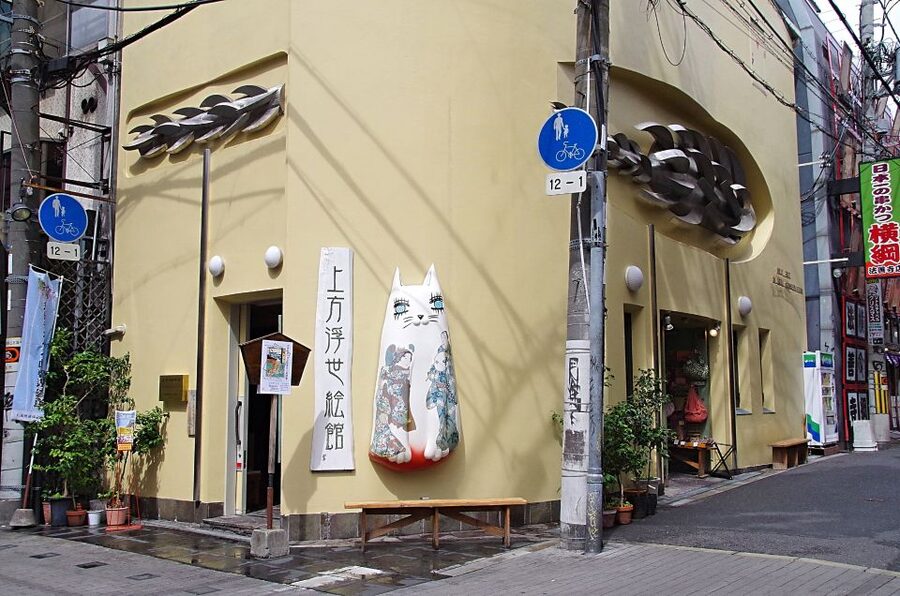
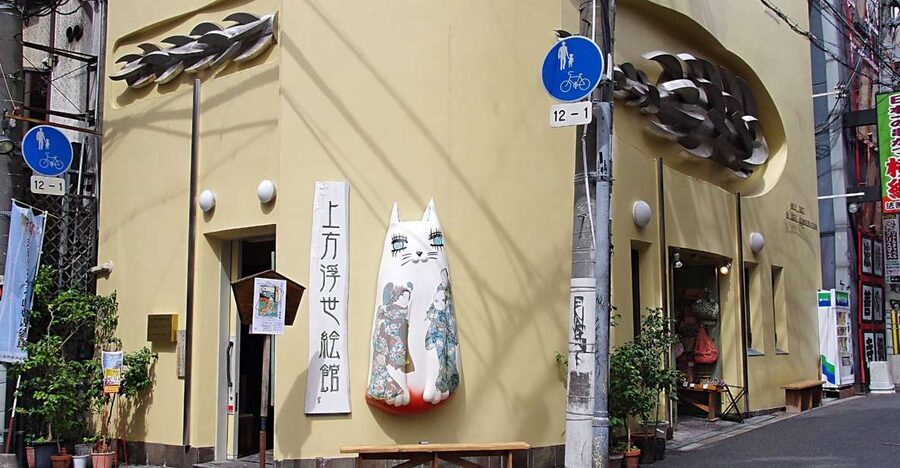
The Kamigata Ukiyo-e Museum is in Osaka, in the old area just behind Dotonbori. That setting adds flavor to the visit. You can combine the workshop with the museum’s displays and with time in one of Osaka’s best-known historic entertainment districts.
At about $5 per person, the workshop is unusually affordable. The separate admission charge changes the total cost, but the activity still offers good value because you receive instruction, use museum woodblocks, work with Japanese paper, and take home an original piece made by you.
More Museums and Galleries in Japan:
- teamLab Borderless Tickets: MORI Building DIGITAL ART MUSEUM
★ 4.7 · 24,126 reviews - teamLab Planets TOKYO Ticket
★ 4.7 · 21,663 reviews - Tokyo: teamLab Planets TOKYO Digital Art Museum Entry Ticket
★ 4.6 · 9,779 reviews
Arriving in the Japanese-style exhibition room
The printing class takes place in a Japanese-style exhibition room on the fourth floor. You sit on a zabuton cushion in a tatami room, so this is not a standard Western classroom with a regular chair and table.
That arrangement is part of the appeal. You get a small taste of traditional Japanese room etiquette and craft practice rather than simply standing at a tourist counter. Still, you should think about your comfort. Small stools are available, but the supply is limited. If sitting on the floor is difficult, contact the activity provider before booking rather than assuming a stool will be ready.
Only one group is scheduled for each class. This private format is one of the workshop’s strongest features. You can ask questions without feeling that you are holding up a large class, and the instructor can watch how you handle the paper, pigment, and baren.
The instructors speak Japanese and English. English guidance is especially useful during the moments when small changes in pressure or alignment affect the image.
Choosing between beginner, intermediate, and advanced
The three course levels let you decide how much work you want to take on.
The beginner course is the sensible choice if you have never handled a Japanese woodblock print before. It gives you a short, friendly introduction to the basic sequence without requiring prior experience. The session is described by one participant as short and sweet, which is a fair way to view it. You get a manageable project and a souvenir without turning your Osaka sightseeing day into a technical workshop.
The intermediate course adds a little more challenge. One participant chose this level despite having no earlier woodblock painting experience and found the instructions clear throughout. That suggests you do not need formal training to attempt it, provided you are willing to follow directions carefully.
The advanced course is not just a label for decoration. It uses more colors and involves more steps. A participant who tried it found it enjoyable but difficult, so I would choose it if you want the process itself to be the main event. You do not necessarily need to start with beginner, but the advanced option will ask more of your attention.
If you are unsure, beginner gives you the safest first look at the method. If you already enjoy printmaking or want a more involved souvenir, intermediate or advanced may offer more satisfaction.
Printing three or four colors by hand
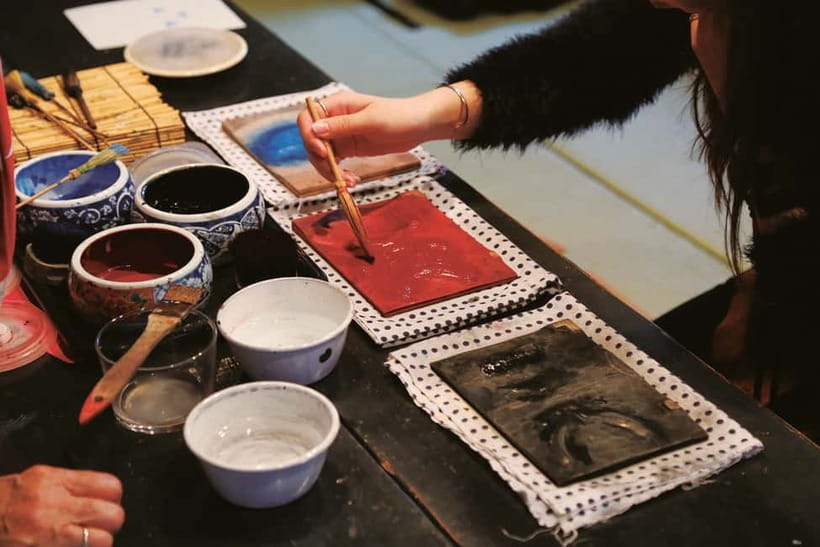
The class teaches you to print three to four colors onto high-quality Japanese paper. Each color is part of a larger sequence, so the image develops as you work.
You will use painting techniques, baren rubbing, and pressure application. These may sound like small details, but they are the heart of the activity. The baren is used to rub the back of the paper against the inked block. Too little pressure may leave a weak impression. Too much or uneven pressure can change the result.
This is also where the workshop becomes more than a quick souvenir-making stop. You begin to see printing as a skilled craft. The block does not simply transfer color by itself. Your hands have a role in how clean, even, and expressive the final print looks.
Beginners can experiment within the structure of the lesson. The aim is not to reproduce a museum masterpiece perfectly. It is to understand the basic relationship between block, paper, color, and pressure, then create a print with your own small variations.
The limited number of colors also helps. A complete traditional ukiyo-e print can involve far more blocks and much greater precision. Your three or four-color image gives you a practical introduction without pretending to recreate the entire process in a short class.
A completely different kind of day out:
- Tokyo Disney Resort – Tokyo Disneyland & Tokyo DisneySea Park Tickets
★ 4.8 · 99,488 reviews - Universal Studios Japan Studio Pass
★ 4.8 · 89,883 reviews - Universal Studios Japan Express Pass
★ 4.7 · 53,138 reviews - SHIBUYA SKY Ticket
★ 4.7 · 46,509 reviews
What the instructor adds to the experience
The instructor is not just there to hand you materials. The strongest praise for the workshop centers on the patient, warm teaching style.
Participants have singled out Mrs. Saya as especially encouraging and friendly. Her guidance was appreciated even when there was a slight language barrier. Another instructor was praised for careful attention to detail, patience, and enthusiasm for sharing the craft.
That personal support matters because the technique is easy to underestimate. You may understand the broad idea quickly, then find that placing the paper or applying the baren takes more care than expected. A good instructor can show you how to correct your hand position and pressure before a small mistake spreads across the image.
The class is available in Japanese and English, but it is also a visual process. Demonstration, gesture, and close observation help bridge any language gap. You should still ask questions if you are uncertain, especially before pressing the paper onto a new color block.
The private-group setup makes this help more useful. With just your group and the instructor, you can work at a comfortable pace rather than racing to keep up with a crowd.
Visit the museum before or after printing
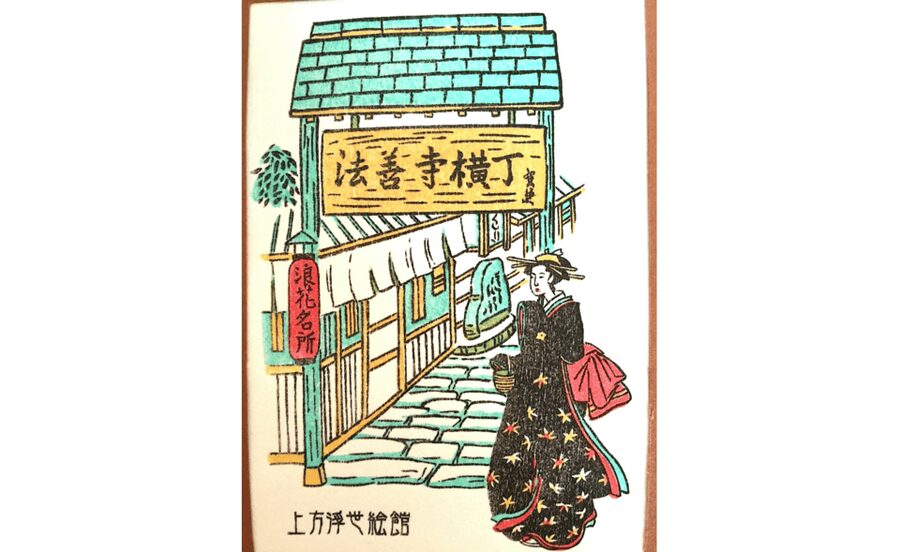
You can treat the workshop as a stand-alone activity, but I think it works best with time in the museum itself. The separate museum admission fee is not included, so you need to budget for it. In return, the displays give context to the technique you have just practiced.
Several participants preferred touring the museum before printing. That order lets you see finished works first, then notice how your own small project uses related ideas. You may pay closer attention to color layers, line detail, and the number of blocks needed for a more elaborate image.
Others found that printing first improved the museum visit. After rubbing a block by hand, you have a better sense of how much effort goes into a completed picture. The workshop can turn a quick gallery visit into a more active lesson in looking.
Both orders make sense. Go to the museum first if you want background before picking up the tools. Print first if you prefer to learn through action, then inspect the artwork with fresh questions.
The museum’s location behind Dotonbori also makes this easy to pair with other Osaka plans. You can fit the activity into a day focused on the city’s old streets, food, and entertainment district without giving up a large block of time.
Your finished print makes a useful souvenir
The final artwork is the practical reward. You take it home in an original clear file, which protects the paper and makes it easier to pack.
This is a better souvenir than a mass-produced image because you took part in making it. It may not be perfect, and that is part of the charm. Slight changes in pressure or color give it evidence of your own hands.
The paper is described as high quality Japanese paper, another detail that improves the value of the finished piece. You are not simply printing on an ordinary sheet and folding it into your luggage.
The decorative clear sleeve also helps preserve the moment. If you are collecting art, it gives you a simple way to display or store the print. If you are buying gifts, the compact format is easier to carry than a fragile craft object.
Timing, price, and practical limits
The activity lasts between 30 minutes and one hour, depending on the course and timing available. That makes it a useful option for a short Osaka itinerary, families with limited patience, or anyone who wants one focused cultural activity between meals and sightseeing.
The short length is both a benefit and a limitation. You can fit it into a busy day, but you will not receive a long lecture on ukiyo-e, a full history of the museum, or a masterclass in woodblock carving. The emphasis is practical rather than academic.
One participant specifically wished for more background information and felt that the class focused on painting and printing rather than explanation. If you want a detailed introduction to the art form, allow time for the museum displays as well.
At $5 per person, the activity is easy to recommend on value alone. The important calculation is the combined cost with museum admission. Even then, the workshop includes an instructor, the printing activity, museum woodblocks, Japanese paper, and a take-home piece.
The booking terms are flexible: you can cancel up to 24 hours in advance for a full refund, and reserve now while paying later. Take care with the arrival time, however. If you do not arrive within 30 minutes of your reservation time, the booking is treated as cancelled with no refund.
The workshop is unavailable from December 29 through January 3 during the New Year holiday.
Who will enjoy this hands-on art lesson
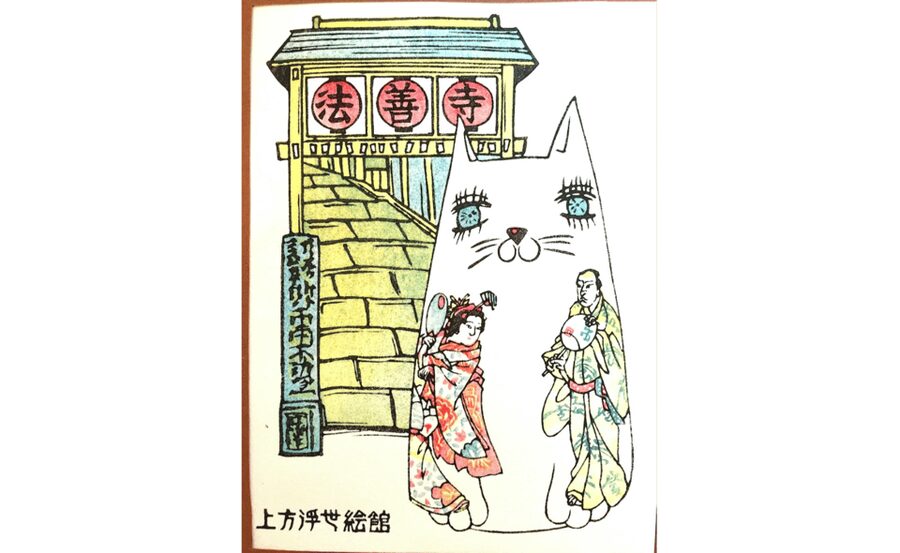
I would recommend this activity to anyone who wants a cultural stop with something to do, not just something to view. It works particularly well for couples, friends, families, and solo visitors who enjoy making a small object with their own hands.
It is also a good choice for people who think museums can feel distant. The printing process gives you a physical connection to the pictures on display. You leave with a clearer sense of how the art was assembled and why each color layer matters.
The beginner course suits first-timers. Intermediate is a reasonable option for someone ready for more steps, even without formal experience. Advanced suits people who enjoy patient, detailed work and do not mind a harder project.
I would be more cautious if you dislike floor seating, want a long historical lecture, or need a fully predictable result. The class is short, practical, and tactile. Its purpose is to let you try the craft, not to turn you into a professional printer in one visit.
Should you book the Kamigata ukiyo-e workshop?
Yes, if you want an affordable, private, hands-on activity in Osaka with a souvenir that has a story behind it. The original woodblocks, friendly English support, small class size, and clear connection to the museum make this more meaningful than a generic craft session.
Book the beginner course for a quick introduction. Choose intermediate or advanced if you want more colors and more work. Add museum admission and visit the exhibits either before or after, since the two parts explain each other.
Just allow for the tatami seating, the separate admission fee, and the possibility that the class will feel brief. For most people, that is a fair trade for a pleasant hour, a new appreciation of ukiyo-e printing, and a print you made yourself.
FAQ
How much does the ukiyo-e printing experience cost?
The printing experience costs $5 per person. A separate admission fee for the Kamigata Ukiyo-e Museum is required and is not included.
How long does the workshop last?
The activity lasts between 30 minutes and one hour. Available starting times depend on the date you select.
Can beginners take part?
Yes. You can choose a beginner course, and previous woodblock printing experience is not required for the intermediate course either.
Are intermediate and advanced courses available?
Yes. You can choose from beginner, intermediate, and advanced courses. The advanced course includes more colors and steps.
What languages does the instructor speak?
Instruction is available in English and Japanese.
Is the class private?
Yes. Only one group is available in each class, creating a private-group experience and allowing close guidance.
What will I print during the activity?
You will print three to four colors onto high-quality Japanese paper using original museum woodblocks.
Can I take my finished print home?
Yes. You receive your finished artwork in an original clear file to use as a souvenir.
Where does the workshop take place?
The activity takes place in a Japanese-style exhibition room on the fourth floor of the museum. You sit on a zabuton cushion in a tatami room, and a limited number of small stools are available.
What happens if I arrive late?
If you do not arrive within 30 minutes of your reserved time, the reservation is considered cancelled, and no refund is provided. You can cancel up to 24 hours in advance for a full refund.
Just added in Japan
- Manga Lesson with a Professional Japanese Manga Artist in Nakano★ 5.0 · 77 reviews
- Making a bento box with cute character look in Japan★ 5.0 · 15 reviews
- Tokyo/Ikebukuro Manga drawing workshop by pro-Manga artists★ 5.0 · 65 reviews
- Luxury Tokyo Sake, Cocktail, Whisky and Pairing Tour★ 5.0 · 18 reviews
- Tokyo Ueno Food & Nature & Localtown Tour: 10Dishes+ Drinks★ 5.0 · 34 reviews
- Make Your Own Bonsai with a Professional Bonsai Artist in Tokyo★ 4.5 · 18 reviews
- Make Traditional Nerikiri Sweets & Matcha experience in Shibuya★ 5.0 · 130 reviews
- Daikoku Parking Tokyo Drift & APIT Car Meet JDM Culture Tour★ 5.0 · 79 reviews
Museums and Galleries, compared.
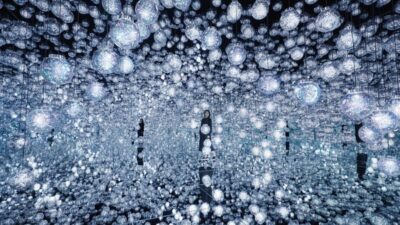
teamLab Borderless Tickets: MORI Building DIGITAL ART MUSEUM
Read our review →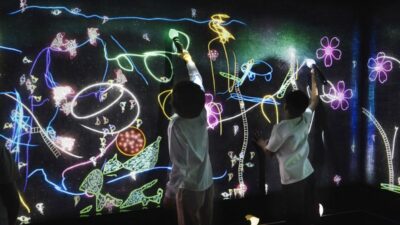
teamLab Planets TOKYO Digital Art Museum Entry Ticket
Read our review →

Browse the lists this tour appears in