
Reviewed · CASTLES AND HISTORIC SITES
Nagano/Matsumoto: Matsumoto Castle and Narai-juku Day Trip
Two old towns, one very full day. This outing links Matsumoto Castle with the preserved post town of Narai-juku, giving you a useful look at samurai Japan, mountain transport routes, local food, and traditional wooden streets. I like the easy bus connection from Nagano or Matsumoto, and I especially like having an English-speaking guide to explain details you could easily miss on your own.
The second strong point is the contrast between the stops. Matsumoto feels like a living regional city with shops, food, and a famous castle at its center, while Narai-juku feels quieter and more old-fashioned. The main drawback is the pace: this is a long day with several hours on the bus, plenty of walking, and very steep, narrow stairs inside the castle.
In This Review
- Key points at a glance
- Why this day trip works
- Nawate-doori and Matsumoto’s frog-filled start
- Climbing Matsumoto Castle’s steep wooden stairs
- The road to Narai-juku through Kiso Valley
- What the guides add to the day
- Weather, walking, and what to bring
- Who should book this experience?
- Should you book the Matsumoto and Narai-juku day trip?
- FAQ
- Where does the tour start?
- Where does the tour finish?
- Is transportation included?
- Is lunch included?
- Is the tour suitable for wheelchair users?
- What language is the tour conducted in?
Key points at a glance
- Matsumoto Castle’s six-story tower: Climb through one of Japan’s oldest surviving castle towers, with original woodwork, weapons, and city views.
- Frog Street treats and shops: Nawate-doori has more than 50 shops, restaurants, and cafes, with taiyaki, rice crackers, candy, ice cream, and frog souvenirs.
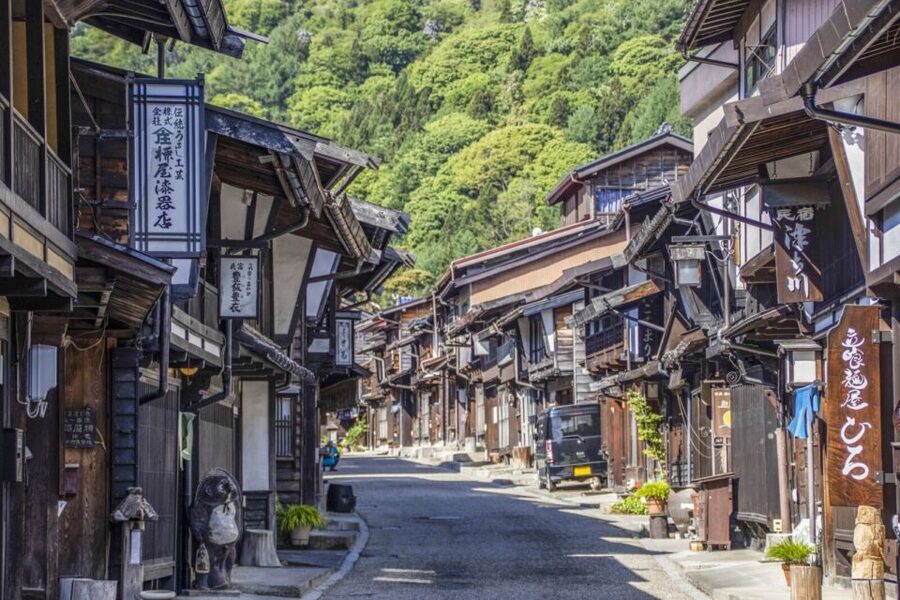
- Narai-juku on the old Nakasendo road: Walk along a preserved post town once used by people traveling between Tokyo and Kyoto.
- A guide adds useful context: Guides such as Shawn, Nadin, and Joyce have helped explain local history, food, customs, and small cultural details.
- A long but convenient bus day: Transport connects Nagano, Matsumoto, and Narai-juku, saving you the work of arranging several separate train and bus journeys.
- Season matters: Winter can mean snow on the ground, while rain can affect an outdoor day, so proper shoes and clothing are important.
Why this day trip works
At $180 per person, this is not a cheap sightseeing day. But the price includes transportation between the main stops, the Matsumoto Castle entrance fee, and guided walks at both Matsumoto and Narai-juku. The value comes from saving time and having someone explain what you are seeing.
I would particularly consider it if you are staying in Nagano and want to see more of central Honshu without changing hotels. Public transportation can get you to these places, but the day requires more planning and careful timing. Here, you meet at Nagano Station, board the coach, and let someone else manage the connections.
The outing can begin at Kokusai 21, Matsumoto Station, or Nagano Station, depending on the option you choose. It can also end at one of those three points. Check your selected meeting point closely. That simple detail matters after a tiring day.
The transport times are substantial. The first ride from the Nagano area to Matsumoto takes about 100 minutes. Matsumoto to Narai-juku takes about an hour, and the return ride can take around two hours and 15 minutes. I would treat the bus as part of the experience rather than dead time. The route offers views of fields and mountains, sometimes with snow on the peaks or ground in winter.
More Castles and Historic Sites in Nagano
- Matsumoto Castle Tour & Samurai Experience
★ 4.9 · 128 reviews - 1-Day Tour from Nagano and Matsumoto Kamikochi & Matsumoto Castle
★ 5.0 · 105 reviews - Full-Day Tour: Matsumoto Castle & Kamikochi Alpine Valley
★ 4.8 · 78 reviews
Nawate-doori and Matsumoto’s frog-filled start
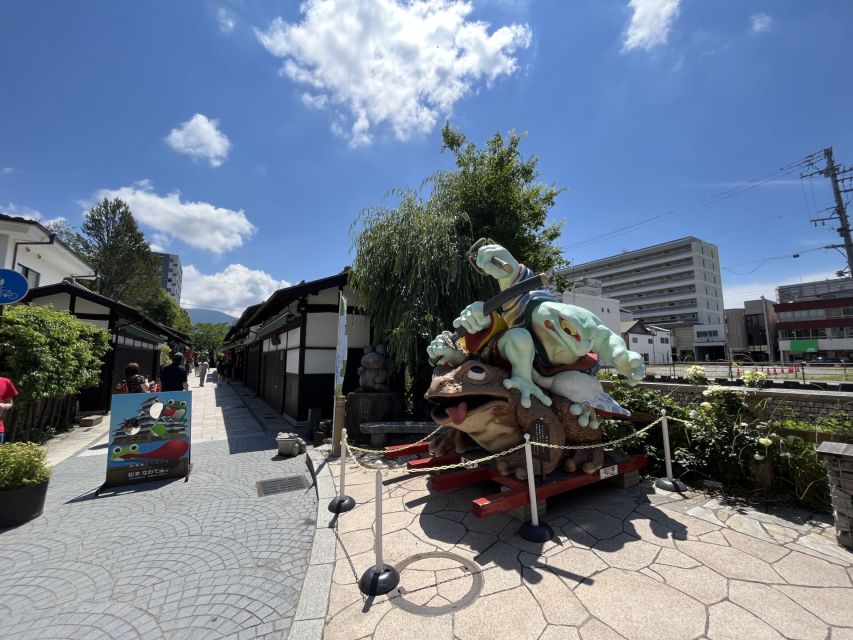
The day in Matsumoto begins at Nawate-doori, also called Kaeru Michi, or Frog Street. This lane runs through the historic center and has more than 50 shops, cafes, and places to eat.
The frog theme is hard to miss. You will find frog sculptures, frog-related souvenirs, and small shops selling familiar Japanese snacks. I would give yourself time to look around rather than treating the street as a quick photo stop. O-senbei rice crackers, taiyaki fish-shaped pastries, dagashi candy, and ice cream make this a good place to pick up a small snack before the castle visit.
This is also where the tour feels most relaxed. You are not yet climbing stairs or trying to follow a long explanation. You can browse, try something sweet, and get a feel for Matsumoto as a castle town that still functions as a modern city.
Food is not included, so Nawate-doori may also be useful for lunch or a light bite. One person enjoyed a regional fried chicken dish nearby, while another guide, Joyce, recommended a local restaurant serving a meat and fish soup with udon for a modest price. Those suggestions show why a guide can help. You get more than directions, you get practical local choices.
Still, do not assume every shop will be open at every hour. The tour information promises access to the street and its businesses, but individual opening times can vary. I would keep your expectations focused on the atmosphere, snacks, and short browsing time rather than planning a major shopping trip.
Climbing Matsumoto Castle’s steep wooden stairs
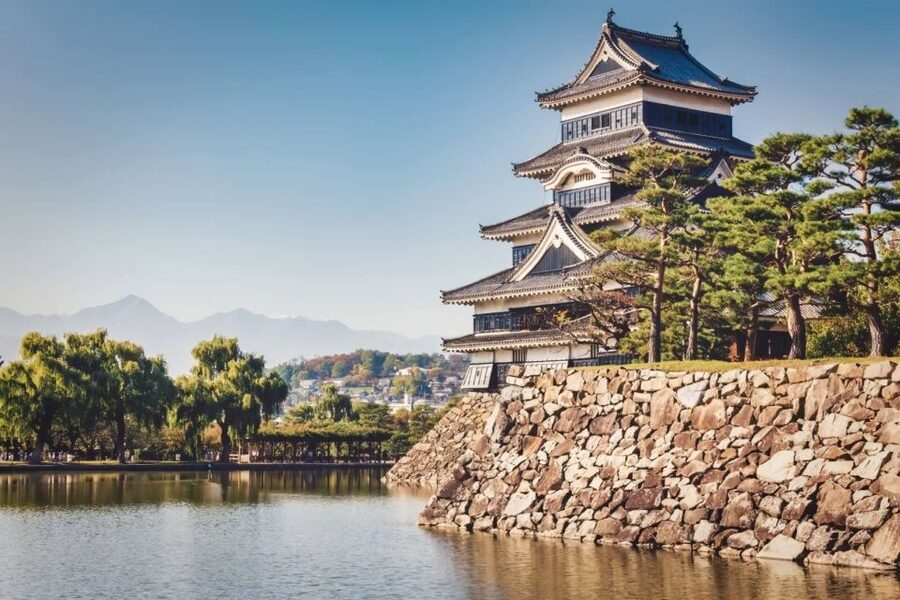
Matsumoto Castle is the main event. It dates from the end of Japan’s Warring States Period, and much of its original structure remains. It is designated as a National Treasure of Japan and is described as the oldest surviving five-tiered, six-story castle tower in the country.
The guided visit lasts about two and a half hours, including time at the castle and surrounding area. Your guide first explains the grounds and the castle’s role in Matsumoto’s development as a samurai town. Then you enter the tower and climb toward the top.
I want to stress the stairs. They are very steep, narrow, and uneven in places. You may need to use a rope or handrail, move slowly, and wait for people ahead of you. This is not a modern museum with wide ramps and easy staircases. The difficulty is part of what makes the visit feel physical and genuine, but it also means the tour is not suitable for wheelchair users or people with mobility impairments.
Inside, look for the woodwork, defensive features, historical guns, and other objects connected with the warriors who used the castle. The rooms are not decorated like a palace. Their plain construction, narrow openings, and practical design help you picture a fortified building rather than a comfortable home.
The climb ends with views over Matsumoto City. On a clear day, you may also see mountains beyond the urban rooftops. Weather can change the view, but the interior remains worthwhile because the tower itself is the rare part. Many Japanese castles were rebuilt in concrete after wartime destruction or fire. Matsumoto gives you a much closer look at an old timber structure.
The guided explanation matters here. A casual walk around the outside can tell you that the castle is black and beautiful. A good guide can explain why its design mattered, how it relates to the Warring States Period, and what the weapons and building details suggest about samurai life.
After the guided portion, you have free time to explore the grounds and nearby shops. Use it to take another look at the castle from outside, photograph the moat and walls, or browse for a small local purchase. I would not rush this part. The tower is impressive from the inside, but its dark exterior against the surrounding mountains is one of Matsumoto’s most memorable sights.
The road to Narai-juku through Kiso Valley
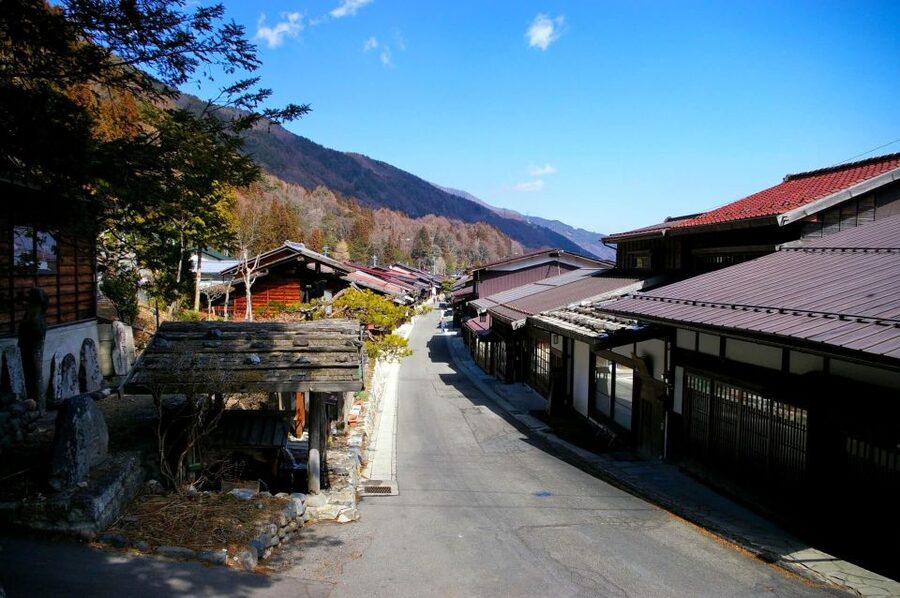
After Matsumoto, the coach heads toward Narai-juku. The ride takes about an hour, and the scenery shifts from city streets to fields and mountain views. In winter, snow often covers the ground, so waterproof shoes are more useful than fashionable sneakers.
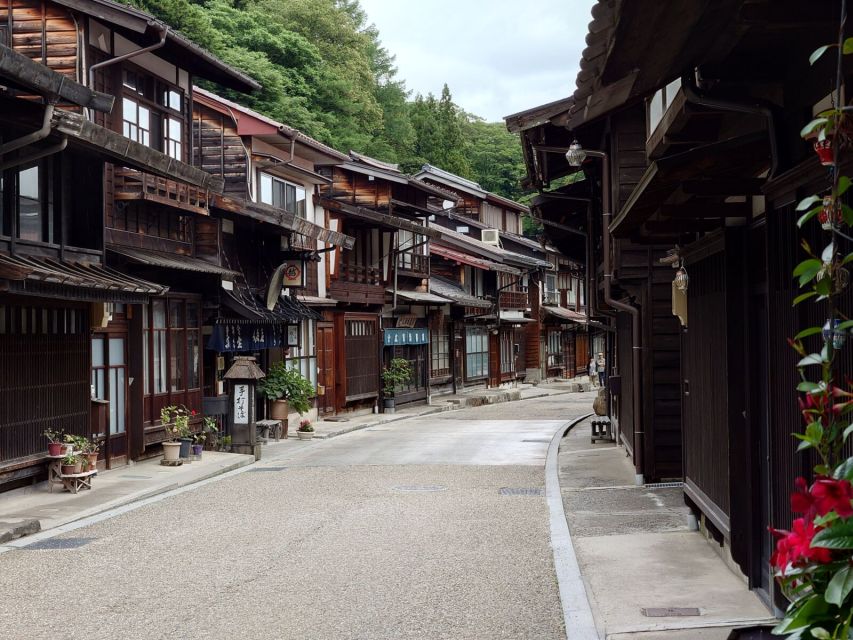
Narai-juku once served as a stopping place on the Nakasendo road, the old route between Tokyo and Kyoto. People traveling that long road needed places to eat, sleep, rest, and change supplies. Narai grew around that need, and its long main street still gives you a clear idea of how a post town was organized.
The guided walk starts near the train station at the entrance to town. You then follow the main street while your guide explains the construction of the buildings and stories from Narai-juku’s busiest period.
The town’s appeal is its scale. You are not looking at a grand castle or a huge temple complex. You are walking past rows of traditional wooden buildings, small shopfronts, and old inns in a mountain setting. The effect is quiet and human. You can imagine travelers stopping here after a hard day on the Nakasendo road.
Narai-juku is also more subdued than Matsumoto. That can be a benefit if you want a slower stop, but it may disappoint you if you expect every shop to be open. Business is often stronger on weekends, and some shops may be closed during a weekday visit. The open shops offer local woodwork and lacquered handicrafts, so I would still leave room for browsing.
The guided portion lasts about two and a half hours, including time in the town. Afterward, you get about an hour of free time for a cafe, restaurant, or independent walk along the main street. That hour is not long enough for an unhurried meal and extensive shopping, so choose your priorities before you split up.
I would use free time for one simple meal, a short look inside open shops, and photographs of the wooden facades. Narai-juku is best appreciated at a slower pace. The mountain setting and preserved buildings are the point, not a long list of attractions.
More Day Trips in Nagano
- Nagano: Snow Monkeys, Zenkoji Temple & Sake Day Trip
★ 4.9 · 833 reviews - From Tokyo: Snow Monkey 1 Day Tour with Beef Sukiyaki Lunch
★ 4.6 · 295 reviews - Tokyo: Snow Monkey & Nagano Customiseable Private Day Tour
★ 4.8 · 138 reviews - Private Nagano 1-Day Tour:Snow Monkeys,Zenko-ji,Obuse,Sake,Onsen
★ 5.0 · 71 reviews
What the guides add to the day
The tour runs in English, and the strongest praise has focused on the guides’ care and explanations. Shawn has been praised for connecting the places to wider Japanese history and regional culture. Nadin has been especially attentive to dietary needs, including helping a vegetarian participant. Joyce has been described as warm and flexible, and even taught origami during a small-group outing.
Those details are useful because they show the guide’s role in practice. You are not only being led from bus to castle to post town. You can ask questions, get help choosing food, and learn small cultural details that do not appear on a sign.
The experience may feel more personal when the group is small. One spring departure had only two people and operated almost like a private tour, with more flexibility in the timing. You should not book expecting that every departure will be private, but a small group can make the walking portions easier and the conversation more natural.
The guide cannot remove every practical challenge. You still have a long day, changing weather, and the castle stairs. But a good guide makes the time more useful, especially at Matsumoto Castle, where context changes the visit from a quick photo stop into a clearer picture of samurai defense and daily life.
Weather, walking, and what to bring
Most of the day takes place outdoors. Bring sunglasses, a sun hat, an umbrella, rain gear, and clothing suited to the forecast. The advice may sound basic, but it matters here because the tour moves between open streets, castle grounds, and an outdoor historic town.
Winter deserves extra care. Snow is often on the ground, and waterproof winter shoes are recommended. Warm layers will make the bus rides and outdoor walks more comfortable. In rainy weather, the program may continue, so pack a proper rain jacket rather than relying only on a small umbrella.
You should also plan for a reasonable amount of walking. The castle requires climbing, and Narai-juku involves walking along its main street. This is not a good choice if stairs and uneven historic surfaces are a serious problem.
Lunch is not included. You can buy food around Nawate-doori or Narai-juku, and guides may suggest regional dishes. I would carry a small snack for the bus and avoid leaving lunch until the final minutes of free time.
The activity offers free cancellation up to 24 hours before departure and a reserve-now, pay-later option. Those terms are useful if your Japan schedule is still shifting, though you should remember that specific activities can depend on confirmation and availability.
Who should book this experience?
I would recommend this day to you if you want a guided introduction to two very different historic places and prefer not to arrange the transport yourself. It is especially suitable for first-time visitors to Nagano or Matsumoto who want more than city sightseeing.
You will get the most from it if you enjoy history, traditional architecture, local food, and scenic bus rides. The castle is the stronger stop for samurai-era interest, while Narai-juku is the better fit if you like old streets, wooden buildings, and quieter towns.
I would hesitate if you dislike long coach rides or want a flexible day with lots of independent time. The schedule is fixed enough to keep the two major stops connected, and the return ride to Nagano can be tiring. I would also reconsider if you have difficulty with steep stairs, cold weather, snow, or extended walking.
The $180 cost makes more sense when you value a guide and door-to-door connections. If you are comfortable planning public transport, buying your own entry tickets, and managing the timing, you may prefer an independent visit. If you would rather spend the day looking out the window than checking train connections, the package earns its price.
Should you book the Matsumoto and Narai-juku day trip?
Yes, if you want a well-organized history day from Nagano or Matsumoto and can handle the physical demands. I like the mix of a National Treasure castle, a playful snack street, and a preserved Nakasendo post town. I also like that the day gives you both guided explanation and short periods to explore on your own.
Book it with realistic expectations: this is a full day, not a leisurely local outing. Wear good shoes, dress for the weather, bring money for lunch, and prepare for the castle’s steep stairs. If those conditions suit you, this is a strong way to see a part of Honshu that is easy to miss when you stay only in Japan’s biggest cities.
FAQ
Where does the tour start?
The available starting points are Kokusai 21, Matsumoto Station, and Nagano Station. Your exact meeting point depends on the option you book.
Where does the tour finish?
Drop-off options are Matsumoto Station, Kokusai 21, and Nagano Station. The available location depends on the selected option.
Is transportation included?
Yes. Transportation between Nagano, Matsumoto, Narai-juku, and the listed drop-off points is included when starting from Nagano or Matsumoto.
Is lunch included?
No. Lunch is not included, but you have time to buy food at Nawate-doori or Narai-juku.
Is the tour suitable for wheelchair users?
No. The experience is not suitable for wheelchair users or people with mobility impairments because it includes substantial walking and steep, narrow stairs at Matsumoto Castle.
What language is the tour conducted in?
The tour is conducted in English with a live guide.
Just added in Nagano
- [Nagoya Kamikochi Hiking Tour] One-Day Nature Forest Hiking Tour of Kamikochi & Taisho Pond & Tashiro Pond & Kappa Bridge & Myojin Pond & Hotaka Mountain Range & Hotaka Shrine Okumiya (Departure from Nagoya)★ 4.7 · 423 reviews
- Snow Monkey Park & Miso Production Day Tour from Nagano★ 5.0 · 18 reviews
- Snow Monkeys, Hokusai & Sake: A Perfect Day in Nagano★ 5.0 · 19 reviews
- Wasabi Farm Walking Tour & Lunch★ 4.5 · 20 reviews
- 1-Day Tateyama-Kurobe Tour: Walking on the ‘Roof of Japan’★ 5.0 · 20 reviews
- Ski or Snowboard Lesson in Shiga Kogen (4Hours)★ 5.0 · 34 reviews
- Snow Monkey & Shibu Onsen Afternoon Tour (Depart: Iiyama & Nozwa)★ 5.0 · 54 reviews
- Nagano Spring: 1-Day Cherry Blossoms & Snow Monkeys Guided Tour★ 5.0 · 31 reviews
Castles and Historic Sites, compared.

Imperial Palace and Shogun Historical Walking Tour
Read our review →
Tokyo Castle & Imperial PalaceーShogun Walking Tour
Read our review →
Nijo-jo Castle and Ninomaru Palace Guided Tour
Read our review →
Samurai Ninja Museum Guided tour and Experience
Read our review →Browse the lists this tour appears in