
Reviewed · PRIVATE TOURS IN NAGASAKI
Nagasaki Private Tour with a Local – Highlights & Hidden Gems
Nagasaki rewards curious walkers. This private tour connects the city’s major sights with everyday streets, old temples, local food, and stories shaped by extraordinary hardship. Your host builds the day around your interests, so you might focus on wartime memory, religious heritage, food, shopping, or ordinary life in present-day Nagasaki.
I like the flexible itinerary and the chance to spend time with a local host rather than follow a fixed script. I also like the balance between major places such as Peace Park and less obvious stops such as Teramachi cemetery and Naka-dori. The main consideration is pace: even a two-hour version is primarily a walking experience, and a full day can be tiring without comfortable shoes.
The experience costs about $64.05 per person, though the duration can range from two to eight hours. That makes it good value for a solo visitor or small group that wants personal attention, but you should budget extra for food, transport, and attraction tickets.
In This Review
- Key points to know before booking
- Why a private host makes sense in Nagasaki
- Starting at the Tourist Information Center
- Peace Park, the hypocenter, and the memorial hall
- Shōfuku-ji and Nagasaki’s Buddhist side
- Teramachi cemetery and the Temple Town district
- Siebold-dori and Naka-dori: ordinary Nagasaki at street level
- Chinatown and the city’s food story
- What a two-hour, half-day, or full-day plan feels like
- The hosts are the main reason to book
- Price, group size, and overall value
- Who will get the most from this Nagasaki tour
- FAQ
- How long does the Nagasaki private tour last?
- What is included in the price?
- Are food and drinks included?
- Is transportation included?
- Are attraction tickets included?
- Where does the tour begin and end?
- Can the itinerary change during the tour?
- Should you book it?
Key points to know before booking
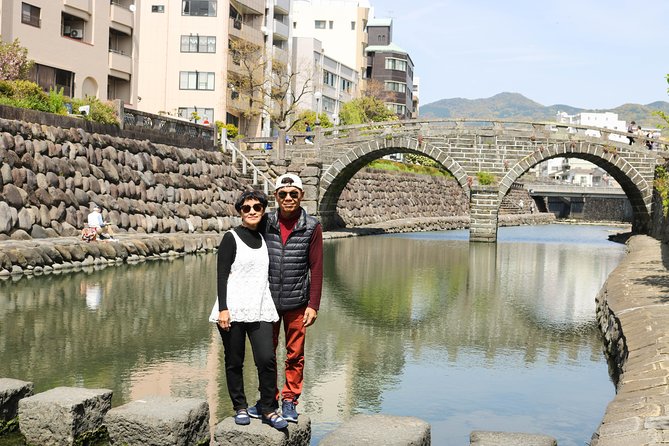
- Your host is matched to your interests: You receive a short questionnaire within 24 hours of booking, then communicate directly with your assigned host.
- The route can change during the day: You can adjust the plan as you go instead of being locked into every suggested stop.
- Nagasaki’s major themes meet local life: Peace Park and the hypocenter are paired with shopping streets, Chinatown, temples, and a cemetery.
- The tour works for short or long visits: Choose roughly two hours for a quick introduction or up to eight hours for a fuller city day.
- Hosts are praised for personal care: Sho helped a visitor using a walker, while Mack assisted with food choices for a special diet.
- You pay separately for extras: Food, drinks, transport, attraction tickets, and optional gratuities are not included.
Why a private host makes sense in Nagasaki
Nagasaki is not a city you understand from one postcard view. Its story includes international trade, Christianity, Buddhist temples, atomic destruction, rebuilt neighborhoods, and a modern food culture shaped by outside influence.
A private host can help you connect those pieces. Instead of spending the whole day moving from one famous place to another, you can ask questions, slow down at a meaningful site, or change direction when a neighborhood catches your interest.
The format is especially useful if you have only one day in port. One visitor covered the city by walking, tram, and taxi, while another stayed mostly within walking distance of the cruise ship. Your host can help you decide how much ground to cover and where public transport is worth the cost.
You are not joining a large group, so the experience suits people who dislike fixed commentary and rigid timing. It also works well for families or friends with different priorities. One person can ask about history while another looks for local shops or food.
More Private Tours in Nagasaki
- Nagasaki: Private Walking Tour with a Local
★ 4.7 · 79 reviews - Nagasaki Full-Day Private Tour with Government-Licensed Guide
★ 5.0 · 66 reviews - Nagasaki Half-Day Private Tour with Government-Licensed Guide
★ 5.0 · 53 reviews
Starting at the Tourist Information Center
The listed meeting point is the Nagasaki City Tourist Information Center at 1-60 Onouemachi. The activity ends back at the meeting point, unless your arrangements with the host differ within the service details.
A central meeting point is practical because it gives you a clear place to begin. If you are staying in a central location, hotel pickup may be available on request. Confirm this before the day rather than assuming it is automatic.
Your first conversation matters. Tell your host how much walking you want, what you already plan to see, and which subjects interest you. If you have an elderly companion, mobility limits, a special diet, or a strong dislike of crowded areas, say so early.
The questionnaire sent after booking is meant to shape the match. The strongest experiences seem to come from hosts who listen carefully, explain the city in an easy way, and adjust the plan instead of forcing every advertised stop.
Peace Park, the hypocenter, and the memorial hall
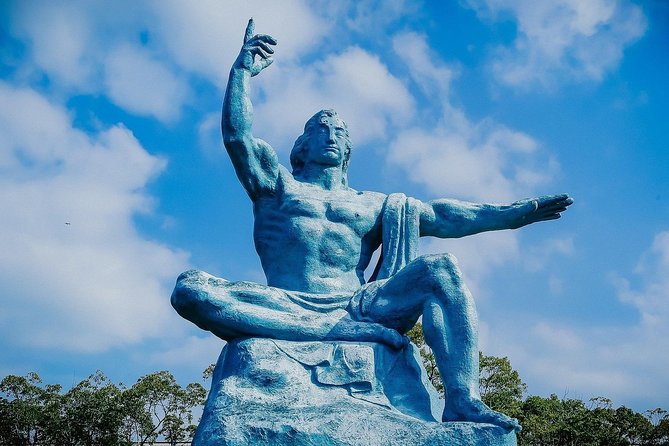
Nagasaki Peace Park and the hypocenter give the day its most serious pause. These places ask you to consider the human cost of the atomic bombing and the city’s long effort to remember, rebuild, and speak for peace.
The nearby memorial hall adds more context. You should not rush this part of the experience. A local host can help you place the exhibits and memorial spaces within the city’s wider story, while also giving you room to think quietly.
This stop may feel emotionally heavy, especially if you are visiting several war memorials elsewhere in Japan. That is not a reason to skip it, but it is a reason to plan the rest of the day with some breathing room.
The private format helps here. You can ask direct questions without worrying about holding up a group, or spend less time if you feel you have taken in enough. If this is your main reason for booking, tell the host so the schedule gives Peace Park proper attention.
Shōfuku-ji and Nagasaki’s Buddhist side
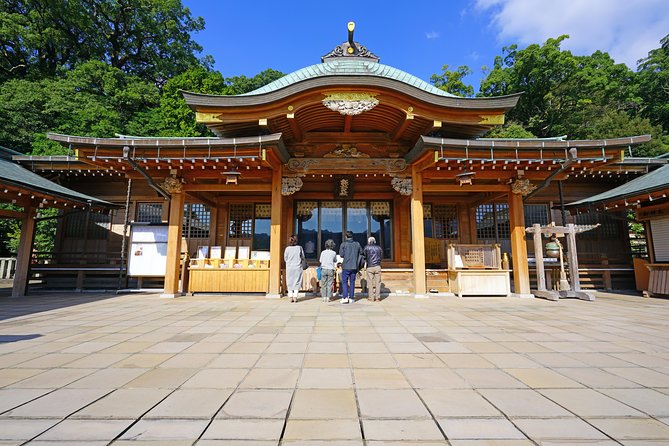
Shōfuku-ji is a 400-year-old temple and one of Nagasaki’s four fortune temples. It offers a different mood from Peace Park: quieter, more reflective, and tied to the city’s religious traditions and older streets.
The temple also helps explain why Nagasaki should not be reduced to its wartime past. Its Buddhist buildings and setting point to centuries of local life before 1945, and they give you a chance to notice architectural details at a slower pace.
One host arranged tea at a Buddhist temple, creating a particularly special cultural moment. That does not appear to be guaranteed on every tour, so you should treat it as an example of what a flexible host may help arrange, not as a promised inclusion.
The drawback is that the exact temple visit is not guaranteed. This is a personalized experience, and the final route may differ from the suggested places. If Shōfuku-ji is essential to you, ask for it during your planning conversation.
A completely different kind of day out:
- Huis Ten Bosch Ticket
★ 4.7 · 4,465 reviews - Visit Gunkanjima Island (Battleship Island) in Nagasaki
★ 4.0 · 32 reviews - Taste Local Life: Nagasaki’s Historical Street Walking Tour
★ 5.0 · 27 reviews - Nagasaki Full Day Tour with Licensed Guide and Vehicle
★ 5.0 · 27 reviews
Teramachi cemetery and the Temple Town district
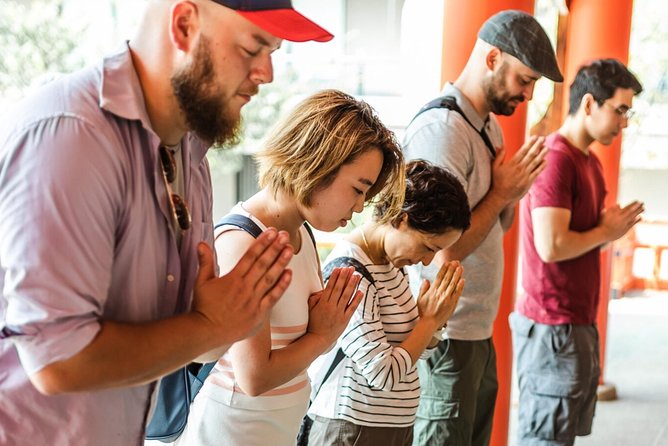
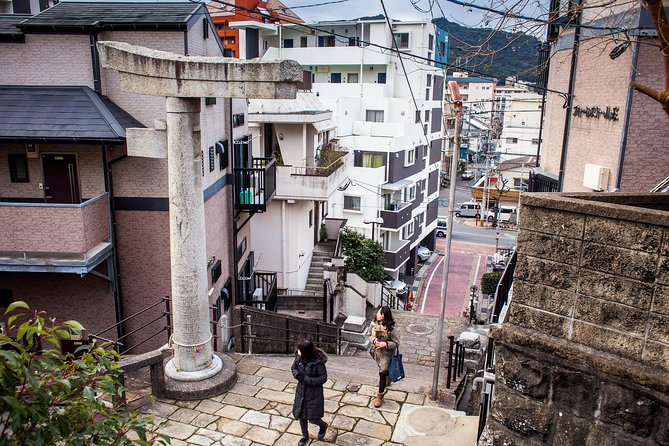
Teramachi, also called Temple Town, brings you into one of the more atmospheric parts of Nagasaki. The cemetery is known for moss-covered gravestones, which create an eerie but beautiful setting among the temples and narrow lanes.
This is the sort of place that is difficult to appreciate from a checklist. You need time to look at the stonework, notice the age of the graves, and understand how religious sites fit into the neighborhood.
I would choose this stop if you enjoy quiet places, photography, architecture, or local customs. I would not choose it as the main attraction if you want constant action. It is subdued, and the appeal comes from mood and detail.
Walking surfaces and inclines can matter here. The tour is primarily on foot, and the cemetery may not suit every visitor with limited mobility. Still, Sho received praise for helping an older visitor who used a walker, including finding better walking shoes. That suggests a good host will try to adapt, but you should discuss your needs before booking.
Siebold-dori and Naka-dori: ordinary Nagasaki at street level
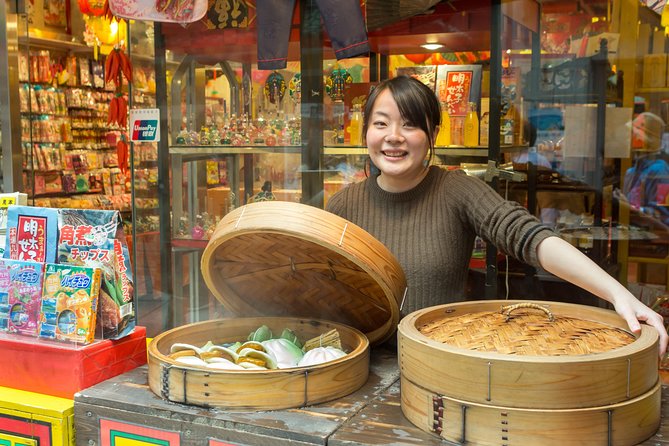
Shopping streets often tell you more about daily life than a grand viewpoint. Siebold-dori and Naka-dori let you see the city as a place where people shop, eat, meet, and get on with the day.
Your host can point out the difference between a street designed for local routines and a sight built for sightseeing. You might browse specialty shops, look for small food items, or simply watch how the neighborhood works.
This part of the walk is also a useful reset after the solemnity of Peace Park. It gives your day variety and helps you understand Nagasaki as a living city rather than an open-air history lesson.
Do not expect a shopping allowance or included tastings. Purchases are your responsibility, and any food or drink costs extra. If you have a particular interest, such as local snacks, crafts, or practical souvenirs, mention it in advance.
Chinatown and the city’s food story
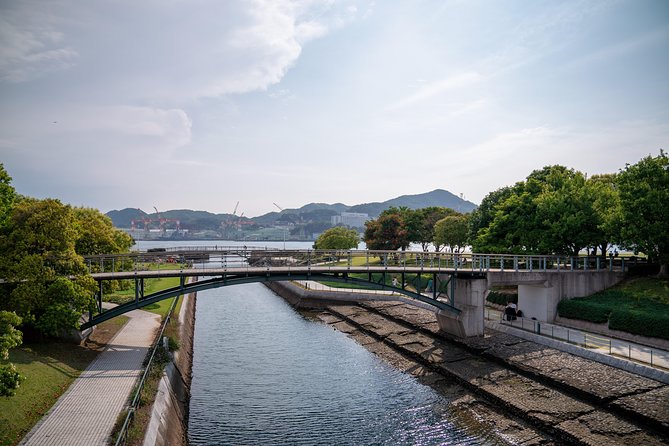
Nagasaki Chinatown is described as the oldest Chinatown in Japan, and it is a natural place to add food to the route. The experience may include fusion dishes that reflect Nagasaki’s long contact with people and goods from outside Japan.
The host can help you choose a restaurant or explain what you are eating. Miki was praised for selecting a good lunch spot, and Mack helped a visitor identify suitable food and drinks for a unique diet. Those details matter because food decisions are easier when someone can interpret the menu and understand your limits.
Food is not included, so treat Chinatown as an opportunity rather than part of the fixed price. Tell your host if lunch is important, and allow enough time for it. A rushed meal makes a full-day tour feel like a race.
The food stop also gives you a chance to ask about modern Nagasaki. You may find that the city’s outside influences show up not only in monuments and port history, but in what people eat.
What a two-hour, half-day, or full-day plan feels like
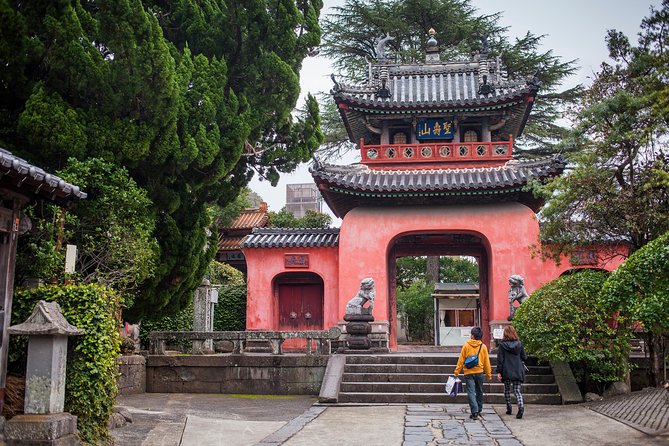
The wide duration range is one of the tour’s useful features. A two-hour plan can give you a focused introduction, perhaps centered on one neighborhood or one main theme. It will not cover every suggested stop.
A half-day allows a better mix. You might pair a major historical site with a temple, shopping street, or food stop. This is a sensible choice if you want local guidance but still have other plans.
An eight-hour day offers the most freedom. Hosts have taken visitors around the main sights using a combination of walking, trams, and taxis. A full day can also include specialty shops, a longer lunch, and time in less familiar areas.
The tradeoff is stamina. One full-day visitor enjoyed seeing places that would otherwise have been missed but wished for more comfortable shoes. Take that hint seriously. Nagasaki’s hills and walking routes can make a long day feel much longer than the clock suggests.
Public transport may be used, but it is not included. You should also expect to pay for taxis, meals, and admission charges when they apply. Ask your host at the start how the day’s transport plan will work.
The hosts are the main reason to book
The strongest feature is not a particular monument. It is the host.
Sho was praised for taking time to understand what a group wanted and for explaining Nagasaki clearly. Senyo guided visitors around by foot, tram, and taxi, and was described as both fun and flexible. Armand helped people see the old and new sides of the city and took them to places where they could observe local life.
Moe was especially appreciated for her pride in Nagasaki and for tailoring the route to personal interests. Shin helped visitors reach requested sights and arranged a memorable tea experience at a Buddhist temple. Kinoshita-san adjusted the schedule and allowed people to spend as much time as they liked at each stop.
These examples show the kind of service you can hope for, but they do not guarantee a particular host. Your assigned person depends on the matching process and availability. You can improve the fit by giving clear, useful answers to the questionnaire.
English ability also appears to vary by host, though Senyo was specifically praised for speaking excellent English. If language support is important, raise that question when you communicate with the provider.
Price, group size, and overall value
At about $64.05 per person, this is a reasonable price for a private experience, especially if you are sharing it with several people. You are paying for a host’s time, planning, and local perspective rather than for a bundle of entrance tickets.
The value is strongest when you use the flexibility. If you simply want a fixed route between famous sites, a standard group tour may cost less. If you want help with a special diet, reduced walking, local shopping, or an unusual mix of sights, the private format becomes more useful.
Group discounts are available, which can improve the price for families or friends. Since only your group participates, you can move at your own pace and avoid waiting for strangers.
Remember the extra costs. Food and drinks, public transport, taxis, attraction tickets, and gratuities are not included. Free cancellation is available until 24 hours before the start time. Changes or cancellations inside that window are not accepted for a refund.
Who will get the most from this Nagasaki tour
I would recommend this experience to first-time visitors who want help deciding what matters in Nagasaki. It is also a strong choice for cruise passengers, since some central sights can be reached on foot and a host can help you use limited time wisely.
It suits couples, families, and small groups who want one shared plan without being tied to a large party. It is particularly useful for anyone who wants to combine serious history with food, shopping, temples, and local neighborhoods.
You may want a different option if you prefer a fixed schedule, included transport, or a tour with every entrance fee covered. You should also think carefully about the two-hour minimum and walking demands if you have mobility concerns.
FAQ
How long does the Nagasaki private tour last?
The experience lasts approximately two to eight hours, depending on the plan you make with your host.
What is included in the price?
The price includes a private and personalized walking tour with a local host. Hotel meet-up may be available on request for central locations.
Are food and drinks included?
No. You pay separately for all food and drinks.
Is transportation included?
No. The experience is mainly on foot, but public transport may be used. Transport costs are not included.
Are attraction tickets included?
No. Tickets to attractions are separate from the tour price.
Where does the tour begin and end?
The listed start and end point is the Nagasaki City Tourist Information Center at 1-60 Onouemachi, Nagasaki. A central hotel meet-up may be possible on request.
Can the itinerary change during the tour?
Yes. The itinerary is flexible, and you can change your plans during the experience. The places listed in the suggested route may also differ because the tour is personalized.
Should you book it?
Book this Nagasaki private tour if you want a flexible day shaped around your interests, especially if you have limited time or want more than the standard sightseeing route. Peace Park, Shōfuku-ji, Chinatown, the shopping streets, and Teramachi offer a good range of experiences, but the real payoff comes from the host who connects them.
Before confirming, be clear about your walking ability, food needs, must-see places, and preferred pace. Bring comfortable shoes, keep money aside for transport and meals, and do not expect every listed stop to appear. If you value conversation, local advice, and the freedom to change plans, the price is fair and the format makes good sense.
Just added in Nagasaki
- Huis Ten Bosch Ticket★ 4.7 · 4,465 reviews
- Nagasaki Private Historical Tour with Licensed Guide★ 5.0 · 13 reviews
- Traditional Kimono Experience in Nagasaki★ 5.0 · 16 reviews
- Taste Local Life: Nagasaki’s Historical Street Walking Tour★ 5.0 · 27 reviews
- Private Ring Craft Experience in Nagasaki★ 5.0 · 14 reviews
- Semi Private Guided Tour of Nagasaki.★ 5.0 · 17 reviews
- Nagasaki Private Customizable Half Day Tour★ 5.0 · 16 reviews
- Nagasaki WW2 History and Culture Tour★ 5.0 · 19 reviews
Private Tours in Nagasaki, compared.
Nagasaki Full-Day Private Tour with Government-Licensed Guide
Read our review →
Nagasaki Half-Day Private Tour with Government-Licensed Guide
Read our review →
Nagasaki Full Day Tour with Licensed Guide and Vehicle
Read our review →
Nagasaki Street Food Adventure: Private Walking Tour with a Local
Read our review →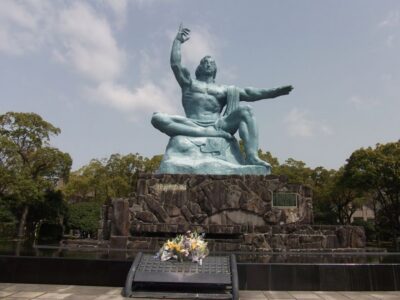
Nagasaki Private Historical Tour with Licensed Guide
Read our review →Browse the lists this tour appears in