
Reviewed · PRIVATE TOURS IN NAGASAKI
Nagasaki: Private Tour with Local Guide
Nagasaki rewards a slower look. This private tour makes the city easier to understand by pairing major sights with local context, then shaping the day around your interests. I like the freedom to choose a four or six-hour route, and I like that your guide meets you at your accommodation when it is within a reasonable walking distance. The main drawback is that transport, meals, and entrance fees cost extra, so the $109 price is only part of your day’s budget.
I also appreciate the chance to ask questions as you go, rather than simply follow a fixed script. Guides such as Kuribayashi-san, Yoshi, and Rikako have been praised for patience, personal stories, and careful planning. Still, guide quality can vary, and one visitor found the English difficult to follow, so clear communication before the tour matters.
In This Review
- Key points at a glance
- Why a private guide helps in Nagasaki
- Peace Park and the Nagasaki Hypocenter
- Inside the Atomic Bomb Museum
- Chinatown and Nagasaki’s food traditions
- Oura Church and Nagasaki’s Christian story
- Glover Garden and the foreign settlement
- Walking, transport, and the real cost
- How the guides shape the experience
- Who should book this Nagasaki tour?
- Should you book it?
- FAQ
- How long is the Nagasaki private tour?
- Is the tour private?
- What sights can the tour include?
- Is hotel pickup included?
- Are transportation costs included?
- Are entrance fees and meals included?
- What languages are available?
- Is the tour wheelchair accessible?
Key points at a glance
- A private route built around you: Choose the sights, starting time, and pace, or let your guide plan the day.
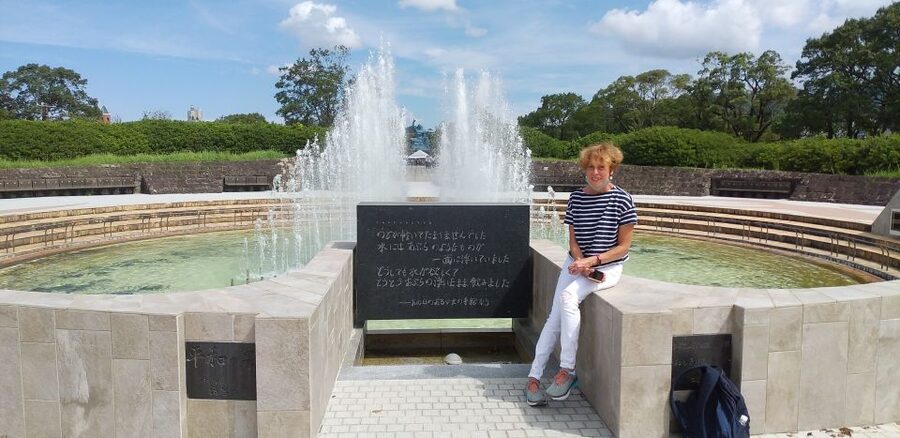
- Nagasaki’s peace sites receive proper attention: Peace Park, the Hypocenter, and the Atomic Bomb Museum form a serious and moving part of the route.
- The city’s international past comes alive: Chinatown, Oura Church, and Glover Garden show how Nagasaki connected Japan with the wider world.
- Local guides add personal detail: Yoshi, Rikako, and Kuribayashi-san have been praised for adapting the tour and explaining local culture.
- Walking is central, but not exclusive: Public transport or taxis can be arranged, with those costs paid separately.
- Best for first-time visitors: You get a useful overview of Nagasaki without having to solve the city’s route on your own.
Why a private guide helps in Nagasaki
Nagasaki is not a city you understand by ticking off isolated sights. Its story moves between Christian worship, foreign trade, industrial development, wartime destruction, and a continuing call for peace. A local guide can connect those parts instead of leaving you with a series of disconnected stops.
The private format is the big advantage. You can ask for a day focused on the atomic bombing and peace education, the city’s foreign connections, historic religious sites, food, or a blend of everything. If you are visiting from a cruise ship, traveling with family, or dealing with limited time, that flexibility can save you from spending half the day finding your way around.
You can request a four-hour tour for a focused visit, or choose six hours for the full route. I would lean toward six hours if you want both the Peace Park area and the western-influence sights around Oura Church and Glover Garden. Four hours is better for a shorter introduction or a day when you already have plans.
Your guide contacts you before the tour to confirm your interests and practical details. That step is worth taking seriously. Tell the guide what you care about, how much walking suits you, whether you want time inside museums, and if you need a route with public transport or taxis.
More Private Tours in Nagasaki
- Nagasaki: Private Walking Tour with a Local
★ 4.7 · 79 reviews - Nagasaki Full-Day Private Tour with Government-Licensed Guide
★ 5.0 · 66 reviews - Nagasaki Half-Day Private Tour with Government-Licensed Guide
★ 5.0 · 53 reviews
Peace Park and the Nagasaki Hypocenter
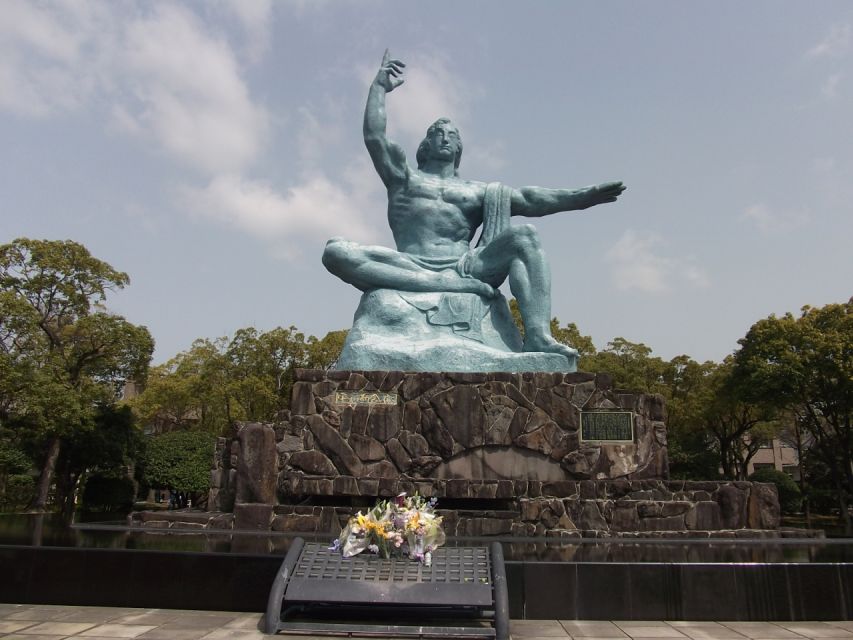
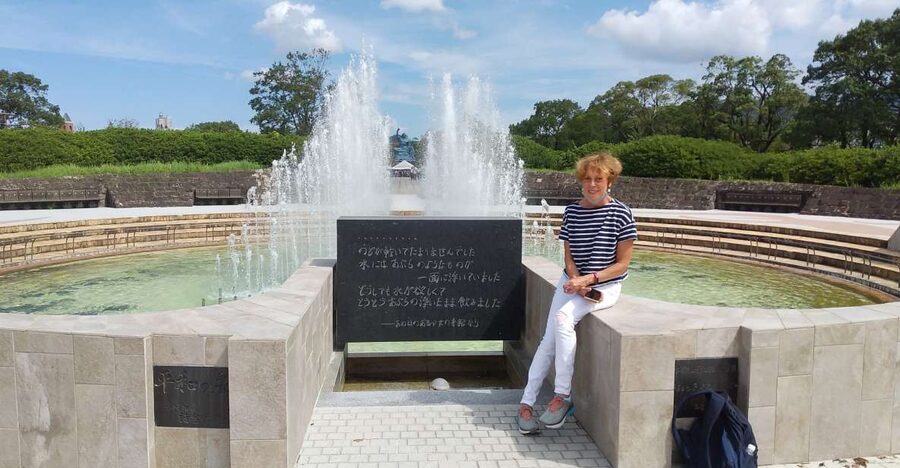
The sample route begins at Nagasaki Peace Park, where the large Peace Statue provides a clear starting point for thinking about the city’s wartime legacy. This is not a quick photo stop. The park is designed as a place for reflection, and your guide can help explain the meaning behind the memorial spaces.
From there, you walk through Hypocenter Park, built at the point directly below the atomic bomb’s explosion. The surviving wall of Urakami Cathedral is one of the most affecting sights here. It gives the destruction a physical scale that words alone cannot provide.
The cenotaph adds another quiet moment. You may find this part of the tour emotionally demanding, especially if you spend time with the personal stories and objects connected with the bombing. That is also why a guide can be useful. You can ask questions immediately, pause when needed, and place the memorials within Nagasaki’s broader story.
This section suits anyone who wants more than a surface-level visit to Nagasaki. It may be less suitable if you prefer a light sightseeing day, because the subject is painful and the mood is serious. A good guide should respect that and avoid rushing you from one memorial to the next.
Inside the Atomic Bomb Museum
The Nagasaki Atomic Bomb Museum brings the history into sharper focus through artifacts, photographs, and accounts connected with the bombing and its aftermath. The displays are designed to show both the physical destruction and the human cost.
I would allow enough time here rather than treating it as a box to check. Your guide can explain what you are seeing and answer questions about the city’s efforts to promote peace between nations. The museum is also a useful place to connect the earlier outdoor memorials with specific evidence and personal experiences.
The museum can be difficult for children or anyone who finds wartime exhibits upsetting. If you are touring with a mixed-age group, the private format helps because you can discuss how much time to spend here. You are not tied to a bus group’s schedule.
The peace sites are among the strongest reasons to book this tour. One guide, Yoshi, was praised for helping visitors understand the memorial and museum with care. That kind of guidance matters in a place where a few factual details can change how you understand what you are seeing.
Chinatown and Nagasaki’s food traditions
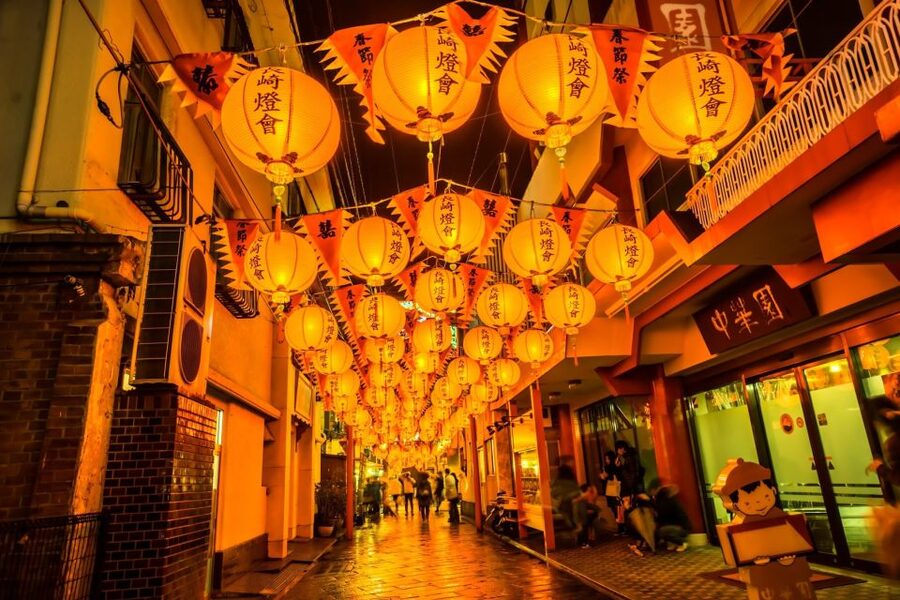
After the peace sites, the route can shift toward the city’s food and international connections. Nagasaki Chinatown offers a more everyday side of the city and helps explain the port’s long role in cultural exchange between East and West.
Lunch is not included, but this is a natural point to eat at a local restaurant. Two dishes to look for are Chanpon noodles and Sara Udon noodles. Chanpon is a noodle dish associated with Nagasaki, while Sara Udon is served with crisp noodles and toppings. Your guide may be able to help you choose or explain what you are ordering, but you should pay for the meal separately.
Chinatown provides a welcome change of pace after the museum. Still, do not expect the tour price to cover lunch. You should also remember that your guide is not automatically providing every extra cost during the day. Ask ahead if you want a particular restaurant or have dietary needs.
This stop is especially useful if you want culture through food rather than only through monuments. It also gives you a chance to sit down during a six-hour day, which your feet will appreciate.
A completely different kind of day out:
- Huis Ten Bosch Ticket
★ 4.7 · 4,465 reviews - Visit Gunkanjima Island (Battleship Island) in Nagasaki
★ 4.0 · 32 reviews - Taste Local Life: Nagasaki’s Historical Street Walking Tour
★ 5.0 · 27 reviews - Nagasaki Full Day Tour with Licensed Guide and Vehicle
★ 5.0 · 27 reviews
Oura Church and Nagasaki’s Christian story
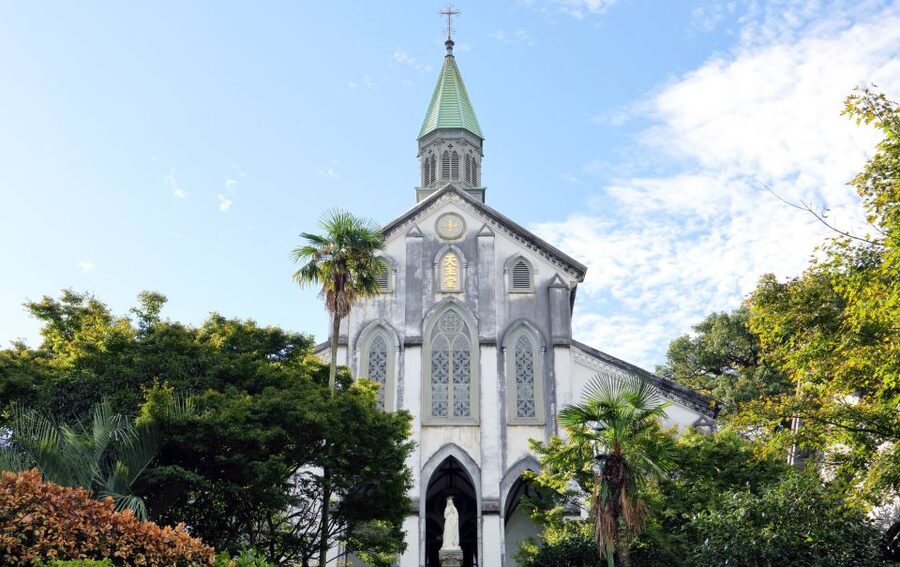
Oura Church adds another layer to Nagasaki’s past. Built in the mid-1800s, it served Christian residents and is recognized as Japan’s oldest surviving church. It is also designated as a National Treasure.
The church is important not simply because of its age. It represents the presence and persistence of Christianity in a country where Christian worship faced long periods of restriction. A local guide can explain why this building matters and how it fits into Nagasaki’s links with foreign communities.
The site is a strong match for people interested in religion, architecture, or the city’s connection with Europe. If your main goal is only the atomic bombing memorials, though, Oura Church may feel like a separate chapter rather than part of the same story. That is where the private itinerary helps. You can ask your guide to give this stop more time or keep it brief.
The route around Oura Church can involve walking between nearby sights. Comfortable shoes are a sensible choice, especially if you are also visiting Glover Garden.
Glover Garden and the foreign settlement
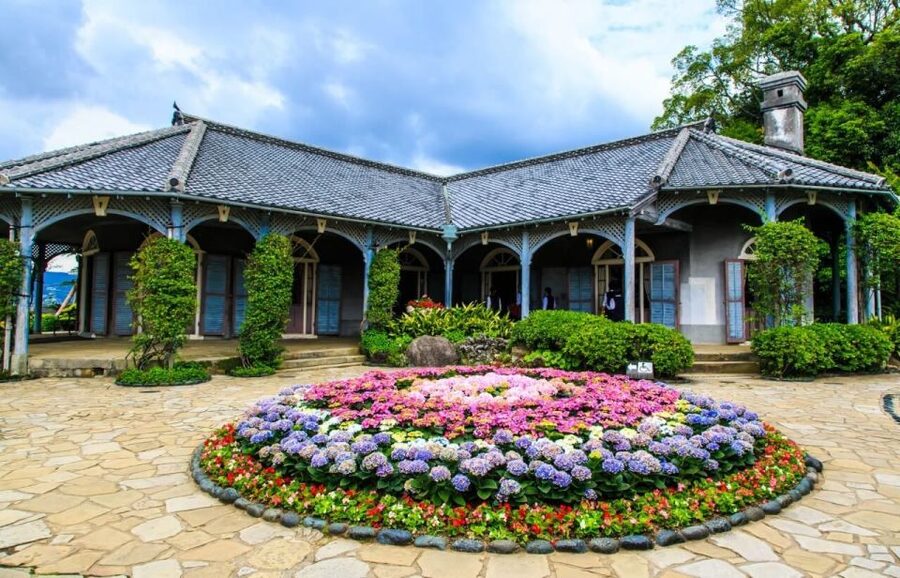
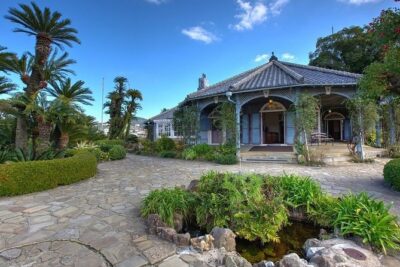
Glover Garden gathers western homes and buildings around the former house of Thomas Blake Glover, a Scottish entrepreneur. The setting gives you a way to see how foreign residents influenced Nagasaki’s development during the period when the port served as Japan’s doorway to overseas trade.
The buildings are a useful counterpoint to the Peace Park and Atomic Bomb Museum. Instead of focusing on loss, this part of the day looks at trade, business, architecture, and cultural contact. You get a wider picture of Nagasaki, a city shaped by outside influence long before modern tourism.
The phrase Glover Garden can make the stop sound like a simple park visit, but the buildings are the real draw. A guide can point out what makes the homes significant and explain the people connected with them. Rikako, one of the named guides associated with this experience, was praised for adding language and cultural context as well as personal details from her life in Nagasaki.
If you have only four hours, fitting in both the peace area and Glover Garden may make the day feel rushed. With six hours, the combination makes more sense. You will still need to watch the clock, particularly if you stop for lunch and use public transport.
Walking, transport, and the real cost
The advertised price is $109 per person for a private four or six-hour tour. Its value depends largely on your group size and what you want from the day. For one or two people, it is a significant expense, but you are paying for private planning, a licensed local guide, and the ability to adjust the route. For a family or small group, the cost may compare more favorably with several separate guided activities.
The tour is primarily a walking experience. Pickup on foot is included if your accommodation is within a reasonable distance, with the guide waiting in the hotel lobby about ten minutes before the agreed time. Transportation to and from the meeting point is not included.
During the tour, you can use public transportation or take taxis. Those fares are extra, as are entrance fees, food, and drinks. This matters because the six-hour itinerary includes several paid sights and likely requires transport between areas. Budget for those additions before booking, especially if you are trying to keep the day inexpensive.
The walking format lets you see more of the city at street level, but it can be tiring. If you have mobility concerns, mention them in advance. The experience is listed as wheelchair accessible, and the route can be personalized, but the exact practical ease will depend on the sights selected and the transport used.
How the guides shape the experience
The strongest feedback centers on the guides’ effort to tailor the day. Kuribayashi-san contacted one visitor several days before the tour to ask about interests. That is exactly the sort of preparation you should expect to use: send a clear list of priorities instead of leaving the guide to guess.
Yoshi was praised for choosing activities that suited the group and for sharing a strong personal connection to Nagasaki. Rikako was noted for explaining history alongside Japanese language and culture, then adding details from her own life in the city. Those touches can make a private tour feel less like a lecture and more like a conversation with someone who cares about the place.
There is one important caution. A German-speaking visitor reported that the guide’s English was very difficult to understand and that the guide sometimes seemed unsure about the locations. The overall rating is 4.8 from 18 reviews, so this appears to be an exception rather than the usual experience, but it is still useful information.
Before the tour, confirm the language you need and send your desired sights in writing. Ask the local partner to confirm the guide and route. The tour is not final until a guide accepts it, and guide contact may take time. If no guide is available, the local partner continues searching until close to the tour date.
Who should book this Nagasaki tour?
I would choose this experience if you are visiting Nagasaki for the first time and want the main story explained in one day. It is also a strong choice for cruise passengers, families, couples, and small groups with different interests. The private setting means you can balance a serious museum visit with food, architecture, and historic neighborhoods.
It suits people who value conversation over a fixed group schedule. You can ask about the Japanese language, local customs, Christianity, trade, or the city’s peace work as questions arise.
I would think twice if you want a low-cost outing with no added expenses. The $109 fee does not include entrance tickets, meals, or transport. I would also avoid squeezing the full six-hour route into a tight schedule, since Nagasaki’s sights cover different parts of the city and the walking adds up.
Free cancellation is available up to 24 hours before the start, and you can reserve now and pay later. The tour runs rain or shine, so pack for the forecast and do not assume bad weather will cancel the appointment.
Should you book it?
Book this Nagasaki private tour if you want a flexible first look at a complicated city and are willing to pay extra for personal guidance. The best version combines Peace Park, the Atomic Bomb Museum, Chinatown, Oura Church, and Glover Garden over six hours, with enough time to pause and talk.
Choose four hours if your schedule is tight or you want to focus on one theme. Before confirming, state your preferred sights, walking limits, language needs, and transport wishes. If you do that, this tour offers a thoughtful way to connect Nagasaki’s peace message, international past, local food, and living culture in a single day.
FAQ
How long is the Nagasaki private tour?
You can book either a four-hour or six-hour private tour. Starting times depend on availability.
Is the tour private?
Yes. All bookings are for a private group, and the route can be personalized to your interests and preferences.
What sights can the tour include?
A sample six-hour route includes Nagasaki Peace Park, Hypocenter Park, the Nagasaki Atomic Bomb Museum, Chinatown, Oura Church, and Glover Garden.
Is hotel pickup included?
Pickup from your accommodation is included on foot if it is within a reasonable distance. The guide waits in the hotel lobby about ten minutes before the scheduled pickup time.
Are transportation costs included?
No. The tour is mainly on foot, but public transportation or taxis can be used if you wish. Those costs are paid separately.
Are entrance fees and meals included?
No. Entrance fees, food, and drinks are not included in the tour price.
What languages are available?
The tour is offered with live guides in English or Japanese. Confirm your language needs with the local partner before the tour.
Is the tour wheelchair accessible?
Yes, the experience is listed as wheelchair accessible. Since the route is customizable, you should share your access needs before the tour so the itinerary can be planned appropriately.
Just added in Nagasaki
- Huis Ten Bosch Ticket★ 4.7 · 4,465 reviews
- Nagasaki Private Historical Tour with Licensed Guide★ 5.0 · 13 reviews
- Traditional Kimono Experience in Nagasaki★ 5.0 · 16 reviews
- Taste Local Life: Nagasaki’s Historical Street Walking Tour★ 5.0 · 27 reviews
- Semi Private Guided Tour of Nagasaki.★ 5.0 · 17 reviews
- Private Ring Craft Experience in Nagasaki★ 5.0 · 14 reviews
- Nagasaki Private Customizable Half Day Tour★ 5.0 · 16 reviews
- Nagasaki WW2 History and Culture Tour★ 5.0 · 19 reviews
Private Tours in Nagasaki, compared.
Nagasaki Full-Day Private Tour with Government-Licensed Guide
Read our review →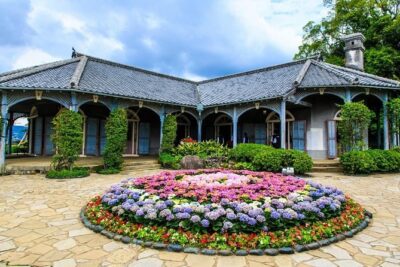
Nagasaki Half-Day Private Tour with Government-Licensed Guide
Read our review →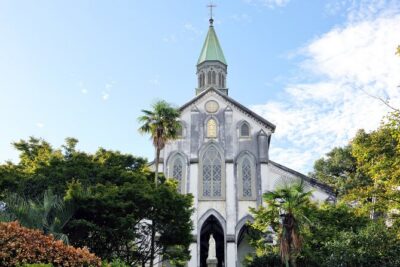
Nagasaki Full Day Tour with Licensed Guide and Vehicle
Read our review →
Nagasaki Street Food Adventure: Private Walking Tour with a Local
Read our review →
Nagasaki Private Tour with a Local – Highlights & Hidden Gems
Read our review →
Nagasaki Private Historical Tour with Licensed Guide
Read our review →Browse the lists this tour appears in