
Reviewed · NAGASAKI TOURS
Semi Private Guided Tour of Nagasaki.
Nagasaki rewards a curious eye. This flexible city tour brings together atomic-bomb history, international trade, Christian heritage, and sweeping views, with English-speaking guide Pene Dalton adding useful local context. I especially like the way the schedule can bend around your interests, and the fact that public transport and most admission fees are covered. The main caution is pace: seven major stops can make for a long, active day, and the full route may not fit into a shorter four-hour booking.
Pene is repeatedly praised for being patient, clear, friendly, and willing to adjust the day. That matters in Nagasaki, where the best visit moves between museums, hills, churches, gardens, and busy streets rather than staying in one district. The $125 price is fair for a small group, though you should confirm the final transport plan and ask about Dejima admission, since the supplied details list that ticket separately.
In This Review
- Key points to know before booking
- What this Nagasaki tour does well
- Mt. Inasa opens the day with a citywide view
- The Atomic Bomb Museum requires time and quiet
- Peace Park turns memory into a public message
- Dejima explains Nagasaki’s international past
- Shinchi Chinatown brings food and street life
- Oura Church tells a story of faith and survival
- Glover Garden adds hillside views and Meiji-era buildings
- How the transport and timing work
- Is $125 a fair price?
- Who should book this experience?
- Practical tips for a better day
- FAQ
- How much does the Semi-Private Guided Tour of Nagasaki cost?
- How long does the tour last?
- What languages does the guide speak?
- Is transportation included?
- Are attraction admission fees included?
- Is lunch included?
- Is bottled water provided?
- Where does the tour end?
- Is the tour suitable for people with mobility challenges?
- What happens if bad weather cancels the tour?
- Should you book the Nagasaki tour?
Key points to know before booking
- Pene Dalton shapes the day around your interests, with several past groups enjoying itinerary changes and added stops.
- Mt. Inasa gives you Nagasaki from above, while the Atomic Bomb Museum and Peace Park provide the city’s most serious historical visit.
- The route covers several sides of Nagasaki, from Dejima and Shinchi Chinatown to Oura Church and Glover Garden.
- Transport costs are included, using a mix of public and private transportation chosen by the operator.
- A full day may last eight hours or longer, while the listed stop times alone add up to more than five hours.
- Weather and mobility matter, especially for the hilltop visit, walking between sites, and the outdoor sections of the tour.
What this Nagasaki tour does well
Nagasaki is not a city you understand by ticking off one attraction. Its story reaches from Japan’s long period of limited foreign contact to the port’s international trade, the arrival and suppression of Christianity, and the destruction caused by the atomic bomb. This tour gives you a way to connect those chapters in one day.
I like the mix. You are not spending eight straight hours in museums, nor are you being rushed through pretty viewpoints without explanation. Mt. Inasa, Dejima, Chinatown, Oura Church, and Glover Garden bring variety, while the Atomic Bomb Museum and Peace Park ask you to slow down and think.
The other strength is the guide. Pene Dalton is an English-speaking, long-term Nagasaki resident, and the strongest praise focuses on his manner as much as his facts. He is described as easy to understand, patient with older members of a group, attentive to different interests, and willing to let people explore at their own pace. One group also appreciated his help ordering Nagasaki-style food at a restaurant.
The tour is called semi-private, but the maximum group size is 20. That is not the same as a private outing for two or four people. If your party is small, you may get the personal feel suggested by the name. If the group is larger, access to Pene and flexibility may be more limited.
A few more options to weigh up in Nagasaki
- Huis Ten Bosch Ticket
★ 4.7 · 4,465 reviews - Nagasaki: Private Walking Tour with a Local
★ 4.7 · 79 reviews - Nagasaki Full-Day Private Tour with Government-Licensed Guide
★ 5.0 · 66 reviews
Mt. Inasa opens the day with a citywide view
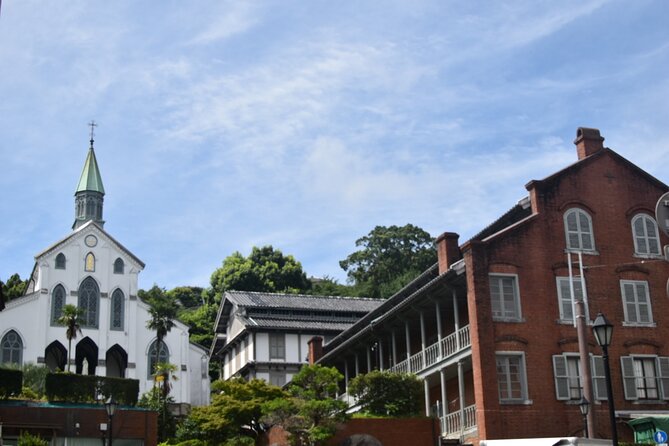
Mt. Inasa is one of Nagasaki’s signature viewpoints and is especially well known for its night view. The tour allows about an hour here, with admission included. The approach can include a scenic ropeway, according to the available description, although the exact transport method may depend on weather and the operator’s plan.
This is a smart first stop because it gives you a map in your head. Nagasaki is spread across hills and water, and the view helps you see how the city’s port, slopes, and neighborhoods fit together. I would pay close attention to Pene’s explanation here, since the rest of the day becomes easier to follow once you understand Nagasaki’s shape.
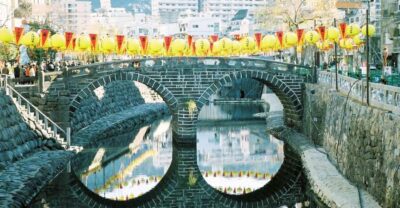
The drawback is weather. Cloud, rain, or poor visibility can take the shine off a hilltop viewpoint, and the tour requires suitable weather. If Mt. Inasa is not practical, alternate sites may include Nishizaka, Suwa Shrine, or Spectacles Bridge.
Do not assume the evening view is part of this experience. The advertised operating hours are 8 a.m. to 6 p.m., and the rest of the itinerary is built as a daytime city tour. You should confirm the departure time if the view is your main reason for booking.
The Atomic Bomb Museum requires time and quiet
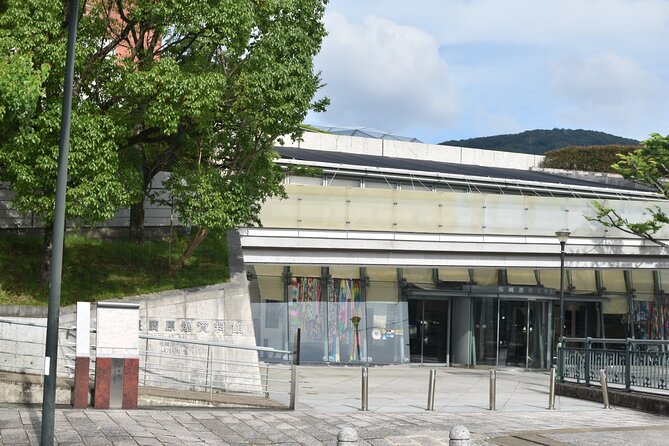
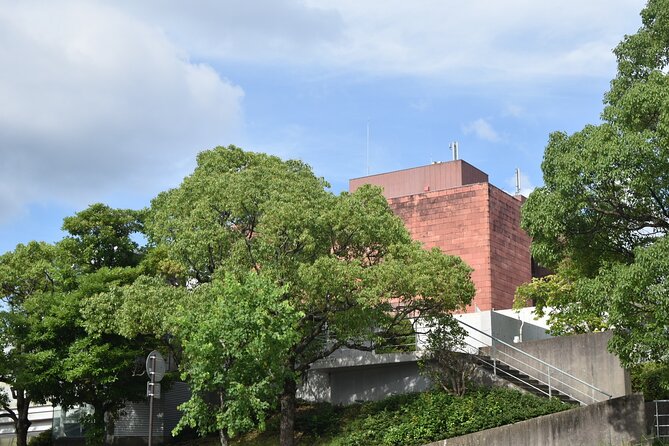
The Nagasaki Atomic Bomb Museum receives about an hour and includes admission. This is the emotional center of the route, and it deserves more than a quick photo stop.
The museum examines August 9, 1945, when the atomic bomb destroyed much of Nagasaki. Its exhibits use artifacts, photographs, and personal accounts to explain the event and its human cost. I appreciate that the tour pairs the museum with the Peace Park rather than treating the subject as one isolated attraction.
An hour gives you a meaningful introduction, but it may not allow you to read every display at length. If you know you want a slow museum visit, tell Pene before the day begins. His willingness to adjust the timing is one of the most useful features of this experience, but flexibility works best when you state your priorities early.
This is also a place where a guide can help with context without trying to talk over the exhibits. The strongest descriptions of Pene emphasize straightforward explanations and a good sense of when to let people look around alone. That balance is valuable here.
Peace Park turns memory into a public message
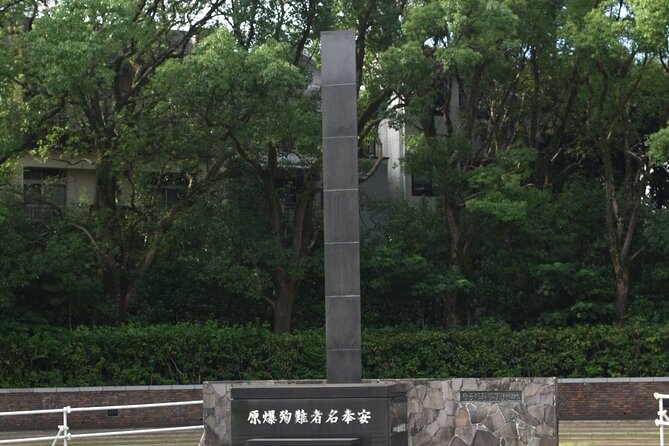
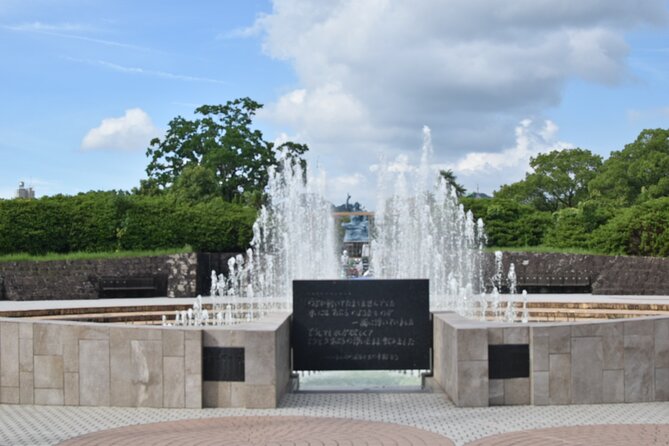
The nearby Peace Park receives about 30 minutes, with no admission charge. The park is a memorial to those killed by the bombing and a public call for peace. Its large Peace Statue gives the space a clear visual focus.
Half an hour is enough to see the main area and pause at the statue, but it is not a long park visit. The tour’s schedule treats the museum as the place for detailed exhibits and the park as a place for reflection. That division makes sense.
You may find this part of the day more affecting than expected. The museum gives you evidence and personal stories; the park gives you room to process them. I would resist rushing through simply because the stop is short. If this subject is central to your visit, ask whether the schedule can allow extra time here at the expense of a less important stop.
A completely different kind of day out:
- Nagasaki Half-Day Private Tour with Government-Licensed Guide
★ 5.0 · 53 reviews - Visit Gunkanjima Island (Battleship Island) in Nagasaki
★ 4.0 · 32 reviews - Taste Local Life: Nagasaki’s Historical Street Walking Tour
★ 5.0 · 27 reviews - Nagasaki Full Day Tour with Licensed Guide and Vehicle
★ 5.0 · 27 reviews
Dejima explains Nagasaki’s international past
Dejima was a fan-shaped artificial island used as a Dutch trading post during Japan’s isolation era. The site offers a direct link to the period when Nagasaki served as Japan’s controlled window to the outside world.
The planned visit is about 15 minutes, which is brief. That timing suggests an outside orientation or a quick look rather than a full exploration of the reconstructed site. The supplied admission details also list Dejima as not included, even though the overall tour description says entrance fees for listed places are covered. I would ask the operator to clarify this before booking so you are not surprised by a separate ticket.
Even with limited time, Dejima adds something important to the day. Without it, you might see Nagasaki mainly through war history and Western-style buildings. Dejima shows the older trade story that helped shape the city’s international character.
If you want to study the buildings and displays carefully, this is one of the first places I would request more time. The short scheduled stop may suit someone seeking an overview, not someone with a strong interest in Japan’s foreign trade policy.
Shinchi Chinatown brings food and street life
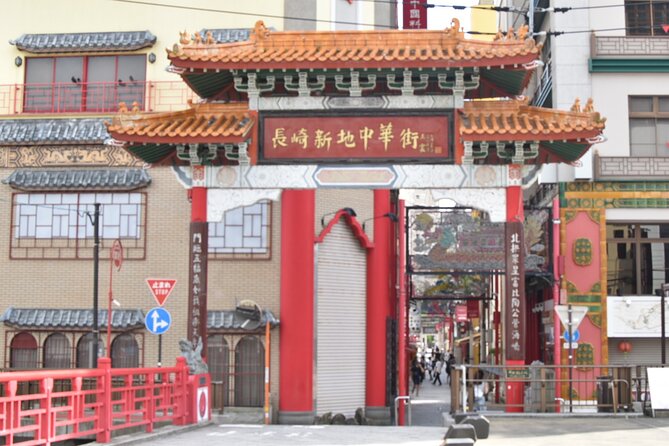
Shinchi Chinatown is described as Japan’s oldest Chinatown, with more than 300 years of history. The 45-minute stop includes time for its colorful gates, streets, architecture, and Chinese influence.
This is a useful change of mood after the Peace Park. You move from memorial spaces into a commercial district where you can look at shops, restaurants, and local food. The tour does not include meals or drinks, but a lunch break can be arranged and a restaurant reserved if requested. You pay for the meal and any reservation costs.
One past group was taken to a restaurant serving Nagasaki-style food and valued having Pene help with ordering. That is a practical advantage, especially if you are unsure how to navigate a Japanese menu. Still, do not treat lunch as automatically included. Ask in advance if you want the guide to arrange it.
Forty-five minutes is enough for a taste of the area, but not a leisurely meal and extensive browsing. If food is a priority, you may need to choose between eating here and keeping every sightseeing stop.
Oura Church tells a story of faith and survival
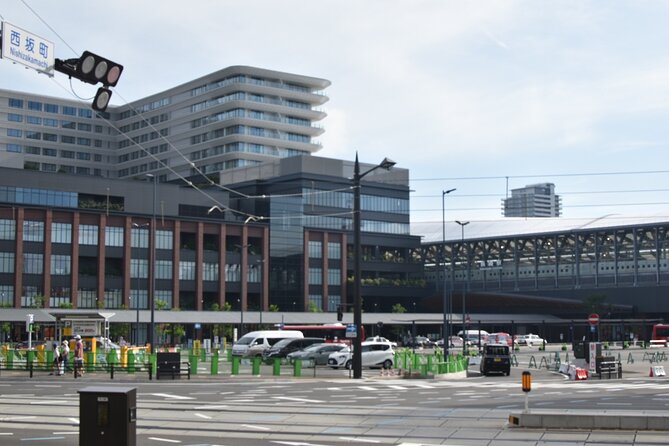
Oura Catholic Church is identified as Japan’s oldest existing Christian church. Built in 1864 by French missionaries, its Gothic design reflects Nagasaki’s long ties with foreign residents and Christian communities.
The tour allows about 50 minutes and includes admission. That is a useful amount of time for seeing the church rather than treating it as a quick exterior photograph. The building also fits naturally with the wider story of Nagasaki, where Christianity arrived, faced suppression, and later reappeared openly.
The church visit is not only about architecture. Its importance comes from what it represents: foreign contact, religious change, and the endurance of faith through difficult periods. Pene’s historical explanations can help connect the building to the city’s wider story.
As with the other major sites, the day includes walking and changes in elevation. Anyone with mobility concerns should contact the operator before booking to check suitability. The tour asks for a moderate level of physical fitness, and that is worth taking seriously.
Glover Garden adds hillside views and Meiji-era buildings
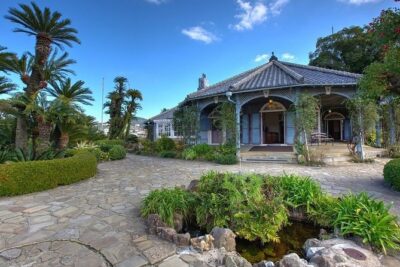
Glover Garden receives about an hour, with admission included. It is a hillside park containing Western-style buildings from the Meiji era, including the Glover Residence, built for Scottish merchant Thomas Glover. The residence is recognized as the oldest Western wooden house in Japan.
This stop gives you another view of Nagasaki’s foreign connections, but in a gentler setting than Dejima or the museum. The old homes, garden paths, and elevated position make it one of the more scenic parts of the day.
An hour should let you see the main buildings and enjoy the setting without turning the visit into a long architectural study. The hillside location also means you should expect some walking. Comfortable shoes and water are sensible, since bottled water is not supplied.
Glover Garden can be especially rewarding after the more serious morning stops. It shows how foreign merchants and residents became part of Nagasaki’s modern development. You see the city’s past not only in exhibits, but in houses and streets you can physically walk through.
How the transport and timing work
The tour lasts approximately four to eight hours, though one past booking extended to eight and a half hours. The listed stop times total roughly five hours and 20 minutes before adding travel, transfers, meals, and any extra time at a favorite site.
That range is important. A four-hour version cannot reasonably give every stop equal attention. An eight-hour version can feel much more complete, especially if you want time at the museum, lunch, or Glover Garden.
Public transportation costs are included. The operator uses a mix of public and private transportation, with the final choice based on the number of people in the group. This keeps the price from being tied to a dedicated car, but it also means the transport experience is not fully fixed in advance.
Emergency taxi rides back to the starting point can be arranged, but you pay the fare. That could matter if you become tired, miss a connection, or need to leave early. The tour normally ends back at the meeting point, so confirm the exact meeting and end location if you are visiting from a cruise ship. Several past itineraries were arranged near the cruise port, including one that ended within walking distance, but that should be confirmed for your booking.
Is $125 a fair price?
At $125 per person, the value depends on how much of the route you complete and the size of your group. The price includes an in-person English or French guide, gratuities, public transportation, and admission fees for the covered sites. Food, drinks, bottled water, and emergency taxi costs are extra.
For a full day with a small group, the price is reasonable. You are paying not only for transportation between scattered areas, but for someone who can explain the city’s difficult history, adapt the schedule, and help with practical matters such as restaurant ordering. The value is strongest for cruise passengers or first-time visitors with one day in Nagasaki.
The calculation is less attractive if your booking is near the four-hour minimum and you want to see all seven stops. You may spend much of the time moving between places, with little room to explore. Ask what the operator expects to cover during your chosen duration.
The group discount option may improve the price for larger parties, but the available information does not specify the discount amount. The maximum group size is 20, so ask how many people are expected on your date if a small-group feel is important to you.
Who should book this experience?
I would recommend this tour to first-time visitors who want Nagasaki’s main themes explained in plain English. It suits families, cruise passengers, and small groups who prefer a guide but do not want a rigid private-car itinerary.
It also suits people who like conversation. Pene is praised for discussing both historical subjects and modern life in Nagasaki, then giving people time to explore independently. That is a better fit for you if you want a human guide rather than a nonstop speech.
Older adults can enjoy it, but you should not mistake patient guiding for a low-effort day. Hills, walking, public transport, and seven stops create a moderate physical demand. Contact the operator first if anyone in your group has mobility challenges.
I would be more cautious if you want a specialist museum tour, a relaxed food tour, or a slow photography day. The schedule covers a lot, and the short Dejima stop in particular may feel too brief for focused study.
Practical tips for a better day
- Tell Pene your top two priorities before the tour begins. The route can change, but time cannot.
- Ask specifically about Dejima admission, since the supplied details describe that ticket differently from the general inclusion statement.
- Request a lunch arrangement in advance if you want a restaurant reservation. Meal costs are separate.
- Bring water, since bottled water is not provided.
- Wear comfortable shoes and expect a moderate level of walking.
- Confirm the meeting point if you arrive by cruise ship. Do not assume pickup or a port-side finish without checking.
- Keep the weather forecast in mind. Mt. Inasa and other outdoor areas are less appealing in poor conditions, and bad weather can lead to a different date, alternate sites, or a refund.
- If you need to cancel, do so at least 24 hours before the start time for a full refund. Changes made within 24 hours are not accepted.
FAQ
How much does the Semi-Private Guided Tour of Nagasaki cost?
The listed price is $125 per person. Group discounts are available, though the amount is not specified.
How long does the tour last?
The tour lasts approximately four to eight hours. One past itinerary lasted eight and a half hours.
What languages does the guide speak?
The included in-person guiding is available in English and French. The guide has also tried to explain information in Spanish for a member of one group.
Is transportation included?
Public transportation costs are included. The operator may use a mix of public and private transportation, depending on the number of participants.
Are attraction admission fees included?
Admission is included for the covered places listed by the operator. The itinerary details specifically mark Dejima admission as not included, so you should confirm that point before booking.
Is lunch included?
No. A lunch break can be arranged, and a restaurant can be reserved if requested, but you pay for the meal and booking costs.
Is bottled water provided?
No. Bottled water is not included.
Where does the tour end?
The activity ends back at the meeting point. If you are arriving by cruise ship, confirm the exact meeting point and end location with the operator.
Is the tour suitable for people with mobility challenges?
The tour requires a moderate level of physical fitness. People with mobility challenges should contact the operator to check whether the route is suitable.
What happens if bad weather cancels the tour?
If poor weather causes cancellation, you will be offered a different date or a full refund. The tour also requires a minimum number of participants, and a cancellation for that reason brings an offer of another date or experience, or a full refund.
Should you book the Nagasaki tour?
Book it if you want one guide to connect Nagasaki’s major sights into one readable story. The combination of Pene Dalton’s patient style, flexible scheduling, included transport, and broad route makes the $125 worthwhile for a full day, especially when your time in port is limited.
Before paying, confirm three things: the expected group size, the exact meeting point, and whether Dejima admission is extra. If you want a slow museum visit or a relaxed lunch, say so at the start and accept that another stop may need to go. For most first-time visitors seeking an informed, adaptable day in Nagasaki, this is a strong choice.
Just added in Nagasaki
- Huis Ten Bosch Ticket★ 4.7 · 4,465 reviews
- Nagasaki Private Historical Tour with Licensed Guide★ 5.0 · 13 reviews
- Traditional Kimono Experience in Nagasaki★ 5.0 · 16 reviews
- Taste Local Life: Nagasaki’s Historical Street Walking Tour★ 5.0 · 27 reviews
- Private Ring Craft Experience in Nagasaki★ 5.0 · 14 reviews
- Nagasaki Private Customizable Half Day Tour★ 5.0 · 16 reviews
- Nagasaki WW2 History and Culture Tour★ 5.0 · 19 reviews
- Nagasaki Street Food Adventure: Private Walking Tour with a Local★ 5.0 · 26 reviews
Nagasaki Tours, compared.
Nagasaki Full-Day Private Tour with Government-Licensed Guide
Read our review →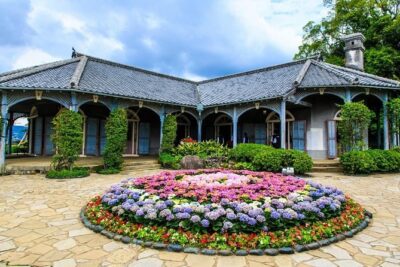
Nagasaki Half-Day Private Tour with Government-Licensed Guide
Read our review →
Visit Gunkanjima Island (Battleship Island) in Nagasaki
Read our review →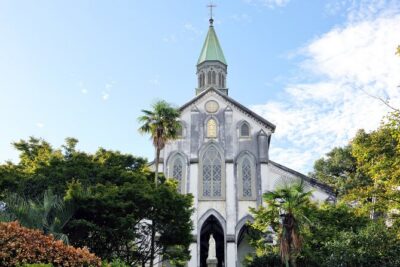
Nagasaki Full Day Tour with Licensed Guide and Vehicle
Read our review →
Taste Local Life: Nagasaki’s Historical Street Walking Tour
Read our review →
Nagasaki Street Food Adventure: Private Walking Tour with a Local
Read our review →Browse the lists this tour appears in