
Reviewed · SUMO EXPERIENCES
Official Sumo Tournament Ticket with Guided Experience
Sumo turns sport into ceremony. This five-hour Tokyo experience combines a short history lesson, a guided look at Ryogoku Kokugikan, and a reserved seat for an official tournament, giving you useful context before the bouts begin. I especially like the expert guidance, which helps first-time spectators follow the rules and rituals, and the reserved second-floor seating, which removes much of the stress of securing a ticket yourself.
The main drawback is the price: $209 per person is a serious outlay for a few hours of entertainment, and food and drinks are not included or allowed inside the stadium. The experience is also non-refundable, so you need to be sure of your date before paying.
This is a small-group outing, limited to 25 people, with guides such as George, Cesar, Lily, and Ethan praised for their warmth, organization, and clear explanations. If you have tried to buy sumo tickets through official channels, you may find the added cost easier to accept. You are paying for access, a reserved place, and help making sense of a sport that can seem puzzling at first.
In This Review
- Key points to know before you book
- Why live sumo is worth your time
- Starting at Former Yasuda Garden
- A guided look inside Ryogoku Kokugikan
- Three hours of official tournament action
- What the guide adds to the ticket
- Is $209 a fair price?
- Timing, transport, and group size
- Who will enjoy this experience most?
- Small details that make the day easier
- Should you book this Tokyo sumo tour?
- FAQ
- Where does the sumo experience begin?
- Where does the experience finish?
- How long does the experience last?
- What kind of seat is included?
- Can I bring food and drinks into the stadium?
- Are photos allowed during the tournament?
Key points to know before you book
- You begin at Former Yasuda Garden, where a 30-minute introduction sets up the cultural background before you enter the arena area.
- The guided stadium walk lasts about 30 minutes, covering sumo customs, rankings, curious facts, and the history of the sport.
- Your tournament ticket is for a second-floor B or C class seat, depending on the option selected.
- The live tournament portion lasts about three hours, though you can enjoy the event for as long as you like after the guided portion ends.
- Food and drinks are not allowed inside the stadium, and none are included in the price.
- The experience is best for first-time sumo spectators who want explanations as well as a seat in the arena.
Why live sumo is worth your time
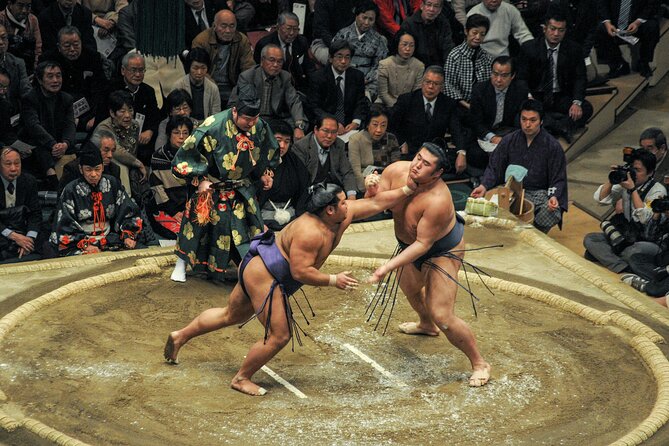
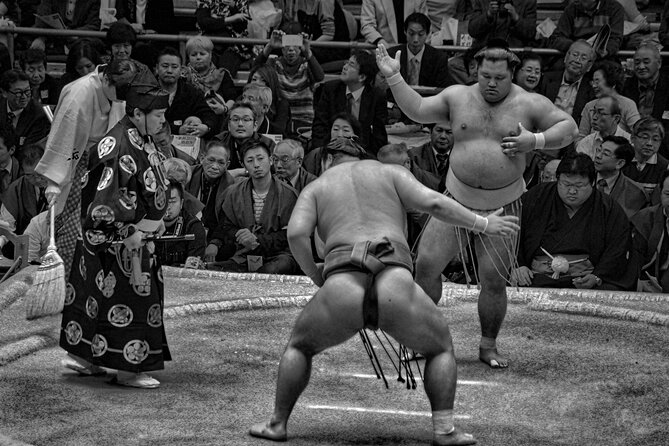
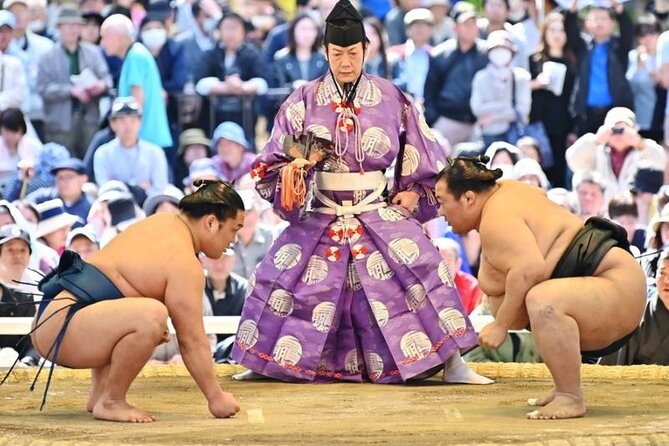
Sumo is easy to misunderstand if you see only a few seconds of it on television. Two wrestlers step forward, perform formal movements, and then one bout can end almost instantly. In the arena, you see that the contest is only one part of the event.
The slow preparation matters. The wrestlers follow ritual actions before fighting, and the ceremony gives the match a very different mood from an ordinary sporting event. The guide helps you notice what is happening instead of simply waiting for the collision.
I like that this experience treats sumo as part of Japanese culture, not just a wrestling show. You learn about discipline, rank, rules, and ceremony, then watch those ideas play out in front of you.
The live setting also gives the sport weight. An official tournament at Ryogoku Kokugikan is not a staged demonstration for visitors. You are watching a real competition in Japan’s best-known sumo venue, surrounded by local interest in the results.
More Sumo Experiences in Tokyo
- Tokyo: Sumo Show Experience with Chicken Hot Pot and a Photo
★ 4.8 · 6,678 reviews - Tokyo: Sumo Live Show with Photo in Shinjuku
★ 5.0 · 3,438 reviews - Tokyo: Sumo Show and Dining Experience
★ 4.8 · 2,742 reviews
Starting at Former Yasuda Garden
The meeting point is Former Yasuda Garden at 1-chome-12-1 Yokoami in Sumida City. The first stop lasts around 30 minutes and is free of charge.
This opening talk is useful because it gives you a framework before the arena becomes busy and exciting. You can ask basic questions early, then listen for the answers during the tournament. If you know little about sumo, this is the point where the sport begins to make sense.
The garden also gives the experience a calmer beginning than meeting directly at the stadium entrance. You have time to gather with the group and get oriented before moving on to Ryogoku Kokugikan.
The tour description does not provide a detailed account of the garden itself, so you should think of this stop mainly as an introduction rather than a full garden visit. If your main goal is to spend every possible minute watching matches, the opening talk adds time before the action. For most first-time visitors, that trade is worthwhile.
A guided look inside Ryogoku Kokugikan
The next stop is Ryogoku Kokugikan, the major sumo arena in Tokyo. The guided stadium walk lasts about 30 minutes and covers the sport’s customs, rules, ranking system, history, unusual facts, and entertaining stories.
That half-hour can make a big difference. Sumo has its own vocabulary and structure, and the ranking system affects how you understand each bout. Without an explanation, it is easy to watch the wrestlers enter the ring without knowing why the order, rituals, or status of the competitors matter.
The guide is also there to answer questions while the details are fresh. George received praise for being friendly and clear, while Cesar was valued for explaining the past and culture of sumo. Lily was described as warm, energetic, and passionate about the subject. Ethan was praised for keeping the activity organized while bringing together history, culture, and sport.
Those personal qualities matter. A dry lecture could make the first hour drag, but a guide who welcomes questions can help you get your bearings fast. Several of the guides have been praised for making the experience both educational and fun, which is exactly what you want when the subject is unfamiliar.
The stadium walk should not be confused with a long behind-the-scenes visit. The provided schedule gives you 30 minutes for the guided tour, so expect an introduction to the venue and the traditions of sumo rather than an extensive access-all-areas tour.
Three hours of official tournament action
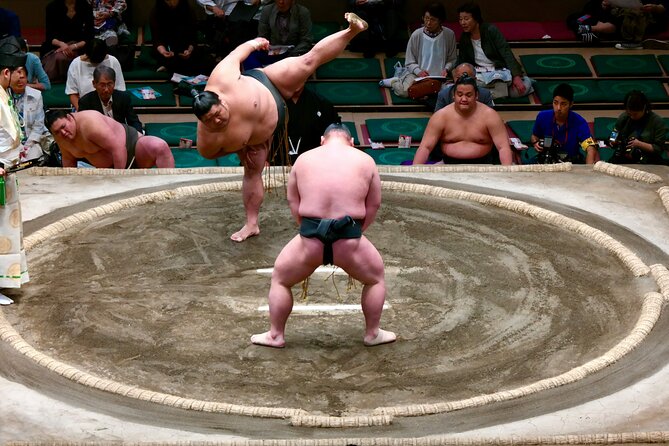
After the introduction and stadium walk, you take your seat for roughly three hours of live sumo. Your ticket is reserved seating in B or C class on the second floor, depending on the option you choose.
The second floor is an important practical detail. It does not put you closest to the ring, but it gives you a reserved place in a large arena. You do not have to worry about finding an open seat or trying to buy a ticket after arriving in Tokyo.
From that position, you can follow the ring, the wrestlers, and the wider atmosphere of the arena. You may not get the close-up view that a premium ringside seat offers, but B or C class is a reasonable compromise for a visitor who wants to attend an official tournament without paying for the most expensive seating.
The schedule lists around three hours for the tournament portion, but the final instructions say you can enjoy the tournament for as long as you like. That gives you flexibility. You can stay longer if the day’s action has your attention, or leave after the portion you most want to see.
A guide can also help during the matches. One particularly useful detail from the feedback is that guides answered questions while the tournament was underway. That means you are not limited to one explanation at the beginning. When you see an unfamiliar ritual or wonder why a wrestler has a certain rank, you have someone to ask.
A completely different kind of day out:
- Tokyo Disney Resort – Tokyo Disneyland & Tokyo DisneySea Park Tickets
★ 4.8 · 99,488 reviews - SHIBUYA SKY Ticket
★ 4.7 · 46,509 reviews - JR Whole Japan Rail Pass
★ 4.8 · 29,150 reviews - Mt Fuji and Hakone 1-Day Bus Tour Return by Bullet Train
★ 5.0 · 26,383 reviews
What the guide adds to the ticket
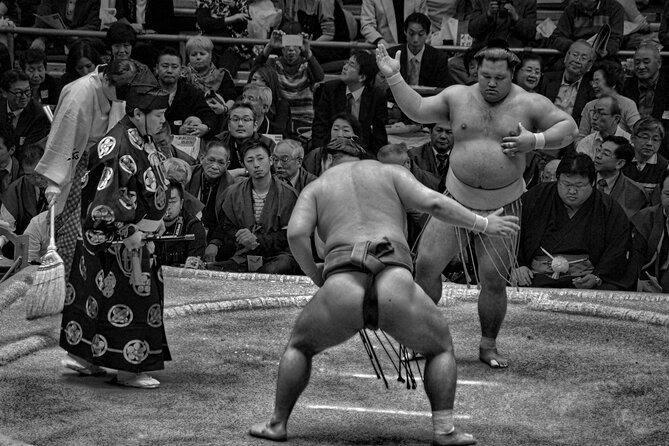
The ticket alone gets you into the arena, but it may not tell you how to read the event. This is where the guided format earns its keep.
I like the balance between instruction and independent viewing. You receive a planned introduction, then watch the tournament yourself from a reserved seat. The guide is not described as providing constant commentary over every bout, so you still have space to experience the event in your own way.
That is a better arrangement than being talked at for five hours. Sumo has quiet moments, sudden bursts of action, and formal pauses. You can listen when you need help and focus on the ring when you want to watch.
The strongest praise has gone to the guides’ attitude as much as their subject knowledge. George was described as prompt, organized, and helpful. Cesar’s explanations added meaning to the event. Lily’s enthusiasm encouraged one group to move from simple curiosity to loud support for the wrestlers.
You should not assume that a particular guide will lead your departure. Names such as George, Cesar, Lily, and Ethan have all been associated with strong experiences, but guide assignment can vary. The important point is that the experience includes a professional guide who explains the traditions and answers questions.
Is $209 a fair price?
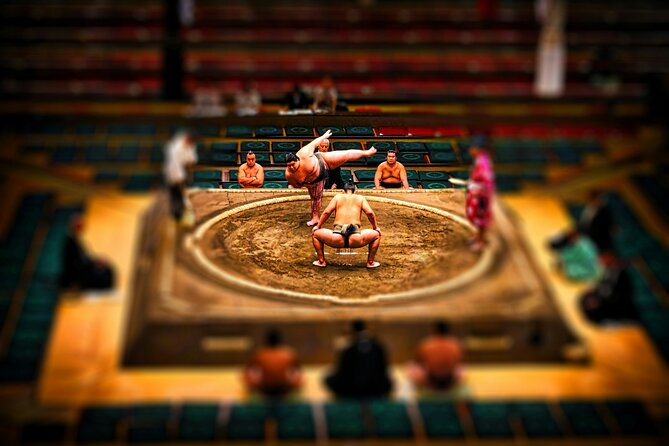
At $209 per person, this is not a cheap afternoon. The value depends on how difficult it would be for you to obtain a suitable ticket independently and how much help you want understanding the sport.
Sumo tournament tickets can be difficult to secure through official sales channels, especially if your Japan trip has fixed dates. This experience packages a tournament ticket with a guide and a reserved second-floor seat. For someone who has already struggled to find availability, that convenience has real value.
You are not paying only for transport or an entrance fee. You are paying for access to a major cultural event, a reserved place, and an explanation of what you are seeing. That makes the price easier to justify for a first visit.
Still, the value is weaker if you already understand sumo and can secure your own ticket. In that case, you may prefer to attend independently and spend less. The tour is aimed most clearly at people who want a reliable ticket and an informed introduction.
Food and drinks are not included, and you cannot bring them into the stadium. That means you should plan your meal around the event rather than expecting the ticket price to cover refreshments. The provided details do not specify meal arrangements, so do not book this expecting lunch or snacks to be part of the package.
Timing, transport, and group size
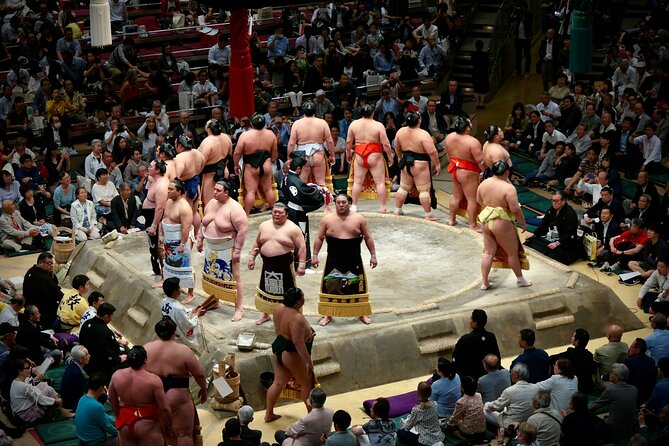
The total duration is about five hours. The listed schedule allows 30 minutes at Former Yasuda Garden, 30 minutes for the stadium introduction, and around three hours watching the tournament. Since you can remain at the tournament for as long as you like, the day may not feel tightly cut off once the guided part ends.
Both meeting and finishing points are in the Ryogoku area. You begin at Former Yasuda Garden and finish at Ryogoku Kokugikan Sumo Arena at 1-chome-3-28 Yokoami. The area is near public transportation, which makes the meeting point practical for a Tokyo itinerary.
The group can contain up to 25 people. That is small enough for questions to be possible, though it is not a private tour. If every person wants individual help at the same time, you may need to wait briefly.
The activity is suitable for most people, according to the supplied participation information. Photos are allowed, but flash and bulky equipment that blocks another person’s view are not acceptable. You should also keep your voice down and avoid shouting or behavior that disturbs other spectators.
These rules are more than formalities. Sumo is a shared public event, and the audience is expected to respect the wrestlers and people around them. You can enjoy the drama without treating the arena like a football stadium.
Who will enjoy this experience most?
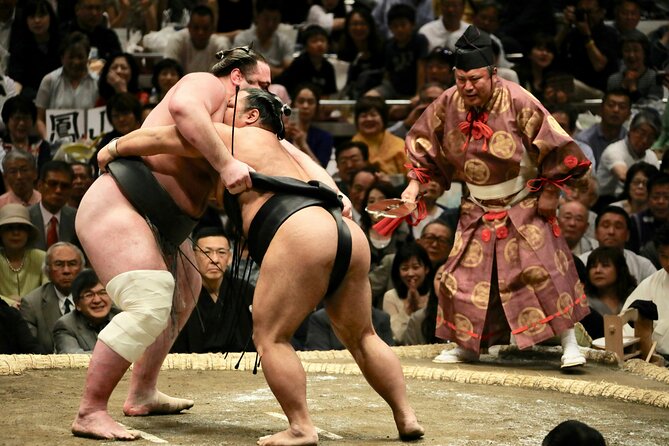
I would recommend this outing to a first-time sumo spectator, especially if you are visiting Tokyo during an official tournament and do not want to gamble on finding a ticket. The guide gives you the basic tools to follow the action, while the reserved seat takes away much of the uncertainty.
It also suits anyone interested in Japanese customs, not just sport. The combination of history, ceremony, ranking, and competition gives you a wider look at the culture around sumo.
Families and mixed-interest groups may also find the format useful. One person can enjoy the athletic contest, another can focus on ceremony and tradition, and the guide can help both follow along.
I would be more cautious if you are looking for an inexpensive event or a premium close-up seat. The $209 price is high, and B or C class is second-floor seating rather than a top-tier ringside position.
You should also skip it if your schedule is uncertain. The ticket is non-refundable and cannot be changed for any reason. Since official tournaments take place only on select dates, check your Tokyo plans carefully before committing.
Small details that make the day easier
Arrive prepared to spend several hours focused on the event. Since food and drinks are not permitted inside the stadium, eat beforehand or plan for food outside the arena.
Keep your camera equipment modest. Photos are allowed, but flash and large equipment that obstructs views are not. A small camera or phone is the sensible choice.
Use the first hour well. Ask your basic questions at the garden or during the stadium walk, then use the tournament to test what you have learned. Sumo becomes far more enjoyable when you recognize the meaning behind the gestures and rankings.
Finally, treat the reserved seat as part of the value. You are not simply buying a seat in a building. You are buying certainty on a difficult-to-plan date, plus help understanding an event that can otherwise pass in a blur of ceremony and sudden action.
Should you book this Tokyo sumo tour?
Book it if you want an official tournament experience but do not want to handle the ticket hunt alone. The combination of a reserved second-floor seat, a 30-minute stadium introduction, and an expert guide makes the day easier to follow and more rewarding for a first visit.
I would especially consider it when your Tokyo dates match a tournament and independent ticket sales have not worked out. Guides including George, Cesar, Lily, and Ethan have been praised for being warm, organized, and engaging, which is a major part of the appeal.
Skip it if $209 feels too high, if you want ringside seating, or if you already know enough about sumo to manage the event yourself. For everyone else, this is a practical way to see one of Japan’s most distinctive traditions with enough explanation to turn a puzzling match into a memorable cultural experience.
FAQ
Where does the sumo experience begin?
The meeting point is Former Yasuda Garden at 1-chome-12-1 Yokoami, Sumida City, Tokyo 130-0015, Japan.
Where does the experience finish?
The guided experience ends at Ryogoku Kokugikan Sumo Arena at 1-chome-3-28 Yokoami, Sumida City, Tokyo 130-0015, Japan. You can enjoy the tournament for as long as you like.
How long does the experience last?
The total duration is approximately five hours. The schedule includes 30 minutes at Former Yasuda Garden, 30 minutes for a guided stadium walk, and about three hours watching the live tournament.
What kind of seat is included?
The ticket provides a reserved B or C class seat on the second floor, depending on the option selected.
Can I bring food and drinks into the stadium?
No. Access to the stadium with food and drinks is not permitted, and food and drinks are not included.
Are photos allowed during the tournament?
Yes, photos are allowed without flash or bulky equipment that blocks another spectator’s view. Loud or disrespectful behavior should also be avoided.
Just added in Tokyo
- Manga Lesson with a Professional Japanese Manga Artist in Nakano★ 5.0 · 77 reviews
- Making a bento box with cute character look in Japan★ 5.0 · 15 reviews
- Tokyo/Ikebukuro Manga drawing workshop by pro-Manga artists★ 5.0 · 65 reviews
- Luxury Tokyo Sake, Cocktail, Whisky and Pairing Tour★ 5.0 · 18 reviews
- Tokyo Ueno Food & Nature & Localtown Tour: 10Dishes+ Drinks★ 5.0 · 34 reviews
- Make Your Own Bonsai with a Professional Bonsai Artist in Tokyo★ 4.5 · 18 reviews
- Make Traditional Nerikiri Sweets & Matcha experience in Shibuya★ 5.0 · 130 reviews
- Daikoku Parking Tokyo Drift & APIT Car Meet JDM Culture Tour★ 5.0 · 79 reviews
Sumo Experiences, compared.
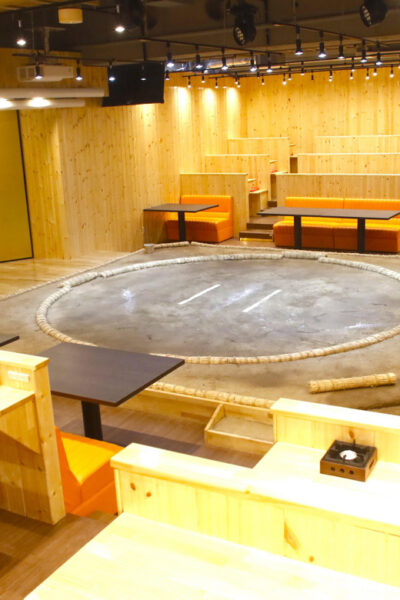
Sumo Show Experience with Chicken Hot Pot and a Photo
Read our review →
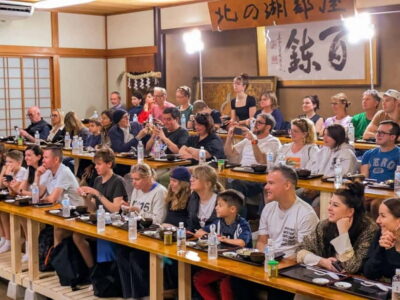
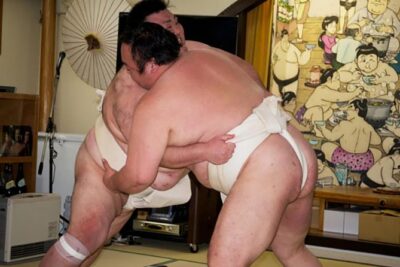
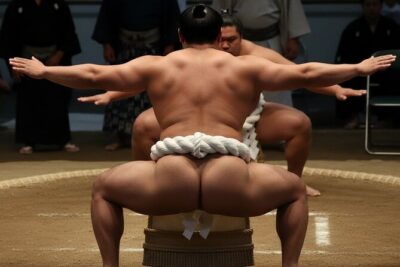
Tokyo Shinjuku Sumo Show & Experience with Photo
Read our review →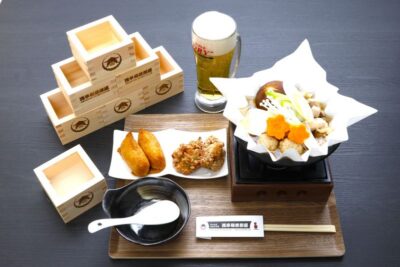
Asakusa Sumo Club Sumo Show Admission with Chankonabe in Tokyo
Read our review →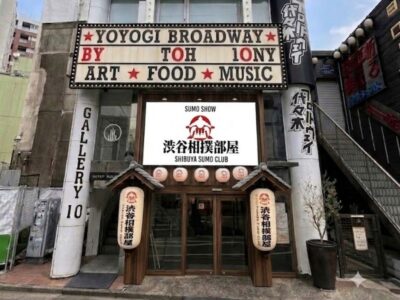
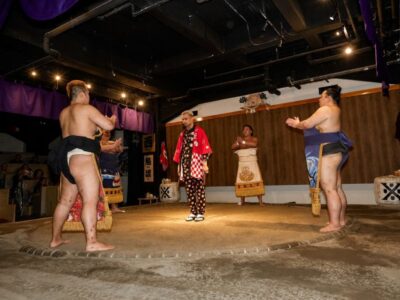
Tokyo Ginza Sumo Experience: Performance vs Pure Practice
Read our review →Browse the lists this tour appears in