
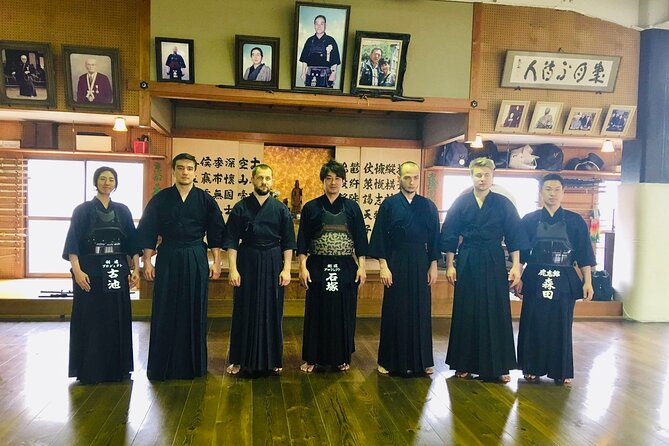
Reviewed · CASTLES AND HISTORIC SITES
Osaka 2-Hour Genuine Kendo / Samurai Experience In Japan
Kendo turns history into a workout. This two-hour class in Osaka gives you a friendly introduction to Japanese swordsmanship without requiring previous training. You learn the customs behind the art, practice basic footwork and strikes, and may finish with light sparring in full protective gear.
I like the small group limit of seven, since it gives the instructor room to correct your stance and answer questions. I also like the clear English instruction and the cultural side of the lesson, including manners, discipline, and the spiritual ideas behind kendo. The main thing to consider is the physical effort. You should expect to sweat, especially in Osaka’s hot summer months, and a moderate level of fitness is recommended.
The class begins at 10:00 a.m. at Shigino Hall in Osaka’s Joto Ward and returns to the same meeting point. All kendo equipment, bottled water, and a souvenir towel are included. At $118.89 per person, it is not a budget activity, but the small class, personal coaching, and chance to spar make it a fair choice for anyone seeking more than a quick photo opportunity.
In This Review
- Key details before you book
- What makes this Osaka kendo class different
- Meeting at Shigino Hall at 10:00 a.m.
- Learning etiquette before swinging a sword
- Footwork, posture, and the first strikes
- Putting on the gear and meeting the challenge
- The part most people look forward to: light sparring
- The value of $118.89 per person
- Who should book this experience
- Practical ways to enjoy the two hours
- Should you book the Osaka kendo experience?
- FAQ
- Where does the Osaka kendo experience begin?
- What time does the class start?
- How long does the kendo class last?
- Where does the experience end?
- Is the instructor able to teach in English?
- How many people can join the class?
- Is kendo equipment included?
- Are water and a souvenir included?
- Can I cancel for a full refund?
Key details before you book
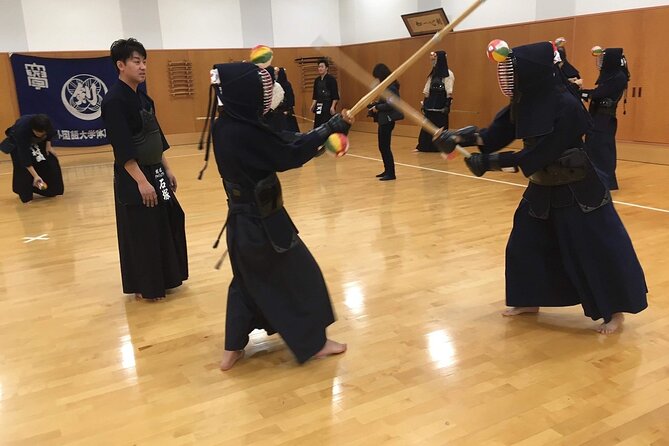
- Small classes of up to seven: You get more attention than in a large demonstration, and some sessions may feel almost private.
- A full two-hour lesson: The time covers etiquette, cultural background, footwork, strikes, equipment, and practice bouts.
- English-speaking instruction: You can follow the explanations without needing Japanese language skills.
- Full equipment included: You do not need to bring kendo armor or practice gear.
- A workout with cultural context: You learn about manners and discipline as well as how to hit a target.
- Easy train access: The hall is near public transportation, and the 10:00 a.m. start leaves room for a morning activity beforehand.
What makes this Osaka kendo class different
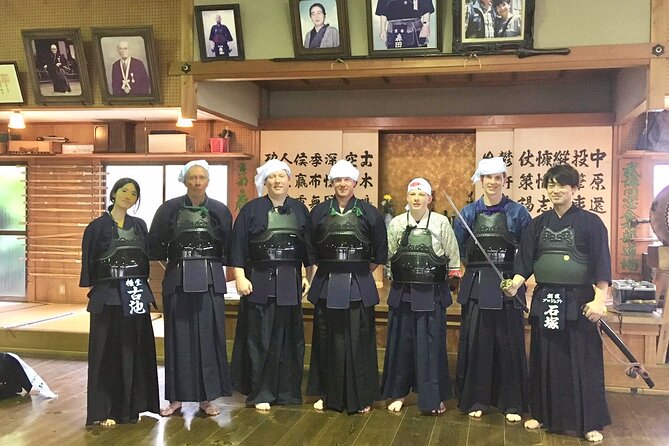
Many martial arts activities in Japan are designed mainly for photographs. This one aims to teach you the basic structure of kendo. That difference matters. You are not simply handed a bamboo sword and asked to pose. The lesson introduces the reasons behind the movements, the role of etiquette, and the way kendo links the mind, body, and technique.
The class presents kendo through three broad ideas: unifying your spirit, showing proper manners, and treating kendo as a lifelong practice. You will not master those ideas in two hours, of course. You can, however, see how they shape the lesson. The bowing, careful handling of equipment, posture, and controlled movement are part of the art, not decoration added for tourists.
I especially like that the experience includes both cultural explanation and physical practice. You get enough background to understand why the class begins with discipline and form rather than rushing straight into combat.
More Castles and Historic Sites in Osaka
- Osaka Castle: Museum and Tower Entry Ticket
★ 4.5 · 2,380 reviews - Ultimate Osaka Walking Tour: Castle, Dotonbori & Hidden Gems
★ 5.0 · 862 reviews - Osaka Castle Walking Tour and Castle Tower Admission
★ 5.0 · 561 reviews
Meeting at Shigino Hall at 10:00 a.m.
Your morning begins at Shigino Hall, located at 1-chome 18, Shiginonishi, Joto Ward, Osaka, postal code 536-0014. The activity ends at this same meeting point, so you do not need to arrange a separate ride back to your hotel or another Osaka attraction.
The hall is near public transportation, and getting there by train is described as easy. I would still allow extra time to find the exact building. The address includes Japanese place details that can be useful in a map app, and arriving early gives you a calmer start before a class that asks for concentration.
The 10:00 a.m. schedule works well for many itineraries. You can take the lesson before spending the afternoon around Osaka, though you should plan for the possibility of feeling pleasantly tired afterward. Since the class lasts about two hours, your session should finish around noon.
A mobile ticket makes the booking simple. Confirmation is provided at booking, so keep the ticket available on your phone when you arrive.
Learning etiquette before swinging a sword
The first part of the lesson focuses on what makes kendo different from casual swordplay. You learn basic etiquette and the proper attitude toward the practice. This may include how to behave in the training space, how to show respect, and how to approach the equipment.
That opening is valuable because kendo can look aggressive from the outside. In practice, control matters as much as force. The instructor introduces the idea that the goal is not only to hit and compete, but also to develop self-control, awareness, and good manners.
The English-speaking instructor helps make these points accessible. The class is intended for beginners, and the teaching style is step by step. Hiroki and Yama are among the instructors praised for making the material easy to follow, while other sessions have featured a patient and enthusiastic sensei who adjusted the pace to the group.
You should not feel embarrassed if the terminology or movements seem unfamiliar at first. The class is built for people who have never trained in kendo. The small size also helps, since the instructor can spend more time showing you what to do rather than giving a single speech to a large crowd.
Footwork, posture, and the first strikes
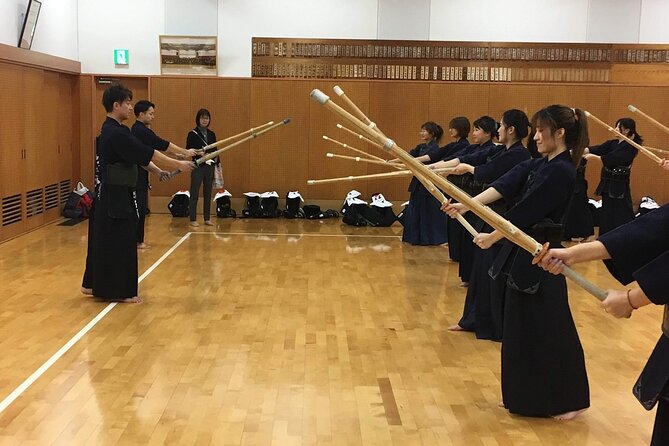
After the introduction, you begin working with the basic movements. Footwork is central to kendo, and it may feel less natural than the striking itself. You learn how to position your body, move with control, and coordinate your hands and feet.
The class also covers different strikes and core techniques. You should expect repetition here. That is a good thing. Kendo depends on clean movement, and two hours is enough time to get a physical sense of the basics, but not enough to skip practice and still understand the form.
I like this stage because it gives you a better appreciation for what you see in demonstrations or competitions. A fast strike can look simple until you try to keep your posture, footwork, grip, and timing together. The instructor’s job is to break that movement into manageable pieces, and the small-group format gives you a better chance of receiving corrections.
The workout builds gradually. You may not feel exhausted at the start, but the repeated movements and protective gear can make the class demanding. Bring the mindset of a beginner’s fitness session rather than a quiet museum visit.
A completely different kind of day out:
- Osaka Go Karting Tour with Funny Costume
★ 5.0 · 2,658 reviews - Osaka: Shinsekai Food Tour with 13-15 Dishes at 5 Eateries
★ 4.8 · 2,204 reviews - Osaka Food Tour: 13 Dishes at 5 Local Eateries
★ 5.0 · 2,149 reviews - Hungry Osaka Street Food Tour:15 Tastings & 3 Drinks with a Local
★ 5.0 · 1,727 reviews
Putting on the gear and meeting the challenge
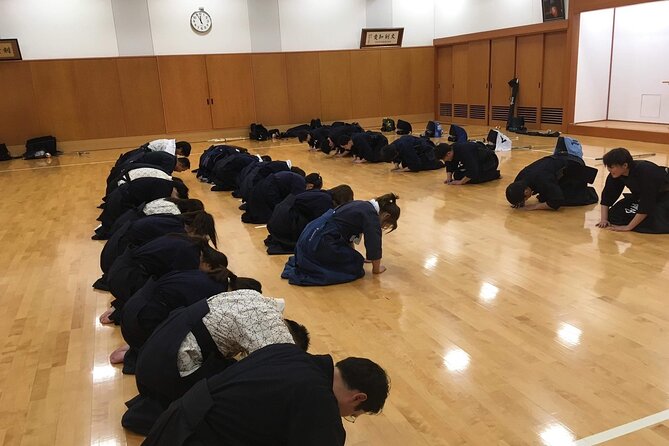
All necessary kendo equipment is provided, which makes the class easier for visitors who are packing light. You do not need to buy or rent protective equipment separately, and the included setup lets you experience more of the sport than a simple practice with a bamboo sword.
The equipment also changes your understanding of kendo. Once you put on the full gear, the activity feels more serious and physical. You need to move carefully, listen closely, and respect the instructions. The armor offers protection, but it does not remove the need for control.
The class includes bottled water, a practical touch after repeated drills. You also receive a free kendo towel, which is a small but useful souvenir. Given the comments about sweating, you will appreciate having it during the session, particularly in August or other warm weather.
The heat is the clearest seasonal drawback. One participant specifically found an August class hot and suggested choosing cooler weather for a repeat visit. You can still enjoy the activity in summer, but you should be ready for a workout and should not treat the bottled water as a substitute for arriving well hydrated.
The part most people look forward to: light sparring
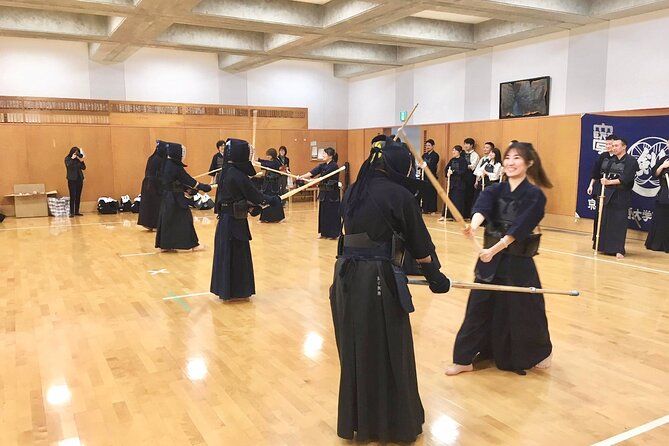
The lesson builds toward short practice battles. This is where the earlier work on etiquette, stance, and footwork begins to make sense. You may practice against the instructor or another person in your group, depending on the class size and the session.
The sparring is described as light and beginner-friendly, not as an intense competition. That balance is important. You get the thrill of facing an opponent while still working within a controlled lesson. Some beginners have reached short bouts in full gear by the end of the two hours.
I would consider this the strongest reason to choose the class over a basic cultural demonstration. You do not just learn about kendo from the sidelines. You get to feel how distance, timing, and movement work when another person is in front of you.
Your experience will depend partly on the group. A class of four gives everyone room to practice, while a session with only two participants may feel like a private lesson. A full group of seven is still small, but you may spend a little more time waiting for turns during certain drills.
The instructor’s approach helps here. The teaching is described as kind, patient, encouraging, and attentive. That matters when you are wearing unfamiliar equipment and trying a new sport in front of strangers. You want corrections that help rather than make you feel awkward.
The value of $118.89 per person
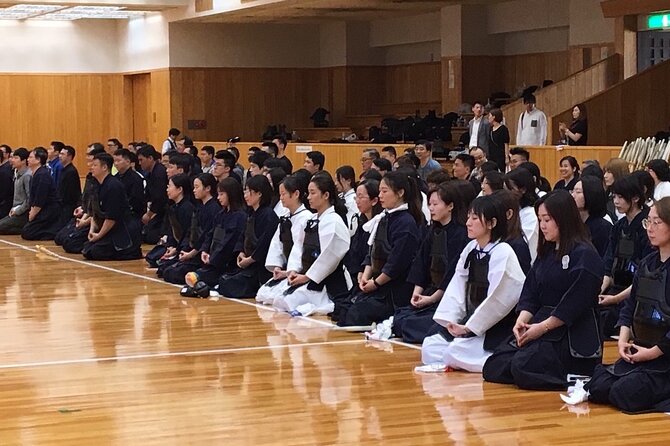
At $118.89, this is a premium two-hour activity. You are paying more than you would for a short, self-guided cultural stop, but the price covers several things that are easy to overlook: an English-speaking instructor, all kendo equipment, a small group, bottled water, and the towel.
The strongest value comes from personal instruction. A class capped at seven is much more useful for learning than a large session where you simply copy movements from the back row. If your group is small, you may receive close to private coaching without paying a separate private-tour price.
The class also combines three experiences in one: cultural explanation, martial arts instruction, and exercise. If you want a polished photo in samurai-style clothing, another activity may suit you better. If you want to understand the discipline and try the movements yourself, this price is easier to justify.
Booking an average of 38 days ahead suggests that you should not leave this until the last morning of your Osaka stay. The class has a small capacity, so popular dates may fill early. Free cancellation is available if you cancel at least 24 hours before the local start time. Changes or cancellations inside that window are not accepted for a refund.
Who should book this experience
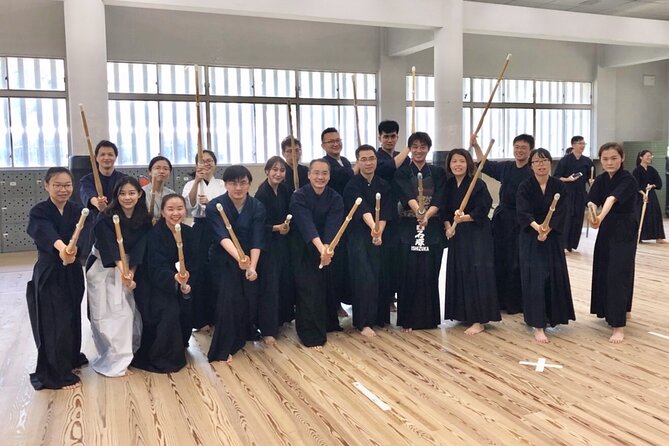
I would recommend this class to first-time visitors who want a hands-on look at Japanese sporting culture. It suits solo participants, couples, friends, and families with older children. A 13-year-old has taken part successfully with a parent, but the activity still requires a moderate level of physical fitness.
Solo visitors can fit in comfortably. The small-group setting makes it easier to meet other participants, and the lesson gives you a shared activity rather than a passive tour. Friends may enjoy it even more, since you can practice together and face one another during the light sparring.
It is also a good choice for people who enjoy learning the meaning behind a tradition. You hear about kendo’s cultural and spiritual side while practicing its core moves. That mix gives the class more substance than a short staged samurai performance.
I would think twice if you dislike exercise, have trouble with sustained movement, or are looking for a relaxed indoor activity. The class is not presented as physically effortless. You can expect to sweat, and summer heat may make the work harder.
Practical ways to enjoy the two hours
Arrive early enough to find Shigino Hall without rushing. Keep your mobile ticket ready, and wear something suitable for movement since the lesson involves footwork, strikes, and protective equipment.
Take the etiquette seriously. It may be tempting to focus only on the sword techniques, but the manners and controlled behavior are a major part of what you are paying to learn. Listening carefully at the start will make the later drills more meaningful.
Expect to repeat basic movements. Kendo rewards precision, and a beginner class should spend time on fundamentals before sparring. If you are hoping for a dramatic battle from the first minute, you may find the opening slow. If you want to understand the sport, that careful pace is a benefit.
Plan your day with some flexibility after class. The session finishes back at the hall around noon, but you may want time to cool down before heading to your next Osaka sight. The included water and towel help, but comfortable preparation still matters.
Should you book the Osaka kendo experience?
Book it if you want an active, personal, and culturally grounded introduction to kendo. The best parts are the small class, clear English teaching, step-by-step instruction, and chance to spar in full gear. The strong 5-star rating from 65 reviews and 100 percent recommendation fit the consistent picture of a well-run beginner lesson.
Skip it if you want a cheap activity, a short photo stop, or something with little physical effort. At $118.89, the value depends on your interest in instruction and participation. For anyone curious about Japanese martial arts and willing to work up a sweat, this is one of the more memorable ways to spend a morning in Osaka.
FAQ
Where does the Osaka kendo experience begin?
It begins at Shigino Hall, 1-chome 18, Shiginonishi, Joto Ward, Osaka, postal code 536-0014.
What time does the class start?
The scheduled start time is 10:00 a.m.
How long does the kendo class last?
The activity lasts approximately two hours.
Where does the experience end?
The class ends back at the meeting point, Shigino Hall.
Is the instructor able to teach in English?
Yes. The experience includes an English-speaking instructor.
How many people can join the class?
The maximum group size is seven participants.
Is kendo equipment included?
Yes. All necessary kendo equipment is included in the price.
Are water and a souvenir included?
Bottled water and a free kendo towel are included.
Can I cancel for a full refund?
Yes, if you cancel at least 24 hours before the experience start time. Cancellations or changes made less than 24 hours before the start are not accepted for a refund.
Just added in Osaka
- Osaka: 2-Hour Nightlife District Walking & Local Food Culture★ 5.0 · 199 reviews
- Osaka Japanese Cooking And Matcha Class near Osaka Castle★ 5.0 · 22 reviews
- Osaka Dotonbori Daytime Food Tour★ 5.0 · 24 reviews
- Osaka Dotonbori Wonder Cruise★ 4.0 · 28 reviews
- Osaka Food Walking Tour with Market Visit★ 4.5 · 14 reviews
- Cooking Ramen&Gyoza/KatsuCurry/Bento/Okonomiyaki+Store Tour@Osaka★ 5.0 · 138 reviews
- Osaka Private Pop Culture Tour: Historic Tenma to Dotonbori★ 4.5 · 13 reviews
- Half day Osaka Bay Area Cycling with E-Assist Bicycle Tour★ 5.0 · 15 reviews
Castles and Historic Sites, compared.
Imperial Palace and Shogun Historical Walking Tour
Read our review →
Tokyo Castle & Imperial PalaceーShogun Walking Tour
Read our review →
Nijo-jo Castle and Ninomaru Palace Guided Tour
Read our review →
Samurai Ninja Museum Guided tour and Experience
Read our review →
Browse the lists this tour appears in