
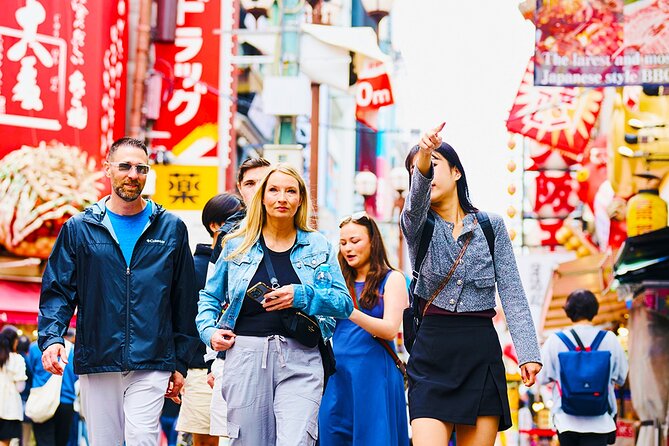
Reviewed · 2-HOUR EXPERIENCES
Osaka: 2-Hour Nightlife District Walking & Local Food Culture
Osaka eats best after dark. This two-hour walk links Dotonbori street food with quiet Hozenji Temple, professional kitchen shops, and Kuromon Market. I like the mix of eating and local culture, and I like that a small group, capped at 15 people, keeps the walk personal. The main catch is simple: food and drinks cost extra, so the $31.84 price covers the guide, not your snacks.
The route is especially useful early in your Osaka stay. Guides such as Kaz, Nako, and Sayaka have helped visitors find classic foods, less obvious stops, and places worth returning to later. You will walk through Namba’s busy center, but this is not a sit-down meal or a long history tour. It is a quick orientation with plenty of chances to ask where to eat next.
In This Review
- Five things to know before you book
- Why this two-hour Osaka walk works
- Meeting the guide near Dotonbori
- Dotonbori and the Glico sign: Osaka on full volume
- Hozenji Temple: a calm corner in Namba
- Doguyasuji: where Osaka cooks shop
- Kuromon Market: Osaka’s Kitchen in half an hour
- What the guide adds to the route
- Price, food costs, and overall value
- Who should book this Osaka food walk?
- Should you book the Osaka nightlife walk?
- FAQ
- How long does the Osaka nightlife walking tour last?
- What is the price of the experience?
- Is food included in the tour price?
- Which foods might I try?
- Where does the tour start?
- Where does the tour end?
- Is the tour conducted in English?
- How large can the group be?
- Can I cancel for a full refund?
Five things to know before you book
- Dotonbori starts the food lesson: You get an introduction to Osaka street foods such as takoyaki and gyoza, with purchases made separately.
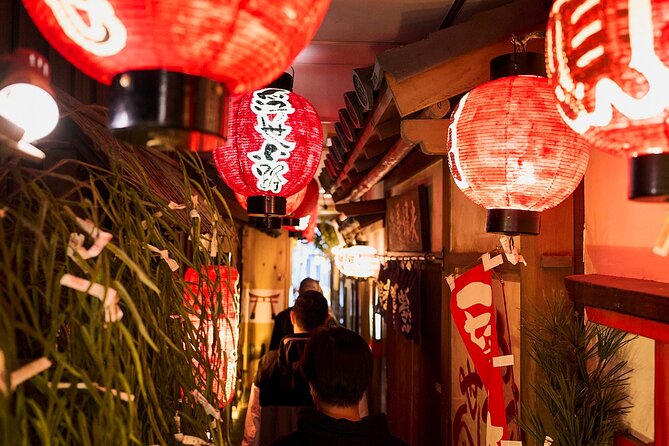
- Hozenji Temple offers a quiet pause: Its moss-covered Fudo Myo-o statue gives the crowded Namba area a small, atmospheric change of pace.
- Doguyasuji shows Osaka’s working side: This shopping street is known for professional cooking tools, not just tourist souvenirs.
- Kuromon Market is the main food culture stop: Seafood, wagyu beef, fruit, sushi, and other foods are available to buy and eat on the spot.
- The guide adds value through local advice: Kaz, Nako, and Sayaka have been praised for friendly company, food suggestions, and flexible conversation.
- The price is fair for a short orientation: At $31.84, you are paying for a local English-speaking guide and route planning, while food remains your choice and your expense.
Why this two-hour Osaka walk works
Osaka can feel confusing at first. Dotonbori, Namba, Hozenji, Doguyasuji, and Kuromon Market are close enough to visit in one outing, yet each area has a different mood. You can cover them alone, but you may walk past the useful details, miss a small temple entrance, or hesitate at a seafood stall where no obvious menu is in English.
This experience solves that problem without taking up a whole day. The two-hour length gives you a focused introduction to Osaka’s food culture, then leaves you free to return to the places you liked best. I see it as a good first-evening plan, especially if you want help deciding what to eat later.
The walk includes an English-speaking guide, with a maximum group size of 15. That is not a private tour, but it is small enough for questions and casual conversation. The strongest part of the experience is likely to be the guide’s personal advice. Sayaka, for example, was praised for making the route fun and tailoring the outing to food interests, including sake and a stop connected with pachinko.
The flexible feel matters. The published route names four main stops, but the food choices are not a fixed tasting menu. You decide what to buy, and the guide can point you toward options that fit your appetite and curiosity.
A few more options to weigh up in Osaka
- Osaka Bar Hopping Night Walking Tour in Namba (3 bars, 6 tastes)
★ 5.0 · 958 reviews - Osaka: Izakaya Bars Guided Walking Tour
★ 4.9 · 385 reviews - Osaka Pub Crawl and Nightlife Tour
★ 5.0 · 293 reviews
Meeting the guide near Dotonbori
The meeting point is outside Don Quijote Dotonbori Midosuji at 2-chome-5-9 Nishishinsaibashi, in Chuo Ward. This puts you near one of Osaka’s most recognizable entertainment and shopping areas, with public transportation nearby.
Give yourself enough time to locate the meeting point. The address is specific, but Dotonbori is crowded and full of bright signs, shops, and foot traffic. Your mobile ticket and booking confirmation should be ready on your phone.
The activity ends back at the meeting point. That makes the tour easy to pair with dinner, shopping, or another evening plan in central Osaka. It also means you should not expect a one-way route toward a different neighborhood.
Dotonbori and the Glico sign: Osaka on full volume
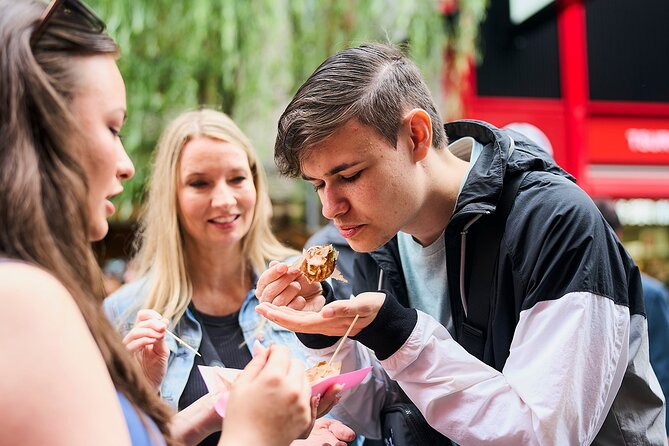
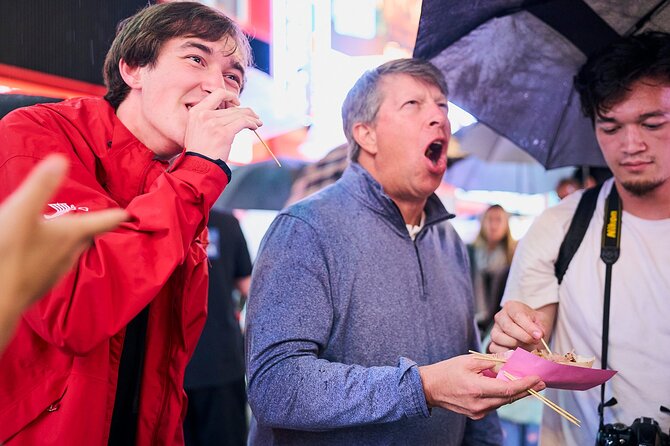
The first stop is the Dotonbori Glico sign, one of the city’s best-known photo spots. You spend about 30 minutes here, with a chance to look at the surrounding street-food scene and begin trying foods such as takoyaki and gyoza.
This is a practical place to start because Dotonbori introduces the energy of Osaka quickly. The guide can explain what you are looking at and help you make sense of foods you may not have tried before. You might find familiar-looking dumplings, but the local setting and preparation give the stop its value.
The limitation is that food is not included. If you want to sample several items, your final cost will rise above the advertised price. That is not a flaw for everyone. It lets you choose how much you eat, but you should arrive knowing this is a food-focused walk rather than an included tasting package.
The 30-minute timing also calls for restraint. You will not have time to sit down for a full meal at every stop. Think of Dotonbori as a guided introduction, with room to taste one or two things and note what you want to revisit.
Hozenji Temple: a calm corner in Namba
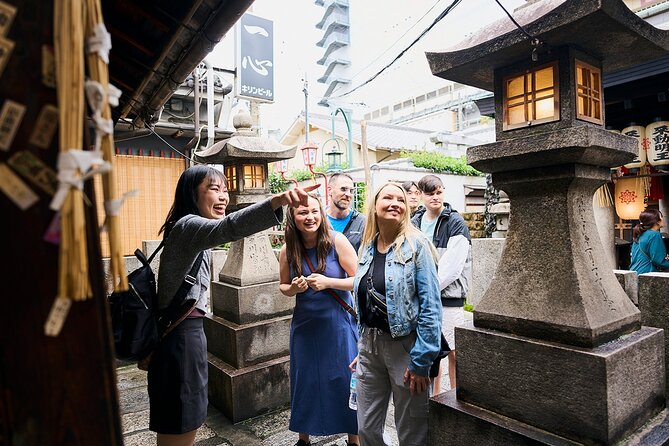
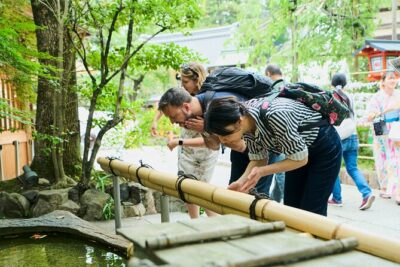
After the bright streets, Hozenji Temple provides a sharp change in mood. The stop lasts about 20 minutes and centers on the moss-covered statue of Fudo Myo-o. Visitors traditionally splash water on the statue while making a wish.
This small temple is valuable because it shows a quieter side of central Osaka without requiring a long detour. The nearby Hozenji Yokocho adds an atmospheric lane-like setting, making the stop feel removed from the large signs and busy roads just outside.
I would pay attention here rather than treat it as a quick photo stop. The temple’s appeal is its scale and mood. You can ask your guide about the custom of splashing water and about how this small religious site fits into the neighborhood.
There is no admission fee listed for the stop. Still, remember that 20 minutes is brief. The tour gives you an introduction, not an extended temple visit or a detailed religious lecture.
A completely different kind of day out:
- Osaka Go Karting Tour with Funny Costume
★ 5.0 · 2,658 reviews - Osaka Castle: Museum and Tower Entry Ticket
★ 4.5 · 2,380 reviews - Osaka: Shinsekai Food Tour with 13-15 Dishes at 5 Eateries
★ 4.8 · 2,204 reviews - Osaka Food Tour: 13 Dishes at 5 Local Eateries
★ 5.0 · 2,149 reviews
Doguyasuji: where Osaka cooks shop
Sennichimae Doguyasuji Shopping Street is one of the most distinctive stops on the route. You spend about 20 minutes looking at the kitchen tools used by professional cooks.
This is where the walk moves beyond famous sights and food sampling. You may see the practical side of Osaka’s restaurant culture through knives, cookware, serving pieces, and other equipment. The focus is on the tools behind the meals, not only the finished dishes.
For food lovers, this can be more useful than another row of snack stalls. You get a sense of how serious Osaka is about cooking and presentation. It is also a good place to ask your guide what is worth buying and what may be difficult to carry home, though the supplied tour details do not promise shopping assistance or purchases.
The 20-minute stop is enough for a look, but perhaps not enough for careful shopping. If you spot something you want, you may need to return after the tour. The route’s value here is mainly context and orientation.
Kuromon Market: Osaka’s Kitchen in half an hour
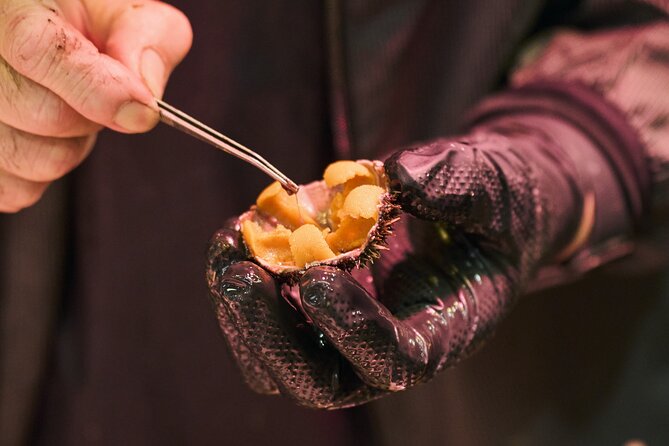
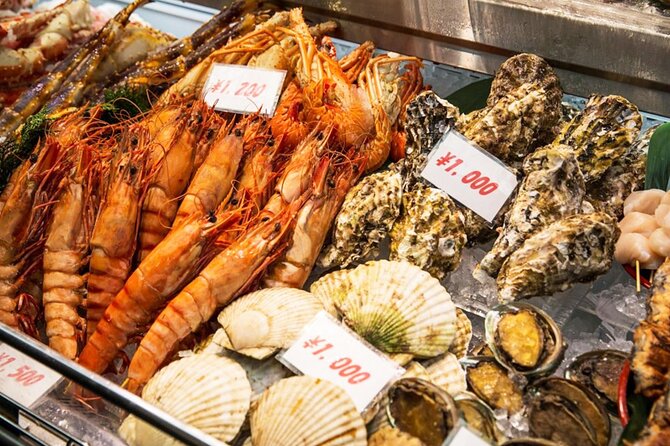
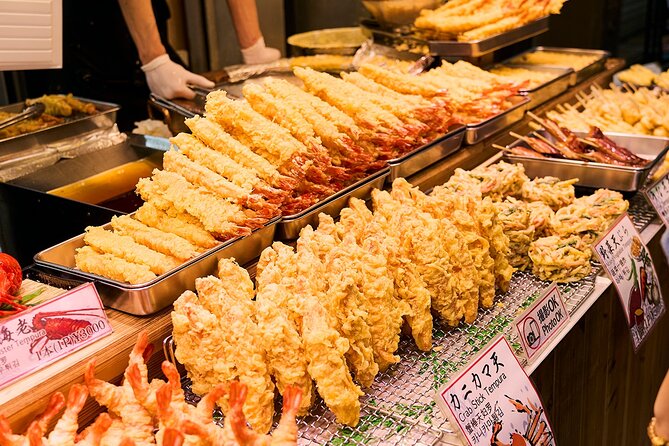
Kuromon Market receives about 30 minutes, making it one of the longer stops. It is known as Osaka’s Kitchen and offers fresh seafood, wagyu beef, fruit, sushi, and other foods that can be purchased and eaten on the spot.
This is the most direct look at Osaka’s food culture. A guide helps you navigate the market, which matters when stalls offer unfamiliar items or when you want to compare several choices without wasting your limited time.
You can watch food preparation, inspect fresh ingredients, and decide what appeals to you. The market is not just a place to eat. It also shows how ingredients, display, and quick service shape Osaka’s food identity.
Again, the meal is not included, and the tour does not stop for dining in. Plan on buying small portions, or save the market as a place to return after the guided walk. Thirty minutes gives you a useful first look, but a serious meal or extended shopping session would require more time.
The market can also be the busiest part of the route. Stay close to your guide and keep your phone, wallet, and purchases secure in the crowd. That is ordinary city-walking advice, but it matters in a popular food market.
What the guide adds to the route
The guide is the reason to book this rather than simply follow a map. The route itself is accessible, but local explanation turns separate stops into a connected picture of Osaka.
Kaz was praised for pointing out classic foods along with less obvious places. Nako was described as friendly and interesting during a walk around Namba and the markets. Sayaka received especially warm praise for combining food, sights, local history, and playful extras such as pachinko.
These details suggest a tour that benefits from conversation. If you only want a list of landmarks, a self-guided walk will cost less. If you want to ask where to eat afterward, what to order, or which areas deserve another evening, the guide earns the fee.
The experience may also work well for solo visitors. A small group gives you company without the commitment of a full-day group outing. Couples and families can use it as a low-pressure introduction to Namba, while repeat visitors may appreciate food suggestions more than basic sightseeing.
Price, food costs, and overall value
At $31.84 per person, the price is reasonable for a two-hour English-speaking guided walk in central Osaka. You are paying for the route, local guidance, and the chance to ask questions in a small group. You are not paying for a meal, food samples, drinks, or admission tickets.
That distinction is important. Someone who expects an included tasting tour may feel disappointed. Someone who prefers control over what and how much they eat may prefer this format.
Your total spending depends on your choices at Dotonbori and Kuromon Market. You can keep it modest by sampling one or two items, or spend more on seafood, wagyu beef, sushi, and other market foods. The tour does not force you into a set menu.
The value is strongest when you take the guide’s recommendations and use them for the rest of your stay. A good suggestion for a later meal can be worth more than one extra included snack, especially if you are new to Osaka.
The experience is booked an average of 21 days ahead, so popular dates may fill early. Free cancellation is available if you cancel at least 24 hours before the start time. Inside that window, the payment is not refunded, and changes are not accepted.
Who should book this Osaka food walk?
I would choose this tour if you are visiting Osaka for the first time and want quick bearings in Namba. It is also a good fit if you enjoy street food but feel unsure about ordering at busy stalls.
You will get the most from it if you:
- Like walking through commercial neighborhoods and markets
- Want a guide’s advice on food to try later
- Prefer choosing your own snacks instead of paying for a fixed tasting menu
- Have only a short window in your schedule
- Enjoy a mix of temples, shopping streets, food stalls, and local customs
It is less suitable if you want a full meal, a slow market visit, or a long cultural lecture. Two hours passes quickly, and the route gives each stop a short visit. You should also budget extra for anything you eat or drink.
Wear comfortable shoes and arrive ready to walk. The route includes several central Osaka areas, and the most useful approach is to treat it as an introduction rather than a complete exploration.
Should you book the Osaka nightlife walk?
Book it if you want a friendly, efficient first look at Namba’s food culture. The combination of Dotonbori, Hozenji Temple, Doguyasuji, and Kuromon Market gives you more range than a simple street-food outing, while the small group keeps the experience manageable.
The best reason to go is the guide’s local input. Kaz, Nako, and Sayaka have been praised for friendly service, food advice, and a willingness to shape the outing around individual interests. Just remember that food and drinks are extra, and the tour does not include a sit-down meal.
At $31.84, this is a sound orientation tour for curious eaters. It will not replace a full evening in Osaka, but it can help you spend the rest of that evening, and the rest of your stay, much better.
FAQ
How long does the Osaka nightlife walking tour last?
The tour lasts approximately two hours.
What is the price of the experience?
The listed price is $31.84 per person.
Is food included in the tour price?
No. Food and drinks from street vendors are not included. The tour also does not stop for dining in.
Which foods might I try?
You may try Osaka street foods such as takoyaki and gyoza. Kuromon Market also offers seafood, wagyu beef, fruit, sushi, and other foods for separate purchase.
Where does the tour start?
The meeting point is Don Quijote Dotonbori Midosuji, 2-chome-5-9 Nishishinsaibashi, Chuo Ward, Osaka, 542-0086, Japan.
Where does the tour end?
The activity ends back at the meeting point.
Is the tour conducted in English?
Yes. An English-speaking guide is included.
How large can the group be?
The tour has a maximum of 15 participants.
Can I cancel for a full refund?
Yes, if you cancel at least 24 hours before the experience start time. Cancellations made less than 24 hours before the start time are not refunded.
Just added in Osaka
- Osaka Japanese Cooking And Matcha Class near Osaka Castle★ 5.0 · 22 reviews
- Osaka Dotonbori Daytime Food Tour★ 5.0 · 24 reviews
- Osaka Dotonbori Wonder Cruise★ 4.0 · 28 reviews
- Osaka Food Walking Tour with Market Visit★ 4.5 · 14 reviews
- Cooking Ramen&Gyoza/KatsuCurry/Bento/Okonomiyaki+Store Tour@Osaka★ 5.0 · 138 reviews
- Osaka Private Pop Culture Tour: Historic Tenma to Dotonbori★ 4.5 · 13 reviews
- Osaka Cooking Class and Sake Tasting with Local Supermarket Visit★ 5.0 · 79 reviews
- Osaka Castle and a visit to the longest shopping street in Japan★ 5.0 · 12 reviews
2-Hour Experiences, compared.
Kyoto Gion: 2-Hour Geisha Culture & History Walking Tour
Read our review →
Ninja 2-hour Hands-on Lesson by Japanese master in Kyoto -Medium
Read our review →
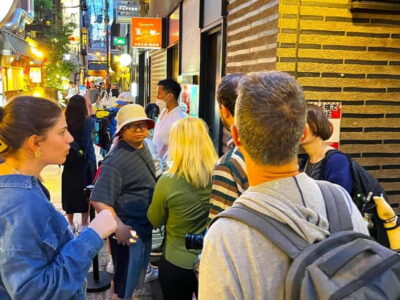
2-Hour Local Street Food Tour – Dotonbori & Namba
Read our review →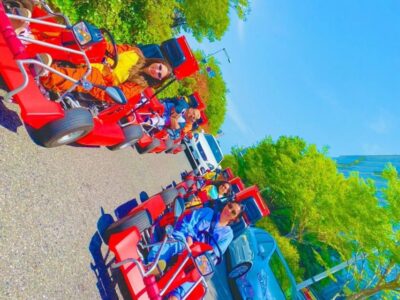
Flagship 2-Hour Street Go-Kart Tour by Street Kart
Read our review →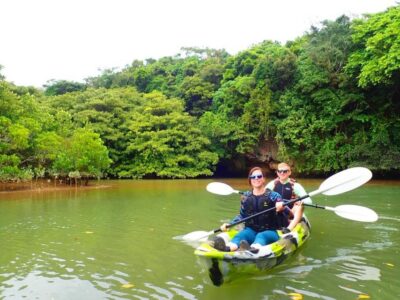
Ishigaki Island: 2-Hour Miyara River SUP or Canoeing Tour
Read our review →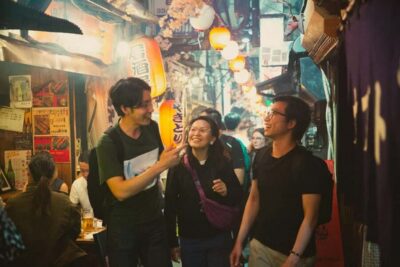
Shinjuku Izakaya and Golden Gai Bar Hopping Tour (2h)
Read our review →
Osaka 2-Hour Genuine Kendo / Samurai Experience In Japan
Read our review →Browse the lists this tour appears in