
Reviewed · KIMONO AND CULTURAL DRESS
Kyoto: 2-Hour Maiko Makeover and Photo Studio Shoot
Kyoto has a playful secret. At Yumeyakata Gojo, you can trade sightseeing clothes for a real maiko-style makeover, complete with white makeup, a seasonal kimono, wig, and studio portraits. I especially like the authentic cosmetics and costume details, plus the comfort of an air-conditioned indoor photo studio. The main drawback is that the outfit and makeup require patience, and the activity is not suitable for visitors with mobility needs, pregnant women, or anyone over 100 kilograms.
This is more than putting on a costume for a quick snapshot. You learn how a maiko presents herself, from the two painted stripes at the back of the neck to the careful poses and small, measured steps. The 2-hour session costs $152 per person, which is a fair price if you value five professional digital images and a guided cultural activity, but less appealing if you only want a fast kimono photo.
In This Review
- Key points to know before booking
- From Yumeyakata Gojo to the makeover studio
- Choosing a kimono with seasonal meaning
- The white makeup and the two painted neck stripes
- The wig completes the transformation
- Learning to move and pose like a maiko
- A professional studio shoot with five digital images
- What the $152 price really buys
- Who will enjoy this Kyoto activity most
- Languages, timing, and cancellation
- My verdict on the maiko makeover
- FAQ
- Where does the maiko makeover begin?
- How long does the experience last?
- What is included in the price?
- Are printed photos included?
- Can I take videos or use my own professional camera?
- Who is this experience not suitable for?
Key points to know before booking
- Authentic maiko details: The studio uses cosmetics similar to those worn by real maiko and offers costumes once used by actual maiko.
- Former maiko instruction: Staff with maiko experience help explain makeup, clothing, posture, and photo poses.
- Five digital photographs included: You receive finished digital images, while printed photos cost extra.
- Indoor comfort: The photo session takes place in a professional studio with air conditioning, a welcome break from Kyoto heat and humidity.
- Short, focused schedule: The shop and studio are only about a one-minute walk apart, keeping the activity simple and contained.
- Important limits: The experience is not suitable for wheelchair users, people with mobility impairments, pregnant women, visually impaired visitors, or people over 220 pounds, or 100 kilograms.
From Yumeyakata Gojo to the makeover studio
You begin at the Yumeyakata Gojo Shop at your reserved time. This matters because the studio is only about a one-minute walk away, so you do not need to cross town in formal clothing or hunt for a second meeting point.
The short transfer keeps the session tidy. You meet the makeup artist at the rental shop, then follow the staff to the studio for the transformation. I would arrive with enough time to locate the shop calmly, since being late could cut into the part you most want: the actual photography.
The setting is practical rather than theatrical. You are not heading into Kyoto’s Gion district to perform for the public. Instead, the activity takes place indoors, where the staff can focus on the makeup, clothing, and portraits without crowds or changing weather.
That private studio setup is one of the strongest parts of the experience. A heavy kimono, wig, and full makeup can become uncomfortable in warm weather. One visitor specifically appreciated having air conditioning during an April visit, when outdoor temperatures and humidity could have made the costume much harder to tolerate.
More Kimono Experiences in Kyoto
- [Kyoto & Nara Day Tour] Sagano Scenic Railway & Nara Park & Fushimi Inari Taisha Thousand Torii Gates & Togetsukyo Bridge & Bamboo Grove & Kimono Forest (Departing from Osaka)
★ 4.9 · 10,942 reviews - Kyoto Geisha Walking Tour: Gion District & Hidden Gems
★ 4.7 · 3,273 reviews - Kyoto: Gion Magical Night Walking Tour with Geisha Trivia
★ 4.9 · 2,393 reviews
Choosing a kimono with seasonal meaning
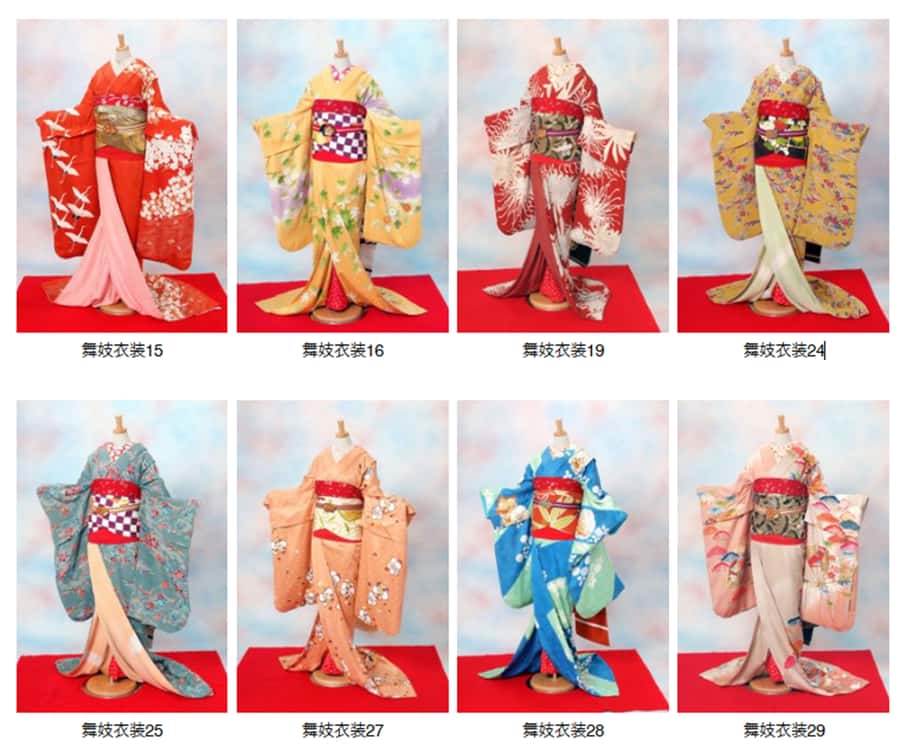
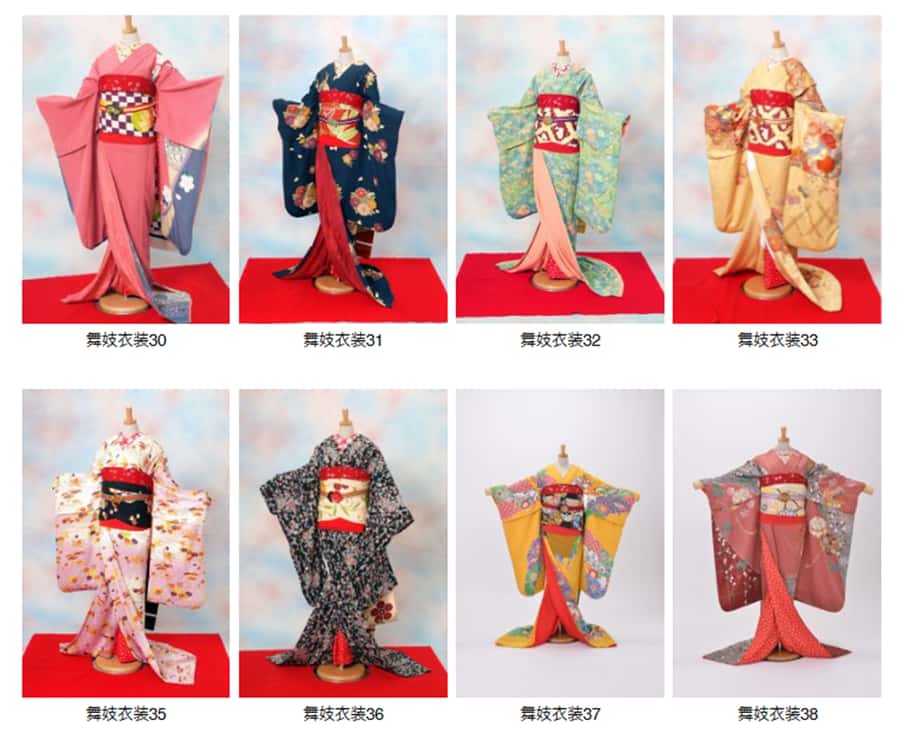
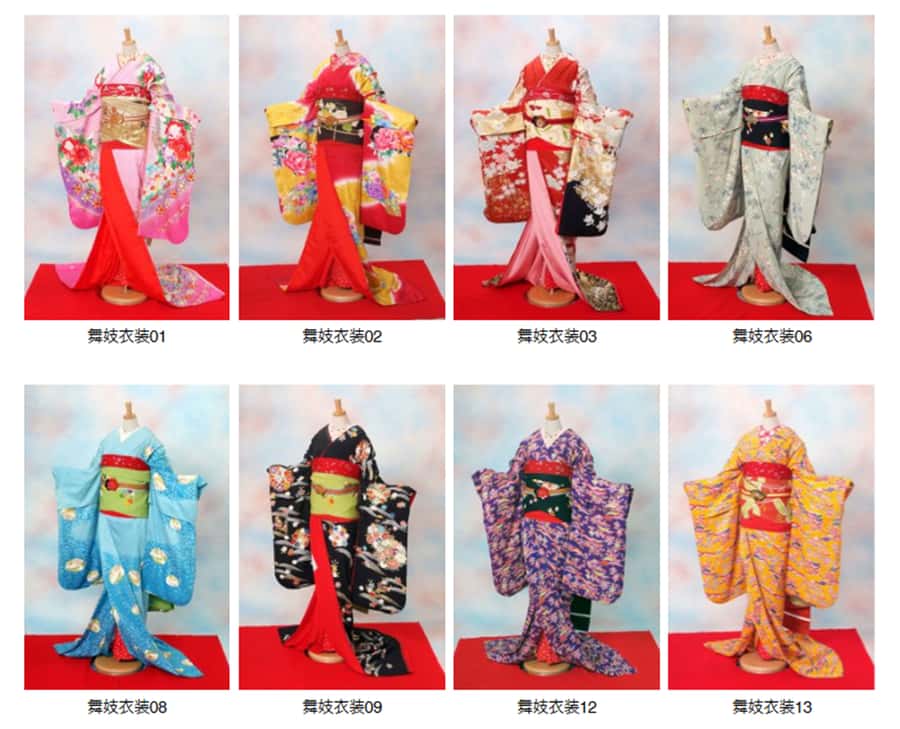
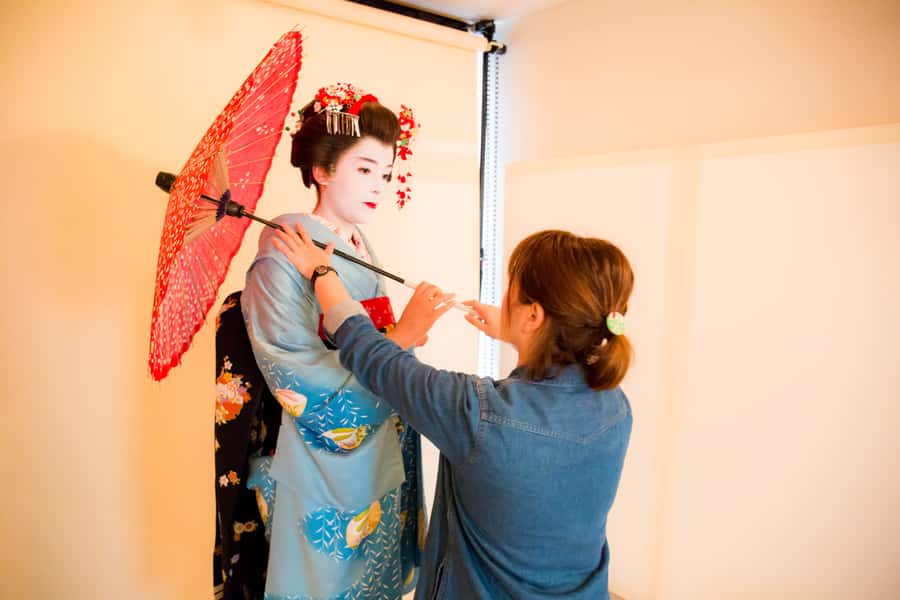
Your first major choice is the kimono. Yumeyakata offers a range of colors and patterns, including authentic costumes that were used by real maiko.
The seasonal element adds a useful piece of Japanese tradition. Maiko clothing changes with the time of year, and floral patterns often reflect the current season. You may find yourself choosing between bold colors and quieter designs, but the staff help you select a look that works well for the final portraits.
This is not simply a matter of picking the prettiest fabric. The kimono, obi, hair ornaments, and makeup all need to look balanced in a photograph. A colorful garment may create a lively portrait, while a more restrained pattern can make the face and hair accessories the focus.
The dressing process also gives you a better sense of the work involved in wearing a kimono. Several layers and careful adjustments are required before the final outfit is complete. One visitor described being surprised by how many steps were needed, which is exactly the point: a maiko look depends on precise dressing, not just a robe tied at the waist.
The staff use established dressing techniques to keep the garment attractive and as comfortable as possible. You should still expect the clothing to feel substantial. This is a formal outfit designed for appearance and tradition, not for wandering around Kyoto all afternoon.
The white makeup and the two painted neck stripes
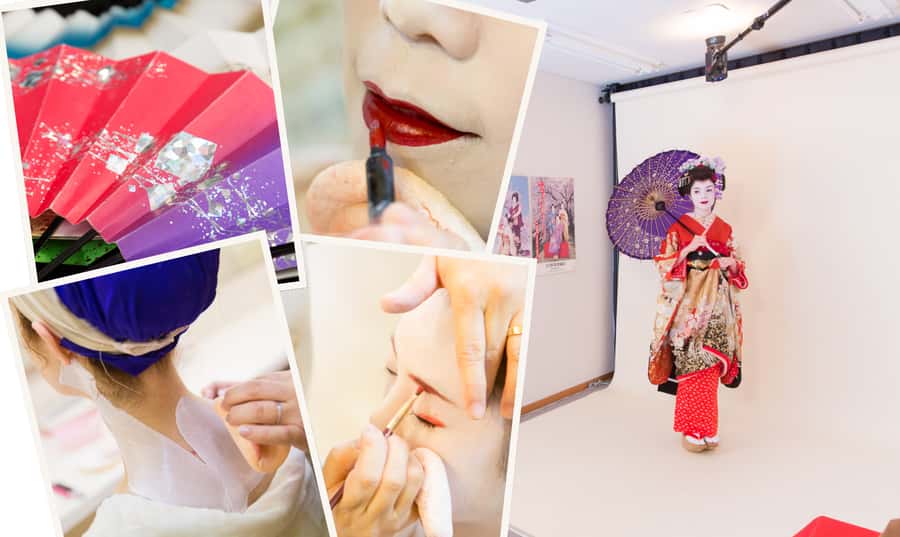
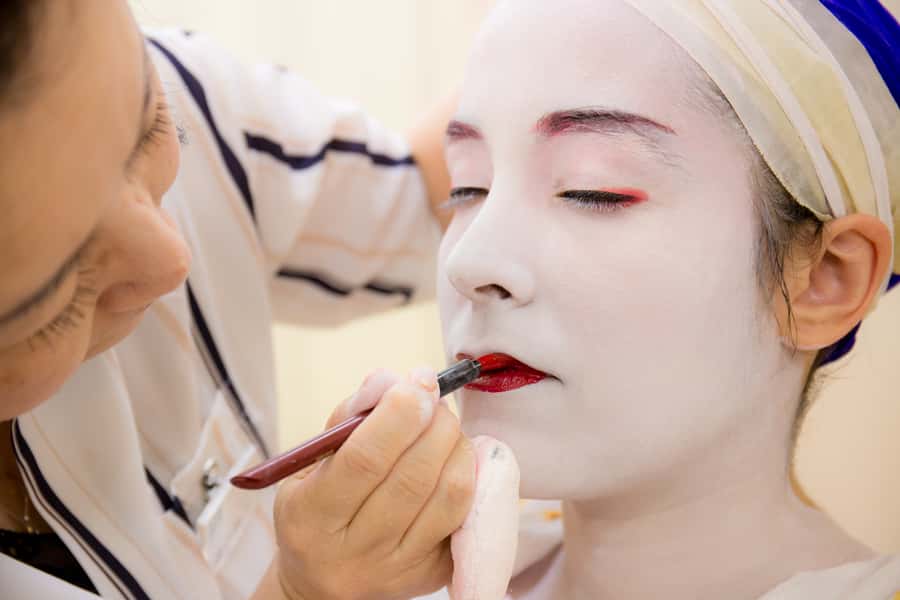
Before makeup begins, you remove your own cosmetics. That allows the artist to apply the traditional white base evenly and create the clean look associated with maiko.
The white makeup is the most dramatic part of the transformation. It covers the face and creates the pale surface that makes the eyes, lips, and neck details more noticeable in photographs. Yumeyakata says it uses the same type of cosmetics used by real maiko and geiko, which gives this activity more cultural weight than a standard dress-up booth.
The back of the neck is left partly unpainted in the two-stripe style. This small detail is considered especially alluring in traditional maiko presentation. It also reminds you that the makeup was designed for a hairstyle and costume that reveal selected parts of the neck, rather than simply covering every inch of skin.
The artist then adds soft pink around the eyes and the sides of the nose. Red at the outer corners of the eyes has traditionally been linked with protection from evil, while a touch of red in the eyebrows adds warmth. Eyeliner makes the eyes more defined, and the completed look is meant to appear youthful and gentle.
The lipstick has its own historical distinction. A new maiko may wear red lipstick only on the lower lip for a period after her debut. The timing varies by lodging house and geisha district, so the rule is not identical everywhere. Geiko makeup is generally sharper and heavier, with more pronounced eyebrows, eyeliner, and lipstick.
This explanation helps you see that the makeup is not random decoration. It communicates age, stage of training, and the visual style of the performer. You do not need to be between 15 and 20 to participate, even though real maiko traditionally begin their apprenticeship during those years.
The wig completes the transformation
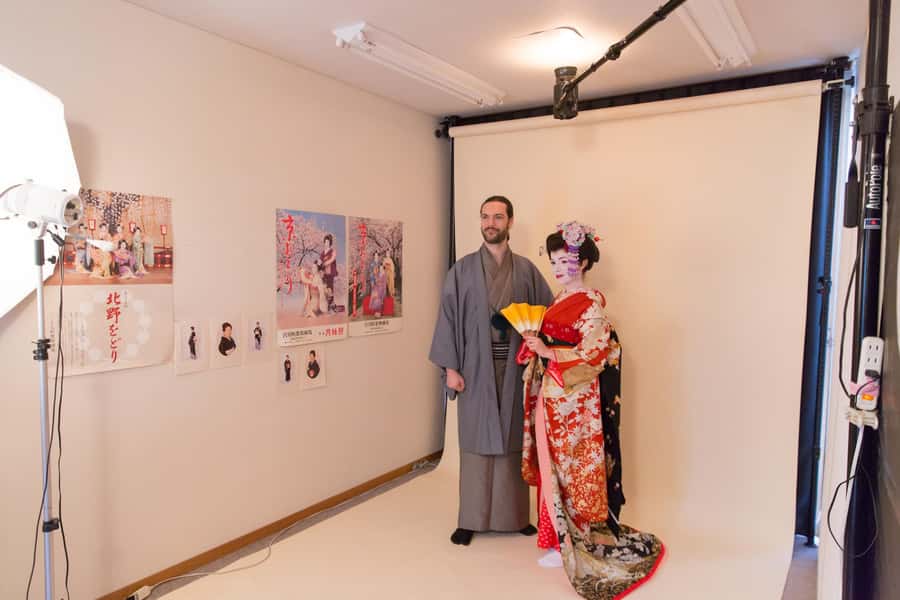
After the makeup, the staff place a maiko wig and hair accessories. This is the moment when the individual parts finally become one recognizable character.
The wig is important because real maiko hairstyles are elaborate and take considerable effort. Using a wig makes the studio session practical while preserving the visual effect. Hair ornaments add color and height, giving the portraits the formal outline people associate with Kyoto’s apprentice entertainers.
You will not be expected to arrange the hairstyle yourself. The staff handle the placement and adjust the overall appearance before the camera comes out. I like this part because it removes guesswork. You can concentrate on the experience instead of worrying about whether the wig sits correctly.
The completed look can be startling. Several visitors described feeling as if they were looking at a different person in the finished images. That reaction is understandable: the pale makeup, red accents, formal kimono, wig, and posture alter your face and body language all at once.
A completely different kind of day out:
- PERFECT KYOTO 1-Day Bus Tour
★ 5.0 · 13,518 reviews - Kyoto: Fushimi Inari, Kinkakuji, Bamboo Grove 1 Day Bus Tour
★ 4.8 · 4,316 reviews - Kyoto: Tea Ceremony in a Traditional Tea House in Kiyomizu
★ 4.9 · 3,519 reviews - Kyoto: Gion Make Your Own Chopsticks with Engraving Option
★ 5.0 · 3,465 reviews
Learning to move and pose like a maiko
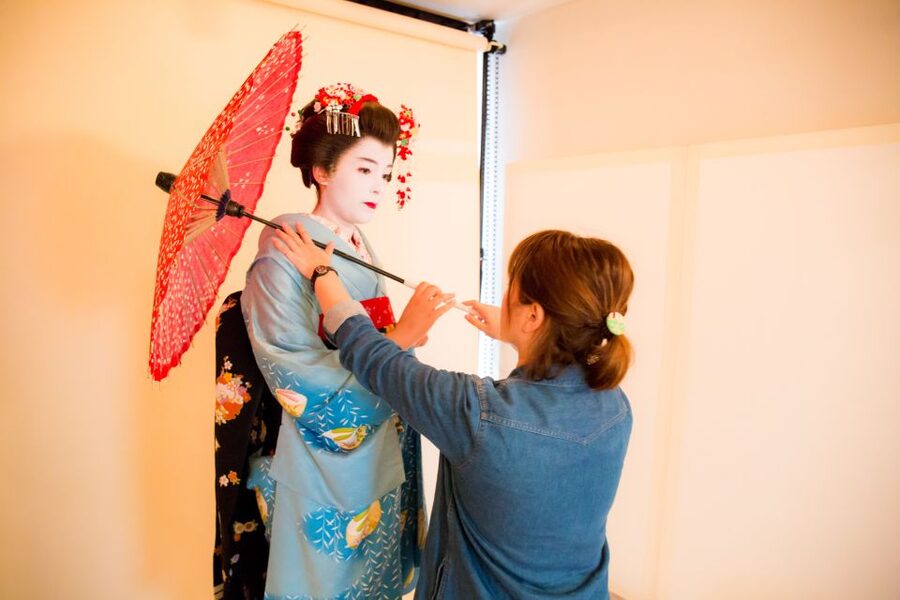
The photo session is not just a command to sit still and smile. Staff teach you how to pose and walk in a style associated with traditional maiko presentation.
That guidance is valuable because a formal kimono changes how you move. Long layers and a structured obi encourage smaller steps and a more careful posture. The staff can show you how to angle your body, place your hands, and hold your head so the costume looks natural in the finished portrait.
Former maiko work as instructors at Yumeyakata. Their role adds an important layer to the experience because they can discuss the look from professional experience, not only from costume rental practice. They help connect makeup, dress, and performance into one presentation.
You should not expect a full lesson in traditional dance, music, or the daily life of Kyoto’s entertainment districts. The activity offers an introduction through makeup, clothing, movement, and photography. Real maiko perform classical music, dance, games, and other Japanese arts, while the apprenticeship also prepares them for the wider responsibilities of becoming geiko.
Still, the posing lesson gives you a small sense of the discipline behind the image. The graceful appearance is not accidental. It comes from controlled movement, careful dress, and repeated practice.
A professional studio shoot with five digital images
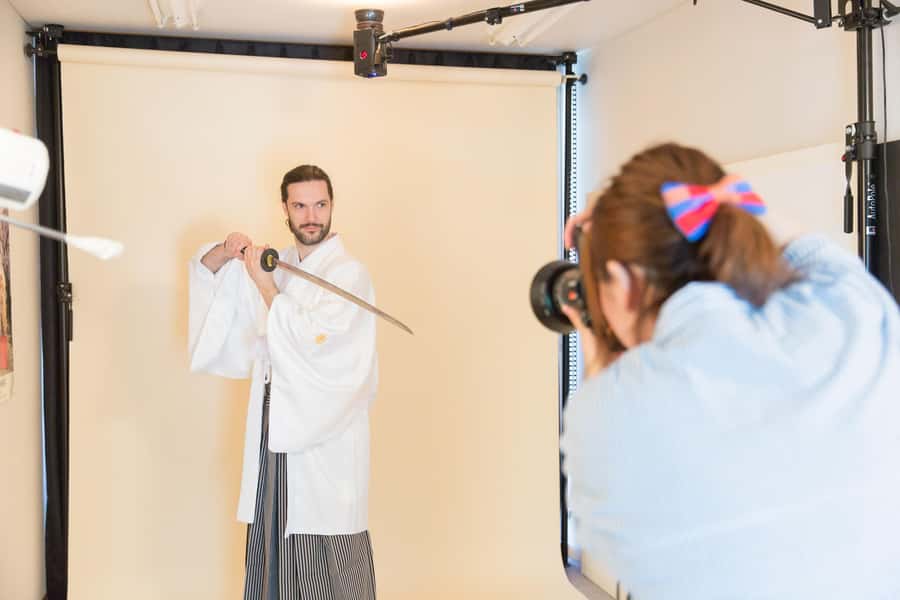
Once you are ready, a professional photographer takes your portraits in the indoor studio. Five digital images are included, giving you a useful set of souvenirs rather than one rushed snapshot.
The quality of the photography is one of the best reasons to consider the $152 price. The studio setting allows controlled lighting and a clean background, and the photographer knows how to show the kimono, makeup, wig, and accessories to good effect. Several people praised both the photographer’s friendly manner and the final image quality.
You also have a chance to take photographs during the makeover, as the process develops. The before-and-after contrast can be especially fun, but you should follow the studio rules carefully. Professional cameras, video recording, and audio recording are not allowed. You also cannot wear shoes indoors, use strong fragrances, smoke, bring pets, or arrive in another costume.
The five finished files are digital only. Printed photographs are not included, so you will need to print them yourself if you want a physical souvenir. Finished photos have sometimes arrived earlier than expected, but delivery timing is not specified as a guaranteed part of the activity.
One useful feature is that the session takes place indoors rather than on a public street. You avoid heat, humidity, curious crowds, and the awkwardness of trying to protect a full face of makeup while walking around. You also get portraits that look like intentional studio photographs, not accidental vacation pictures.
What the $152 price really buys
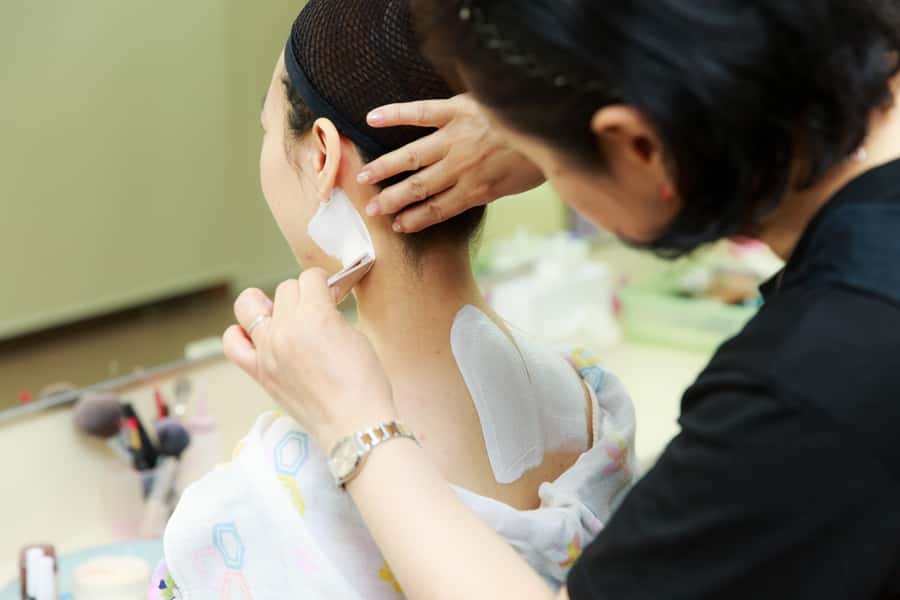
At $152 per person, this is not a budget activity. The price includes the maiko kimono, makeup, wig, hair accessories, dressing, studio use, posing instruction, and five digital photos.
I see the value in the amount of skilled preparation involved. You are paying for more than fabric rental. The makeup requires a professional hand, the kimono needs to be dressed correctly, and the finished look depends on staff who understand how the pieces work together.
The experience also saves you from having to arrange each part separately. A standard kimono rental would not necessarily include maiko makeup, a wig, formal styling, or a professional portrait session. If you want the full transformation in one appointment, the bundled format is convenient.
The value drops if you mainly want to try on a kimono for a few minutes or take casual phone pictures. In that case, you may find the two-hour schedule and formal makeup more than you need. The activity is best for someone who wants the complete visual change and plans to keep the photographs as a major Japan souvenir.
Men can select add-ons for a kimono, samurai hakama, or montsuki hakama. Those options are not part of the basic maiko package, so check the exact booking choice and price before paying.
Who will enjoy this Kyoto activity most
I would recommend this experience to adults who enjoy dressing up, portrait photography, and learning the meaning behind traditional clothing. It works especially well for solo visitors, couples, sisters, friends, or a parent and adult child who want a shared memory that feels different from ordinary sightseeing.
It can also suit people who are curious about geiko culture but have not been able to see a live performance. You do not need to chase a maiko through Gion or hope to spot one on a narrow street. Instead, you learn about the visual traditions in a controlled setting and receive photographs to remember the day.
The activity is less suitable if you dislike makeup, tight formal clothing, or being photographed. You should also expect a makeover rather than a sightseeing tour. There is no outdoor walk through the historic districts included in the described schedule.
The age information needs care. The activity is described as unsuitable for children under 18, and also includes a separate restriction for people under 17. One older comment describes a nearly 10-year-old child enjoying a family makeover, but that does not override the current published age limits. I would treat this as an adult-only booking unless Yumeyakata confirms otherwise.
The stated restrictions also rule out pregnant women, wheelchair users, people with mobility impairments, visually impaired people, and anyone over 220 pounds, or 100 kilograms. Shoes are not allowed indoors, so wear socks or plan for bare feet inside the studio.
Languages, timing, and cancellation
Assistance is available in English, Japanese, Chinese, Traditional Chinese, and Korean. That is helpful during the makeup and dressing stages, when clear instructions make the session more comfortable.
The activity lasts about two hours and ends back at the starting point. Since the shop and studio are only a minute apart, the schedule is easier to manage than an activity that moves between several Kyoto neighborhoods.
You can reserve now and pay later, which helps if you are still arranging a longer Japan itinerary. Cancellation is allowed up to 24 hours in advance for a full refund. Even with that flexibility, I would book a time that leaves room around the appointment. Makeup and dressing are the main event, and rushing to a train or dinner would spoil the mood.
My verdict on the maiko makeover
I would book this if you want a polished, culturally informed portrait experience rather than a quick costume rental. The strongest points are the authentic-style makeup, costumes with real maiko connections, former maiko instruction, and professional indoor photography.
The activity earns its price through the complete process. You choose the kimono, remove your own makeup, receive the white face and red details, learn how to move, and finish with five digital portraits. The air-conditioned studio is a practical advantage, especially during Kyoto’s warm and humid months.
I would skip it if you want outdoor sightseeing, spontaneous photography, or a low-cost activity. I would also read the age and accessibility restrictions carefully before booking. For an eligible adult who wants one memorable Kyoto afternoon and strong photographs to take home, this is a thoughtful and well-organized choice.
FAQ
Where does the maiko makeover begin?
You meet at the Yumeyakata Gojo Shop in Kyoto. Staff then guide you to the photo studio, which is about a one-minute walk away.
How long does the experience last?
The activity lasts approximately two hours and ends back at the original meeting point.
What is included in the price?
The package includes a maiko kimono, maiko makeup, a maiko wig and hair accessories, indoor studio use, and five digital photographs. Men’s kimono, samurai hakama, and montsuki hakama are available only if selected as add-ons.
Are printed photos included?
No. Five digital images are included, but printed photos are not.
Can I take videos or use my own professional camera?
No. Professional cameras, video recording, and audio recording are not allowed. Smoking, pets, strong fragrances, shoes indoors, costumes, and other listed items are also prohibited.
Who is this experience not suitable for?
The activity is not suitable for pregnant women, people with mobility impairments, wheelchair users, visually impaired people, people over 220 pounds or 100 kilograms, and people under the stated age restrictions.
Just added in Kyoto
- The “Golden Route” and Ancient Japan by DIAMIR Erlebnisreisen – 14-Day Tour★ 2.0 · 2 reviews
- Japan: Castles & Cuisine by G Adventures – 6-Day Kyoto to Osaka Tour★ 4.5 · 4 reviews
- Cycle Japan by Explore! – 13-Day Kyoto to Tokyo Tour★ 4.7 · 12 reviews
- Cycle Japan by Intrepid Travel – 11-Day Kyoto to Tokyo Tour★ 4.8 · 2 reviews
- Classic Japan by Intrepid Travel – 11-Day Kyoto to Tokyo Tour★ 4.4 · 14 reviews
- Ancient & Modern Japan 14-Day Tour by Exodus Adventure Travels★ 4.4 · 40 reviews
- 5 Day Cultural Adventure of Kyoto, Nara & Osaka by Tourist Journey★ 2.5 · 2 reviews
- 12 Days Kinosaki Onsen Escape: A Journey Through Japan’s Timeless Towns by UME Travel★ 4.8 · 5 reviews
Kimono and Cultural Dress, compared.
![[Kyoto & Nara Day Tour] Sagano Scenic Railway & Nara Park & Fushimi Inari Taisha Thousand Torii Gates & Togetsukyo Bridge & Bamboo Grove & Kimono Forest (Departing from Osaka)](https://media.japanvisits.com/wp-content/uploads/kyoto-nara-day-tour-sagano-scenic-railway-nara-park-fushimi-inari-taisha-thousand-torii-gates-togetsukyo-bridge-bamboo-grove-kimono-forest-departing-from-osaka-k110001-400x257.jpg)

Tokyo Asakusa Kimono&Yukata Rental at Kimono Miyabi Asakusa Station
Read our review →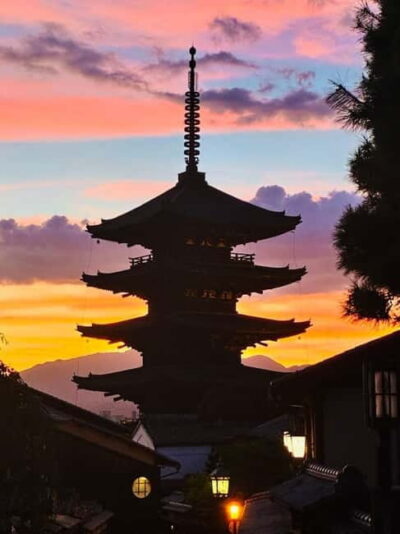
Kyoto Geisha Walking Tour: Gion District & Hidden Gems
Read our review →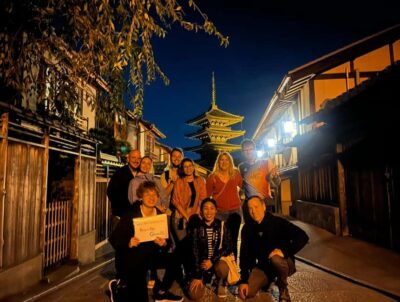
Gion Magical Night Walking Tour with Geisha Trivia
Read our review →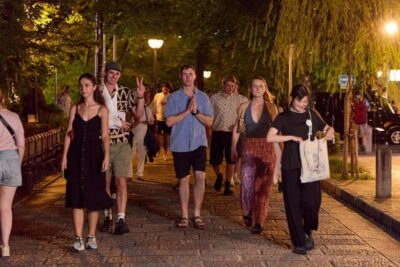
Gion Geisha District Walking Tour – Stories of Geisha
Read our review →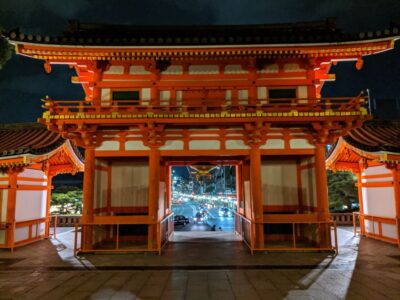
Best of Kyoto: Gion, Geisha, Pagodas & Cobblestones
Read our review →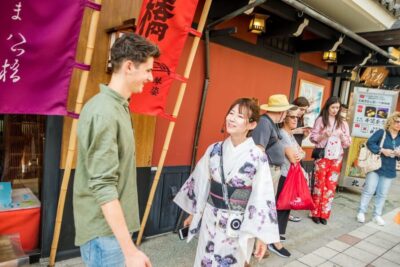
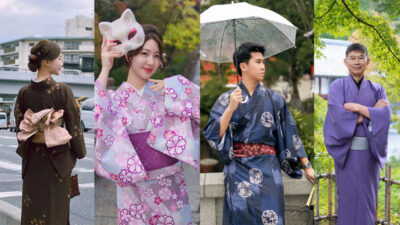
Kyoto Kimono Rental Experience (Optional Exquisite Hair Styling/Japanese Makeup/Photography) (Ookini Kiyomizu-dera Main Store)
Read our review →Browse the lists this tour appears in