
Reviewed · CASTLES AND HISTORIC SITES
Osaka: Samurai Training Experience KENDO in Osaka
Put down the sightseeing map for two hours. This Osaka activity takes you into a genuine dojo for a hands-on introduction to Kendo, complete with a Dōgi, Hakama, protective armour, bamboo sword, and match-style practice. I like the clear mix of cultural teaching and physical activity, and I especially like that instructor Toshi and his team adjust the session to each person’s ability. The main consideration is that Kendo is real exercise, so you may leave sweaty, tired, and wishing you had brought more water.
You also get something many cultural activities skip: time to learn the rules, practise footwork and strikes, and try paired combat rather than simply posing in costume. The Samurai photo session is a fun extra, while the genuine training space gives the experience more weight than a quick dress-up stop. Children aged 3 to 5 receive a much shorter photo and costume experience, and anyone over 75 can only watch.
In This Review
- Key points to know before booking
- Entering a Real Osaka Dojo
- Samurai History Before the Shinai
- Dressing in Dōgi, Hakama, and Bogu
- Learning Footwork Before Fighting
- Paired Practice and Match-Style Combat
- What the Two Hours Feel Like
- Is $127 a Fair Price?
- Who Will Enjoy This Most?
- Practical Details That Matter
- Should You Book the Osaka Kendo Experience?
- FAQ
- Where does the Kendo experience take place?
- How long does the experience last?
- Does the price include Kendo clothing and armour?
- Do I need previous Kendo experience?
- Will I get to spar?
- Is the instruction available in English?
- Can children take part?
- Can people over 75 participate?
- What should I bring?
Key points to know before booking
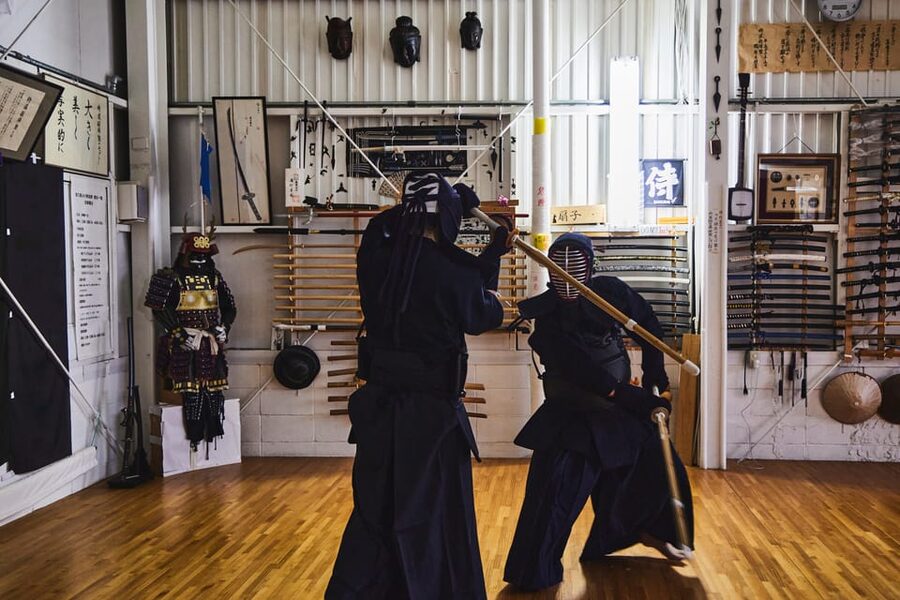
- Full Kendo equipment: Wear the Dōgi, Hakama, Men, Kote, Dō, and Tare, then practise with a Shinai, or bamboo sword.
- Real instruction: Toshi and his assistants teach posture, footwork, strikes, blocks, etiquette, and match rules in English and Japanese.
- A proper workout: Expect movement, shouting, concentration, and tired legs, especially once the sparring begins.
- Beginner-friendly combat: You learn the basics first, then take part in respectful match-style practice with other participants or instructors.
- Photos inside the dojo: Posed and action pictures with Samurai items form the final part of the experience.
- Useful family limits: Children under 2 cannot participate, and ages 3 to 5 mainly receive a costume and photo session.
Entering a Real Osaka Dojo
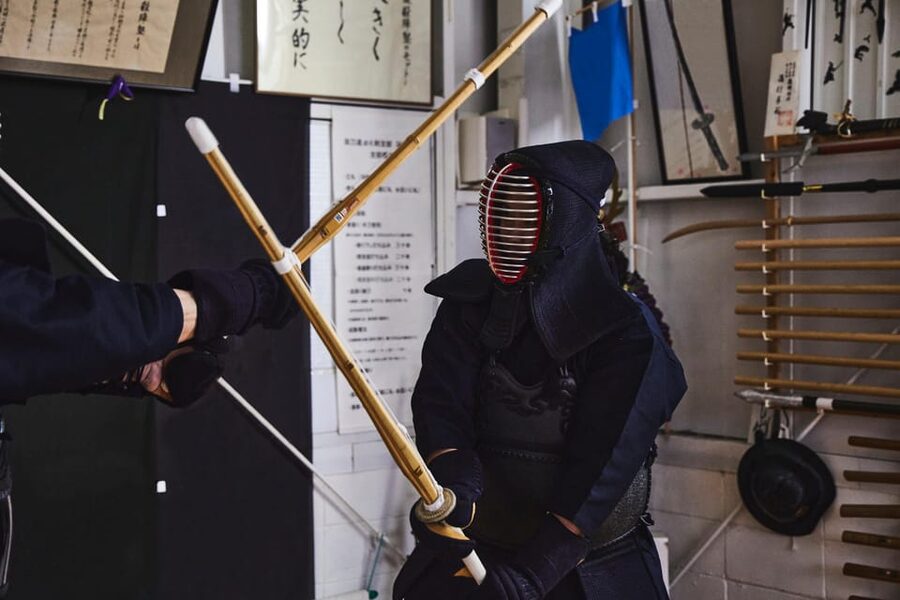
The experience takes place in Osaka City, at a genuine Samurai and Kendo training facility. That setting matters. You are not simply handed a plastic sword in a themed room. You enter a space built for martial arts practice, put on equipment used for Kendo, and follow the etiquette that gives the activity its shape.
The location is wheelchair accessible, which makes the venue easier for a wider range of visitors. Still, Kendo itself involves standing, stepping, swinging, and wearing substantial protective gear. If you have mobility concerns, it is sensible to ask the provider what parts you can take part in before booking.
The scheduled activity lasts two hours. Allowing extra time for changing is wise, since several people have been invited to arrive 30 minutes early so that dressing does not reduce their instruction time. Bring a drink. You cannot bring alcohol or drugs, and water is particularly useful after the armour and sparring are added.
The staff may ask for your height, weight, and gender before the session. This is not needless paperwork. Kendo armour needs to fit safely, and accurate information helps the team prepare suitable equipment.
More Castles and Historic Sites in Osaka
- Osaka Castle Ticket
★ 4.7 · 12,450 reviews - Osaka Castle: Museum and Tower Entry Ticket
★ 4.5 · 2,380 reviews - Ultimate Osaka Walking Tour: Castle, Dotonbori & Hidden Gems
★ 5.0 · 862 reviews
Samurai History Before the Shinai
The session begins with an introduction to Kendo and its connection with Bushidō, often translated as the way of the warrior. You learn how modern Kendo relates to Samurai traditions, but the emphasis is not just on old battles or sword legends.
The instructors explain Reiho, the etiquette of Kendo. Respect, self-control, sincerity, and harmony are part of the practice. You learn that a strike is not considered good simply because it lands. Timing, posture, spirit, control, and respect for the person opposite you all matter.
I find this opening especially useful because it prevents the activity from becoming a shallow Samurai fantasy. The clothing and sword are eye-catching, but the lesson explains why Kendo places so much value on bowing, focus, and discipline. It gives the movements a cultural setting you can understand, even if you have never studied a Japanese martial art.
The English instruction is a major help. Toshi speaks English, and assistants can provide further explanation when needed. The teaching style is patient and friendly, with repeated demonstrations and corrections when something is unclear. That is useful for first-time participants who may feel awkward about remembering Japanese terms or following unfamiliar etiquette.
Dressing in Dōgi, Hakama, and Bogu
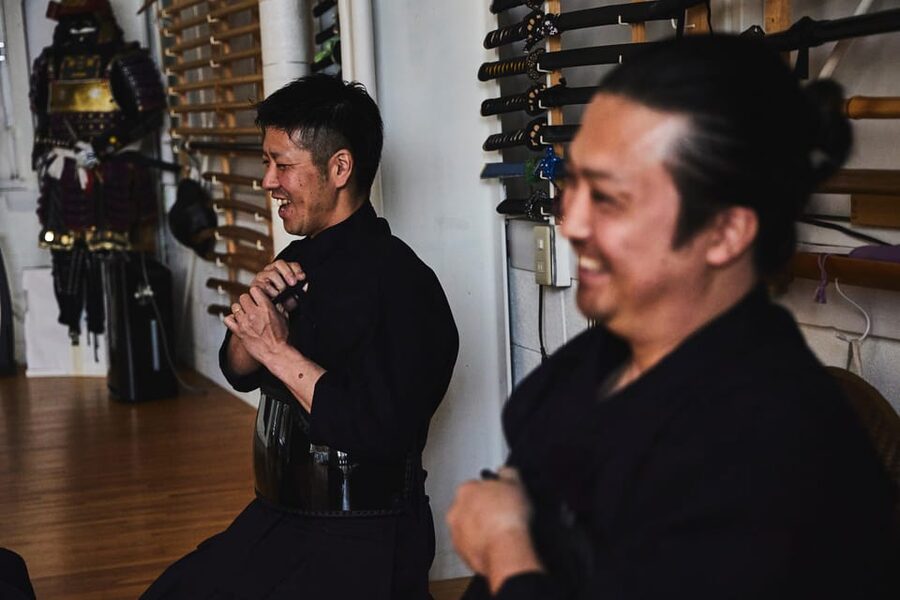
After the introduction, you change into traditional Kendo clothing. The Dōgi is the training jacket, and the Hakama is the pleated garment worn below it. You then add the protective armour, known collectively as Bogu.
The equipment includes:
- Men, the protective helmet and face covering
- Kote, the arm and hand protection
- Dō, the chest protector
- Tare, the waist and lower-body protection
- Shinai, the bamboo sword used in Kendo
Getting dressed is part of the activity, not a quick costume change. The staff help with the outfit and make sure the armour is properly worn. This support is important because the equipment can feel unfamiliar and restrictive at first.
The armour also changes the mood of the session. Holding a Shinai in ordinary clothing might feel like a novelty. Wearing the full set makes you more aware of posture, movement, and the need to control your actions. Several families and first-time participants have found the gear clean and comfortable enough for the lesson, though you should still expect heat and effort.
This is also the best time for photographs. The staff take posed and action pictures inside the dojo, using Samurai items and the training setting. If you want a family image or a keepsake with a partner, the photo portion gives you time to do that before the more active part begins.
Learning Footwork Before Fighting
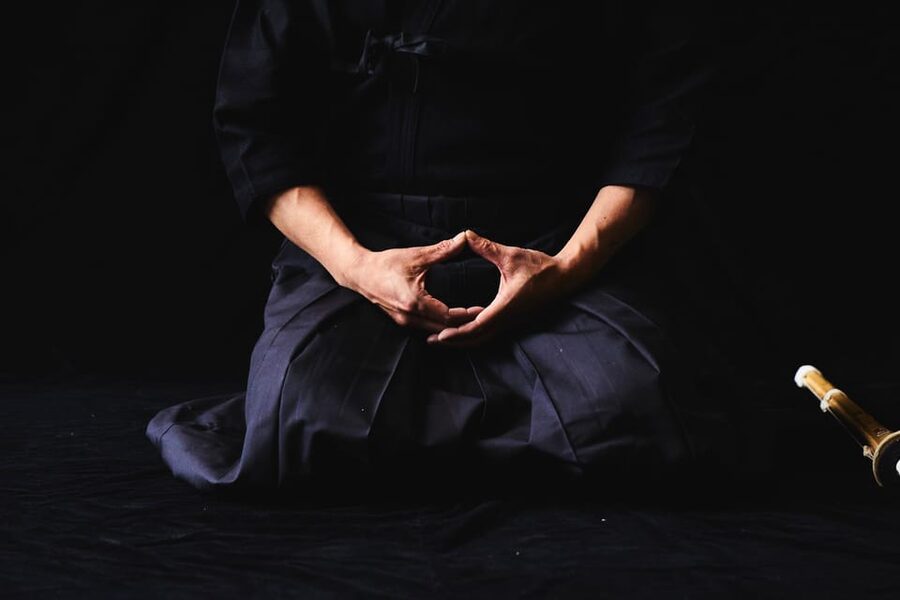
The first physical lesson covers basic posture, footwork, safety, and how to hold and use the Shinai. This gradual start is one of the strongest parts of the programme. You do not walk in and immediately trade blows with a padded helmet on.
The instructor shows you how to stand, how to move, and how to prepare for a strike. You then practise basic attacks, including the main target areas used in Kendo. Later instruction can include blocks, counters, offensive moves, and defensive positions, depending on the group and its ability.
Kendo rewards precision more than brute force. The activity asks you to coordinate your feet, hands, eyes, voice, and timing. That can be surprisingly demanding. Even fit people have found that their feet and legs feel tired later in the day.
The shouting is not just for drama. Strong vocal calls are part of Kendo’s energy and focus. You may feel self-conscious for the first few attempts, but the structured setting makes it easier to join in. The lesson is designed for beginners, and the instructors let you work within your own capacity.
If you already practise martial arts or Kendo, the session can still be worthwhile. The programme welcomes experienced participants for respectful sparring with a skilled practitioner. It is not presented as a full course of study, but it gives experienced people a chance to test their timing and enjoy the exchange.
More Castles and Historic Sites in Japan:
- Tokyo: Imperial Palace and Shogun Historical Walking Tour
★ 5.0 · 2,251 reviews - Tokyo: Samurai Restaurant Show Ticket with 2 Drinks
★ 4.5 · 1,307 reviews - Kyoto Samurai Experience
★ 5.0 · 1,294 reviews - Tokyo Castle & Imperial PalaceーShogun Walking Tour
★ 4.7 · 1,068 reviews
Paired Practice and Match-Style Combat
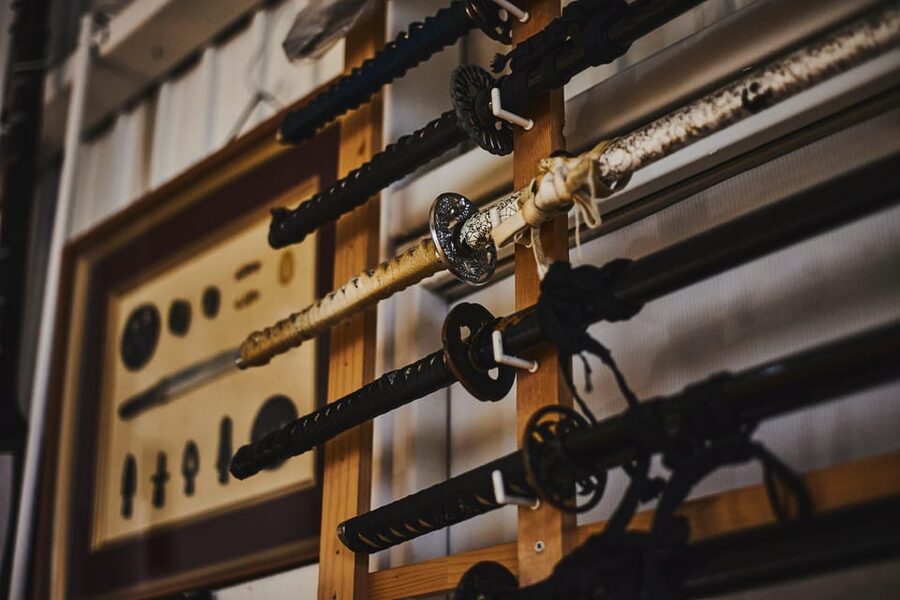
Once you understand the basic movements, you work with another participant. Paired practice lets you see how the techniques feel when a real person is moving in front of you. It also shows why distance, timing, and attention matter more than swinging hard.
The final combat section follows real Kendo rules in a simplified, beginner-friendly setting. Depending on the group, you might spar with another participant or with one of the instructors. Some sessions are small enough to feel almost private, including occasions when one person has attended alone.
That small-group flexibility is a practical strength. If you book on a quiet day, you may receive a great deal of individual attention instead of being lost in a crowd. If several people book together, you gain the fun of competing with family or friends. One useful tip is to book with someone whose fitness and experience are fairly close to yours, since that can make paired practice feel more comfortable.
The combat is described as intense and fun, but it is still controlled. You wear protective equipment, learn safety rules first, and receive instruction before sparring. Beginners should not mistake the word combat for an uncontrolled fight. The point is to practise Kendo principles under supervision.
You may also get the chance to face Toshi himself. That can be exciting, but it is worth keeping expectations realistic. You are not becoming a Samurai in two hours, and a trained instructor will be much faster and more precise than a first-time participant. Treat the bout as a demonstration and a playful challenge, not a contest you are expected to win.
What the Two Hours Feel Like
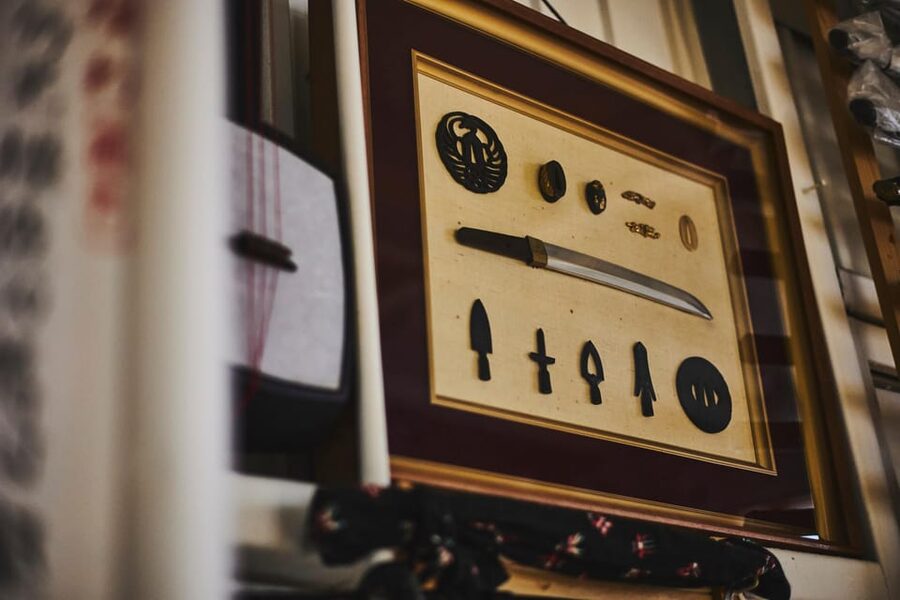
This is an active cultural experience, not a lecture with a few photographs at the end. The programme combines history, dressing, technical instruction, repeated practice, and match-style activity. That variety helps the two hours pass quickly.
I would describe the effort level as moderate to vigorous, depending on how seriously you take the drills and how much sparring you do. Wearing the armour adds weight and warmth, while the footwork asks you to stay alert and balanced. Bring a drink and avoid scheduling a strenuous activity immediately afterward if you want to stay comfortable.
The mood is encouraging rather than stern. Toshi is known for humour as well as careful correction, and his assistants help with clothing, photographs, explanations, and translation. The friendly approach matters because martial arts can feel intimidating when you are new. You are given permission to learn slowly, ask questions, and laugh at your first clumsy steps.
The session can also become a social experience. You may practise with other participants, compete with family members, or receive recommendations for local restaurants and places to visit afterward. Those informal conversations are not guaranteed as a formal feature, but the staff have offered local suggestions and tea or snacks at the end of some sessions.
Is $127 a Fair Price?
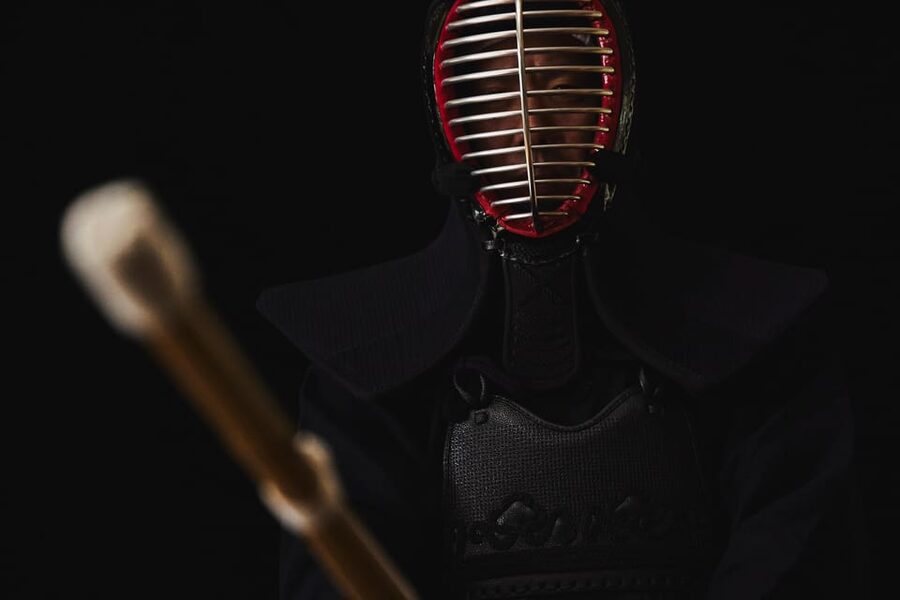
At $127 per person, this is not a budget activity. The value depends on what you want from Osaka.
If you only want a quick Samurai photograph, the price will feel high. If you want two hours of teaching, full clothing and armour, a genuine dojo setting, supervised practice, sparring, and photographs, the cost is easier to justify. You are paying for staff time and equipment as well as admission to an attraction.
The personal attention improves the value. Small groups and occasional semi-private sessions mean the instructor can correct your movements and adapt the pace. That is very different from a large demonstration where you watch a martial artist and copy a few gestures.
I would especially consider the price fair for couples, families with older children, and people who have a strong interest in martial arts or Japanese culture. It also offers more substance than many costume-based activities because you learn etiquette and technique before the photographs and matches.
Still, the activity is not a substitute for a Kendo course. You will learn foundations and get a taste of the sport, but two hours cannot provide long-term skill. If your main goal is serious technical progress, use this as an introduction and look for regular training at home.
Who Will Enjoy This Most?
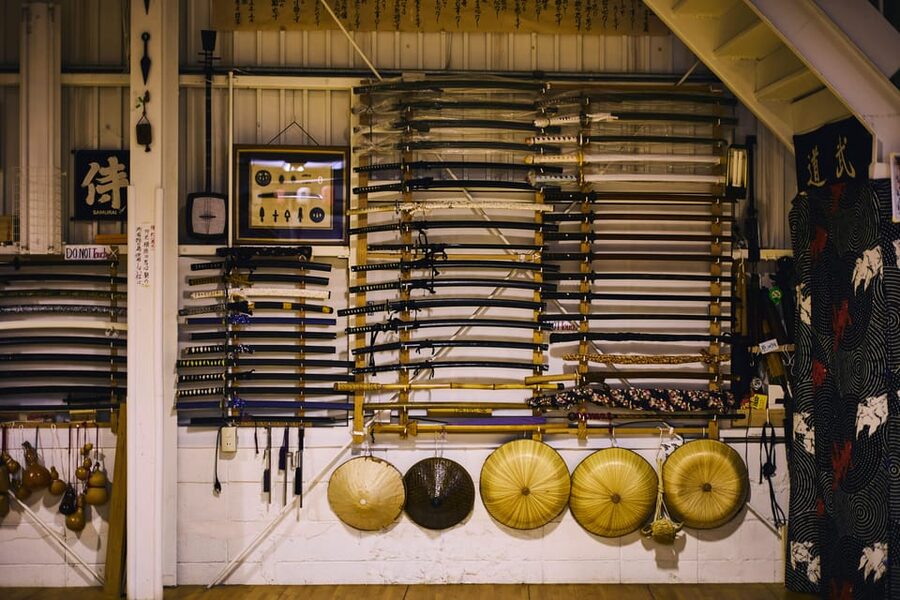
This programme fits people who want to do something active and distinctly Japanese. You do not need previous Kendo or martial arts experience, and the instructors are used to teaching complete beginners.
I think it suits:
- Couples who want an unusual shared activity
- Families with children old enough to follow instructions
- Anime and Samurai culture fans
- Martial arts enthusiasts
- Active people who do not mind sweating
- Solo participants who want focused instruction
- Visitors who prefer participation to passive sightseeing
A ten-year-old can enjoy the activity, provided the child is comfortable with the equipment and instructions. Families with teenagers and adult children may find it especially rewarding because everyone can take part in the lesson and matches.
The age limits need careful attention. Children under 2 cannot try Kendo. Ages 3 to 5 mainly wear the clothing, try on armour, and take photographs, so they do not receive the adult training and combat experience. People over 75 cannot try Kendo and may only watch.
Fitness levels can vary, but the session does involve movement and concentration. If you are not sporty, do not assume you cannot enjoy it. The instruction starts simply and is adjusted to your ability. At the same time, do not book it expecting a gentle photo stop.
Practical Details That Matter
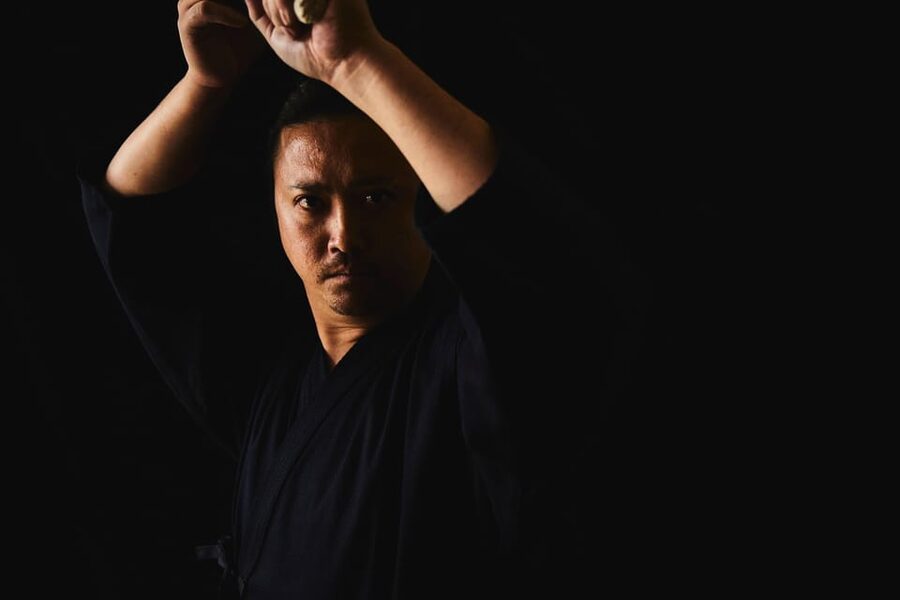
The experience is offered in English and Japanese. English-speaking instruction is a clear advantage, particularly during safety briefings, etiquette, and the rules for sparring. The team includes experienced instructors and assistants who help explain movements and manage the equipment.
Check the meeting point carefully using the supplied map link before setting out. The activity is in Osaka City, but the information provided does not state a railway station or walking time, so I would allow enough time to find the dojo without rushing.
Free cancellation is available until two days before the activity for a full refund. Starting times vary, so check availability when choosing your date. The two-hour duration refers to the scheduled activity, but arriving early to change can make your total time at the venue longer.
Bring drinks and wear practical clothing underneath the Kendo uniform. The provider asks for your height, weight, and gender to improve the fit of the equipment. Alcohol and drugs are not allowed.
Photography is included, but the supplied information does not specify how many photographs you receive or how they are delivered. If the pictures matter most to you, ask about the photo arrangements when booking.
Should You Book the Osaka Kendo Experience?
I would book this if you want an active, well-guided way to learn about Japanese martial culture. The strongest reasons are the genuine dojo, full protective equipment, patient English instruction, and the chance to practise rather than simply watch.
I would skip it if you dislike physical activity, feel uncomfortable with loud calls and close-contact sparring, or want a very relaxed cultural tour. The session can be tiring, and the $127 price makes more sense when you plan to take part in the full lesson.
For most suitable participants, this is a memorable Osaka choice. You leave with photographs, a basic understanding of Kendo, and a better sense of why discipline and respect matter in the art. Book it with a friend or family member if you can, but do not worry about attending alone. The instructors can still give you plenty of attention.
FAQ
Where does the Kendo experience take place?
It takes place at a genuine Samurai and Kendo dojo in Osaka City. The meeting point is provided through the supplied Google Maps link.
How long does the experience last?
The scheduled Kendo experience lasts two hours. You may wish to arrive early so changing clothes does not reduce your activity time.
Does the price include Kendo clothing and armour?
Yes. The experience includes Kendo uniforms and protective armour, including the Dōgi, Hakama, Men, Kote, Dō, and Tare.
Do I need previous Kendo experience?
No. The activity is designed mainly for beginners, and no previous Kendo or martial arts experience is required.
Will I get to spar?
Yes. After learning basic posture, footwork, techniques, and rules, you take part in paired practice and a match-style combat experience. Experienced participants may also spar with an instructor.
Is the instruction available in English?
Yes. Instruction is available in English and Japanese, with English-speaking instructors and assistants helping explain the activity.
Can children take part?
Children under 2 cannot try Kendo. Children aged 3 to 5 mainly receive a uniform and armour experience with photographs, rather than the same training as adults.
Can people over 75 participate?
No. People over 75 can attend for viewing only and cannot try Kendo.
What should I bring?
Bring drinks. You should also provide your height, weight, and gender in advance to help the team prepare a safe and comfortable equipment fit.
Just added in Japan
- A One-of-a-Kind Sushi Experience in a Special Place of Japan★ 5.0 · 15 reviews
- Tokyo Cute Bento Cooking Class – Make a Kawaii Character Lunchbox★ 5.0 · 126 reviews
- Japanese Home Cooking Class & Walk in Todoroki Temple Tokyo★ 5.0 · 88 reviews
- Japan Tokyo Tower Observatory Deck E-Ticket★ 4.0 · 34 reviews
- Catch a Baseball Game in Tokyo with a Local – Tickets Included★ 5.0 · 24 reviews
- JDM Experience with Fast&Furious RX-7 (English speaking Driver)★ 5.0 · 57 reviews
- Tokyo Private Day Tour by Car with English speaking Driver Guide★ 4.0 · 29 reviews
- Japan Classic 10 Day – One Life Adventures★ 5.0 · 129 reviews
Castles and Historic Sites, compared.
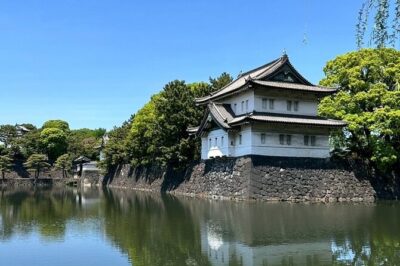
Imperial Palace and Shogun Historical Walking Tour
Read our review →
Tokyo Castle & Imperial PalaceーShogun Walking Tour
Read our review →
Nijo-jo Castle and Ninomaru Palace Guided Tour
Read our review →
Samurai Ninja Museum Guided tour and Experience
Read our review →Browse the lists this tour appears in