Reviewed · TOKYO TOURS
Private Home Cooking in Yanaka – Local Flavors in a Warm Setting
Tokyo gets tastier when you cook it yourself. This two-hour private lesson turns familiar Japanese dishes into a hands-on meal, with cooking instruction, local food talk, and a look at everyday Yanaka life. I like the personal teaching, often led by the friendly English-speaking host Yuki, and I like the menu flexibility, which can include anything from bento boxes and gyoza to udon and miso soup. The main consideration is finding the meeting point, since the class can be hard to spot on a side street.
The price is $122.23 per person, so this is not a cheap meal. Still, it can be good value if you want a full meal, private instruction, recipes, and cultural conversation rather than another restaurant stop. The class is best for curious eaters, families, solo visitors, and anyone who wants Japanese dishes that can be repeated at home.
In This Review
- Key points at a glance
- Why Yanaka makes a good cooking classroom
- What the two-hour class is like
- The menu: from bento boxes to miso-glazed eggplant
- Everyday Japanese dishes
- Noodles and dough
- Sushi and fried foods
- Miso-based dishes
- Yuki and the value of personal instruction
- What makes the experience feel local
- Is $122.23 per person fair?
- Who should book this Yanaka cooking class?
- Practical advice before you go
- Should you book it?
- FAQ
- Where does the cooking class meet?
- Where does the experience end?
- How long does the experience last?
- Is this a private activity?
- Can I choose lunch or dinner?
- Can I request specific dishes?
- Can the class accommodate allergies?
- Is the class taught in English?
- Is mobile ticketing available?
- What is the cancellation policy?
Key points at a glance
- A private class in Yanaka: Your group receives personalized instruction rather than standing in a large demonstration kitchen.
- Menus can be adjusted: Request dishes, vegetarian or vegan food, and allergy-related changes at least two days before the class.
- Yuki is a major strength: Her clear English, patience, humor, and practical cooking tips receive especially high praise.
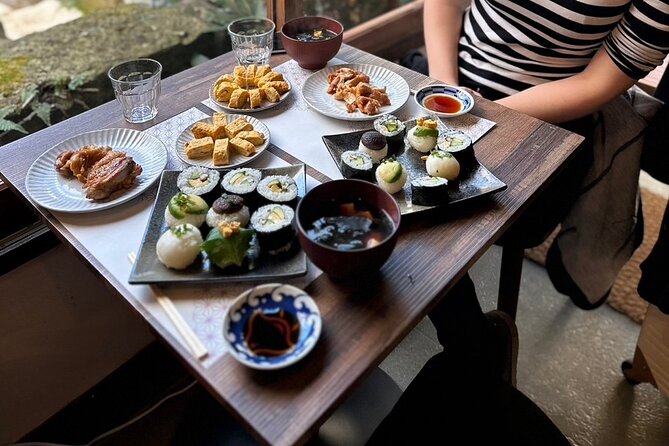
- The food changes by booking: Possible dishes include okonomiyaki, miso soup, tempura, sushi, gyoza, karaage, bento, soba, udon, and nasu dengaku.
- A useful Yanaka location: The workshop is about 100 meters from Yanaka Ginza, making it easy to pair with a walk through the old neighborhood.
- Allow time to find the start point: Check in at the Yanesen Tourist Information & Culture Center, with directions pointing to a nearby coffee shop on Yomise Street.
Why Yanaka makes a good cooking classroom
Yanaka gives you a different view of Tokyo. It is part of the Yanesen area, along with Nezu and Sendagi, where narrow lanes, small shops, temples, and local businesses create a slower feel than the giant commercial districts.
The cooking workshop sits about 100 meters from Yanaka Ginza. That matters because you can combine the lesson with a stroll through one of the area’s best-known shopping streets. I would visit Yanaka Ginza before or after class, but leave enough time to reach the meeting point without rushing.
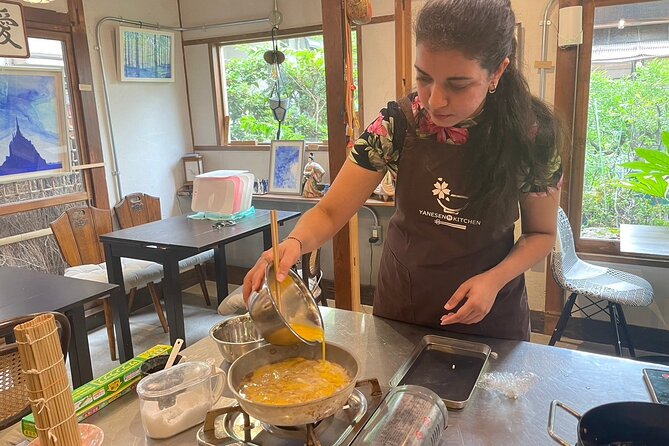
The setting is described as a local home kitchen, though one detailed account calls it a homey studio rather than an actual private residence. Expect a small, informal cooking space connected with the Yanesen Tourist Information & Culture Center. That distinction is useful: you get the warmth of a household lesson, but the class takes place in a workshop setting.
The meeting point is listed as the Yanesen Tourist Information & Culture Center at 3-chōme-13-7 Yanaka, Taito City. Several people had trouble locating the exact entrance. The practical fix is simple: check in at the small coffee shop called Ko Hi Ko Jo, where staff can direct you or help bring you to the class.
A few more options to weigh up in Tokyo
- Tokyo Disney Resort – Tokyo Disneyland & Tokyo DisneySea Park Tickets
★ 4.8 · 99,488 reviews - SHIBUYA SKY Ticket
★ 4.7 · 46,509 reviews - JR Whole Japan Rail Pass
★ 4.8 · 29,150 reviews
What the two-hour class is like
The experience lasts about two hours and ends where it begins. Since it is a private activity, your group is the only group taking part. A solo booking may become a one-to-one lesson, which is a strong advantage if you want to ask many questions or need extra help with a technique.
The class begins with a conversation about the menu and your preferences. The supplied plan describes two basic choices: Plan A lets you choose one main dish, while Plan B lets you choose two appetizers. The many dishes described in the experience suggest that the exact meal depends on your request and the instructor’s arrangement.
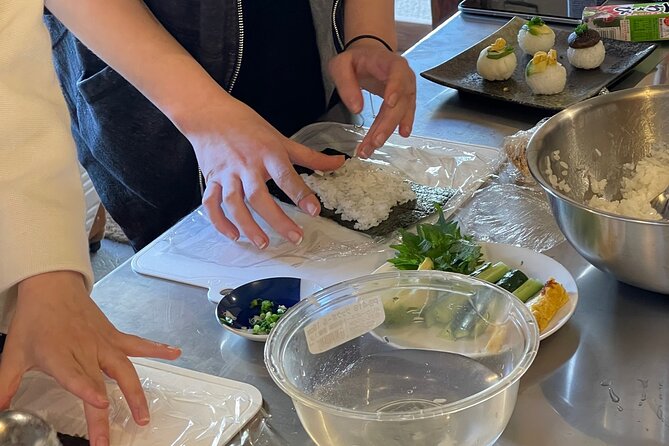
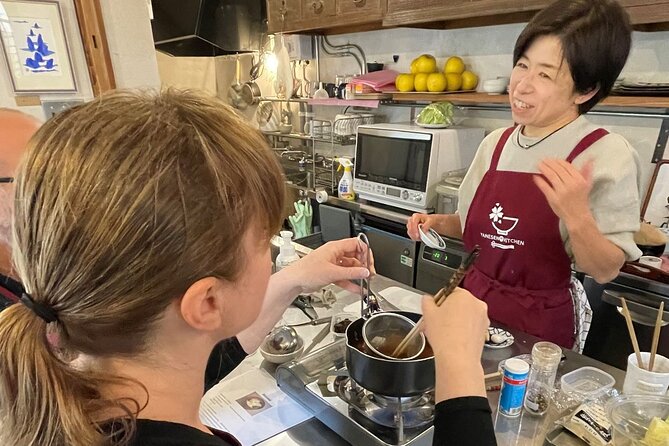
You are not simply watching someone cook. The method is hands-on. You chop, slice, grind, mix, shape, and cook while the instructor explains what to do and corrects your technique. This makes the lesson useful for beginners, but experienced home cooks can also pick up small details about timing, seasoning, and Japanese tools.
The best part is the explanation of why each step matters. Miso soup, for example, can involve homemade dashi made from ingredients such as bonito flakes, wakame, and kombu kelp. You may learn how these ingredients work together rather than treating miso soup as a packet or instant side dish.
At the end, you sit down and eat what you prepared. The portions described in the supplied comments are generous, with enough food that some people had extra for later. That turns the class into both a lesson and lunch or dinner.
The menu: from bento boxes to miso-glazed eggplant
The menu is the most flexible part of this activity. You should make your requests when booking, especially if you have allergies or follow a vegetarian or vegan diet. Changes can be discussed through the contact form until two days before the cooking date.
Everyday Japanese dishes
Oyakodon and nikujaga are good examples of what makes this class practical. Oyakodon combines chicken, egg, and rice in a comforting bowl, while nikujaga is a home-style dish of meat and potatoes. The ingredients are widely available outside Japan, so you can try the recipes again in California or elsewhere.
Bento-box lessons add a creative side. You may learn to make onigiri rice balls, roll Japanese omelets in a square pan, and arrange several items into a balanced lunch. This is a useful class for families because children can take part in shaping, arranging, and assembling the meal.
A completely different kind of day out:
- Mt Fuji and Hakone 1-Day Bus Tour Return by Bullet Train
★ 5.0 · 26,383 reviews - TOKYO SKYTREE® Ticket
★ 4.7 · 25,136 reviews - teamLab Borderless Tickets: MORI Building DIGITAL ART MUSEUM
★ 4.7 · 24,126 reviews - teamLab Planets TOKYO Ticket
★ 4.7 · 21,663 reviews
Noodles and dough
Udon and soba offer more physical work than a basic stir-fry. One session included udon made from scratch, with the dough kneaded by foot inside zip-top bags. It sounds unusual, but it is a traditional technique and one of the memorable details that makes this more than a standard recipe demonstration.
Gyoza is another hands-on choice. Folding dumplings gives you a clear task, and the finished dish is familiar enough to make the lesson approachable. Soba, gyoza, and udon are especially good picks if you want to learn how Japanese noodle and dumpling dishes are built from basic ingredients.
Sushi and fried foods
Several menu combinations include rolled sushi, tempura, karaage, or tonkatsu. Rolled sushi received special praise because the instructor patiently explained the process and helped with the technique. If you have never made sushi at home, this is likely to be one of the most useful parts of the lesson.
Tempura can be intimidating because oil temperature matters. The instructor explains how to judge the heat, which can make deep-frying feel more manageable when you return home. Tonkatsu and karaage offer a similar lesson in coating, frying, and seasoning.
Miso-based dishes
Nasu dengaku, or miso-glazed eggplant, appears repeatedly among the popular menus. The eggplant is prepared with a sweet-savory miso glaze and may be finished with sesame seeds. One meal used two different glazes, giving you a chance to compare flavors.
Okonomiyaki also works well in this setting. You prepare the mixture, cook the savory pancake, and learn how a simple-looking dish can contain several textures and ingredients. Pairing it with miso soup and nasu dengaku creates a full Japanese meal without relying on expensive ingredients.
Yuki and the value of personal instruction
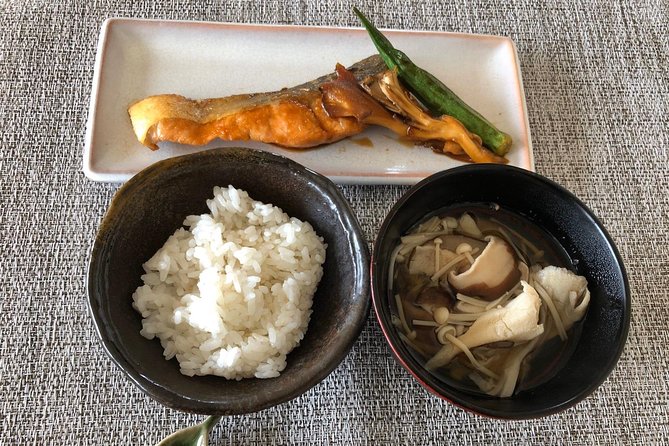
The host is one of the strongest reasons to book. Yuki is repeatedly described as warm, patient, funny, and easy to understand in English. She works alongside you instead of rushing through a fixed demonstration, and she welcomes questions as they come up.
That personal approach matters in a cooking class. You can ask how to replace an ingredient, how to recognize the correct oil temperature, or how to reproduce a dish in your own kitchen. You also get room to talk about Japanese food customs and your own food culture.
One solo participant received a particularly tailored lesson and help finding the train station afterward. Families also appreciated the clear English explanations, including instructions that children could follow. If you are nervous about joining a class in another language, this is a reassuring feature.
The teaching team may include an assistant, and other instructors named in the supplied material include Yukiko-san and Yuli. The exact instructor may vary, so I would not book based on one specific person unless the provider confirms who will teach your session.
What makes the experience feel local
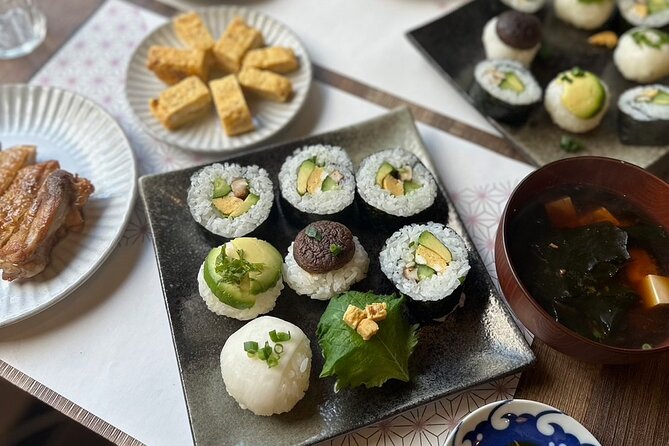
The class focuses on ordinary household food rather than restaurant theater. You learn dishes that Japanese families might prepare at home, along with basic ingredients, regional differences, and cooking habits.
The discussion of miso is a good example. Miso from Nagoya can be darker and stronger than miso from other parts of Japan. Details like this help you understand why two bowls of miso soup can taste quite different, even when the recipe looks similar.
The instructor can also explain local life in Yanaka and the wider Yanesen district. That conversation is part of the value. You are not only learning how to cook, but also hearing about neighborhood habits, food trends, and daily life in an older part of Tokyo.
Still, keep your expectations realistic. This is a short class, not a full culinary school course. You will learn selected dishes and techniques, but you will not cover every major style of Japanese cuisine in two hours.
Is $122.23 per person fair?
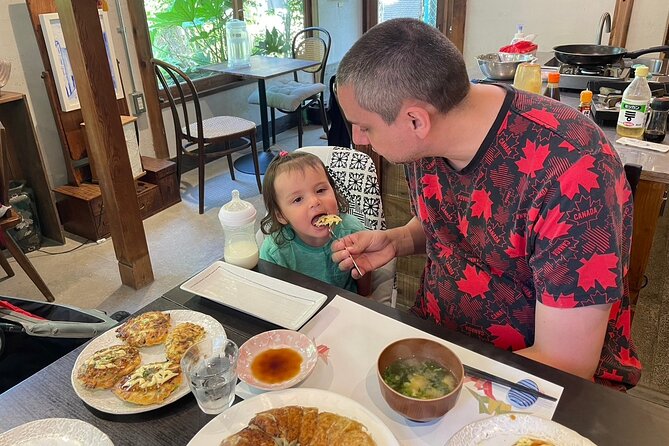
At $122.23 per person, the experience costs more than buying lunch in Yanaka. You are paying for a private class, ingredients, a meal, an English-speaking instructor, and direct feedback. For a solo participant or a small group, the private format can justify the price.
The value is strongest if you cook at home after returning. Recipes using ordinary ingredients such as potatoes, eggplant, rice, miso, flour, noodles, and chicken can become part of your regular kitchen routine. Several dishes are designed to be repeated, rather than admired once and forgotten.
Group discounts may improve the price for families or friends. The class also saves you the cost of booking both a separate meal and a cooking lesson, since you eat the food you prepare.
I would be less enthusiastic if you mainly want a quick meal or a polished professional kitchen. In that case, a restaurant offers more food for less money. This activity earns its price through participation, teaching, and conversation.
Who should book this Yanaka cooking class?
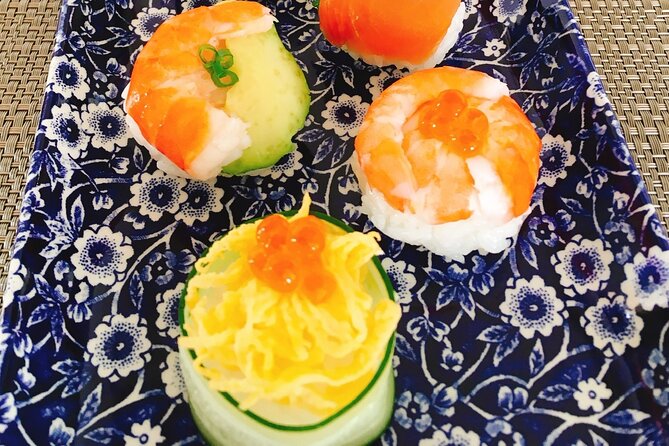
I would recommend it to:
- First-time visitors who want a friendly introduction to Japanese food.
- Solo visitors who value one-to-one instruction.
- Families with children who enjoy practical activities.
- Couples and small groups seeking a shared meal.
- Home cooks who want recipes they can recreate.
- Anyone with food restrictions who can provide notice in advance.
It may be less suitable if you dislike cooking, need a large accessible venue, or want a tightly fixed menu. The class is personal and flexible, but that also means the final dishes depend on the arrangements made before your visit.
Practical advice before you go
Request your menu early. Include allergies, vegetarian or vegan requirements, disliked ingredients, and any dishes you particularly want to learn. The provider asks for requests by at least two days before the class.
Wear something comfortable for kitchen work and arrive with enough time to find the location. The meeting point can be confusing, and the nearby coffee shop is an important landmark. If you get stuck, call the provider rather than wandering around the side streets.
Pair the class with Yanaka Ginza. The area has small shops, restaurants, and a pleasant local feel, so you can turn the cooking appointment into a half-day visit. If you choose a dinner session, walk around Yanaka beforehand; for a lunch session, explore the neighborhood afterward.
The policy allows free cancellation up to 24 hours before the start time. Changes made inside that window are not accepted. The provider also notes that the experience may be canceled if minimum numbers are not met or because of poor weather, in which case you are offered another date or a full refund.
One cancellation has been reported after an instructor became ill. The provider apologized and requested a full refund, so it is sensible to keep your booking confirmation and contact details handy.
Should you book it?
Book this class if you want more than a meal. The best features are the private format, flexible menu, generous portions, and friendly English instruction from hosts such as Yuki. The experience gives you useful techniques, local food context, and a reason to spend time in Yanaka.
I would book it early, request a menu that fits your interests, and plan extra time for the meeting point. If the $122.23 price fits your budget, this is a strong choice for a personal, home-style cooking lesson in Tokyo.
FAQ
Where does the cooking class meet?
The listed meeting point is the YANESEN Tourist Information & Culture Center at 3-chōme-13-7 Yanaka, Taito City, Tokyo 110-0001, Japan.
Where does the experience end?
The activity ends back at the meeting point.
How long does the experience last?
The cooking lesson lasts approximately two hours.
Is this a private activity?
Yes. Only your group participates in the private tour or activity.
Can I choose lunch or dinner?
Yes. You can choose a lunch or dinner cooking class to fit your schedule.
Can I request specific dishes?
Yes. You can submit menu requests through the reservation form and discuss them with the provider until two days before the cooking date.
Can the class accommodate allergies?
Yes. Allergies, vegetarian requirements, vegan requirements, and other requests can be arranged if you provide details when booking.
Is the class taught in English?
The listed instructor, Ms Yajima, can teach in English. Yuki and other instructors described for the experience are also praised for clear English instruction.
Is mobile ticketing available?
Yes. The experience includes a mobile ticket.
What is the cancellation policy?
You can cancel at least 24 hours before the start time for a full refund. Cancellations or changes made less than 24 hours before the start time are not accepted for a refund.
Just added in Tokyo
- Very popular in Harajuku♡Animal petting zoo★ 4.6 · 39 reviews
- Yokohama Port: Private Customizable Tour with Transfer★ 5.0 · 19 reviews
- Yanaka District: Historical Walking Tour in Tokyo’s Old Town★ 4.8 · 117 reviews
- Wagyu & Sake 8 Course Tasting Dinner in Shinjuku★ 4.9 · 20 reviews
- Warner Bros. Studio Tour Tokyo – The Making of Harry Potter★ 4.8 · 181 reviews
- Tokyo: Classic Tsukiji Food Tour★ 4.9 · 78 reviews
- Tokyo: Tsukiji Fish Market Tour with 6 Stops & Seafood Lunch★ 4.5 · 165 reviews
- Tokyo Wagyu & Sake Pairing Tasting Experience with Local Flavors★ 5.0 · 108 reviews
Tokyo Tours, compared.

Tokyo Disney Resort – Tokyo Disneyland & Tokyo DisneySea Park Tickets
Read our review →
Mt Fuji and Hakone 1-Day Bus Tour Return by Bullet Train
Read our review →

teamLab Borderless Tickets: MORI Building DIGITAL ART MUSEUM
Read our review →