

Reviewed · CASTLES AND HISTORIC SITES
Ramen-Making Experience in the Osaka Castle Area with Souvenir
Make your own bowl in Osaka. This two-hour class gives you real hands-on work, from mixing Japanese ramen flour into fresh noodles to preparing chicken chashu and choosing your soup. I especially like the small maximum group of eight and the choice between tonkotsu, shoyu, and miso. The English-speaking staff can guide you through each step, which makes the class friendly for first-time cooks and families.
I also like the setting near Osaka Castle, with three train stations within about 5 to 10 minutes on foot. The main consideration is price: at $85.39 per person, this costs more than simply ordering ramen in Osaka. You are paying for instruction, ingredients, your meal, and a souvenir, so it makes the most sense if you want a practical cultural activity rather than only a quick lunch.
In This Review
- Key points at a glance
- Why this Osaka cooking class is worth your time
- Finding the studio near Osaka Castle
- Entering a studio filled with ramen details
- Making fresh ramen noodles from scratch
- Preparing chicken chashu with an original broth
- Choosing between tonkotsu, shoyu, and miso
- Eating the ramen you made yourself
- How the staff shape the experience
- Morning or late afternoon: choosing your timing
- Who should book this ramen class?
- Booking, cancellation, and practical details
- Should you book the Osaka ramen-making experience?
- FAQ
- How long does the ramen-making class last?
- Where does the activity begin and end?
- How far is the studio from Osaka Castle?
- Which train stations are near the studio?
- Which soup bases can I choose?
- Is the class suitable for beginners and children?
- How many people can join the class?
- Can I cancel for a full refund?
Key points at a glance
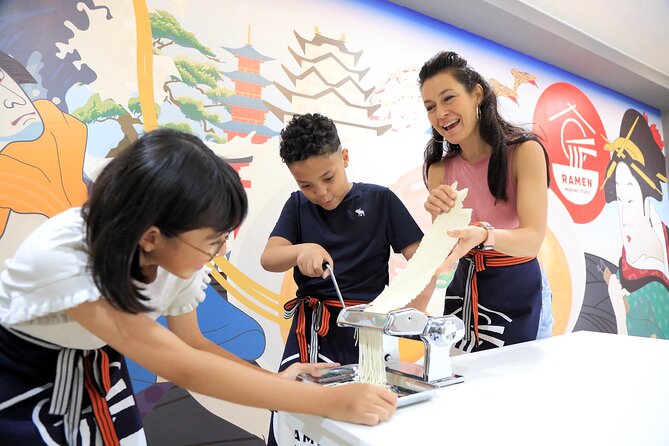
- Make noodles from Japanese ramen flour: You mix and shape your own noodles, then cook with freshly prepared ingredients.
- Pick your soup style: Choose tonkotsu, shoyu, or miso, with recipes based on those used by well-known ramen shops.
- Prepare chicken chashu: The class uses chicken simmered in an original broth for a tender, flavorful topping.
- Small, welcoming class: The maximum group size is eight, and the activity is open to all skill levels.
- Easy Osaka location: The studio is about 20 minutes on foot from Osaka Castle and close to three train stations.
- Leave with a keepsake: The class ends with a souvenir, along with the ramen you made yourself.
Why this Osaka cooking class is worth your time
Osaka is famous for eating, but a cooking class lets you understand the food instead of simply ordering it. Ramen looks simple in a bowl, yet the meal depends on several separate parts: noodles, broth, meat, and toppings. Here, you work through those parts in a guided setting.
The format is practical. You are not sitting through a long demonstration while someone else cooks. You make noodles, prepare the chashu, choose your soup, and put the meal together. That active approach is the main reason I would choose this class over a standard food tour.
The class lasts about two hours, long enough to feel like a proper activity without taking over your day. You can book a morning or late afternoon session, which helps if you want to fit it around Osaka Castle, Umeda, or Namba.
It is also designed for mixed groups. You do not need previous cooking experience, and children can take part. The English-speaking staff can explain the process and answer questions as you work, rather than leaving you to guess what to do next.
More Castles and Historic Sites in Osaka
- Osaka Castle: Museum and Tower Entry Ticket
★ 4.5 · 2,380 reviews - Ultimate Osaka Walking Tour: Castle, Dotonbori & Hidden Gems
★ 5.0 · 862 reviews - Osaka Castle Walking Tour and Castle Tower Admission
★ 5.0 · 561 reviews
Finding the studio near Osaka Castle

The studio is located at Higashitenma 1-chōme 4, in Osaka’s Kita Ward. It is within walking distance of Osaka Castle, although the walk is listed at about 20 minutes, so you should allow enough time if you are coming directly from the castle grounds.
The nearest stations offer useful alternatives:
- Tenmabashi Station, Exit 13, about 10 minutes away
- Minamimorimachi Station, Exit 6, about 10 minutes away
- Osaka Temmangu Station, Exit 7, about 5 minutes away
This is a handy location for a day that includes other central Osaka sights. Umeda Sky Building and Namba are both about 20 to 30 minutes away by train. I would check your route before leaving, especially if you are arriving with children or carrying shopping bags.
Your mobile ticket is accepted, and the activity begins and ends at the same meeting point. Since the group is capped at eight people, arriving on time matters. The information provided does not give a separate hotel pickup service, so plan to make your own way to the studio.
Entering a studio filled with ramen details
The venue is part of the experience, not just a plain kitchen. The walls feature ramen and Japanese motifs, giving you a lively background for photographs. Staff may take photos and videos during the class and may use them on social media or in advertising.
If you do not want your image used, tell the staff before the activity starts. That is a small point, but it is worth handling at the beginning instead of worrying about it during the class.
One especially unusual feature is the entrance glass door. It was made more than 100 years ago with a technique that no longer exists. You will also find Japanese cultural objects inside, and the staff introduce some of them during the visit.
That extra cultural layer gives the class more character. You are not only learning a recipe. You are also getting a short look at the space, objects, and food traditions connected with Japanese life.
Making fresh ramen noodles from scratch
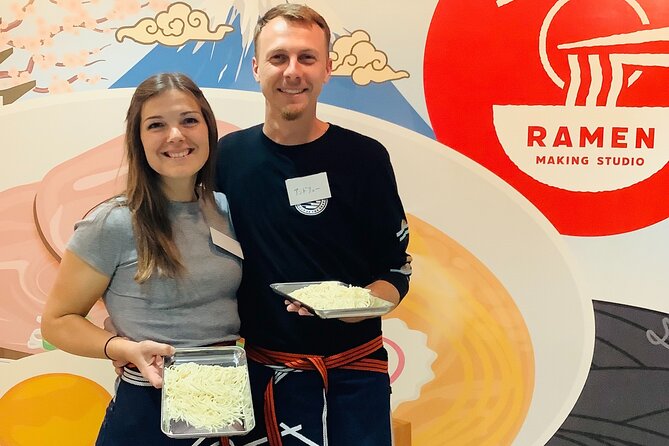
The noodle section is the heart of the class. You use Japanese wheat flour made specially for ramen and turn it into your own noodles. The goal is not simply to watch the dough being prepared. You take part in the process and create a bowl that is yours from the start.
Fresh noodles have a different appeal from packaged noodles. The texture is chewy, and you can see how much work goes into what often arrives at the table in just a few minutes. The class teaches techniques from professional ramen kitchens, while keeping the instructions suitable for beginners.
This is also the part most likely to appeal to families. Children can take part in a clear, physical task, and the result is easy to understand: the noodles they helped make will be in their own bowl later.
You should not expect to leave with a complete professional ramen recipe that covers every secret of a shop kitchen. The soup bases are tied to secret recipes, and the class is a short introduction rather than culinary school. Still, you get a useful understanding of how fresh noodles fit into the finished dish.
A completely different kind of day out:
- Osaka Go Karting Tour with Funny Costume
★ 5.0 · 2,658 reviews - Osaka: Shinsekai Food Tour with 13-15 Dishes at 5 Eateries
★ 4.8 · 2,204 reviews - Osaka Food Tour: 13 Dishes at 5 Local Eateries
★ 5.0 · 2,149 reviews - Hungry Osaka Street Food Tour:15 Tastings & 3 Drinks with a Local
★ 5.0 · 1,727 reviews
Preparing chicken chashu with an original broth
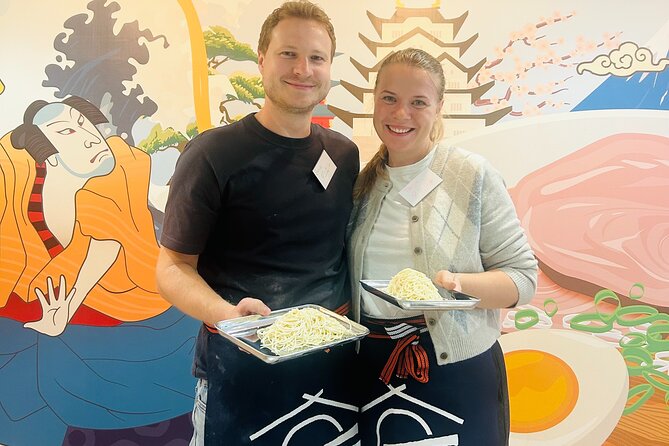
Next comes chashu, the tender meat served with ramen. In this class, you prepare chicken simmered in an original broth. That differs from the pork chashu often associated with ramen, but it gives the session its own approach.
The preparation shows you how a topping can add flavor and softness to the soup. It also breaks the bowl into manageable parts. Once you have made the noodles and worked with the chashu, the final meal feels like the result of several small jobs rather than one mysterious dish.
The supplied information does not specify how long each cooking step takes or how much cutting is involved. You can expect staff guidance throughout, but exact timings may vary by class and group. The small class size should help the instructors give attention when you need it.
Choosing between tonkotsu, shoyu, and miso
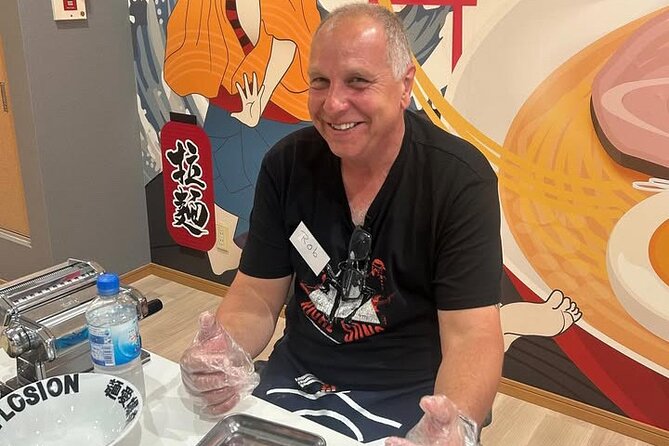
You choose one of three soup bases: tonkotsu, shoyu, or miso. That choice is useful because it lets you match the bowl to your taste rather than accepting one fixed menu.
Tonkotsu is the option to consider if you like a strong, creamy-style ramen broth. Shoyu gives you a soy sauce-based direction, while miso brings a fuller, savory character. The class describes these as being based on secret recipes from well-known ramen shops.
The important point is that soup selection adds a personal element to the meal. Two people in the same class can work through the same noodle-making process and still finish with different bowls.
The information does not say if you can sample all three soups or change your selection after booking. Choose your preferred base when instructed, and ask the staff if you have questions about the flavors or ingredients.
Eating the ramen you made yourself
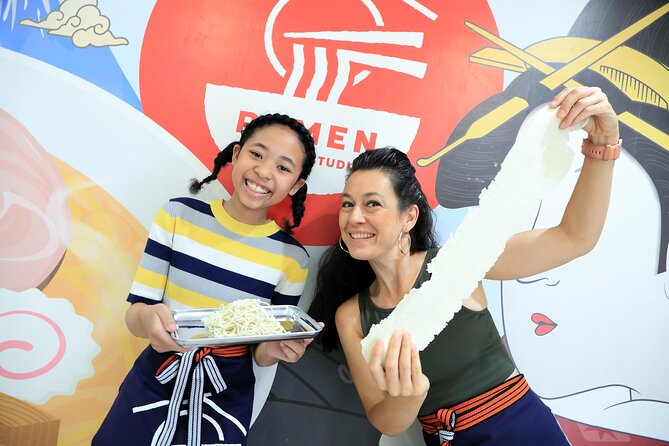
The class ends with the best kind of homework: eating the bowl. The food is not an extra demonstration portion. You get to taste the noodles, chicken chashu, and soup you prepared during the session.
That makes the $85.39 price easier to assess. A normal ramen meal would cost much less, but it would not include two hours of instruction, hands-on preparation, a small class setting, or a souvenir. The value depends on what you want from the outing.
I would call the price fair for someone who wants a food activity with a finished meal. It is less attractive if you only want to eat ramen, especially if you are traveling on a tight budget or have limited time in Osaka.
The class has received a 5 out of 5 rating from 22 reviews, with 100 percent recommending it. The strongest praise focuses on friendly staff, clear directions, excellent English, a clean kitchen, and the fun of making the noodles by hand. Those points matter because a cooking class can quickly become frustrating when instructions are rushed or unclear.
How the staff shape the experience
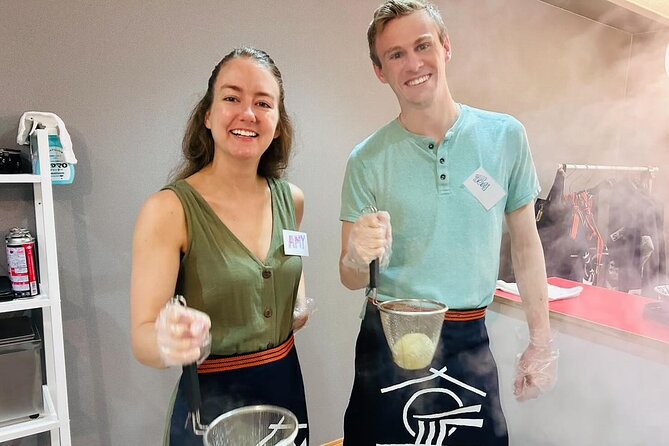
The staff are described as professional, kind, humble, and fun. Their English is strong, and they guide the class without taking over every task. That balance is important: you want help when the dough or soup process is unfamiliar, but you also want to feel that you did the work.
The group limit of eight supports that style. A larger class could make the activity feel like a show, with people at the back missing steps. Here, you have a better chance to ask questions in real time and follow the process closely.
The class is open to all skill levels. You do not need to know Japanese cooking terms or have experience making noodles. If you have food restrictions or ingredient concerns, the supplied information does not confirm what substitutions are available, so ask the studio before booking.
Morning or late afternoon: choosing your timing
Two schedule choices are available: morning or late afternoon. The right option depends on how you plan your Osaka day.
A morning class can work well before visiting Osaka Castle, since the studio is nearby. You could make ramen first, then walk toward the castle. If you prefer to see the castle earlier, the late afternoon session lets you place the cooking class after sightseeing.
The two-hour length is manageable, but remember to include travel time to and from the studio. The activity itself ends back at the meeting point, and no onward transfer is provided.
The late afternoon option may also suit you if you want a substantial meal before an evening in Umeda or Namba. Both areas are about 20 to 30 minutes away by train from the studio area.
Who should book this ramen class?
I would recommend it most strongly to:
- Families looking for a shared activity beyond sightseeing
- First-time visitors who want an easy introduction to Japanese cooking
- Ramen fans who want to understand how noodles and soup come together
- Couples or friends who enjoy making and eating food together
- Anyone staying near Osaka Castle, Umeda, or central Osaka
- People who value a small group and English-language guidance
It is not the best choice for someone who wants a quiet meal with no scheduled activity. It may also be a poor fit if $85.39 feels too high for a two-hour class and one bowl of ramen.
The souvenir helps the experience last beyond lunch, but the real keepsake is the skill. You may not reproduce the exact secret soup at home, yet you will leave with a better sense of how fresh ramen is built.
Booking, cancellation, and practical details
Confirmation is provided when you book, and the mobile ticket makes the entry process simple. Free cancellation is available if you cancel at least 24 hours before the local start time. Cancellations or changes made inside that window are not accepted and are not refunded.
The studio is near public transportation, but you should allow extra time to find the exact entrance. The meeting point is at Japan, 530-0044 Osaka, Kita Ward, Higashitenma, 1-chōme 4, Higashitenma Heights.
The maximum group size is eight people. That limit is one of the strongest practical advantages of the class, especially if you want personal help with noodle making.
Should you book the Osaka ramen-making experience?
Book it if you want to do more than order a bowl. The class gives you fresh noodle making, chicken chashu preparation, a choice of three soup bases, English-speaking instruction, cultural details in the studio, and a souvenir at the end.
I would especially choose it for a family day or a food-focused afternoon near Osaka Castle. The price is not a bargain meal, but it is reasonable for a two-hour, hands-on activity with food included.
Skip it if your main goal is simply to eat inexpensive ramen or if your Osaka schedule is packed too tightly for a fixed two-hour class. For everyone else, this is a friendly, focused way to turn one of Japan’s most familiar dishes into something you understand and remember.
FAQ
How long does the ramen-making class last?
The class lasts approximately two hours.
Where does the activity begin and end?
It begins at Japan, 530-0044 Osaka, Kita Ward, Higashitenma, 1-chōme 4, Higashitenma Heights, and ends back at the same meeting point.
How far is the studio from Osaka Castle?
The studio is within walking distance of Osaka Castle, approximately 20 minutes away.
Which train stations are near the studio?
Tenmabashi Station Exit 13 and Minamimorimachi Station Exit 6 are about 10 minutes away. Osaka Temmangu Station Exit 7 is about 5 minutes away.
Which soup bases can I choose?
You can choose tonkotsu, shoyu, or miso.
Is the class suitable for beginners and children?
Yes. The class is family-friendly and open to all skill levels.
How many people can join the class?
The activity has a maximum of eight participants.
Can I cancel for a full refund?
Yes, if you cancel at least 24 hours before the experience start time. Cancellations or changes made less than 24 hours before the start time are not refunded or accepted.
Just added in Osaka
- Osaka: 2-Hour Nightlife District Walking & Local Food Culture★ 5.0 · 199 reviews
- Osaka Japanese Cooking And Matcha Class near Osaka Castle★ 5.0 · 22 reviews
- Osaka Dotonbori Daytime Food Tour★ 5.0 · 24 reviews
- Osaka Dotonbori Wonder Cruise★ 4.0 · 28 reviews
- Osaka Food Walking Tour with Market Visit★ 4.5 · 14 reviews
- Cooking Ramen&Gyoza/KatsuCurry/Bento/Okonomiyaki+Store Tour@Osaka★ 5.0 · 138 reviews
- Osaka Private Pop Culture Tour: Historic Tenma to Dotonbori★ 4.5 · 13 reviews
- Osaka Cooking Class and Sake Tasting with Local Supermarket Visit★ 5.0 · 79 reviews
Castles and Historic Sites, compared.

Imperial Palace and Shogun Historical Walking Tour
Read our review →
Tokyo Castle & Imperial PalaceーShogun Walking Tour
Read our review →
Nijo-jo Castle and Ninomaru Palace Guided Tour
Read our review →
Samurai Ninja Museum Guided tour and Experience
Read our review →
Browse the lists this tour appears in