
Reviewed · CASTLES AND HISTORIC SITES
Samurai Training Experience KENDO in Osaka
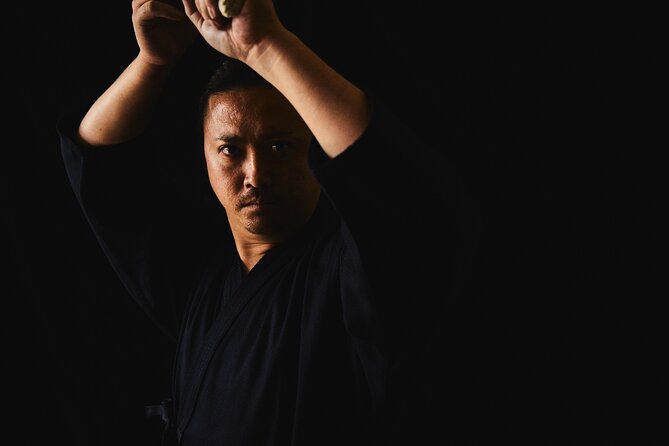
Put on the armor and pick up the shinai. This two-hour Osaka experience gives you a hands-on introduction to kendo inside a real dojo, with history, technique, dressing, practice, and a supervised match. I like that Toshi and his assistant, often identified as Kumiko, keep the session friendly while still treating the art with respect.
I especially like the small class size, capped at 12 people, because beginners get room for personal correction. The free digital photos and videos are another strong touch. You can concentrate on learning, then receive a record of the experience afterward instead of trying to film yourself in heavy protective gear.
The main consideration is physical effort. Kendo can be relaxed or quite active, depending on your pace and the instructor’s adjustments. Two hours in a uniform and armor may feel warm, even though the dojo has air conditioning, heating, changing rooms, and showers.
In This Review
- Key Points Before You Book
- What Kendo Adds to an Osaka Itinerary
- Arriving at the Honjōhigashi Dojo
- The Opening: Samurai History and Kendo Basics
- Changing Into the Uniform and Armor
- Learning Strikes, Footwork, and Combinations
- The Match-Style Finale
- Photos, Videos, Snacks, and the Human Touch
- Is $131.32 a Fair Price?
- Who Will Enjoy This Most?
- My Verdict: Book It for the Training, Not Just the Costume
- FAQ
- Where does the kendo experience take place?
- How long does the experience last?
- Is the activity suitable for beginners?
- Is the experience conducted in English?
- How many people can join the class?
- Are uniforms and armor provided?
- Do I receive photos or videos?
- What happens for children aged 3 to 5?
- Are showers and changing rooms available?
- Can I cancel for a full refund?
Key Points Before You Book
- Training takes place in a real Osaka dojo: The facility also displays samurai artifacts and memorabilia, giving the lesson a setting with more substance than a simple costume studio.
- You learn before you spar: The session covers stance, footwork, strikes, combinations, counters, and proper practice manners before the match-style portion.
- Toshi and Kumiko make beginners feel at ease: Instruction is offered in English, with explanations of both kendo and samurai culture.
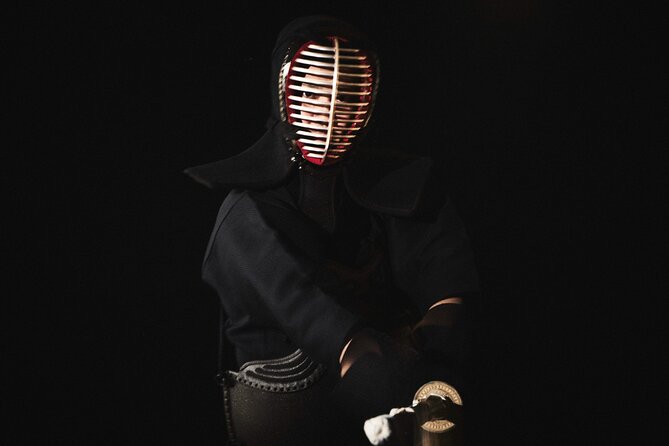
- The armor is part of the lesson: You change into an authentic kendo uniform and protective equipment, then practice with a bamboo sword called a shinai.
- Your photos and videos are included: The instructors record much of the session and send digital memories afterward.
- Families can take part: Children aged 3 to 5 focus on wearing the uniform and armor safely and taking photographs, while older children can participate more fully.
What Kendo Adds to an Osaka Itinerary
Osaka is easy to enjoy through food, shopping, and bright city streets. This activity gives you a different side of the city. You spend two hours learning a disciplined Japanese martial art rather than simply looking at samurai objects behind glass.
Kendo developed from older Japanese sword-fighting methods associated with the samurai. Modern kendo uses a bamboo sword, protective armor, formal movements, and controlled strikes. You are not being trained as a historical warrior in one afternoon, of course. The value is in trying the basic forms, learning why etiquette matters, and feeling how much concentration goes into each movement.
That combination makes this a useful cultural experience for you if you want more than a photograph in rented clothing. The lesson has a clear physical element, but it also explains the ideas behind the practice, including samurai culture and Bushidō.
I would particularly recommend it if you enjoy martial arts, Japanese history, or activities that ask you to participate instead of watch. It also works well for families. The instructors adjust the pace, and children can enjoy the uniforms, armor, practice, and final match without needing previous experience.
More Castles and Historic Sites in Osaka
- Osaka Castle Ticket
★ 4.7 · 12,450 reviews - Osaka Castle: Museum and Tower Entry Ticket
★ 4.5 · 2,380 reviews - Ultimate Osaka Walking Tour: Castle, Dotonbori & Hidden Gems
★ 5.0 · 862 reviews
Arriving at the Honjōhigashi Dojo
The meeting point is at 1-chōme-18-2 Honjōhigashi in Osaka’s Kita Ward, postal code 531-0074. The dojo is near public transportation, and it is described as easy to find. The activity begins and ends at this same location, so you do not need to arrange a second pickup point.
Allow yourself enough time to arrive without rushing. Kendo begins with attention and manners, and showing up flustered is not the best way to start. Your mobile ticket is accepted, and confirmation is provided when you book.
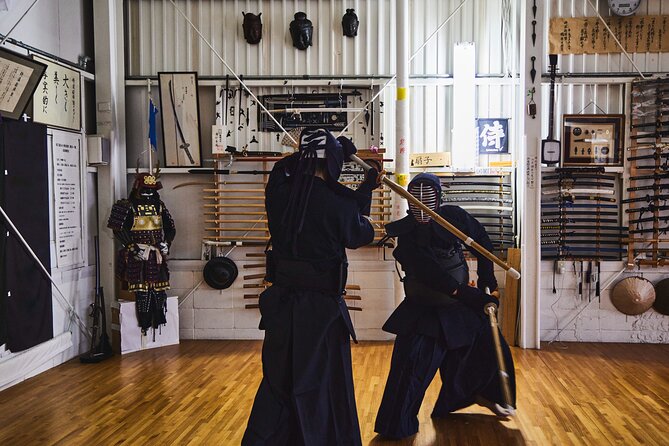
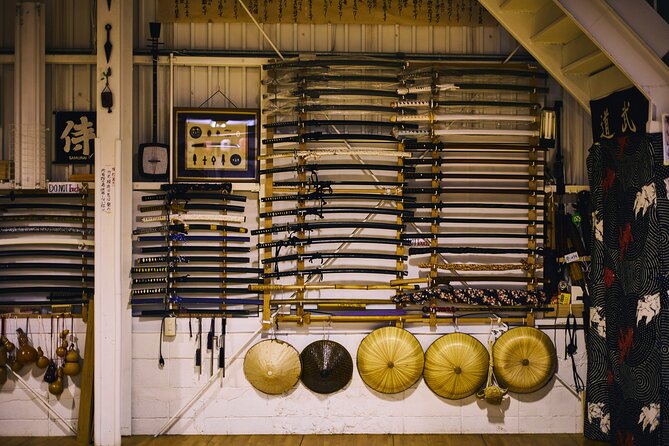
The facility itself is part of the appeal. It is maintained as a working dojo and also functions as a small museum, with samurai artifacts and related memorabilia. You may find this display especially worthwhile if you have already visited larger museums and want a closer, more personal setting.
The practical facilities are better than you might expect from a compact martial arts venue. There are changing rooms, showers, air conditioning, and heating. That matters because the session includes changing into a uniform and armor, followed by movement and strikes.
The Opening: Samurai History and Kendo Basics
The first part of the experience introduces you to kendo, samurai culture, and Bushidō. This is not treated as filler before the physical activity. It gives you a reason for the posture, focus, greetings, and careful handling of the shinai that follow.
Toshi leads the training, with help from an English-speaking assistant or translator. The teaching style is patient and encouraging, which is useful when you are trying to remember unfamiliar movements while also paying attention to Japanese etiquette.
You begin with basic positioning and form. The practice includes how to center yourself before training, how to stand, and how to move correctly. Those small details can feel surprisingly demanding. Kendo is not only about swinging a sword. Your feet, hands, posture, timing, and voice all need to work together.
The instruction is suitable for complete beginners. You do not need prior kendo training, martial arts experience, or special knowledge of Japanese customs. If you have two left feet, you will have company, and the instructors are used to helping people find their balance.
The pace can be adjusted. You can treat the session as a calm cultural lesson, or work harder as the techniques become more familiar. That flexibility is important for mixed groups, especially when parents and children have different levels of fitness.
Changing Into the Uniform and Armor
After the introduction, you change into authentic kendo clothing and protective armor. This is where the activity becomes more than a short demonstration. The clothing changes your movement, and the armor gives you a better sense of the structure and formality of the practice.
You use a shinai, the bamboo sword used in kendo. The equipment allows you to practice strikes in a controlled setting. You are taught how to use it safely, and the match-style portion comes only after you have learned the basic techniques and manners.
The changing room makes the process straightforward. You can also use the shower afterward, a useful feature if you choose to train with real energy. Air conditioning helps during warmer weather, while heating makes the dojo more comfortable in colder months.
The armor is also one of the most memorable photo opportunities. The instructors take photographs and videos as you practice, pose, and spar. You do not have to choose between paying attention and recording the moment on your phone.
For children aged 3 to 5, the activity is more limited. Their focus is on putting on the uniform and armor safely and taking photos. That is a sensible arrangement, since full training may be too demanding for very young children.
More Castles and Historic Sites in Japan:
- Tokyo: Imperial Palace and Shogun Historical Walking Tour
★ 5.0 · 2,251 reviews - Tokyo: Samurai Restaurant Show Ticket with 2 Drinks
★ 4.5 · 1,307 reviews - Kyoto Samurai Experience
★ 5.0 · 1,294 reviews - Tokyo Castle & Imperial PalaceーShogun Walking Tour
★ 4.7 · 1,068 reviews
Learning Strikes, Footwork, and Combinations
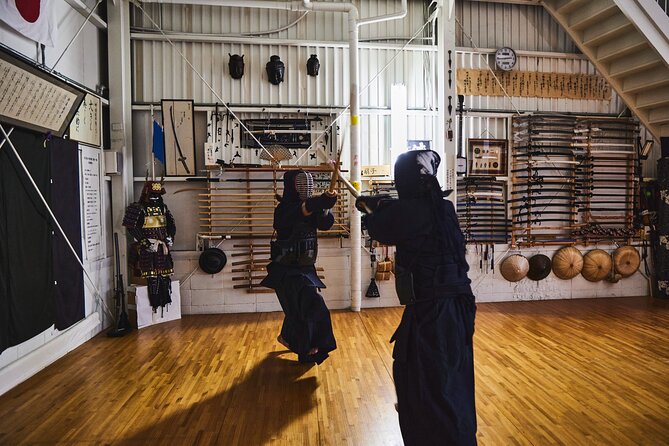
Once dressed, you work through the foundations. The lesson can include basic strikes, combinations, counters, and the footwork that supports them. You are not expected to master kendo in one visit. The goal is to understand the sequence and perform enough of it to take part with confidence.
This section is where the price begins to make more sense. You are not simply handed a costume and pointed toward a camera. The instructors spend time correcting movement and explaining what you are doing. Small-group teaching means you can ask questions and receive direct feedback.
You may find the practice more physical than expected. The repetitive strikes and footwork can raise your heart rate, especially when you start linking movements together. At the same time, the instructors can keep the session gentle if you prefer a slower pace.
The lesson also gives you a useful respect for skilled kendo practitioners. A simple-looking strike requires timing, distance, posture, and control. Even a short introduction shows why the art is practiced over many years.
Keep your expectations realistic. This is a beginner lesson, not a professional certification course or a full account of samurai warfare. It is best understood as a guided first encounter with kendo, taught through movement rather than a lecture.
The Match-Style Finale
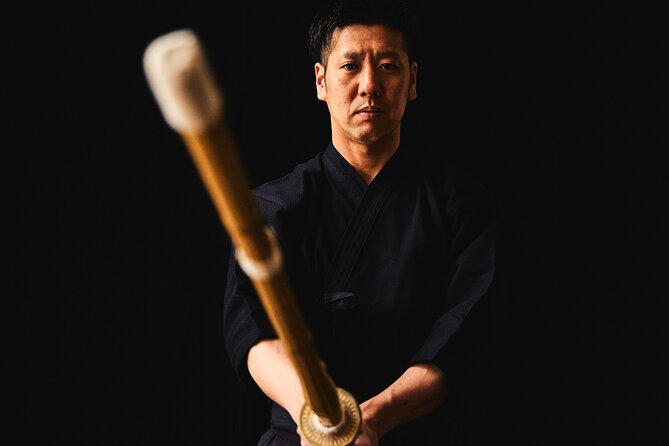
The final section lets you use what you have learned in a safe, supervised match-style session. You may spar with a friend, family member, or another participant, depending on the group. The instructors guide the process so the match remains controlled and suitable for your ability.
This is often the most exciting part, but it works because the lesson builds toward it. You learn the stance, movements, strikes, and manners first. That preparation keeps the sparring from becoming random stick swinging.
Some participants choose a relaxed pace, while others ask for a faster challenge. The instructors can adjust the intensity. If you are nervous, you can start carefully. If you are comfortable with physical activity, you may enjoy testing your timing against Toshi.
The match with the instructor can be a memorable finale. Toshi is described as fast and skilled, so do not be surprised if his movements seem much quicker than they did during practice. Treat that moment as a demonstration of how much experience changes the art, not as a contest you need to win.
The instructors record much of this portion. Families can capture children facing each other, couples can try a friendly duel, and solo participants may receive one-on-one attention if no one else has booked that session. That last possibility makes the experience appealing for solo visitors who might otherwise worry about attending alone.
Photos, Videos, Snacks, and the Human Touch
The digital photographs and videos are included as souvenirs. They are generally sent after the experience, with some participants receiving them within 24 hours. That is a practical benefit because you can leave your phone aside and stay focused during training.
The photo session also gives you time to appreciate the armor and dojo setting. If your main goal is a polished samurai portrait, remember that this experience is built around training first. The images are a bonus attached to a real lesson, not the entire product.
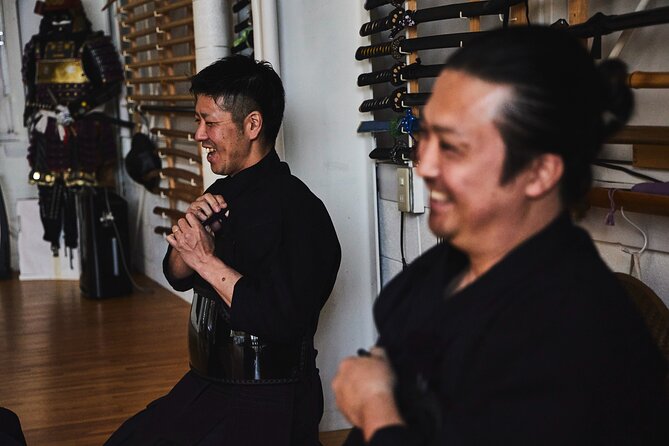
The husband-and-wife team adds warmth to the session. Toshi handles the kendo instruction, while Kumiko helps with explanations and the welcoming side of the experience. Their humor and patience matter, especially when you are unfamiliar with both the language and the customs.
Some sessions include water, Japanese snacks, and drinks afterward. These small gestures help the activity feel personal rather than rushed. The instructors have also offered suggestions for what to see or eat during the rest of an Osaka visit.
Is $131.32 a Fair Price?
At $131.32 per person, this is not a bargain activity in the usual Osaka sense. You can eat very well in the city for far less. The question is what you receive for the price.
Here, your fee covers about two hours of instruction, use of a uniform and protective armor, a small-group setting, historical and cultural explanation, supervised sparring, changing facilities, and digital photographs and videos. You also get access to a dojo that displays samurai artifacts.
I consider the price reasonable if you want a guided cultural activity with genuine participation. The value is strongest for couples, families, martial arts fans, and solo visitors who appreciate personal instruction. If you only want to dress up for five minutes and take a picture, this is probably more time and money than you need.
The maximum group size is 12, though smaller bookings can offer more individual attention. One solo participant had one-on-one instruction, which shows how different the experience can feel depending on the day’s bookings.
Free cancellation is available if you cancel at least 24 hours before the start time. Cancellations or changes made inside that window are not refunded or accepted, so keep the local Osaka time in mind when adjusting your plans.
Who Will Enjoy This Most?
You will get the most from this experience if you like learning by doing. The history is brief enough to leave plenty of time for practice, while the physical lesson gives meaning to the cultural explanation.
It is a good choice for:
- First-time visitors who want a hands-on Japanese tradition
- Martial arts fans who want to try kendo under professional guidance
- Families with children old enough to follow instructions
- Couples or friends looking for a shared activity
- Solo visitors who prefer an organized cultural experience
- History fans interested in samurai customs and Bushidō
You should think twice if you dislike changing clothes, physical activity, or close instruction. Kendo asks you to listen carefully, repeat movements, and follow established manners. The session is beginner-friendly, but it is not passive.
Most people can participate, and service animals are allowed. The supplied information does not give detailed guidance about every medical condition, so contact the provider before booking if you have a concern about exercise, armor, or movement.
My Verdict: Book It for the Training, Not Just the Costume
I would book Samurai Training Experience KENDO in Osaka if I wanted an active cultural memory rather than another sightseeing stop. The strongest features are the real dojo, patient instruction from Toshi and Kumiko, the chance to wear proper armor, and the supervised match at the end.
The five-star rating from 515 reviews and 100 percent recommendation are unusually strong, and the praise centers on the same practical qualities: friendly teaching, clear English support, clean facilities, family appeal, and a lesson that feels both serious and fun.
Book it if you want to learn enough kendo to understand the basics and enjoy a memorable challenge. Skip it if you are looking only for a quick samurai photo session or a low-cost attraction. For most visitors who have two hours to spare in central Osaka, the combination of instruction, culture, and personal attention makes the $131.32 worthwhile.
FAQ
Where does the kendo experience take place?
It takes place at 1-chōme-18-2 Honjōhigashi, Kita Ward, Osaka, 531-0074, Japan. The dojo is near public transportation.
How long does the experience last?
The experience lasts approximately two hours.
Is the activity suitable for beginners?
Yes. No prior kendo or martial arts experience is required, and the lesson is designed for first-time participants.
Is the experience conducted in English?
Yes. The experience is conducted in English, with an English-speaking instructor and assistant or translator available.
How many people can join the class?
The activity has a maximum of 12 participants.
Are uniforms and armor provided?
Yes. You change into an authentic kendo uniform and protective armor for the lesson.
Do I receive photos or videos?
Yes. Digital photos and videos of the experience are provided as souvenirs.
What happens for children aged 3 to 5?
For children aged 3 to 5, the focus is on wearing the uniform and armor safely and taking photographs.
Are showers and changing rooms available?
Yes. The dojo has changing rooms, showers, air conditioning, and heating.
Can I cancel for a full refund?
Yes, if you cancel at least 24 hours before the experience start time. Cancellations or changes made less than 24 hours before the start time are not accepted and are not refunded.
Just added in Japan
- A One-of-a-Kind Sushi Experience in a Special Place of Japan★ 5.0 · 15 reviews
- Tokyo Cute Bento Cooking Class – Make a Kawaii Character Lunchbox★ 5.0 · 126 reviews
- Japanese Home Cooking Class & Walk in Todoroki Temple Tokyo★ 5.0 · 88 reviews
- Japan Tokyo Tower Observatory Deck E-Ticket★ 4.0 · 34 reviews
- Catch a Baseball Game in Tokyo with a Local – Tickets Included★ 5.0 · 24 reviews
- JDM Experience with Fast&Furious RX-7 (English speaking Driver)★ 5.0 · 57 reviews
- Tokyo Private Day Tour by Car with English speaking Driver Guide★ 4.0 · 29 reviews
- Japan Classic 10 Day – One Life Adventures★ 5.0 · 129 reviews
Castles and Historic Sites, compared.
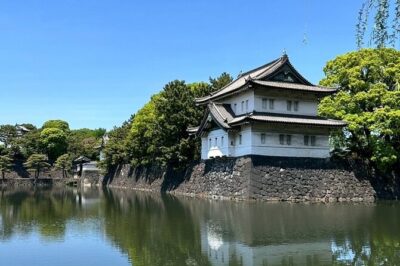
Imperial Palace and Shogun Historical Walking Tour
Read our review →
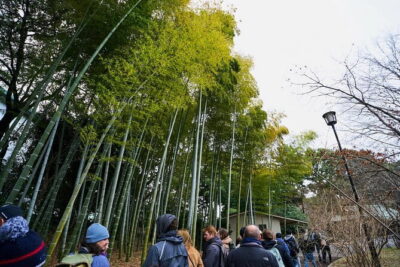
Tokyo Castle & Imperial PalaceーShogun Walking Tour
Read our review →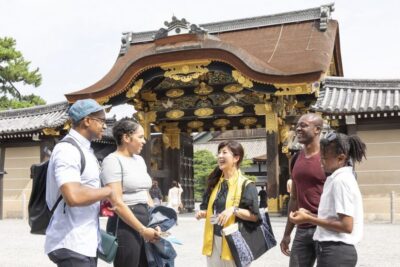
Nijo-jo Castle and Ninomaru Palace Guided Tour
Read our review →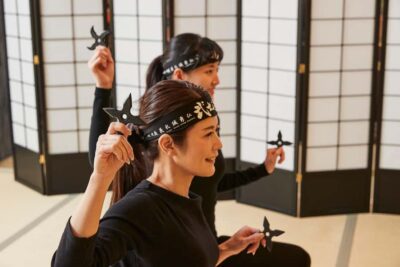
Samurai Ninja Museum Guided tour and Experience
Read our review →Browse the lists this tour appears in