
Reviewed · WALKING TOURS
Sapporo: The Indigenous Ainu People & Jozankei walking tour
Culture meets hot springs here. This full-day outing pairs the Sapporo Ainu Culture Promotion Center with a guided walk through Jozankei, giving you two very different views of Hokkaido in one day. I like the chance to handle traditional Ainu craftwork rather than only viewing objects behind glass, and I like the thoughtful finish at Hotel Shika no Yu, where you get a proper two-hour onsen visit. The main drawback is the long public-transport day, with possible waiting time and winter delays.
The tour also benefits from a strong guide. Scott receives repeated praise for his clear explanations, friendly conversation, and care during the long transfers. You should still expect a full 570-minute schedule, about nine and a half hours, with walking on uneven ground and no lunch included.
In This Review
- Key points at a glance
- Why this day works so well
- Meeting Scott at Sapporo Station
- Meeting the Ainu at the cultural center
- The transfer to Jozankei
- Walking through Jozankei’s shrines and parks
- Hotel Shika no Yu and the two-hour onsen
- Is $170 a fair price?
- The best season and what to pack
- Who should book this tour?
- Should you book the Ainu and Jozankei tour?
- FAQ
- Where does the tour meet?
- How long does the tour last?
- What language is the tour conducted in?
- Is transportation included?
- Is lunch included?
- What happens at the Ainu cultural center?
- Which Jozankei sights are included?
- What should I bring for the onsen?
Key points at a glance
- Hands-on Ainu culture: The cultural center lets you feel and handle traditional craftwork made by Ainu artisans.
- Two sides of Hokkaido: You learn about the Indigenous people of Hokkaido before exploring a volcanic hot spring village.
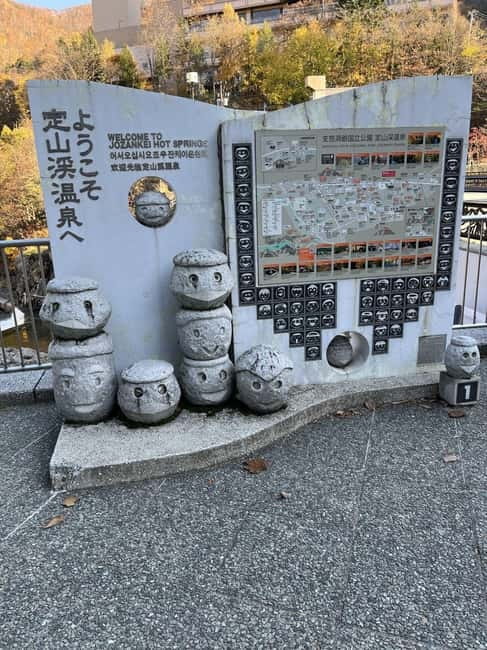
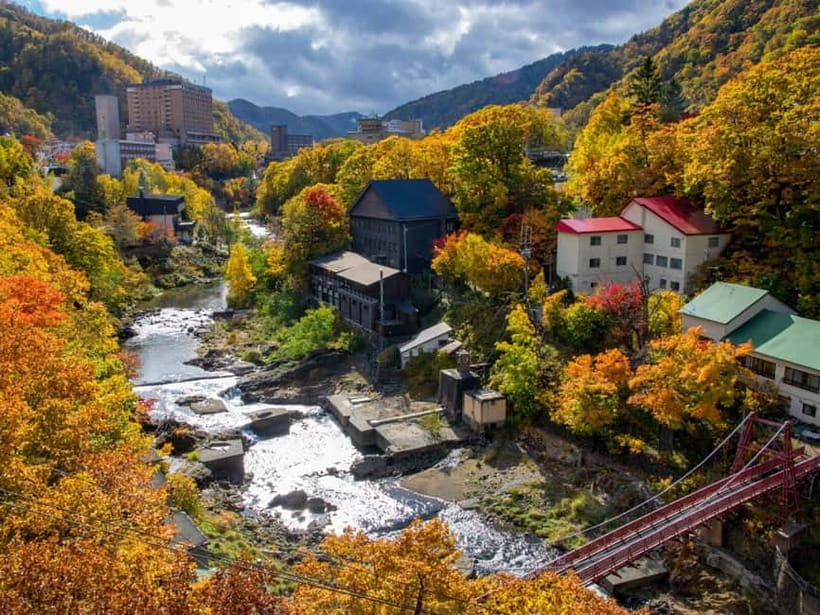
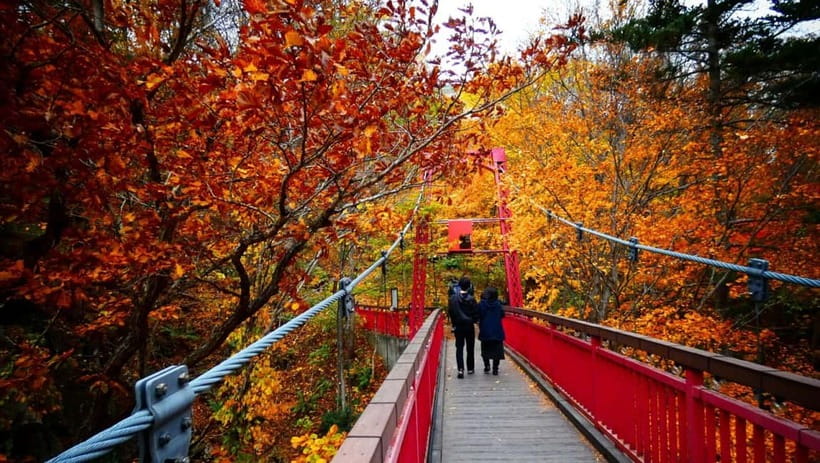
- Jozankei’s best-known stops: The route includes Jozankei Shrine and Temple, Gesen Park, Futami Park, and Futami Tsuribashi Suspension Bridge.
- A real onsen finish: Hotel Shika no Yu provides a two-hour day-bath visit, with guidance on Japanese bathing customs.
- Public transport is part of the day: The route uses a train and buses, so winter schedules and waiting times can affect the pace.
- Good value for a long outing: At $170 per person, transport, guide service, and admission fees are included, but lunch is your responsibility.
Why this day works so well
This tour succeeds because it does not treat Hokkaido as only a place for pretty views and hot springs. The first half gives you cultural context. The second places you in a small resort village shaped by volcanic activity and hot water.
That pairing matters. You learn about the Ainu, the Indigenous people who first settled Hokkaido and developed their own language, customs, art, and way of life. Then you see another side of the region in Jozankei, where natural hot springs have shaped local life for generations.
I especially like the change of pace. The museum visit is focused and educational. Jozankei then gives you time outdoors, with parks, a shrine, a suspension bridge, and a footbath before the main soak.
You should know that this is not a private-car sightseeing trip. Transportation is by train and bus, beginning at Sapporo Station and ending there. One person suggested private transport would improve the outing, while another noted that winter bus waits can be long. That is a fair concern, particularly when cold weather makes a roadside wait less pleasant.
More Walking Tours in Sapporo:
- Sapporo Walking Tour
★ 4.9 · 17 reviews - Sapporo Highlights: Golden Route Morning Guided Walking Tour
★ 4.9 · 16 reviews - Sapporo Highlights: Golden Route Morning Walking Tour
★ 4.5 · 14 reviews
Meeting Scott at Sapporo Station
Your day starts at 9 a.m. at Myomu, the circular white stone structure near the south exits of Sapporo Station. After leaving the main JR gates, turn left and walk a short distance toward the south exits. Your guide should be in front of the structure wearing a Snow Monkey Resorts tour tag.
This meeting point is simple once you know what to look for, but Sapporo Station is large. I would arrive early enough to find the south side without rushing. Keep your phone, water, and any extra clothing easy to reach.
The first train ride lasts about 80 minutes. That is a sizable block of the day, but it also gives Scott time to explain the plan and answer questions. One of the strongest parts of the outing is the guide’s ability to keep conversation going during transfer periods.
Because the tour uses regular public transport, the exact rhythm can change. Winter schedules may mean longer waits, and weather can affect the pace. You gain a more local way of moving around Hokkaido, but you give up the control and privacy of a dedicated vehicle.
Meeting the Ainu at the cultural center
The Sapporo Ainu Culture Promotion Center receives about 90 minutes. This is the intellectual heart of the day, and it deserves your attention.
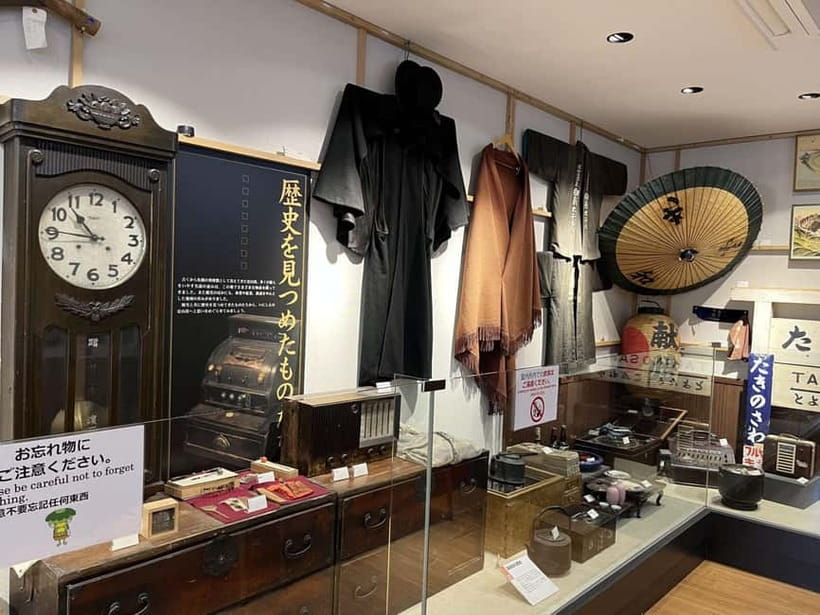
The Ainu are the Indigenous people of Hokkaido. Their culture developed separately from the traditions that many visitors associate with mainland Japan. At the center, you learn about their lifestyle, history, art, and material culture in a setting designed to involve more than just looking at displays.
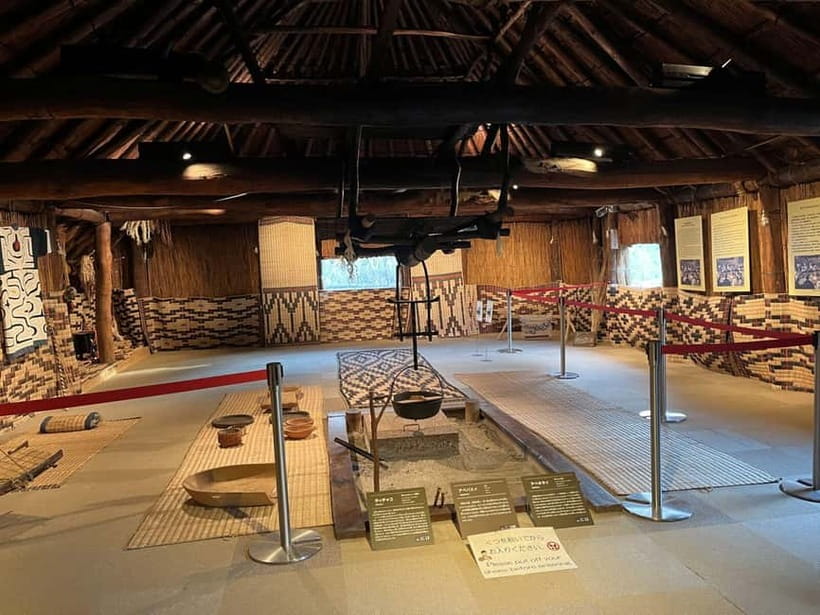
The hands-on element is important. You can feel and touch traditional craftwork made by Ainu artisans. That changes the visit from a quick museum stop into something more direct and memorable. Textiles, carved objects, tools, and other works make more sense when you can study their texture and construction.
Scott’s explanations are a major part of the visit. He has been praised for giving clear detail about the objects and for helping people understand the wider story behind them. A museum can provide labels, but a good guide helps you connect the pieces and ask better questions.
I would not treat this as a token cultural stop before the hot spring. It gives the rest of the day more meaning. Hokkaido tourism often focuses on food, snow, nature, and bathing. Learning about the Ainu reminds you that the region has an older and distinct cultural identity.
The visit lasts 1.5 hours, so you have enough time to listen and look around without needing an entire day. Still, the stop may feel short if you want to examine every object closely. Pay attention to Scott’s explanations first, then use any remaining time to revisit displays that interest you.
The transfer to Jozankei
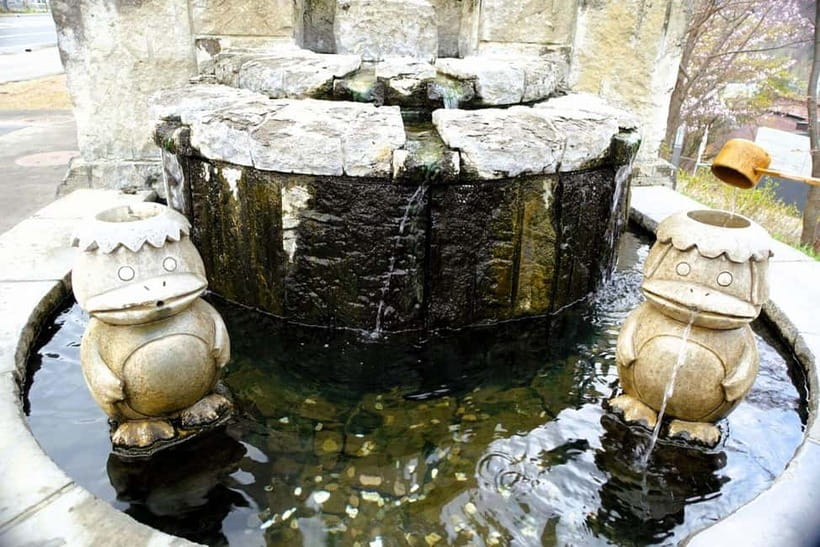
After the center, you travel by bus or coach for about an hour toward Jozankei. The village sits within Shikotsu-Toya National Park, in an area shaped by centuries of volcanic activity.
This transfer is not a sightseeing cruise with constant commentary. It is practical transport between two parts of the day. Bring water and a small snack, since lunch is not included and the schedule does not provide a stated meal stop.
The long ride is easier if you think of the tour as a full regional outing rather than a short Sapporo excursion. You are leaving the city for a hot spring village surrounded by wooded country. In winter, the setting can look especially striking, although the cold also makes waiting outdoors harder.
One person specifically recommended spring or autumn for those who struggle with cold. That is sensible advice. Winter offers a special view of Jozankei, but you need warm clothing and shoes with good grip. Summer and fall may make the walking portions more comfortable, though the tour information does not promise any particular seasonal scenery.
A few more options to weigh up in Sapporo
- Sapporo Bar Hopping Food Tour
★ 5.0 · 232 reviews - Hokkaido Seasonal: Lake Toya & Noboribetsu Jigokudani Valley
★ 4.7 · 173 reviews - Sapporo Private Tour with a Local – Highlights & Hidden Gems
★ 5.0 · 91 reviews - Sapporo: Sumo Show Experience with Japanese food & Photo
★ 4.9 · 81 reviews
Walking through Jozankei’s shrines and parks
You have about 4.25 hours in Jozankei for sightseeing, walking, free time, and the bath. That is generous enough to keep the day from feeling like a rushed photo stop.
The route includes Jozankei Shrine and Jozankei Temple. These religious sites help show the village as more than a spa destination. With Scott leading, you can ask about what you are seeing instead of simply passing through and taking pictures.
Gesen Park includes a footbath, giving you an early taste of the hot spring culture that defines Jozankei. A footbath is also useful if you want to try the mineral water without committing to a full bath right away. You should still bring a towel, as the practical details of drying your feet are easy to overlook.
Futami Park offers another walk through the village’s natural setting. The tour then reaches Futami Tsuribashi Suspension Bridge, one of Jozankei’s recognizable sights. Crossing a suspension bridge adds a little movement and height to the day, though the route may feel more demanding in snow or icy conditions.
The walking surfaces are not guaranteed to be smooth. The tour specifically warns you to prepare for uneven ground. Wear comfortable shoes with solid traction, and avoid treating this as a city stroll in light fashion sneakers.
The four-plus hours in Jozankei should not be read as four straight hours of hard walking. The schedule combines guided sightseeing, free time, the footbath, and the onsen. That makes the day more manageable, but you still need enough mobility for outdoor paths and bridge crossings.
Hotel Shika no Yu and the two-hour onsen
The day ends with a two-hour day-bath visit at Hotel Shika no Yu. This is not simply a quick dip squeezed between transport connections. You have time to change, learn the basic rules, bathe, and slow down.
For many people, this will be the most relaxing part of the outing. The hot spring water provides a warm finish after walking through Jozankei, especially in winter. One person described the bath as soothing and a good way to experience a local custom.
Your guide explains bathing etiquette before you enter. That is valuable if you have never used a Japanese onsen. The key point is that you wash before entering the communal bath, keep towels out of the water, and respect the quiet shared setting. Follow the instructions given on the day.
Bring a towel and a change of clothes. The tour information specifically lists both, along with comfortable shoes and water. A change of clothes is especially welcome after a long day of walking and bathing.
The cultural experience here is different from the museum. At the Ainu center, you learn through objects and explanation. At the onsen, you take part in a local custom. You do not need to be an expert bather, but you do need to follow the rules and feel comfortable with a communal bathing environment.
If a full bath is not suitable for you, a footbath option is noted as well. Still, people with back problems should not book this tour, and the outing is not suitable for wheelchair users. The uneven walking surfaces and public transport make those limitations important rather than minor footnotes.
Is $170 a fair price?
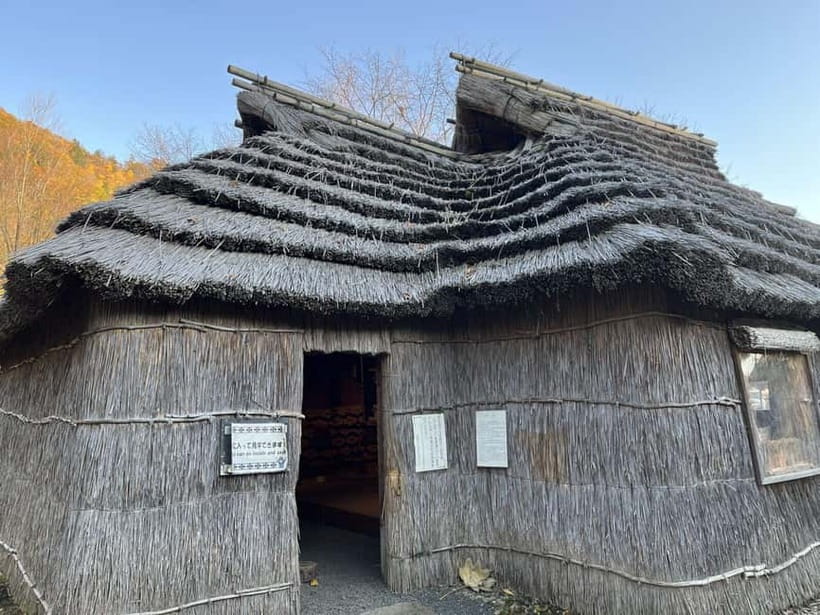
At $170 per person, this is not a cheap half-day activity. It is a nine-and-a-half-hour day with a guide, train and bus transportation from Sapporo Station to the listed stops, and admission fees for the included attractions.
The value depends on how you would otherwise arrange the day. You would need to organize transport to the Ainu cultural center, continue to Jozankei, find the main sights, understand the onsen rules, and return to Sapporo. The tour takes care of that structure and gives you an English-speaking guide throughout.
The guide is where much of the value lies. Scott is repeatedly praised for his subject knowledge, personable manner, and thoughtful attention. He also helps make the transfer time useful instead of dead time.
Lunch is not included, so budget for food separately. The supplied information does not specify a restaurant or a meal stop, so carry water and consider bringing a snack. You should not expect a private vehicle, hotel pickup, or accommodation.
For a private tour, $170 would need a closer look. For a full public-transport day combining two major activities, admission, and an English-speaking guide, the price is reasonable for people who value interpretation and convenience. It is less appealing if you prefer to move at your own speed or dislike long transfers.
The best season and what to pack
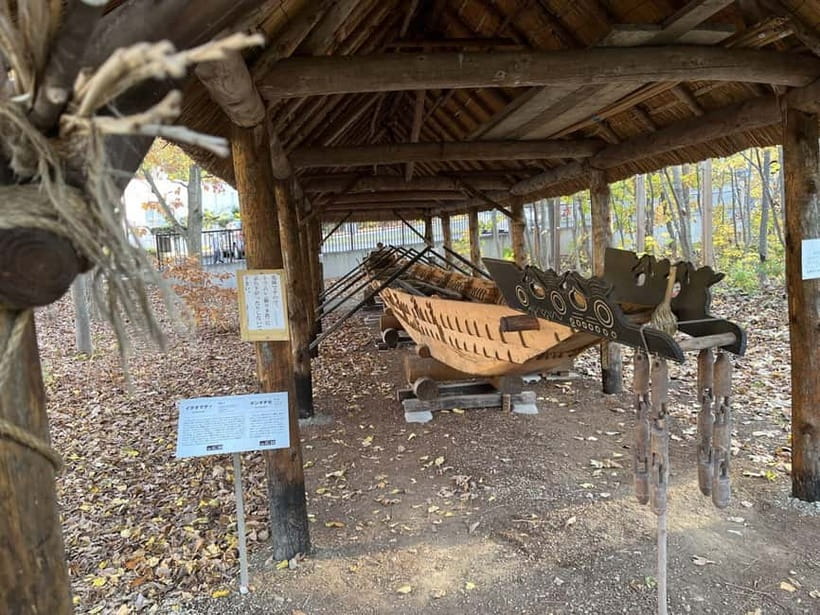
Winter can make Jozankei beautiful, but it also demands the most preparation. One January visitor enjoyed the winter views while noting that cold weather is not comfortable for everyone. Another suggested spring or autumn as easier seasons for the walking portion.
No matter when you go, pack:
- Comfortable shoes with good support
- A towel for the footbath and onsen
- A change of clothes
- Water
- Warm layers in cold weather
You should also allow for uneven surfaces and changing conditions. The suspension bridge, parks, and paths are outdoor stops, not polished indoor attractions.
The tour lasts 570 minutes, so small comforts matter. Water prevents you from feeling worn down, and a spare layer can help during waits. Since lunch is excluded, a snack is a sensible addition even though it is not formally listed among the required items.
Who should book this tour?
I would recommend this outing to you if you want more than a standard Sapporo city tour. It suits people who enjoy cultural interpretation, gentle-to-moderate walking, local transport, and Japanese bathing customs.
It is particularly useful during a short Hokkaido stay. You get an introduction to Ainu culture, a scenic hot spring village, several Jozankei sights, and an onsen without having to build the route yourself.
You should think twice if you need private transportation, dislike fixed schedules, or want a relaxed lunch-centered day. The public buses can involve waiting, and the full schedule leaves little room for changing your mind halfway through.
The tour also asks you to be comfortable with an onsen. If communal bathing is not for you, the footbath may offer a gentler option, but the main finish is clearly the Hotel Shika no Yu bath.
Should you book the Ainu and Jozankei tour?
Book it if you want a well-guided cultural day that also includes scenery and a hot spring. The strongest reasons are the hands-on Ainu center, Scott’s clear and friendly guidance, and the generous two-hour bath at the end.
Skip it if you want private transport, a short outing, or complete control over your schedule. The long public-transport connections and possible winter waits are the trade-off for covering so much without arranging it yourself.
For the right person, this is a thoughtful way to spend a day outside Sapporo. You return with more than photos of a bridge and a hot spring. You also gain a clearer sense of Hokkaido’s Indigenous culture and the role that hot water still plays in local life.
FAQ
Where does the tour meet?
Meet at 9 a.m. at Myomu, the circular white stone structure near the south exits of Sapporo Station. After leaving the main JR gates, turn left and walk toward the south exits. The guide will be wearing a Snow Monkey Resorts tour tag.
How long does the tour last?
The tour lasts 570 minutes, or about nine and a half hours. It begins in the morning at Sapporo Station and returns there after the Jozankei visit.
What language is the tour conducted in?
The tour has a live English-speaking guide.
Is transportation included?
Yes. Transportation from Sapporo Station to the listed destinations and activities is included. The route uses a train and bus or coach services.
Is lunch included?
No. Lunch is not included, so you should plan to bring or purchase food separately.
What happens at the Ainu cultural center?
You learn about the lifestyle, history, and art of the Ainu people. The center also allows you to feel and touch traditional craftwork made by Ainu artisans.
Which Jozankei sights are included?
The walking portion includes Jozankei Shrine and Temple, Gesen Park and its footbath, Futami Park, and Futami Tsuribashi Suspension Bridge.
What should I bring for the onsen?
Bring a towel and a change of clothes. You should also wear comfortable shoes and carry water. Bathing etiquette must be followed at Hotel Shika no Yu, and the guide explains the required rules.
Just added in Sapporo
- Hokkaido 7 Days Noboribetsu, Asahikawa, Biei by Delightful Travel★ 5.0 · 1 review
- 6 Days Hokkaido’s Floral Symphony Tour by UME Travel★ 5.0 · 2 reviews
- Full Day Private Skiing / Snowboarding Tour in Sapporo★ 5.0 · 30 reviews
- Snowshoe Hike Tour from Sapporo include hotel p/up & drop off★ 5.0 · 16 reviews
- Wagashi traditional japanese sweets class★ 5.0 · 49 reviews
- Snowshoeing and Onsen Adventures in a Winter Wonderland -Sapporo.★ 5.0 · 30 reviews
- Authentic Sapporo: Nijo Market Seafood Lunch & Local History Tour★ 5.0 · 13 reviews
- Sapporo Sumo Show Experience with Japanese Food and Photo★ 4.5 · 38 reviews
Walking Tours, compared.
Kyoto Geisha Walking Tour: Gion District & Hidden Gems
Read our review →
Tokyo Tsukiji Fish Market Food and Culture Walking Tour
Read our review →
Gion Magical Night Walking Tour with Geisha Trivia
Read our review →
Imperial Palace and Shogun Historical Walking Tour
Read our review →
Gion Geisha District Walking Tour – Stories of Geisha
Read our review →
Shinjuku Local Bar and Izakaya Guided Walking Tour
Read our review →
Browse the lists this tour appears in